
Cardiopulmonary Resuscitation Definition: What CPR Means, How It Works, and Why It Saves Lives
Learn the cardiopulmonary resuscitation definition, ACLS algorithm, 💯 infant CPR, AED use, and life support basics. Complete CPR awareness guide for the US.
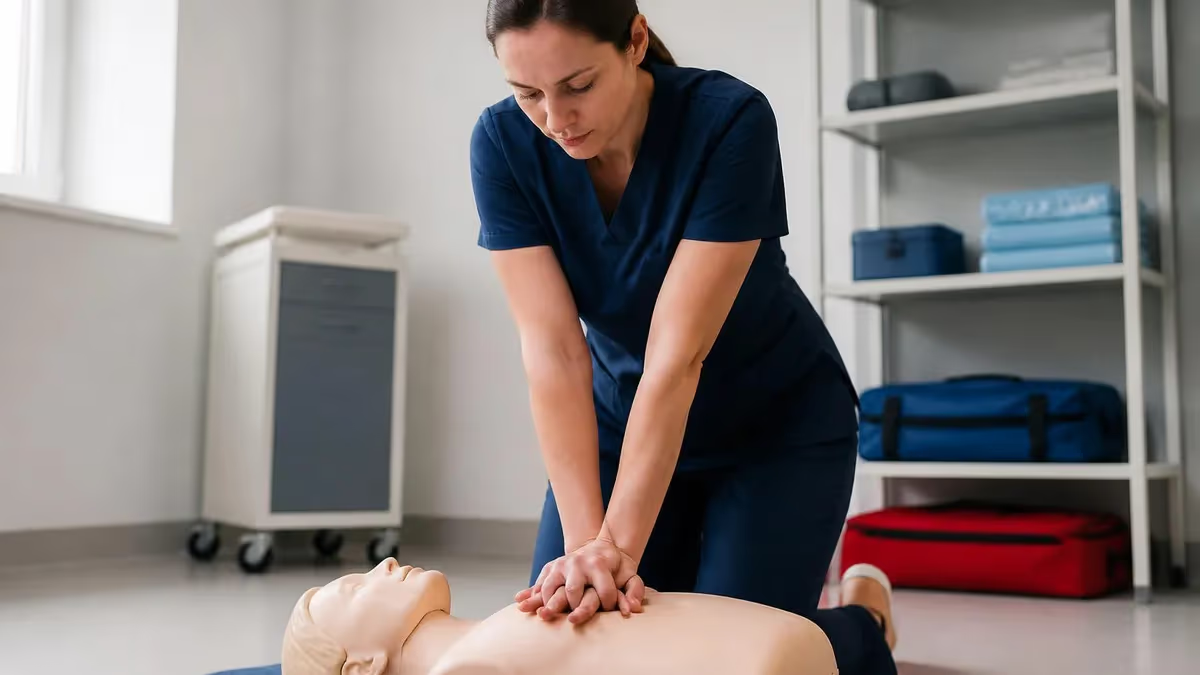
The cardiopulmonary resuscitation definition is straightforward but profound: CPR is an emergency procedure that combines chest compressions with rescue breaths to manually circulate oxygenated blood through the body when the heart has stopped beating or breathing has ceased.
Every year, more than 350,000 cardiac arrests occur outside of hospitals in the United States, and immediate CPR can double or even triple a victim's chance of survival. Understanding what CPR means — and how to apply it — is one of the most valuable skills any person can learn. If you want to deepen your knowledge beyond awareness, exploring a cardiopulmonary resuscitation definition course is the natural next step.
At its core, CPR maintains a minimal but critical flow of blood to the brain and heart muscle until advanced medical help arrives. Without intervention, brain cells begin to die within four to six minutes of oxygen deprivation. When bystanders recognize a cardiac emergency and begin compressions immediately, they essentially act as a human heart pump, buying precious minutes for emergency responders to arrive with defibrillators and medications. The quality of that early CPR — depth, rate, and minimal interruptions — directly determines how much brain function a survivor retains afterward.
CPR is not a single technique but a family of related skills that includes hands-only compression CPR, conventional compression-and-ventilation CPR, infant CPR for babies under one year, child CPR for children up to puberty, and advanced protocols governed by the ACLS algorithm used by healthcare professionals. Each variation is adapted to the physiology and most common arrest causes for that patient population. Adults most often suffer cardiac arrest from heart disease, while infants typically arrest from respiratory failure first, which is why rescue breaths play a larger role in infant CPR protocols.
The concept of life support extends beyond the street-level intervention of a bystander. Basic life support (BLS) encompasses CPR plus automated external defibrillator (AED) use, forming the first link in what the American Heart Association calls the Chain of Survival. Advanced cardiovascular life support, codified in the ACLS algorithm, adds intravenous medications, advanced airway management, and rhythm interpretation for trained clinicians. Pediatric advanced life support — PALS certification — applies similar structured protocols to children and infants in hospital and pre-hospital settings.
Understanding what does AED stand for is inseparable from any discussion of CPR: an automated external defibrillator is a portable device that analyzes the heart's rhythm and delivers an electric shock to restore a normal beat when certain life-threatening arrhythmias are detected. AEDs are designed for use by untrained bystanders — they provide audio and visual instructions — but knowing how they work makes you far more confident and effective during an actual emergency. Every minute without defibrillation reduces survival odds by approximately seven to ten percent.
The respiratory rate — the number of breaths a person takes per minute — is a key vital sign that CPR providers monitor closely. A normal adult respiratory rate is 12 to 20 breaths per minute. When breathing drops below this threshold or stops entirely, the body enters respiratory arrest, which can rapidly progress to cardiac arrest. Recognizing an abnormal respiratory rate in a victim is one of the first steps in assessing whether CPR or the position recovery technique is appropriate, and acting on that recognition within seconds can be the difference between life and death.
This guide covers the full scope of the cardiopulmonary resuscitation definition — from the biomechanics of what happens inside the chest during compressions to the broader ecosystem of certification programs like the national CPR foundation, PALS certification, and ACLS algorithm training. Whether you are a curious layperson, a student preparing for a healthcare career, or someone who recently witnessed an emergency and wants to be better prepared, this resource will give you a comprehensive, accurate, and actionable understanding of CPR and its life-saving purpose.
CPR & Cardiac Arrest in the US by the Numbers
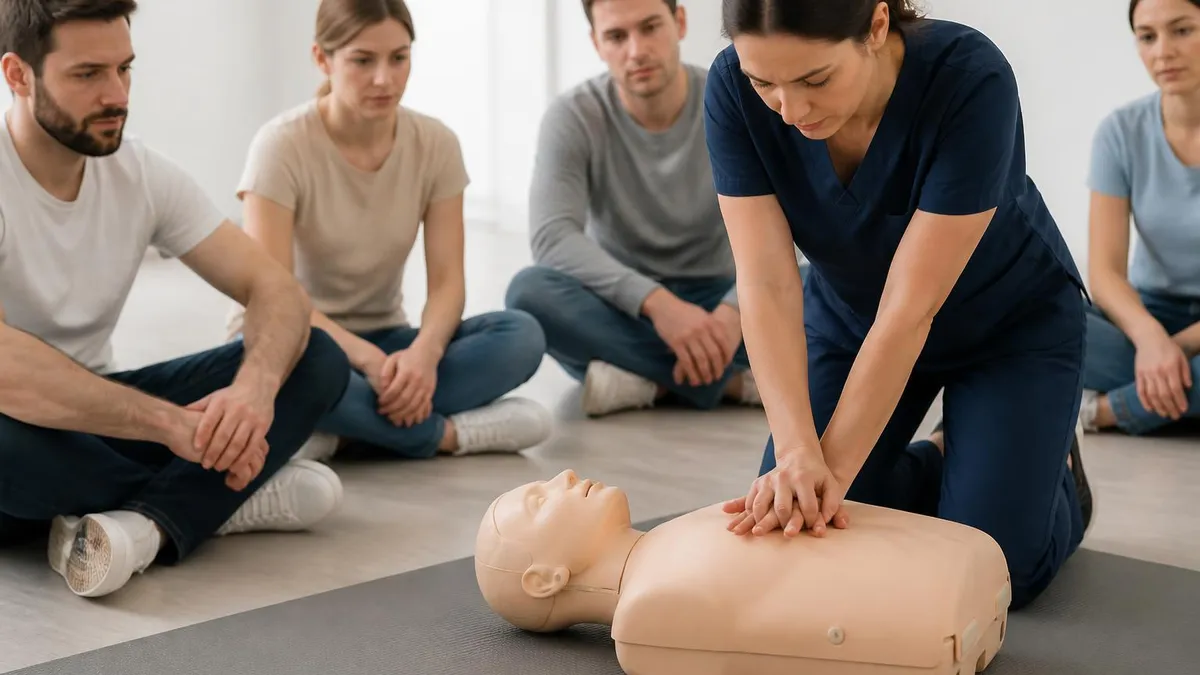
How CPR Works: The Biomechanics of Compressions and Ventilation
Assess & Call 911
Position & Expose the Chest
Deliver Chest Compressions
Open the Airway & Give Rescue Breaths
Use an AED as Soon as Available
Continue Until EMS Arrives or Victim Recovers
The ACLS algorithm — Advanced Cardiovascular Life Support — is the structured decision-making framework that healthcare providers follow during cardiac arrest and other life-threatening emergencies. Developed and updated by the American Heart Association, the ACLS algorithm organizes interventions into systematic pathways based on the patient's cardiac rhythm.
The two primary pathways are the shockable rhythms pathway (ventricular fibrillation and pulseless ventricular tachycardia) and the non-shockable rhythms pathway (pulseless electrical activity and asystole). Each pathway specifies exactly when to shock, when to administer epinephrine, when to consider advanced airway placement, and how to investigate reversible causes using the Hs and Ts mnemonic.
Understanding the ACLS algorithm is essential for nurses, paramedics, physicians, and respiratory therapists who may be first to respond in a clinical setting. The algorithm begins with the same foundation as basic CPR — high-quality chest compressions and early defibrillation — but layers on pharmacological interventions and advanced airway management such as endotracheal intubation or supraglottic airway devices. Epinephrine 1 mg IV or IO is administered every three to five minutes throughout the resuscitation, and amiodarone or lidocaine may be given for refractory shockable rhythms. Team dynamics, clearly assigned roles, and closed-loop communication are core elements of effective ACLS performance.
PALS certification — Pediatric Advanced Life Support — is the pediatric counterpart to ACLS, designed specifically for healthcare providers who care for critically ill infants and children. PALS emphasizes that the most common cause of cardiac arrest in children is respiratory failure or shock, not primary cardiac disease as in adults.
This distinction drives a different approach: early identification and treatment of respiratory distress, proactive airway management, and weight-based drug dosing using tools like the Broselow tape. PALS certification requires passing a written exam and a skills test, and it must be renewed every two years through an AHA-approved training center.
Life support is categorized into three tiers. Basic Life Support (BLS) covers the fundamental CPR and AED skills for both laypersons and healthcare providers. Advanced Cardiovascular Life Support (ACLS) adds adult resuscitation pharmacology, rhythm recognition, and team leadership for healthcare professionals. Pediatric Advanced Life Support (PALS) applies the advanced framework to patients from newborns through adolescents. Some providers also obtain Neonatal Resuscitation Program (NRP) certification for immediate post-birth emergencies and Pediatric Emergency Assessment, Recognition, and Stabilization (PEARS) for less-acute pediatric scenarios.
The national CPR foundation is one of several nationally recognized organizations offering CPR and life support certifications to both healthcare providers and the general public. The National CPR Foundation provides online and blended-learning courses that meet Occupational Safety and Health Administration (OSHA) workplace safety requirements and are modeled on the latest AHA and ILCOR (International Liaison Committee on Resuscitation) guidelines. Their courses range from basic adult CPR and AED to infant CPR, BLS for healthcare providers, and bloodborne pathogens training. The accessibility of online certification has significantly expanded the number of trained bystanders in the US workforce.
Respiratory rate monitoring is a critical component of both basic and advanced life support training. During CPR, rescuers are taught to avoid hyperventilation — delivering breaths too rapidly or with too much volume — because excessive ventilation increases intrathoracic pressure, reduces venous return to the heart, and actually lowers coronary perfusion pressure. Current guidelines recommend one breath every five to six seconds (10–12 breaths per minute) during two-rescuer CPR with an advanced airway in place. This precise respiratory rate target reflects decades of research showing that ventilation quality matters as much as compression quality in determining neurological outcomes after resuscitation.
For those preparing for certification exams, the breadth of the ACLS algorithm, PALS certification requirements, and the underlying science of life support can feel overwhelming. Breaking the material into discrete modules — rhythm recognition, airway management, pharmacology, team dynamics, and special resuscitation situations like hypothermia or pregnancy — makes the content manageable. Practice with realistic scenarios, use high-fidelity manikins whenever possible, and review the algorithm cards provided by the AHA until the decision branches become second nature. Certification testing is scenario-based, so rote memorization alone is insufficient; applied reasoning under simulated stress is what the examiners are evaluating.
CPR Practice Test Questions
Prepare for the CPR Cardiopulmonary Resuscitation Practice exam with our free practice test modules. Each quiz covers key topics to help you pass on your first try.
CPR Basic CPR
CPR Exam Questions covering Basic CPR. Master CPR Test concepts for certification prep.
CPR and First Aid
Free CPR Practice Test featuring and First Aid. Improve your CPR Exam score with mock test prep.
CPR (Cardiopulmonary Resuscitation) Adult ...
CPR Mock Exam on (Cardiopulmonary Resuscitation) Adult CPR and AED Usage. CPR Study Guide questions to pass on your first try.
CPR (Cardiopulmonary Resuscitation) Airway...
CPR Test Prep for (Cardiopulmonary Resuscitation) Airway Obstruction and Choking. Practice CPR Quiz questions and boost your score.
CPR (Cardiopulmonary Resuscitation) Cardio...
CPR Questions and Answers on (Cardiopulmonary Resuscitation) Cardiopulmonary Emergency Recognition. Free CPR practice for exam readiness.
CPR (Cardiopulmonary Resuscitation) Child ...
CPR Mock Test covering (Cardiopulmonary Resuscitation) Child and Infant CPR. Online CPR Test practice with instant feedback.
CPR (Cardiopulmonary Resuscitation) High-P...
Free CPR Quiz on (Cardiopulmonary Resuscitation) High-Performance Team Dynamics. CPR Exam prep questions with detailed explanations.
CPR (Cardiopulmonary Resuscitation) Legal ...
CPR Practice Questions for (Cardiopulmonary Resuscitation) Legal and Ethical Considerations. Build confidence for your CPR certification exam.
CPR for Specific Populations
CPR Test Online for for Specific Populations. Free practice with instant results and feedback.
CPR Airway & Breathing Management
CPR Exam Questions covering Airway & Breathing Management. Master CPR Test concepts for certification prep.
CPR Assessment & Recognition of Cardiac Ar...
Free CPR Practice Test featuring Assessment & Recognition of Cardiac Arrest. Improve your CPR Exam score with mock test prep.
CPR Chest Compressions & Defibrillation
CPR Mock Exam on Chest Compressions & Defibrillation. CPR Study Guide questions to pass on your first try.
CPR Post-Resuscitation Care & Recovery
CPR Test Prep for Post-Resuscitation Care & Recovery. Practice CPR Quiz questions and boost your score.
Infant CPR, Child CPR, and What Does AED Stand For
Infant CPR applies to babies under one year of age and differs significantly from adult technique. For compressions, use two fingers placed on the breastbone just below the nipple line, or encircle the infant's chest with both thumbs for the two-rescuer technique. Compress approximately 1.5 inches deep at a rate of 100–120 per minute. Because infants arrest primarily from breathing problems rather than heart disease, rescue breaths are especially important — do not use hands-only CPR for infants under any circumstances.
The compression-to-ventilation ratio for infant CPR with a single rescuer is 30 compressions to 2 breaths, identical to adult CPR. With two trained rescuers, the ratio changes to 15 compressions to 2 breaths to increase the total number of ventilations delivered. Tilt the infant's head only to a neutral position — not the full head-tilt used for adults — because overextension can actually close the airway in a baby. Cover both the infant's mouth and nose with your mouth to create a seal, and deliver gentle puffs just large enough to see chest rise.
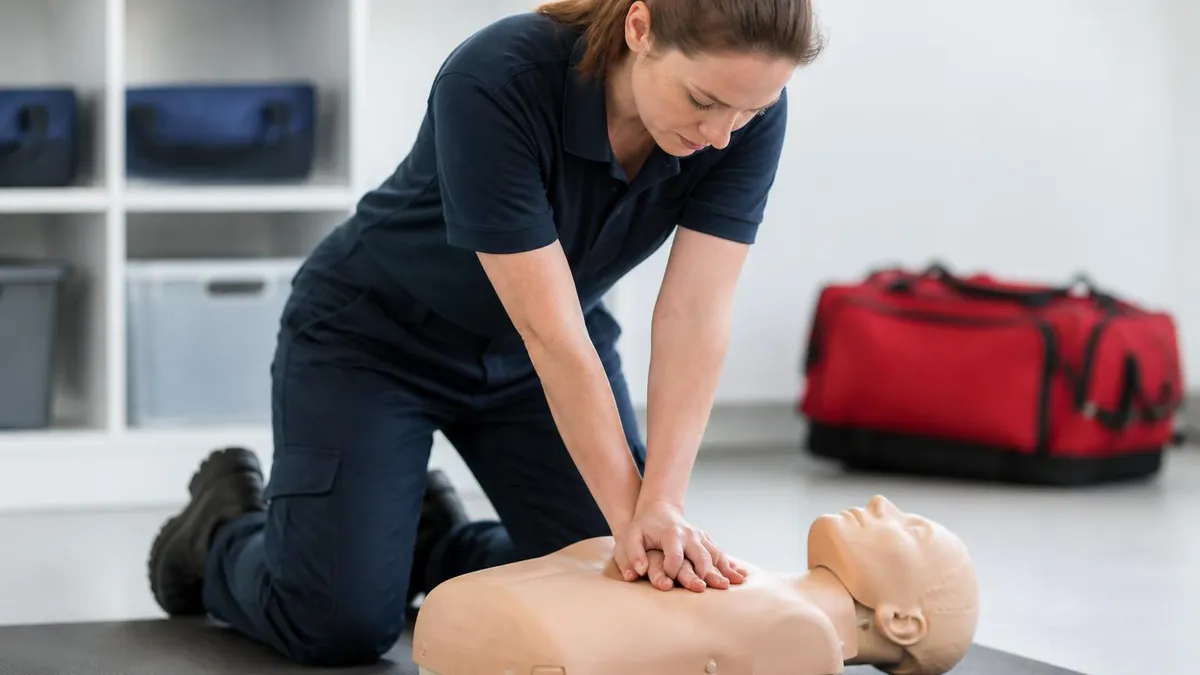
Bystander CPR vs. Waiting for EMS: Why Acting Matters
- +Doubles or triples survival rate compared to waiting for EMS alone
- +Brain function is preserved when compressions begin within 2 minutes
- +Hands-only CPR is effective for adults and requires no formal training
- +AEDs at the scene combined with CPR raise survival rates to 50%+ in some studies
- +Early CPR reduces the likelihood of neurological disability in survivors
- +Every 10-second pause in compressions requires 30+ seconds to restore perfusion pressure
- −Untrained bystanders may compress at incorrect depth or rate, reducing effectiveness
- −Rib fractures can occur in elderly patients even with correct technique
- −Rescuer fatigue sets in within two minutes, making compression quality drop rapidly
- −Fear of liability or doing harm prevents many bystanders from acting despite Good Samaritan laws
- −Hands-only CPR is not recommended for children, infants, or drowning victims
- −Without an AED, survival rates for ventricular fibrillation remain low even with perfect CPR
CPR Readiness Checklist: 10 Things Every Trained Rescuer Should Know
- ✓Recognize the signs of cardiac arrest: unresponsiveness, absent or gasping breathing, no pulse.
- ✓Call 911 immediately or direct a bystander to call before beginning CPR.
- ✓Position the victim on a firm, flat surface and locate the lower half of the sternum.
- ✓Deliver compressions at a rate of 100–120 per minute and at least 2 inches deep for adults.
- ✓Allow full chest recoil between every compression to let the heart refill with blood.
- ✓Minimize interruptions — keep pauses in compressions to under 10 seconds at all times.
- ✓Understand the correct compression-to-ventilation ratio: 30:2 single rescuer, 15:2 for pediatric two-rescuer.
- ✓Know how to use an AED: power on, attach pads correctly, follow prompts, resume CPR after shock.
- ✓Apply infant CPR technique (two-finger or two-thumb encircling) for babies under one year.
- ✓Know your state's Good Samaritan law protections so fear of liability does not prevent you from acting.
The First 90 Seconds Are the Most Critical Window in Cardiac Arrest
Research published in the Journal of the American Heart Association found that bystanders who begin CPR within 90 seconds of witnessed cardiac arrest achieve survival rates nearly four times higher than those who wait for EMS. Even imperfect CPR — at the wrong rate or slightly shallow — is dramatically better than no CPR. If you witness a collapse, start compressions immediately. You cannot make the situation worse by trying; you absolutely can make it better.
The national CPR foundation operates as one of several AHA-aligned organizations making CPR and first aid training accessible to millions of Americans annually. The organization offers certifications that satisfy OSHA workplace training requirements, state licensing boards for healthcare workers, and employer mandates in industries ranging from construction to education to food service.
Their blended-learning model — online coursework followed by an in-person skills session — has become the dominant delivery method for BLS certifications since the COVID-19 pandemic accelerated the shift away from purely classroom-based instruction. For many employers, certificates from the National CPR Foundation are fully equivalent to those from the American Heart Association or Red Cross.
Certification through recognized organizations is not merely a bureaucratic box to check. The training programs are built on evidence-based guidelines updated every five years through a systematic review of the global resuscitation literature coordinated by the International Liaison Committee on Resuscitation (ILCOR). The 2020 guidelines, the most recent full update, introduced changes including an increased emphasis on dispatcher-assisted CPR, updated opioid overdose response protocols integrated into CPR training, and refined guidance on compression fraction targets during resuscitation. Understanding which guidelines your certification course follows matters, especially for healthcare providers whose employers require strict adherence to specific protocols.
CPR phone repair and cpr cell phone repair are popular search terms that sometimes appear alongside CPR results online — these refer to the unrelated industry of cracked-screen and water-damage repair for mobile devices. The similarity in acronym causes search confusion but no overlap in content: CPR in the medical sense is exclusively about cardiac and respiratory resuscitation. If you arrived at a CPR medical article while searching for cpr phone repair or cpr cell phone repair services, those are separate businesses operating under the same initials with no connection to emergency medicine.
Beyond individual certification, CPR awareness campaigns have grown substantially in the United States. Organizations including the American Heart Association, the American Red Cross, and Hands Only CPR advocacy groups fund public training events, school-based CPR education programs, and workplace CPR training initiatives.
As of 2024, 40 US states have enacted legislation requiring CPR training as part of high school graduation requirements — a policy change credited with increasing the number of trained bystanders by an estimated 12 million students per year. These school-based programs focus primarily on hands-only CPR and AED awareness because they are the most impactful and easiest to deliver in a short class period.
For healthcare professionals, maintaining current ACLS and PALS certification is typically a condition of employment at hospitals, emergency departments, intensive care units, and many outpatient surgical centers. Certification renewal every two years ensures providers stay current with guideline updates and have the opportunity to practice low-frequency, high-stakes skills in a simulated environment. Many healthcare systems supplement mandatory certification with resuscitation simulation labs, code blue debriefs, and monthly cardiac arrest drills to keep teams sharp between renewal cycles. Research consistently shows that skills retention drops significantly after six months without practice, making supplemental training valuable.
The financial and career dimensions of CPR and life support certification are significant. Healthcare workers without current BLS, ACLS, or PALS certification may face termination, loss of licensure, or inability to practice in certain settings. For students entering nursing school, medical school, paramedic programs, or allied health fields, obtaining BLS certification is typically required before the first clinical rotation.
The cost of certification varies by provider: AHA courses typically run $60–$90 for BLS, $150–$250 for ACLS, and $150–$250 for PALS. National CPR Foundation online courses are often less expensive, starting around $19–$49 for basic certifications, though employers may specify which provider's cards they accept.
Public access defibrillation programs — which place AEDs in publicly accessible locations and train surrounding community members to use them — represent one of the highest-impact public health investments available.
Studies of communities with robust public access defibrillation programs show survival rates for out-of-hospital ventricular fibrillation exceeding 40%, compared to the national average of roughly 10%. Casinos, airports, and large sports venues that implemented AED programs in the early 2000s demonstrated these results clearly. Every public venue that installs an AED and trains its staff in CPR becomes a more survivable environment for the millions of people who visit each year.
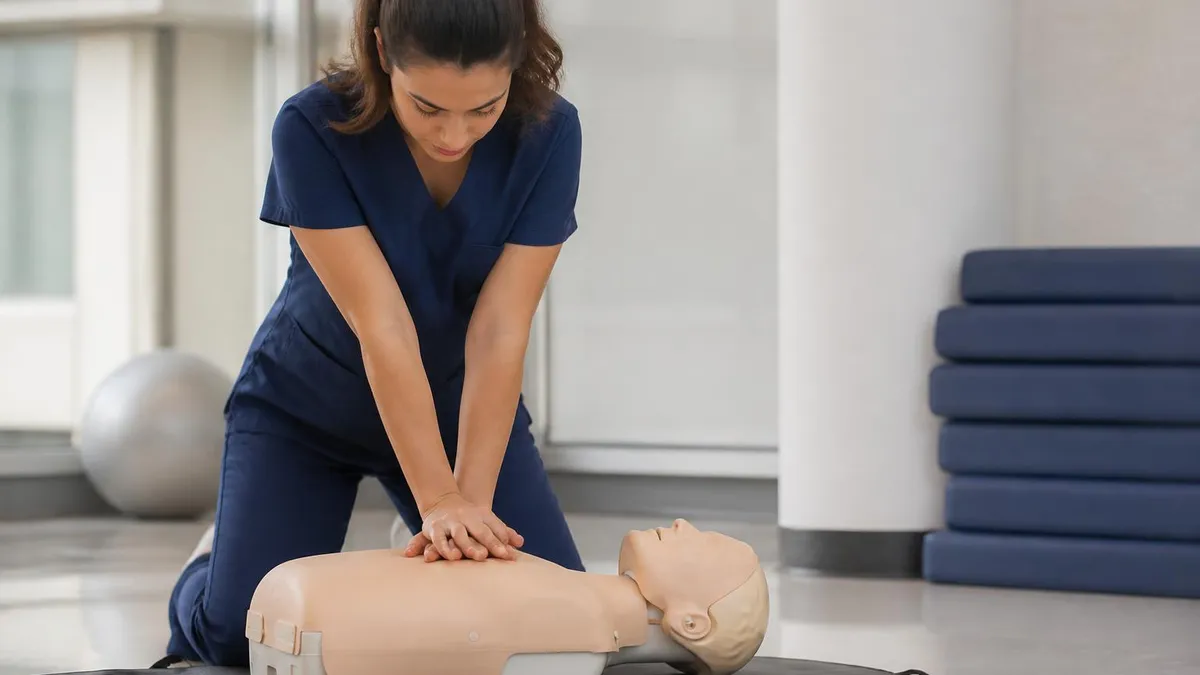
CPR is only appropriate for victims who are unresponsive AND not breathing normally. Agonal gasping — occasional, irregular, gurgling breaths — is not normal breathing and CPR should be started immediately if it is the only respiratory effort observed. Performing chest compressions on a person with a pulse and normal breathing can cause serious injury including rib fractures, pneumothorax, and cardiac arrhythmias. Always check responsiveness and breathing before beginning compressions.
The position recovery, also called the recovery position or lateral recumbent position, is a critical skill that complements CPR training. It is used when a victim is breathing and has a pulse but is unconscious or semiconscious and unable to protect their own airway.
Placing the person on their side — with the bottom arm extended forward, the top knee bent to stabilize, and the head tilted slightly back to keep the airway open — prevents the tongue from falling back and blocking the throat and allows vomit or fluids to drain rather than be aspirated into the lungs. The recovery position is not a substitute for CPR; if the person stops breathing at any point, CPR must begin immediately.
Choking is another closely related emergency that CPR-trained individuals should understand. Airway obstruction reduces effective respiratory rate to zero, leading rapidly to hypoxia and cardiac arrest if not relieved. For a conscious adult or child who is choking and cannot speak, cough forcefully, or breathe, the Heimlich maneuver — abdominal thrusts delivered just above the navel — is the primary intervention.
For infants, back blows and chest thrusts replace abdominal thrusts because the infant's abdominal organs are more vulnerable to injury. If the victim loses consciousness, lower them to the ground and begin CPR; each time you open the airway before giving breaths, look for and remove any visible obstruction.
Special resuscitation circumstances require modifications to standard CPR protocols. Drowning victims should receive five initial rescue breaths before beginning compressions because hypoxia is the primary insult. Victims of hypothermia may have extremely slow heart rates that are difficult to detect; the guideline is to begin CPR if you cannot detect a pulse within 60 seconds and to continue resuscitation until the victim is rewarmed — a cold victim is not considered dead until they are warm and dead.
Pregnant women in cardiac arrest require CPR with a manual left uterine displacement to relieve compression of the inferior vena cava by the uterus, which would otherwise reduce venous return and compromise resuscitation effectiveness.
The opioid overdose epidemic has added a new dimension to public CPR awareness in the United States. Opioid overdoses cause respiratory depression and apnea that can progress to cardiac arrest, and the widespread availability of naloxone (Narcan) nasal spray has enabled bystanders to reverse opioid-induced respiratory arrest before it becomes full cardiac arrest.
Current AHA guidelines recommend that trained responders administer naloxone to victims of suspected opioid overdose who are unresponsive and breathing abnormally, while simultaneously calling 911. If the victim does not respond to naloxone and has no pulse, CPR should begin. CPR certification courses increasingly integrate opioid emergency response into their curricula to reflect this public health reality.
Dispatcher-assisted CPR — telephone CPR or T-CPR — has emerged as a powerful force multiplier in out-of-hospital cardiac arrest survival. When a bystander calls 911, trained dispatchers are now expected to immediately assess whether the victim needs CPR and to provide real-time hands-only CPR instructions to the caller while EMS is en route.
Research shows that T-CPR increases the rate of bystander CPR initiation by 50% and improves survival with good neurological outcomes. This means that even people with no prior CPR training can perform effective compressions when guided by a 911 dispatcher — another compelling reason why calling immediately is the most critical first action in any cardiac emergency.
For those seeking to go beyond awareness and gain hands-on competency, instructor-led CPR training remains the gold standard. While online courses provide excellent cognitive preparation, the physical skill of performing high-quality compressions — maintaining the correct hand position, generating enough force while allowing full recoil, managing fatigue across two-minute cycles — requires practice on a manikin with feedback.
Many community organizations, fire departments, workplaces, and healthcare institutions offer free or low-cost CPR training events throughout the year. The American Heart Association's CPR Anytime kits allow individuals to practice at home with a mini-manikin and instructional video, an accessible option for those who cannot attend in-person classes.
The ultimate goal of understanding the cardiopulmonary resuscitation definition is not merely academic — it is to be ready when a real emergency occurs. Cardiac arrests happen in homes, offices, restaurants, gyms, and on the street. They happen to grandparents, coworkers, neighbors, and strangers.
The gap between knowing what CPR is and being able to perform it confidently is bridged only by training and practice. Every person who completes a CPR course represents one more link in the community Chain of Survival — one more person who might be standing next to someone whose heart stops and who will know exactly what to do in those irreplaceable first minutes.
Preparing for a CPR certification exam requires a multi-pronged approach that combines conceptual understanding, algorithm memorization, and physical skills practice. The written or cognitive component of most CPR and ACLS exams tests your ability to identify correct compression rates and depths, choose the right intervention at each step of the resuscitation algorithm, recognize cardiac rhythms on an ECG strip (for ACLS), and apply appropriate drug dosages and timing. Multiple-choice question banks — like the free practice tests available through PracticeTestGeeks — are among the most efficient tools for building this knowledge base before your certification course.
The skills component of CPR certification testing evaluates physical technique on a manikin. Evaluators look for hand placement on the lower half of the sternum (not the xiphoid process), compression depth of at least two inches for adults, a rate within the 100–120 per-minute window, and complete chest recoil after each compression. They also evaluate your ability to open the airway correctly, provide adequate rescue breaths without hyperventilating, and use an AED without significant delay. For ACLS and PALS, team leadership skills, effective communication, and correct algorithm navigation through a simulated scenario are also assessed.
Common mistakes on CPR skills evaluations include compressing too shallow (leaning on the chest between compressions reduces effective depth), compressing too slowly (a frequent error when people try to count carefully), failing to allow full recoil, and pausing compressions for too long when switching roles or when transitioning to ventilation. Practicing with a metronome app set to 110 beats per minute helps internalize the correct rate. Some modern CPR training manikins include feedback devices that display compression rate and depth in real time, which dramatically accelerates skill acquisition compared to practicing without feedback.
For ACLS specifically, one of the highest-yield study strategies is memorizing the Hs and Ts of reversible causes of cardiac arrest: Hypovolemia, Hypoxia, Hydrogen ion (acidosis), Hypo/hyperkalemia, Hypothermia, Tension pneumothorax, Tamponade (cardiac), Toxins, Thrombosis (pulmonary), and Thrombosis (coronary). These ten causes represent the conditions that, if identified and treated during resuscitation, give the patient the best chance of achieving return of spontaneous circulation (ROSC). Scenario-based ACLS testing frequently includes patients with one of these underlying causes as the key to resuscitation success.
Respiratory rate and airway management skills are particularly important for healthcare providers taking advanced certifications. Correctly identifying inadequate ventilation, selecting the right airway adjunct (nasopharyngeal airway, oropharyngeal airway, bag-mask ventilation, or definitive airway), and avoiding hyperventilation during CPR are all evaluated in ACLS and PALS courses. A common error is providing rescue breaths too forcefully or too frequently — remember that one breath every five to six seconds (about 10 per minute) is the target when an advanced airway is in place during two-rescuer CPR, not the faster rates that anxiety during a simulation can produce.
Post-resuscitation care — the care delivered after return of spontaneous circulation — is increasingly tested in ACLS courses and represents an important area of study. Targeted temperature management (TTM, formerly called therapeutic hypothermia) for comatose survivors of cardiac arrest, hemodynamic optimization to maintain mean arterial pressure above 65 mmHg, avoidance of hyperoxia by titrating oxygen to pulse oximetry of 94–98%, and urgent coronary angiography for patients with suspected acute coronary syndrome are all part of the post-cardiac arrest care algorithm. Survivors who receive evidence-based post-resuscitation care have dramatically better neurological outcomes than those who do not.
Staying current with CPR and life support guidelines is an ongoing responsibility for all certified providers. The AHA updates its guidelines on a five-year major cycle with interim focused updates published when significant new evidence warrants immediate changes.
Subscribing to the AHA's Circulation journal CPR and Emergency Cardiovascular Care supplement, following the AHA's CPR and ECC social media channels, and completing brief annual refresher training are all effective ways to ensure your knowledge reflects the current evidence base. Certification renewal courses are not just a compliance exercise — they are an opportunity to correct skill drift and integrate the latest guideline changes into your practice before they are needed in a real emergency.
CPR Questions and Answers
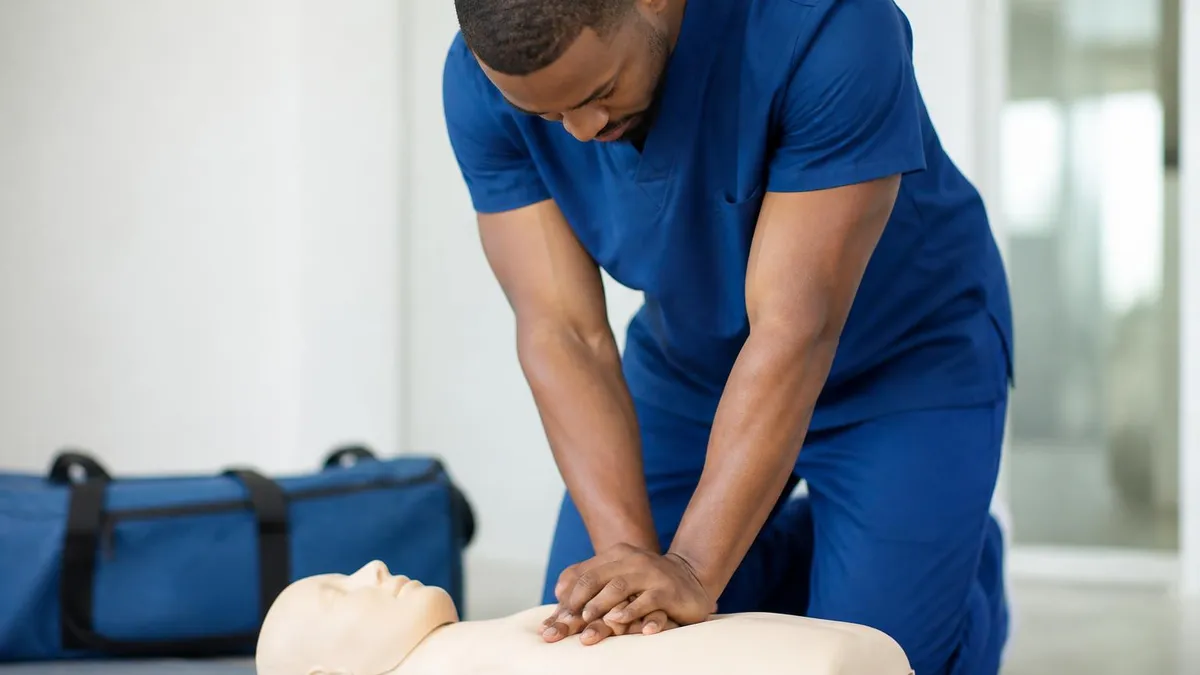
CPR Courses: Complete Guide to ACLS Algorithm, PALS Certification, and Life Support Training in 2026
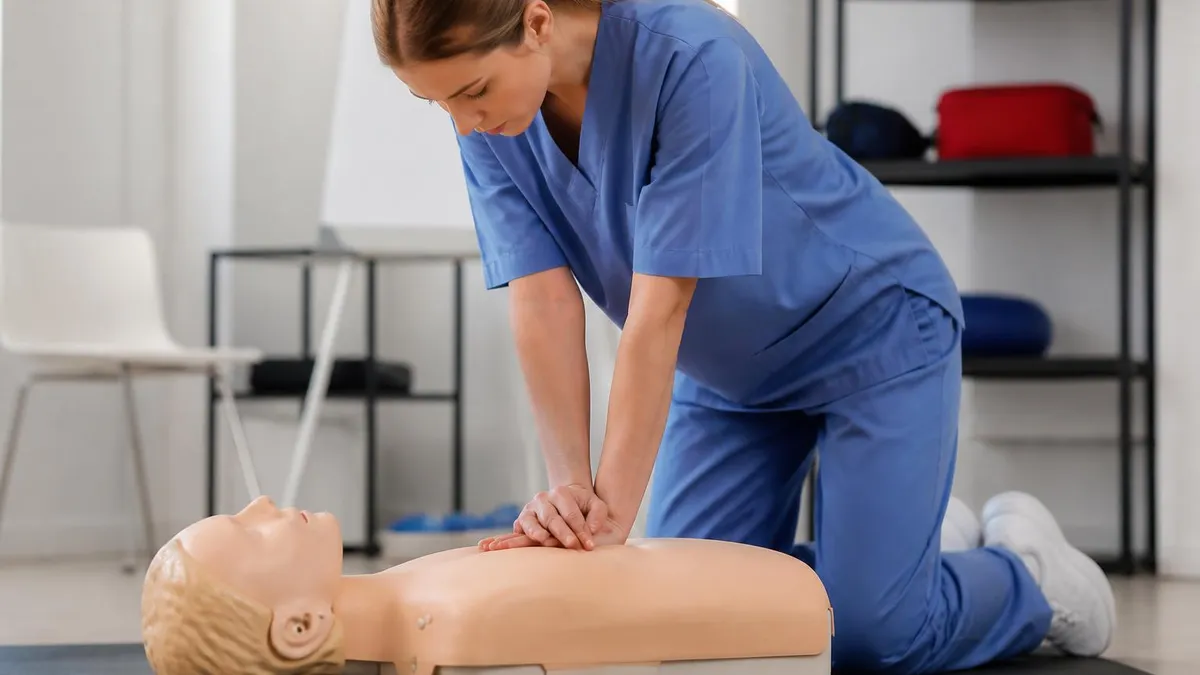
Types of CPR Training: From Basic Life Support to ACLS Algorithm Mastery in 2026
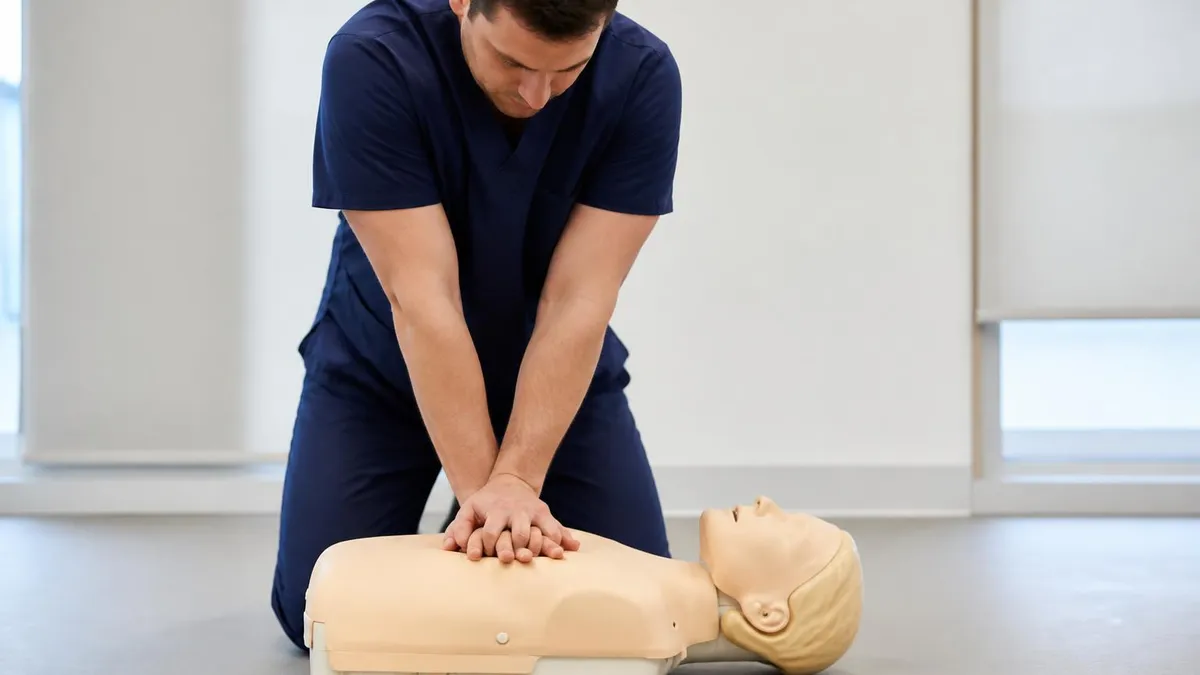
BLS vs CPR: Is BLS the Same as CPR? Complete 2026 Guide
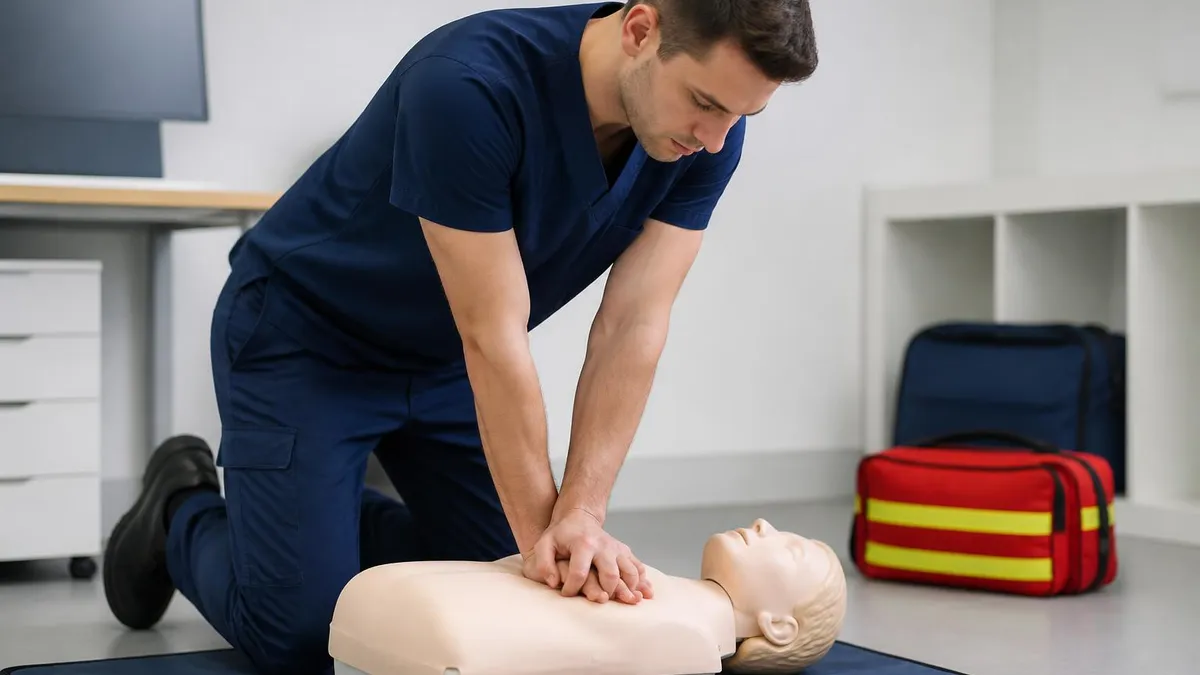
Adult CPR: Complete Step-by-Step Guide to Hands-Only and Standard CPR in 2026
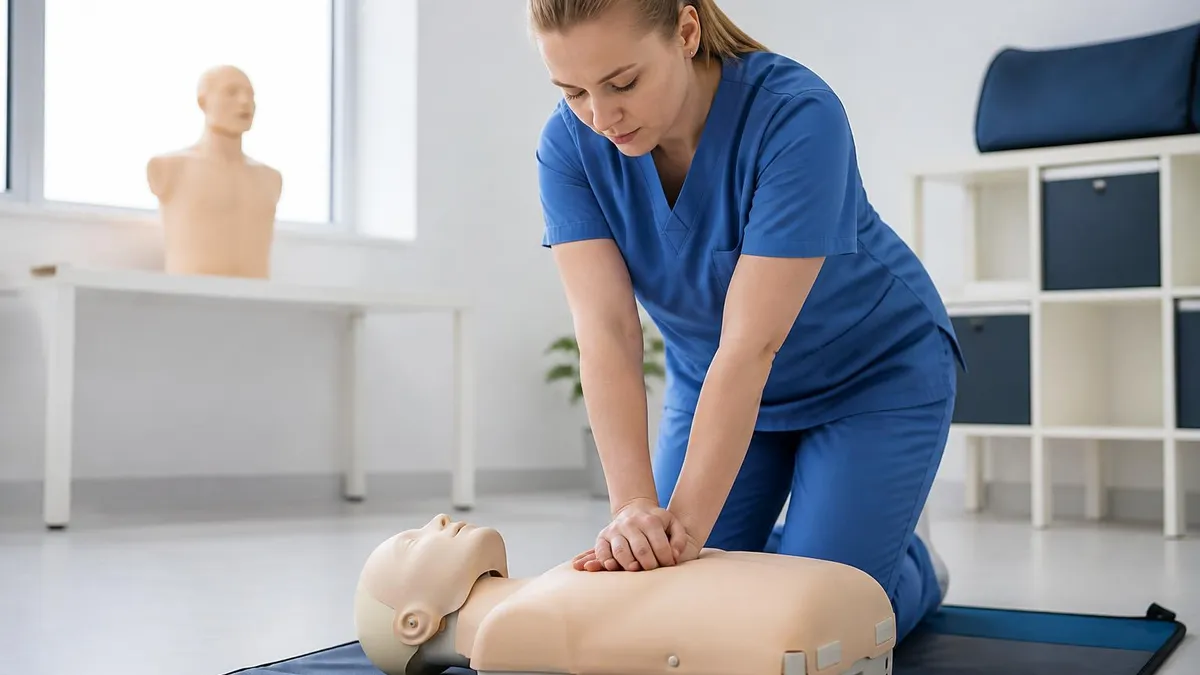
Free CPR Training: Complete Guide to ACLS Algorithm, PALS Certification, and Life Support Skills in 2026
About the Author

Registered Nurse & Healthcare Educator
Johns Hopkins University School of NursingDr. Sarah Mitchell is a board-certified registered nurse with over 15 years of clinical and academic experience. She completed her PhD in Nursing Science at Johns Hopkins University and has taught NCLEX preparation and clinical skills courses for nursing students across the United States. Her research focuses on evidence-based exam preparation strategies for healthcare certification candidates.
Join the Discussion
Connect with other students preparing for this exam. Share tips, ask questions, and get advice from people who have been there.
View discussion (5 replies)