
CPR Instructions: Complete Step-by-Step Guide to Adult, Child, and Infant CPR in 2026 September
Learn CPR instructions for adults, children, and infants. Covers ACLS algorithm basics, AED usage, recovery position, and life support techniques for 2026 September. ✍🏼
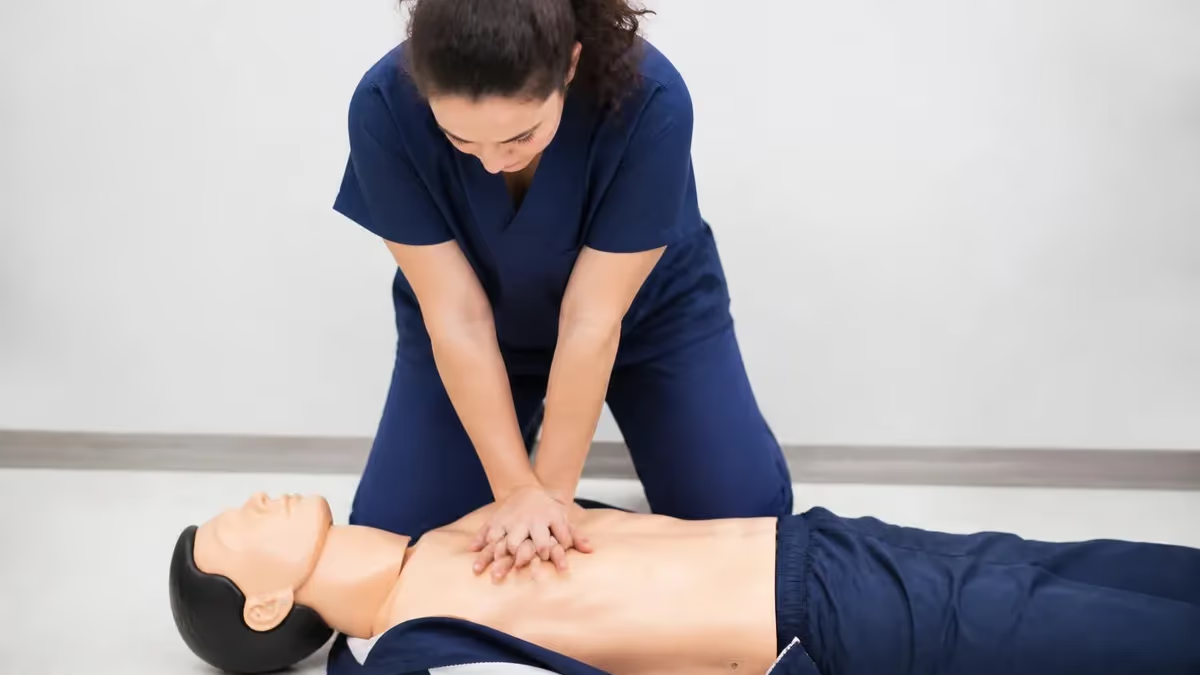
Knowing reliable CPR instructions can mean the difference between life and death when someone collapses from sudden cardiac arrest. Every year, more than 356,000 out-of-hospital cardiac arrests occur in the United States, and the survival rate drops roughly ten percent for each minute that passes without intervention. Whether you are a concerned parent, a workplace safety officer, or a healthcare professional studying the ACLS algorithm, understanding how to perform cardiopulmonary resuscitation correctly is one of the most valuable skills any person can possess in an emergency.
Cardiopulmonary resuscitation works by manually pumping blood through the body when the heart stops beating effectively. High-quality chest compressions push oxygenated blood to the brain and other vital organs, buying crucial time until advanced life support arrives on scene. Research published by the American Heart Association shows that immediate bystander CPR can double or even triple survival rates for out-of-hospital cardiac arrest, yet fewer than forty percent of bystanders actually attempt it when witnessing an emergency.
The reluctance to act often stems from fear of doing something wrong rather than a lack of willingness. Many bystanders worry about hurting the victim, performing compressions at the wrong depth, or breathing incorrectly during rescue breaths. Modern CPR guidelines have simplified the process significantly, and organizations like the National CPR Foundation offer accessible training that covers both hands-only and conventional techniques. Even imperfect CPR is far better than no CPR at all when a person is in cardiac arrest.
This comprehensive guide breaks down CPR instructions for adults, children, and infants so you can approach any emergency with confidence. We cover correct hand placement, compression depth and rate, the role of an AED, and what to monitor regarding respiratory rate during resuscitation efforts. Each age group requires slightly different techniques, and understanding these distinctions is essential for delivering the most effective care possible during a crisis situation.
Beyond basic CPR, we explore how these foundational skills connect to more advanced certifications such as PALS certification for pediatric emergencies and ACLS for hospital-based cardiac care. Understanding the full spectrum of resuscitation training helps you decide which level of certification matches your professional needs and personal goals. Healthcare workers, lifeguards, teachers, and coaches each face unique scenarios that demand specific preparation and regular recertification.
You will also learn about the recovery position, which is critical for maintaining an open airway once a patient begins breathing on their own again. Placing someone in the correct recovery position prevents aspiration and keeps the tongue from blocking the airway. This step is frequently overlooked in basic training but can be just as important as the compressions themselves in ensuring a positive outcome after successful resuscitation.
Whether you are preparing for a formal certification exam or simply want to be ready in case a loved one needs help, these CPR instructions give you a thorough, evidence-based foundation. The techniques described here align with the latest 2025 American Heart Association guidelines and reflect current best practices in emergency cardiovascular care. Take the time to read each section carefully, practice the physical motions, and consider enrolling in a hands-on class for additional confidence.
CPR Facts by the Numbers

Step-by-Step CPR Instructions for Cardiac Emergencies
Assess the Scene and Check Responsiveness
Call 911 and Get an AED
Open the Airway and Check Breathing
Begin Chest Compressions
Deliver Rescue Breaths if Trained
Apply AED and Continue Until Help Arrives
Understanding the ACLS algorithm provides a deeper framework for how CPR fits into the broader chain of survival during cardiac emergencies. ACLS stands for Advanced Cardiovascular Life Support, and it builds upon basic CPR by adding pharmacological interventions, advanced airway management, and systematic rhythm analysis. While most laypeople will never need to run a full ACLS algorithm, knowing how it works helps you appreciate why high-quality chest compressions are the foundation upon which every advanced intervention depends.
The ACLS algorithm for cardiac arrest follows a structured sequence that begins with recognition and activation of the emergency response system, followed by immediate high-quality CPR. The algorithm then branches depending on whether the cardiac rhythm is shockable, such as ventricular fibrillation or pulseless ventricular tachycardia, or non-shockable, such as asystole or pulseless electrical activity. Each branch has specific drug protocols and intervention timelines, but continuous compressions with minimal interruptions remain the central priority throughout.
Life support in the prehospital setting relies heavily on the skills of trained bystanders before advanced care providers arrive. Basic life support encompasses the CPR techniques covered in this guide, including chest compressions, rescue breathing, and AED use. Advanced life support layers additional tools on top of this foundation, including intravenous medications like epinephrine and amiodarone, endotracheal intubation, and continuous cardiac monitoring. The transition from basic to advanced life support should be seamless and uninterrupted.
Healthcare professionals studying life support algorithms must understand that the quality of CPR directly impacts whether advanced interventions succeed. Research consistently shows that even brief pauses in compressions reduce coronary perfusion pressure, making subsequent defibrillation attempts less likely to convert the rhythm. The AHA recommends a compression fraction greater than sixty percent, meaning compressions should be occurring during more than sixty percent of the total resuscitation time for optimal patient outcomes.
For those wondering what does AED stand for, it stands for Automated External Defibrillator. This portable device analyzes heart rhythms and delivers an electrical shock when it detects a life-threatening arrhythmia. Modern AEDs are designed for use by untrained bystanders, with clear voice prompts and visual instructions that guide users through each step. You cannot accidentally shock someone who does not need it, as the device will only deliver energy when it detects a shockable rhythm.
Public access defibrillation programs have placed AEDs in schools, airports, shopping centers, gyms, and other high-traffic areas across the country. Studies show that using an AED within the first three to five minutes of cardiac arrest can increase survival rates to nearly seventy percent. Many workplaces are now required by state law to maintain functioning AED units and ensure that designated employees receive annual training on their proper use and maintenance schedules.
The National CPR Foundation and other accredited organizations offer combined BLS and AED courses that prepare both laypeople and professionals for real-world emergencies. These courses typically include hands-on practice with manikins, AED trainers, and scenario-based assessments that build muscle memory and decision-making confidence. Whether you pursue certification online or through in-person classes, mastering the fundamentals of CPR and AED use creates the strongest possible foundation before advancing to ACLS or PALS certification programs.

CPR Practice Test Questions
Prepare for the CPR Cardiopulmonary Resuscitation Practice exam with our free practice test modules. Each quiz covers key topics to help you pass on your first try.
CPR Basic CPR
CPR Exam Questions covering Basic CPR. Master CPR Test concepts for certification prep.
CPR and First Aid
Free CPR Practice Test featuring and First Aid. Improve your CPR Exam score with mock test prep.
CPR (Cardiopulmonary Resuscitation) Adult ...
CPR Mock Exam on (Cardiopulmonary Resuscitation) Adult CPR and AED Usage. CPR Study Guide questions to pass on your first try.
CPR (Cardiopulmonary Resuscitation) Airway...
CPR Test Prep for (Cardiopulmonary Resuscitation) Airway Obstruction and Choking. Practice CPR Quiz questions and boost your score.
CPR (Cardiopulmonary Resuscitation) Cardio...
CPR Questions and Answers on (Cardiopulmonary Resuscitation) Cardiopulmonary Emergency Recognition. Free CPR practice for exam readiness.
CPR (Cardiopulmonary Resuscitation) Child ...
CPR Mock Test covering (Cardiopulmonary Resuscitation) Child and Infant CPR. Online CPR Test practice with instant feedback.
CPR (Cardiopulmonary Resuscitation) High-P...
Free CPR Quiz on (Cardiopulmonary Resuscitation) High-Performance Team Dynamics. CPR Exam prep questions with detailed explanations.
CPR (Cardiopulmonary Resuscitation) Legal ...
CPR Practice Questions for (Cardiopulmonary Resuscitation) Legal and Ethical Considerations. Build confidence for your CPR certification exam.
CPR for Specific Populations
CPR Test Online for for Specific Populations. Free practice with instant results and feedback.
CPR Airway & Breathing Management
CPR Exam Questions covering Airway & Breathing Management. Master CPR Test concepts for certification prep.
CPR Assessment & Recognition of Cardiac Ar...
Free CPR Practice Test featuring Assessment & Recognition of Cardiac Arrest. Improve your CPR Exam score with mock test prep.
CPR Chest Compressions & Defibrillation
CPR Mock Exam on Chest Compressions & Defibrillation. CPR Study Guide questions to pass on your first try.
CPR Post-Resuscitation Care & Recovery
CPR Test Prep for Post-Resuscitation Care & Recovery. Practice CPR Quiz questions and boost your score.
Infant CPR vs. Child CPR vs. Adult CPR Techniques
Infant CPR requires special techniques because of the baby's small and fragile body. Use two fingers or two-thumb encircling hands technique to compress the breastbone approximately one and a half inches deep at a rate of 100 to 120 compressions per minute. Cover both the infant's mouth and nose with your mouth when delivering rescue breaths. Each breath should be a gentle puff lasting about one second, producing a visible chest rise without overinflating the lungs.
When performing infant CPR, always support the head and neck carefully while maintaining a neutral airway position. Do not tilt the head back as far as you would for an adult because hyperextension can actually close an infant's airway. The compression-to-breath ratio remains 30 to 2 for single rescuers and changes to 15 to 2 when two trained healthcare providers are present. Check the brachial pulse on the inside of the upper arm rather than the carotid pulse used for older patients.
Hands-Only CPR vs. Conventional CPR with Rescue Breaths
- +Hands-only CPR is simpler to learn and easier to remember during high-stress emergencies
- +Eliminates hesitation caused by reluctance to perform mouth-to-mouth on strangers
- +AHA recommends hands-only for untrained bystanders witnessing adult cardiac arrest
- +Continuous compressions maintain better coronary perfusion pressure without interruptions
- +Bystanders are more likely to initiate CPR when breathing is not required
- +Effective for the first several minutes when residual oxygen remains in the bloodstream
- −Conventional CPR with breaths delivers oxygen that hands-only cannot provide after several minutes
- −Pediatric and infant cardiac arrests usually require rescue breaths due to respiratory causes
- −Drowning victims specifically need ventilation because their arrest stems from oxygen deprivation
- −Hands-only CPR is less effective for prolonged resuscitations exceeding eight to ten minutes
- −Trained healthcare providers are expected to deliver full CPR with ventilations in all cases
- −Omitting breaths may reduce outcomes for patients with respiratory-origin cardiac arrest
CPR Readiness Checklist: Are You Prepared to Save a Life?
- ✓Complete a certified CPR course through the AHA, Red Cross, or National CPR Foundation
- ✓Practice chest compressions on a manikin to develop proper depth and rate muscle memory
- ✓Learn the location of every AED in your workplace, school, and community centers
- ✓Program your local emergency number into your phone and enable speakerphone for hands-free use
- ✓Keep a pocket mask or face shield in your car, purse, or first aid kit for rescue breathing
- ✓Review the differences between adult, child, and infant CPR techniques at least once per year
- ✓Renew your CPR certification before it expires, typically every two years for most providers
- ✓Train family members and coworkers so multiple people can rotate compressions during prolonged events
- ✓Familiarize yourself with the recovery position to use once a patient resumes spontaneous breathing
- ✓Understand the signs of cardiac arrest versus other medical emergencies like stroke or seizure
Compression Quality Matters More Than Perfection
The American Heart Association emphasizes that any CPR is better than no CPR. Studies show that bystanders who perform chest compressions at any depth and rate significantly improve survival compared to those who take no action. Do not let fear of imperfection prevent you from acting — push hard, push fast, and do not stop until professional help arrives.
Monitoring respiratory rate during and after CPR is a critical clinical skill that helps rescuers assess whether their interventions are working. Respiratory rate refers to the number of breaths a person takes per minute, and the normal range for adults is twelve to twenty breaths. During cardiac arrest, the patient has no effective breathing, which is why rescue breaths are incorporated into conventional CPR. After return of spontaneous circulation, monitoring respiratory rate provides one of the earliest indicators of whether the patient is maintaining adequate oxygenation on their own.
Healthcare providers track respiratory rate alongside other vital signs such as pulse oximetry, blood pressure, and heart rhythm to build a complete clinical picture. In the immediate post-resuscitation period, patients may breathe irregularly, too slowly, or too rapidly as their body recovers from the metabolic stress of cardiac arrest. An abnormally high respiratory rate above twenty breaths per minute could indicate ongoing metabolic acidosis, while a rate below twelve suggests potential respiratory depression requiring continued ventilatory support from emergency responders.
The recovery position, sometimes searched as position recovery, is a technique used to maintain an open airway in an unconscious person who is breathing on their own. After successful CPR results in return of spontaneous circulation, placing the patient in the recovery position helps prevent the tongue from falling back and blocking the airway. It also allows any fluid, blood, or vomit to drain from the mouth rather than being aspirated into the lungs, which could cause a secondary emergency such as aspiration pneumonia.
To place someone in the recovery position, kneel beside the person and straighten their legs. Place the arm nearest to you at a right angle with the palm facing upward. Bring the far arm across the chest and hold the back of their hand against the near cheek. With your other hand, pull the far knee up so the foot is flat on the ground, then roll the person toward you by pulling on the bent knee. Adjust the top leg so the hip and knee are both at right angles for stability.
Once the patient is positioned on their side, tilt the head back slightly to keep the airway open and ensure the hand under the cheek maintains the head in a stable, tilted position. Check that the person is breathing normally and monitor them continuously until emergency services arrive. If the patient stops breathing at any point, immediately roll them onto their back and resume CPR. The recovery position should only be used when you are confident the person has a pulse and is breathing independently.
It is important to note that the recovery position is not appropriate for patients with suspected spinal injuries, as rolling them could worsen potential damage. In these cases, use a jaw-thrust maneuver to open the airway while keeping the patient flat and stabilizing the head and neck. Trauma victims require careful assessment, and if you suspect a spinal injury, communicate this clearly to arriving paramedics so they can apply cervical spine precautions during transport to the hospital.
For lay rescuers, the simplest advice is this: if the person is unconscious, breathing, and does not appear to have a spinal injury, place them in the recovery position and stay with them. If they are not breathing or only gasping, begin CPR immediately and continue until help arrives. These two decision points cover the vast majority of emergency scenarios you are likely to encounter, and practicing both skills during certification courses builds the confidence needed to act decisively under pressure in real situations.
Most CPR certifications expire every two years, and expired credentials may not be accepted by employers, schools, or licensing boards. Check your certification expiration date and begin the renewal process at least 30 days before it lapses. Many organizations including the National CPR Foundation offer streamlined renewal courses that can be completed online in a single session.
PALS certification, which stands for Pediatric Advanced Life Support, represents the next level of training for healthcare professionals who treat children and infants in emergency settings. While basic CPR instructions teach the foundational skills of chest compressions and rescue breathing, PALS certification adds systematic approaches to pediatric assessment, recognition of respiratory distress and shock, effective resuscitation algorithms, and post-arrest stabilization. Nurses, physicians, paramedics, and emergency department technicians commonly require PALS certification as a condition of employment or credentialing.
The PALS certification course typically runs between twelve and fourteen hours and covers both cognitive knowledge and hands-on psychomotor skills. Students learn to manage pediatric bradycardia with a pulse, tachycardia with and without a pulse, cardiac arrest rhythms, and post-resuscitation care. The course culminates in a written exam and practical skills stations where participants must demonstrate competency in team-based resuscitation scenarios. Maintaining current PALS certification requires renewal every two years, similar to basic CPR and ACLS credentials.
For professionals interested in the ACLS algorithm specifically, the Advanced Cardiovascular Life Support course provides in-depth training on managing adult cardiac arrest, stroke, acute coronary syndromes, and symptomatic bradycardia or tachycardia. The ACLS algorithm uses a systematic approach that starts with checking the patient, activating emergency response, and beginning CPR, then progresses through rhythm analysis, defibrillation, medication administration, and advanced airway placement based on the specific cardiac rhythm identified during resuscitation.
Both PALS and ACLS build directly on the CPR skills covered earlier in this guide, which is why organizations require current BLS certification as a prerequisite before enrolling in advanced courses. Students who attempt ACLS or PALS without solid CPR fundamentals often struggle with the team dynamics and rapid decision-making required during simulated scenarios. Investing time in mastering basic CPR instructions first creates a much smoother learning experience when you progress to advanced certifications later in your career.
The National CPR Foundation and other accredited providers offer both in-person and blended learning options for PALS certification and ACLS courses. Blended courses typically include an online self-paced component covering cognitive material followed by an in-person skills session where instructors evaluate your hands-on performance. This format reduces classroom time while maintaining the practical assessment that ensures graduates can actually perform the techniques they have studied in a controlled learning environment.
Cost is an important consideration when planning your certification pathway. Basic CPR courses typically range from twenty-five to seventy-five dollars depending on the provider and format. ACLS courses generally cost between one hundred fifty and three hundred dollars, while PALS certification runs a similar range. Some employers reimburse certification costs for healthcare workers, and many hospitals offer in-house training at reduced rates. Comparing prices across multiple accredited providers helps ensure you get quality education at a reasonable investment.
Regardless of which certification level you pursue, the most important step is maintaining your skills through regular practice and timely renewal. Studies show that CPR skills begin to deteriorate within three to six months of initial training if they are not reinforced through practice or refresher education. Many professionals set calendar reminders for skill review sessions and take advantage of free online practice tests to keep their knowledge current between formal recertification cycles throughout the year.
Practical preparation goes beyond reading about CPR techniques and involves developing the physical muscle memory and mental readiness to act under extreme pressure. One of the most effective ways to prepare is by practicing on a CPR training manikin, which provides realistic feedback on compression depth, rate, and recoil. Many community organizations, fire departments, and local chapters of the American Heart Association offer free or low-cost practice sessions where you can rehearse your skills on professional-grade training equipment with expert feedback.
When practicing chest compressions, pay close attention to your body mechanics to avoid fatigue during prolonged resuscitation efforts. Position yourself directly over the patient with your shoulders aligned above your hands and your arms locked straight. Use your upper body weight rather than arm strength alone to generate the force needed for adequate compression depth. This technique is more sustainable and allows you to maintain high-quality compressions for longer periods without becoming exhausted, which is critical when emergency services may take ten minutes or more to arrive.
Scenario-based mental rehearsal is another powerful preparation tool that improves response time and decision quality during real emergencies. Spend a few minutes each week visualizing different emergency situations: a coworker collapsing in the office break room, a stranger experiencing cardiac arrest at a grocery store, or a child choking at a family barbecue. Walk through each step mentally, from calling 911 to beginning compressions to applying an AED, and identify any gaps in your knowledge or confidence that need additional study or practice.
Technology offers several useful tools for maintaining CPR readiness between formal training sessions. Smartphone applications like PulsePoint and the AHA CPR app provide step-by-step CPR guidance, AED locators, and practice drills that you can access anywhere. Some apps use your phone's accelerometer to measure compression rate and depth when you practice on a pillow or cushion, providing real-time feedback that approximates the experience of using a feedback-enabled training manikin at home without additional equipment costs.
Team-based CPR is significantly more effective than single-rescuer CPR because it allows for continuous compressions with minimal interruptions while other team members manage airway, breathing, defibrillation, and communication with dispatchers. If you regularly spend time with family, friends, or coworkers, consider encouraging them to obtain CPR certification as well. Having multiple trained responders available during an emergency enables rescuer rotation every two minutes, which research shows is essential for maintaining adequate compression quality throughout a prolonged resuscitation.
Environmental awareness plays a surprisingly important role in CPR effectiveness. Take a moment in every new building you enter to locate the nearest AED and emergency exits. Note whether you have cell phone reception in your current location, and identify who around you might be able to assist during an emergency. This habit of situational awareness takes only seconds but can shave critical time off your response when every moment counts. Knowing where resources are before you need them eliminates hesitation and confusion during the chaotic first moments of a cardiac arrest event.
Finally, remember that emotional preparedness is just as important as technical skill. Performing CPR on a real person is an intense, physically demanding, and emotionally challenging experience. The patient may not survive despite your best efforts, and that outcome is not a reflection of your performance. Organizations like the National CPR Foundation and the American Heart Association provide resources for rescuers who experience emotional distress after a resuscitation event, and speaking with a counselor or peer support group can help process the experience and maintain your willingness to respond in future emergencies.
CPR Questions and Answers
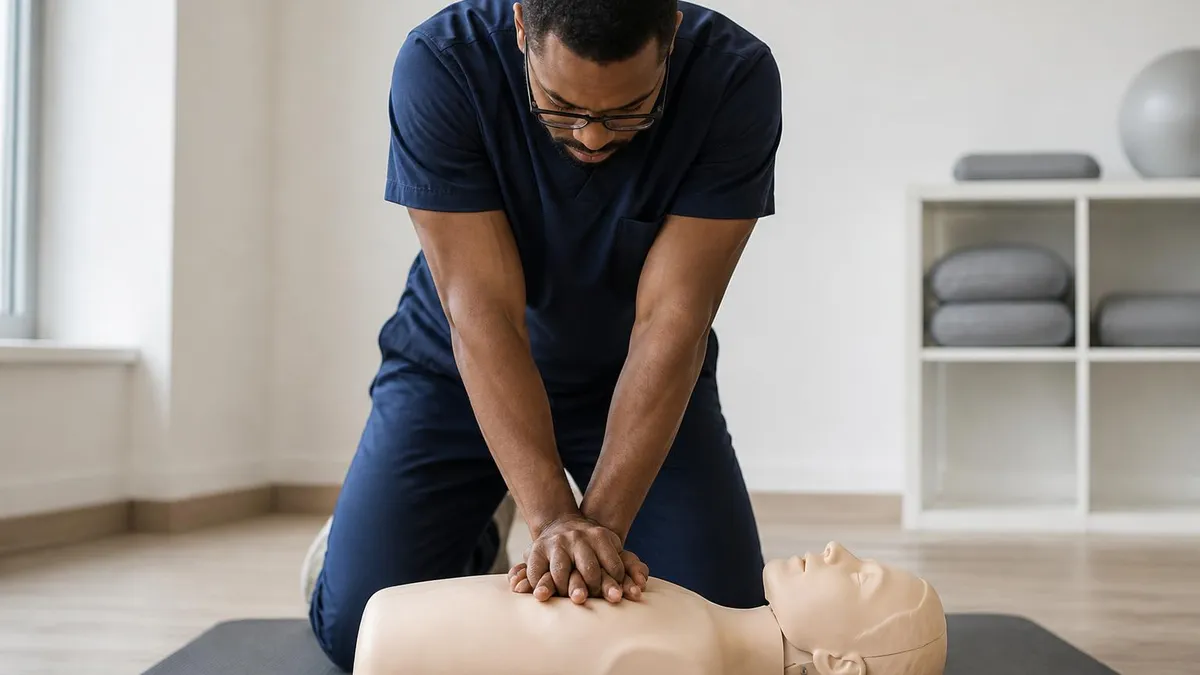
CPR Card Lookup: How to Verify, Replace, and Access Your CPR Certification in 2026
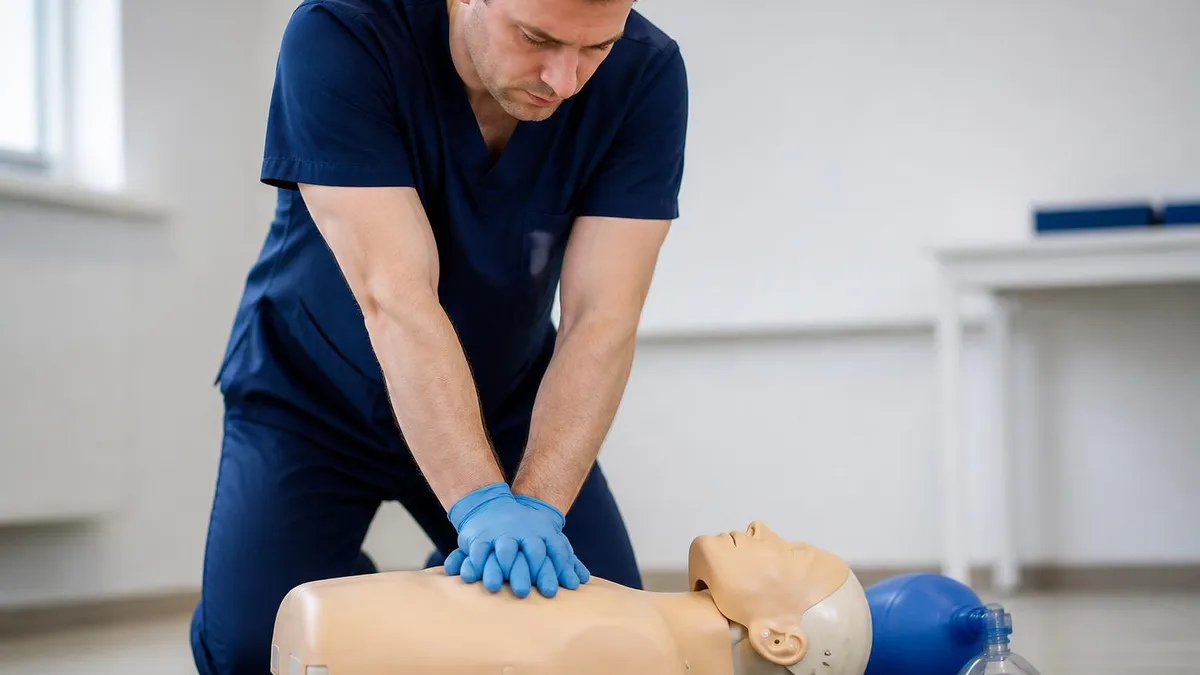
Animal CPR: How to Perform Lifesaving Resuscitation on Dogs, Cats, and Other Pets in 2026
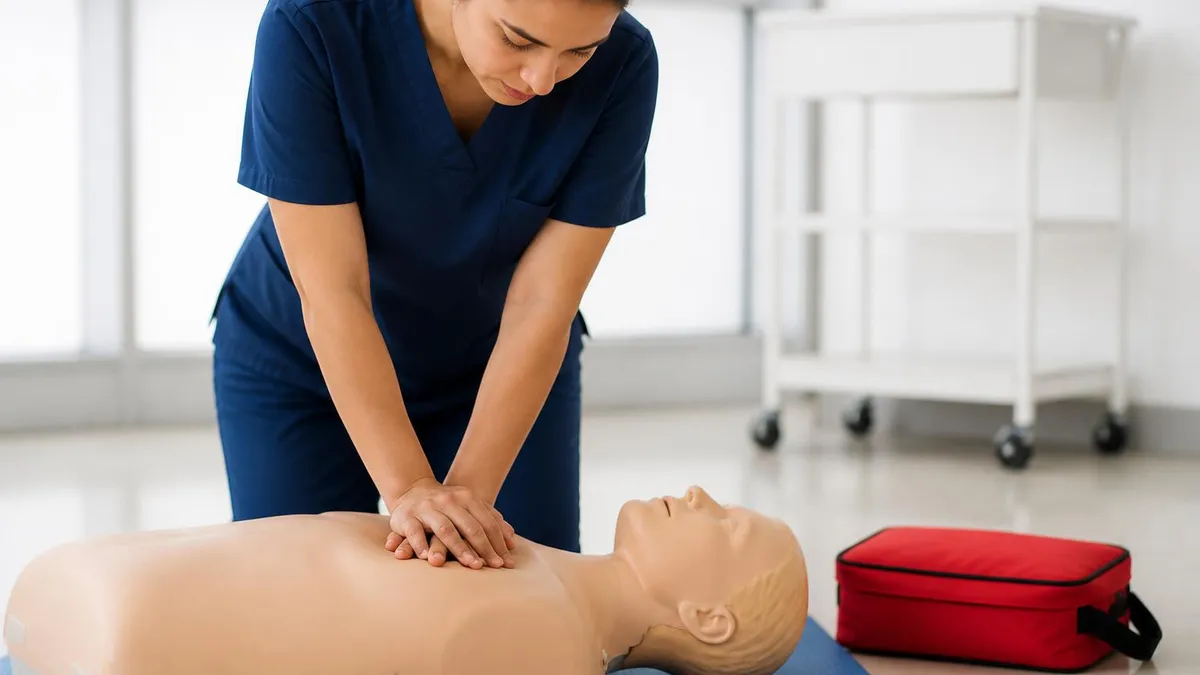
CPR Classes American Heart Association: Complete 2026 Guide to AHA Certification, Courses, and Costs
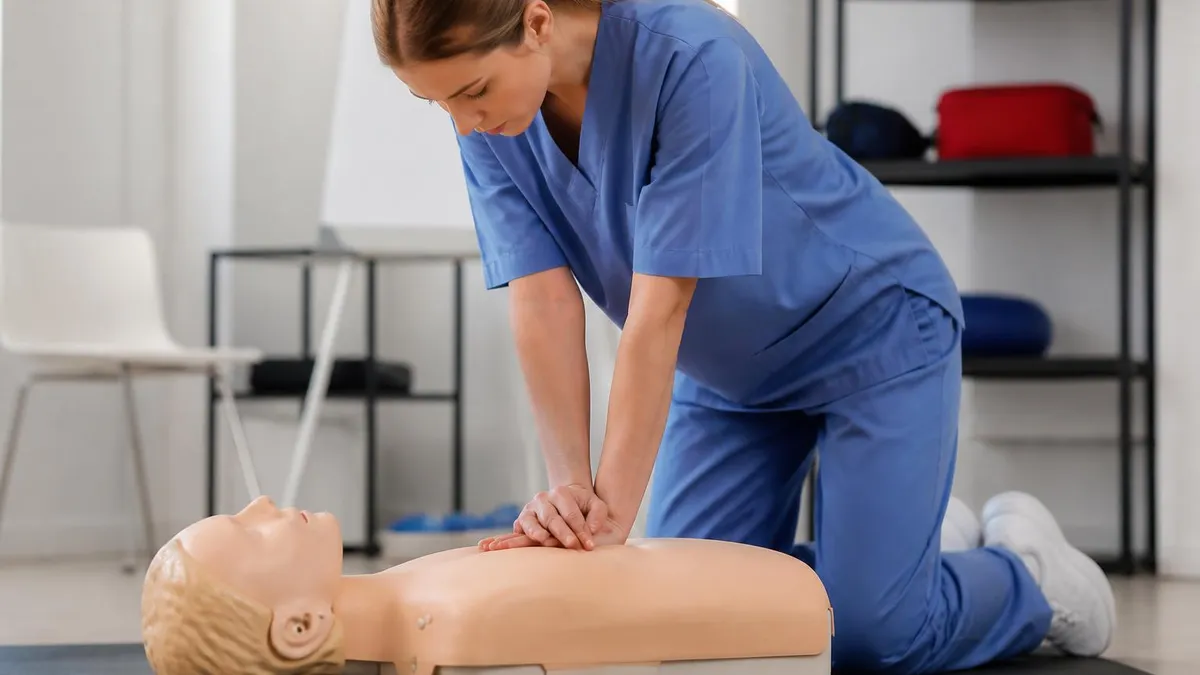
Types of CPR Training: From Basic Life Support to ACLS Algorithm Mastery in 2026
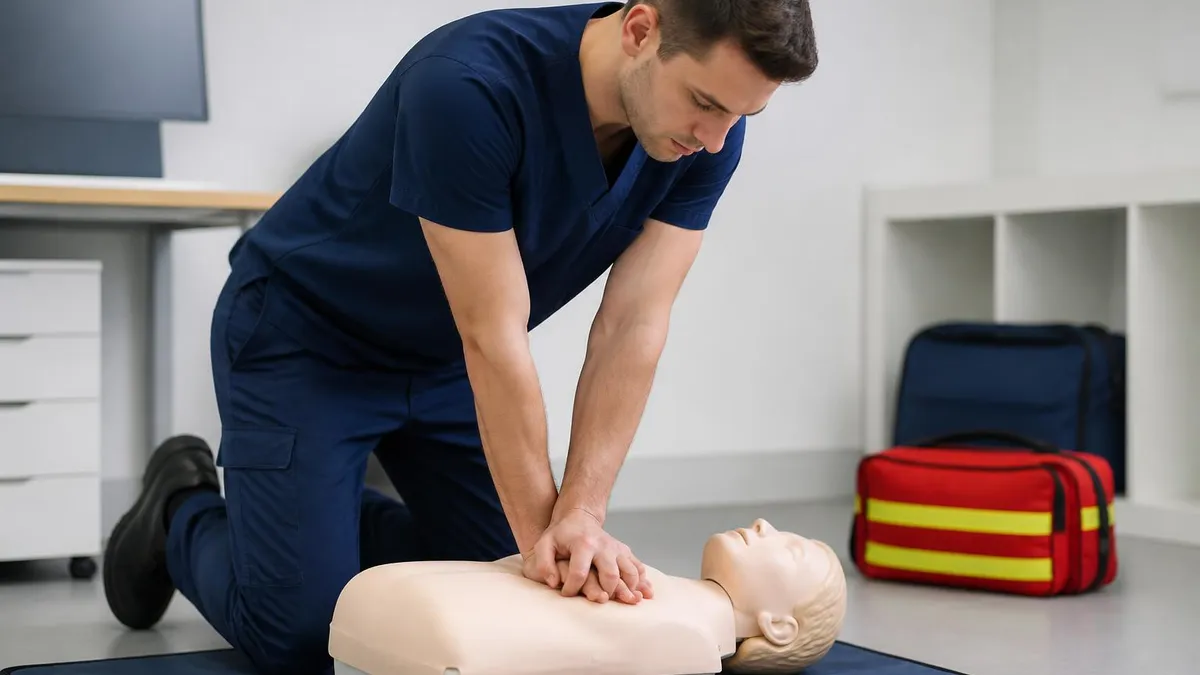
Adult CPR: Complete Step-by-Step Guide to Hands-Only and Standard CPR in 2026
About the Author

Registered Nurse & Healthcare Educator
Johns Hopkins University School of NursingDr. Sarah Mitchell is a board-certified registered nurse with over 15 years of clinical and academic experience. She completed her PhD in Nursing Science at Johns Hopkins University and has taught NCLEX preparation and clinical skills courses for nursing students across the United States. Her research focuses on evidence-based exam preparation strategies for healthcare certification candidates.
Join the Discussion
Connect with other students preparing for this exam. Share tips, ask questions, and get advice from people who have been there.
View discussion (5 replies)