
Types of CPR Training: From Basic Life Support to ACLS Algorithm Mastery in 2026 October
Discover all types of CPR training including ACLS algorithm, PALS certification, infant CPR, and AED usage. ⏳ Compare courses, costs, and requirements.
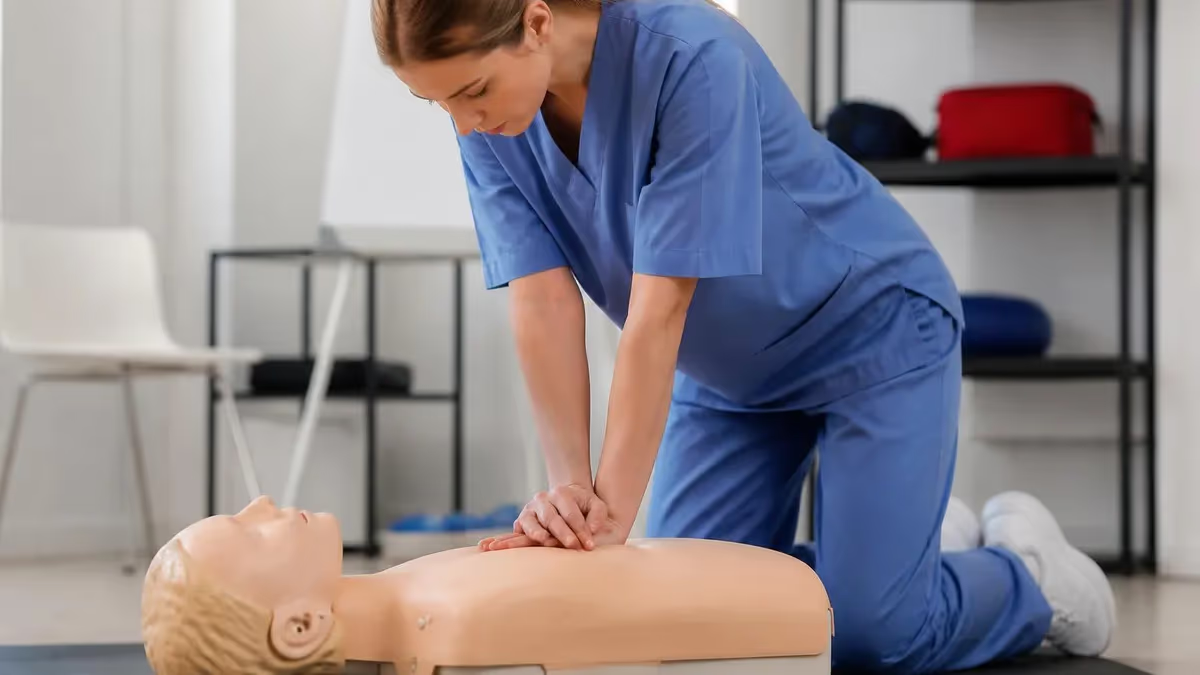
Understanding the different types of CPR training available today is essential whether you are a healthcare professional studying the ACLS algorithm or a concerned parent who wants to learn infant CPR. Cardiopulmonary resuscitation courses range from basic hands-only techniques designed for bystanders to advanced clinical protocols used in emergency rooms and intensive care units. Each level builds on the previous one, adding skills such as airway management, medication administration, and rhythm interpretation that expand your ability to respond in a cardiac emergency.
The American Heart Association reports that more than 350,000 out-of-hospital cardiac arrests occur in the United States each year, and immediate CPR from a trained bystander can double or even triple a victim's chance of survival. Despite these compelling statistics, fewer than 40 percent of cardiac arrest victims receive bystander CPR before emergency medical services arrive. Closing that gap requires widespread access to training programs that match the needs and skill levels of different populations, from teenagers learning in school to paramedics mastering advanced resuscitation techniques.
Basic life support training focuses on chest compressions, rescue breathing, and the use of automated external defibrillators, making it the foundation for every other certification. Advanced Cardiac Life Support, commonly known by its ACLS algorithm framework, teaches healthcare providers how to manage complex cardiac rhythms, administer emergency medications, and lead resuscitation teams effectively. Pediatric Advanced Life Support, or PALS certification, covers the unique anatomical and physiological considerations involved in treating children and infants during cardiopulmonary emergencies.
Organizations such as the National CPR Foundation, the American Heart Association, and the American Red Cross each offer their own versions of these training programs, with varying delivery formats that include classroom instruction, blended learning, and fully online courses. Choosing the right program depends on your professional requirements, the population you serve, and the depth of clinical knowledge you need. Some employers accept certifications from any nationally recognized provider, while others mandate training through a specific organization.
Beyond the core certifications, specialized courses address scenarios such as drowning resuscitation, opioid overdose response, and wilderness first aid where standard protocols must be adapted. Many states now require certain professionals including teachers, coaches, and childcare workers to maintain current CPR certification, creating a steady demand for accessible and affordable training options. Understanding what each course covers, how long it takes, and what credentials it awards helps you make an informed decision that aligns with your goals.
In this comprehensive guide, we will walk through every major type of CPR training available in 2026, explain the skills and knowledge each program covers, and compare the leading certification organizations side by side. Whether you are wondering what does AED stand for or preparing to master the ACLS algorithm for a hospital credentialing requirement, this article provides the detailed information you need to choose the right path and succeed in your training.
We will also cover practical considerations such as course costs, renewal timelines, and the difference between online and hands-on skill evaluations so you can budget both your time and money effectively. By the end, you will have a clear roadmap to the certification that best fits your career stage, professional obligations, and personal commitment to saving lives through effective life support techniques.
CPR Training by the Numbers

Major Types of CPR Training Programs
Designed for the general public including teachers, coaches, and office workers. Covers adult hands-only CPR, conventional CPR with rescue breaths, AED usage, and choking relief. No medical background required and courses typically last two to four hours.
Intended for healthcare professionals, lifeguards, and first responders. Covers high-quality CPR for adults, children, and infants, team-based resuscitation, bag-mask ventilation, and AED operation. Certification is required by most hospitals and clinics for employment.
Built for physicians, nurses, paramedics, and emergency department staff. Focuses on the ACLS algorithm for managing cardiac arrest rhythms, pharmacological interventions, airway management, and effective team leadership during code situations.
Required for providers who treat pediatric patients in emergency and critical care settings. Covers pediatric assessment, respiratory emergencies, shock management, cardiac arrhythmias in children, and effective team communication during pediatric resuscitation scenarios.
Community-level course for parents, babysitters, and childcare workers focused specifically on infant CPR techniques, child choking response, and recognizing signs of respiratory distress. Emphasizes compression depth, rate, and the unique recovery position for small children.
Basic CPR training represents the entry point for most people, and it divides into two primary approaches. Hands-only CPR teaches bystanders to call 911 and push hard and fast in the center of the chest at a rate of 100 to 120 compressions per minute without delivering rescue breaths. Conventional CPR adds mouth-to-mouth ventilation in a 30-to-2 ratio, which is especially critical for drowning victims, children, and infants where respiratory failure often precedes cardiac arrest rather than following it.
Infant CPR training deserves special attention because the technique differs significantly from adult and child protocols. Rescuers use two fingers or the two-thumb encircling technique for chest compressions on infants, pressing to a depth of approximately 1.5 inches rather than the 2 inches recommended for adults. The respiratory rate in infants is naturally higher than in adults, so recognizing abnormal breathing patterns requires specific training that standard adult courses do not adequately cover. Parents and childcare providers benefit enormously from dedicated infant CPR classes.
The PALS certification builds on basic pediatric knowledge by introducing systematic assessment frameworks, pharmacological dosing charts, and advanced airway management techniques for children of all ages. PALS-certified providers learn to evaluate a child's respiratory rate, circulation, and level of consciousness using standardized tools and to initiate appropriate interventions based on their findings. This certification is mandatory for most pediatric emergency departments, pediatric intensive care units, and ambulance services that transport children.
BLS training bridges the gap between community-level CPR and advanced clinical certifications by adding team dynamics, bag-mask ventilation, and multi-rescuer scenarios to the core chest compression and AED curriculum. Healthcare providers who hold BLS certification are expected to perform high-quality CPR with minimal interruptions, integrate AED use seamlessly into their workflow, and communicate effectively with arriving advanced life support teams. Many nursing schools and allied health programs require BLS certification before students can begin clinical rotations.
First aid training frequently accompanies CPR courses, creating bundled certifications that cover wound care, splinting, burn treatment, allergic reaction response, and environmental emergencies alongside cardiopulmonary resuscitation skills. These combined courses are particularly popular among teachers, camp counselors, fitness instructors, and workplace safety officers who need broad emergency response capabilities. Completing a combined CPR and first aid course often costs less than taking each course separately and simplifies the renewal process.
Choking response is a critical component woven throughout all levels of CPR training, from basic Heartsaver courses to advanced PALS protocols. For adults and children over one year of age, abdominal thrusts remain the primary intervention for conscious choking victims, while back blows combined with chest thrusts are used for infants. Unconscious choking victims require modified CPR with visual checks of the airway before each ventilation attempt, a skill that must be practiced on manikins to develop the confidence and muscle memory needed in real emergencies.
Specialized CPR training for drowning, opioid overdose, and electrical injury has expanded significantly in recent years as public health priorities have evolved. Naloxone administration training is now commonly integrated into community CPR courses, reflecting the ongoing opioid crisis and the availability of over-the-counter naloxone products. Similarly, courses tailored for construction workers, electricians, and utility employees address the unique challenges of performing CPR on victims of electrical shock, including scene safety considerations that standard courses cover only briefly.

CPR Practice Test Questions
Prepare for the CPR Cardiopulmonary Resuscitation Practice exam with our free practice test modules. Each quiz covers key topics to help you pass on your first try.
CPR Basic CPR
CPR Exam Questions covering Basic CPR. Master CPR Test concepts for certification prep.
CPR and First Aid
Free CPR Practice Test featuring and First Aid. Improve your CPR Exam score with mock test prep.
CPR (Cardiopulmonary Resuscitation) Adult ...
CPR Mock Exam on (Cardiopulmonary Resuscitation) Adult CPR and AED Usage. CPR Study Guide questions to pass on your first try.
CPR (Cardiopulmonary Resuscitation) Airway...
CPR Test Prep for (Cardiopulmonary Resuscitation) Airway Obstruction and Choking. Practice CPR Quiz questions and boost your score.
CPR (Cardiopulmonary Resuscitation) Cardio...
CPR Questions and Answers on (Cardiopulmonary Resuscitation) Cardiopulmonary Emergency Recognition. Free CPR practice for exam readiness.
CPR (Cardiopulmonary Resuscitation) Child ...
CPR Mock Test covering (Cardiopulmonary Resuscitation) Child and Infant CPR. Online CPR Test practice with instant feedback.
CPR (Cardiopulmonary Resuscitation) High-P...
Free CPR Quiz on (Cardiopulmonary Resuscitation) High-Performance Team Dynamics. CPR Exam prep questions with detailed explanations.
CPR (Cardiopulmonary Resuscitation) Legal ...
CPR Practice Questions for (Cardiopulmonary Resuscitation) Legal and Ethical Considerations. Build confidence for your CPR certification exam.
CPR for Specific Populations
CPR Test Online for for Specific Populations. Free practice with instant results and feedback.
CPR Airway & Breathing Management
CPR Exam Questions covering Airway & Breathing Management. Master CPR Test concepts for certification prep.
CPR Assessment & Recognition of Cardiac Ar...
Free CPR Practice Test featuring Assessment & Recognition of Cardiac Arrest. Improve your CPR Exam score with mock test prep.
CPR Chest Compressions & Defibrillation
CPR Mock Exam on Chest Compressions & Defibrillation. CPR Study Guide questions to pass on your first try.
CPR Post-Resuscitation Care & Recovery
CPR Test Prep for Post-Resuscitation Care & Recovery. Practice CPR Quiz questions and boost your score.
Life Support Training Levels Explained
Basic Life Support certification is the standard credential required by hospitals, dental offices, and outpatient clinics for all clinical staff members. The course teaches single-rescuer and team-based CPR for adults, children, and infants, emphasizing high-quality chest compressions delivered at the correct depth and rate. Students learn to use bag-mask devices for ventilation, operate automated external defibrillators, and recognize the signs of cardiac arrest quickly enough to initiate resuscitation within seconds of collapse.
BLS courses typically run four to five hours in a classroom setting or use a blended format combining online modules with a shorter in-person skills session. The certification remains valid for two years, after which providers must complete a renewal course that includes updated guidelines and a skills evaluation. Many employers cover the cost of BLS training and renewal as part of their continuing education benefits, making it one of the most accessible healthcare certifications available to clinical professionals today.
Online vs In-Person CPR Training: Which Is Better?
- +Flexible scheduling allows students to complete coursework at their own pace from any location
- +Lower cost compared to traditional classroom courses, often saving thirty to fifty percent on tuition fees
- +Immediate access to digital certification cards upon successful course completion
- +Self-paced learning accommodates different experience levels and learning speeds effectively
- +Video demonstrations can be paused, rewound, and reviewed multiple times for better retention
- +Ideal for renewal candidates who already possess hands-on skills and need knowledge refreshers
- −No hands-on practice with manikins limits development of proper compression depth and technique
- −Some employers and state licensing boards do not accept fully online CPR certifications
- −Lacks real-time instructor feedback to correct hand placement, body positioning, and compression rate
- −Skills evaluation may require a separate in-person session adding time and potential additional cost
- −Limited team-based scenarios mean students miss practice with multi-rescuer coordination and communication
- −Self-discipline required to complete modules thoroughly rather than rushing through material carelessly
Pros and Cons at a Glance
| Pros | Cons |
|---|---|
| Flexible scheduling allows students to complete coursework at their own pace from any location | No hands-on practice with manikins limits development of proper compression depth and technique |
| Lower cost compared to traditional classroom courses, often saving thirty to fifty percent on tuition fees | Some employers and state licensing boards do not accept fully online CPR certifications |
| Immediate access to digital certification cards upon successful course completion | Lacks real-time instructor feedback to correct hand placement, body positioning, and compression rate |
| Self-paced learning accommodates different experience levels and learning speeds effectively | Skills evaluation may require a separate in-person session adding time and potential additional cost |
| Video demonstrations can be paused, rewound, and reviewed multiple times for better retention | Limited team-based scenarios mean students miss practice with multi-rescuer coordination and communication |
| Ideal for renewal candidates who already possess hands-on skills and need knowledge refreshers | Self-discipline required to complete modules thoroughly rather than rushing through material carelessly |

Choosing the Right CPR Training Program Checklist
- ✓Verify that the certification provider is recognized by your employer or licensing board before enrolling.
- ✓Confirm whether the course includes a hands-on skills evaluation component or is entirely online.
- ✓Check the total cost including materials, testing fees, and any required manikin rental charges.
- ✓Review the course length and scheduling options to ensure they fit your availability and learning pace.
- ✓Determine whether the certification covers adult-only CPR or includes child and infant protocols as well.
- ✓Ask whether the course includes AED training and first aid content bundled with CPR instruction.
- ✓Verify the certification validity period and understand the renewal requirements and associated costs.
- ✓Confirm that the course follows the latest American Heart Association or ILCOR guidelines from 2025.
- ✓Check student reviews and pass rates to gauge the quality of instruction and exam preparation provided.
- ✓Ensure digital certification cards are available immediately and that physical cards can be ordered if needed.
The 10-Second Rule Can Save a Life
Research published in the journal Circulation shows that every 10-second delay in initiating chest compressions during cardiac arrest reduces the victim's chance of survival by approximately 10 percent. Choosing a CPR training program that emphasizes rapid recognition and immediate action, rather than spending excessive time checking for pulses, aligns with the latest evidence-based guidelines and produces rescuers who act decisively when seconds matter most.
Advanced certifications like ACLS and PALS represent the highest standard of resuscitation training available to healthcare professionals, and understanding their structure helps candidates prepare effectively. The ACLS algorithm framework organizes cardiac emergency management into systematic pathways based on the patient's presenting rhythm, including ventricular fibrillation, pulseless ventricular tachycardia, pulseless electrical activity, and asystole. Each pathway specifies the sequence of interventions including defibrillation, medication administration, and advanced airway placement that gives the patient the best chance of achieving return of spontaneous circulation.
Mastering the ACLS algorithm requires more than memorization because real cardiac emergencies rarely follow textbook presentations exactly. Providers must learn to adapt their approach based on clinical findings, patient history, and the resources available in their specific practice environment. Simulation-based training using realistic scenarios has proven far more effective than lecture-only instruction for developing the critical thinking and decision-making skills that ACLS demands. Most ACLS courses now incorporate at least six to eight hours of hands-on simulation practice.
PALS certification addresses the unique challenges of pediatric resuscitation, where the causes of cardiac arrest differ fundamentally from those in adults. While adult cardiac arrest most commonly results from primary cardiac events such as myocardial infarction and arrhythmia, pediatric cardiac arrest typically follows respiratory failure or shock that progresses to cardiovascular collapse. This distinction means that PALS-trained providers prioritize airway management and ventilation support, monitoring the child's respiratory rate and oxygen saturation continuously to prevent deterioration from reaching the point of cardiac arrest.
The recovery position is an important skill taught across multiple levels of CPR training that protects unconscious breathing patients from airway obstruction while rescuers wait for emergency services to arrive. Placing a patient in the proper recovery position involves rolling them onto their side with the upper knee bent for stability, tilting the head back slightly to maintain an open airway, and monitoring their breathing continuously until help arrives. This technique is especially important for patients who may vomit, such as those recovering from drug overdose, seizure, or near-drowning incidents.
What does AED stand for is one of the most frequently asked questions in CPR training, and the answer is Automated External Defibrillator. These portable devices analyze the heart's electrical rhythm and deliver a shock when they detect ventricular fibrillation or pulseless ventricular tachycardia, the two shockable rhythms that cause the majority of sudden cardiac arrest deaths. Modern AEDs are designed to be used by minimally trained bystanders and provide voice prompts that guide the user through pad placement and shock delivery step by step.
Neonatal Resuscitation Program certification represents another specialized training track that focuses exclusively on the first minutes of life when newborns may require resuscitation assistance. Unlike standard infant CPR, neonatal resuscitation addresses the unique physiology of the transition from fetal to newborn circulation, including the critical importance of establishing effective ventilation before initiating chest compressions. This certification is required for obstetricians, neonatal nurses, midwives, and respiratory therapists who work in labor and delivery settings.
Wilderness and remote CPR training adapts standard resuscitation protocols for environments where emergency medical services may be hours away from the patient. These courses teach extended patient care, improvised equipment usage, and decision-making frameworks for situations where evacuation is delayed or impossible. Participants learn to modify standard CPR protocols based on environmental conditions such as extreme cold, high altitude, and water environments, developing the judgment needed to provide effective care outside the controlled hospital setting.
The American Heart Association updated its renewal process effective January 2026, allowing most BLS and Heartsaver certifications to be renewed through a blended learning format that combines online coursework with an abbreviated in-person skills check lasting approximately 45 minutes. ACLS and PALS renewal courses now include updated algorithms reflecting the latest International Liaison Committee on Resuscitation guidelines. Check with your employer to confirm which renewal format they accept before registering.
Choosing between CPR certification providers requires careful consideration of factors including employer acceptance, course quality, pricing, and convenience. The American Heart Association remains the most widely recognized provider in the United States, with its certifications accepted by virtually every hospital, clinic, and emergency medical service in the country. AHA courses follow a standardized curriculum taught by certified instructors, and the organization maintains a network of thousands of training centers and community training sites across all fifty states.
The American Red Cross offers a parallel suite of CPR certifications that are equally rigorous and widely accepted by most employers. Red Cross courses tend to emphasize practical application and community preparedness alongside clinical skills, making them popular choices for schools, workplaces, and community organizations. The Red Cross digital platform provides strong online learning tools, practice tests, and certification management features that simplify the training and renewal process for individuals and organizations managing multiple employees.
The National CPR Foundation and similar online-focused providers have expanded access to CPR training by offering affordable, flexible courses that can be completed entirely from home. These programs typically cost significantly less than traditional classroom courses, with prices often ranging from twenty to fifty dollars compared to sixty to one hundred dollars or more for in-person training. However, prospective students should verify that their employer or licensing board accepts certifications from these providers before enrolling to avoid wasting time and money on credentials that will not meet their professional requirements.
The Health and Safety Institute represents another major certification body whose credentials are recognized by many employers, particularly in the corporate wellness and occupational safety sectors. HSI courses emphasize adult learning principles and practical skill development, and the organization offers specialized training programs for specific industries including construction, manufacturing, and hospitality. Their blended learning format combines engaging online content with efficient hands-on skills sessions that respect busy professionals' time constraints.
Cost varies significantly across providers and delivery formats, with basic Heartsaver CPR courses ranging from free community events to premium classroom experiences costing over one hundred and fifty dollars. BLS certification typically costs between fifty and ninety dollars through AHA or Red Cross training centers, while ACLS and PALS courses can range from one hundred and fifty to three hundred dollars depending on the provider and location. Many employers reimburse CPR training costs, and some insurance plans cover certification expenses for healthcare professionals as continuing education benefits.
Group training offers significant cost savings for organizations that need to certify multiple employees, with per-student rates often dropping thirty to fifty percent below individual pricing when ten or more students enroll together. Many providers will send instructors to the employer's location for group sessions, eliminating travel time and making it easier to schedule training around work shifts. Large healthcare systems often negotiate enterprise agreements with certification providers that include reduced pricing, simplified enrollment, and dedicated account management support.
The validity period for most CPR certifications is two years, after which providers must complete a renewal course to maintain their credentials. Some organizations have moved to annual renewal for advanced certifications like ACLS and PALS in recognition of research showing that skills degrade significantly within twelve months of initial training. Regardless of the formal renewal timeline, practicing CPR skills regularly through workplace drills, simulation exercises, and continuing education activities helps maintain the proficiency needed to perform effectively during real cardiac emergencies.
Preparing for any CPR certification exam requires a combination of knowledge review and hands-on practice that builds both confidence and competence. Start by reviewing the current guidelines published by the American Heart Association, focusing on the specific algorithms and protocols covered in your target certification level. For BLS candidates, this means mastering the chain of survival, compression-to-ventilation ratios for all age groups, and AED operation procedures. For ACLS and PALS candidates, detailed study of cardiac rhythm recognition and medication protocols is essential for exam success.
Practice on manikins whenever possible, as the physical skill of performing chest compressions at the correct depth and rate cannot be developed through reading or watching videos alone. Many training centers offer open practice sessions or manikin rental programs that allow students to practice between classes, and affordable personal CPR training manikins are available for purchase starting at approximately forty dollars. Using a feedback device that measures compression depth, rate, and recoil during practice sessions dramatically accelerates skill development and helps identify technique errors before the exam.
Study groups and practice partnerships can significantly improve preparation for CPR certification exams, particularly for advanced courses like ACLS and PALS that include team-based scenarios. Practicing megacode scenarios with partners allows each participant to rotate through leadership and support roles, developing the communication and coordination skills that these exams assess alongside clinical knowledge. Many hospitals organize study groups for employees preparing for certification or renewal, providing a structured and supportive learning environment.
Online practice tests and question banks are valuable study tools that help candidates identify knowledge gaps and become familiar with the multiple-choice format used on most CPR certification written exams. Working through practice questions under timed conditions builds the test-taking stamina and time management skills needed to pass within the allotted exam period. Focus extra study time on topics where practice test scores are weakest, and review the rationale for both correct and incorrect answers to deepen your understanding of the underlying principles.
Time management during the actual certification course is important because courses often pack dense material into relatively short sessions. Arrive well-rested and prepared with any pre-course assignments completed, as falling behind early in the course creates stress that compounds throughout the remaining modules. Bring a watch or timing device to monitor your own compression rate during practice sessions, and do not hesitate to ask the instructor for additional coaching on any skill where you feel uncertain about your technique.
Maintaining your certification between renewal cycles requires deliberate effort to keep your skills sharp and your knowledge current. Subscribe to professional journals and newsletters that publish updates on resuscitation science, attend grand rounds or continuing education presentations on cardiac emergency management, and participate in workplace mock codes whenever they are offered. Many hospitals now require staff to complete quarterly or annual CPR skill checks using feedback manikins, providing regular practice opportunities that supplement the formal renewal process.
Consider pursuing multiple certification levels progressively as your career advances, building from basic CPR through BLS and then to ACLS or PALS as your clinical responsibilities expand. Each level of training reinforces and extends the skills learned at previous levels, creating a comprehensive foundation of resuscitation knowledge that enhances your value as a healthcare provider. Investing in advanced certifications also opens career opportunities in emergency medicine, critical care, and other specialties where strong resuscitation skills are essential requirements for employment and advancement.
CPR Questions and Answers
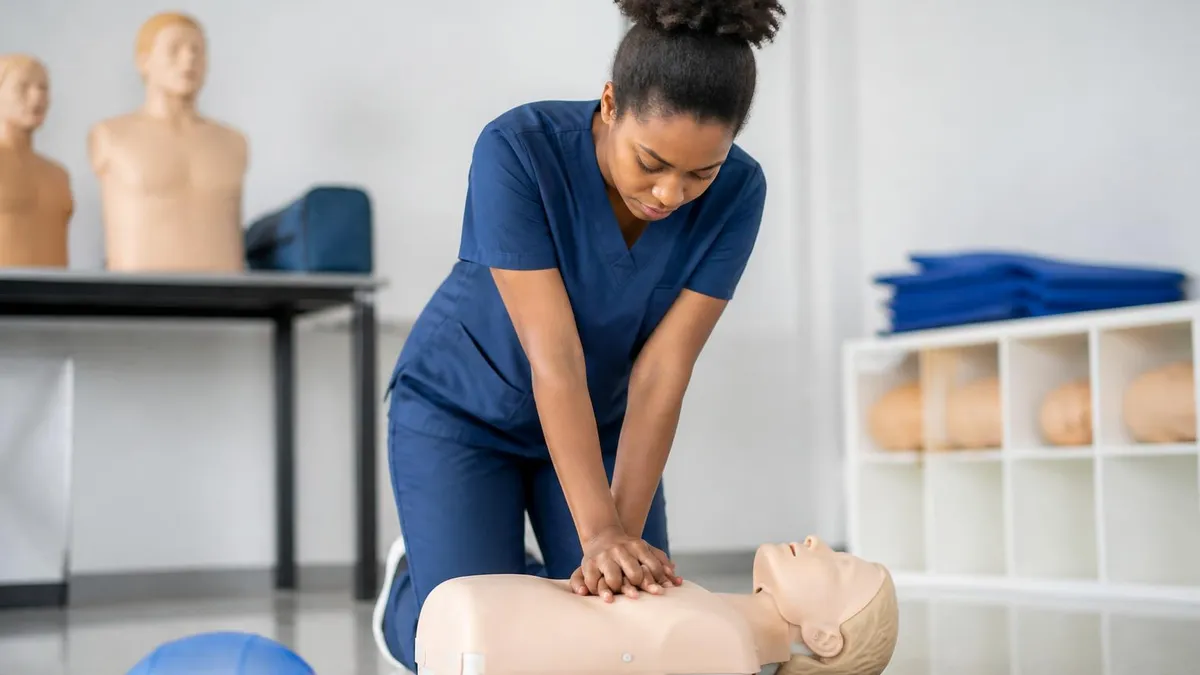
Child CPR Hand Placement: Complete Guide to Pediatric Chest Compression Technique in 2026
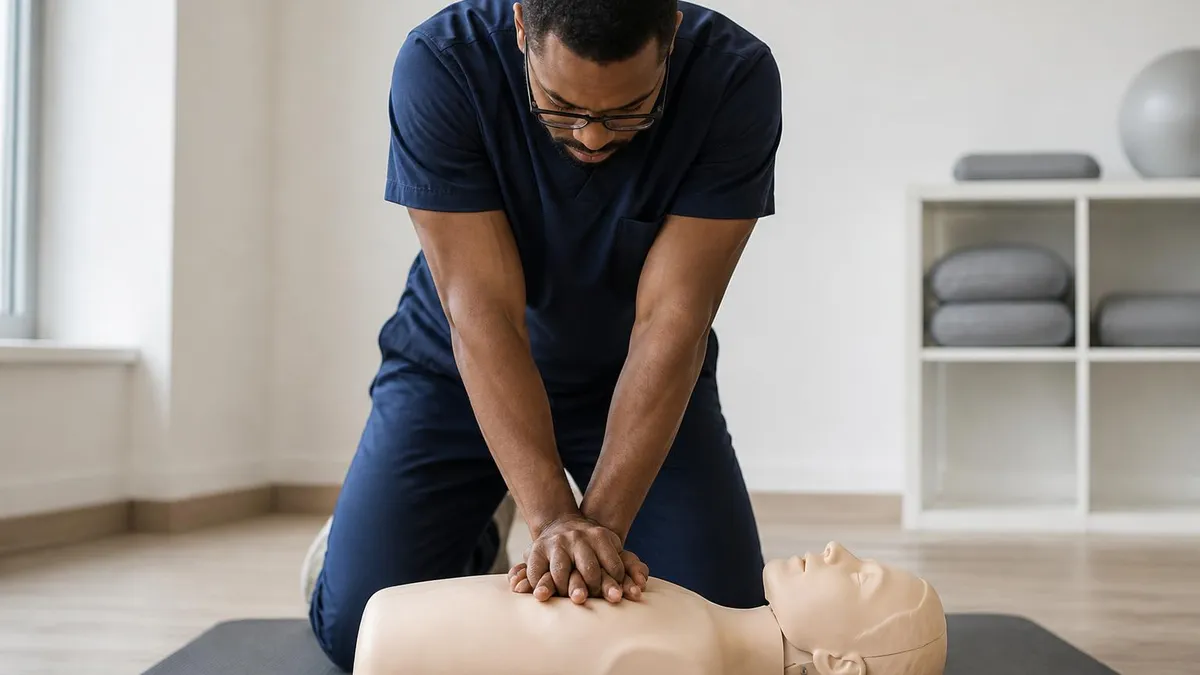
CPR Card Lookup: How to Verify, Replace, and Access Your CPR Certification in 2026
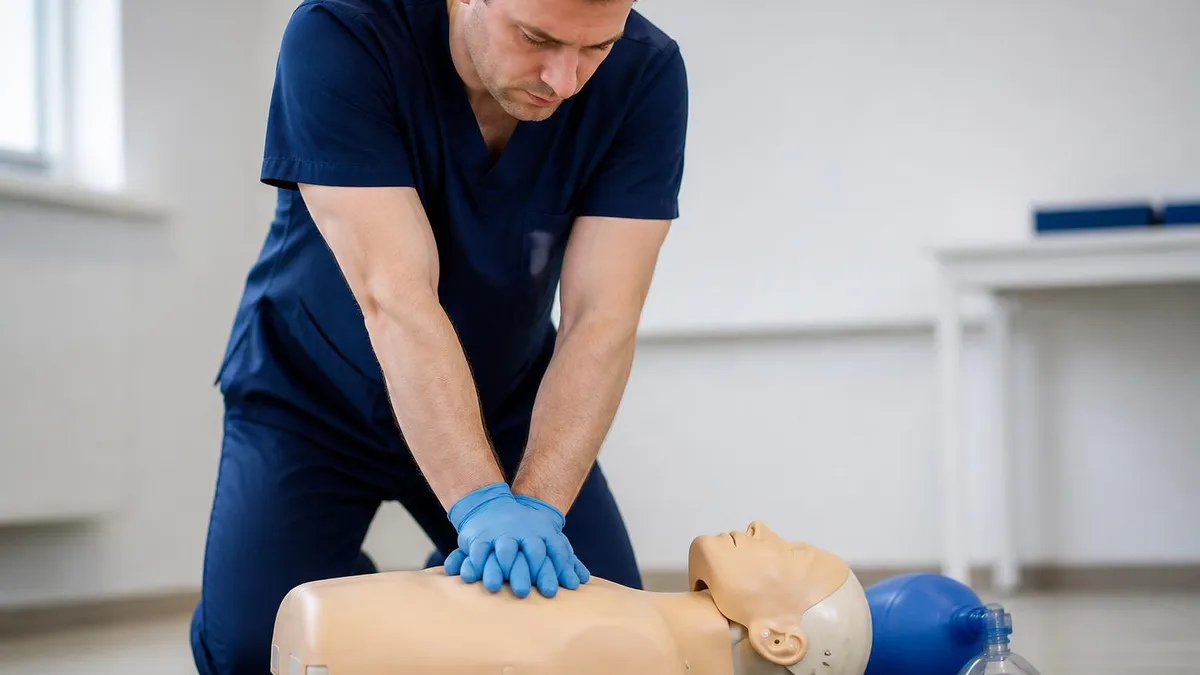
Animal CPR: How to Perform Lifesaving Resuscitation on Dogs, Cats, and Other Pets in 2026
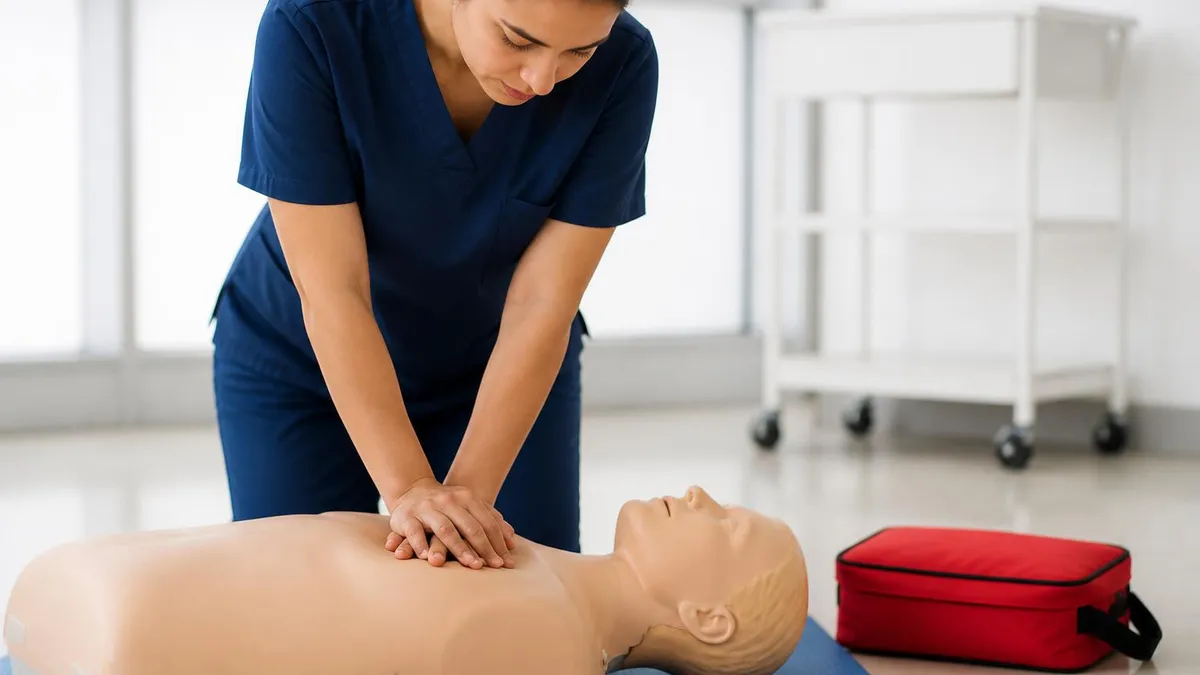
CPR Classes American Heart Association: Complete 2026 Guide to AHA Certification, Courses, and Costs
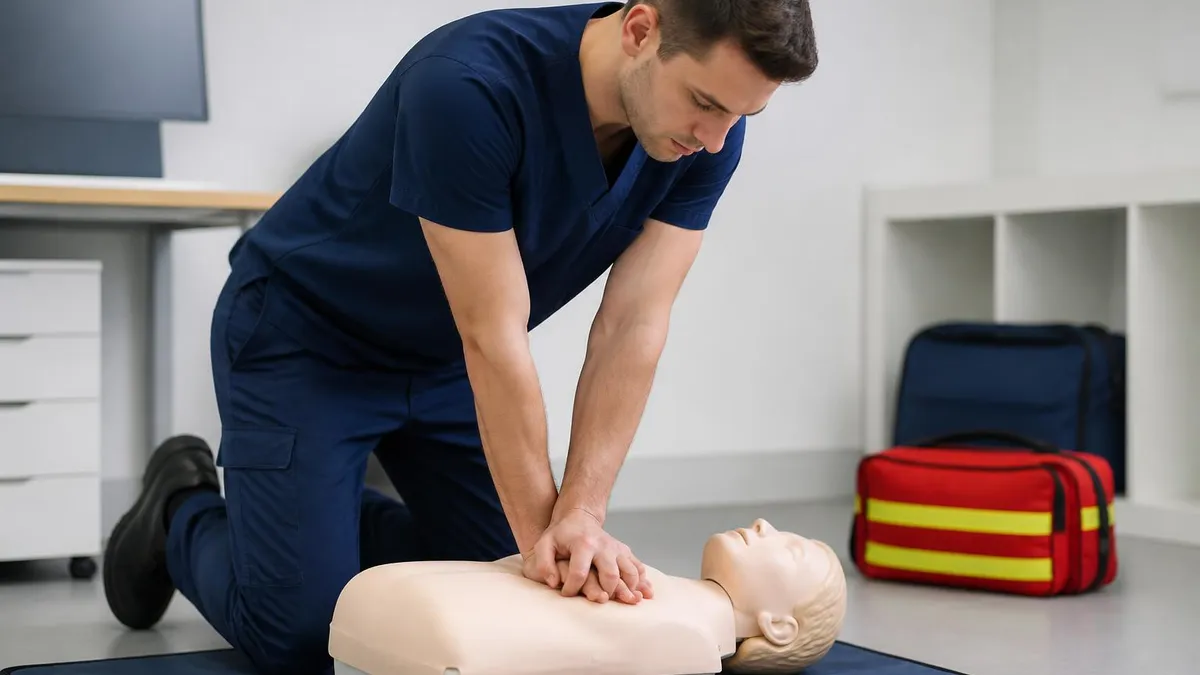
Adult CPR: Complete Step-by-Step Guide to Hands-Only and Standard CPR in 2026
About the Author

Registered Nurse & Healthcare Educator
Johns Hopkins University School of NursingDr. Sarah Mitchell is a board-certified registered nurse with over 15 years of clinical and academic experience. She completed her PhD in Nursing Science at Johns Hopkins University and has taught NCLEX preparation and clinical skills courses for nursing students across the United States. Her research focuses on evidence-based exam preparation strategies for healthcare certification candidates.
Join the Discussion
Connect with other students preparing for this exam. Share tips, ask questions, and get advice from people who have been there.
View discussion (5 replies)