
CPR Online Classes: Your Complete Guide to ACLS Algorithm, PALS Certification, and Life Support Training in 2026 October
Master the ACLS algorithm through CPR online classes. 📗 Compare top providers, costs, PALS certification, and life support training options for 2026 October.
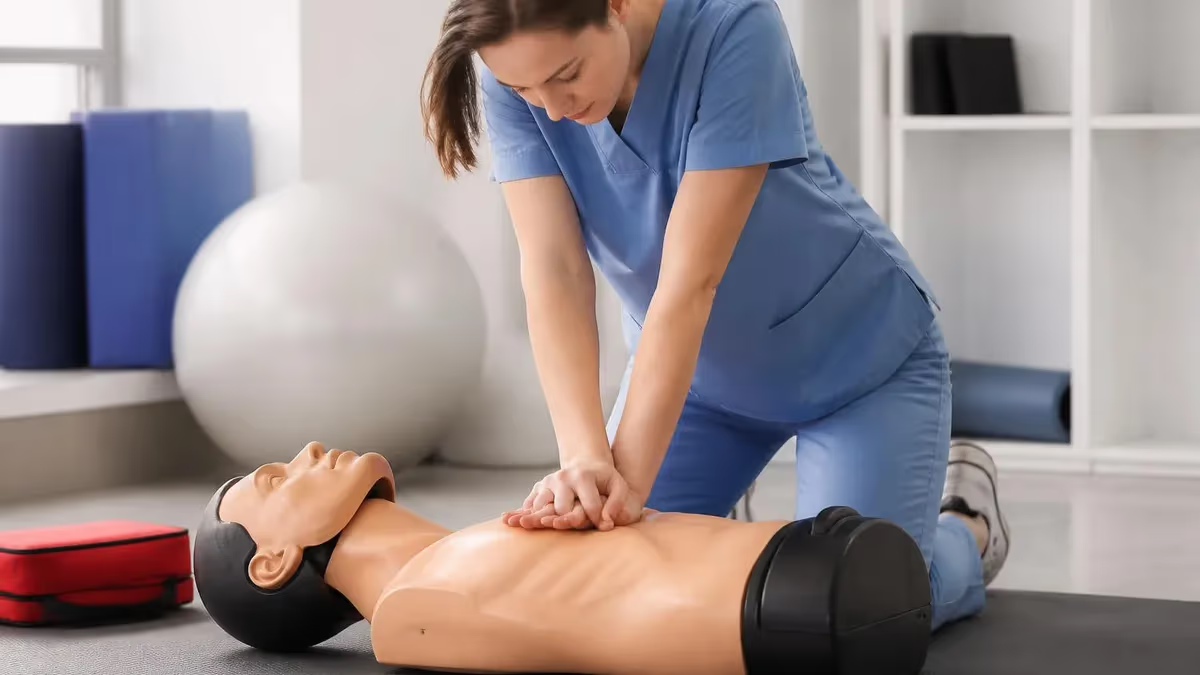
Understanding the ACLS algorithm is essential for healthcare professionals seeking advanced cardiac training, and CPR online classes have made this critical knowledge more accessible than ever before. Whether you are a nurse, paramedic, first responder, or concerned parent looking to learn life-saving techniques, online certification courses provide flexible scheduling and comprehensive instruction from accredited providers. In 2026, the demand for remote CPR training continues to grow as more organizations recognize the validity of online-based coursework for meeting compliance, licensing, and workplace certification requirements across all fifty states.
The landscape of CPR education has evolved dramatically over the past decade, transforming how millions of Americans acquire emergency response skills. Traditional in-person classes remain valuable for hands-on practice, but CPR online classes now offer equivalent knowledge delivery through high-definition video demonstrations, interactive simulations, and rigorous timed assessments. Organizations such as the National CPR Foundation have pioneered accessible online platforms that allow students to complete cognitive portions of their training entirely from home. This shift has reduced barriers for individuals in rural areas, those with demanding schedules, and people who prefer self-paced learning.
Online CPR training covers a wide spectrum of certifications, from basic life support courses designed for laypeople to advanced programs covering the ACLS algorithm used in hospital emergency departments and intensive care units. Students can pursue PALS certification for pediatric emergencies, learn specialized infant CPR techniques for newborns and toddlers, or study how to monitor respiratory rate and other vital signs during active resuscitation events. Each course level builds upon foundational skills in a logical progression, creating a clear certification pathway that accommodates both complete beginners and experienced healthcare professionals seeking renewal.
One common question among prospective students involves the legitimacy and employer acceptance of online CPR certifications in professional settings. Employers in healthcare, education, childcare, fitness, and hospitality industries increasingly accept certifications earned through accredited online platforms without hesitation. The key distinction lies between fully online cognitive-only courses and blended programs that combine online learning modules with brief in-person skills verification sessions. Many state regulations and workplace policies specify which format they will recognize, so verifying your employer's specific requirements before enrolling saves time and ensures your certification meets all necessary standards.
The cost of CPR online classes varies significantly depending on the provider, certification level, and whether hands-on skills testing is included in the enrollment fee. Basic CPR and first aid courses typically range from twenty-five to sixty-five dollars when completed entirely online through established platforms. More advanced certifications covering life support protocols, such as ACLS or PALS, generally cost between seventy-five and two hundred dollars depending on format. Some employers reimburse training costs as professional development expenses, and group discounts are frequently available for organizations enrolling multiple employees simultaneously.
Course duration also varies considerably by certification type and individual student pace. A basic CPR online class can be completed in as little as one to two hours of focused study, while advanced life support courses may require eight to twelve hours spread across multiple sessions. Most platforms allow students to pause their progress and resume coursework at any time, making it easy to fit training around work shifts, family responsibilities, and personal commitments. Timed final assessments ensure that students retain critical information and can apply protocols correctly before receiving official certification credentials.
Throughout this comprehensive guide, you will discover how to select the right CPR online class for your specific needs, understand important differences between major certification providers, and learn exactly what to expect during the training and examination process. We cover everything from enrollment steps and detailed course content breakdowns to exam preparation strategies and long-term certification maintenance requirements. Whether you need basic CPR knowledge for personal safety or advanced credentials for your healthcare career, this article provides the practical, actionable information you need to get started today.
CPR Online Classes by the Numbers

How to Complete Your CPR Online Certification
Choose Your Certification Level
Select an Accredited Online Provider
Verify Employer and State Requirements
Complete the Online Coursework
Pass the Final Certification Exam
Download and Store Your Certification
The ACLS algorithm forms the backbone of advanced cardiac life support training and represents one of the most sought-after certifications available through CPR online classes today. Healthcare professionals working in emergency departments, intensive care units, operating rooms, and surgical settings rely on these systematic algorithms to guide their clinical decision-making during cardiac arrest events. The ACLS framework provides evidence-based protocols for managing ventricular fibrillation, pulseless ventricular tachycardia, asystole, and pulseless electrical activity, ensuring providers follow standardized treatment pathways even in high-pressure emergency situations.
Online ACLS courses typically begin with a comprehensive review of basic life support skills before progressing into advanced cardiovascular concepts and pharmacological interventions. Students study cardiac rhythm interpretation, learn appropriate medication selections and dosages, and practice team-based resuscitation dynamics through interactive case scenarios. The coursework covers how to accurately assess respiratory rate and other critical vital signs during active emergencies, administer vasopressors and antiarrhythmic medications according to protocol, and integrate early defibrillation into the treatment sequence. Interactive simulations allow students to practice applying each ACLS algorithm branch to realistic patient encounters.
Understanding what AED stands for is fundamental knowledge reinforced in both basic and advanced CPR online classes at every certification level. An automated external defibrillator, commonly abbreviated as AED, is a portable electronic device that automatically analyzes cardiac rhythms and delivers calibrated electrical shocks when necessary to restore normal heart function. Online courses teach students how to properly position AED electrode pads on the patient's chest, follow automated voice prompts accurately, and seamlessly integrate AED use with ongoing manual CPR chest compressions. This training is critically important because early defibrillation within the first three to five minutes significantly improves survival.
Life support training through online platforms has gained formal recognition from major medical organizations, though certain advanced certifications require a hands-on component for full clinical validation. The American Heart Association offers HeartCode courses that combine comprehensive online learning modules with brief in-person skills sessions conducted by certified AHA instructors at approved training sites. This blended approach ensures students master both theoretical knowledge and physical psychomotor techniques required for effective patient resuscitation. Other reputable providers offer fully online certifications widely accepted for non-clinical workplace compliance requirements across many industries.
The National CPR Foundation is among the most popular fully online certification providers, offering a comprehensive range of courses from basic CPR and first aid to advanced life support credentials. Their user-friendly platform features professionally produced video-based instruction, downloadable study guides and reference materials, and immediate digital certification upon successfully passing the final assessment exam. Students appreciate the ability to retake certification exams without paying additional fees and the instant delivery of wallet-sized digital certification cards. The foundation's courses align with current published guidelines from the American Heart Association and the International Liaison Committee on Resuscitation.
PALS certification represents another critical credential increasingly available through CPR online classes, focusing specifically on the unique challenges of pediatric medical emergencies. Pediatric Advanced Life Support courses teach healthcare providers systematic approaches to assess and manage respiratory distress, circulatory shock, cardiac arrhythmias, and cardiac arrest in infants and children of all ages. The coursework emphasizes unique physiological differences between pediatric and adult patients, including weight-based medication dosing calculations, appropriately sized airway management equipment, and age-specific assessment methodologies. Online PALS courses are particularly valuable for pediatricians, pediatric nurses, emergency medical technicians, and school health professionals.
Infant CPR training deserves special attention within CPR online classes because the techniques required differ significantly from standard adult and child resuscitation methods. Online courses dedicated to infant CPR thoroughly teach the two-finger chest compression technique for lone rescuers, proper neutral head positioning for optimal airway management, and the correct thirty-to-two compression-to-ventilation ratio for single-rescuer infant resuscitation. Parents, grandparents, daycare workers, nannies, and babysitters benefit enormously from this specialized training. Many reputable online platforms offer standalone infant CPR modules completable in under one hour, making this essential knowledge accessible to anyone caring for young children.
CPR Practice Test Questions
Prepare for the CPR Cardiopulmonary Resuscitation Practice exam with our free practice test modules. Each quiz covers key topics to help you pass on your first try.
CPR Basic CPR
CPR Exam Questions covering Basic CPR. Master CPR Test concepts for certification prep.
CPR and First Aid
Free CPR Practice Test featuring and First Aid. Improve your CPR Exam score with mock test prep.
CPR (Cardiopulmonary Resuscitation) Adult ...
CPR Mock Exam on (Cardiopulmonary Resuscitation) Adult CPR and AED Usage. CPR Study Guide questions to pass on your first try.
CPR (Cardiopulmonary Resuscitation) Airway...
CPR Test Prep for (Cardiopulmonary Resuscitation) Airway Obstruction and Choking. Practice CPR Quiz questions and boost your score.
CPR (Cardiopulmonary Resuscitation) Cardio...
CPR Questions and Answers on (Cardiopulmonary Resuscitation) Cardiopulmonary Emergency Recognition. Free CPR practice for exam readiness.
CPR (Cardiopulmonary Resuscitation) Child ...
CPR Mock Test covering (Cardiopulmonary Resuscitation) Child and Infant CPR. Online CPR Test practice with instant feedback.
CPR (Cardiopulmonary Resuscitation) High-P...
Free CPR Quiz on (Cardiopulmonary Resuscitation) High-Performance Team Dynamics. CPR Exam prep questions with detailed explanations.
CPR (Cardiopulmonary Resuscitation) Legal ...
CPR Practice Questions for (Cardiopulmonary Resuscitation) Legal and Ethical Considerations. Build confidence for your CPR certification exam.
CPR for Specific Populations
CPR Test Online for for Specific Populations. Free practice with instant results and feedback.
CPR Airway & Breathing Management
CPR Exam Questions covering Airway & Breathing Management. Master CPR Test concepts for certification prep.
CPR Assessment & Recognition of Cardiac Ar...
Free CPR Practice Test featuring Assessment & Recognition of Cardiac Arrest. Improve your CPR Exam score with mock test prep.
CPR Chest Compressions & Defibrillation
CPR Mock Exam on Chest Compressions & Defibrillation. CPR Study Guide questions to pass on your first try.
CPR Post-Resuscitation Care & Recovery
CPR Test Prep for Post-Resuscitation Care & Recovery. Practice CPR Quiz questions and boost your score.
Comparing Top CPR Online Class Providers and Life Support Programs
The American Heart Association offers HeartCode BLS, ACLS, and PALS courses that combine online cognitive training with required in-person skills sessions at authorized training centers. Their courses follow the most current published resuscitation guidelines and are universally accepted by hospitals, clinics, and healthcare employers nationwide. The AHA brand carries significant weight in clinical settings, making their certifications the gold standard for healthcare professionals seeking maximum employer recognition and credibility in emergency response credentials.
HeartCode online modules feature adaptive learning technology that adjusts content difficulty based on student performance throughout the course. Students complete interactive case scenarios, rhythm recognition exercises, and comprehensive knowledge assessments before scheduling hands-on skills verification with a certified AHA instructor. Course pricing typically ranges from sixty-five to two hundred dollars depending on certification level, and the in-person skills session adds an additional fee varying by training center location. Certification cards are issued immediately upon completing both online and hands-on components successfully.
CPR Online Classes vs. In-Person Training: Which Format Is Right for You?
- +Flexible scheduling allows you to study anytime from any location with internet access
- +Significantly lower cost compared to traditional classroom-based CPR certification courses
- +Immediate digital certification delivered upon passing the final assessment exam
- +Self-paced learning lets you review difficult concepts as many times as needed
- +No travel time or commuting expenses required to reach a physical training center
- +Convenient group enrollment options with employer dashboard tracking and reporting tools
- −Limited hands-on practice without a separate in-person skills verification component
- −Not all healthcare employers accept fully online certifications for clinical positions
- −Self-discipline and consistent motivation are required to complete coursework independently
- −No real-time instructor feedback or personalized coaching available during online training
- −In-person skills testing may require scheduling a separate appointment at additional cost
- −Technical issues with internet connectivity or outdated devices can disrupt learning progress

Your CPR Online Class Enrollment and Success Checklist
- ✓Confirm which CPR certification level your employer or licensing board specifically requires
- ✓Verify the online provider holds recognized accreditation aligned with AHA or ILCOR guidelines
- ✓Check whether your state mandates a hands-on skills session for your particular profession
- ✓Compare pricing and included features across at least three reputable certification platforms
- ✓Read recent student reviews and employer acceptance ratings for your chosen course provider
- ✓Ensure your computer or mobile device meets the platform's minimum technical requirements
- ✓Set aside dedicated uninterrupted study time to complete all coursework modules thoroughly
- ✓Download and review any available pre-course study guides or reference materials beforehand
- ✓Prepare a valid government-issued photo ID if identity verification is required during testing
- ✓Schedule your in-person skills verification session before your online completion window expires
Always Verify Employer Acceptance Before You Enroll
The single most important step before purchasing any CPR online class is confirming that your employer, licensing board, or regulatory agency accepts the specific provider and course format you plan to use. Contact your human resources department or supervisor directly and ask whether they require AHA-branded certification, accept third-party providers like the National CPR Foundation, or mandate a blended format with hands-on skills testing. This five-minute conversation can save you from paying for a certification that does not meet your professional requirements.
Specialized CPR online classes extend far beyond basic adult resuscitation techniques, addressing unique and complex challenges presented by different patient populations and diverse emergency scenarios encountered in everyday life. Infant CPR training, for example, requires fundamentally different hand placement, shallower compression depth, and modified ventilation approaches compared to standard adult CPR protocols used on teenagers and adults. Online platforms have developed sophisticated high-definition video demonstrations and interactive step-by-step modules that walk students through these critical distinctions with exceptional clarity. Understanding anatomical and physiological differences between infants, children, and adults is essential for delivering effective resuscitation across all age groups.
PALS certification courses available through CPR online classes prepare healthcare providers for the full spectrum of pediatric emergencies they may encounter in clinical and pre-hospital settings. These comprehensive courses cover systematic assessment approaches, including accurately evaluating respiratory rate patterns, circulation quality through capillary refill and pulse assessment, and neurological status using standardized pediatric scales. Students learn to identify early warning signs of respiratory failure and compensated circulatory shock, which are the two most common precursors to cardiac arrest in pediatric patients. The online format allows providers to review complex pediatric algorithms and weight-based medication dosing charts repeatedly until achieving mastery.
The recovery position is another critically important technique taught extensively in comprehensive CPR online classes, particularly programs focusing on first aid and basic life support for workplace and community responders. Placing an unconscious but spontaneously breathing person in the proper recovery position helps maintain an open and unobstructed airway while preventing dangerous aspiration of vomit or other oral fluids.
Online courses use carefully produced animated demonstrations and multiple camera angles showing students exactly how to roll a person safely onto their side while continuously supporting their head and cervical spine. Mastering position recovery techniques can genuinely save lives in situations requiring immediate airway protection.
Advanced CPR online courses also address important integration of modern technology into contemporary resuscitation practices and emergency medical response systems. Students learn about the latest generation of AED models with enhanced rhythm analysis capabilities, telecommunicator-assisted CPR protocols that guide callers through chest compressions over the phone, and mobile smartphone applications directing trained bystanders to nearby cardiac arrest victims. Some advanced platforms now include virtual reality simulation modules providing immersive three-dimensional practice environments, allowing students to experience remarkably realistic emergency scenarios entirely from their homes. These technological advancements have significantly improved online CPR education quality overall.
Group enrollment options make CPR online classes an exceptionally efficient and cost-effective solution for organizations needing to train dozens or hundreds of employees simultaneously across multiple locations. Businesses operating in healthcare, education, hospitality, fitness, and corporate safety industries frequently purchase bulk enrollment licenses allowing staff members to complete required certifications on individual schedules while administrators monitor completion progress through centralized management dashboards. This flexible approach dramatically reduces logistical challenges of coordinating large-group in-person training sessions and minimizes productivity losses from pulling employees away from their regular duties for extended classroom courses.
Recertification through online platforms has become increasingly simplified and convenient, with many established providers now offering focused renewal courses concentrating on updated guidelines and targeted refresher content rather than requiring students to repeat the entire original curriculum. Since CPR resuscitation guidelines are comprehensively updated approximately every five years by the American Heart Association and other international governing bodies, renewal courses ensure previously certified individuals stay current with the latest evidence-based practices. Most online recertification courses can be completed in approximately half the time required for initial certification, making it genuinely convenient to maintain active credentials throughout your career.
Quality assurance in online CPR education has improved substantially as industry accreditation standards have evolved and matured. Reputable providers undergo regular independent audits verifying their course content precisely aligns with current published resuscitation guidelines and that assessment methods accurately measure genuine student competency. When selecting a CPR online class, look for providers displaying accreditation credentials prominently and providing transparent information about their curriculum development process and medical advisory board membership. Third-party student reviews, documented employer acceptance rates, and professional organization endorsements serve as additional reliable indicators of overall program quality and reputation.
All CPR certifications expire after two years from the date of issue, regardless of the provider or certification level earned. Practicing with an expired certification may violate workplace policies and could expose you to liability concerns in professional healthcare settings. Set a calendar reminder at least ninety days before your expiration date to allow adequate time for completing a renewal course, and verify that your employer has your updated certification on file immediately after recertifying.
Understanding what AED stands for and how to use an automated external defibrillator correctly is a cornerstone of effective CPR training, whether instruction is delivered online or through traditional in-person classroom settings. AED devices are now widely deployed in schools, airports, shopping centers, corporate offices, government buildings, fitness centers, and other public spaces throughout the United States.
CPR online classes teach students to locate these devices quickly using standardized signage, power them on confidently, apply electrode pads to correct chest positions, and follow automated voice instructions precisely during cardiac emergencies. Research consistently shows combining quality CPR with early AED use dramatically increases survival rates.
The recovery position technique, sometimes searched as position recovery, represents one of the most immediately practical skills covered in comprehensive CPR online classes and first aid certification programs. This important stabilization maneuver is specifically used when a person is unconscious and breathing adequately but does not currently require active chest compressions or rescue breathing interventions.
By carefully positioning the person on their side with their uppermost knee bent forward for stability and head tilted slightly to allow fluid drainage, the recovery position effectively prevents tongue obstruction of the airway and significantly reduces aspiration risk. Online courses demonstrate multiple variations suitable for different patient sizes.
Modern CPR online classes increasingly emphasize the chain of survival concept, which systematically outlines critical sequential steps needed to maximize a cardiac arrest victim's realistic chances of meaningful neurological survival and recovery. This evidence-based chain includes early recognition of cardiac arrest symptoms and immediate activation of emergency medical services, prompt initiation of high-quality bystander CPR with adequate compression depth and rate, rapid defibrillation using the nearest available AED device, timely advanced life support interventions by arriving paramedics and emergency physicians, and comprehensive integrated post-cardiac arrest care. Online courses help students understand their crucial role within this survival chain.
Respiratory rate monitoring is a fundamental patient assessment skill taught across all levels of CPR online classes, from basic community courses to advanced healthcare provider certifications. Normal adult respiratory rates typically range from twelve to twenty breaths per minute, while healthy infants and young children naturally breathe at significantly faster rates depending on their age.
CPR courses teach students how to accurately count respiratory rate over a full thirty-second observation period, recognize clinically abnormal breathing patterns such as agonal gasping, and determine when breathing has stopped entirely. This assessment skill directly influences the decision to initiate CPR or place someone in recovery position.
Many CPR online class providers offer specialized AED training modules going beyond basic device operation to cover advanced troubleshooting scenarios. These modules address common AED challenges such as poor pad adhesion on wet or excessively hairy skin, proper electrode pad placement for patients with implanted pacemakers or defibrillators, and differences between adult and pediatric AED energy settings. Students also learn maintenance requirements for AED devices, including regular battery checks, pad expiration date monitoring, and routine device self-test verification. This knowledge is particularly valuable for workplace safety coordinators and building managers responsible for maintaining public-access AED programs.
Online life support courses now incorporate sophisticated scenario-based learning that challenges students to apply their knowledge across diverse and unpredictable emergency situations realistically. Rather than simply memorizing protocols and algorithms in isolation, students work through carefully designed case studies involving cardiac arrest at home, choking emergencies in restaurants, drowning incidents at public pools, and workplace medical events. These scenarios rigorously test the student's ability to assess each unique situation, delegate tasks effectively to available bystanders, perform high-quality compressions, and integrate AED use seamlessly into resuscitation efforts. This approach produces graduates better prepared for real emergencies.
The integration of real-time feedback technology into CPR training represents a significant advancement benefiting both online and in-person students pursuing certification. Many blended CPR online classes now use smartphone-connected practice mannequins providing immediate feedback on compression depth, rate, chest recoil, and hand placement accuracy during hands-on practice sessions. This technology helps students identify and correct technique errors immediately, resulting in measurably higher-quality CPR performance during skills verification testing. Some fully online courses use motion-sensing smartphone applications allowing students to practice compression rhythms, though these solutions cannot fully replicate the tactile experience of actual mannequin compression practice.
Preparing effectively for your CPR online class begins with selecting the right study environment and systematically eliminating potential distractions that could interfere with your learning. Choose a quiet location with reliable high-speed internet access where you can focus completely on the course material without interruptions from family members, coworkers, or mobile notifications. Many students find that breaking longer courses into multiple focused study sessions of sixty to ninety minutes each improves information retention compared to attempting to complete everything in a single marathon sitting. Set specific goals for each session and track your progress.
Before starting your CPR online class, gather any supplemental materials recommended by the course provider to maximize your learning experience. Some platforms suggest having a firm pillow or rolled towel available to practice compression hand placement and technique during video demonstrations. Others recommend printing reference cards, algorithm flowcharts, or medication dosing tables that you can review alongside the online modules for reinforcement. Having a dedicated notebook ready to record key numbers such as compression rates, depth measurements, ventilation ratios, and medication dosages helps reinforce important details likely to appear on your final assessment.
Take full advantage of practice quizzes and review questions offered throughout your CPR online class, as these formative assessment tools are specifically designed to prepare you for the final certification exam. Most certification platforms include checkpoint quizzes after each learning module that identify specific topic areas where you need additional study and review. Carefully analyzing incorrect answers and understanding the clinical reasoning behind correct responses builds deeper knowledge than simply memorizing isolated facts. Many providers allow unlimited attempts on practice quizzes without additional fees, so use this valuable feature generously to build confidence.
Time management during the certification exam requires a deliberate strategic approach, especially for advanced courses covering the ACLS algorithm or PALS certification content with complex clinical scenarios. Read each question carefully and completely before selecting your answer, paying close attention to qualifying words such as first, most important, and immediately that can fundamentally change the meaning and correct answer for a question. If allowed by the testing platform, flag challenging questions and return to them after completing the ones you know confidently. This strategy ensures you capture all available points from straightforward questions before investing time in difficult items.
After completing your CPR online class and earning your certification, take proactive steps to maintain and sharpen your emergency response skills between required renewal cycles. Review your course materials periodically, particularly the algorithms and systematic assessment protocols forming the foundation of effective emergency response. Consider downloading CPR reference applications to your smartphone that provide quick access to compression ratios, medication dosages, age-specific protocols, and step-by-step emergency guides. Staying actively engaged with your training between certification periods ensures you can respond effectively and confidently if you encounter a real cardiac emergency.
Networking with other CPR-certified individuals and joining professional emergency response communities can significantly enhance your ongoing education and keep you informed about important changes in resuscitation guidelines and best practices. Many online CPR providers maintain active forums, social media groups, and email newsletters sharing updates on new research findings, guideline revisions, equipment innovations, and advanced training opportunities. Participating in these communities connects you with peers sharing your commitment to emergency preparedness and provides access to valuable continuing education resources that supplement your formal certification throughout its entire two-year validity period.
Finally, consider expanding your emergency preparedness capabilities beyond basic CPR by exploring additional certifications available through CPR online classes and related training platforms. First aid courses cover wound management, fracture stabilization, burn treatment, and severe allergic reaction response with epinephrine auto-injectors. Wilderness first aid prepares you for emergencies in remote outdoor settings where professional medical help may be significantly delayed. Bloodborne pathogen training is essential for anyone who may encounter bodily fluids in workplace settings. Building a comprehensive portfolio of emergency response certifications makes you a more valuable team member and significantly increases your ability to help others.
CPR Questions and Answers
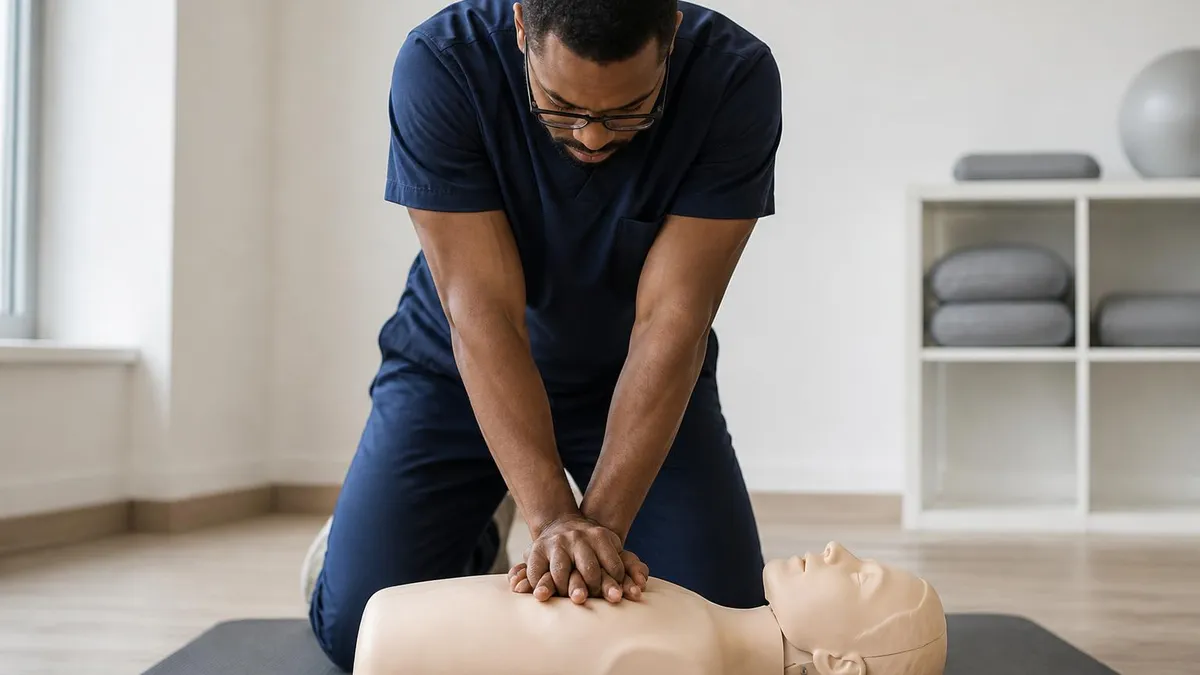
CPR Card Lookup: How to Verify, Replace, and Access Your CPR Certification in 2026
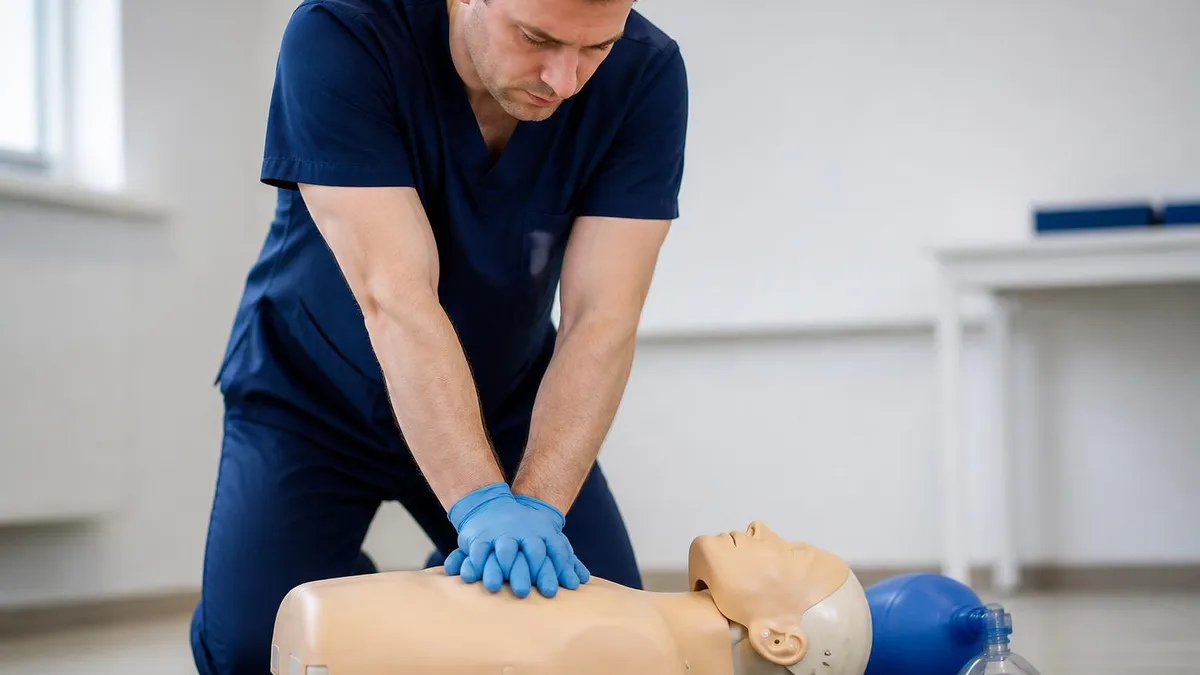
Animal CPR: How to Perform Lifesaving Resuscitation on Dogs, Cats, and Other Pets in 2026
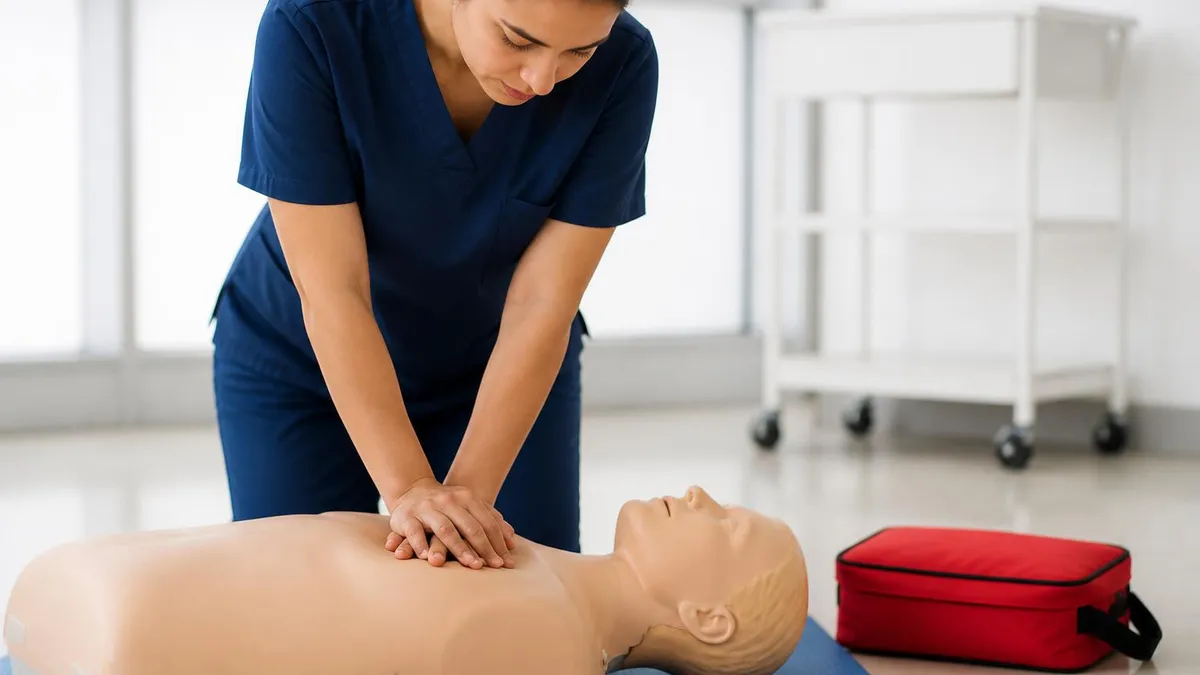
CPR Classes American Heart Association: Complete 2026 Guide to AHA Certification, Courses, and Costs
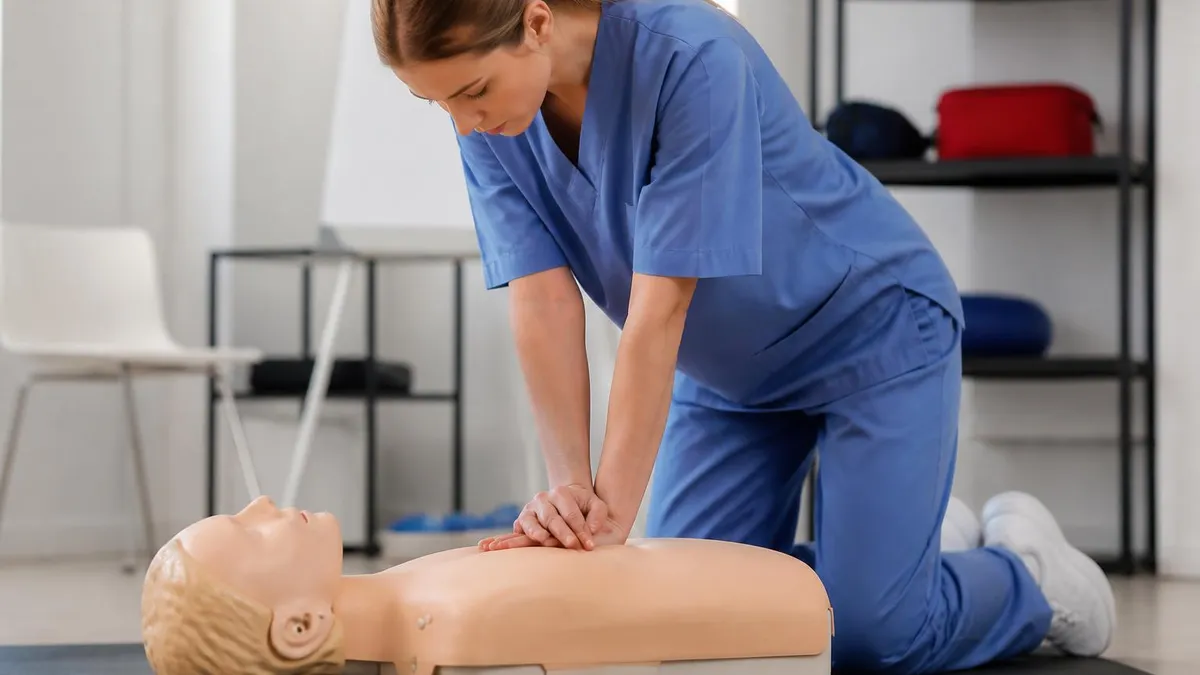
Types of CPR Training: From Basic Life Support to ACLS Algorithm Mastery in 2026
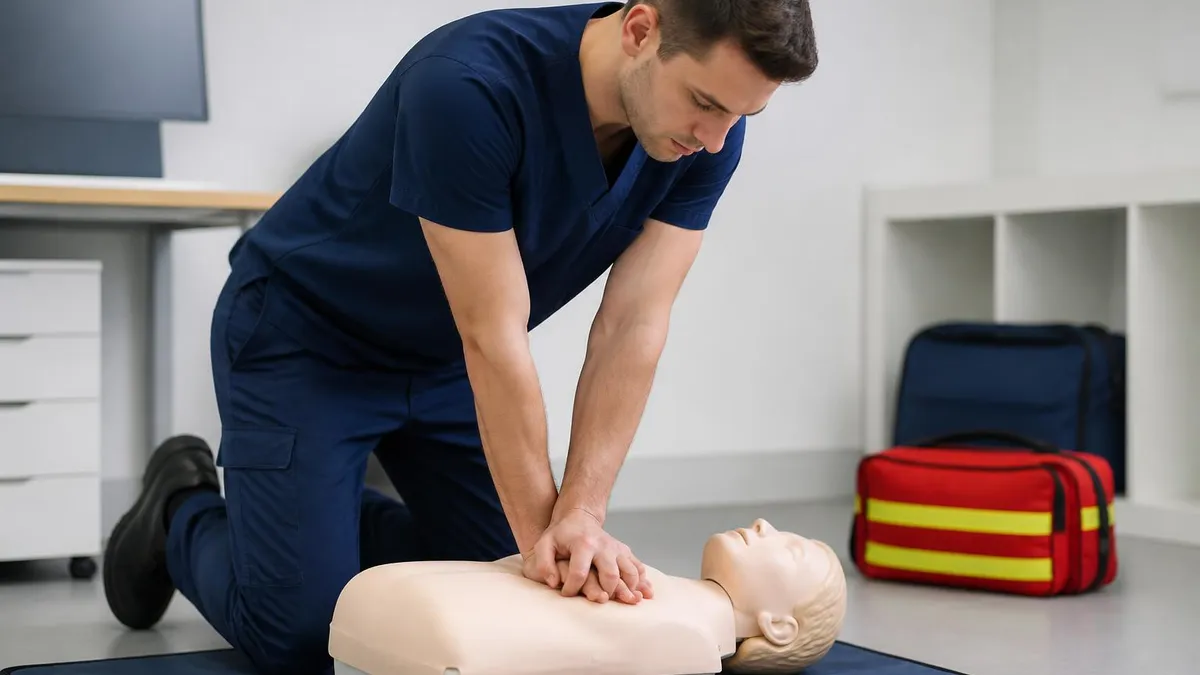
Adult CPR: Complete Step-by-Step Guide to Hands-Only and Standard CPR in 2026
About the Author

Registered Nurse & Healthcare Educator
Johns Hopkins University School of NursingDr. Sarah Mitchell is a board-certified registered nurse with over 15 years of clinical and academic experience. She completed her PhD in Nursing Science at Johns Hopkins University and has taught NCLEX preparation and clinical skills courses for nursing students across the United States. Her research focuses on evidence-based exam preparation strategies for healthcare certification candidates.
Join the Discussion
Connect with other students preparing for this exam. Share tips, ask questions, and get advice from people who have been there.
View discussion (5 replies)