
AHA CPR Look Up: How to Verify Your CPR Certification, ACLS Algorithm, and Life Support Training
Need an AHA CPR look up? Verify your certification, master the ACLS algorithm, and explore PALS, infant CPR, and AED training. 🎯

The ACLS algorithm is one of the most referenced frameworks in emergency medicine, and understanding how it connects to your American Heart Association credentials starts with knowing how to perform an AHA CPR look up. Whether you are a nurse, paramedic, physician, or lay rescuer, confirming that your life support credentials are current and properly recorded is not just a formality — it is a professional and legal safeguard. The AHA's online verification portal allows employers, hospitals, and licensing boards to confirm that a provider holds valid certification in CPR, BLS, ACLS, or PALS.
Many healthcare professionals are surprised to discover that their certification card alone is not always sufficient proof of training. Employers increasingly require verified digital records, and the National CPR Foundation along with other major training organizations now offer searchable databases so that credentials can be cross-checked in real time. When you undergo a job interview or credentialing review, the ability to point to a verified online record can be the difference between a smooth onboarding process and a frustrating delay waiting for paperwork to clear.
Beyond simple credential verification, an AHA CPR look up can also help you track your renewal schedule, confirm which specific course you completed, and identify the instructor or training center that issued your card. This matters because not all CPR courses carry equal weight in every setting. A basic infant CPR class accepted at a daycare may not satisfy the requirements for a hospital BLS credential. Understanding the distinctions between course levels is therefore essential before you register for any training.
This article covers everything you need to know about looking up your AHA CPR certification, mastering the ACLS algorithm, understanding the respiratory rate standards built into modern protocols, learning what does AED stand for and why AEDs are central to the chain of survival, and exploring how PALS certification fits into pediatric emergency response. We also walk through recovery position techniques, infant CPR guidelines, and the role of life support training across clinical and community settings.
If you have ever searched for a CPR cell phone repair location only to land on this page by accident, you are not alone — the abbreviation CPR is shared by both the resuscitation discipline and a popular electronics repair franchise. This article is focused entirely on cardiopulmonary resuscitation. For those preparing for certification exams, the practice quizzes linked throughout this page will help you test your knowledge against real exam-style questions before your official assessment.
You can also use our resource on aha cpr look up timelines and renewal windows to make sure you never let your credentials lapse unexpectedly. Lapsed certifications are a common issue in fast-paced clinical environments where continuing education deadlines can be overlooked during busy rotations or staffing changes. Proactive verification is always the better strategy.
Throughout this guide, we reference guidelines from the American Heart Association, the National CPR Foundation, and other authoritative bodies to ensure the information you receive is accurate, current, and aligned with 2025–2026 resuscitation science. Whether you are renewing your ACLS algorithm skills, learning infant CPR for the first time, or exploring PALS certification for a new pediatric nursing role, this comprehensive resource gives you the foundation you need to act confidently in any emergency.
CPR and AHA Certification by the Numbers
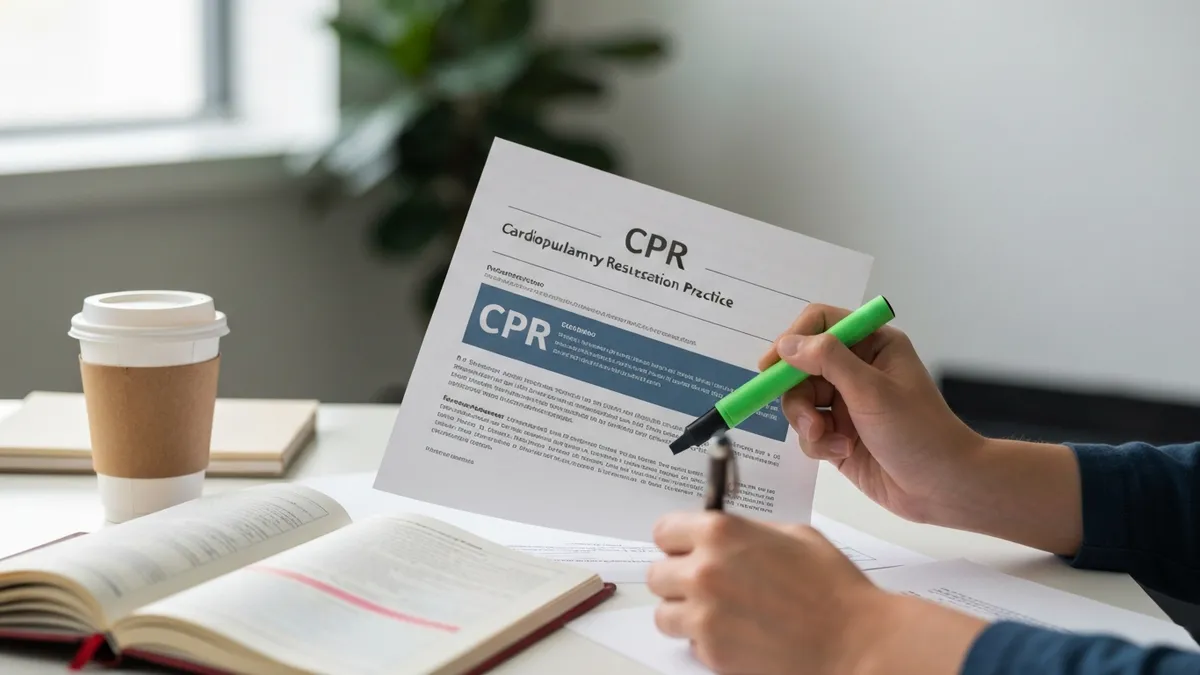
How to Perform an AHA CPR Look Up: Step-by-Step
Locate Your Certification Details
Visit the AHA eCard Verification Portal
Confirm Course Level and Expiration
Download or Share Your eCard
Schedule Renewal if Needed
The ACLS algorithm — Advanced Cardiovascular Life Support — is the clinical backbone of hospital-based cardiac arrest response, and mastering it is essential for any healthcare provider who works in an emergency, critical care, or high-acuity inpatient setting. The ACLS algorithm structures the sequence of interventions during a cardiac arrest event, guiding providers through rhythm assessment, defibrillation decisions, drug administration, and post-resuscitation care in a logical, evidence-based order. The American Heart Association updates this algorithm with every major guidelines cycle, most recently incorporating changes from the 2020 and 2023–2024 update supplements.
At the core of the ACLS algorithm is the cardiac arrest circular pathway, which begins with the recognition of unresponsiveness and absence of normal breathing. Providers immediately activate the emergency response system, begin high-quality CPR, and attach an automated external defibrillator as quickly as possible. The algorithm then branches based on the rhythm identified: shockable rhythms such as ventricular fibrillation and pulseless ventricular tachycardia follow one pathway, while non-shockable rhythms like pulseless electrical activity and asystole follow another. Each pathway specifies when to deliver shocks, when to administer epinephrine, and when to consider antiarrhythmic agents like amiodarone.
Understanding the ACLS algorithm also requires familiarity with the concept of respiratory rate in the context of resuscitation. During CPR, rescue breathing is delivered at a rate of one breath every six seconds — or approximately ten breaths per minute — when an advanced airway is in place. This respiratory rate standard replaced the older approach of pausing compressions for ventilations in intubated patients, and it reflects the AHA's emphasis on minimizing interruptions to chest compressions. Correct respiratory rate during ACLS is a commonly tested concept on both initial certification and renewal exams.
PALS certification — Pediatric Advanced Life Support — operates on similar algorithmic principles but applies them to infants and children, whose physiology differs meaningfully from adults. Pediatric cardiac arrests are more commonly preceded by respiratory failure than by primary cardiac events, which means the PALS algorithm places greater emphasis on airway management and oxygenation before cardiac rhythm intervention. Healthcare providers who work in pediatric emergency departments, NICUs, or transport teams are typically required to hold current PALS certification alongside their BLS or ACLS credential.
The National CPR Foundation is another training body that many Americans encounter when searching for certification options outside the AHA ecosystem. While the AHA remains the dominant standard in hospital credentialing, the National CPR Foundation offers accredited courses that are accepted by many employers in non-acute settings such as schools, gyms, community organizations, and some outpatient clinics. When in doubt about which certification your employer accepts, always verify directly with the HR or credentialing department before enrolling in any course.
Life support training encompasses a spectrum of courses: Heartsaver CPR AED for lay rescuers, BLS for Healthcare Providers for clinical staff, ACLS for advanced providers, and PALS for pediatric specialists. Each level builds on the previous one, and providers must hold the appropriate level for their scope of practice. A registered nurse working in a medical-surgical unit typically needs BLS, while an ER nurse or intensivist needs both BLS and ACLS. Understanding where you fall in this hierarchy helps you prioritize your certification and renewal schedule efficiently.
One area of confusion that regularly comes up during ACLS algorithm study is the difference between the interventions recommended during shockable versus non-shockable rhythms. For shockable rhythms, defibrillation is the priority and drug therapy follows the shock. For non-shockable rhythms, epinephrine administration begins early — every three to five minutes — and the team focuses on identifying and treating reversible causes, summarized by the H's and T's mnemonic. Providers who understand these distinctions at a conceptual level, not just by memorization, perform significantly better on ACLS certification exams and in real resuscitation scenarios.
PALS Certification, BLS, and ACLS: What Each Course Covers
BLS — Basic Life Support — is the entry-level life support credential required for virtually all healthcare workers in the United States. The course covers high-quality CPR for adults, children, and infants, use of a bag-mask device, AED operation, and two-rescuer team dynamics. Providers learn to deliver chest compressions at the correct rate and depth while minimizing interruptions, a skill that directly impacts survival outcomes in both in-hospital and out-of-hospital cardiac arrest scenarios.
The BLS course typically runs two to four hours and is offered in both in-person and blended learning formats through AHA-authorized Training Centers nationwide. Certification is valid for two years, after which a renewal course — shorter than the initial course — must be completed. BLS is a prerequisite for ACLS and PALS enrollment, making it the foundational credential in the life support training hierarchy for all clinical healthcare providers regardless of specialty or setting.

AHA Certification vs. National CPR Foundation: Key Differences
- +AHA credentials are universally recognized across hospitals, emergency services, and licensing boards nationwide
- +AHA's eCard system allows instant digital verification, reducing paperwork for employers and credentialing committees
- +AHA updates guidelines based on rigorous evidence review cycles, ensuring course content reflects current resuscitation science
- +AHA courses are available through a vast network of authorized Training Centers in every U.S. state and territory
- +AHA ACLS and PALS require hands-on skills evaluation, ensuring providers can actually perform interventions — not just pass a written test
- +AHA blended learning options reduce in-person time while maintaining the same evidence-based content and skills testing standards
- −AHA courses typically cost more than National CPR Foundation or online-only certification options, ranging from $50 to $300+ depending on level
- −Not all employers or settings require AHA specifically — some accept National CPR Foundation or Red Cross certifications equally
- −AHA's in-person skills requirement can be inconvenient for providers in rural areas with limited Training Center access
- −Online-only AHA courses are not available for BLS, ACLS, or PALS — blended learning still requires an in-person skills session
- −The two-year renewal cycle can feel burdensome for providers who use resuscitation skills daily and maintain proficiency through practice
- −AHA's eCard system has had intermittent technical issues that delayed verification for some providers during time-sensitive credentialing processes
Pros and Cons at a Glance
| Pros | Cons |
|---|---|
| AHA credentials are universally recognized across hospitals, emergency services, and licensing boards nationwide | Not all employers or settings require AHA specifically — some accept National CPR Foundation or Red Cross certifications equally |
| AHA's eCard system allows instant digital verification, reducing paperwork for employers and credentialing committees | AHA's in-person skills requirement can be inconvenient for providers in rural areas with limited Training Center access |
| AHA updates guidelines based on rigorous evidence review cycles, ensuring course content reflects current resuscitation science | Online-only AHA courses are not available for BLS, ACLS, or PALS — blended learning still requires an in-person skills session |
| AHA courses are available through a vast network of authorized Training Centers in every U.S. state and territory | The two-year renewal cycle can feel burdensome for providers who use resuscitation skills daily and maintain proficiency through practice |
| AHA ACLS and PALS require hands-on skills evaluation, ensuring providers can actually perform interventions — not just pass a written test | AHA's eCard system has had intermittent technical issues that delayed verification for some providers during time-sensitive credentialing processes |
CPR Certification Renewal Checklist: What to Verify Before Your Course
- ✓Confirm your current certification level (BLS, ACLS, PALS, or Heartsaver) using the AHA eCard portal before scheduling renewal
- ✓Check your certification expiration date — most courses must be completed before the card expires to count as renewal rather than initial certification
- ✓Verify that your employer or licensing board accepts the specific organization and course format you plan to use
- ✓Register with an AHA-authorized Training Center at least 30 days before your credential expires to ensure available class seats
- ✓Complete the AHA pre-course self-assessment (required for ACLS and PALS renewal) at least 48 hours before your in-person skills session
- ✓Review the ACLS algorithm and respiratory rate standards for ventilations, as these are commonly assessed at skills stations
- ✓Bring a valid government-issued ID and your previous certification card or eCard confirmation to the course
- ✓Confirm whether your renewal course is blended learning or traditional classroom format so you can complete online modules in advance
- ✓After course completion, download your eCard immediately and share it with your employer's credentialing or HR department
- ✓Set a calendar reminder 90 days before your next renewal due date to avoid credential lapses during busy work periods
Digital Verification Is Now the Standard for Healthcare Credentialing
Most U.S. hospitals and health systems now require providers to submit a verifiable eCard link rather than a physical card copy during credentialing. The AHA's digital verification system allows credentialing specialists to confirm your course name, completion date, and card status in under 60 seconds — significantly faster than waiting for paper copies to be faxed or mailed from a Training Center.
Infant CPR is one of the most emotionally charged skills in emergency medicine, yet it is also one of the most teachable. The technique for performing CPR on infants — defined as children under one year of age — differs from adult CPR in several important ways that every parent, caregiver, healthcare provider, and childcare worker should understand thoroughly. The AHA recommends that infant CPR training be incorporated into all BLS and PALS courses, and many community Heartsaver courses now offer dedicated infant CPR modules as well.
The most significant difference in infant CPR technique is chest compression method. While adult CPR uses the heel of one or two hands placed on the lower half of the sternum, infant CPR uses two fingers — the middle and ring fingers — placed just below the nipple line when only one rescuer is present.
When two trained rescuers are available, the preferred technique is the two-thumb encircling hands method, which generates better coronary perfusion pressure and is therefore the technique taught in all PALS certification courses. Compression depth for infants is approximately one and a half inches, roughly one-third of the chest's anterior-posterior diameter.
The respiratory rate during infant CPR also requires careful attention. When performing CPR without an advanced airway, the compression-to-ventilation ratio is 30:2 for a single rescuer and 15:2 for two healthcare provider rescuers — a difference that reflects the higher relative importance of ventilations in pediatric patients compared to adults. Once an advanced airway is placed, ventilations are delivered asynchronously at a rate of approximately one breath every two to three seconds, slightly faster than the adult ACLS rate of one breath every six seconds, because infants have higher baseline respiratory rates and metabolic demands.
Infant choking management is closely related to infant CPR and is taught in the same courses. For a conscious infant who is choking, the AHA recommends a sequence of five back blows followed by five chest thrusts, repeated until the object is dislodged or the infant loses consciousness.
Abdominal thrusts — the Heimlich maneuver — are contraindicated in infants due to the risk of organ injury. If the infant becomes unresponsive, providers transition immediately to CPR, checking the mouth for a visible foreign body before each set of ventilations. This airway obstruction protocol is tested in both BLS and PALS certification assessments.
The recovery position — also known as the lateral recumbent or lateral decubitus position — is another foundational skill covered in most CPR certification courses. The recovery position is used for unconscious patients who are breathing normally and have a pulse, to prevent airway obstruction from the tongue or aspiration of vomit. To place someone in the recovery position, the rescuer rolls the patient onto their side, bends the upper knee to stabilize the body, and tilts the head back slightly to maintain airway patency. The arm closest to the ground is extended, and the upper arm supports the head.
The recovery position is not appropriate during active CPR — it is reserved for patients who are breathing and have a pulse but are unconscious. Providers must reassess the patient frequently while they are in the recovery position, as respiratory status can change rapidly. If breathing stops or the pulse is lost, the patient must immediately be returned to a supine position so that CPR can be initiated or resumed. This distinction between when to use the recovery position and when to begin CPR is a commonly tested concept on BLS and Heartsaver exams.
For parents and caregivers of newborns, infant CPR training is among the most valuable investments of time they can make. Studies consistently show that bystander CPR initiated within two minutes of cardiac arrest significantly improves neurological outcomes in pediatric patients. Hospitals, community organizations, and the National CPR Foundation all offer affordable and accessible infant CPR courses that can be completed in a single afternoon. Many hospitals include infant CPR instruction as part of their standard discharge education for new parents, recognizing that the parents themselves are the most likely first responders in a home emergency involving their child.

Healthcare providers who allow their BLS, ACLS, or PALS certification to expire may face suspension of clinical privileges, delays in license renewal, and complications with malpractice coverage. Many hospitals require proof of current certification before every shift in high-acuity units. Set renewal reminders well in advance and do not assume your employer will notify you — credential management is the provider's individual responsibility.
Understanding what does AED stand for — automated external defibrillator — is the entry point for grasping why these devices are so central to modern cardiac arrest survival chains. An AED is a portable, battery-powered device that analyzes the heart's electrical rhythm, determines whether a shockable rhythm is present, and delivers a precisely calibrated electrical shock to restore normal cardiac conduction when appropriate. AEDs are designed to be used by lay rescuers with minimal training, making them one of the most impactful public health interventions in the history of emergency medicine.
AEDs are now required by law in many public settings across the United States, including airports, schools, gyms, shopping malls, sports arenas, and office buildings. The AHA's Chain of Survival model explicitly includes early defibrillation as one of its five links for out-of-hospital cardiac arrest, sandwiched between early CPR and the arrival of advanced life support. Research consistently shows that each minute without defibrillation in ventricular fibrillation reduces survival rates by seven to ten percent, which is why rapid AED access and deployment is critical to favorable outcomes.
Learning what does AED stand for is just the beginning — understanding how to operate one effectively is what matters in practice. Modern AEDs guide the user through every step with voice prompts and visual indicators. The rescuer attaches the two electrode pads to the patient's bare chest according to the illustrated placement diagram on the pads themselves, ensures no one is touching the patient during rhythm analysis, and presses the shock button when prompted. Throughout the process, the AED's voice prompts remind the rescuer to continue CPR between analysis cycles, reinforcing the compression-first approach endorsed by the AHA.
Several types of AEDs exist, including fully automatic models that deliver the shock without requiring the rescuer to press a button, and semi-automatic models that prompt the rescuer to deliver the shock manually. Both types are equally effective when used correctly. Pediatric-capable AEDs include child-sized pads or a dose-attenuating system that reduces the energy delivered for patients under eight years of age or under 55 pounds. Providers should familiarize themselves with the specific AED model available in their workplace, as interface details vary between manufacturers such as Philips HeartStart, Zoll AED Plus, and Cardiac Science Powerheart.
The position recovery protocol is relevant immediately after successful resuscitation in the field, including after AED use. Once a pulse returns — called return of spontaneous circulation, or ROSC — the patient may remain unconscious for some time while their brain and cardiovascular system begin to stabilize.
If the patient is not in a position where continued resuscitation is needed, placing them in the recovery position while awaiting EMS can help prevent airway compromise. However, providers must be prepared to resume CPR immediately if the pulse is lost again, as post-arrest patients are at high risk for re-arrest in the minutes following ROSC.
If you landed on this article searching for a phone repair location, you will need to visit that company's separate website.
This kind of search ambiguity is common and worth clarifying so readers can quickly find what they actually need. For everyone here for resuscitation content, the AED material above and the ACLS algorithm guidance throughout this article are exactly what you need to build a strong foundational and clinical understanding of cardiac emergency response.
Staying current with your AHA credentials, understanding the ACLS algorithm at a deep level, knowing how and when to use an AED, and being comfortable with infant CPR and the recovery position are the pillars of competent emergency response. Whether you are a first-time learner or an experienced provider refreshing your knowledge before renewal, the practice questions and study materials on this site will help you approach your certification exam with confidence and your next clinical emergency with skill.
Preparing for any CPR certification exam — whether it is BLS, ACLS, PALS, or a Heartsaver course — requires more than reading guidelines. The most effective preparation combines active recall through practice questions, hands-on skills rehearsal, and a systematic review of the protocols and algorithms most likely to appear on your specific exam. Research in medical education consistently shows that spaced repetition and retrieval practice outperform passive re-reading for both short-term exam performance and long-term retention of resuscitation skills.
For ACLS algorithm preparation, begin by memorizing the two main cardiac arrest pathways — shockable and non-shockable — without looking at your reference card. Then review the timing and dosing of medications used in each pathway: epinephrine 1 mg IV every three to five minutes for all cardiac arrest rhythms; amiodarone 300 mg IV push followed by 150 mg for refractory ventricular fibrillation; lidocaine as an alternative antiarrhythmic; and sodium bicarbonate in specific cases such as hyperkalemia-induced arrest. Understanding the why behind each drug helps you apply knowledge in novel scenarios rather than just reciting a memorized sequence.
For PALS certification preparation, focus on the weight-based medication dosing principles, the pediatric energy dose for defibrillation (2 J/kg initially, then 4 J/kg for subsequent shocks), and the systematic respiratory assessment that distinguishes upper airway obstruction from lower airway disease from lung tissue problems. PALS exam scenarios often require candidates to identify the type of respiratory distress based on clinical signs such as stridor, wheezing, or decreased breath sounds, and then select the appropriate intervention before cardiac arrest develops.
For BLS exam preparation, the most commonly missed questions involve team dynamics during two-rescuer CPR, the correct compression-to-ventilation ratio for infants with two healthcare providers (15:2 rather than 30:2), the acceptable compression depth range for adults (at least two inches but no more than two and a half inches), and the appropriate respiratory rate when an advanced airway is in place. These details are tested not because they are obscure, but because they represent clinically significant differences that affect patient outcomes when applied correctly in real resuscitations.
One of the best resources for exam preparation is structured practice with realistic questions that mirror the format and difficulty of the actual certification assessment. The quizzes on this site are designed with this goal in mind, covering everything from basic compression technique to advanced rhythm interpretation and drug selection. Taking a timed practice quiz before your course helps identify gaps in your knowledge early, giving you time to review weak areas rather than discovering them during the exam itself.
Beyond exam preparation, ongoing skill maintenance between certification cycles is increasingly recognized as important for resuscitation quality. Some institutions now offer quarterly low-dose, high-frequency CPR training — brief five-minute refreshers using mannequins equipped with feedback devices — which research shows maintains compression quality better than annual or biennial recertification alone. If your employer offers this type of refresher program, participating actively keeps your skills sharp and reduces the cognitive load at your next formal renewal course.
Finally, remember that certification is a floor, not a ceiling. The goal of CPR training is not just to pass an exam — it is to be able to respond effectively when a real patient needs you most. Reviewing the ACLS algorithm, practicing infant CPR technique on a mannequin, running through AED deployment scenarios in your workplace, and discussing team roles with your colleagues before an emergency happens are all practices that separate providers who are merely certified from those who are genuinely prepared.
Use your certification renewal as a catalyst for broader skill development, and approach every training opportunity with the mindset that the next patient who needs you deserves your very best.
CPR Questions and Answers
How Long Does CPR Certification Last? 2026 Renewal Guide
Extracorporeal CPR (ECPR): Complete Guide to Mechanical Circulatory Support During Cardiac Arrest in 2026
Free Online CPR Certification: Complete Guide to Legitimate Courses, Costs, and Workplace Acceptance in 2026
CPR Instructor Certification 2026: Complete Path to Teaching CPR
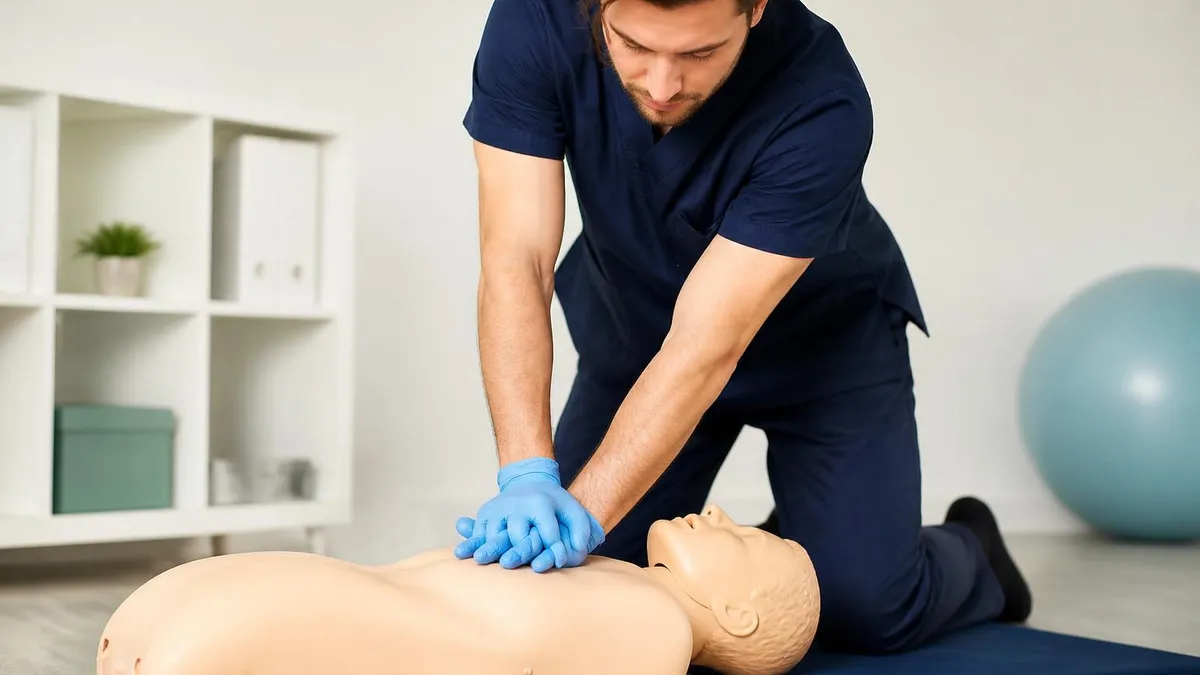
CPR Course: How to Choose the Right Training Program
About the Author

Registered Nurse & Healthcare Educator
Johns Hopkins University School of NursingDr. Sarah Mitchell is a board-certified registered nurse with over 15 years of clinical and academic experience. She completed her PhD in Nursing Science at Johns Hopkins University and has taught NCLEX preparation and clinical skills courses for nursing students across the United States. Her research focuses on evidence-based exam preparation strategies for healthcare certification candidates.
Join the Discussion
Connect with other students preparing for this exam. Share tips, ask questions, and get advice from people who have been there.
View discussion (5 replies)