
PALS CPR: Pediatric Advanced Life Support Algorithms, Certification, and Resuscitation Guide for 2026 October
📚 Master PALS CPR with updated ACLS algorithm steps, pediatric compression ratios, infant CPR techniques, AED use, and certification pathways for 2026 October.
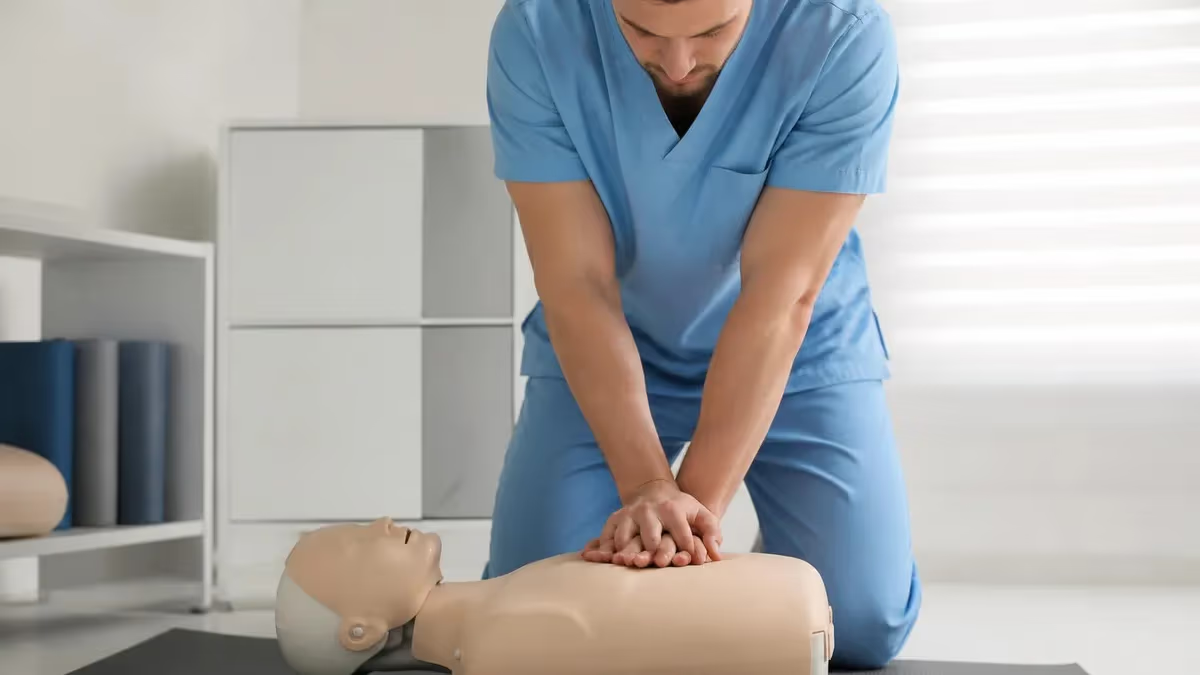
PALS CPR is the specialized branch of resuscitation medicine that bridges basic life support with the advanced cardiac care children require during catastrophic events. Unlike adult protocols, pediatric advanced life support recognizes that children rarely collapse from primary cardiac causes. Instead, respiratory failure, shock, and metabolic derangements drive most pediatric arrests. Mastering the acls algorithm framework and adapting it to infants, toddlers, and adolescents demands precise compression depth, age-appropriate ventilation, and an understanding of reversible causes that differs significantly from adult resuscitation pathways and decision trees.
The American Heart Association, along with curriculum from the national cpr foundation and the International Liaison Committee on Resuscitation, defines pediatric CPR as a high-quality, team-based intervention. Providers must recognize early warning signs of decompensation, including abnormal respiratory rate, mottled skin, delayed capillary refill, and altered mental status. By intervening before full cardiac arrest occurs, clinicians can prevent the cascade of hypoxic injury that drives poor pediatric outcomes. PALS-certified providers learn to act within seconds, not minutes.
Every PALS-trained clinician should know the standard pediatric compression rate is 100 to 120 per minute, with a depth of approximately one-third the anterior-posterior chest diameter. For infants under one year, this translates to roughly 1.5 inches, while children require about 2 inches of compression depth. Two-rescuer infant cpr uses the two-thumb encircling-hands technique, whereas single-rescuer scenarios rely on the two-finger method. These distinctions matter because shallow compressions yield insufficient cerebral perfusion and ultimately worsen survival statistics.
The PALS course also reinforces airway management, emphasizing bag-mask ventilation as the primary skill before advanced airways are placed. Once an advanced airway is in place, compressions become continuous and ventilations are delivered every 2 to 3 seconds, a rate of 20 to 30 breaths per minute. This pediatric-specific guidance differs from adult ACLS, which uses one breath every 6 seconds. The ability to switch mental gears between adult and pediatric algorithms is what separates competent PALS providers from those who simply hold a card.
Beyond the technical mechanics, PALS emphasizes leadership, closed-loop communication, and structured debriefing. Code teams must function as choreographed units, with clearly assigned roles for compressions, ventilation, medication administration, defibrillation, and documentation. Studies repeatedly show that crew resource management failures contribute to nearly half of all preventable resuscitation deaths. A strong PALS program therefore trains not only hands but minds, embedding teamwork drills, simulation, and reflective practice into every refresher cycle for hospital-based and prehospital clinicians alike.
This guide walks through the full landscape of PALS CPR in 2026, including updated algorithms for bradycardia, tachycardia with a pulse, pulseless arrest, and post-resuscitation care. We will examine certification pathways, recertification timing, common pitfalls, drug dosing logic, and how PALS interlocks with neonatal resuscitation and adult advanced cardiac life support. Whether you are a pediatric nurse, paramedic, emergency physician, or family practice provider, mastering these protocols will sharpen your clinical instincts and protect the smallest, most vulnerable patients you encounter.
If your goal is initial pals certification or recertification, expect a blended-learning experience combining online cognitive modules, in-person megacode stations, and a hands-on skills test. Most providers complete training across one to two days, but high-stakes proficiency comes only through deliberate practice. Use this article as a reference, then reinforce concepts with practice questions, simulation scenarios, and a deep review of the pediatric pharmacology you will be expected to recall under stress in the real resuscitation bay.
PALS CPR by the Numbers

Core PALS Algorithm Categories
Foundational pulse check, breathing assessment, compression-only or full CPR pathway. Used as the starting point for any unresponsive pediatric patient until advanced help arrives at the bedside or scene.
Triggered when heart rate is under 60 with poor perfusion. Begin compressions, support oxygenation, and administer epinephrine or atropine when vagal causes or AV block are suspected as the underlying mechanism.
Branches into narrow-complex and wide-complex pathways. Supraventricular tachycardia gets vagal maneuvers then adenosine, while unstable wide-complex rhythms receive synchronized cardioversion at appropriate weight-based energy doses.
Covers ventricular fibrillation, pulseless VT, asystole, and PEA. Distinguishes shockable from non-shockable rhythms and integrates epinephrine every 3-5 minutes with continuous high-quality compressions for the duration.
Focuses on targeted temperature management, hemodynamic optimization, glucose control, and neurologic monitoring. The first 24 hours after ROSC determine long-term survival and intact neurologic outcomes for pediatric patients.
Pediatric chest compressions require constant attention to anatomy. An infant's heart sits higher in the chest than an adult's, and the sternum is shorter and more pliable. Place two fingers just below the nipple line for single-rescuer infant cpr, or use the two-thumb encircling-hands technique when a second rescuer is available. The encircling method generates higher coronary perfusion pressure and is the preferred approach during in-hospital pediatric arrests when staffing permits a dedicated compressor.
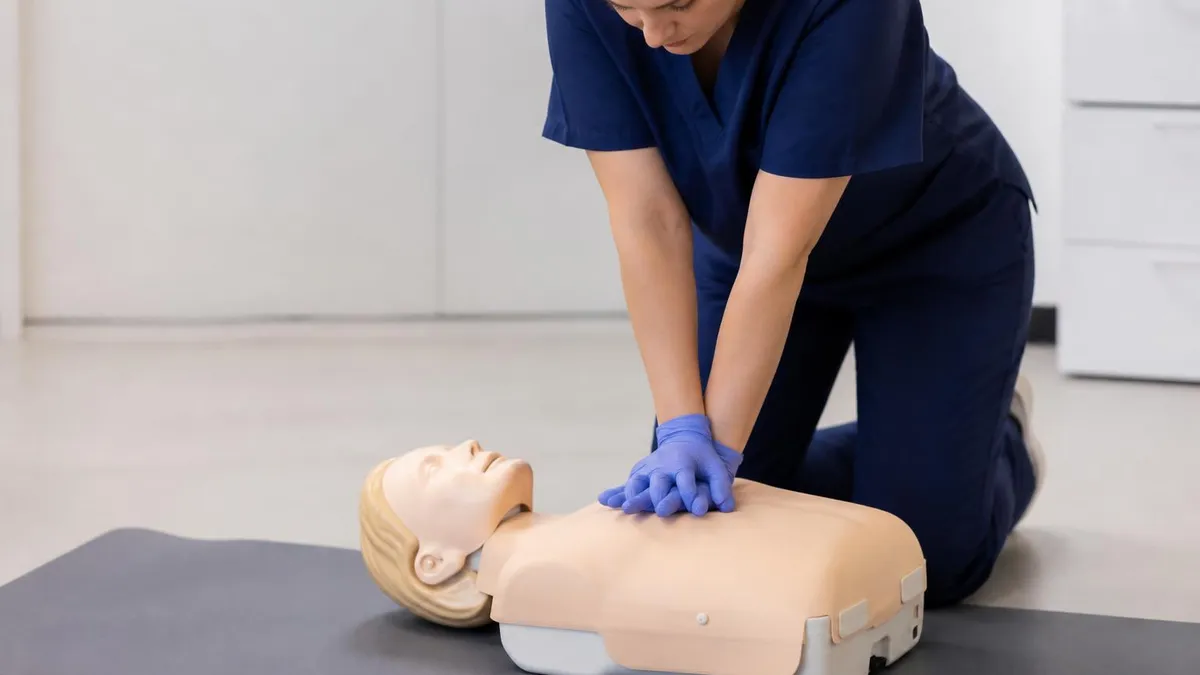
For children one year old through puberty, place the heel of one hand on the lower half of the sternum. Larger children may require two hands stacked, similar to adult technique. Aim for a depth of approximately 2 inches without exceeding one-third the chest's anterior-posterior diameter. Allow full recoil after every compression; leaning on the chest during the relaxation phase reduces venous return and dramatically decreases the cardiac output you are trying to generate during a code event.
The compression-to-ventilation ratio depends on the number of rescuers present. A lone rescuer uses 30:2 to mirror adult guidelines, since switching between roles is difficult solo. When a second rescuer arrives, switch to 15:2, which provides more frequent ventilation for the respiratory-driven nature of pediatric arrests. Once an advanced airway is in place, deliver continuous compressions with ventilations every 2 to 3 seconds and avoid any pauses that interrupt the perfusion you have worked so hard to establish.
Switch compressors every two minutes, or sooner if quality declines. Fatigue degrades depth and rate within 90 seconds for many providers, and visual inspection alone underestimates compression depth. When available, use a feedback device to track real-time metrics, including rate, depth, recoil, and chest compression fraction. The American Heart Association now recommends that chest compression fraction exceed 80 percent during pediatric resuscitation, a metric strongly linked to improved survival to hospital discharge.
Ventilation quality is equally critical. Use a bag-mask sized for the child, achieving a tight seal with the E-C clamp technique. Deliver enough volume to produce visible chest rise over about one second per breath. Avoid hyperventilation, which raises intrathoracic pressure, reduces venous return, and worsens cerebral perfusion. Monitor end-tidal CO2 once an advanced airway is in place; a sudden rise in ETCO2 often signals return of spontaneous circulation before a palpable pulse can be detected at the femoral or carotid artery.
Pulse checks should take no longer than 10 seconds. In infants, palpate the brachial or femoral artery; in children, use the carotid or femoral. If you are uncertain whether a pulse is present, default to starting compressions. Unnecessary compressions on a perfusing patient cause minimal harm, while withholding compressions from a patient in true arrest is catastrophic. This bias toward action defines high-functioning PALS teams and is reinforced repeatedly throughout simulation training and certification testing.
Document your compression cycles, drug administrations, and rhythm checks in real time. A dedicated recorder, often a nurse or scribe, frees the team leader to focus on the big picture. Strong documentation supports later debriefing, quality improvement, and medicolegal protection. After every pediatric resuscitation, conduct a structured hot debrief within minutes and a formal cold debrief within days to extract lessons and reinforce strong performance patterns across the entire interprofessional team responding to the next event.

CPR Practice Test Questions
Prepare for the CPR Cardiopulmonary Resuscitation Practice exam with our free practice test modules. Each quiz covers key topics to help you pass on your first try.
CPR Basic CPR
CPR Exam Questions covering Basic CPR. Master CPR Test concepts for certification prep.
CPR and First Aid
Free CPR Practice Test featuring and First Aid. Improve your CPR Exam score with mock test prep.
CPR (Cardiopulmonary Resuscitation) Adult ...
CPR Mock Exam on (Cardiopulmonary Resuscitation) Adult CPR and AED Usage. CPR Study Guide questions to pass on your first try.
CPR (Cardiopulmonary Resuscitation) Airway...
CPR Test Prep for (Cardiopulmonary Resuscitation) Airway Obstruction and Choking. Practice CPR Quiz questions and boost your score.
CPR (Cardiopulmonary Resuscitation) Cardio...
CPR Questions and Answers on (Cardiopulmonary Resuscitation) Cardiopulmonary Emergency Recognition. Free CPR practice for exam readiness.
CPR (Cardiopulmonary Resuscitation) Child ...
CPR Mock Test covering (Cardiopulmonary Resuscitation) Child and Infant CPR. Online CPR Test practice with instant feedback.
CPR (Cardiopulmonary Resuscitation) High-P...
Free CPR Quiz on (Cardiopulmonary Resuscitation) High-Performance Team Dynamics. CPR Exam prep questions with detailed explanations.
CPR (Cardiopulmonary Resuscitation) Legal ...
CPR Practice Questions for (Cardiopulmonary Resuscitation) Legal and Ethical Considerations. Build confidence for your CPR certification exam.
CPR for Specific Populations
CPR Test Online for for Specific Populations. Free practice with instant results and feedback.
CPR Airway & Breathing Management
CPR Exam Questions covering Airway & Breathing Management. Master CPR Test concepts for certification prep.
CPR Assessment & Recognition of Cardiac Ar...
Free CPR Practice Test featuring Assessment & Recognition of Cardiac Arrest. Improve your CPR Exam score with mock test prep.
CPR Chest Compressions & Defibrillation
CPR Mock Exam on Chest Compressions & Defibrillation. CPR Study Guide questions to pass on your first try.
CPR Post-Resuscitation Care & Recovery
CPR Test Prep for Post-Resuscitation Care & Recovery. Practice CPR Quiz questions and boost your score.
Pediatric Pharmacology and Respiratory Rate Targets
Epinephrine is the cornerstone drug in pediatric pulseless arrest. The IV or IO dose is 0.01 mg/kg of the 1:10,000 concentration, given every 3 to 5 minutes. For endotracheal administration, the dose increases tenfold to 0.1 mg/kg of the 1:1,000 concentration, though IV or IO routes are strongly preferred. Maximum single dose caps at 1 mg in older children, mirroring adult dosing limits.
Time-to-first-epinephrine is a powerful predictor of survival, especially in non-shockable rhythms like asystole and PEA. Aim to deliver the first dose within five minutes of arrest recognition. Studies show every minute of delay reduces survival to discharge by roughly 4 to 5 percent, so prepare epinephrine syringes immediately upon code activation and pre-label them clearly with patient weight and concentration to prevent dosing errors during chaotic resuscitations.
In-Person Versus Online PALS Certification
- +Hands-on skills practice with manikins and trained instructors
- +Real-time feedback on compression depth, rate, and recoil
- +Team-based megacode scenarios closer to actual clinical events
- +Immediate clarification of complex algorithm branch points
- +Networking with peers from emergency, pediatric, and ICU settings
- +Higher confidence after deliberate physical repetition of skills
- −Higher cost compared to fully online or hybrid programs
- −Requires travel and dedicated time off from work
- −Limited flexibility for night-shift and rotating clinicians
- −Class sizes can dilute instructor time per learner
- −Geographic availability varies by region and specialty
- −Single fixed date may conflict with personal obligations
Pros and Cons at a Glance
| Pros | Cons |
|---|---|
| Hands-on skills practice with manikins and trained instructors | Higher cost compared to fully online or hybrid programs |
| Real-time feedback on compression depth, rate, and recoil | Requires travel and dedicated time off from work |
| Team-based megacode scenarios closer to actual clinical events | Limited flexibility for night-shift and rotating clinicians |
| Immediate clarification of complex algorithm branch points | Class sizes can dilute instructor time per learner |
| Networking with peers from emergency, pediatric, and ICU settings | Geographic availability varies by region and specialty |
| Higher confidence after deliberate physical repetition of skills | Single fixed date may conflict with personal obligations |

PALS CPR Provider Skills Checklist
- ✓Recognize cardiopulmonary failure using respiratory rate, work of breathing, and perfusion signs
- ✓Deliver high-quality chest compressions at 100-120 per minute with adequate depth
- ✓Use the two-thumb encircling-hands technique for two-rescuer infant cpr
- ✓Provide effective bag-mask ventilation with one-second inspiratory time
- ✓Place and confirm an advanced airway with waveform capnography
- ✓Identify shockable versus non-shockable rhythms on a cardiac monitor
- ✓Deliver weight-based defibrillation at 2 J/kg initial, then 4 J/kg or higher
- ✓Administer epinephrine 0.01 mg/kg IV or IO every 3-5 minutes during arrest
- ✓Treat reversible causes using the structured Hs and Ts framework
- ✓Lead a code team using closed-loop communication and clear role assignments
AED = Automated External Defibrillator — yes, use it on children too
The AED is approved for use on infants and children. If pediatric pads or a dose attenuator are unavailable, use adult pads, placing one on the chest and one on the back to prevent overlap. Early defibrillation in shockable rhythms can double survival, so never delay AED use waiting for pediatric-specific equipment.
Sudden cardiac arrest in children, while less common than in adults, is often shockable when it occurs. Causes include congenital long QT syndrome, hypertrophic cardiomyopathy, commotio cordis from a blunt chest impact, and undiagnosed channelopathies. In these scenarios, the AED becomes the most important piece of equipment in the room. Knowing what does aed stand for is just the starting point; understanding when and how to deploy it during pediatric arrest can convert a fatal rhythm into a survivable event with intact neurologic outcomes for the child.
Pediatric AED pads are recommended for children under 8 years old or weighing less than 25 kg. These pads deliver an attenuated dose of approximately 50 joules. If pediatric pads are not available, adult pads are acceptable and preferred over no defibrillation. Place one pad on the anterior chest just below the right clavicle and the second on the back, between the shoulder blades, to ensure the pads do not touch each other and inadvertently short-circuit the energy delivery through the skin.
The AED's voice prompts walk rescuers through analysis, charging, and shock delivery. Resume compressions immediately after each shock without checking a pulse, as the heart frequently requires several minutes of perfusion before generating an organized rhythm. Studies show that minimizing the peri-shock pause to under 10 seconds significantly improves survival. Practice with your team to ensure compressions resume seamlessly the instant the shock is delivered or the AED announces that no shock is advised.
Manual defibrillation is preferred when a trained provider and monitor-defibrillator are available, as it allows precise energy selection. The initial pediatric dose is 2 J/kg, escalating to 4 J/kg and potentially higher for refractory ventricular fibrillation. Some experts now advocate doses up to 10 J/kg or the adult dose, whichever is lower, after multiple failed shocks. Document each shock's energy, timing, and resulting rhythm to guide subsequent therapy and provide a clear post-resuscitation timeline for the receiving team.
AEDs are increasingly common in schools, sports facilities, and public venues. Coaches, teachers, and bystanders should know how to retrieve and deploy them quickly. Public access defibrillation programs have transformed survival from out-of-hospital cardiac arrest in children, especially during athletic events. Combining bystander CPR with rapid AED use can produce neurologically intact survival rates above 50 percent in witnessed shockable arrests, compared to under 10 percent when defibrillation is delayed beyond eight minutes.
Maintenance of AED readiness is often overlooked. Pads expire, batteries drain, and software needs updating. Designate a responsible person at each facility to perform monthly inspections, document readiness checks, and replace consumables before expiration dates. A non-functional AED during an actual arrest is a preventable tragedy, and the regulatory and legal consequences of poor device maintenance have grown significantly under updated state and federal public safety statutes governing automated external defibrillator programs.
Finally, life support skills must integrate AED use seamlessly with high-quality CPR. The brief seconds during pad placement and rhythm analysis are the highest-risk moments for compression interruption. Train your team to position pads while compressions continue, then pause only for the few seconds required for analysis. This choreography is the hallmark of expert pediatric resuscitation teams and consistently distinguishes survivors from non-survivors in registry data tracked across pediatric tertiary care centers nationwide.
Compressions and ventilation must begin immediately. If you are alone with an infant or child in arrest, give two minutes of CPR before leaving to call for help or retrieve an AED. For adult collapse, call first; for pediatric collapse, CPR first. Confusing these sequences costs lives.
Earning pals certification requires successful completion of a precourse self-assessment, the in-person or virtual course itself, and a written and practical megacode evaluation. Most providers complete the course in a single 14-hour day or split across two shorter days. Costs typically range from $250 to $375, depending on the training center, included materials, and geographic location. Many hospitals cover this expense for clinical staff, though independent providers and travel nurses often pay out of pocket and should budget for travel and study time accordingly.
Recertification is required every two years. The renewal course is shorter, usually 6 to 8 hours, and focuses on skill validation and algorithm updates rather than foundational instruction. Providers who let their card lapse may need to retake the full initial course, which doubles cost and time. Set a calendar reminder 90 days before your card expires to schedule renewal, since popular courses fill quickly, especially around the spring hiring season when residency programs and new graduate orientations create high demand.
The American Heart Association is the most widely recognized PALS certifying body, though the American Red Cross and the national cpr foundation offer competing curricula accepted by many employers. Verify which certifications your employer or licensing board accepts before enrolling. Some states have begun mandating specific issuing organizations for hospital privileging, and a card from an unrecognized provider may not transfer when you change jobs or relocate to a different healthcare system across state lines.
Online PALS courses have grown dramatically since 2020, with many programs offering fully remote cognitive modules paired with a brief in-person skills session. Pure online certifications that lack hands-on validation are generally not accepted by hospitals for clinical privileges, although they may satisfy continuing education requirements. Always confirm with your employer's medical staff office or your state licensing board whether a specific online program meets credentialing standards before paying for the course.
Preparation matters more than the course itself. Review the AHA PALS Provider Manual cover to cover, complete the precourse self-assessment honestly, and practice algorithms aloud. Memorize the high-yield drugs and doses, including epinephrine, amiodarone, atropine, and adenosine. Walk through megacode scenarios mentally during your commute, picturing yourself as team leader managing a child with bradycardia, supraventricular tachycardia, or pulseless arrest. Confidence on test day comes from repetition long before you enter the simulation room.
When researching certification, always include terms like resuscitation, American Heart Association, or pediatric advanced life support to filter out unrelated results. This naming overlap occasionally confuses new healthcare students who search general terms and arrive at electronics repair pages instead of legitimate medical training resources offered by accredited providers.
Maintaining proficiency between recertification cycles is the real challenge. Schedule quarterly in-situ simulations, attend morbidity and mortality conferences, and participate in mock codes at your facility. Skills decay rapidly without practice; studies show measurable degradation as soon as three months after initial training. Building a personal habit of frequent review and seeking real or simulated cases will keep you sharp and ready for the rare but high-stakes pediatric arrest that can occur on any shift in any setting.
The recovery position is a critical adjunct skill for any PALS provider managing a child who has regained spontaneous circulation but remains unresponsive. The position recovery technique places the patient on their side with the lower arm extended forward, the upper arm supporting the head, and the upper leg bent at the hip and knee to prevent rolling. This positioning protects the airway from aspiration of vomit, blood, or secretions while allowing continuous observation of breathing and color until advanced help arrives.
Do not place a patient in recovery position if you suspect spinal injury without first manually stabilizing the head and neck. In trauma scenarios, log-roll the patient as a unit with at least three rescuers maintaining cervical alignment. Once positioned, monitor respiratory rate, pulse, and mental status every two minutes. Be prepared to return the patient to supine and resume CPR if breathing becomes inadequate or pulse disappears. Recovery position is a bridge to definitive care, not a final destination for any post-arrest patient.
Family presence during pediatric resuscitation is increasingly supported by major professional societies. When safely managed by a dedicated family support person, having parents at the bedside reduces complicated grief and improves family satisfaction even when outcomes are poor. Designate one team member, often a chaplain, social worker, or senior nurse, to explain procedures in plain language and offer the family a chance to step out at any time without judgment from the team performing the resuscitation.
Debriefing after every pediatric arrest, regardless of outcome, builds team resilience and surfaces system gaps. Use a structured format such as Plus-Delta, identifying what went well and what should change. Cover technical performance, communication, equipment availability, and emotional impact. Hot debriefs immediately after the event capture fresh details, while cold debriefs days later allow deeper reflection. Both formats are essential. Document themes and follow up on action items to prevent the same gaps from harming the next child who arrests in your facility.
Pediatric resuscitation skills extend beyond the code itself into prevention. Many in-hospital pediatric arrests are preceded by hours of subtle deterioration that bedside teams missed or underreported. Pediatric early warning scores, rapid response teams, and structured handoff tools dramatically reduce arrest rates when implemented consistently. Champion these systems at your institution; they save more lives than any individual heroic resuscitation and shift the focus from rescue to prevention, where the greatest survival gains in pediatric critical care have always been found.
Outside the hospital, community CPR training is the single most powerful intervention for pediatric out-of-hospital arrest survival. Drowning, sudden infant death, and unintentional trauma account for thousands of deaths each year, many of which would be survivable with prompt bystander CPR. Teach friends, family, coaches, and teachers infant cpr basics. Free community programs are widely available, and even a 30-minute compression-only course measurably improves layperson willingness to act when a child collapses.
Finally, take care of yourself. Pediatric arrests are emotionally devastating, even for seasoned providers. Build a support network of peers, mentors, and mental health professionals who understand the unique weight of caring for critically ill children. Seek help promptly if you experience intrusive thoughts, sleep disruption, or avoidance behaviors after a difficult case. Sustained excellence in PALS CPR requires not only sharp clinical skills but also the resilience to keep showing up for the next child who needs you to be at your absolute best when seconds count.
CPR Questions and Answers
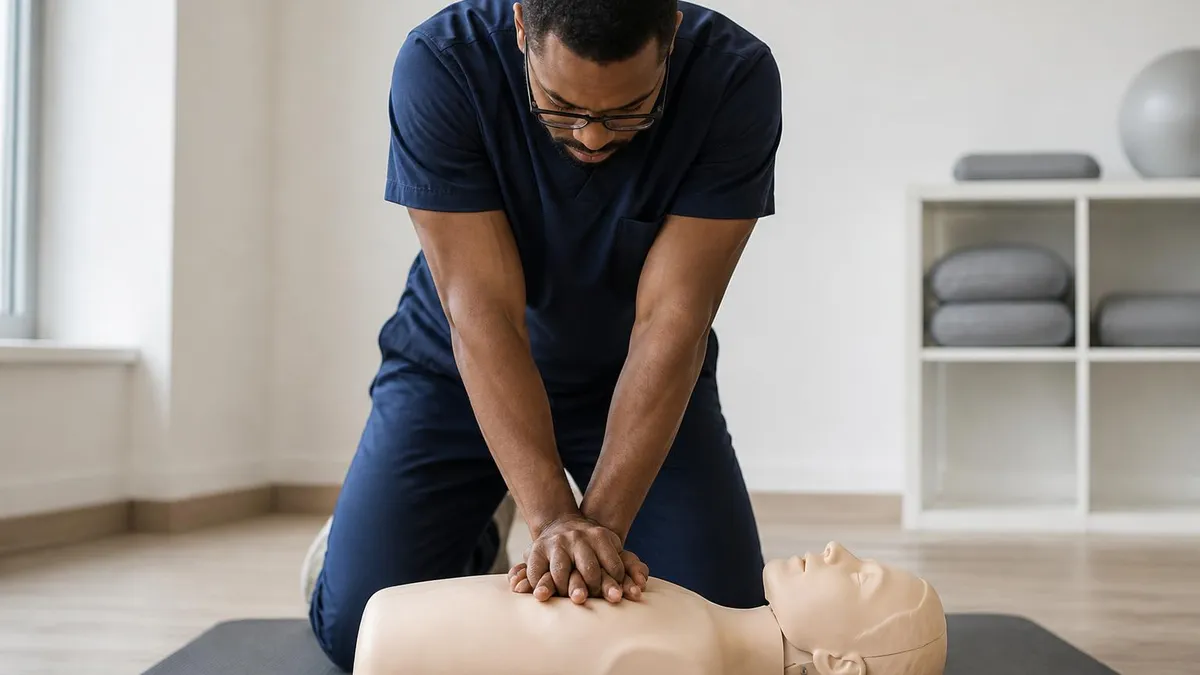
CPR Card Lookup: How to Verify, Replace, and Access Your CPR Certification in 2026
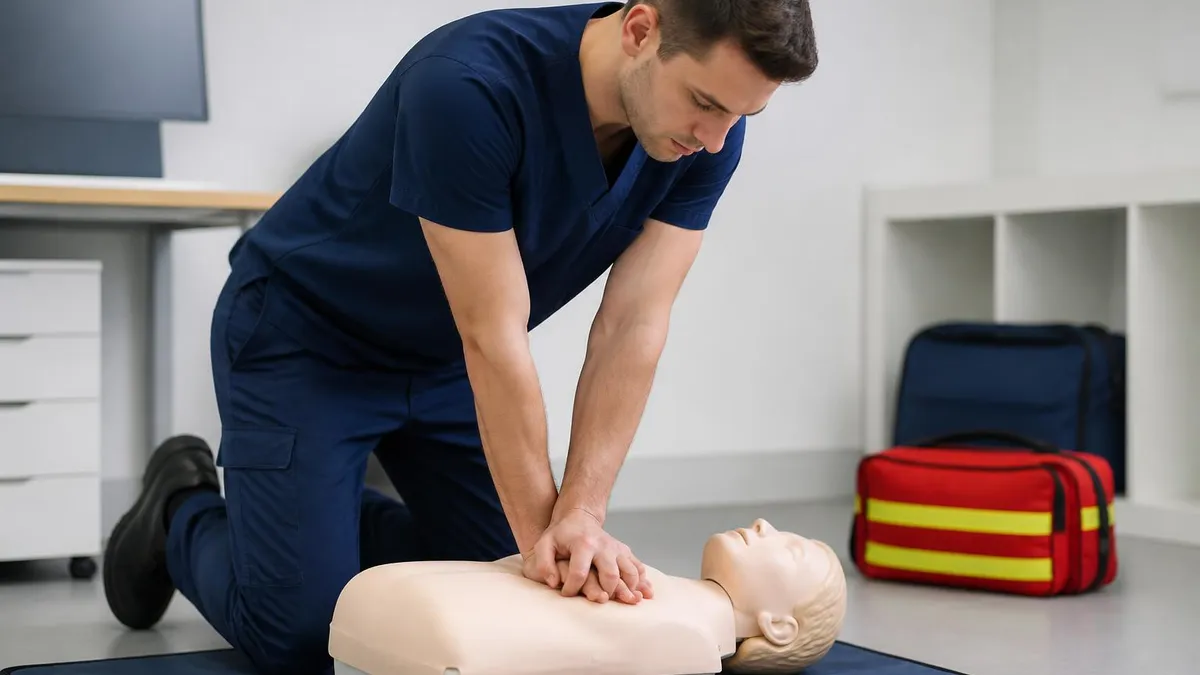
Adult CPR: Complete Step-by-Step Guide to Hands-Only and Standard CPR in 2026

CPR - Cardiopulmonary Resuscitation: Complete Study Guide 2026
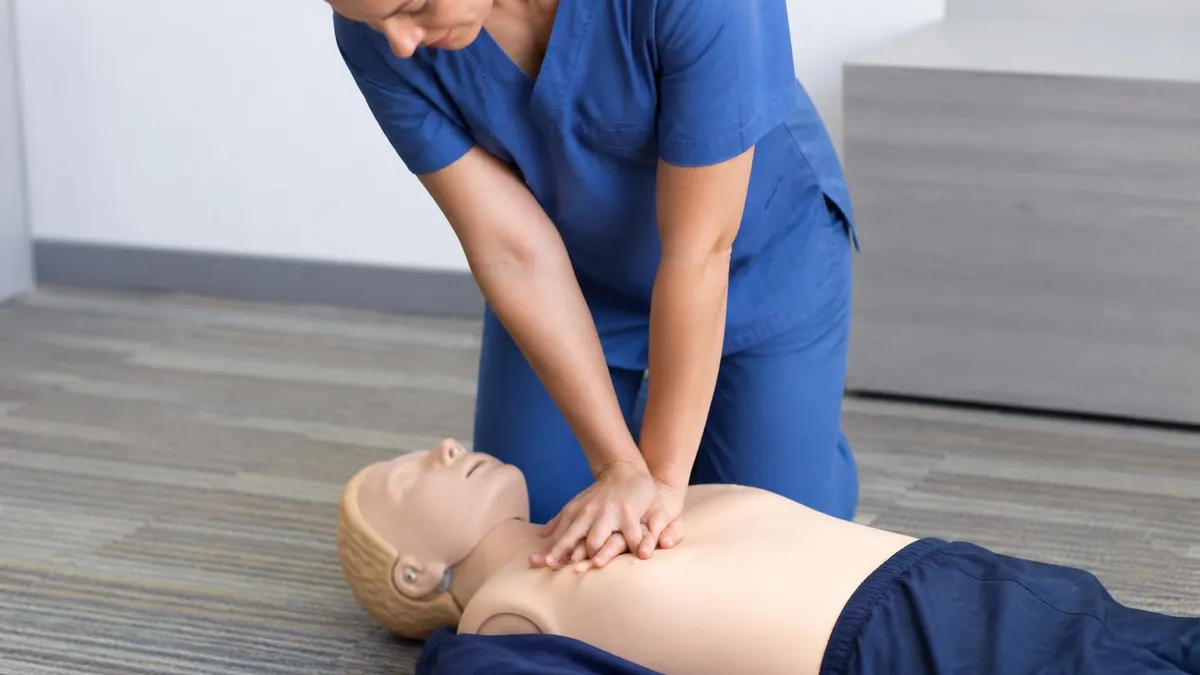
Inappropriate CPR Songs: What Not to Play, Why It Matters, and Better Beat-Per-Minute Alternatives
AHA CPR Recertification: How to Recertify CPR Online with the American Heart Association in 2026
About the Author

Registered Nurse & Healthcare Educator
Johns Hopkins University School of NursingDr. Sarah Mitchell is a board-certified registered nurse with over 15 years of clinical and academic experience. She completed her PhD in Nursing Science at Johns Hopkins University and has taught NCLEX preparation and clinical skills courses for nursing students across the United States. Her research focuses on evidence-based exam preparation strategies for healthcare certification candidates.
Join the Discussion
Connect with other students preparing for this exam. Share tips, ask questions, and get advice from people who have been there.
View discussion (5 replies)