
CPR Training for First Responders: ACLS Algorithm, PALS Certification, and Life Support Skills
Master CPR training for first responders — ACLS algorithm, PALS certification, infant CPR, AED use & life support skills. ✅ Free practice tests inside.

The ACLS algorithm forms the backbone of advanced CPR training for first responders, and understanding it deeply can mean the difference between a successful resuscitation and a preventable death. Whether you are an EMT, paramedic, firefighter, or law enforcement officer, your ability to execute high-quality cardiopulmonary resuscitation under pressure is one of the most critical skills you will ever develop. First responders encounter cardiac arrest situations in the field where hospital-grade equipment may be unavailable and every second of delay increases neurological damage.
Advanced cardiac life support goes well beyond the basic chest compressions taught to the general public. First responders must master the full ACLS algorithm, which includes rhythm recognition on a cardiac monitor, appropriate drug administration sequences, airway management with advanced devices, and team coordination under high-stress conditions. The National CPR Foundation and the American Heart Association both publish updated guidelines regularly, and staying current with those updates is a professional obligation, not just a recommendation.
For first responders who work with pediatric patients, PALS certification — Pediatric Advanced Life Support — adds another critical layer of knowledge. Infant CPR technique differs substantially from adult CPR in compression depth, rate, hand placement, and ventilation volume. A provider who applies adult CPR mechanics to a newborn or toddler risks causing serious injury while also failing to adequately perfuse the brain and heart. Understanding these distinctions, and practicing them regularly, is what separates a competent responder from an exceptional one.
The respiratory rate of a patient in distress provides one of the earliest warning signs of impending cardiac arrest. First responders are trained to assess breathing quality, count respiratory rate, evaluate chest rise symmetry, and listen for abnormal breath sounds — all within the first 30 seconds of patient contact. Combining that rapid respiratory assessment with a pulse check and mental status evaluation allows a skilled responder to anticipate deterioration and prepare resuscitation tools before the patient fully decompensates.
What does AED stand for? An Automated External Defibrillator is a portable device that analyzes the heart's electrical rhythm and delivers a shock when it detects a shockable rhythm such as ventricular fibrillation or pulseless ventricular tachycardia. First responders use AEDs and manual defibrillators daily, but the underlying principle — restoring organized electrical activity to a chaotic heart — remains the same regardless of device sophistication. Knowing when to shock, when to hold, and how to minimize time off the chest during defibrillation is a skill that requires repetitive practice.
Recovery position, or position recovery as it is sometimes called in training contexts, is a technique used once a patient regains spontaneous circulation or is breathing adequately but remains unconscious. Placing a patient on their side protects the airway from aspiration if they vomit, a common occurrence after resuscitation. First responders must know not only how to perform CPR but also how to transition smoothly to post-resuscitation care, including proper positioning, airway reassessment, and preparing for transport to a definitive care facility.
This guide covers everything cpr for first responders need to know about advanced CPR protocols, certification pathways, algorithm mastery, and practical field techniques. From the ACLS algorithm to infant CPR mechanics, from understanding what an AED stands for to earning your PALS certification, this resource is designed to help you perform at the highest level when a life is on the line.
CPR for First Responders by the Numbers

The ACLS Algorithm: Step-by-Step for First Responders
Scene Safety & Initial Assessment
High-Quality Chest Compressions
Airway Management & Ventilation
Rhythm Analysis & Defibrillation
Medication Administration
Post-Resuscitation Care
Earning advanced certifications is a professional expectation for first responders in virtually every jurisdiction across the United States. The National CPR Foundation offers a range of certifications recognized by employers and accrediting bodies, including basic life support, ACLS, and PALS. Each certification tier builds on the previous one, creating a systematic ladder that takes a provider from fundamental CPR mechanics all the way through complex resuscitation algorithms used in intensive care and prehospital settings. Choosing the right certification pathway depends on your role, your employer's requirements, and the patient population you serve.
ACLS certification is typically required for paramedics, critical care nurses, emergency physicians, and advanced practice providers. The certification process involves both a written examination and a practical skills evaluation. Candidates must demonstrate competency in BLS skills, cardiac rhythm interpretation, ACLS algorithm execution, and team leader communication. Most ACLS courses run for approximately 14–16 hours when taken as an initial certification, and renewal courses run 6–8 hours every two years. Failing the practical skills station is the most common reason candidates do not pass on their first attempt.
PALS certification is similarly structured but focuses on the unique physiological and anatomical differences of pediatric patients. Children are not simply small adults — their respiratory systems, cardiovascular responses, and medication dosing requirements differ dramatically from those of adults. The PALS algorithm emphasizes early airway management because respiratory failure is the leading cause of cardiac arrest in children, unlike adults where cardiac causes predominate. First responders who work in communities with significant pediatric call volumes should prioritize PALS alongside or immediately after ACLS.
Life support training does not stop at initial certification. The most effective first responders treat their CPR and resuscitation skills as perishable, requiring constant refreshment. High-fidelity simulation training using mannequins that provide real-time feedback on compression depth and rate has been shown to significantly improve provider performance compared to traditional didactic instruction alone. Many EMS agencies, fire departments, and hospital systems now invest in regular simulation drills that mirror the actual cases their personnel encounter in the field.
Megacode scenarios — simulated full cardiac arrests that require a team to run through the entire ACLS algorithm from start to finish — are the gold standard for resuscitation skills assessment. These scenarios test not only individual technical skills but also team dynamics, communication clarity, role assignment, and decision-making under time pressure. First responders who regularly practice megacode scenarios demonstrate measurably better performance during real resuscitations compared to those who rely solely on initial certification training without ongoing practice.
Many states and localities also have specific CPR recertification timelines mandated by licensing boards or collective bargaining agreements. Firefighters, for example, may be required to demonstrate CPR competency annually even if their formal certification does not expire for two years. Staying on top of these local requirements protects your license, your employer, and most importantly your patients. If you are uncertain about the certification requirements for your role or jurisdiction, reviewing the renewal cycle and recertification expectations can help you plan ahead and avoid lapses in credentialing.
Beyond formal certification, first responders benefit enormously from peer feedback, post-incident debriefs, and continuing education that focuses on the most current resuscitation science. The American Heart Association publishes updated guidelines approximately every five years, with interim focused updates when new evidence warrants changes. The 2020 guidelines, for example, significantly emphasized the importance of systems of care and dispatcher-assisted CPR. Staying current with these updates ensures that your practice reflects the best available evidence rather than protocols that may have been revised since your last certification course.
Infant CPR and Pediatric Life Support Protocols
Infant CPR requires precise modifications to technique that adult-focused training does not cover. For infants under one year of age, rescuers use two fingers placed on the center of the chest just below the nipple line, or the two-thumb encircling technique when two rescuers are present. Compression depth should be approximately 1.5 inches — roughly one-third of the chest diameter — at a rate of 100–120 compressions per minute, identical to the adult rate.
Ventilation volume for infants must be drastically reduced compared to adults. A gentle puff of air — just enough to see the chest rise — is sufficient and prevents gastric inflation and aspiration. The compression-to-ventilation ratio for a single rescuer is 30:2, but trained healthcare providers using a two-rescuer technique should deliver 15 compressions for every 2 breaths to maximize ventilation frequency in a patient whose tiny lungs demand more frequent gas exchange to maintain oxygenation.

Advanced CPR Certification: Benefits vs. Challenges for First Responders
- +Significantly improves survival outcomes for cardiac arrest patients in the field
- +ACLS and PALS certifications open doors to higher-paying specialized roles in EMS and hospitals
- +Algorithm-based training builds consistent, reproducible performance under high-stress conditions
- +Regular recertification keeps skills sharp and aligned with current resuscitation science
- +Team-based training improves communication, role clarity, and crew resource management
- +Certification demonstrates professional competency to employers, licensing boards, and the public
- −Initial ACLS and PALS courses require 14–16 hours of time investment per certification
- −Course fees range from $150–$350 per certification, creating a financial burden for some providers
- −Skills decay rapidly without regular practice, requiring ongoing simulation and drill time
- −Algorithm updates every 2–5 years can invalidate previously memorized protocols
- −High-stakes practical evaluations create significant test anxiety for many candidates
- −Rural first responders may face limited access to accredited training centers and simulation labs
First Responder CPR Readiness Checklist
- ✓Verify your BLS, ACLS, or PALS certification is current and not within 60 days of expiration.
- ✓Practice chest compression depth and rate monthly using a feedback mannequin or CPR trainer device.
- ✓Review the current AHA cardiac arrest algorithm, including medication dosing and timing intervals.
- ✓Confirm your AED pads, bag-valve mask, and oxygen equipment are stocked and functional at shift start.
- ✓Complete at least one megacode simulation scenario every quarter with your regular response team.
- ✓Know infant CPR hand placement and compression depth for patients under one year of age.
- ✓Review the PALS Pediatric Assessment Triangle and weight-based medication dosing chart regularly.
- ✓Practice placing a patient in recovery position after simulated return of spontaneous circulation.
- ✓Memorize the shockable versus non-shockable rhythm categories and appropriate algorithm branches.
- ✓Attend at least one post-incident debrief after every cardiac arrest call to identify performance gaps.
Hands-Only CPR Saves Lives — But First Responders Need More
While hands-only CPR is effective for bystanders in the first few minutes of cardiac arrest, first responders are expected to deliver full advanced life support including airway management, rhythm-guided defibrillation, and medication administration. Studies show that when first responders arrive within 4 minutes and begin ACLS-quality CPR, survival-to-discharge rates more than double compared to bystander CPR alone. Your advanced training is the critical bridge between collapse and hospital care.
Understanding what AED stands for is only the beginning of mastering defibrillation as a first responder. An Automated External Defibrillator is a device designed to be used by both trained professionals and laypersons, but the way a first responder uses an AED or manual defibrillator differs substantially from civilian use. Professional rescuers must understand the device's rhythm analysis limitations, know when to override the AED's recommendation based on clinical context, and integrate defibrillation seamlessly into ongoing resuscitation without prolonged pauses in chest compressions.
Ventricular fibrillation is the most common initial rhythm in witnessed adult cardiac arrest, and it is the rhythm most responsive to early defibrillation. Every minute that passes without defibrillation in a patient with ventricular fibrillation reduces survival probability by 7–10%. First responders who can deliver a shock within the first 3–5 minutes of arrest — before the rhythm degrades into asystole — achieve dramatically better outcomes than those who delay defibrillation to complete other interventions first. This is why the AED or defibrillator should be applied and ready to analyze within the first 2 minutes of resuscitation effort.
Manual defibrillators used by advanced life support providers offer several advantages over consumer AEDs. They allow the provider to select energy levels, override rhythm analysis, and deliver synchronized cardioversion for unstable tachycardias that are not in cardiac arrest. Biphasic defibrillators, which deliver current in two directions, are now standard of care and require lower energy levels — typically 120–200 joules — compared to older monophasic devices that required 360 joules. Lower energy delivery reduces myocardial injury while maintaining or improving defibrillation success rates.
Pad placement is a fundamental skill that first responders must execute correctly under stress. Standard anterolateral placement positions one pad below the right clavicle and the other on the left lateral chest at the mid-axillary line. For patients with implanted pacemakers or defibrillators, pads should be placed at least one inch away from the device.
Anteroposterior placement — one pad on the anterior chest and one on the posterior thorax — may be preferred for certain rhythms or body habitus situations. First responders must practice pad placement on diverse patient types to build the muscle memory necessary for flawless execution during an actual arrest.
While the name overlap is purely coincidental, it is a useful reminder that CPR — whether applied to a person or a smartphone — implies restoration of function through intervention. For first responders, of course, the stakes are incomparably higher: your intervention restores circulation to a human brain, not data to a digital device.
Post-shock care is an area where first responder training must be careful. After delivering a shock, compressions should resume immediately without waiting for a rhythm check or pulse assessment. The rhythm check occurs after 2 minutes of post-shock CPR, not immediately after the shock. This protocol change — first introduced in the 2005 AHA guidelines and reinforced in every subsequent update — reflects the understanding that even a successful shock rarely produces immediate effective perfusion. Compressions bridge the gap between electrical restoration of rhythm and mechanical restoration of adequate cardiac output.
For first responders encountering patients in pulseless electrical activity or asystole, defibrillation has no role — these are non-shockable rhythms. Instead, the algorithm focuses on identifying and reversing reversible causes using the Hs and Ts mnemonic: hypovolemia, hypoxia, hydrogen ion excess, hypo/hyperkalemia, hypothermia, tension pneumothorax, tamponade, toxins, thrombosis pulmonary, and thrombosis coronary. Working through this differential systematically while maintaining high-quality CPR gives patients with reversible causes the best chance of achieving return of spontaneous circulation and meaningful neurological recovery.

Research consistently shows that without real-time feedback, even experienced providers deliver compressions that are too shallow, too fast, or incompletely recoiled. Studies from the Resuscitation Outcomes Consortium found that only 28% of compressions during real resuscitations met all three quality criteria — depth, rate, and full recoil — without feedback devices. First responders should use CPR feedback devices during training and whenever available in real resuscitations to close the performance gap between perceived and actual compression quality.
Post-resuscitation care represents the final phase of the ACLS algorithm and the bridge between prehospital emergency response and definitive hospital management. When a first responder achieves return of spontaneous circulation in the field, the resuscitation is not over — it is entering a new and equally critical phase. Patients who regain a pulse after cardiac arrest are extraordinarily vulnerable to secondary injury from hemodynamic instability, reperfusion injury, and ongoing ischemia. The decisions made in the first 30 minutes after ROSC can determine whether the patient survives with intact neurological function or sustains permanent brain damage.
Targeted temperature management, sometimes called therapeutic hypothermia, has been a cornerstone of post-resuscitation care for patients who remain comatose after ROSC. Current evidence supports a temperature target of 32–36 degrees Celsius maintained for 24 hours following resuscitation from ventricular fibrillation or pulseless ventricular tachycardia. While initiation of active cooling in the prehospital setting remains controversial, first responders should at minimum avoid hyperthermia — fever after cardiac arrest is independently associated with worse neurological outcomes and should be treated aggressively with antipyretics and cooling measures.
Hemodynamic optimization is another critical post-ROSC priority. Hypotension, defined as systolic blood pressure below 90 mmHg, must be corrected promptly with fluid boluses, vasopressors such as norepinephrine, or both. The post-cardiac arrest syndrome creates a pathophysiological state similar to septic shock, with systemic inflammatory activation, endothelial dysfunction, and impaired cardiac contractility. First responders initiating vasopressor therapy in the field or during transport can prevent secondary ischemic injury to the brain, kidneys, and other vital organs that would otherwise occur during prolonged hypotension.
Oxygenation targets after ROSC are equally nuanced. While it may be intuitive to administer 100% oxygen to every post-arrest patient, current guidelines recommend titrating oxygen to maintain saturation between 94–99%. Hyperoxia — excessive oxygen delivery — generates free radicals that accelerate reperfusion injury to brain tissue, potentially worsening the very neurological damage you are trying to prevent. First responders should use pulse oximetry to guide oxygen delivery after ROSC, reducing the fraction of inspired oxygen as saturation rises above the target range.
Communication during transport is a skill that first responders often undervalue relative to the procedural aspects of resuscitation. A clear, organized radio report to the receiving hospital — covering the arrest duration, number of shocks delivered, medications administered, ROSC time, post-ROSC blood pressure, and 12-lead ECG findings — allows the emergency department and cardiology team to prepare for the patient's arrival and make time-sensitive decisions about catheterization laboratory activation for possible STEMI. Delays in communication translate directly into delays in definitive care and worse patient outcomes.
The recovery position plays an important role in the management of patients who regain consciousness partially or fully during transport. A patient who is breathing spontaneously but has altered mental status and is at risk for vomiting should be placed on their left side with their upper knee flexed forward to stabilize the position. This left lateral decubitus position, which matches the standard recovery technique, reduces the risk of aspiration while keeping the airway accessible for suctioning if needed. Securing the patient safely in this position during transport requires practice and the appropriate use of stretcher straps and positional supports.
Understanding the complete arc of resuscitation — from the first compression on a pulseless patient through post-ROSC stabilization and handoff to the receiving hospital team — is what defines true proficiency in cpr for first responders. Each phase demands different skills, different knowledge, and different forms of teamwork. The providers who master every phase, and who pursue certification, practice, and peer learning with equal dedication, achieve outcomes that reflect the highest standards of emergency medicine.
Preparing for ACLS or PALS certification requires a structured study approach that goes beyond reading the provider manual once. Successful candidates typically spend 20–30 hours in preparation for an initial ACLS certification, combining algorithm memorization, cardiac rhythm practice, and hands-on skills rehearsal. Building a study schedule that allocates dedicated time to each major topic area — rhythm recognition, pharmacology, airway management, and team dynamics — prevents the common mistake of over-studying familiar content while neglecting weaker areas.
Rhythm recognition is the technical skill that most candidates find most challenging on the ACLS written examination. The test requires providers to distinguish between sinus tachycardia and supraventricular tachycardia, identify wide-complex tachycardias and determine whether they are ventricular or aberrantly conducted supraventricular rhythms, recognize the various degrees of heart block, and differentiate fine ventricular fibrillation from asystole. Practicing with a rhythm strip workbook or a dedicated cardiac rhythm app for 20–30 minutes daily in the weeks before your exam can dramatically improve your rhythm interpretation accuracy and speed.
Pharmacology is another high-yield area for the ACLS examination. Candidates must know the indications, doses, mechanisms of action, and contraindications for epinephrine, amiodarone, lidocaine, adenosine, atropine, dopamine, norepinephrine, sodium bicarbonate, calcium chloride, and magnesium sulfate. Creating flashcards for each drug — with dose, route, indication, and key clinical pearl on separate cards — is an efficient memorization strategy. Pay particular attention to the specific dose differences between cardiac arrest use and non-arrest use, as several drugs have dramatically different dosing in these two contexts.
Team dynamics and communication are assessed during the practical skills evaluation in a way that surprises many candidates who focus exclusively on the technical aspects of resuscitation. ACLS courses evaluate whether you can clearly assign roles, call out actions before performing them, provide closed-loop communication by confirming orders, and adapt the team's strategy when initial interventions are not producing results. Practicing these communication skills out loud — not just running through the algorithm silently in your head — is essential preparation for the practical evaluation.
Study groups composed of peers at similar training levels have been shown to improve certification pass rates and knowledge retention compared to solo study. Finding two or three colleagues who are also preparing for ACLS or PALS and scheduling weekly practice sessions allows you to practice team roles, quiz each other on pharmacology, and provide feedback on compression technique and airway skills. The simulation of a real team environment during study sessions transfers directly to improved performance during the certification megacode and during actual field resuscitations.
Time management during the written examination is a practical skill that many first responders neglect. The ACLS written exam typically contains 50 questions and must be completed within 60–90 minutes depending on the provider. That allows approximately 1–2 minutes per question. Candidates who spend excessive time on difficult questions risk running short on time for questions they would otherwise answer correctly. A time-boxing strategy — spending no more than 90 seconds per question on the first pass and flagging difficult questions for review — ensures you reach every question before time expires.
After certification, the real learning begins. Field experience during actual resuscitations, combined with honest post-incident debriefs and reflective practice, builds a level of clinical judgment that no classroom can fully replicate. The most effective first responders approach every cardiac arrest as both a patient care event and a learning opportunity, identifying what went well, what could have been done faster or more accurately, and what system-level improvements might improve outcomes next time. This cycle of action and reflection, repeated over a career, is what transforms a certified provider into a genuinely expert resuscitator.
CPR Questions and Answers
How Long Does CPR Certification Last? 2026 Renewal Guide
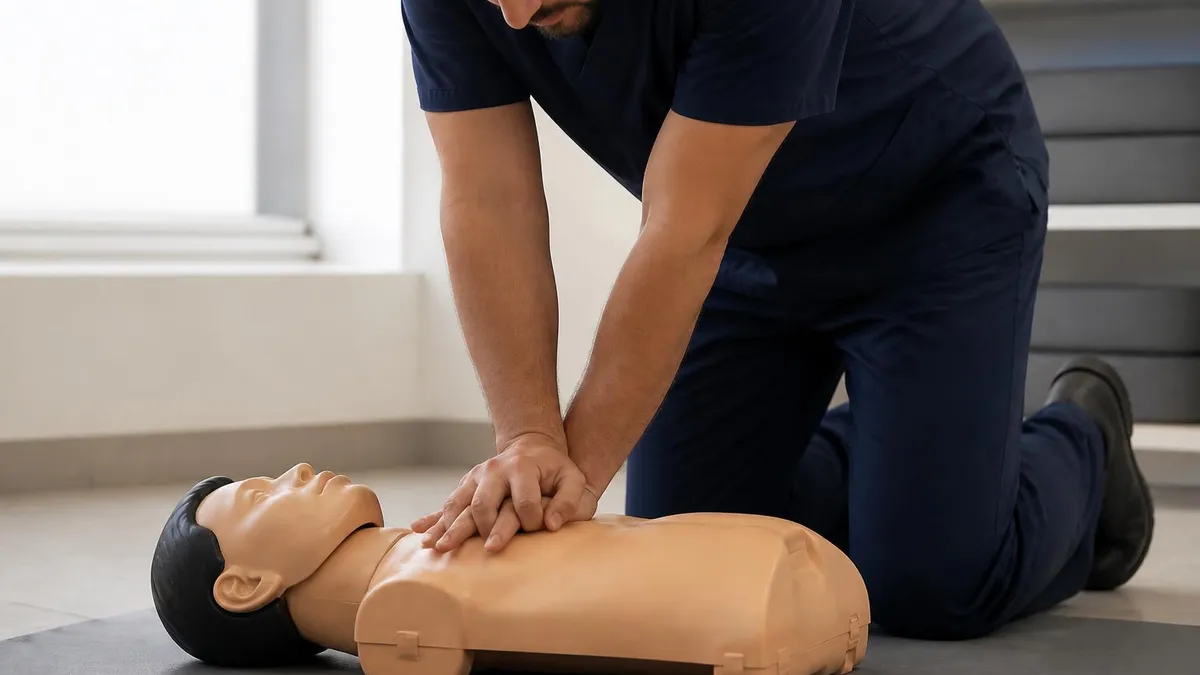
Extracorporeal CPR (ECPR): Complete Guide to Mechanical Circulatory Support During Cardiac Arrest in 2026
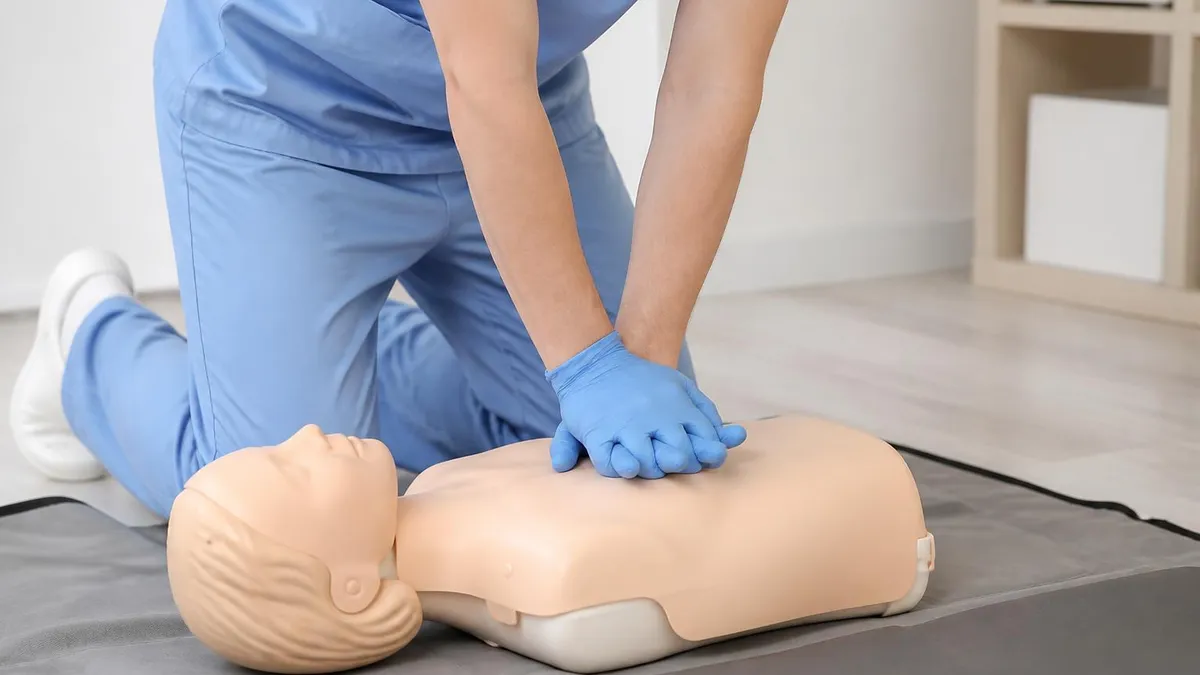
CPR Classes in Person: Complete 2026 Guide to Hands-On Training, Certification, and Costs
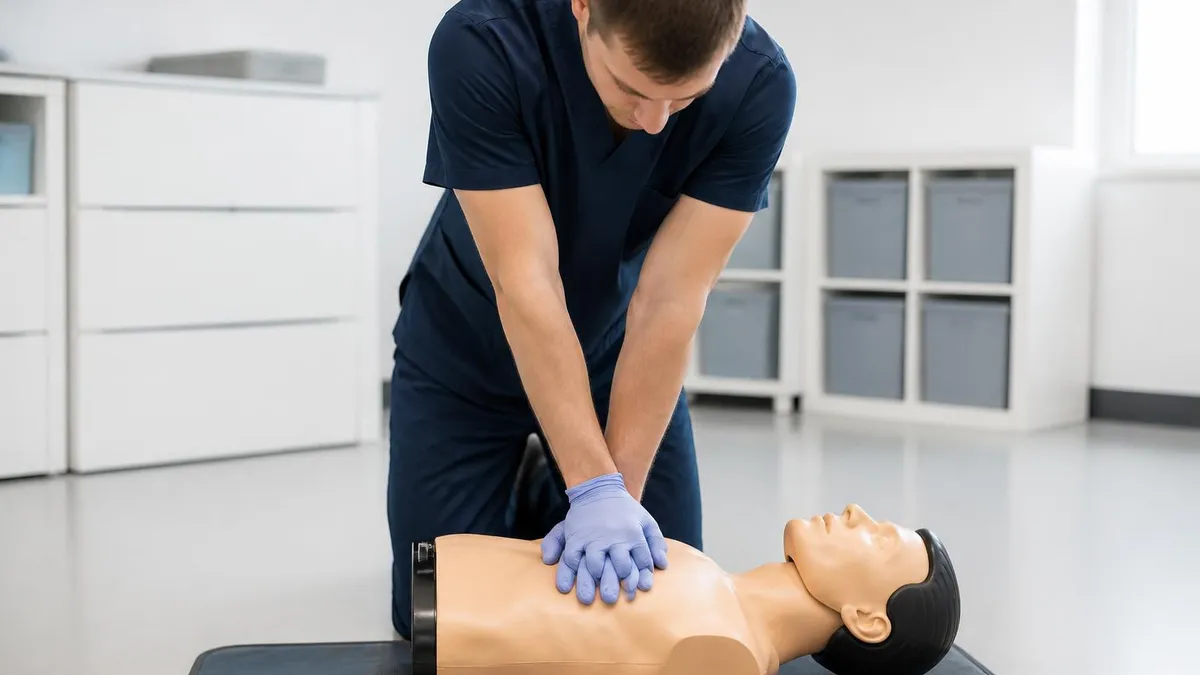
Free Online CPR Certification: Complete Guide to Legitimate Courses, Costs, and Workplace Acceptance in 2026
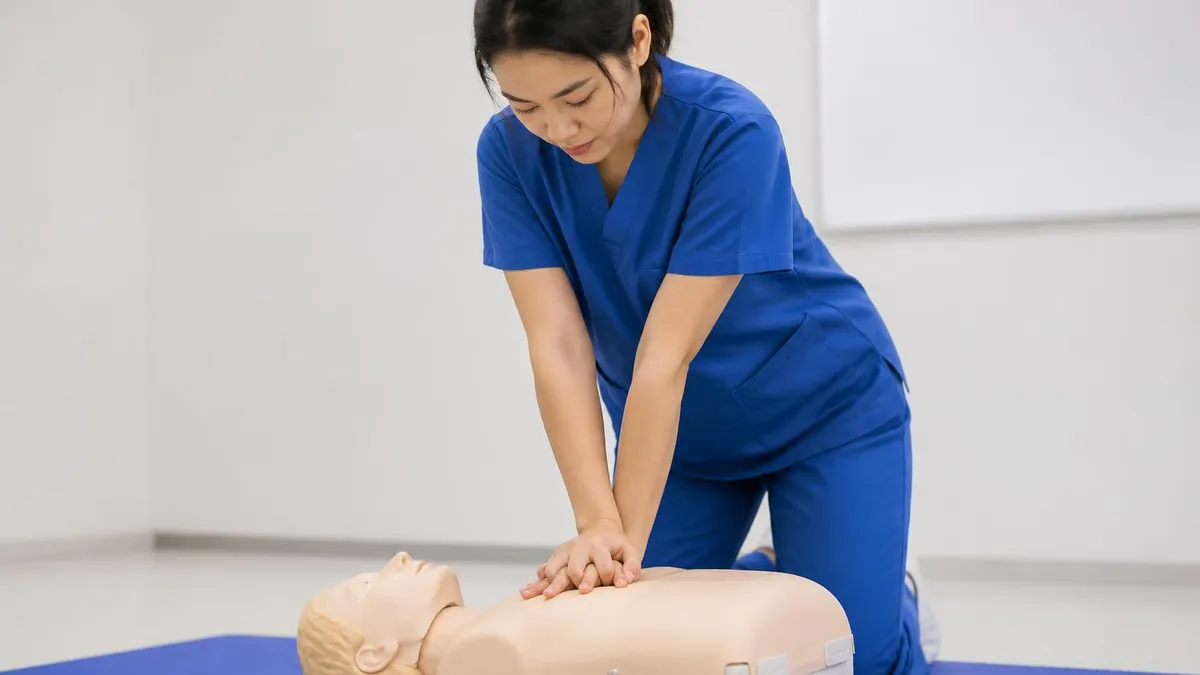
CPR Instructor Certification 2026: Complete Path to Teaching CPR
About the Author

Registered Nurse & Healthcare Educator
Johns Hopkins University School of NursingDr. Sarah Mitchell is a board-certified registered nurse with over 15 years of clinical and academic experience. She completed her PhD in Nursing Science at Johns Hopkins University and has taught NCLEX preparation and clinical skills courses for nursing students across the United States. Her research focuses on evidence-based exam preparation strategies for healthcare certification candidates.
Join the Discussion
Connect with other students preparing for this exam. Share tips, ask questions, and get advice from people who have been there.
View discussion (5 replies)