
CPR First Aid Training: Complete Guide to ACLS Algorithm, PALS Certification, and Life Support Skills
Master CPR first aid training: ACLS algorithm, PALS certification, infant CPR, AED use, and life support skills. Complete 2026 September training guide. 🏆
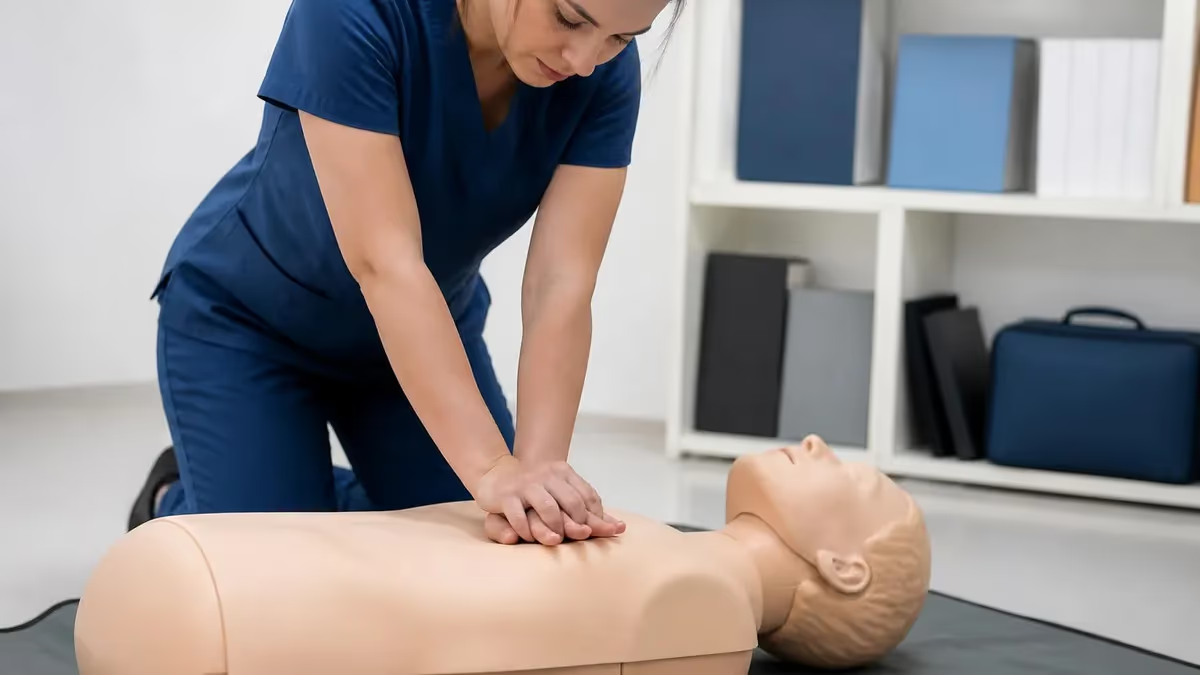
Understanding cpr first aid training has never been more important than it is today. Whether you are a healthcare professional navigating the ACLS algorithm in a hospital setting or a concerned parent learning infant CPR at a community class, the skills you acquire can be the difference between life and death. CPR and first aid training equips ordinary people with extraordinary capabilities, giving them the confidence and knowledge to act decisively during cardiac emergencies, respiratory crises, and traumatic injuries before professional help arrives.
The landscape of CPR training in the United States has evolved dramatically over the past two decades. Organizations like the National CPR Foundation and the American Heart Association have standardized protocols so that a rescuer trained in New York applies the same ACLS algorithm as one trained in California. This uniformity matters enormously in emergencies because it means bystanders and first responders can seamlessly work together, maintaining continuous life support without confusion or gaps in care that could cost a victim precious minutes.
Modern CPR first aid programs cover far more than basic chest compressions. Comprehensive courses address the full spectrum of emergency response: recognizing abnormal respiratory rate, clearing airway obstructions in choking victims, operating an AED (automated external defibrillator), managing bleeding and shock, and placing an unconscious patient in the recovery position. Each skill layer builds on the last, creating a well-rounded rescuer capable of adapting to a wide variety of emergency scenarios encountered in real life.
Certification pathways vary based on your professional role and the patient populations you serve. A pediatric nurse will pursue PALS certification to manage life-threatening conditions in children, while an emergency room physician must demonstrate mastery of the full ACLS algorithm covering arrhythmias, advanced airway management, and team-based resuscitation. Laypersons, teachers, coaches, and fitness professionals typically begin with Heartsaver or Basic Life Support courses, which provide foundational skills without requiring advanced medical knowledge or clinical experience.
The financial and time investment in CPR first aid training is modest compared to the value it delivers. Most entry-level certifications cost between $50 and $150 and can be completed in a single afternoon. Advanced credentials like ACLS or PALS require one to two days of instruction and hands-on simulation, with renewal required every two years to keep skills current with the latest evidence-based guidelines. Many employers, schools, and licensing boards mandate these certifications, making them both a professional necessity and a personal responsibility for anyone in a caretaking role.
Technology continues to reshape how people learn and retain CPR skills. Online pre-course modules allow students to master cognitive concepts — such as compression depth, ventilation ratios, and the ACLS algorithm decision trees — before arriving at a skills lab, maximizing the efficiency of in-person practice time. Video-based mannequin feedback systems provide real-time data on compression rate and depth, helping learners self-correct instantly rather than waiting for an instructor to intervene. These advances have raised the overall quality of training nationwide and contributed to improving survival rates from out-of-hospital cardiac arrest.
This guide will walk you through every major dimension of CPR first aid training: the certification levels available, the skills each course teaches, the requirements for healthcare versus lay providers, the costs involved, and the best strategies for studying and passing your certification exam on the first attempt. By the end, you will have a clear road map for choosing the right program and building the life-saving competencies that define a prepared, confident emergency responder.
CPR First Aid Training by the Numbers
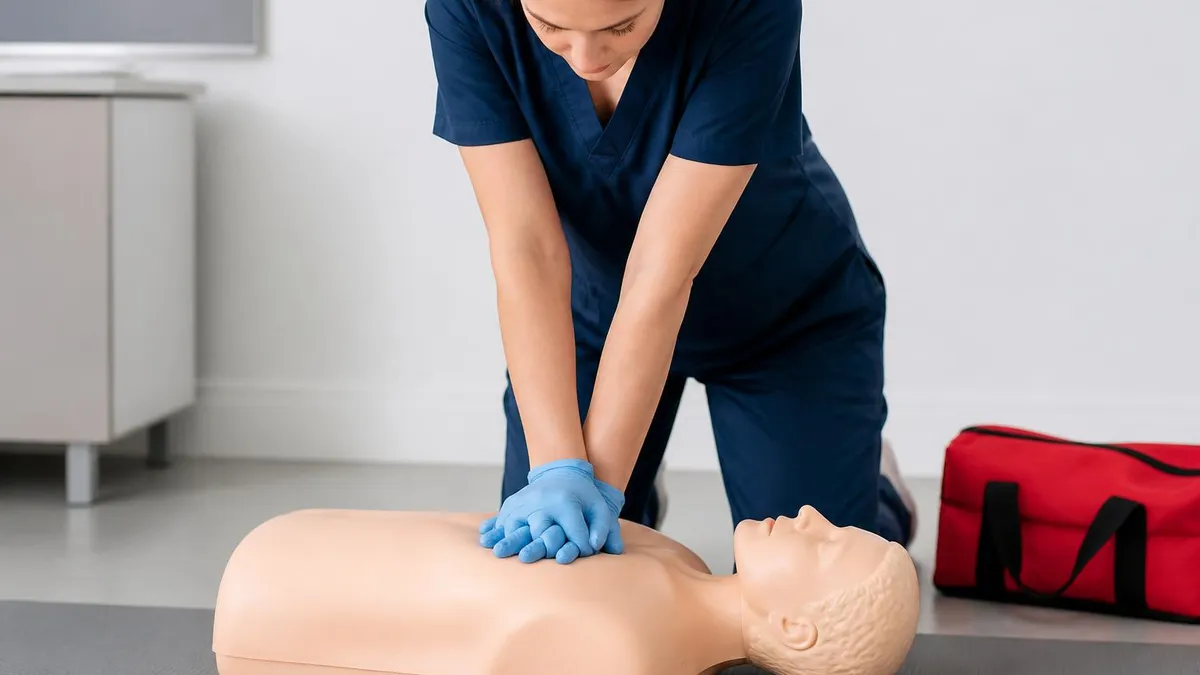
CPR Training Levels: From Basic to Advanced Life Support
Designed for laypersons and non-medical professionals. Covers adult, child, and infant CPR, AED operation, and basic first aid. Ideal for teachers, coaches, parents, and workplace safety officers. Completion typically takes 4–6 hours and costs $50–$100.
Healthcare provider-level course covering high-quality CPR for adults, children, and infants, two-rescuer scenarios, bag-mask ventilation, and AED use. Required for nurses, EMTs, medical students, and allied health professionals. Renewal every two years is mandatory.
Targets physicians, nurses, and paramedics who lead resuscitation teams. Focuses on the ACLS algorithm, arrhythmia recognition, advanced airway management, and pharmacology. A two-day course with written and megacode skills evaluations.
Specialized PALS certification for providers who care for critically ill or injured children. Covers pediatric assessment, respiratory emergencies, shock, and cardiac arrest algorithms tailored to infants and children. Often paired with BLS or ACLS for full pediatric competency.
Focused on newborn life support in delivery rooms and NICUs. Addresses the unique physiology of the neonate, including ventilation strategies, chest compressions at a 3:1 ratio, and medication delivery through umbilical catheters. Required for OB and NICU staff.
The ACLS algorithm is the backbone of advanced cardiac life support, providing a systematic decision-making framework that guides resuscitation teams through the high-pressure chaos of a cardiac arrest. At its core, the algorithm divides cardiac rhythms into two broad categories: shockable rhythms such as ventricular fibrillation and pulseless ventricular tachycardia, and non-shockable rhythms like pulseless electrical activity and asystole. Each pathway specifies precise timing for defibrillation, medication administration, and rhythm re-evaluation, ensuring that no critical step is missed even when multiple providers are working simultaneously on a patient.
Mastering the ACLS algorithm requires more than memorizing flowcharts. Providers must develop the clinical judgment to recognize subtle rhythm changes on a monitor, anticipate which medication — epinephrine, amiodarone, or atropine — is indicated at each decision point, and communicate effectively with their team while maintaining uninterrupted high-quality chest compressions. Simulation-based training, which places providers in realistic resuscitation scenarios with manikins and actual monitoring equipment, has proven far more effective at building this integrated competency than classroom lectures alone.
PALS certification follows a parallel structure designed specifically for the pediatric population, whose cardiac arrests differ fundamentally from adult events. Children rarely experience primary cardiac arrest; instead, they typically suffer respiratory failure or shock that progresses to cardiopulmonary arrest if not recognized and treated early. The PALS algorithm therefore places heavy emphasis on the pediatric assessment triangle — appearance, work of breathing, and circulation to skin — enabling providers to identify deteriorating children before the situation becomes irreversible, and to intervene with targeted respiratory or circulatory support.
Both ACLS and PALS courses are offered by the American Heart Association, the National CPR Foundation, and various accredited regional training centers. The National CPR Foundation in particular has expanded its online hybrid format, allowing providers to complete the didactic component digitally and then attend an abbreviated in-person skills session for hands-on evaluation. This model reduces total time commitment without sacrificing educational quality, making it easier for busy healthcare professionals to maintain certifications amid demanding clinical schedules.
One dimension of advanced training that often surprises new students is the emphasis on team dynamics and communication. ACLS and PALS courses dedicate significant time to closed-loop communication, defined roles within the resuscitation team, and constructive debriefing after simulated codes. Research consistently shows that teams with clearly assigned roles — code leader, compressor, airway manager, IV access provider, recorder — achieve faster time-to-first-shock and better adherence to algorithm timelines than disorganized teams, even when individual members possess equivalent technical skills.
For healthcare providers who need both ACLS and PALS credentials, many training centers offer combined two-day packages that cover shared content once and then split into discipline-specific breakout sessions. This integrated approach saves time and reduces redundancy, while ensuring that providers understand how adult and pediatric algorithms intersect in facilities where the same resuscitation team may respond to patients of all ages. Checking with your employer's education department about approved combined courses can yield significant cost and scheduling savings.
Renewal cycles for ACLS and PALS are set at two years, a timeline chosen to balance the burden of recertification against the reality that skills and guidelines both change meaningfully over that period. The American Heart Association and National CPR Foundation update their curricula with each new evidence review cycle, incorporating findings from landmark studies on compression fraction targets, optimal vasopressor timing, and post-resuscitation care. Providers who stay current not only maintain their credentials but also bring the most effective, evidence-based techniques to every resuscitation they participate in.
CPR Practice Test Questions
Prepare for the CPR Cardiopulmonary Resuscitation Practice exam with our free practice test modules. Each quiz covers key topics to help you pass on your first try.
CPR Basic CPR
CPR Exam Questions covering Basic CPR. Master CPR Test concepts for certification prep.
CPR and First Aid
Free CPR Practice Test featuring and First Aid. Improve your CPR Exam score with mock test prep.
CPR (Cardiopulmonary Resuscitation) Adult ...
CPR Mock Exam on (Cardiopulmonary Resuscitation) Adult CPR and AED Usage. CPR Study Guide questions to pass on your first try.
CPR (Cardiopulmonary Resuscitation) Airway...
CPR Test Prep for (Cardiopulmonary Resuscitation) Airway Obstruction and Choking. Practice CPR Quiz questions and boost your score.
CPR (Cardiopulmonary Resuscitation) Cardio...
CPR Questions and Answers on (Cardiopulmonary Resuscitation) Cardiopulmonary Emergency Recognition. Free CPR practice for exam readiness.
CPR (Cardiopulmonary Resuscitation) Child ...
CPR Mock Test covering (Cardiopulmonary Resuscitation) Child and Infant CPR. Online CPR Test practice with instant feedback.
CPR (Cardiopulmonary Resuscitation) High-P...
Free CPR Quiz on (Cardiopulmonary Resuscitation) High-Performance Team Dynamics. CPR Exam prep questions with detailed explanations.
CPR (Cardiopulmonary Resuscitation) Legal ...
CPR Practice Questions for (Cardiopulmonary Resuscitation) Legal and Ethical Considerations. Build confidence for your CPR certification exam.
CPR for Specific Populations
CPR Test Online for for Specific Populations. Free practice with instant results and feedback.
CPR Airway & Breathing Management
CPR Exam Questions covering Airway & Breathing Management. Master CPR Test concepts for certification prep.
CPR Assessment & Recognition of Cardiac Ar...
Free CPR Practice Test featuring Assessment & Recognition of Cardiac Arrest. Improve your CPR Exam score with mock test prep.
CPR Chest Compressions & Defibrillation
CPR Mock Exam on Chest Compressions & Defibrillation. CPR Study Guide questions to pass on your first try.
CPR Post-Resuscitation Care & Recovery
CPR Test Prep for Post-Resuscitation Care & Recovery. Practice CPR Quiz questions and boost your score.
Key Life Support Skills: AED Use, Infant CPR & Recovery Position
AED stands for Automated External Defibrillator, a portable device that analyzes a victim's heart rhythm and delivers an electric shock when a shockable rhythm such as ventricular fibrillation is detected. Modern AEDs are engineered for use by untrained bystanders: they provide clear voice prompts, automatically analyze the rhythm without requiring the user to interpret an ECG, and will not deliver a shock unless the device confirms the rhythm is life-threatening. Knowing what does AED stand for is only the beginning — equally important is understanding that early defibrillation, within three to five minutes of collapse, is the single most critical intervention for improving survival from sudden cardiac arrest.
Placing AED pads correctly is essential for effective therapy. Standard adult pad placement positions one electrode on the upper right chest below the clavicle and the other on the lower left side of the chest, lateral to the nipple. For children under eight years old or weighing less than 25 kilograms, pediatric attenuator pads reduce the energy delivered to an age-appropriate level; if pediatric pads are unavailable, standard adult pads may be used with an alternative pad placement — one on the chest and one on the back — to avoid overlap. Always ensure no one is touching the patient when the AED delivers its shock, and resume CPR immediately after the shock without waiting to re-check the pulse.
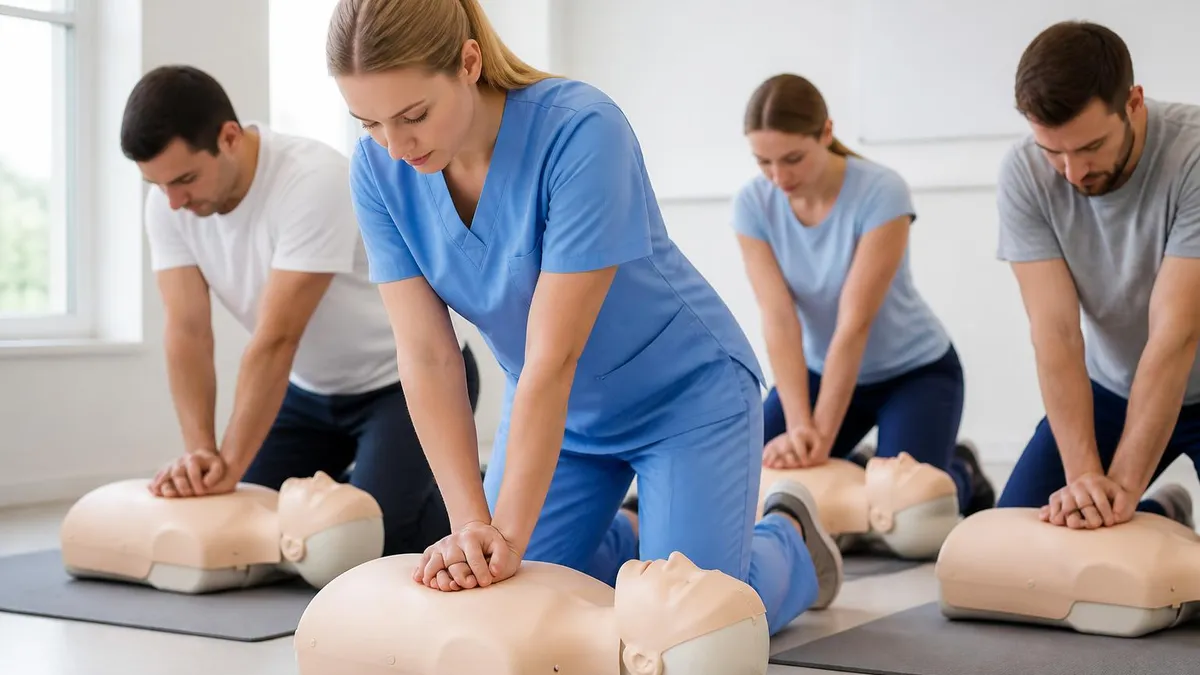
Online vs. In-Person CPR First Aid Training: Which Is Right for You?
- +Online hybrid courses let you complete cognitive content at your own pace, reducing time away from work or family
- +In-person skills labs provide hands-on manikin practice with immediate instructor feedback on compression quality
- +Blended formats are widely accepted by hospitals, schools, and licensing boards for certification purposes
- +Online pre-course modules are available 24/7, making it easy to prepare thoroughly before the skills session
- +In-person classes allow real-time team-based scenario practice, building communication skills alongside technical CPR competency
- +Fully online CPR courses (without a skills component) are cost-effective for refresher awareness but generally not accepted for healthcare provider recertification
- −In-person-only courses require scheduling flexibility and travel to an approved training center
- −Online-only courses cannot replicate the tactile feedback of performing chest compressions on a physical manikin
- −Hybrid course quality varies by provider — not all online platforms use AHA or nationally accredited curricula
- −Self-paced online learning requires discipline; students who rush through modules retain less and perform worse in skills evaluations
- −In-person group classes may move at a pace that is too fast for novices or too slow for experienced providers seeking renewal
- −Equipment-intensive skills like bag-mask ventilation and two-rescuer CPR cannot be adequately assessed without an in-person component
CPR First Aid Training Requirements: Complete Preparation Checklist
- ✓Choose the correct certification level for your role: Heartsaver for laypersons, BLS for healthcare providers, ACLS or PALS for advanced practice.
- ✓Verify that your chosen training provider is accredited by the American Heart Association, Red Cross, or National CPR Foundation.
- ✓Complete any required online pre-course modules before attending your in-person skills session.
- ✓Review the current CPR compression rate (100–120/min) and depth (2–2.4 inches for adults, ~1.5 inches for infants) before class.
- ✓Study the ACLS algorithm decision trees for shockable and non-shockable rhythms if enrolling in an advanced course.
- ✓Practice proper AED pad placement and understand what does AED stand for and when deployment is indicated.
- ✓Learn infant CPR technique including two-finger compression method, correct depth, and back-blow protocol for airway obstruction.
- ✓Understand normal and abnormal respiratory rate ranges so you can recognize early signs of respiratory distress.
- ✓Familiarize yourself with the recovery position steps for managing unconscious breathing patients.
- ✓Bring a valid government-issued ID and any prior certification cards to your skills session for provider verification.
Keep Chest Compression Fraction Above 80%
Research shows that every 10-second pause in chest compressions drops coronary perfusion pressure dramatically, requiring up to 60 seconds of uninterrupted compressions to restore it. High-performance resuscitation teams target a chest compression fraction — the proportion of total resuscitation time spent performing compressions — of at least 80%. Minimizing interruptions for pulse checks, rhythm analysis, and ventilation is one of the most impactful improvements any team or individual rescuer can make to improve cardiac arrest survival rates.
Understanding the costs associated with CPR first aid training helps prospective students plan effectively and avoid being caught off guard by fees at different certification levels. Entry-level Heartsaver CPR/AED courses typically cost between $50 and $100 per student when taken through an American Heart Association training center or a community organization such as the YMCA or local fire department. These prices usually include all course materials, manikin time, and the official certification card issued upon successful completion of both the written knowledge check and the hands-on skills evaluation.
Basic Life Support certification for healthcare providers carries a slightly higher price point, generally ranging from $70 to $150 depending on the training center and geographic location. Urban centers in high-cost-of-living cities like New York, San Francisco, or Boston tend to charge at the upper end of that range, while community hospitals, university simulation labs, and workforce development programs in smaller cities often offer subsidized pricing for their own staff or students.
Many employers in healthcare, education, and childcare reimburse the cost of BLS certification as part of their professional development benefits, so it is worth checking your employee handbook before paying out of pocket.
Advanced courses such as ACLS and PALS command higher fees reflecting the longer course duration, smaller instructor-to-student ratios, and more sophisticated simulation equipment required for skills evaluation. Expect to pay between $200 and $350 for an initial ACLS or PALS certification through an accredited provider. Combined ACLS plus PALS packages are often available for $400 to $500, representing meaningful savings compared to purchasing each course separately. The National CPR Foundation offers competitive pricing on its hybrid online-plus-skills sessions, which can bring ACLS costs closer to $150 to $200 for providers willing to complete the cognitive portion independently online.
Renewal courses are universally less expensive than initial certifications because they assume baseline competency and focus on updates to guidelines and abbreviated skills reassessment rather than comprehensive instruction from scratch. ACLS renewal typically costs $150 to $250, and BLS renewal runs $50 to $100 at most training centers. Some healthcare employers negotiate group rates with AHA training centers that dramatically reduce per-provider costs when entire departments renew simultaneously — a common practice for hospital units with renewal deadlines clustered around the same time of year due to a shared initial certification date.
Beyond certification fees, prospective students should account for any costs associated with textbooks, study guides, or preparatory resources. The AHA sells official ACLS and PALS provider manuals for $40 to $60 each, though these are sometimes included in the course fee or available through your institution's library. Free resources — including practice tests on sites like PracticeTestGeeks.com — can supplement or even partially replace paid study materials for students who are comfortable with self-directed learning. The most effective preparation strategy combines reviewing official guidelines with hands-on manikin practice rather than relying exclusively on cognitive study materials.
First aid training costs, separate from CPR certification, vary considerably by course length and scope. A comprehensive Heartsaver First Aid course that covers wound care, burns, allergic reactions, and musculoskeletal injuries typically adds $30 to $60 on top of the CPR component, or is bundled into a combined CPR/First Aid course for $75 to $150.
Wilderness first aid and first responder courses for outdoor recreation leaders can run $200 to $600 for multi-day programs that address scenarios where EMS response times may be measured in hours rather than minutes. These advanced first aid credentials are worth the investment for guides, camp counselors, and remote workers whose environments genuinely require higher-level skills.
Workplace CPR training programs represent a distinct market segment where businesses invest in employee safety readiness. OSHA guidelines encourage — and in some industries effectively require — that a meaningful proportion of workplace personnel hold current CPR and first aid credentials.
Corporate group training packages, often delivered on-site by a certified instructor who brings manikins and AED trainers directly to the workplace, typically cost $25 to $60 per employee for basic CPR/AED training when purchased in groups of ten or more. These programs reduce the logistical burden on employees while helping companies meet safety compliance requirements and potentially reduce liability in the event of a workplace cardiac emergency.
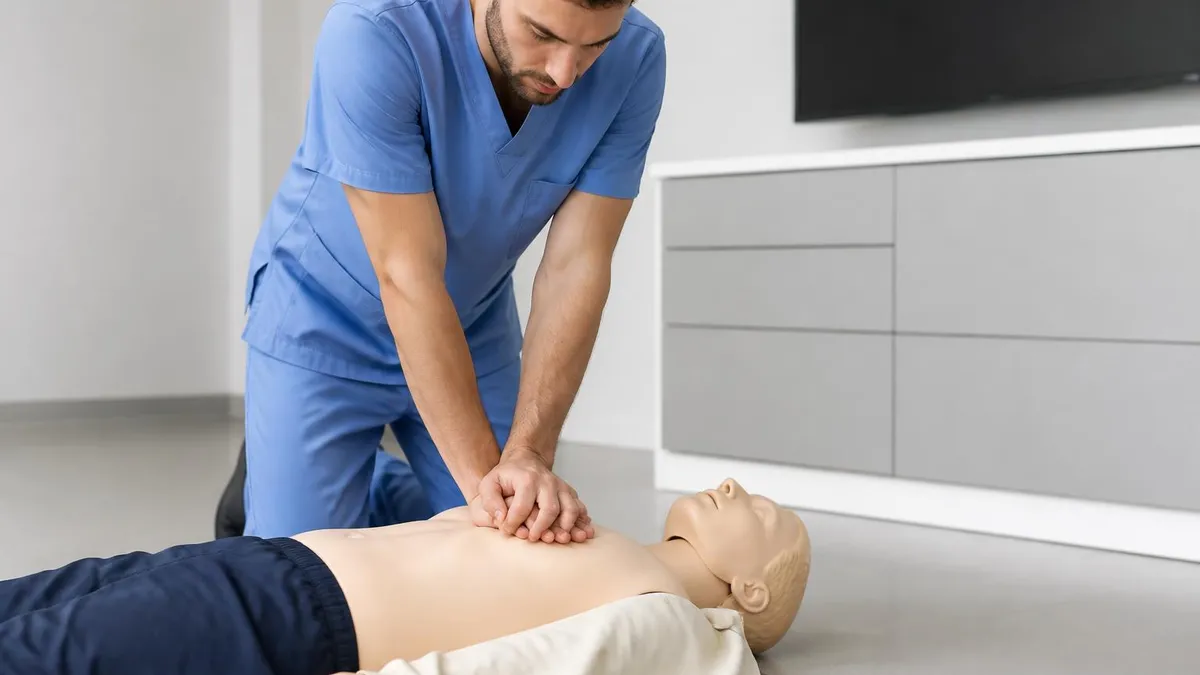
CPR and ACLS/PALS certifications expire every two years. Many healthcare employers require proof of current certification as a condition of employment, and expired credentials can result in suspension of clinical privileges or termination. Set a calendar reminder six weeks before your expiration date to allow enough time to schedule and complete a renewal course without a gap in your certification status.
Preparing effectively for your CPR first aid certification exam — whether it is a straightforward Heartsaver written test or a comprehensive ACLS megacode evaluation — requires a structured approach that balances cognitive knowledge with physical skills practice. The written component of most CPR courses tests recognition of cardiac arrest signs, knowledge of compression parameters, correct sequencing of response steps, and understanding of when and how to use an AED. Students who review official AHA or National CPR Foundation study materials and reinforce learning with practice questions consistently outperform those who attend class without prior preparation.
For ACLS candidates, the written exam covers rhythm interpretation, pharmacology, and algorithm application at a level of depth that genuinely challenges even experienced clinicians. The AHA's ACLS written exam consists of 50 questions with a passing threshold of 84%, meaning candidates can miss no more than eight questions.
Common failure points include confusing the timing and dosing of epinephrine versus amiodarone, misidentifying rhythms that look similar such as fine ventricular fibrillation versus artifact, and incorrectly sequencing defibrillation relative to CPR cycles in the shockable rhythm pathway. Focused practice on these high-yield areas — using flash cards, algorithm diagrams, and timed practice tests — pays dividends on exam day.
The megacode skills evaluation is where many ACLS candidates feel the most anxiety. In this station, a candidate must lead a simulated resuscitation team through a cardiac arrest scenario, correctly identifying the rhythm, calling for appropriate interventions, and adjusting management as the scenario evolves through rhythm changes.
Preparation strategies that work include practicing verbalizing the algorithm aloud while reviewing rhythm strips, doing tabletop walk-throughs with colleagues who play team member roles, and attending optional practice sessions offered by many training centers in the week before the scheduled exam. Arriving at the skills station with a clear mental framework — identify rhythm, call shock or no-shock, continue CPR, push drug, reassess — prevents the paralysis that comes from trying to recall details under pressure.
Respiratory rate is a vital sign that appears frequently in both first aid and advanced certification content, yet it is often overlooked in training in favor of cardiac-focused topics. Normal adult respiratory rate ranges from 12 to 20 breaths per minute; rates below 12 (bradypnea) or above 20 (tachypnea) warrant immediate assessment. Children have higher normal rates that decrease with age, and infants breathe at 30 to 60 breaths per minute normally.
Recognizing abnormal respiratory rate as an early warning sign of respiratory distress allows a trained first aider or healthcare provider to intervene before the patient deteriorates to respiratory failure — the precursor to cardiac arrest in the pediatric population and a common complication in adults with pneumonia, sepsis, opioid overdose, or traumatic injury.
Study schedules for CPR certifications should be matched to the complexity of the credential being pursued. For a Heartsaver or BLS course, reviewing the AHA handbook for two to three hours in the days before class and completing a set of 50 to 100 practice questions is generally sufficient preparation for a candidate with no prior medical background.
ACLS and PALS candidates benefit from a two-week preparation window that allocates specific days to rhythm interpretation, algorithm review, pharmacology memorization, and timed practice testing. Spacing study sessions rather than cramming into a single evening leverages the spacing effect — a well-documented cognitive phenomenon where distributed practice produces significantly better long-term retention than massed practice.
Many candidates underestimate the physical demands of demonstrating CPR skills during certification exams, particularly for BLS evaluations that require multiple two-minute cycles of continuous compressions on a manikin. Adult CPR manikins require meaningful force to achieve the 2-to-2.4-inch target depth, and fatiguing after 90 seconds of compressions is not uncommon for candidates who have not practiced recently.
If you have access to a CPR manikin before your exam — through your workplace simulation lab, a local training center's open practice session, or a personal manikin — dedicating 15 to 20 minutes to timed compression practice will build the muscle endurance and positional memory needed to maintain quality compressions throughout a real or simulated resuscitation scenario.
Group study with colleagues who are pursuing the same certification can significantly enhance both knowledge retention and skills performance. Pair practice for two-rescuer CPR, rhythm interpretation quizzes with a partner calling out answers, and simulated team scenarios where participants rotate through code leader and team member roles all produce learning benefits that solo study cannot replicate. For healthcare teams, running a brief tabletop simulation before the actual certification class — using the unit's existing crash cart and defibrillator as props — simultaneously prepares staff for their exam and improves familiarity with the real equipment they will use in actual emergencies.
Practical preparation for CPR first aid training exams extends well beyond the classroom or study desk. One of the most effective strategies is to locate and familiarize yourself with AED devices in the buildings and spaces you frequent most — your workplace, gym, school, or community center.
The US has seen a significant expansion in public access AED programs over the past decade, and knowing where the nearest AED is located before an emergency occurs can shave critical minutes off the time-to-defibrillation. Many AEDs are now registered in national and local databases accessible via smartphone apps, allowing bystanders to receive real-time navigation to the closest device when a 911 dispatcher activates the alert.
Building a mental script for the first two minutes of a cardiac emergency response is another high-impact preparation technique. Rescuers who have rehearsed the scene safety assessment, victim responsiveness check, call-for-help and AED dispatch, and compression initiation sequence enough times to execute it automatically under stress perform significantly better than those relying on conscious recall in the moment.
This kind of automaticity — where the opening steps of a response flow without deliberate thought — frees cognitive bandwidth for the more complex judgment calls that arise as the situation evolves, such as identifying bystanders who can assist, managing an airway obstruction, or communicating with incoming EMS providers.
First aid components of combined CPR/first aid training are equally deserving of focused preparation attention. Managing severe bleeding with direct pressure and tourniquets, recognizing the signs of anaphylaxis and administering an epinephrine auto-injector, immobilizing suspected fractures, and responding to heat stroke or hypothermia are all high-yield first aid skills tested in Heartsaver First Aid exams.
The American Red Cross and National CPR Foundation both publish free online skill sheets that describe correct technique for each of these interventions — reviewing these sheets before your skills evaluation prevents common errors like insufficient tourniquet tightness or incorrect positioning of a suspected spinal injury victim.
Special populations addressed in advanced CPR and first aid courses include pregnant women, patients with implanted pacemakers or defibrillators, and individuals who have recently had cardiac surgery. For pregnant cardiac arrest victims, providers must perform manual uterine displacement — pushing the uterus to the left to relieve aortocaval compression — while simultaneously performing high-quality CPR and preparing for perimortem cesarean section if resuscitation is not rapidly successful. Understanding these modifications is essential for obstetric and emergency department providers, and increasingly for paramedics and other advanced prehospital providers who may encounter these complex scenarios in the field.
Reinforcing CPR skills between certification renewals is a practice strongly endorsed by resuscitation science researchers. Studies have found that CPR skill quality degrades measurably within three to six months of initial training, well before the two-year renewal requirement triggers. Brief refresher practices — as short as 15 to 20 minutes on a manikin — can restore skill quality to post-training levels.
Some hospitals now implement quarterly mini-simulations or hallway CPR stations where staff can practice compressions on a manikin during breaks, a low-cost intervention shown to improve code performance metrics across participating units. Even watching a high-quality CPR instructional video periodically serves as a useful cognitive refresher between hands-on sessions.
Community CPR training initiatives have become an increasingly important public health strategy in cities and states working to improve cardiac arrest survival rates. Hands-only CPR campaigns — which teach compression-only CPR without rescue breaths, reducing the barrier for untrained bystanders — have been credited with meaningful increases in bystander CPR rates in cities that have implemented broad public education programs.
Schools that incorporate CPR training into health education curricula create a generation of citizens who graduate with potentially lifesaving skills they will carry for decades. Participating in these community training events, whether as a student or as a certified instructor, multiplies the reach of your own training investment and contributes to a more prepared, resilient community.
Ultimately, the goal of all CPR first aid training is not simply to earn a certification card but to develop genuine competence and confidence that translates into effective action in real emergencies. The most prepared rescuers are those who treat training as an ongoing practice rather than a biennial check-box, who actively seek opportunities to reinforce their skills, stay current with guideline updates, and share their knowledge with friends, family, and colleagues.
Every person who earns and maintains CPR first aid certification represents a potential link in the chain of survival that determines whether a cardiac arrest victim reaches definitive care with their brain and heart function intact — a responsibility and opportunity that no credential holder should take lightly.
CPR Questions and Answers
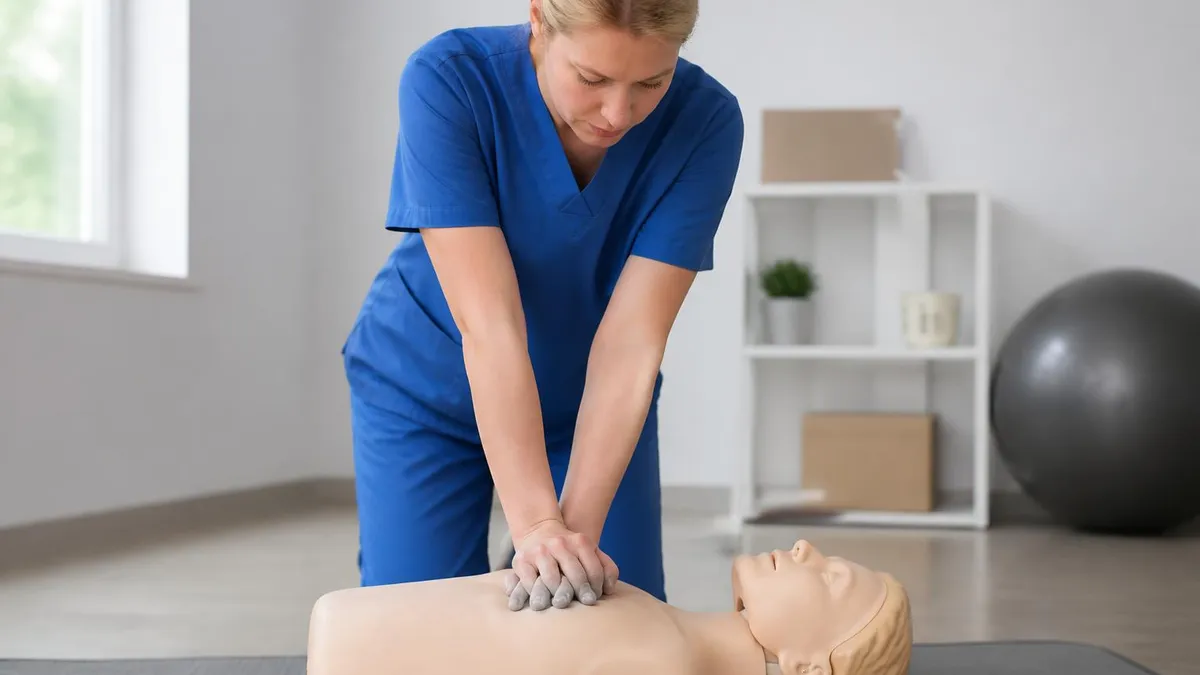
CPR Certification Classes: Complete Guide to ACLS Algorithm, PALS, and Life Support Training in 2026
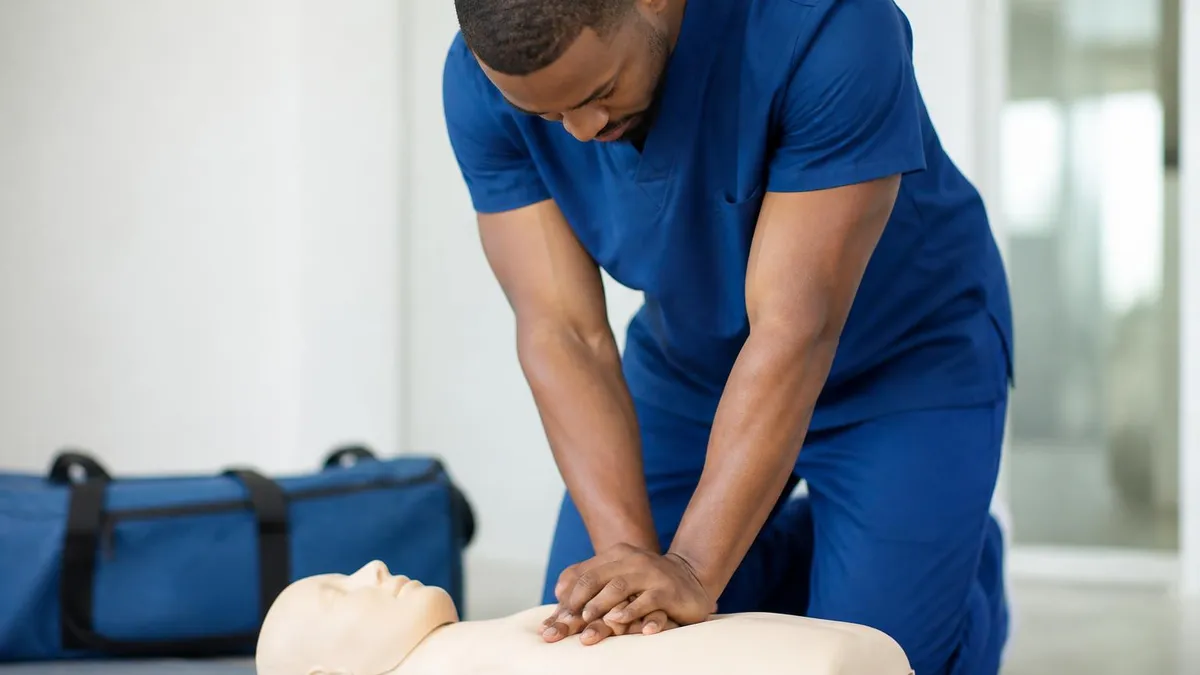
CPR Courses: Complete Guide to ACLS Algorithm, PALS Certification, and Life Support Training in 2026
CPR Face Shield: Complete Guide to ACLS Algorithm, Infant CPR, and Life Support Barrier Devices in 2026
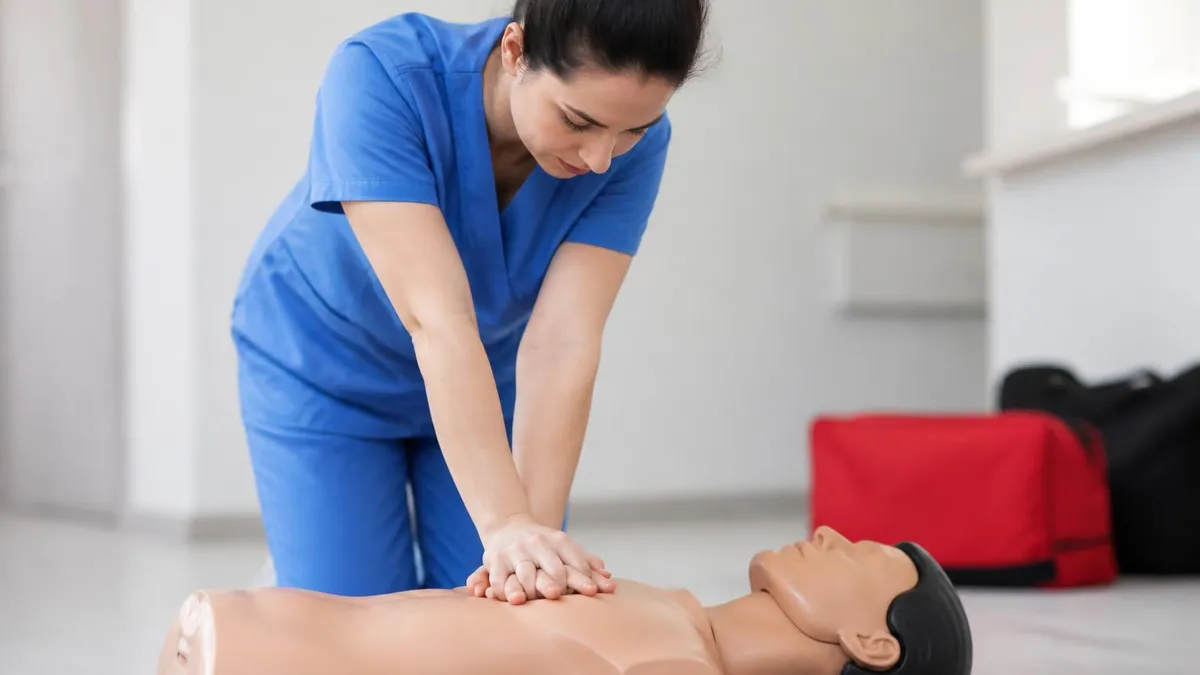
American Heart Association CPR Training: Complete Guide to ACLS Algorithm, PALS Certification, and Life Support in 2026
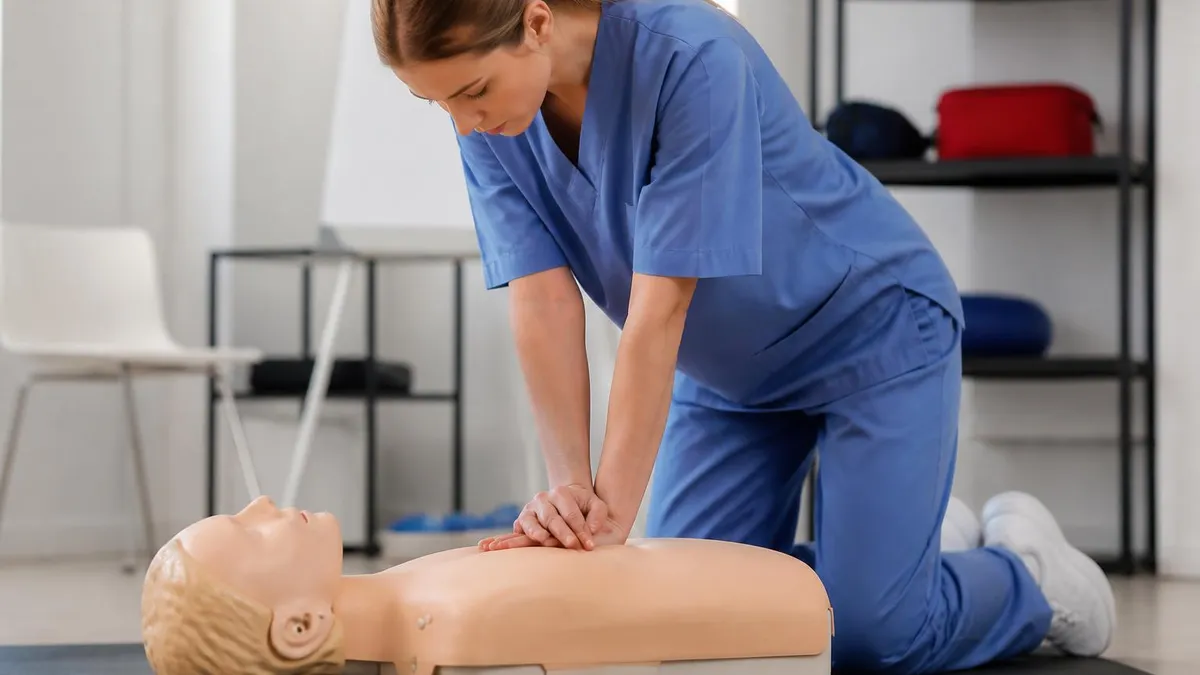
Types of CPR Training: From Basic Life Support to ACLS Algorithm Mastery in 2026
About the Author

Registered Nurse & Healthcare Educator
Johns Hopkins University School of NursingDr. Sarah Mitchell is a board-certified registered nurse with over 15 years of clinical and academic experience. She completed her PhD in Nursing Science at Johns Hopkins University and has taught NCLEX preparation and clinical skills courses for nursing students across the United States. Her research focuses on evidence-based exam preparation strategies for healthcare certification candidates.
Join the Discussion
Connect with other students preparing for this exam. Share tips, ask questions, and get advice from people who have been there.
View discussion (5 replies)