
CPR and First Aid: A Complete Career and Duties Overview for 2026
📝 CPR and first aid careers explained: duties, the ACLS algorithm, infant CPR, AED use, PALS certification, salary data, and how to get trained in 2026.
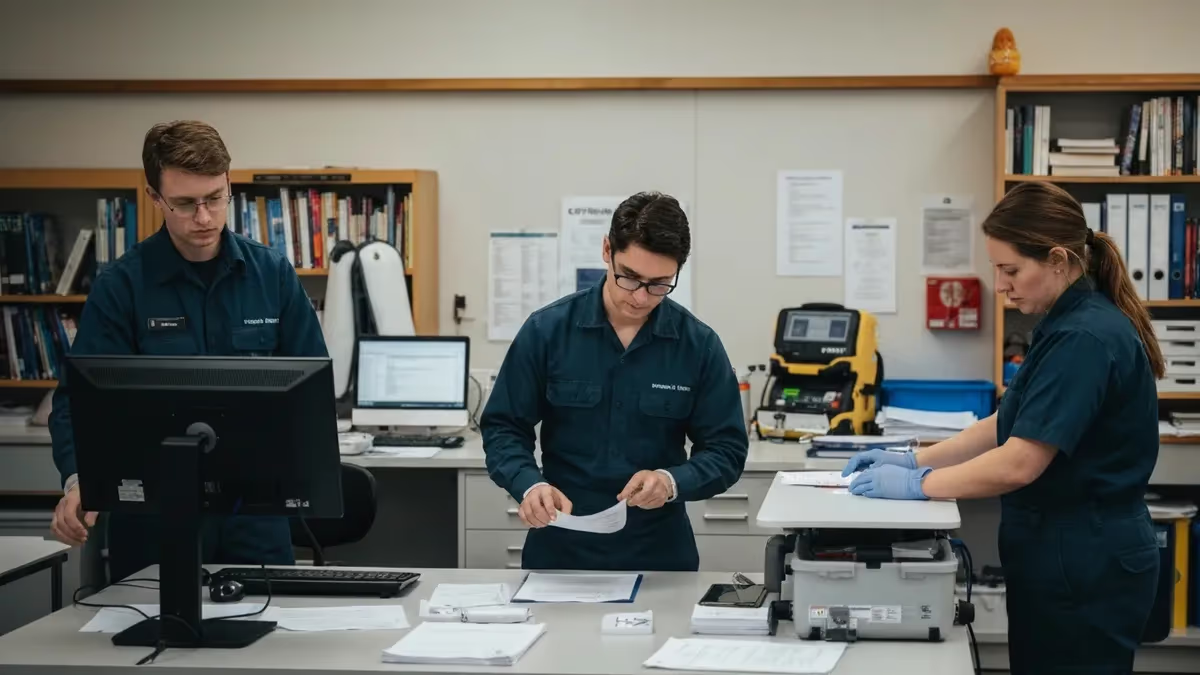
Learning cpr and first aid is one of the most practical investments you can make in your career and your community, whether you work in healthcare, education, fitness, childcare, or simply want to be ready when a neighbor collapses. These skills bridge the gap between a sudden medical emergency and the arrival of professional responders, and the people who master them often become the calm center of a chaotic scene. This guide walks through the duties, skills, certifications, and career paths that surround emergency response training in the United States. Practice with the free CPR (Cardiopulmonary Resuscitation) practice test on PracticeTestGeeks (700+ questions with answer explanations).
At its core, this discipline teaches you to recognize when something has gone catastrophically wrong and to act within seconds rather than minutes. A bystander who begins chest compressions immediately can double or triple a victim's odds of survival, while every minute of delay drops survival by roughly seven to ten percent. That stark math is why employers in dozens of industries now require or strongly prefer staff who hold current credentials and can demonstrate the skills under pressure during a real cardiac arrest event.
The training landscape has grown more sophisticated, with tiers ranging from a basic community course to advanced provider tracks. You will encounter the acls algorithm, a structured decision tree that guides clinicians through cardiac arrest and serious arrhythmias, alongside foundational topics like bleeding control, burns, and shock management. Understanding where each credential fits helps you choose a course that matches your job, your state's rules, and your personal goals without overpaying for skills you will never use.
First aid itself covers an enormous range of situations beyond cardiac events. You will learn to splint a fracture, recognize the signs of a stroke using the FAST acronym, treat anaphylaxis with an epinephrine auto-injector, and manage diabetic emergencies. Each of these skills carries its own assessment steps and its own pitfalls, and a good course spends real time on hands-on rehearsal rather than slides, because muscle memory is what actually fires when adrenaline floods your system during a genuine crisis.
For people pursuing this work professionally, the duties extend well past the moment of rescue. You may be responsible for maintaining equipment, restocking kits, documenting incidents, training colleagues, and staying current on guideline changes that the major organizations publish every five years. Reviewing a solid refresher on cpr and first aid renewal cycles is a smart early step so you never let a credential lapse and lose your eligibility to work.
Throughout this article we will use real numbers, concrete scenarios, and step-by-step explanations so you finish with a clear picture of what these roles demand. We cover compression depth, rescue breath ratios, the difference between adult and pediatric protocols, and how automated external defibrillators fit into the chain of survival. By the end you should know which certification to pursue, what it costs, how long it takes, and what daily responsibilities look like in the field.
Free CPR (Cardiopulmonary Resuscitation) Study Tools
Interactive CPR (Cardiopulmonary Resuscitation) resources on PracticeTestGeeks, free to start:
- CPR (Cardiopulmonary Resuscitation) practice test — 700+ questions with instant scoring and answer explanations
- CPR (Cardiopulmonary Resuscitation) flashcards — review key terms and concepts card by card
- CPR (Cardiopulmonary Resuscitation) study guide — topic-by-topic overview of what the exam covers
- CPR (Cardiopulmonary Resuscitation) cheat sheet — one-page printable summary for last-minute review
CPR and First Aid by the Numbers
CPR: upcoming dates and official changes
- Updated Oct 24, 2026: Delivery (AHA HeartCode BLS (blended)) is now Online part plus hands-on skills session (previously Online part plus hands-on skills session).
- Updated Oct 24, 2026: Delivery (Red Cross CPR) is now In-person, online or blended (previously In-person or blended, with a required in-person skills session).
- Updated Oct 24, 2026: Exam fee (AHA BLS Provider) is now $10.00 for the BLS online exam (previously $10.00 for the BLS online exam (instructor-led course)).
Facts verified Oct 24, 2026 against American Heart Association. Dates that have passed are removed automatically.
- To receive an AHA BLS Provider course completion card, students must pass both skills tests and the online exam with a score of at least 84%. (elearning.heart.org)
- The Red Cross online CPR course is completed by passing a learning assessment with a score of 80% or better. (American Heart Association)
- The AHA BLS online exam used after an instructor-led BLS Provider course costs $10.00. (elearning.heart.org)
- AHA HeartCode BLS online costs $38.00, and the required hands-on session is sold separately. (elearning.heart.org)
- An AHA BLS Provider course completion card (eCard) earned through HeartCode BLS is valid for two years. (elearning.heart.org)
- Red Cross CPR certification lasts 2 years after successful completion of training. (American Heart Association)
- Red Cross abbreviated CPR renewal courses let holders of still-valid certification maintain it for an additional two years. (American Heart Association)
- AHA HeartCode BLS is completed online and must be followed by a hands-on skills session with an AHA Training Center to earn a course completion card. (shopcpr.heart.org)
- Red Cross CPR certification courses are offered in in-person, online and blended learning formats, with blended courses including in-class skill sessions. (American Heart Association)
Facts verified Oct 24, 2026 against American Heart Association. Dates that have passed are removed automatically.
CPR Exam at a Glance
| Item | Detail | Official source |
|---|---|---|
| Passing score (AHA BLS Provider) | 84% minimum on the online exam, plus both skills tests | elearning.heart.org |
| Passing score (Red Cross CPR (online)) | 80% or better on the learning assessment | American Heart Association |
| Exam fee (AHA BLS Provider) | $10.00 for the BLS online exam | elearning.heart.org |
| Exam fee (AHA HeartCode BLS (blended)) | $38.00 for the online part; skills session sold separately | elearning.heart.org |
| Validity (AHA BLS Provider) | 2 years | elearning.heart.org |
| Validity (Red Cross CPR) | 2 years | American Heart Association |
| Renewal (Red Cross CPR) | Shorter renewal course adds 2 more years | American Heart Association |
| Delivery (AHA HeartCode BLS (blended)) | Online part plus hands-on skills session | shopcpr.heart.org |
| Delivery (Red Cross CPR) | In-person, online or blended | American Heart Association |
Facts verified Oct 24, 2026 against American Heart Association. Dates that have passed are removed automatically.
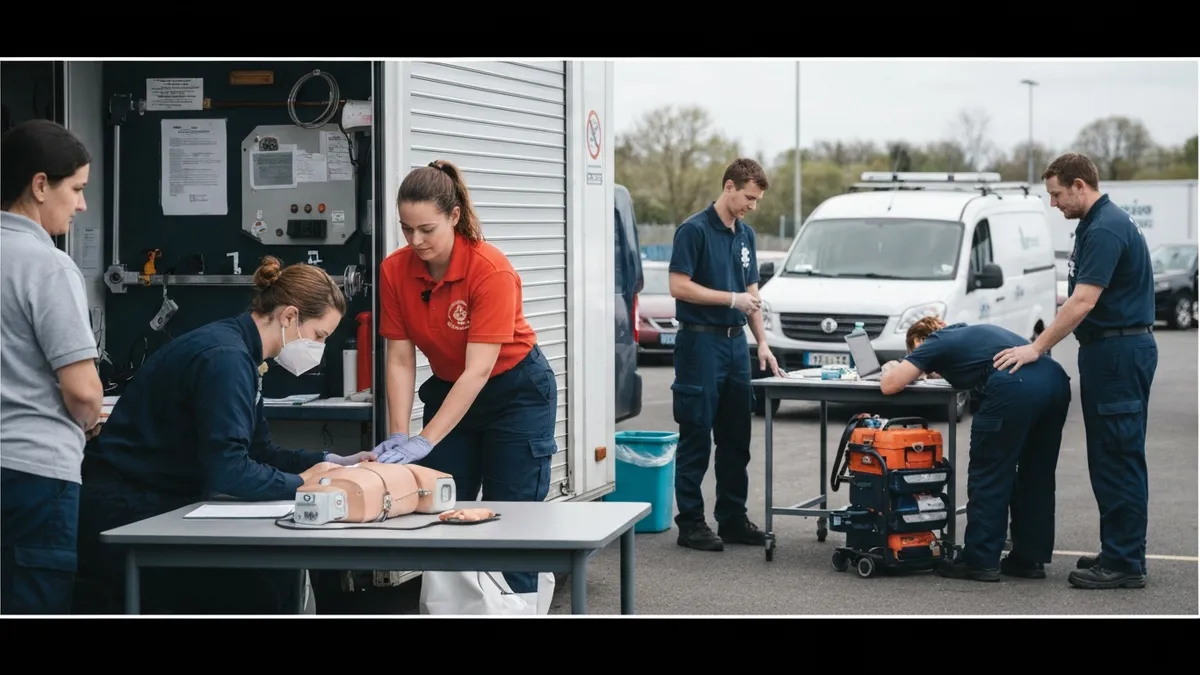
Core Duties and Daily Responsibilities
Before touching a victim you confirm the scene is safe, check for responsiveness, and call for help. Identifying hazards like traffic, electricity, or fire protects you and prevents a second casualty during the response.
You evaluate circulation, airway, and breathing using the CAB sequence, then begin compressions or rescue breaths as needed. Rapid, accurate triage in the first sixty seconds drives the entire outcome of the rescue.
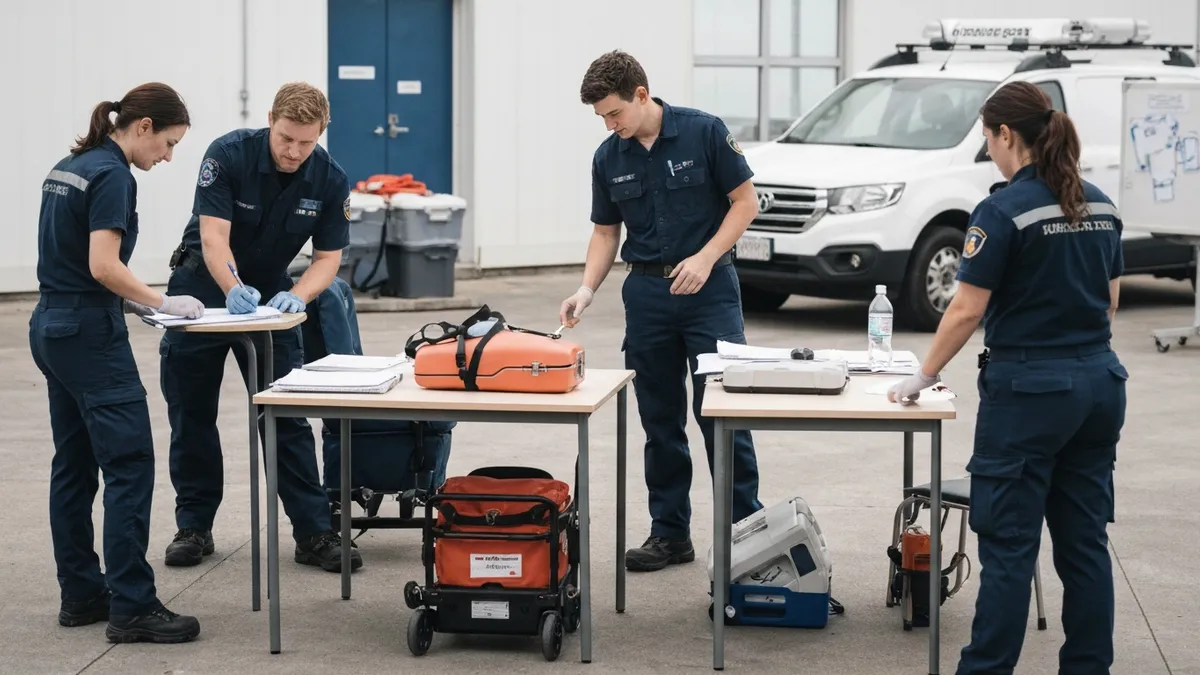
Responders inspect and restock first aid kits, test AED batteries and pads, and log expiration dates. A defibrillator with dead batteries during an arrest is a failure of duty, not bad luck.
After any incident you record what happened, what interventions you delivered, and the victim's condition on handoff. Clear records protect patients, support EMS continuity, and shield responders from liability.
Senior responders often teach colleagues, run drills, and keep teams current on guideline updates. Spreading competence multiplies the number of capable hands available during a real emergency.
Certifications form the backbone of any career involving emergency response, and choosing the right track matters enormously. The foundational credential is Basic Life Support, commonly called BLS, which teaches high-quality compressions, rescue breathing, AED use, and choking relief for adults, children, and infants. Healthcare providers, lifeguards, and many teachers start here. Reviewing how the cpr and first aid renewal calendar works helps you budget time and money for the recertification that almost every employer demands every two years.
Above BLS sits Advanced Cardiovascular Life Support, where you learn to apply the acls algorithm to manage cardiac arrest, bradycardia, tachycardia, and stroke. ACLS assumes you already master compressions and adds rhythm interpretation, medication administration, and team leadership during a resuscitation. Nurses, paramedics, physicians, and respiratory therapists typically need this credential. The course runs roughly two days and culminates in megacode scenarios where you direct a simulated team through a deteriorating patient using the published decision trees.
For anyone working with children, pals certification is the pediatric equivalent of ACLS. Pediatric Advanced Life Support teaches you to recognize respiratory distress and shock in young patients before they progress to full arrest, because children usually crash from breathing problems rather than primary cardiac events. PALS emphasizes weight-based dosing, pediatric airway management, and the subtle early warning signs that separate a recoverable child from a critical one, making it essential in emergency departments and pediatric units.
Many learners are surprised to discover that the certifying landscape includes several reputable bodies. The national cpr foundation, the American Heart Association, and the American Red Cross all issue credentials, though acceptance varies by employer and state. Before paying for any course, verify that your target workplace and licensing board recognize the issuing organization, because an unaccepted card forces you to retrain and re-pay. This single verification step prevents the most common and most expensive mistake new learners make.
Beyond the clinical tracks, specialized first aid certifications address wilderness rescue, occupational safety, and mental health first aid. Wilderness courses extend your skills to scenarios where help is hours or days away, teaching improvised splinting, evacuation decisions, and prolonged patient care. Occupational first aid focuses on workplace injuries, OSHA compliance, and bloodborne pathogen protocols. Each niche credential signals to employers that you can handle the specific risks present in their environment.
Cost and time commitments scale with the tier. A community first aid course might run three to four hours and under sixty dollars, while a full ACLS provider course can cost two hundred fifty dollars or more and demand pre-course study. Online and blended formats now let you complete didactic modules at home and reserve in-person time for skills testing. This hybrid approach has cut total seat time significantly while preserving the hands-on rehearsal that genuinely builds competence.
Recertification deserves the same attention as initial training. Most cards expire after two years, and guidelines themselves change on a five-year cycle, so even a current card may reflect outdated science. Disciplined responders schedule renewals well before expiration, track guideline bulletins, and treat each refresher as a chance to sharpen rusty skills rather than a box to check. That habit separates responders who merely hold a card from those who can actually save a life.
Related reading: cpr and first aid covers the next step in more detail.
Related reading: cpr and first aid covers the next step in more detail.
Respiratory Rate and Vital Signs in Emergency Care
A normal adult respiratory rate sits between twelve and twenty breaths per minute at rest, and deviations are an early red flag during any assessment. A rate above twenty-four or below eight signals serious distress and demands immediate attention, often before other vital signs change. Counting respirations discreetly for a full thirty seconds and doubling the result gives a reliable measurement without the patient consciously altering their breathing pattern.
Alongside breathing rate, responders track pulse, skin color, and level of consciousness. A rising respiratory rate paired with a thready pulse frequently points to shock or hidden internal bleeding. Documenting these numbers at regular intervals lets arriving EMS crews see the trend, which is far more useful than a single snapshot. Trends tell the story that isolated readings cannot, guiding whether a patient is stabilizing or deteriorating.
Is a Career in CPR and First Aid Right for You?
- +You gain skills that can directly save lives in your workplace and community
- +Certifications boost employability across healthcare, education, fitness, and safety roles
- +Training is relatively affordable and accessible through online and blended formats
- +Demand for certified responders continues to grow across many US industries
- +The work brings genuine purpose and confidence in high-pressure situations
- +Skills transfer to everyday life, protecting your own family and friends
- −Recertification every two years requires ongoing time and modest expense
- −Real emergencies are emotionally intense and can be traumatic to witness
- −Guideline changes mean you must keep relearning updated protocols
- −Hands-on skills decay quickly without regular practice and drills
- −Liability concerns exist despite Good Samaritan protections in most states
- −Physical demands of compressions can be tiring during prolonged rescues
Emergency Response Checklist for Infant CPR and Adults
- ✓Confirm the scene is safe before approaching the victim
- ✓Check responsiveness by tapping and shouting clearly
- ✓Call 911 or direct a specific bystander to call
- ✓Send someone to retrieve the nearest AED immediately
- ✓Check for normal breathing for no more than ten seconds
- ✓Begin chest compressions at 100 to 120 per minute
- ✓Use correct depth: two inches for adults, less for infants
- ✓Allow full chest recoil between every compression
- ✓Deliver rescue breaths at the proper ratio if trained
- ✓Attach the AED and follow voice prompts without delay
- ✓Rotate compressors every two minutes to avoid fatigue
- ✓Continue until EMS arrives or the victim shows signs of life
Push hard, push fast, and do not stop
The most common reason bystander CPR fails is hesitation and shallow, slow compressions. Studies consistently show that uninterrupted, deep compressions at the correct rate matter more than perfect technique. If you remember nothing else, push hard in the center of the chest at 100 to 120 beats per minute and minimize every pause. An imperfect rescue beats no rescue every single time.
Automated external defibrillators have transformed survival rates from sudden cardiac arrest, and understanding them is central to modern emergency response. Many people ask what does aed stand for, and the answer is automated external defibrillator, a portable device that analyzes a victim's heart rhythm and delivers a controlled electric shock when appropriate. These machines guide untrained bystanders through the entire process with clear voice prompts, making them safe and effective even for people who have never touched one before.
The role of the AED within advanced life support cannot be overstated. When the heart enters ventricular fibrillation, a chaotic quivering rhythm, compressions alone cannot restore a normal beat. Only defibrillation can reset the electrical chaos, and the window is brutally short. Defibrillation within the first three to five minutes of collapse can produce survival rates as high as seventy percent, which is why public access devices now appear in airports, gyms, schools, and shopping centers across the country.
Using an AED follows a simple sequence that every responder should rehearse until it is automatic. You power on the device, expose the victim's bare chest, and apply the pads exactly as the diagrams show, one upper right and one lower left. The machine then analyzes the rhythm, during which everyone must avoid touching the patient. If a shock is advised, you ensure the area is clear, press the button, and immediately resume compressions for two minutes before the next analysis.
Pad placement deserves extra attention because errors reduce effectiveness. The pads must adhere to dry, bare skin, so you may need to wipe away sweat, shave excessive chest hair found in the kit, or remove medication patches. For very small children and infants, pediatric pads or a pediatric setting reduce the energy delivered. If only adult pads are available for a small child, you can place one on the chest and one on the back so they do not touch each other.
AEDs integrate seamlessly with the broader chain of survival, which links early recognition, early CPR, early defibrillation, and advanced care. Each link strengthens the next, and a weak link anywhere lowers the odds. A bystander who starts compressions but never retrieves the AED has completed only part of the chain. Effective responders think in terms of the whole sequence, delegating tasks so that someone fetches the device while someone else compresses.
Maintenance is an often overlooked duty that keeps these devices ready. Batteries and electrode pads expire, and a device that fails during an emergency is worse than useless because it creates false confidence. Workplaces that deploy AEDs assign someone to perform monthly checks, replace consumables before expiration, and confirm the status indicator shows ready. Logging these checks creates accountability and ensures the device performs when a life depends on it.
Legal protections encourage AED use without fear. Good Samaritan laws in all fifty states shield laypeople who act in good faith from liability, and many states specifically extend protection to AED users. These statutes exist precisely because lawmakers recognize that the greatest danger is not a well-meaning rescuer who makes a small error but a frozen crowd that does nothing. Knowing you are protected frees you to act decisively when seconds matter most.

If you are alone with a collapsed adult, start compressions immediately and only retrieve an AED if one is within a few steps. Sending the only available rescuer across a building to hunt for a device wastes the precious early minutes when compressions matter most. Delegate the AED retrieval to a second person whenever possible.
Infant and pediatric emergencies demand modified techniques that every responder should master, because the differences are not minor adjustments but fundamental changes in approach. Infant cpr uses two fingers or two thumbs for compressions on babies under one year, pressing about one and a half inches deep at the same rapid rate of 100 to 120 per minute. The smaller, more fragile anatomy means excessive force can cause injury, while too little force fails to circulate blood, so finding the right balance through practice is essential.
The breathing component differs significantly for the youngest patients. Because infants and children far more often arrest from respiratory causes rather than cardiac ones, rescue breaths carry greater weight in pediatric resuscitation than in adults. For a lone rescuer, the compression to breath ratio remains thirty to two, but with two trained responders it shifts to fifteen to two for children and infants. Delivering gentle puffs, just enough to see the chest rise, prevents the lung overinflation that small bodies cannot tolerate.
The position recovery technique, more commonly called the recovery position, applies to unconscious patients who are breathing normally and have no suspected spinal injury. You roll the person onto their side, support the head, and keep the airway open so that vomit or secretions drain rather than obstruct breathing. This simple maneuver prevents aspiration and buys time until help arrives. For infants, you can cradle them on their side in your arms while continuously monitoring breathing and color.
Choking relief also varies by age and is a frequent first aid scenario. For a conscious choking adult or child over one year, you deliver abdominal thrusts, the Heimlich maneuver, until the object dislodges or the person becomes unresponsive. For an infant, you use a combination of five back blows and five chest thrusts, never abdominal thrusts, because their soft internal organs are too vulnerable. Recognizing the universal choking sign, hands clutched at the throat, lets you intervene within seconds.
Recognizing distress before full arrest is the highest skill in pediatric care. Children compensate remarkably well, maintaining a normal appearance until they suddenly collapse, so subtle signs carry enormous weight. Grunting, nasal flaring, retractions between the ribs, mottled skin, and unusual lethargy all warn that a child is in serious trouble. Acting on these early cues, rather than waiting for obvious crisis, often prevents the arrest from ever happening and produces far better outcomes.
Staying current matters even more in pediatrics because the techniques are used less frequently and decay faster from memory. A childcare worker may go years without a real infant emergency, yet must perform flawlessly if one occurs. Regular drills, refresher courses, and reviewing a trusted guide on cpr and first aid renewal keep these perishable skills sharp. The combination of formal recertification and informal practice builds the confidence that turns a panicked bystander into an effective rescuer.
Finally, emotional preparation belongs in any discussion of pediatric response. Helping a child in crisis is psychologically harder than helping an adult, and responders frequently report distress afterward even when the outcome is good. Acknowledging this reality, debriefing with colleagues, and accessing support resources protects the long-term wellbeing of people who do this work. A resilient responder who manages their own stress remains available to help the next time an emergency strikes.
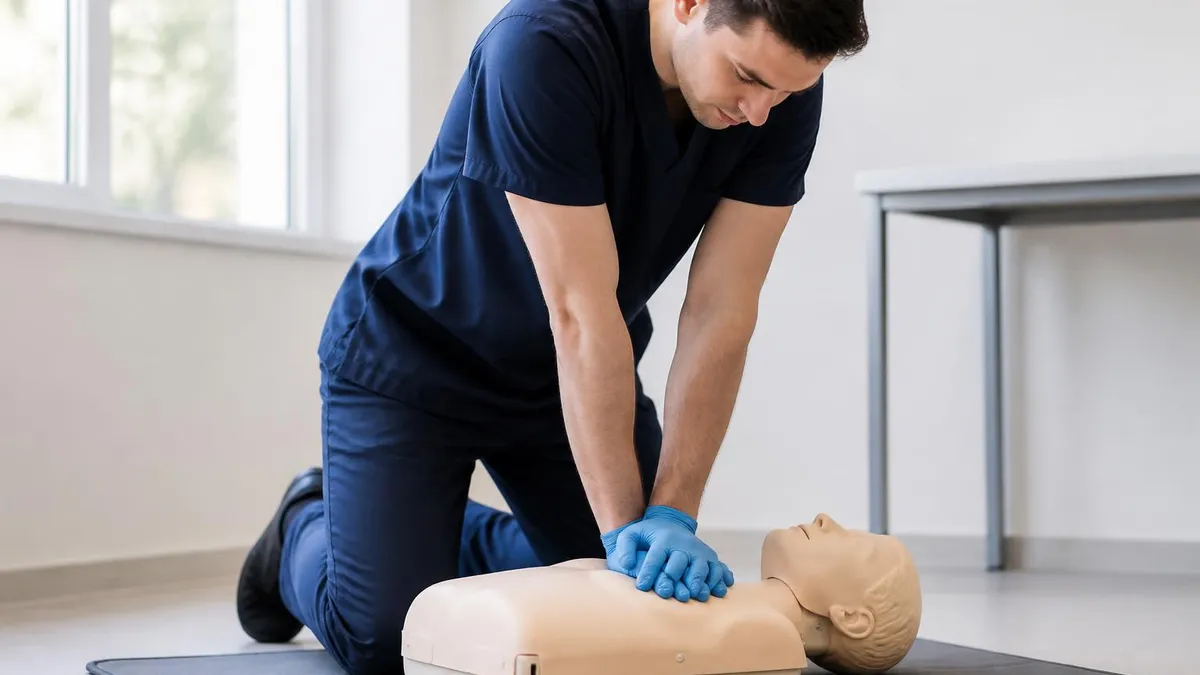
Turning knowledge into reliable performance requires deliberate practice, and the responders who excel treat their skills like any other craft. The single best preparation tip is to rehearse on a manikin until compressions become automatic, because real arrests leave no room for thinking about hand placement or counting. Many training centers offer open practice sessions, and inexpensive home manikins now let you refresh between courses. Repetition builds the muscle memory that survives the adrenaline of a genuine emergency.
Mental rehearsal complements physical practice and costs nothing. Visualizing the full sequence, from confirming scene safety to handing off to EMS, primes your brain to execute under stress. Walk through scenarios in your head during a quiet moment: a coworker collapses in the break room, a child chokes at a birthday party, a swimmer is pulled from a pool. Each imagined rehearsal strengthens the neural pathways you will rely on when the situation is real and frightening.
Building a personal emergency kit reinforces readiness in everyday life. A compact kit with gloves, a CPR barrier mask, gauze, a tourniquet, and an emergency blanket fits in a backpack or car. Knowing your kit intimately, where each item lives and how to deploy it, eliminates fumbling during a crisis. Check it twice a year, replace expired items, and restock anything you use. A well-maintained kit signals a responder who takes the role seriously.
Knowing your environment is an underrated form of preparation. Wherever you spend time, locate the nearest AED, identify the emergency exits, and learn the address you would give a dispatcher. In large facilities, AEDs are often marked with a heart-and-lightning symbol, but a quick scout on your first visit saves precious seconds later. This situational awareness transforms you from a generic bystander into someone who can orchestrate an effective response immediately.
Teamwork dramatically improves outcomes, so practicing coordination pays off. In any rescue with more than one helper, assign clear roles: one person compresses, another manages the airway and AED, a third calls 911 and clears space. Designating a leader prevents the paralysis that strikes when everyone assumes someone else is in charge. Even informal groups perform far better when one voice directs the effort and others execute specific tasks without overlap or confusion.
Continuing education keeps your skills aligned with current science. Guidelines evolve as research reveals better methods, and protocols you learned five years ago may have shifted. Following reputable organizations, subscribing to update bulletins, and attending refresher courses ensures you practice the current standard rather than an outdated one. Curiosity about new evidence marks the difference between a responder who merely maintains a card and one who genuinely improves over a career.
Finally, normalize talking about emergency readiness with the people around you. Encourage your workplace to host a training day, teach your family the basics, and share what you learn. Communities where many people know cpr and first aid survive cardiac arrests at far higher rates than those where skills are rare. Every person you help train becomes another link in the chain of survival, multiplying your impact far beyond the rescues you personally perform throughout your life.
CPR Questions and Answers
How Long Does CPR Certification Last? 2026 Renewal Guide
CPR Training Providers 2026: How to Choose a Course That Counts
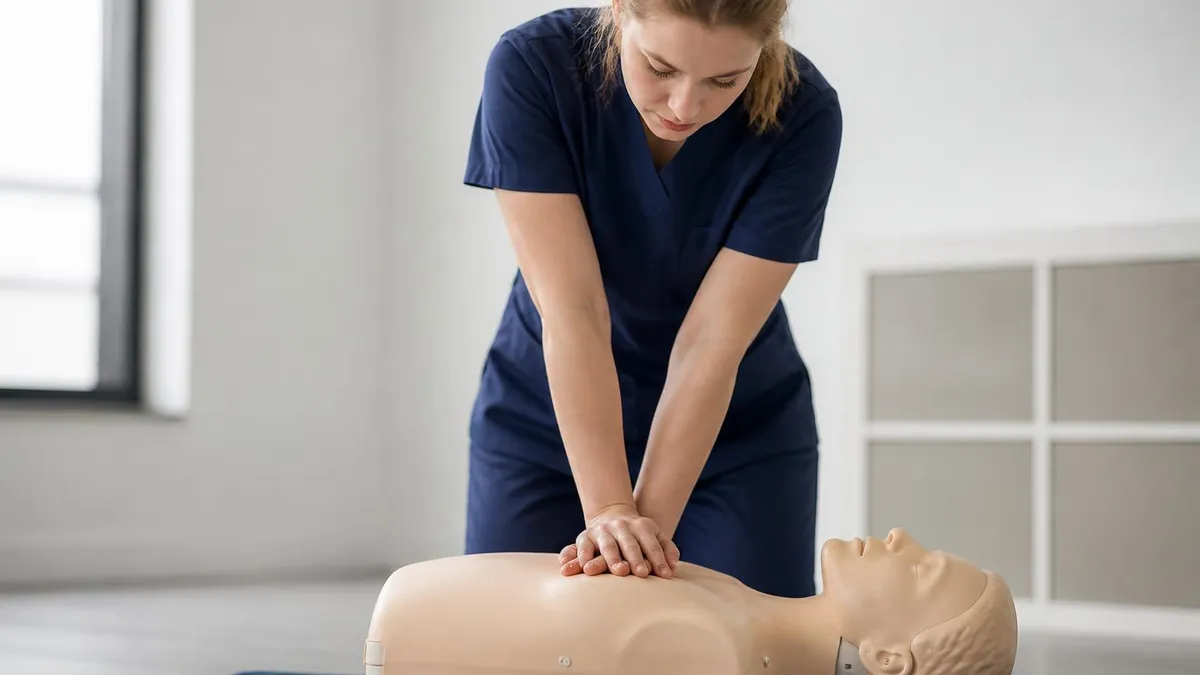
Where to Get CPR Certified in 2026: Complete Guide to Classes, Costs & Online Options
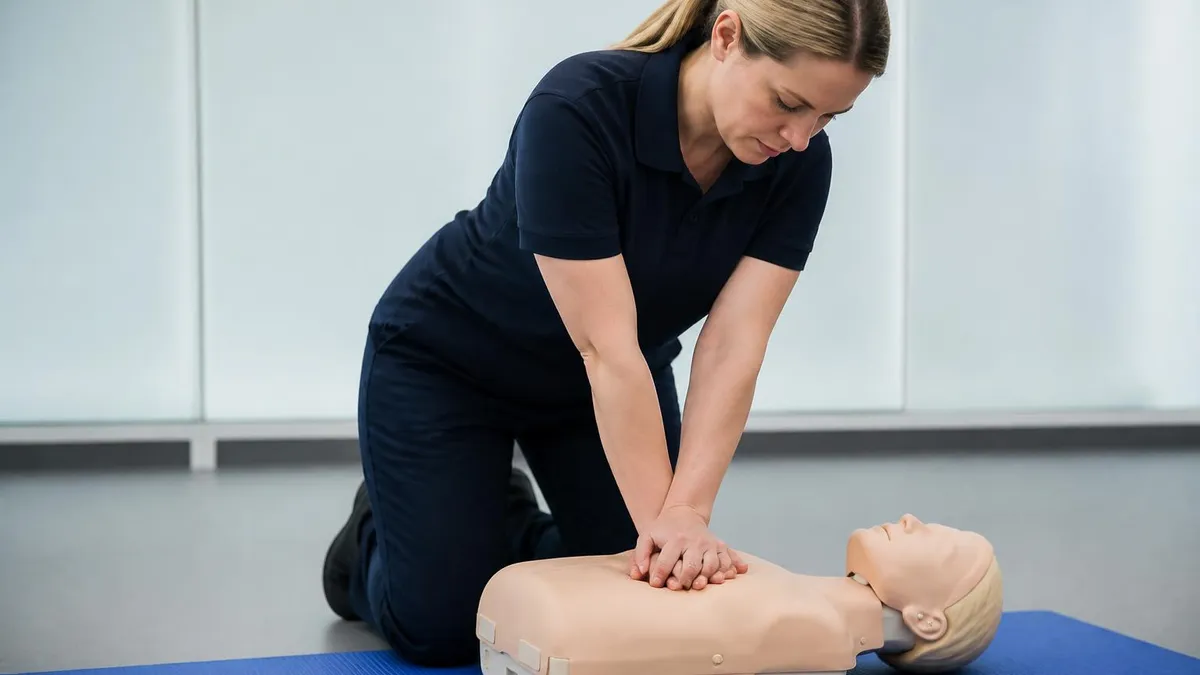
C.A.B CPR Technique: The Complete 2026 Guide to Compressions, Airway, and Breathing
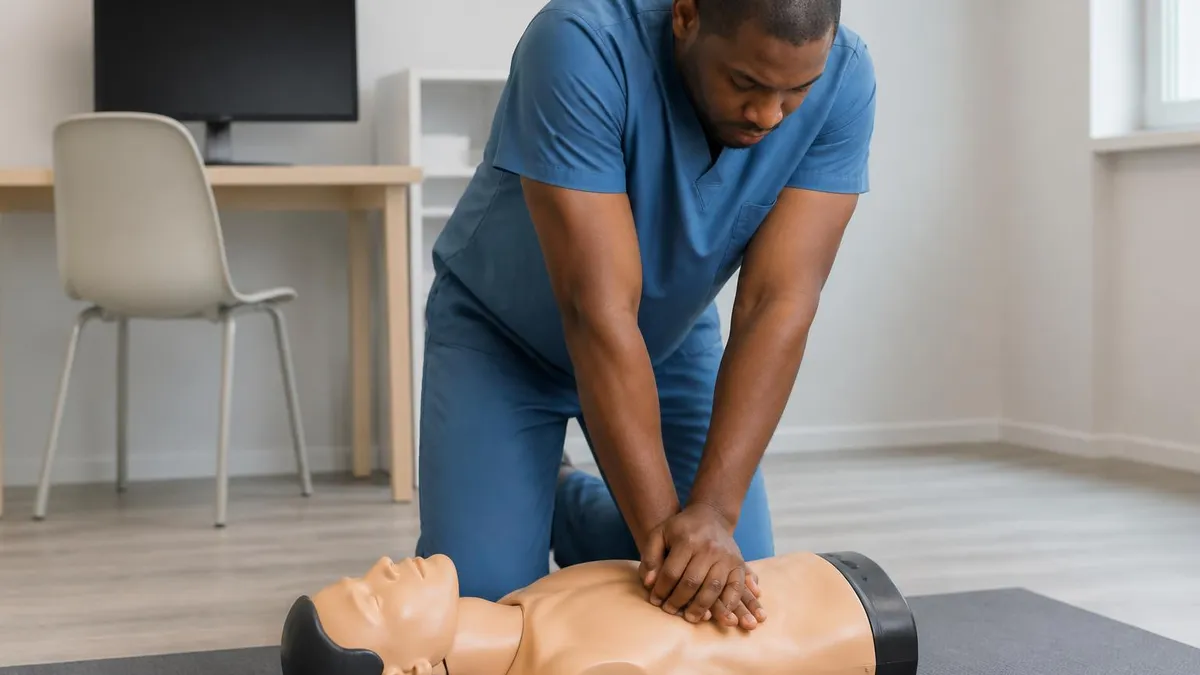
CPR Compression Depth for Child: The Complete 2026 Guide to Pediatric Chest Compressions
How this page was made: written with AI tools and published by Nathan Beja, founder of Practice Test Geeks, who is responsible for its content. Exam facts are checked against the official sources listed below. Not reviewed by a subject-matter expert. Editorial policy
Sources & references
Exam facts on this page (fees, format, dates, passing scores) are checked against these official sources; the date is our last check. Editorial policy
- redcross.org — Score validity, renewal, test delivery, passing score · verified Oct 2026
- elearning.heart.org — Fees, score validity, passing score · verified Oct 2026
- shopcpr.heart.org — Test delivery · verified Oct 2026