
Where to Get CPR Certified in 2026 October: Complete Guide to Classes, Costs & Online Options
💡 Where to get CPR certified in 2026 October: compare American Heart, Red Cross, National CPR Foundation, online vs in-person classes, costs, and renewal timelines.
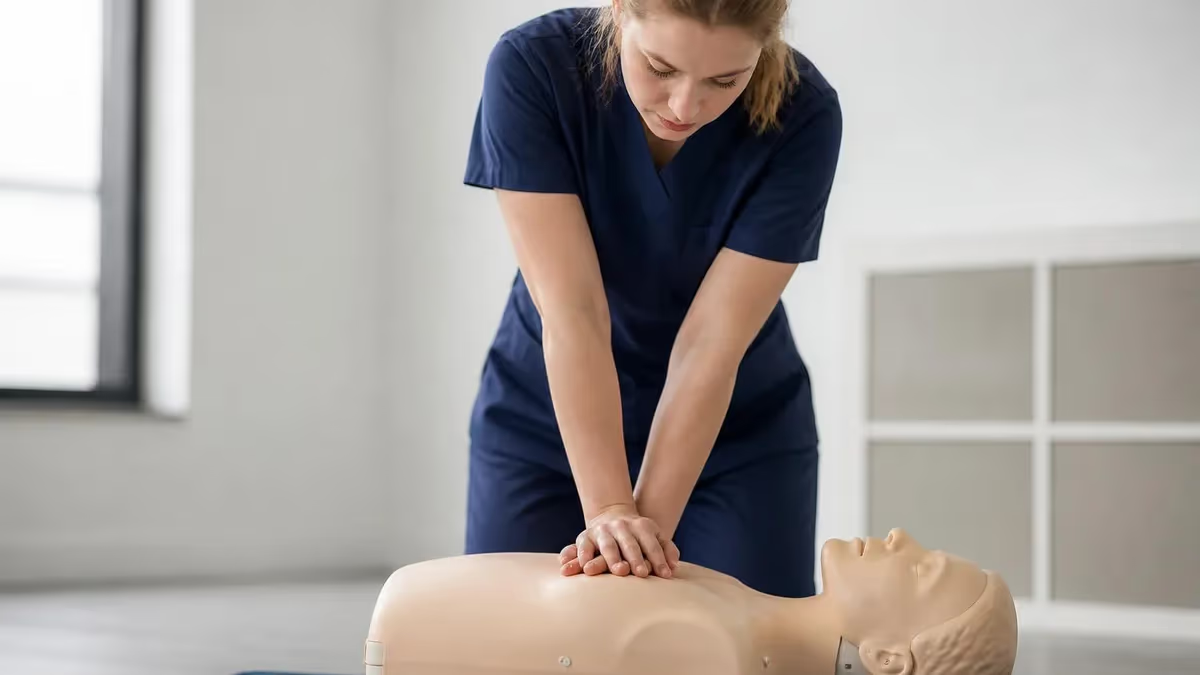
Figuring out where to get CPR certified in 2026 should be simple, but the reality is messier than most people expect. Between hospital systems, community colleges, the Red Cross, the American Heart Association, the National CPR Foundation, and a flood of online-only providers, the choices look identical from the outside and very different once you read the fine print. This guide walks you through every legitimate path, what each one costs, how long it takes, and which credential your employer will actually accept on day one of orientation.
The first thing to understand is that CPR certification is not a single national license. It is a course completion card issued by an approved training organization, and the rules about which cards are accepted depend on your state, your profession, and sometimes your specific hospital or employer. A daycare in Ohio may accept a Red Cross adult and pediatric card, while a nursing program two miles away requires the American Heart Association BLS Provider course with a hands-on skills check. Knowing what your end-user accepts before you pay is the single biggest money-saver in this entire process.
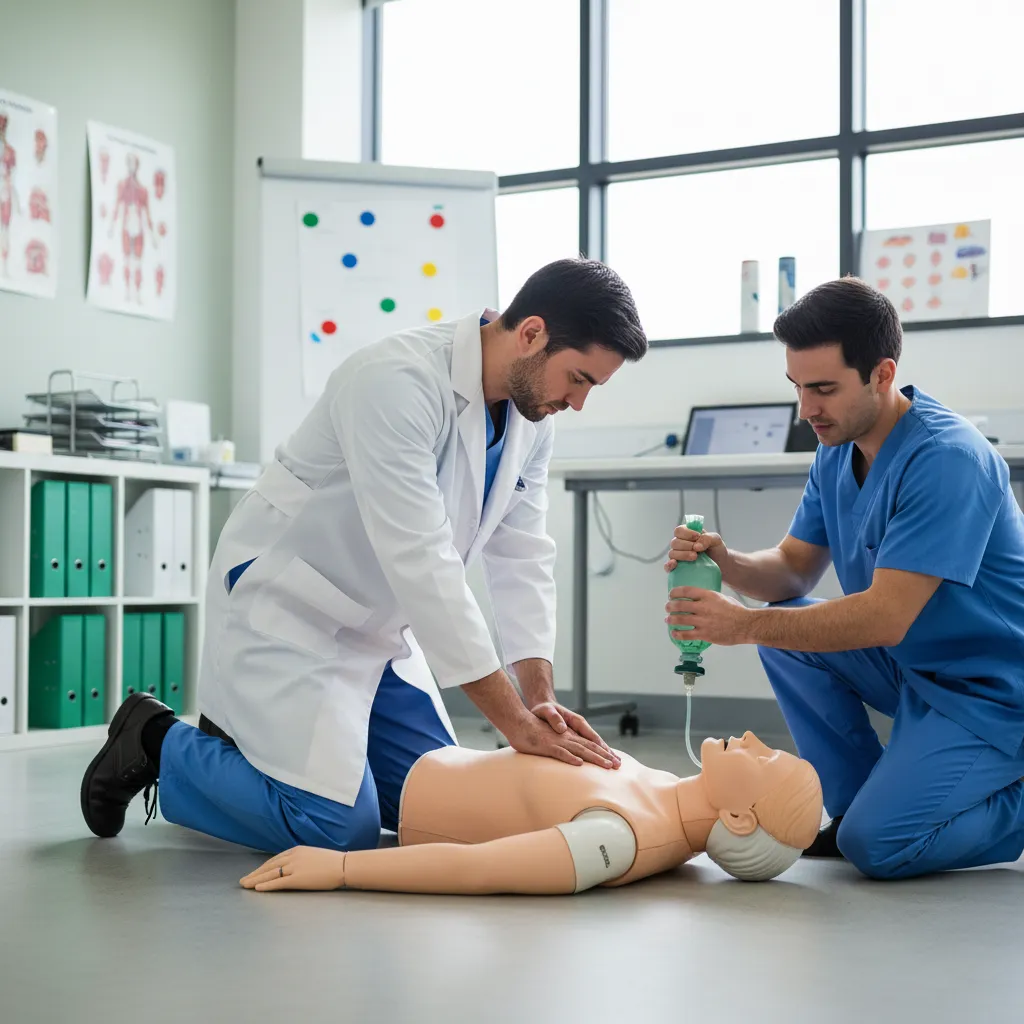
Most adults need one of three tiers. Heartsaver-style courses cover lay rescuer adult, child, and what does aed stand for training for parents, teachers, coaches, and office safety officers. BLS Provider courses are for healthcare workers and include two-rescuer techniques, bag-valve-mask ventilation, and team dynamics. Advanced courses like ACLS and PALS layer on top of BLS for nurses, paramedics, and physicians who manage cardiac arrest with drugs, rhythms, and airway adjuncts.
Pricing in 2026 ranges from completely free community classes hosted by fire departments all the way up to $250 for an instructor-led BLS Provider course at a hospital training center. Online-only certifications hover between $20 and $80, but they are not universally accepted because they skip the hands-on skills demonstration that OSHA, the Joint Commission, and most state licensing boards require for any clinical role. The savings on a $30 online card disappear quickly if your new employer tells you to repeat the course in person.
Timing matters too. A standard Heartsaver course runs about four hours, BLS Provider takes four to four and a half hours, and ACLS or PALS each consume a full day or a hybrid format split between online modules and an in-person skills session. Renewal is required every two years, and the renewal class is usually shorter, around two to three hours for BLS, because instructors assume you already know the basics and only need to update on the latest guideline changes.
Location options have exploded. Community centers, YMCAs, public libraries, Safeway pharmacies in some western states, AAA offices, vocational schools, EMS stations, and corporate training centers all host classes. Most metros now have at least one weekend-only provider for shift workers and parents. Rural areas may rely on traveling instructors who run quarterly sessions at the county fairground or volunteer fire hall, so booking early is essential.
This guide is structured to answer the practical questions in order: which credential to choose, where to find it locally, what online options actually count, how much you should expect to spend, how to prepare so you pass the skills check on the first try, and how to handle renewals without scrambling at the last minute. By the end you should know exactly which course to register for and which providers to avoid.
CPR Certification in the US by the Numbers

Approved Training Providers Compared
The gold standard for healthcare. BLS, ACLS, and PALS Provider cards from AHA are accepted at virtually every US hospital, nursing program, and EMS agency. Classes run through Training Centers, which subcontract to instructors in your area.
Strong reputation for lay rescuer and workplace courses. ARC cards are widely accepted for childcare, lifeguarding, teaching, and corporate safety, and increasingly for entry-level healthcare positions through the Red Cross BLS Provider program.
The national cpr foundation offers low-cost online and blended certifications popular with personal trainers, build parents, and gig workers. Verify acceptance with your specific employer before enrolling, since not all hospitals recognize purely online cards.
Common in industrial, construction, and OSHA-driven workplaces. NSC partners with employers to run on-site classes and integrates CPR with first aid and bloodborne pathogens training in a single bundled certification day.
OSHA, ILCOR, and ECC compliant. ASHI cards are accepted in most non-hospital settings and are popular with dental offices, gyms, and chiropractic clinics because of flexible instructor scheduling and competitive pricing.
Once you know which provider you need, the next decision is delivery format. There are three live in the market: fully online, blended or hybrid, and traditional in-person classroom. Each has a use case, and picking the wrong one is the most common reason students end up paying twice. Hybrid is what hospitals and clinical employers prefer because it combines a self-paced online module with an in-person skills check that verifies you can actually do compressions, ventilations, and AED placement on a manikin under instructor observation.
Fully online certifications are tempting because they finish in under two hours and cost as little as $20. They work for non-clinical roles where the employer simply needs documentation, such as a youth sports coach, a notary signing in a senior facility, or a homeowner refreshing personal knowledge. They do not work for nursing students, CNAs, medical assistants, EMTs, or anyone who will be observed performing CPR by a state surveyor. If you have any doubt, call your HR department and ask for the exact phrase "hands-on skills verification required" before clicking purchase.
In-person classes remain the safest universal choice. Every BLS, ACLS, and PALS course recognized by the American Heart Association requires a live skills session, and most students benefit from the instructor feedback that you cannot get from a video. The classroom format also lets you practice infant cpr on a small manikin, which is awkward to learn from a screen because hand placement and compression depth differ dramatically from adult technique. Look for classes capped at six to eight students per instructor for adequate practice time.
Hybrid is the sweet spot for working adults. You complete the cognitive content online at your own pace, usually two to three hours of video and quizzes, then book a thirty to ninety minute in-person skills session at a nearby training center. The skills session focuses entirely on hands-on practice and a checkoff, which means your total time away from work or family is much shorter than a traditional eight-hour class. Most major Training Centers now default to hybrid for BLS renewals.
Geographic access varies wildly. Major metros offer dozens of providers with classes seven days a week, including evening and weekend slots. Mid-sized cities usually have at least one Training Center plus Red Cross and community college options. Rural counties may have a single instructor running classes quarterly at the volunteer fire department. If you live somewhere remote, search the AHA Class Connector and Red Cross Take a Class tools by zip code with the 50-mile radius option turned on. You may need to drive, but the in-person skills check cannot be skipped.
Online providers worth knowing include ProTrainings, ProCPR, CPR Today, and the National CPR Foundation. Most allow you to print the card immediately after passing the final quiz. Make sure you are buying a course, not a phone screen replacement, when you click a search result.
One last note on language. State licensing boards and hospital credentialing offices generally use the phrase "BLS for Healthcare Providers" or simply "BLS" to mean the AHA BLS Provider card. If a job posting says "current BLS," it almost always means AHA BLS Provider, not a Heartsaver card and not an online-only certificate. When in doubt, ask whether a hands-on skills check is part of the requirement, because that single question filters out 80 percent of the unacceptable options instantly.
CPR Practice Test Questions
Prepare for the CPR Cardiopulmonary Resuscitation Practice exam with our free practice test modules. Each quiz covers key topics to help you pass on your first try.
CPR Basic CPR
CPR Exam Questions covering Basic CPR. Master CPR Test concepts for certification prep.
CPR and First Aid
Free CPR Practice Test featuring and First Aid. Improve your CPR Exam score with mock test prep.
CPR (Cardiopulmonary Resuscitation) Adult ...
CPR Mock Exam on (Cardiopulmonary Resuscitation) Adult CPR and AED Usage. CPR Study Guide questions to pass on your first try.
CPR (Cardiopulmonary Resuscitation) Airway...
CPR Test Prep for (Cardiopulmonary Resuscitation) Airway Obstruction and Choking. Practice CPR Quiz questions and boost your score.
CPR (Cardiopulmonary Resuscitation) Cardio...
CPR Questions and Answers on (Cardiopulmonary Resuscitation) Cardiopulmonary Emergency Recognition. Free CPR practice for exam readiness.
CPR (Cardiopulmonary Resuscitation) Child ...
CPR Mock Test covering (Cardiopulmonary Resuscitation) Child and Infant CPR. Online CPR Test practice with instant feedback.
CPR (Cardiopulmonary Resuscitation) High-P...
Free CPR Quiz on (Cardiopulmonary Resuscitation) High-Performance Team Dynamics. CPR Exam prep questions with detailed explanations.
CPR (Cardiopulmonary Resuscitation) Legal ...
CPR Practice Questions for (Cardiopulmonary Resuscitation) Legal and Ethical Considerations. Build confidence for your CPR certification exam.
CPR for Specific Populations
CPR Test Online for for Specific Populations. Free practice with instant results and feedback.
CPR Airway & Breathing Management
CPR Exam Questions covering Airway & Breathing Management. Master CPR Test concepts for certification prep.
CPR Assessment & Recognition of Cardiac Ar...
Free CPR Practice Test featuring Assessment & Recognition of Cardiac Arrest. Improve your CPR Exam score with mock test prep.
CPR Chest Compressions & Defibrillation
CPR Mock Exam on Chest Compressions & Defibrillation. CPR Study Guide questions to pass on your first try.
CPR Post-Resuscitation Care & Recovery
CPR Test Prep for Post-Resuscitation Care & Recovery. Practice CPR Quiz questions and boost your score.
Course Types: Heartsaver, BLS, ACLS, and PALS
Heartsaver is the lay rescuer course built for people whose jobs require certification but who are not clinicians. Think teachers, daycare workers, fitness instructors, security guards, and parents of medically complex children. The course covers adult, child, and infant CPR, choking relief, and AED use. The phrase what does aed stand for shows up early because the automated external defibrillator is the single most important tool for surviving sudden cardiac arrest outside a hospital.
Total class time is around four hours, including the hands-on skills test. Optional add-on modules cover first aid, bloodborne pathogens, and opioid overdose response, and most providers bundle the first aid module at little extra cost. Heartsaver cards are valid for two years and are accepted by OSHA, most childcare licensing agencies, and the majority of non-clinical workplaces. They are not sufficient for nursing school admission, CNA training, or any role that requires a healthcare provider level credential.
Online-Only vs In-Person Certification
- +Lower cost, often $25 to $80 versus $80 to $250 in-person
- +Complete on your own schedule, including nights and weekends
- +No travel, parking, or babysitter logistics
- +Instant card download after passing the final quiz
- +Useful for non-clinical roles where employers only need documentation
- +Easy to pause and resume across multiple sittings
- +Great for advance preparation before a future in-person skills check
- −Not accepted by most hospitals, nursing programs, or EMS agencies
- −No hands-on skills verification on a real manikin
- −Does not satisfy OSHA hands-on requirements for clinical roles
- −Compression depth and rate cannot be assessed through a screen
- −Some online providers issue cards from organizations no employer recognizes
- −Refunds are rare once you have accessed the course content
- −Risk of paying twice if your employer rejects the card on day one
Pros and Cons at a Glance
| Pros | Cons |
|---|---|
| Complete on your own schedule, including nights and weekends | Not accepted by most hospitals, nursing programs, or EMS agencies |
| No travel, parking, or babysitter logistics | No hands-on skills verification on a real manikin |
| Instant card download after passing the final quiz | Does not satisfy OSHA hands-on requirements for clinical roles |
| Useful for non-clinical roles where employers only need documentation | Compression depth and rate cannot be assessed through a screen |
| Easy to pause and resume across multiple sittings | Some online providers issue cards from organizations no employer recognizes |
| Great for advance preparation before a future in-person skills check | Refunds are rare once you have accessed the course content |

Where to Get CPR Certified: Registration Checklist
- ✓Confirm with your employer which provider and course level they require
- ✓Decide between Heartsaver, BLS Provider, ACLS, or PALS based on job duties
- ✓Choose delivery format: in-person, hybrid, or fully online
- ✓Search the AHA Class Connector or Red Cross Take a Class tool by zip code
- ✓Verify the class is taught by a currently authorized instructor
- ✓Read the cancellation, late, and no-show policies before paying
- ✓Block four to eight hours on your calendar including drive time
- ✓Complete any online pre-work at least 48 hours before the skills check
- ✓Bring photo ID, the registration confirmation, and printed pre-work certificate
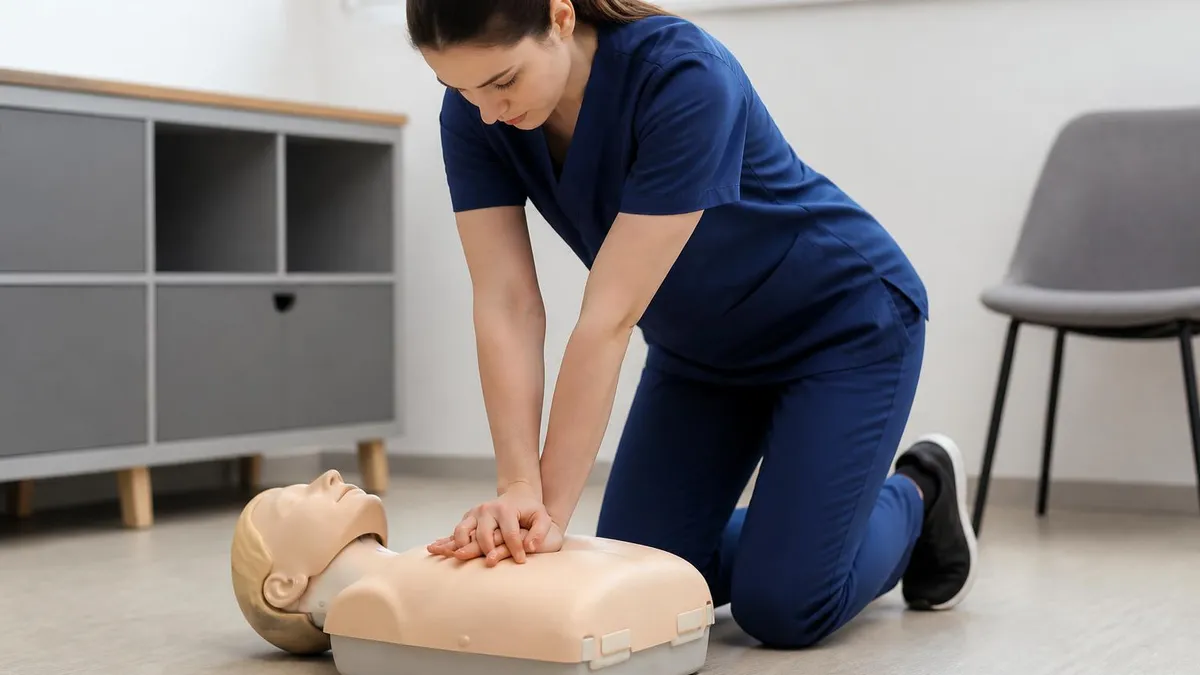
- ✓Wear loose clothing and closed-toe shoes for kneeling and manikin work
- ✓Arrive 15 minutes early to handle paperwork and equipment setup
- ✓Photograph both sides of your card the moment you receive it
Verify acceptance before, not after, you click purchase
The single most expensive mistake in CPR certification is buying a card your employer does not accept. Hospitals, nursing programs, and most state licensing boards require American Heart Association BLS Provider cards with documented hands-on skills verification. A $25 online-only card is no bargain if you have to repeat the course in person two weeks later. Call HR, ask for the exact phrase they need on the card, and then choose your provider.
Cost is the second biggest decision factor after acceptance, and the spread is wide enough that comparison shopping easily saves you $100. A fully online Heartsaver-equivalent course from a budget provider runs $20 to $40. A community Red Cross Heartsaver class costs $70 to $110. An in-person AHA BLS Provider course at a hospital training center costs $80 to $150, while the same course at a community college or private CPR school usually lands between $60 and $90. ACLS and PALS Provider courses range from $200 to $300, with renewals about 20 percent cheaper than initial certifications.
Hidden fees catch students off guard more often than the headline price. Card replacement after the original is lost typically costs $25 to $40 and requires you to contact the original Training Center, not the AHA national office. Some providers charge an additional $10 to $20 for a physical card, with only the digital eCard included in the base price. Late arrival policies vary, but most instructors will not admit students more than ten minutes late because the curriculum is timed minute by minute to satisfy course completion requirements.
Group discounts are common and underused. Most Training Centers will quote a flat rate for groups of six or more, and on-site classes at your workplace or daycare often work out to $50 to $80 per student even for BLS Provider. Employers covering certification for staff should always ask about group pricing because the savings versus sending people individually can fund refreshments, manikin rental, and an instructor stipend with money left over.
Renewal is required every two years, and the renewal class is shorter, around two to three hours for BLS Provider and four to six hours for ACLS. The American Heart Association does not offer a grace period after the expiration date printed on your card. If you renew on or before the last day of the expiration month, your new card runs two years from that expiration date. If you renew even one day late, you are technically taking an initial course and your new two-year window starts from the new course date, which can disrupt long-term renewal planning.
Free options exist but require patience. Fire departments, hospitals during Heart Month in February, public libraries, and community health fairs sometimes host free Heartsaver-level training, especially in partnership with the American Heart Association during CPR & AED Awareness Week in June. These classes fill within hours of being posted, so follow your local fire department and hospital on social media if you want a shot at a free seat. Free does not usually include a BLS Provider card; expect Heartsaver-level certification with the same two-year validity.
Tax deductibility is a small but real benefit for healthcare workers who pay out of pocket. If your employer does not reimburse the cost, the certification, mileage, and any required textbooks are generally deductible as unreimbursed employee expenses for self-employed clinicians, travelers, and independent contractors. W-2 employees lost this deduction at the federal level in the 2018 tax reform, but several states still allow it on the state return. Save your receipts and confirm with your tax preparer.
One trap to avoid is the seemingly cheap certificate from sites that mimic legitimate organization names. If a site name closely resembles a major provider but the URL is unfamiliar, the card it issues may be worthless. Check that the provider lists a real physical training center address, names of authorized instructors, and a refund policy you can read in full before paying. The cheapest reputable card in 2026 is around $25 for a non-clinical role; anything significantly lower than that is worth a hard look before you trust it.
Several websites use names and logos designed to look like the American Heart Association, American Red Cross, or other established providers. Some issue cards that no hospital or licensing board recognizes. Before paying, confirm the provider is listed on the official AHA, ARC, or NSC site, and that the course includes a hands-on skills verification component if you plan to use the card for any clinical role. If the site cannot name a physical training location, walk away.
Walking out with a card on the first try comes down to preparation, not test-taking talent. The CPR skills check is designed to confirm you can perform the techniques safely, not to fail you. Instructors want you to pass, and most will coach you through small mistakes during the practice phase before the formal checkoff. Show up rested, hydrated, and willing to ask questions during practice. Trying to look like you already know everything is the fastest way to miss the small corrections that prevent a failed checkoff.
Pre-class study pays off enormously. Watch the official course videos in advance, even if your instructor will play them again during class. Knowing the cadence of "verify scene safety, check responsiveness, call for help and an AED, check breathing and pulse for no more than ten seconds, begin compressions" before you arrive means you can focus on hand placement and depth instead of memorizing the sequence. The free CPR practice questions linked throughout this guide cover the same content the skills check evaluates.
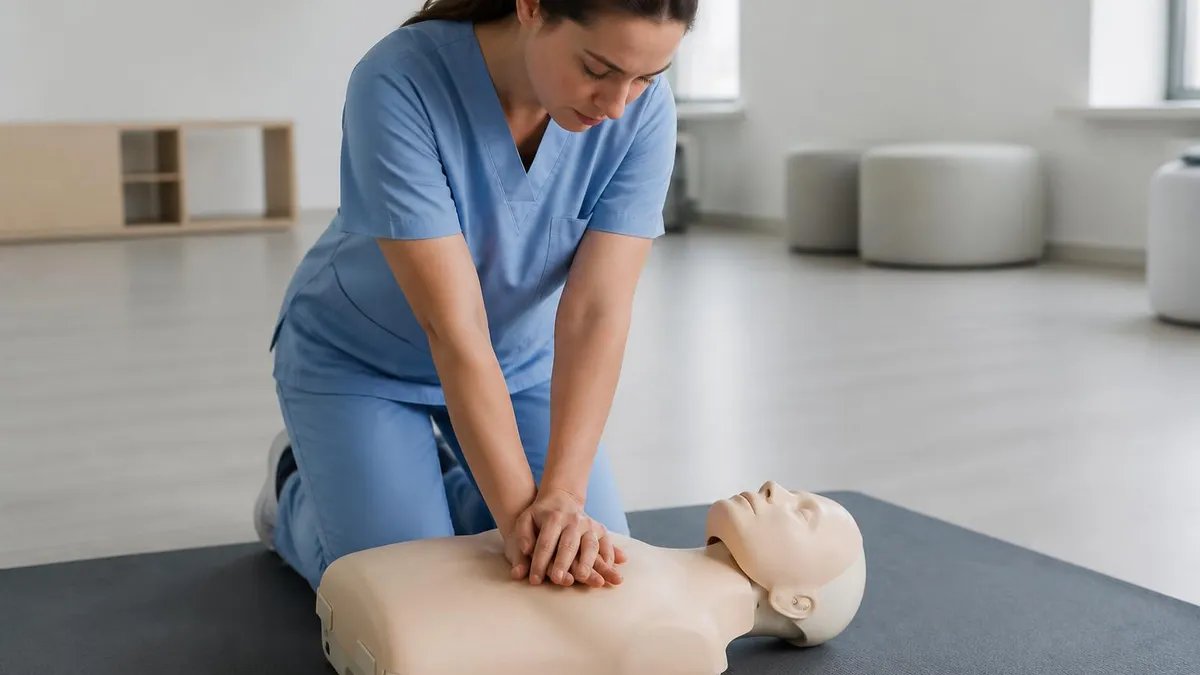
Compression quality is where most first-time students lose points. The standard is at least two inches deep for adults, one and a half inches for children, and about one and a half inches or roughly one third the chest depth for infants, at a rate of 100 to 120 per minute. Full chest recoil between compressions matters as much as depth because incomplete recoil prevents the heart from refilling. Practice on a firm surface at home using a couch cushion folded in half to build the muscle memory for depth.
The recovery position trips up students who forgot it from previous classes. Knowing the proper position recovery technique for an unresponsive but breathing adult, including arm and leg placement and head tilt, is a quick win on the checkoff. Practice rolling a willing friend or family member into position twice before class. Instructors also evaluate your verbal cues during the simulation, so narrate everything you do: "scene is safe, patient unresponsive, calling 911 and asking for AED, no breathing, beginning compressions."
AED operation is straightforward when you trust the device. Turn it on, follow the voice prompts, place pads as shown on the diagrams, clear the patient before analysis, and deliver the shock if advised. Modern AEDs talk you through every step. Examiners want to see that you do not delay compressions while attaching pads; one rescuer should continue compressions while another readies the AED. If you are alone, brief pause to apply pads is acceptable.
Infant scenarios are graded separately and require different hand position and compression depth. Two-finger compressions for single rescuer infant CPR and the two-thumb encircling-hands technique for two rescuers must be demonstrated cleanly. Many students who pass adult and child without trouble fail infant on first attempt because they forget to switch hand technique. Practice the switch verbally before class so it becomes automatic when the manikin changes.
Finally, if you want more reps after class, free online classes near me directories and quiz banks let you keep your knowledge sharp between renewals. Quizzing yourself once a month for ten minutes is enough to maintain near-instructor-level recall, which matters because cardiac arrest does not wait for your scheduled renewal date. Bookmark a quiz site, set a calendar reminder, and treat the two years between cards as continued practice, not just a waiting period.
Beyond passing the initial course, the question of how to keep the skill usable is what separates a paper certification from a real-world responder. Most people who take CPR will never use it, but the small percentage who do almost always describe the same experience: it happens unexpectedly, often at home with a family member, and the muscle memory built during training is what carries them through the first 60 seconds before paramedics arrive. Treat your certification as the beginning of practice, not the end.
Build a small home practice routine. Once every quarter, lie down on the floor and mentally run the algorithm out loud while picturing your living room as the scene. Where is your phone? Where is the nearest public AED? Who do you call for help if you are alone with a child? These rehearsals take two minutes and dramatically reduce response time in a real event. Households with elderly relatives or medically complex children should rehearse together so everyone knows their role.
Workplace responders should know exactly where the AED in their building lives. Many offices keep them in locked cabinets, near reception, or in stairwells that lock automatically at night. Confirm access during business hours and after hours, because cardiac arrests do not respect office schedules. If your building does not have an AED, talk to facilities about adding one. Devices cost $1,200 to $2,500, last eight to ten years with battery replacements, and have saved thousands of workplace lives since OSHA began encouraging deployment.
Refresh through quizzes between renewals. The cpr index aggregates the most common scenarios into short practice sets you can run in under ten minutes. Doing one quiz a month keeps the algorithm and ratios fresh and dramatically improves recall during a real event. Pair quizzing with watching one short video on a single topic, such as choking relief for infants or AED pad placement on a small child, and you maintain skills at near-fresh-from-class level.
Renewal logistics deserve a calendar reminder six months before expiration. Booking early gets you the time slots that work for your schedule, especially in metros where the popular evening and weekend classes fill weeks in advance. If you carry multiple certifications, such as BLS and ACLS, align renewal dates so you can take both at the same training center on consecutive days and avoid duplicate trips. Some training centers offer a small discount for stacking renewals.
Consider becoming an instructor if CPR appeals to you as a side gig or community contribution. AHA, ARC, and NSC all train and certify instructors, with initial training costs of $200 to $500 plus equipment. Active instructors can teach two to three classes a month on the side, charging $60 to $90 per student, which generates real income while keeping your own skills extremely sharp. Many EMTs, nurses, and retired healthcare workers find teaching the most satisfying part of their week.
Whatever path you choose, the goal is simple: a card you can show, skills you can perform, and the confidence to act in the first 60 seconds before help arrives. The where to get CPR certified question has many right answers depending on your situation, but the worst answer is to keep putting it off. Pick a provider this week, register for a class within 30 days, and put the renewal reminder in your calendar before you walk out of the classroom. That is what separates trained responders from people who meant to learn someday.
CPR Questions and Answers
About the Author

Registered Nurse & Healthcare Educator
Johns Hopkins University School of NursingDr. Sarah Mitchell is a board-certified registered nurse with over 15 years of clinical and academic experience. She completed her PhD in Nursing Science at Johns Hopkins University and has taught NCLEX preparation and clinical skills courses for nursing students across the United States. Her research focuses on evidence-based exam preparation strategies for healthcare certification candidates.
Join the Discussion
Connect with other students preparing for this exam. Share tips, ask questions, and get advice from people who have been there.
View discussion (5 replies)