
CPR Courses: Complete Guide to ACLS Algorithm, PALS Certification, and Life Support Training in 2026 October
🔎 Explore CPR courses covering the ACLS algorithm, PALS certification, infant CPR, and life support. Find the right training for your career in 2026 October.
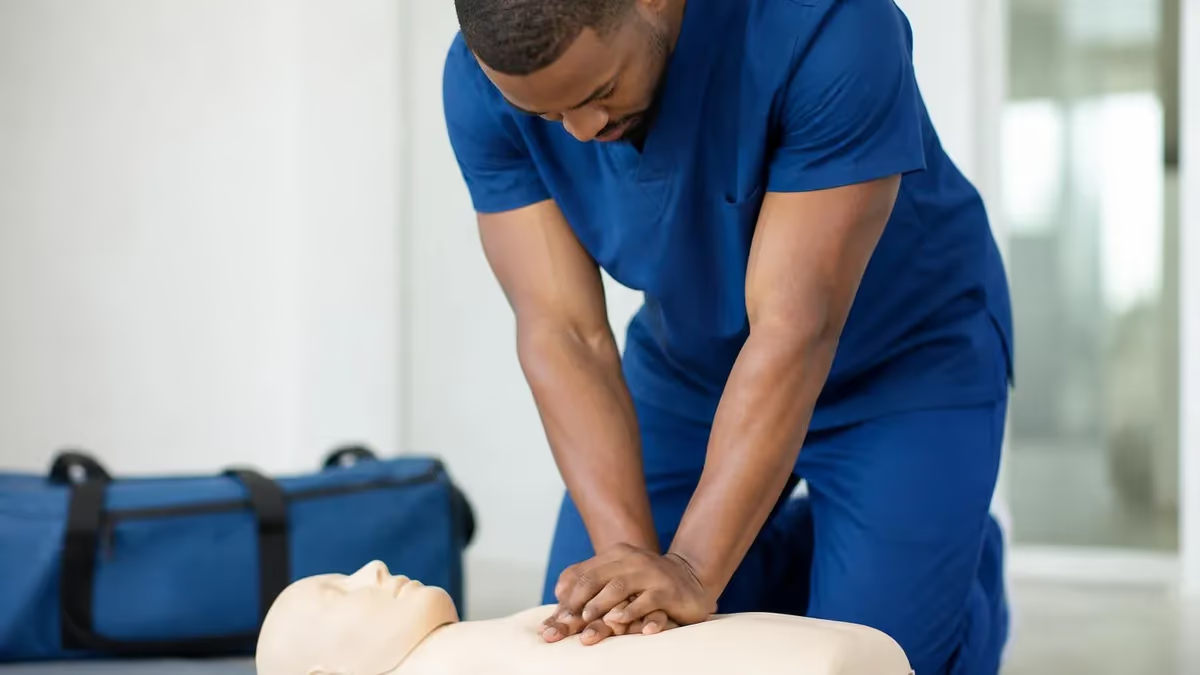
Understanding the ACLS algorithm is one of the most critical competencies any healthcare professional can develop, and structured cpr courses are the most reliable pathway to mastering it. Whether you are a nurse, paramedic, medical student, or concerned parent, finding the right CPR training program can mean the difference between saving a life and standing helplessly by. Across the United States, hundreds of thousands of cardiac arrests occur outside hospital settings every year, and bystander CPR roughly doubles survival rates. The knowledge you gain in a properly structured course stays with you for years.
Modern CPR courses cover far more than simple chest compressions. Today's curricula incorporate the full spectrum of emergency response, from recognizing the warning signs of cardiac arrest to deploying an automated external defibrillator correctly. When you ask "what does AED stand for," the answer — Automated External Defibrillator — is just the beginning. Knowing how to use one under pressure, how to interpret voice prompts, and how to coordinate with rescuers around you are all skills that come with proper classroom and hands-on instruction rather than a five-minute YouTube video.
For healthcare professionals, the stakes are even higher. Advanced Cardiac Life Support and Pediatric Advanced Life Support are certifications that employers require and accreditation bodies mandate. The ACLS algorithm provides a systematic, evidence-based framework for managing cardiac emergencies in clinical settings, and every component — from rhythm recognition to drug dosing to post-resuscitation care — is tested rigorously. PALS certification extends that framework to children, addressing the unique physiological differences that make pediatric emergencies distinctly challenging and requiring their own tailored protocols.
Even outside the hospital, understanding concepts like respiratory rate, recovery position, and infant CPR can equip ordinary citizens to act decisively during the four-minute window that separates a survivable cardiac arrest from irreversible brain damage. The average emergency medical services response time in the United States is eight to twelve minutes, which means that bystanders almost always arrive first. A person trained in basic life support who begins hands-only CPR immediately can maintain perfusion until professional help arrives, dramatically improving the patient's odds.
The landscape of CPR training has expanded considerably in recent years. Organizations such as the American Heart Association, the American Red Cross, and the National CPR Foundation all offer structured programs at varying levels of depth and credential. Whether you need a quick community refresher or a full two-day ACLS recertification, there is a format designed to meet your schedule and professional requirements. Online blended learning has also made it easier than ever to complete the cognitive portion of your training before attending a shorter, focused skills session in person.
This comprehensive guide will walk you through every tier of CPR training available in 2026 — from entry-level basic life support to advanced provider certifications. You will learn how courses are structured, what skills each level covers, how long training takes, what certification costs, and how to choose the program that best aligns with your goals. Along the way, we will clarify common points of confusion, such as the difference between BLS and standard CPR, what each certification body requires, and how often you need to recertify to stay current with the latest American Heart Association guidelines.
By the end of this article, you will have a clear, actionable road map for selecting, registering for, and succeeding in the CPR course that is right for you. Whether your motivation is professional advancement, regulatory compliance, or simply the peace of mind that comes from knowing you could help someone in crisis, CPR training is one of the highest-value investments you can make in your skillset and your community.
CPR Training by the Numbers
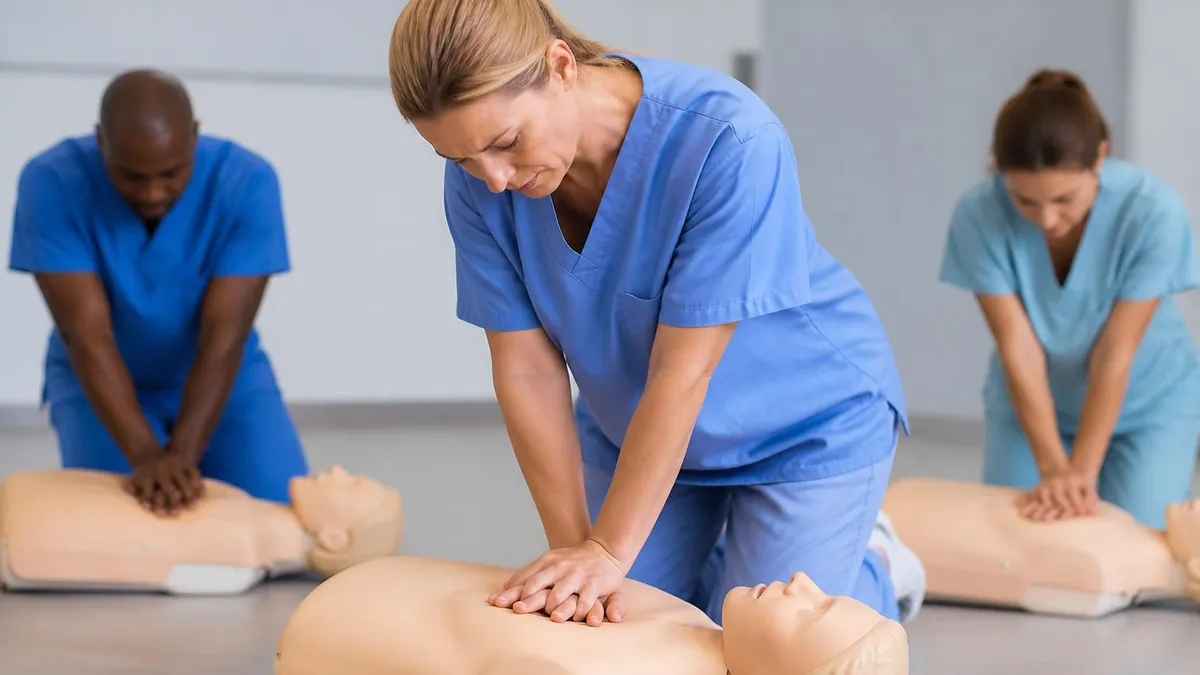
Levels of CPR and Life Support Training
Designed for the general public and non-clinical workers. Covers adult, child, and infant chest compressions, rescue breathing, AED use, and choking relief. Typically completed in two to four hours. No prerequisites required. Valid for two years.
The healthcare-provider standard. Builds on Heartsaver content with team-based resuscitation, two-rescuer CPR, bag-mask ventilation, and clinical scenario practice. Required for nurses, EMTs, and most allied health professionals. Runs four to five hours.
Intensive two-day course targeting physicians, nurses, and paramedics. Covers the full ACLS algorithm including cardiac rhythm recognition, pharmacology, team dynamics, and megacode scenarios. Prerequisite: current BLS certification.
The pediatric counterpart to ACLS. Addresses respiratory emergencies, shock, and cardiac arrest in infants and children. Requires BLS certification. Approximately fourteen hours over two days. Mandatory for pediatric and emergency department staff.
Focused exclusively on newborn resuscitation in the delivery room. Covers airway management, positive-pressure ventilation, chest compressions, and medication administration for neonates. Required for labor and delivery and NICU staff.
The ACLS algorithm represents the gold standard for managing in-hospital cardiac arrest, and mastering it is a non-negotiable requirement for emergency medicine, critical care, and anesthesia providers. The algorithm is organized around a systematic approach: recognize the arrest, activate the emergency response system, begin high-quality CPR, attach a defibrillator, and then follow rhythm-specific branches for shockable rhythms like ventricular fibrillation and non-shockable rhythms like pulseless electrical activity. Each two-minute CPR cycle ends with a rhythm check and a decision point, keeping the team focused and preventing the chaotic free-for-all that can derail resuscitation efforts.
Drug therapy is woven throughout the ACLS algorithm. Epinephrine 1 mg IV or IO is given every three to five minutes for both shockable and non-shockable rhythms. Amiodarone or lidocaine are added for refractory ventricular fibrillation or pulseless ventricular tachycardia after the third shock. Understanding not just what drugs to give but why — their mechanisms, timing, and evidence base — is what separates a competent ACLS provider from someone who has merely memorized a flowchart. ACLS courses emphasize clinical reasoning as much as protocol adherence.
PALS certification presents its own distinct challenges because pediatric patients are not simply small adults. Their primary cause of cardiac arrest is respiratory failure rather than primary cardiac events, which means that airway management and ventilation take on even greater importance than in adult resuscitation. PALS students learn to assess respiratory rate and work of breathing, distinguish between upper and lower airway obstruction, and intervene with appropriate airway maneuvers before a deteriorating child progresses to full cardiac arrest. Early recognition and intervention is the cornerstone of the entire PALS framework.
Shock management is another area where PALS diverges sharply from adult protocols. Hypovolemic, distributive, cardiogenic, and obstructive shock all present differently in children and require distinct management strategies. PALS participants work through case-based scenarios that require them to identify shock type, calculate weight-based fluid boluses, and recognize when a child is compensating versus decompensating. The scenario-based teaching format is deliberately stressful in a controlled way, building the mental muscle memory that providers need to stay calm and systematic during real emergencies.
One of the most practical skills developed in both ACLS and PALS courses is effective team communication. The role of team leader and compressor are formally distinguished, with clear expectations around closed-loop communication, shared mental models, and mutual performance monitoring. Research consistently shows that communication failures contribute to preventable deaths during resuscitation, and modern AHA guidelines incorporate human factors science directly into the curriculum. Students practice calling out drug doses clearly, confirming orders, and speaking up when they notice errors — behaviors that feel awkward in the classroom but become automatic under pressure with practice.
Post-resuscitation care has grown substantially in importance within recent AHA guideline updates, and ACLS courses now devote significant time to the management of return of spontaneous circulation. This includes targeted temperature management, hemodynamic optimization, 12-lead ECG interpretation to identify ST-elevation myocardial infarction, and neurological prognostication. Providers who understand the post-arrest phase are able to maintain the gains achieved during resuscitation and prevent the secondary injuries that kill patients who have already survived the initial arrest. The full continuum of care from arrest through hospital discharge is now considered an integral part of ACLS competency.
For nurses and allied health professionals looking to advance their careers, holding current ACLS and PALS certifications opens doors to higher-acuity units, travel nursing assignments with premium pay rates, and leadership roles in emergency and critical care settings. Many hospitals require these certifications within the first three to six months of employment in qualifying units, so proactively obtaining them before starting a new position demonstrates initiative and accelerates the onboarding process. The investment in training time and course fees pays dividends in both career trajectory and daily clinical confidence.
CPR Practice Test Questions
Prepare for the CPR Cardiopulmonary Resuscitation Practice exam with our free practice test modules. Each quiz covers key topics to help you pass on your first try.
CPR Basic CPR
CPR Exam Questions covering Basic CPR. Master CPR Test concepts for certification prep.
CPR and First Aid
Free CPR Practice Test featuring and First Aid. Improve your CPR Exam score with mock test prep.
CPR (Cardiopulmonary Resuscitation) Adult ...
CPR Mock Exam on (Cardiopulmonary Resuscitation) Adult CPR and AED Usage. CPR Study Guide questions to pass on your first try.
CPR (Cardiopulmonary Resuscitation) Airway...
CPR Test Prep for (Cardiopulmonary Resuscitation) Airway Obstruction and Choking. Practice CPR Quiz questions and boost your score.
CPR (Cardiopulmonary Resuscitation) Cardio...
CPR Questions and Answers on (Cardiopulmonary Resuscitation) Cardiopulmonary Emergency Recognition. Free CPR practice for exam readiness.
CPR (Cardiopulmonary Resuscitation) Child ...
CPR Mock Test covering (Cardiopulmonary Resuscitation) Child and Infant CPR. Online CPR Test practice with instant feedback.
CPR (Cardiopulmonary Resuscitation) High-P...
Free CPR Quiz on (Cardiopulmonary Resuscitation) High-Performance Team Dynamics. CPR Exam prep questions with detailed explanations.
CPR (Cardiopulmonary Resuscitation) Legal ...
CPR Practice Questions for (Cardiopulmonary Resuscitation) Legal and Ethical Considerations. Build confidence for your CPR certification exam.
CPR for Specific Populations
CPR Test Online for for Specific Populations. Free practice with instant results and feedback.
CPR Airway & Breathing Management
CPR Exam Questions covering Airway & Breathing Management. Master CPR Test concepts for certification prep.
CPR Assessment & Recognition of Cardiac Ar...
Free CPR Practice Test featuring Assessment & Recognition of Cardiac Arrest. Improve your CPR Exam score with mock test prep.
CPR Chest Compressions & Defibrillation
CPR Mock Exam on Chest Compressions & Defibrillation. CPR Study Guide questions to pass on your first try.
CPR Post-Resuscitation Care & Recovery
CPR Test Prep for Post-Resuscitation Care & Recovery. Practice CPR Quiz questions and boost your score.
Infant CPR, AED Use, and Recovery Position
Infant CPR requires a fundamentally different technique than adult resuscitation. For infants under one year of age, rescuers use two fingers placed on the center of the chest just below the nipple line, or encircle the chest with both hands using the two-thumb technique when a second rescuer is present. Compression depth is approximately 1.5 inches, roughly one-third of the chest diameter, at a rate of 100 to 120 compressions per minute. Rescue breaths are delivered gently, with just enough volume to produce visible chest rise.
The leading cause of cardiac arrest in infants is respiratory failure, so rescuers should prioritize airway management and look for obstructions before beginning compressions. If a foreign body is visible, remove it carefully rather than performing blind finger sweeps, which can push the object deeper. Infant CPR courses also cover safe sleep education, position recovery for unconscious but breathing infants, and when and how to activate emergency medical services to ensure the fastest possible professional response.
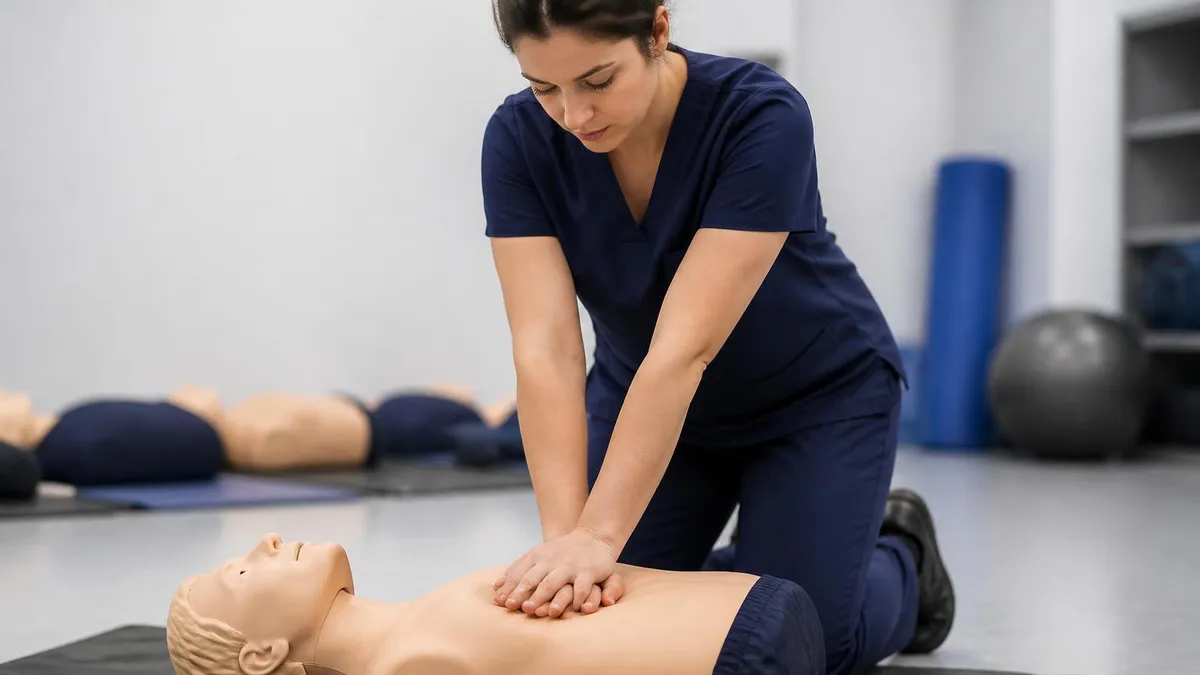
Online vs. In-Person CPR Courses: Which Is Right for You?
- +Online blended courses let you complete cognitive content at your own pace before a shorter in-person skills session
- +Fully in-person courses provide immediate instructor feedback on compression depth and hand placement
- +Blended formats typically cost less and require fewer hours away from work or family
- +In-person classroom settings build team communication skills through live scenario practice with peers
- +Online pre-study reduces time spent in the classroom on lecture content, focusing lab time on hands-on skills
- +In-person courses allow instructors to correct technique errors that video-based self-assessment may miss
- −Online-only courses without a skills component are not accepted by most hospitals or credentialing bodies
- −In-person courses require scheduling around fixed class times, which can conflict with shift-work schedules
- −Blended learning requires reliable internet access and a device capable of running interactive simulations
- −Classroom courses in high-demand areas may have limited availability, requiring early registration weeks in advance
- −Some online platforms use outdated content that does not reflect the most current AHA guideline updates
- −In-person skills sessions still require travel, parking, and time commitment even with blended-format pre-study
Pros and Cons at a Glance
| Pros | Cons |
|---|---|
| Online blended courses let you complete cognitive content at your own pace before a shorter in-person skills session | Online-only courses without a skills component are not accepted by most hospitals or credentialing bodies |
| Fully in-person courses provide immediate instructor feedback on compression depth and hand placement | In-person courses require scheduling around fixed class times, which can conflict with shift-work schedules |
| Blended formats typically cost less and require fewer hours away from work or family | Blended learning requires reliable internet access and a device capable of running interactive simulations |
| In-person classroom settings build team communication skills through live scenario practice with peers | Classroom courses in high-demand areas may have limited availability, requiring early registration weeks in advance |
| Online pre-study reduces time spent in the classroom on lecture content, focusing lab time on hands-on skills | Some online platforms use outdated content that does not reflect the most current AHA guideline updates |
| In-person courses allow instructors to correct technique errors that video-based self-assessment may miss | In-person skills sessions still require travel, parking, and time commitment even with blended-format pre-study |
CPR Course Preparation Checklist
- ✓Confirm your certification level requirement with your employer or licensing board before registering.
- ✓Choose an AHA-accredited or Red Cross-authorized training center to ensure your card is universally accepted.
- ✓Complete any required online pre-course work at least 48 hours before your skills session.
- ✓Wear comfortable, loose-fitting clothing that allows you to kneel and lean forward for compression practice.
- ✓Review the compression-to-ventilation ratio (30:2 for adults and children, 15:2 for two-rescuer infant CPR).
- ✓Memorize the AED pad placement: right clavicle and left lateral chest wall below the armpit.
- ✓Practice identifying pulse locations — carotid in adults, brachial in infants — before your skills session.
- ✓Bring a valid photo ID and any prerequisite course cards required by the registration confirmation.
- ✓Arrive 15 minutes early to complete sign-in, review equipment, and ask the instructor preliminary questions.
- ✓Schedule your recertification date on your calendar before leaving the course, 22 months from today's date.
High-Quality CPR Is the Cornerstone of Every Algorithm
Regardless of whether you are managing a witnessed ventricular fibrillation arrest or an asystolic patient, minimizing interruptions to chest compressions is the single intervention most strongly associated with survival. The AHA recommends a chest compression fraction above 60% — meaning compressions should be occurring for at least 60% of the total resuscitation time. Every pause to check rhythm, deliver a shock, or switch compressors should be as brief as possible, ideally under ten seconds. Focusing on compression quality first, and everything else second, is the mindset that all CPR courses work to instill.
Choosing the right organization for your CPR training is not a trivial decision. The American Heart Association, the American Red Cross, and the National CPR Foundation are the three most widely recognized bodies in the United States, and each has distinct strengths depending on your professional context. The AHA's certification cards are accepted by virtually every hospital credentialing department in the country and are the explicit requirement in many state nursing and paramedic licensing regulations. If you work in a healthcare setting, AHA BLS is almost always the safest choice.
The American Red Cross offers a comprehensive catalog of courses that parallels the AHA lineup and is widely accepted in healthcare settings as well. Red Cross courses tend to be slightly more accessible in rural areas through their network of community training partners, and their curriculum includes additional content on first aid that makes their combined CPR and first aid certifications particularly valuable for school staff, coaches, and workplace safety officers. The Red Cross also has a strong presence in military and government training programs.
The National CPR Foundation operates primarily online and offers blended certification courses that can be completed with a shorter in-person skills verification session. Their platform is popular among healthcare students who need to obtain initial certifications quickly and affordably, and their curriculum aligns with current AHA guidelines. However, it is critical to verify that your employer specifically accepts National CPR Foundation cards before enrolling, as some hospital credentialing departments require AHA or Red Cross certification by name in their policies.
Beyond the three major providers, numerous state and regional organizations offer community-level CPR training that may be perfectly adequate for non-healthcare purposes. Fire departments, community colleges, and hospital outreach programs frequently offer low-cost or free classes for the general public. These courses may not result in a nationally recognized certification card, but they provide the foundational skills that matter most in a bystander emergency. For laypersons who simply want to be prepared, any hands-on training is infinitely better than none.
Cost is a practical consideration for many prospective students. Basic Heartsaver or community CPR courses typically run between $30 and $75. BLS for Healthcare Providers generally costs $50 to $100 through training centers. ACLS initial certification courses range from $150 to $300, while PALS initial courses are similarly priced. Renewal and recertification courses are typically discounted compared to initial certification because they cover less new content. Many hospitals subsidize or fully cover the cost of required certifications for their employees, so check with your HR or education department before paying out of pocket.
For those pursuing CPR training for career purposes, timing your certification strategically can save money and stress. If you are about to enter a nursing program, obtain your BLS certification the summer before classes begin so it is ready when clinical rotations start. If you are a new graduate nurse hired into an ICU or emergency department, complete your ACLS course before your first day or within the first sixty days of employment. Being ahead of mandatory certification deadlines rather than scrambling to meet them demonstrates professionalism and keeps your clinical focus on patient care rather than administrative compliance.
Specialty courses exist for specific professional contexts that go beyond standard ACLS and PALS. The Pediatric Emergency Assessment, Recognition, and Stabilization course is designed for nurses in emergency settings. The Neonatal Resuscitation Program is required for delivery room and NICU staff. Wilderness First Responder training incorporates CPR techniques adapted for remote environments where AEDs and advanced equipment may not be available. Understanding the full landscape of available training ensures you pursue the credentials that are genuinely most relevant to your work rather than simply the most well-known options.
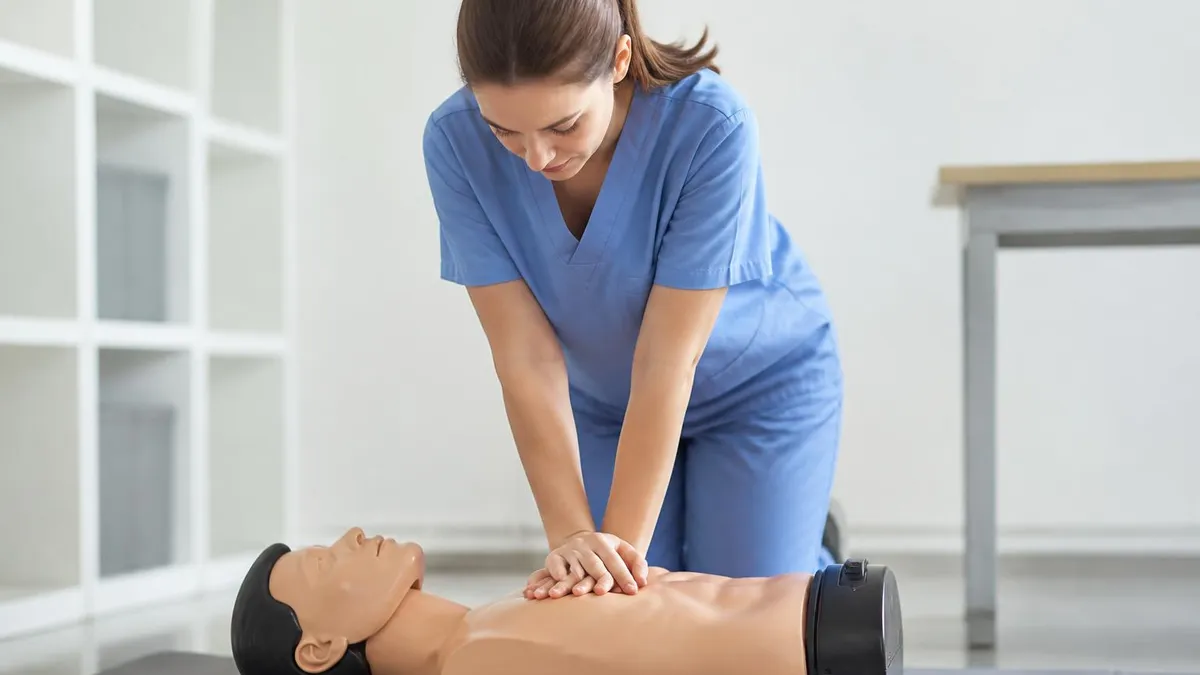
CPR and life support certifications expire after two years from the date of issue, and many hospital credentialing systems will automatically flag expired providers and restrict their clinical access. Do not wait until your card has already expired to schedule renewal — many training centers require advance registration, and popular ACLS and PALS courses can be booked out four to six weeks. Set a calendar reminder at the 22-month mark and register immediately. Working with an expired certification card may constitute a policy violation and a patient safety issue under your institution's credentialing standards.
Maintaining proficiency between formal certification renewals is an area that CPR curricula increasingly address. Research in medical education shows that skills decay begins within weeks of initial training, with compression rate accuracy and depth both declining measurably within three to six months of a course. This is why many forward-thinking hospitals have implemented brief quarterly skills stations where staff practice compressions on manikins for five to ten minutes, reinforcing the muscle memory that makes technique automatic under stress. These low-dose, high-frequency refreshers are more effective at maintaining skill than the traditional two-year recertification cycle alone.
Technology is transforming how CPR skills are taught and maintained. Manikins equipped with real-time feedback sensors now provide visual and auditory cues during compression practice, immediately alerting rescuers when their rate is too slow, their depth is inadequate, or they are not achieving full chest recoil. Virtual reality simulation platforms allow providers to practice megacode scenarios in immersive environments without the logistical overhead of assembling a full training team. These tools are increasingly available not just in simulation centers but on nursing unit crash carts and in hospital education departments.
Understanding respiratory rate norms across age groups is foundational knowledge that CPR courses reinforce throughout their curriculum. A normal respiratory rate in adults is 12 to 20 breaths per minute. In children aged one to eight years, the normal range is 20 to 30 breaths per minute, and in infants under one year, 30 to 60 breaths per minute is expected.
Recognizing abnormal respiratory rates — tachypnea that may indicate impending respiratory failure, or bradypnea that may signal central nervous system depression — is an early warning skill that allows providers to intervene before arrest occurs rather than responding to it after the fact.
The relationship between respiratory assessment and cardiac arrest prevention is particularly important in pediatric patients. Unlike adults, whose primary arrest rhythm is often ventricular fibrillation triggered by coronary artery disease, children most commonly arrest due to progressive respiratory failure that leads to hypoxia and then asystole.
Careful respiratory monitoring and aggressive airway management are therefore the primary prevention strategies in pediatric resuscitation. PALS courses spend considerable time on the pediatric assessment triangle — a rapid visual tool using appearance, work of breathing, and circulation to skin to categorize severity — precisely because early recognition of respiratory distress is where the most lives are saved.
Post-course learning resources have become an important part of the modern CPR education ecosystem. The AHA publishes its complete guidelines online and makes supporting materials freely available. Supplementary platforms offer video-based skill reviews, spaced repetition flashcard systems for drug dosing and algorithm memorization, and simulated practice scenarios. Students who engage with these resources between their formal training sessions consistently outperform those who rely solely on the course day itself. Given that certification examinations test cognitive knowledge as well as psychomotor skill, using practice questions and review materials is not supplemental — it is essential.
One area of growing emphasis in contemporary CPR training is team performance and psychological safety. Research from high-reliability organizations like aviation and nuclear power has been applied to resuscitation science, revealing that teams with flat hierarchies — where any member can speak up about a concern — perform better than teams where deference to authority suppresses error correction.
ACLS and PALS courses now explicitly teach junior team members to voice concerns clearly and respectfully, and team leaders to create an environment where corrections are welcomed rather than penalized. This cultural component of resuscitation training may ultimately save as many lives as technical skill improvement.
Integrating CPR training into broader emergency preparedness planning is a final consideration for individuals and organizations. A single trained individual in a workplace or household is better than none, but a critical mass of trained responders dramatically improves outcomes. Organizations that run regular fire drills should consider pairing them with CPR refreshers.
Schools that train teachers in basic life support create a safety net that protects students during the hours when EMS response times are longest. Community-level CPR training initiatives have been shown to increase bystander CPR rates from under 20% to over 40% in cities that have implemented them systematically, and that improvement directly translates into lives saved every year.
You can continue preparing with the cpr test and answers, which includes answer explanations for every question.
Practical preparation for a CPR course begins well before you walk into the classroom. If you are pursuing BLS, ACLS, or PALS certification, download the current AHA provider manual for your level and read it cover to cover at least once before your course date.
The manuals are dense but organized around the algorithms you will practice in class, and arriving with familiarity — even imperfect familiarity — with the material means you can focus your in-person time on skill refinement rather than first-pass comprehension. Many training centers now require completion of online pre-work as a condition of enrollment, so completing it early and thoroughly is simply non-negotiable.
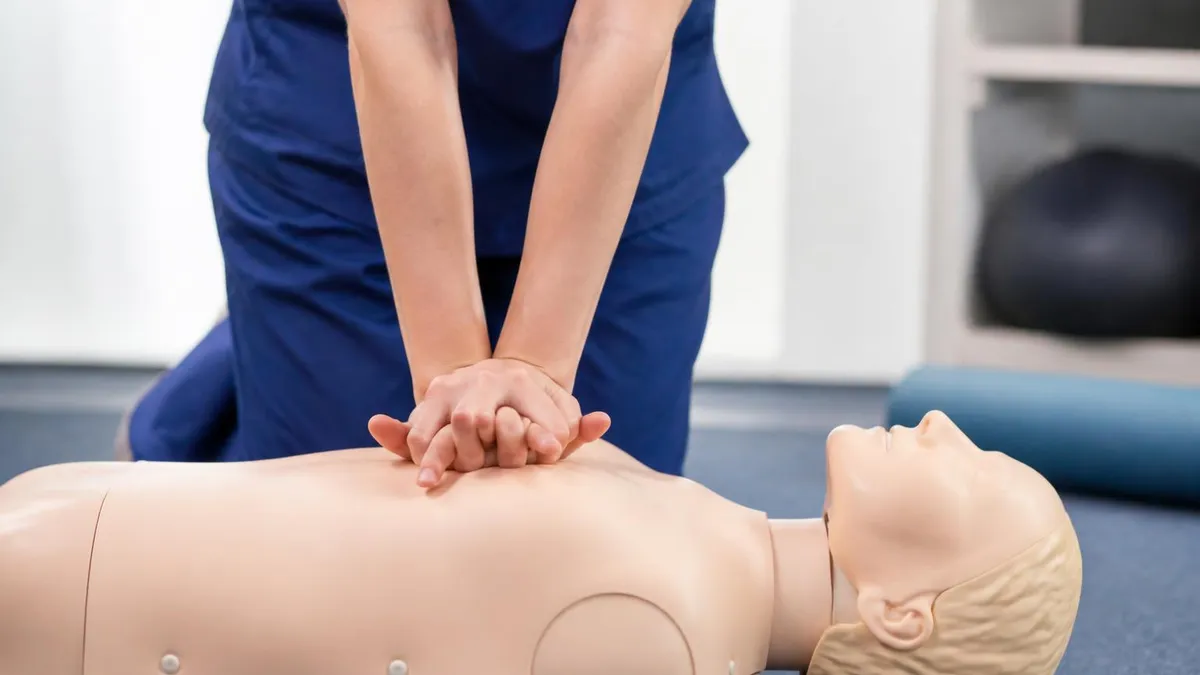
During the skills portion of your course, resist the temptation to focus exclusively on getting the sequence right at the expense of getting the technique right. Compression quality matters more than sequence fluency during an actual resuscitation. Practice locking your elbows, positioning your shoulders directly over your hands, and driving down with your body weight rather than your arm strength alone. Fatigue sets in quickly with poor mechanics — professional compressors are rotated every two minutes during actual resuscitation for exactly this reason, and even in a training scenario, you should practice switching roles smoothly with a partner.
Scenario practice is where cognitive knowledge becomes clinical skill. Most ACLS and PALS courses include a final megacode scenario in which you must demonstrate your ability to lead or participate in a full resuscitation from recognition through post-arrest management. Treat these scenarios with the same seriousness as the real event. Call out findings clearly, delegate tasks explicitly, confirm completed actions, and think aloud so your team and instructor can follow your reasoning. Instructors are evaluating not just whether you know the right answer but whether you can communicate and execute under simulated pressure.
If you fail a component of your ACLS or PALS course — whether a written examination or a skills check — do not panic. Most training centers allow one or two remediation attempts on the same day or within a short window. Ask your instructor specifically which elements you need to demonstrate or re-test, review the relevant algorithm or skill, and approach the remediation calmly and systematically. The vast majority of remediation attempts are successful, and the process of identifying and correcting a specific weakness is itself a valuable learning experience that makes you a stronger provider.
Building relationships with colleagues who share your certification level creates a natural support system for ongoing skill maintenance. Find a practice partner for informal manikin sessions between renewal cycles. Join your hospital's code team or rapid response team to gain real-world resuscitation experience in a supervised setting. Attend post-code debriefings when they occur in your unit to learn from actual cases. The combination of formal certification, informal practice, and real-event reflection produces a provider who is genuinely competent rather than merely credentialed.
Finally, communicate your CPR training status to the people around you. Tell your family members that you are trained and where your nearest AED is located. Post your certification status in your professional bio and resume. Volunteer to be the designated first responder in your workplace or community organization. The skills you have worked to develop are most valuable when the people around you know they can rely on you in a crisis. Visibility as a trained responder also creates accountability to keep your skills current, because people will turn to you when seconds count.
The bottom line is that CPR training is not a one-time event — it is an ongoing commitment to readiness. The courses, the certifications, the refreshers, and the practice all exist to serve a single purpose: ensuring that when someone near you stops breathing or their heart stops beating, you can act immediately, correctly, and effectively. In that moment, everything you have learned becomes real, and the time you invested in training becomes the most important investment you ever made.
CPR Questions and Answers
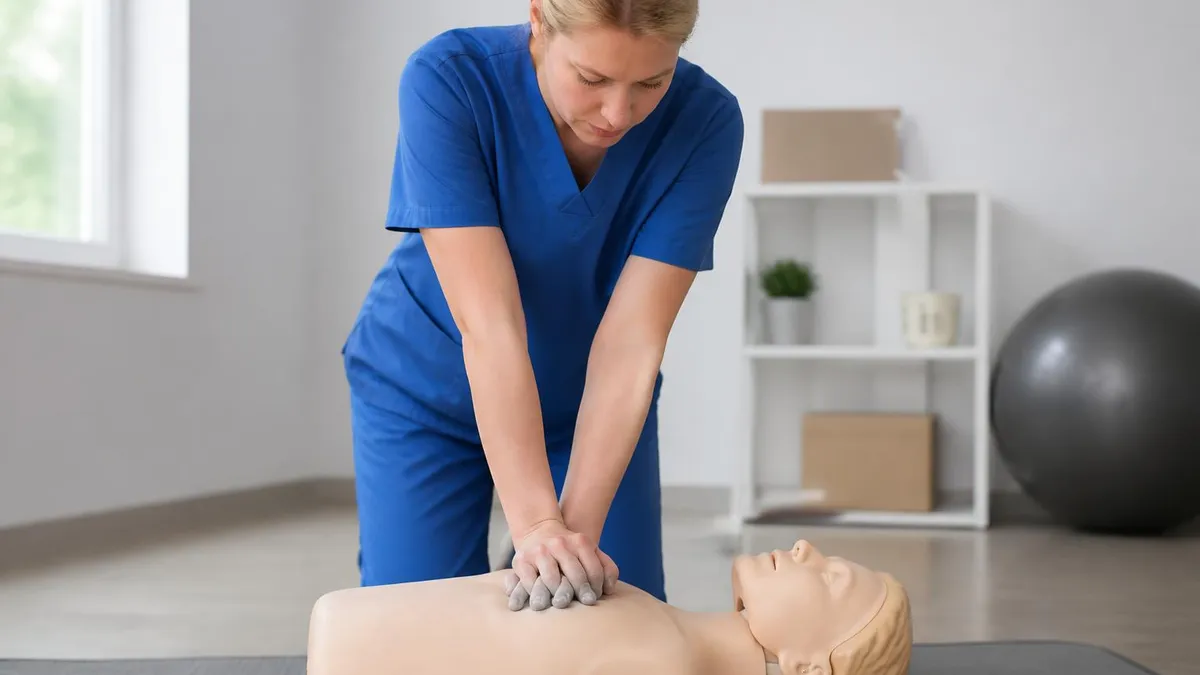
CPR Certification Classes: Complete Guide to ACLS Algorithm, PALS, and Life Support Training in 2026
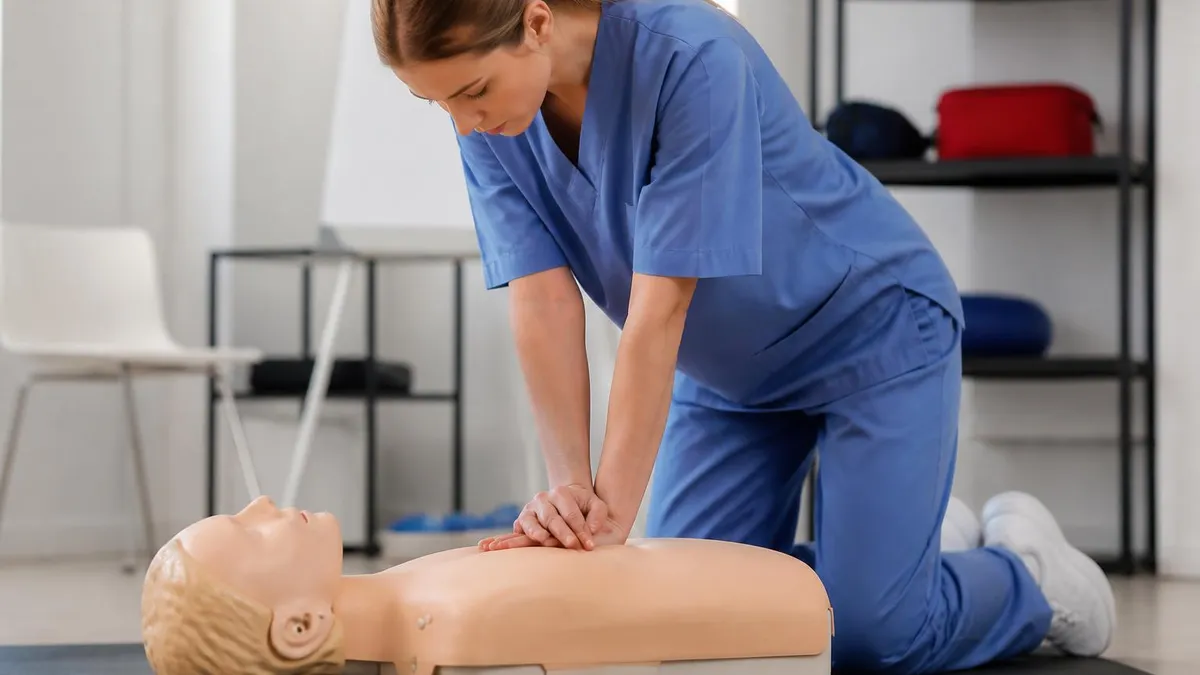
Types of CPR Training: From Basic Life Support to ACLS Algorithm Mastery in 2026
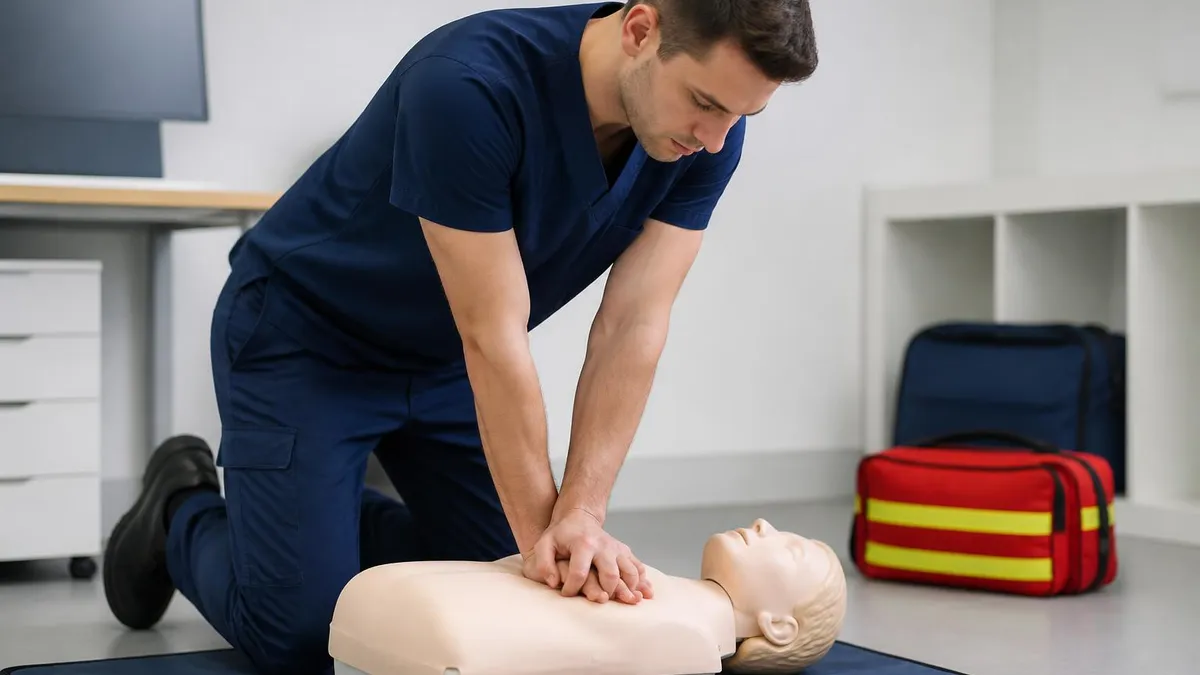
Adult CPR: Complete Step-by-Step Guide to Hands-Only and Standard CPR in 2026
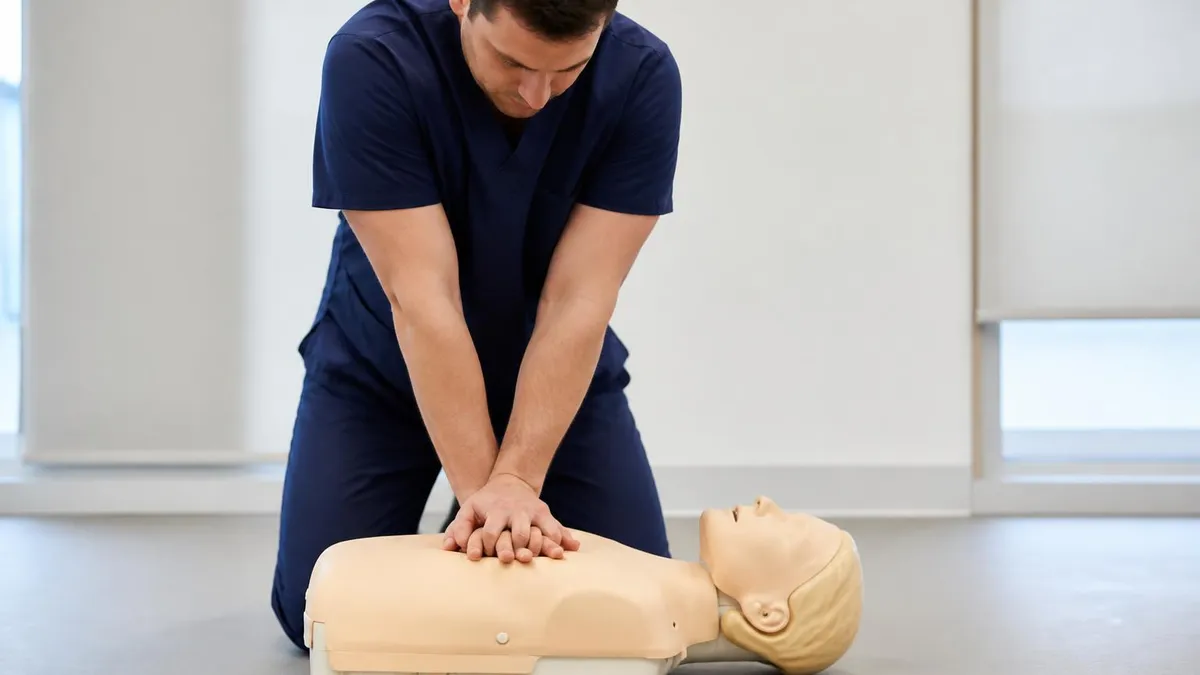
BLS vs CPR: Is BLS the Same as CPR? Complete 2026 Guide
Neonatal CPR: Complete Guide to Resuscitating Newborns in 2026
Join the Discussion
Connect with other students preparing for this exam. Share tips, ask questions, and get advice from people who have been there.
View discussion (5 replies)