
CPR Certification Classes: Complete Guide to ACLS Algorithm, PALS, and Life Support Training in 2026 October
🟢 Complete guide to CPR certification classes, ACLS algorithm, PALS certification, infant CPR, and life support training for US learners in 2026 October.
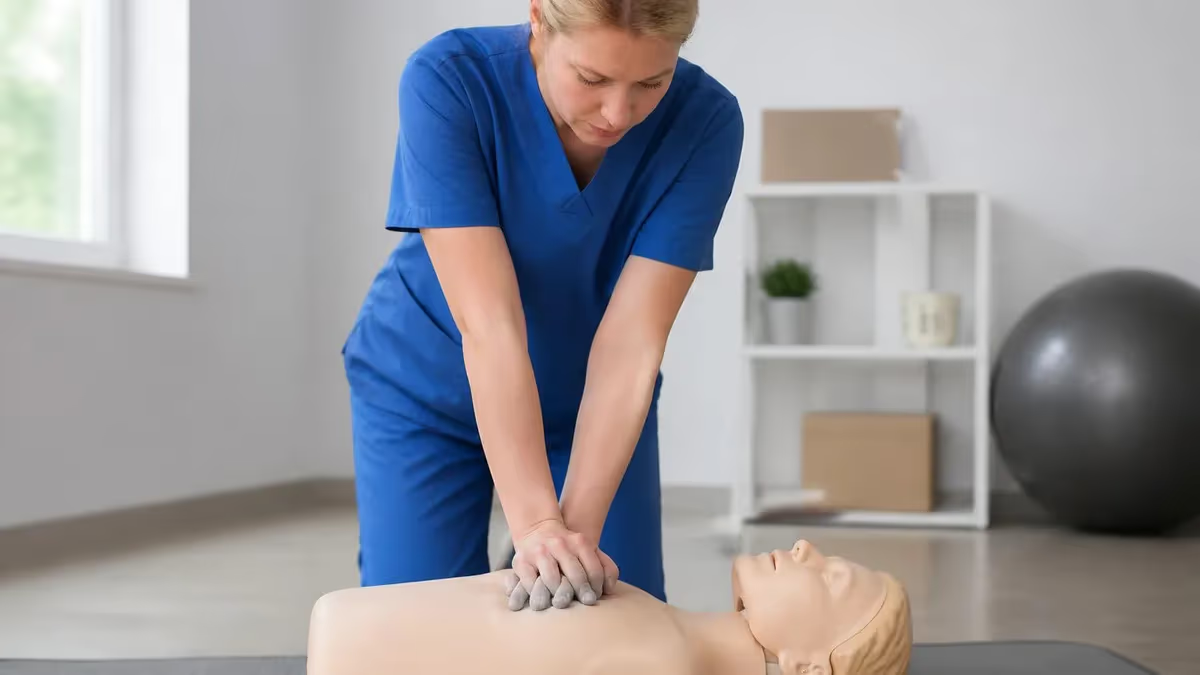
Taking cpr certification classes is one of the most valuable steps you can take to prepare yourself for a cardiac emergency. Whether you are a healthcare professional pursuing the ACLS algorithm for advanced cardiac life support or a concerned parent learning infant CPR for the first time, the right training program can mean the difference between life and death. In the United States, more than 350,000 out-of-hospital cardiac arrests occur every year, and immediate bystander CPR can double or even triple a victim's survival odds before emergency services arrive.
Understanding which certification level suits your needs is essential before enrolling in any program. The American Heart Association (AHA) and the American Red Cross offer nationally recognized credentials ranging from basic life support to full PALS certification for pediatric providers. Each credential tier covers different patient populations, skill sets, and renewal timelines, so investing time upfront to map your goals against available options will save you both money and frustration in the long run.
Many people wonder what does AED stand for when they begin researching CPR training. AED stands for Automated External Defibrillator — a portable device that analyzes heart rhythm and delivers an electric shock to restore a normal heartbeat during sudden cardiac arrest. Virtually every CPR certification class now includes hands-on AED training because the combination of chest compressions and early defibrillation dramatically improves survival rates, particularly in the first critical minutes of cardiac arrest.
Life support training has expanded far beyond the traditional classroom model. Today you can complete blended-learning courses that pair online cognitive instruction with brief in-person skills checks, fully instructor-led group sessions, or self-directed online-only courses for certain credential renewals. Each delivery format carries its own advantages regarding cost, flexibility, and depth of hands-on practice. Healthcare workers who need verified competency in the ACLS algorithm will generally require in-person or simulation-based assessments, while community-level certifications may accept hybrid formats.
Respiratory rate assessment is a fundamental skill covered in virtually every CPR and life support course. A normal adult respiratory rate is 12 to 20 breaths per minute. Recognizing when a patient's breathing falls outside this range — or when it stops entirely — triggers the activation of emergency protocols and the start of CPR. Courses teach students to assess responsiveness, check for normal breathing, call for help, and begin chest compressions in a standardized sequence aligned with current AHA guidelines.
The position recovery technique is another critical skill introduced in standard CPR classes. When an unconscious patient is breathing adequately, placing them in the recovery position on their side prevents airway obstruction from the tongue or vomit. This simple intervention has saved countless lives in the period between a medical event and the arrival of paramedics. Understanding when to use the recovery position versus when to begin active chest compressions is a key decision-making skill that quality CPR training reinforces through repeated scenario-based practice.
This guide walks you through every major certification class, from basic CPR to advanced ACLS and PALS, breaking down requirements, costs, formats, and renewal timelines so you can make a confident, informed decision about your training path in 2026.
CPR Certification Classes by the Numbers
Key Facts at a Glance
| Item | Value | Details |
|---|---|---|
| Typical Class Duration | 4–8 hrs | BLS to ACLS range |
| Standard Certification Validity | 2 Years | AHA and Red Cross credentials |
| Cost Range for Certification | $30–$300 | Basic CPR to ACLS/PALS programs |
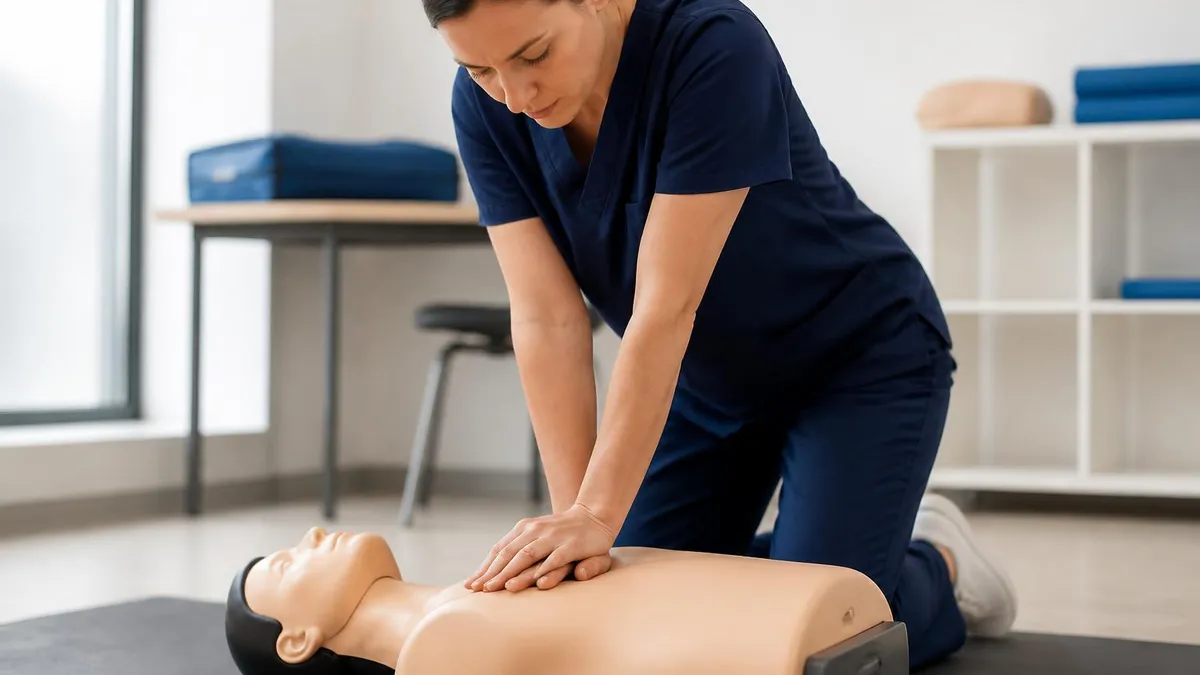
CPR Certification Levels: Which Class Is Right for You?
Designed for the general public and non-medical workplace responders. Covers adult, child, and infant CPR, AED use, and relief of choking. Completion typically takes 2–4 hours and provides a 2-year certificate valid for community and workplace settings.
The foundational healthcare provider credential. BLS covers high-quality CPR for adults, children, and infants, two-rescuer scenarios, bag-mask ventilation, and AED protocols. Required for nurses, EMTs, medical students, and most allied health professionals before clinical rotations.
For physicians, nurses, and advanced practitioners who manage cardiac arrest and other life-threatening emergencies. ACLS builds on BLS skills, adding the full ACLS algorithm, pharmacology, cardiac rhythm interpretation, airway management, and team dynamics in simulated scenarios.
Pediatric Advanced Life Support is required for providers caring for critically ill children. PALS certification training includes recognition of pediatric respiratory and circulatory failure, systematic approaches to sick children, and team-based resuscitation for infants and children.
Specialized training for personnel present at deliveries. NRP focuses on neonatal CPR, positive-pressure ventilation, and stabilization of newborns who do not breathe spontaneously at birth. Mandatory for labor and delivery nurses, neonatologists, and delivery room staff.
The ACLS algorithm is the centerpiece of advanced cardiac life support training and represents the most structured approach to managing cardiac arrest and related emergencies in clinical settings. The algorithm divides cardiac arrest rhythms into two main categories: shockable rhythms (ventricular fibrillation and pulseless ventricular tachycardia) and non-shockable rhythms (pulseless electrical activity and asystole). Each pathway within the algorithm specifies the timing of shocks, the sequence of medication administration, and the role of every team member during a resuscitation event.
In ACLS certification classes, providers practice the algorithm repeatedly through high-fidelity simulation scenarios. A typical scenario places a team of three to five learners in a simulated emergency department or ICU bay with a mannequin that displays cardiac monitor output. The team leader directs interventions — chest compressions, airway management, IV access, and drug delivery — while a facilitator advances the scenario based on team decisions.
Debriefs after each simulation focus on closed-loop communication, minimizing interruptions to chest compressions, and maintaining a compression-to-ventilation ratio of 30:2 for a single rescuer or continuous compressions with asynchronous ventilation once an advanced airway is placed.
PALS certification follows a parallel structure tailored to the pediatric patient. Because children rarely experience primary cardiac arrest, PALS training emphasizes recognizing and reversing respiratory failure and shock before they deteriorate to cardiac arrest. Learners study the PALS systematic approach algorithm, which starts with a rapid first impression, proceeds through a primary assessment of airway, breathing, circulation, disability, and exposure, and culminates in targeted interventions. Energy dose calculations for pediatric defibrillation (2 J/kg initial, 4 J/kg subsequent), weight-based medication dosing, and the unique anatomy of pediatric airways all receive dedicated attention.
Respiratory rate is a vital sign given heightened emphasis in both ACLS and PALS curricula. Abnormal respiratory patterns — including tachypnea above 30 breaths per minute, bradypnea below 12, or agonal gasping — are critical triggers for initiating or escalating resuscitation. Providers learn to distinguish effective rescue breathing from gasping, a reflex that sometimes continues for minutes after cardiac arrest and can mislead untrained bystanders into withholding CPR when it is urgently needed. Accurate respiratory assessment, combined with pulse checks and rhythm interpretation, forms the diagnostic triad that drives every ACLS and PALS decision point.
The National CPR Foundation is one of several online providers offering ACLS and BLS credentials that are accepted by many employers and clinical facilities. The National CPR Foundation model allows learners to complete cognitive content and written examinations online, with some programs requiring a brief in-person or proctored skills assessment.
This format appeals to providers who need to renew their certification during busy clinical schedules or who work in underserved areas without convenient access to AHA-authorized training sites. However, learners should verify that their employer or clinical site accepts the specific credential before enrolling, as some institutions require AHA-issued cards exclusively.
Understanding what does AED stand for — Automated External Defibrillator — is foundational before entering ACLS training, but ACLS goes much deeper into defibrillation science. Participants learn about biphasic versus monophasic waveforms, the importance of minimizing pre-shock pauses to less than ten seconds, and how to integrate manual defibrillation with uninterrupted CPR. The skill of analyzing a cardiac monitor rhythm and making a split-second decision to shock or continue compressions without shocking is one of the highest-stakes clinical competencies taught in any certification course.
Life support competency is not a static skill. The AHA revises its guidelines periodically based on emerging evidence — most recently in 2020, with an update cycle that continues through 2025 and beyond. ACLS and PALS instructors are required to teach the current guidelines, and certification cards are only valid for two years partly because the science evolves and providers need regular exposure to updated protocols. Staying current with life support standards is an ethical and regulatory obligation for healthcare professionals, and most employers build renewal deadlines into annual competency calendars.
For a deeper look at this topic, see our guide to cpr certification classes.
CPR Practice Test Questions
Prepare for the CPR Cardiopulmonary Resuscitation Practice exam with our free practice test modules. Each quiz covers key topics to help you pass on your first try.
CPR Basic CPR
CPR Exam Questions covering Basic CPR. Master CPR Test concepts for certification prep.
CPR and First Aid
Free CPR Practice Test featuring and First Aid. Improve your CPR Exam score with mock test prep.
CPR (Cardiopulmonary Resuscitation) Adult ...
CPR Mock Exam on (Cardiopulmonary Resuscitation) Adult CPR and AED Usage. CPR Study Guide questions to pass on your first try.
CPR (Cardiopulmonary Resuscitation) Airway...
CPR Test Prep for (Cardiopulmonary Resuscitation) Airway Obstruction and Choking. Practice CPR Quiz questions and boost your score.
CPR (Cardiopulmonary Resuscitation) Cardio...
CPR Questions and Answers on (Cardiopulmonary Resuscitation) Cardiopulmonary Emergency Recognition. Free CPR practice for exam readiness.
CPR (Cardiopulmonary Resuscitation) Child ...
CPR Mock Test covering (Cardiopulmonary Resuscitation) Child and Infant CPR. Online CPR Test practice with instant feedback.
CPR (Cardiopulmonary Resuscitation) High-P...
Free CPR Quiz on (Cardiopulmonary Resuscitation) High-Performance Team Dynamics. CPR Exam prep questions with detailed explanations.
CPR (Cardiopulmonary Resuscitation) Legal ...
CPR Practice Questions for (Cardiopulmonary Resuscitation) Legal and Ethical Considerations. Build confidence for your CPR certification exam.
CPR for Specific Populations
CPR Test Online for for Specific Populations. Free practice with instant results and feedback.
CPR Airway & Breathing Management
CPR Exam Questions covering Airway & Breathing Management. Master CPR Test concepts for certification prep.
CPR Assessment & Recognition of Cardiac Ar...
Free CPR Practice Test featuring Assessment & Recognition of Cardiac Arrest. Improve your CPR Exam score with mock test prep.
CPR Chest Compressions & Defibrillation
CPR Mock Exam on Chest Compressions & Defibrillation. CPR Study Guide questions to pass on your first try.
CPR Post-Resuscitation Care & Recovery
CPR Test Prep for Post-Resuscitation Care & Recovery. Practice CPR Quiz questions and boost your score.
Infant CPR and Pediatric Life Support Training
Infant CPR differs from adult technique in several critical ways that every caregiver and healthcare provider must understand. For infants under 12 months, the two-finger or two-thumb encircling technique is used for chest compressions, targeting a depth of approximately 1.5 inches. Compression rate remains the same as adults — 100 to 120 per minute — but the force applied is significantly less. Rescue breaths for infants cover both the mouth and nose simultaneously, with only enough air to produce a visible chest rise, preventing dangerous lung overinflation.
Infant CPR classes are available through the AHA, Red Cross, and numerous community health organizations across the United States. Parents, grandparents, babysitters, and childcare workers are strongly encouraged to complete infant-specific training, as home and childcare settings are common locations for pediatric cardiac emergencies. Courses typically run two to three hours and combine video instruction with mannequin practice. Many hospitals offer free or subsidized infant CPR classes to new parents before discharge from the maternity ward, making this one of the most accessible forms of life-saving education available.
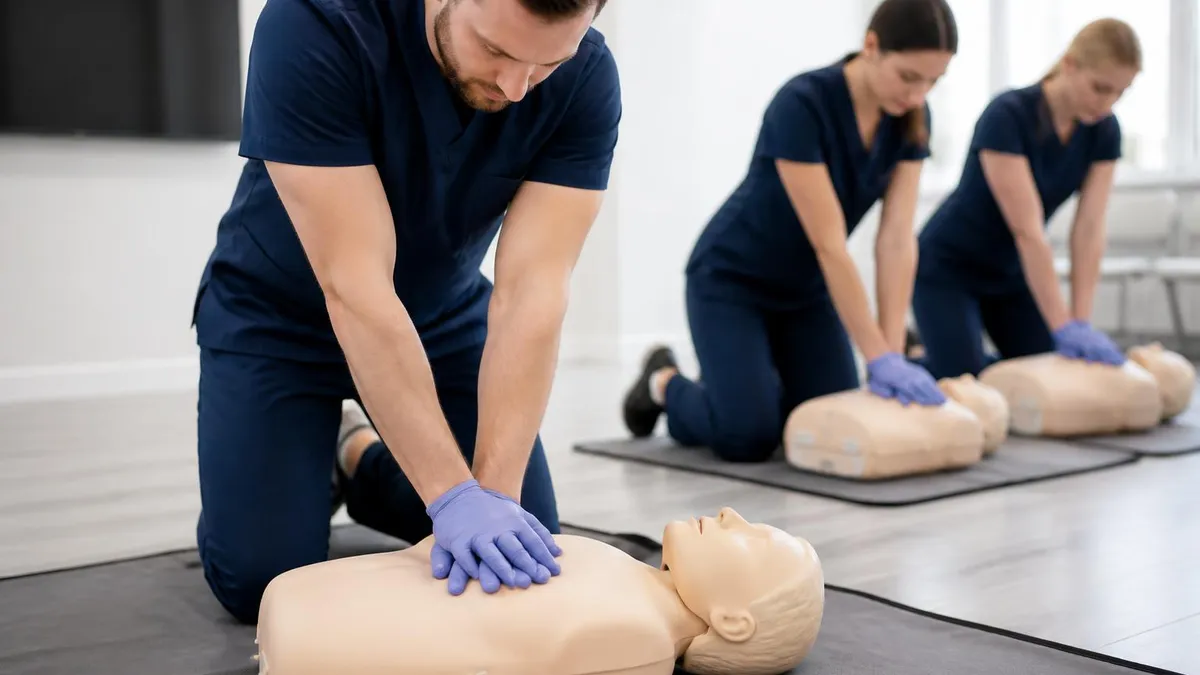
Online vs. In-Person CPR Certification Classes: Pros and Cons
- +Complete cognitive content at your own pace without scheduling constraints
- +Significantly lower cost for online or blended programs compared to fully in-person classes
- +Ideal for renewal candidates who are confident in their hands-on skills
- +Access to high-quality video instruction from the American Heart Association or National CPR Foundation
- +Blended formats still include a hands-on skills session to validate real-world technique
- +Certificates delivered instantly after passing the online written examination
- −Purely online certifications are not accepted by all hospitals and clinical employers
- −No immediate instructor feedback on compression depth, rate, or hand placement during online-only study
- −Difficult to replicate the team dynamics practice that ACLS algorithm training requires
- −Higher risk of skill decay without periodic in-person mannequin practice
- −Technical issues can delay certificate issuance compared to on-site card distribution
- −Learners may underestimate physical demands of CPR without ever practicing on a mannequin
CPR Certification Class Preparation Checklist
- ✓Confirm your employer or school accepts the specific certification provider (AHA, Red Cross, or National CPR Foundation).
- ✓Choose the correct certification level — BLS for healthcare providers, Heartsaver for community responders, ACLS or PALS for advanced clinicians.
- ✓Register at least two weeks in advance to secure your preferred date, time, and location.
- ✓Complete any required pre-course reading or online modules before your in-person skills session.
- ✓Wear comfortable, loose-fitting clothing that allows you to kneel and lean forward comfortably during mannequin practice.
- ✓Bring a valid government-issued photo ID to verify your identity for certificate issuance.
- ✓Review current AHA compression depth (2–2.4 inches for adults) and rate (100–120 per minute) guidelines before class.
- ✓Practice locating the correct hand position on your own sternum so you can find it quickly on a mannequin.
- ✓Bring a pen and notepad for ACLS or PALS classes where algorithm steps and drug dosages require note-taking.
- ✓Plan to arrive 10–15 minutes early so you can set up your mannequin station and review any pre-class instructions from the instructor.
Depth of 2–2.4 Inches Drives Blood Flow — Not Just Rate
Research consistently shows that inadequate compression depth is the most common error in both bystander and provider CPR. Achieving a full 2 to 2.4 inch depth on an adult sternum generates enough intrathoracic pressure to push oxygenated blood to the brain and heart. Allowing full chest recoil between compressions is equally important — leaning on the chest prevents the heart from refilling. Quality beats quantity: 80 effective compressions per minute outperform 120 shallow ones.
The cost of CPR certification classes varies widely depending on the level of training, the delivery format, and the provider organization. A basic Heartsaver CPR/AED class through the American Red Cross typically runs between $30 and $70 for community members. BLS provider courses range from $50 to $120 when taken through an AHA-authorized training center. ACLS certification, which requires a full day of instruction and simulation, generally costs $150 to $300, while PALS certification is priced similarly. Hospital employees often receive subsidized or fully employer-funded training as part of their onboarding and annual competency requirements.
The National CPR Foundation offers some of the most competitively priced online and blended certifications in the US market. A combined CPR, AED, and first aid certification through their platform can cost as little as $20 to $40, with instant digital card delivery upon passing the online exam. For healthcare settings that accept National CPR Foundation credentials, this represents significant savings over equivalent AHA courses. However, candidates should always verify acceptance with their HR department or clinical supervisor before purchasing any certification to avoid paying for a credential that will not satisfy their institutional requirement.
Geographic location influences both availability and cost. Urban centers like New York, Chicago, Los Angeles, and Boston typically have dozens of AHA-authorized training centers competing for enrollees, which holds prices down and expands scheduling options. Rural areas may have fewer options, making blended online-plus-skills-check formats especially valuable for providers who cannot easily travel to a training center. Some state health departments and local chapters of the Red Cross conduct free community CPR classes in response to local cardiac arrest statistics or grant funding, so checking municipal websites before paying for a private class is always worthwhile.
ACLS algorithm courses typically run six to eight hours for initial certification and four to six hours for renewal. The renewal pathway assumes that the provider already understands the foundational science and focuses on updates to guidelines, pharmacology refreshers, and scenario practice. Many hospital credentialing offices allow providers to take an accelerated renewal course if they can demonstrate continuous clinical practice in a relevant role. Documenting your resuscitation participation in a clinical log before your renewal date can sometimes qualify you for an expedited track and reduce both time and cost.
Life support training through employer-sponsored programs often includes equipment that community courses cannot match. Hospital simulation centers use high-fidelity mannequins that breathe, generate pulse readings on monitors, and respond physiologically to correct interventions — contracting pupils when oxygenation improves, for example. These simulation environments produce measurably better skill retention at 90-day follow-up assessments compared to standard mannequin training. If you have access to a hospital simulation center through your institution, prioritizing that training environment over a basic community course will yield significant dividends in real-world performance.
Continuing education credits are often bundled with CPR and life support certification courses. Nurses and other licensed healthcare professionals can typically claim 3 to 8 continuing nursing education (CNE) or AMA PRA Category 1 credits depending on the course length and provider accreditation. This dual value — mandatory certification plus professional development credit — makes scheduling CPR renewal an efficient use of limited CE hours for busy clinicians. Ask your training center whether their program is accredited for CE credit before enrollment so you can request the appropriate documentation at course completion.
The intersection of technology and CPR training is expanding rapidly. Smartphone applications now allow providers to review the ACLS algorithm, practice rhythm recognition, and complete module-based learning between formal recertification cycles. Video-based feedback devices like the Zoll CPRmeter and Laerdal QCPR sensor attach to mannequins during practice and provide real-time metrics on compression rate, depth, and recoil — the same technology used in competitive CPR challenge events. Incorporating these tools into your independent study routine, even for fifteen minutes per week, measurably improves skills retention over the two-year certification cycle.
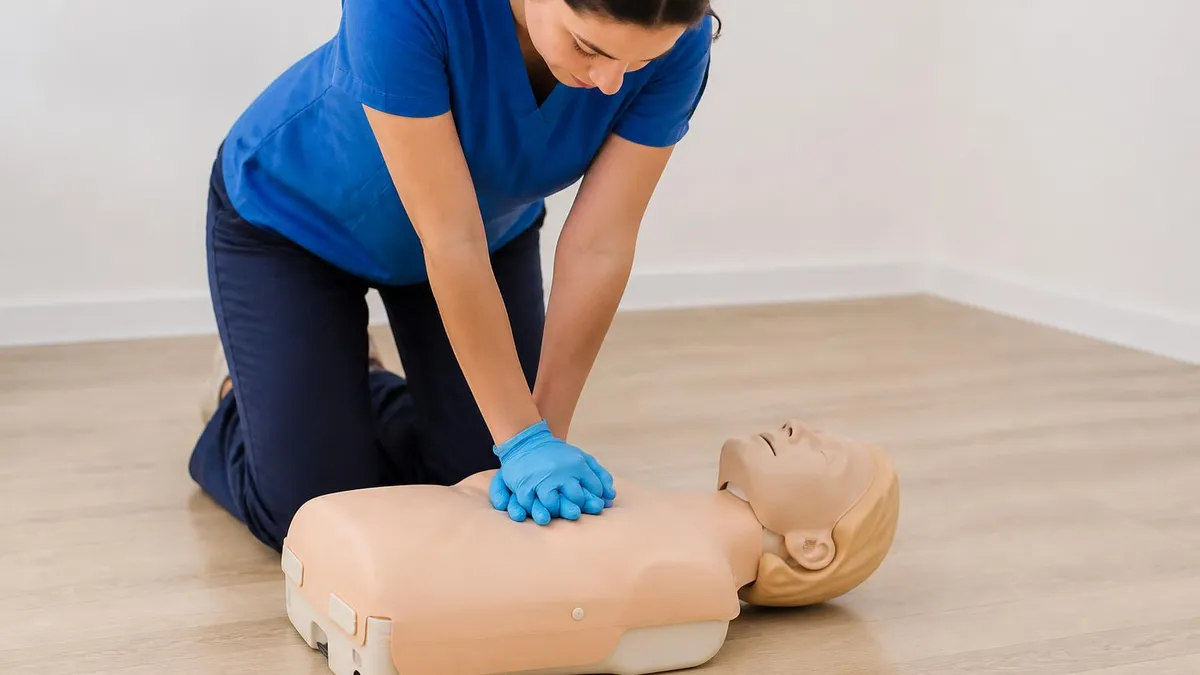
Many healthcare institutions conduct mandatory credential audits at the start of each clinical rotation, contract renewal, or annual performance review. An expired BLS, ACLS, or PALS card — even by a single day — can result in removal from the schedule until the credential is renewed, causing lost income and potential disciplinary action. Set a calendar reminder 90 days before your certification expiration date to begin scheduling your renewal class, as popular courses fill weeks in advance.
Renewal timelines and recertification requirements are among the most frequently misunderstood aspects of CPR and life support training. Most AHA and Red Cross certifications are valid for exactly two years from the date of issuance, not the date of the class. This distinction matters because cards are sometimes issued days or weeks after a class concludes when the training center processes paperwork. Always check the expiration date printed on the physical or digital card rather than assuming it renews on your class anniversary.
For providers pursuing ACLS algorithm renewal, the AHA offers a HeartCode ACLS product that allows the cognitive portion to be completed entirely online at any time before the skills check. The skills check itself must be conducted in person with an AHA-certified instructor who will observe and evaluate your performance in at least two simulated cardiac arrest scenarios. This blended model is extremely popular among nurses, anesthesiologists, and emergency physicians who find it difficult to clear a full day for recertification but can complete online modules during overnight shifts or commute time.
PALS certification renewal follows a similar blended model. The online cognitive portion covers updates to pediatric resuscitation science, weight-based pharmacology, and the systematic approach to the sick child. The in-person skills session focuses on two-rescuer infant CPR, pediatric respiratory distress scenarios, and team leader role-play in a simulated pediatric resuscitation. Many children's hospitals conduct on-site PALS renewal courses for staff, often scheduling sessions immediately after night shifts end to maximize provider participation without requiring an extra commute.
Infant CPR knowledge decays significantly within six to twelve months without reinforcement. Studies measuring skill retention after standard two-year certification cycles show that compression depth accuracy drops by up to 40% at 12 months without any intervening practice. For parents of infants and young children, many pediatricians recommend taking a brief refresher course or using a smartphone-connected mannequin at home every six months — not because certification requires it, but because the physiological and emotional stress of performing CPR on your own child demands automated, muscle-memory-level competency that only regular practice can sustain.
The recovery position is revisited during most renewal courses because providers frequently forget the precise sequence of steps in the absence of clinical practice. Scenario-based renewal courses present situations where the correct decision is NOT to begin CPR — an unresponsive but breathing patient, for example — to ensure providers do not default to compressions in every unresponsive patient encounter. Proper triage assessment, including confirming normal breathing before initiating any intervention, is a decision-making skill that renewal training reinforces as much as the technical CPR mechanics themselves.
State-specific requirements add another layer of complexity to CPR certification planning. Certain US states mandate specific CPR training for licensed childcare workers, public school teachers, cosmetology students, and fitness trainers as a condition of licensure or annual renewal. California, Texas, New York, and Illinois each have distinct statutory requirements specifying which certification providers are acceptable and how frequently training must be renewed. Before enrolling in any class, candidates working in regulated industries should consult their state licensing board's website to confirm that their chosen course satisfies the legal mandate rather than simply fulfilling their personal knowledge goals.
For those looking to study effectively before their first or renewal class, taking a structured series of practice quizzes that mirror the written knowledge checks used in CPR and life support courses is one of the highest-yield preparation strategies available.
Interleaved practice — mixing questions across topics like infant CPR, AED use, ACLS algorithm steps, and respiratory rate assessment — produces stronger long-term retention than blocked topic-by-topic review. The quiz resources linked throughout this guide are specifically designed to mirror the question formats used on AHA and Red Cross written exams and make an excellent complement to any formal certification preparation plan.
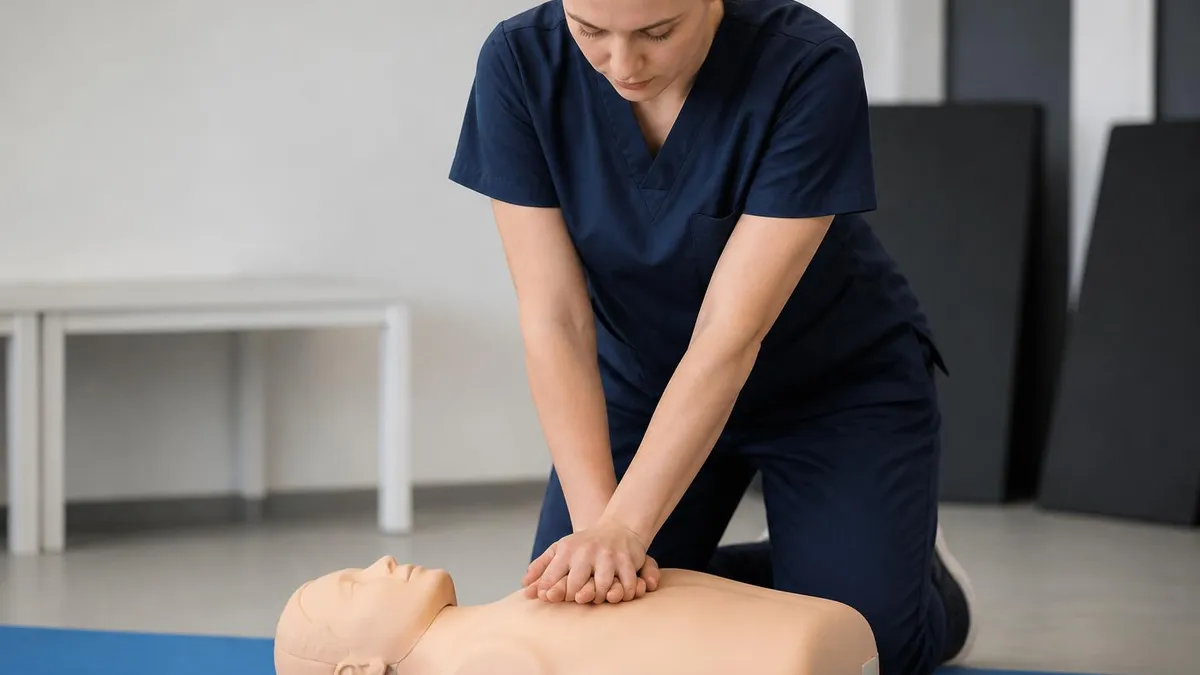
Practical preparation for CPR certification classes extends well beyond memorizing compression rates and depth guidelines. Experienced instructors consistently observe that students who arrive physically prepared — having practiced the kneeling posture and simulated the upper-body effort of chest compressions at home — perform significantly better during the mannequin skills check than those who approach it cold. CPR on an adult mannequin requires sustained physical effort: maintaining 100 compressions per minute at 2-inch depth for two-minute cycles is more tiring than most people anticipate, and fatigue leads to shallow compressions that fail the skills assessment.
Mental rehearsal of the ACLS algorithm is another high-impact preparation technique for providers pursuing advanced certification. Writing out the shockable and non-shockable algorithm pathways from memory, including drug names, doses, and timing, and then verifying your recall against the published AHA reference card reveals knowledge gaps far more efficiently than passive re-reading. Spaced repetition — reviewing your algorithm notes on days one, three, seven, and fourteen before your class — leverages the neuroscience of memory consolidation to make recall automatic under the cognitive load of a high-fidelity simulation scenario.
Team communication skills receive dedicated instruction in ACLS and PALS courses because poor communication is consistently identified as a contributing factor in avoidable resuscitation failures. Closed-loop communication — where the team leader issues a directive, the designated responder acknowledges it verbally, performs the task, and confirms completion — ensures that interventions are not missed or duplicated in the chaos of a real cardiac arrest. Students who practice closed-loop communication in low-stakes study groups before their simulation sessions consistently receive better team dynamics evaluations from ACLS instructors.
Knowing your personal physical limitations before class day is important, particularly for providers with back injuries, wrist problems, or other musculoskeletal conditions that may be aggravated by sustained chest compression practice. Instructors at accredited training centers are required to offer reasonable accommodations, including modified assessment approaches for providers with documented physical disabilities. Contact your training center in advance if you have any concerns so that accommodation arrangements can be made without disrupting the class flow for other students.
Post-class practice opportunities are available at many AHA training centers and hospital simulation labs even after certification is issued. Some centers offer open simulation lab hours where certified providers can practice scenarios independently or in pairs at no additional charge. Taking advantage of these sessions in the months following initial certification is one of the most effective ways to build the kind of deep, automatic competency that holds up when a real cardiac arrest occurs unexpectedly in a clinical or community setting.
The psychological dimension of performing CPR — particularly on a patient you know, or in a high-visibility public setting — is underaddressed in most certification courses. Research on bystander CPR rates shows that confidence in one's own ability, not knowledge of technique, is the strongest predictor of whether a trained bystander will actually initiate CPR on a stranger in cardiac arrest. Building confidence through repeated practice, peer support, and de-briefing after real or simulated events is an investment in your effectiveness as a rescuer that technical training alone cannot fully supply.
Ultimately, the most important outcome of any CPR certification class is not the card you receive at the end — it is the calibrated willingness to act without hesitation when a life depends on your response. Every compression, every rescue breath, every AED deployment, and every properly executed recovery position represents a decision made under stress by someone who chose to prepare. The investment you make in quality training today is the most meaningful insurance policy you can carry for everyone around you.
CPR Questions and Answers
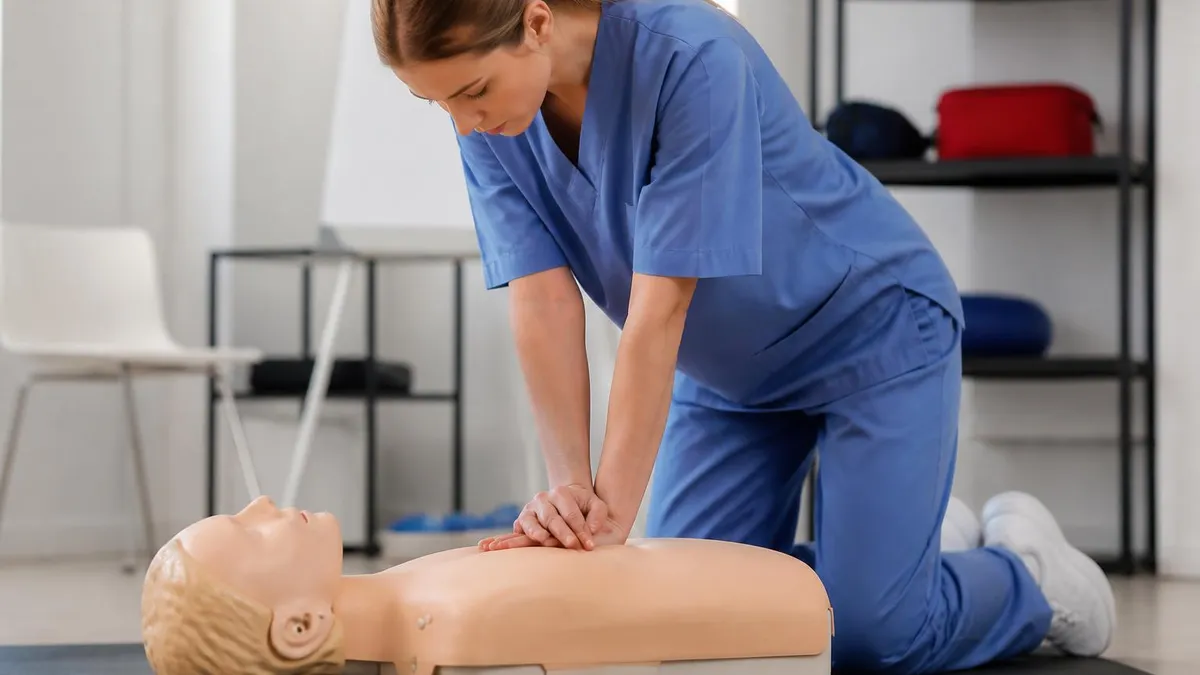
Types of CPR Training: From Basic Life Support to ACLS Algorithm Mastery in 2026
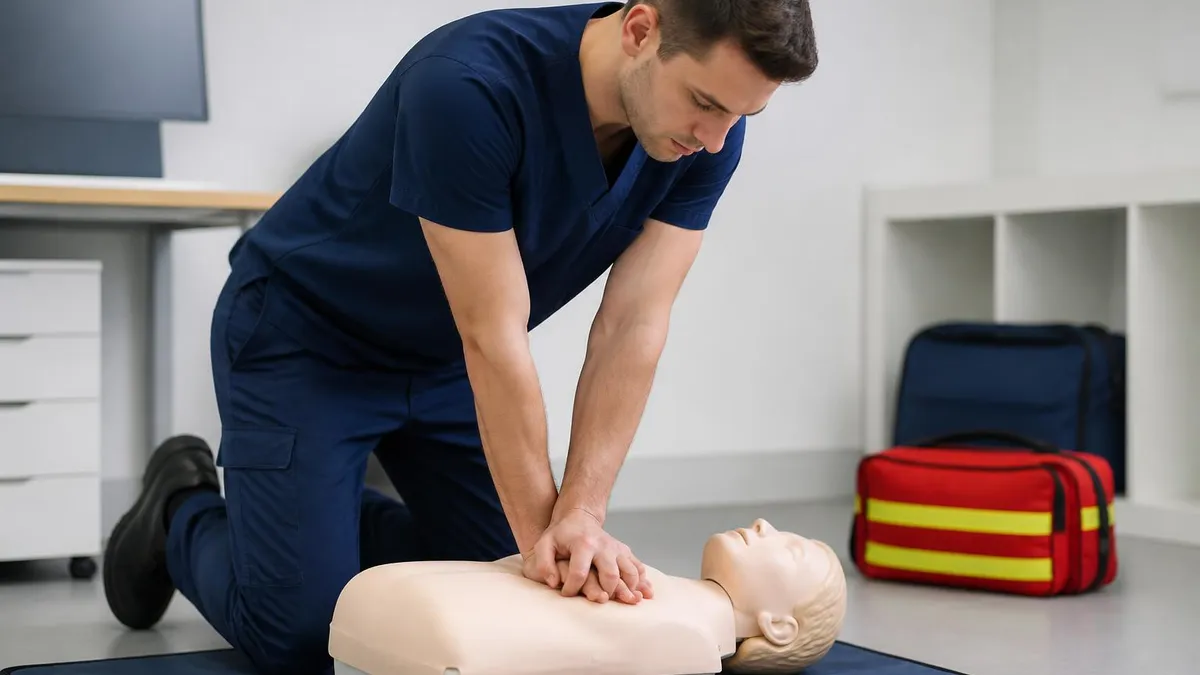
Adult CPR: Complete Step-by-Step Guide to Hands-Only and Standard CPR in 2026
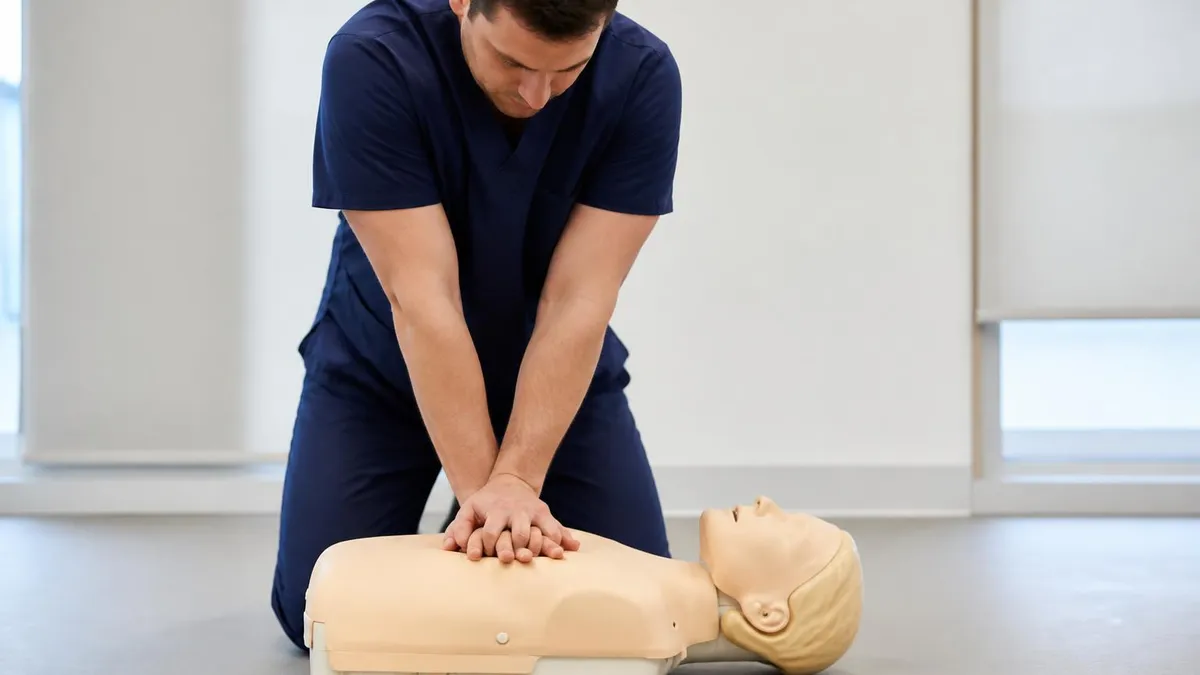
BLS vs CPR: Is BLS the Same as CPR? Complete 2026 Guide
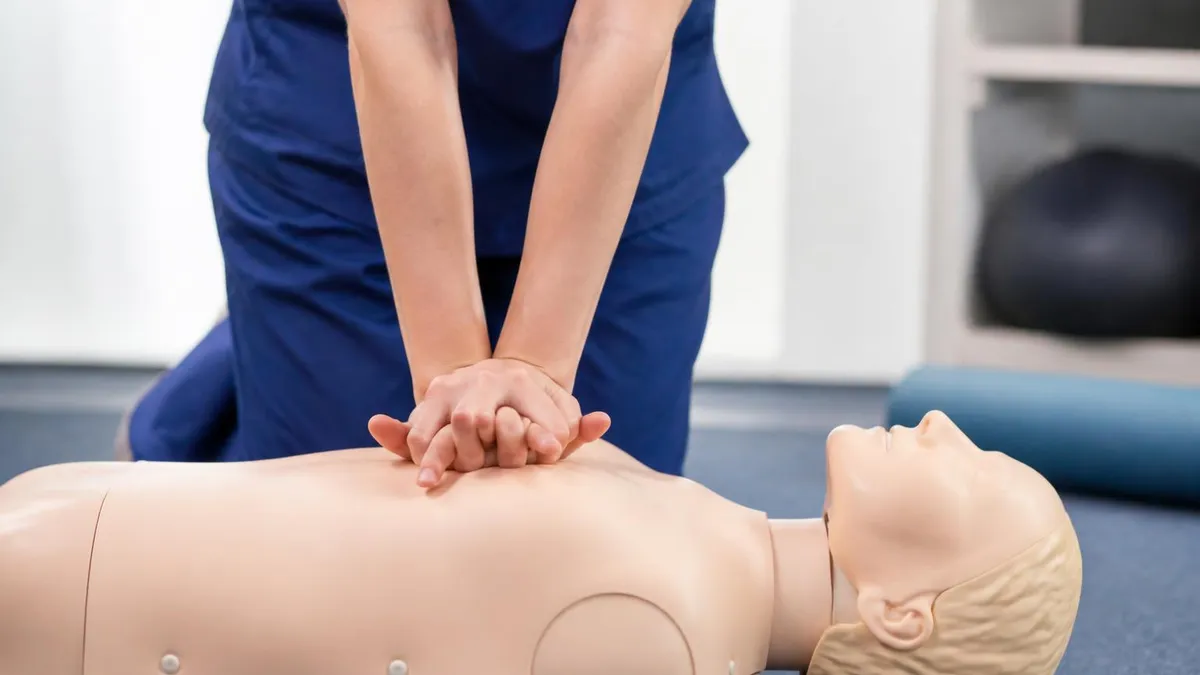
Neonatal CPR: Complete Guide to Resuscitating Newborns in 2026
CPR Certification Boston: Complete Guide to Classes, Costs, and Requirements in 2026
Join the Discussion
Connect with other students preparing for this exam. Share tips, ask questions, and get advice from people who have been there.
View discussion (5 replies)