
Cat CPR: Complete Guide to ACLS Algorithm, Infant CPR, and Life Support for Feline Emergencies
🧠 Learn cat CPR step-by-step, infant CPR basics, ACLS algorithm, PALS certification, and life support skills. Free practice questions included.
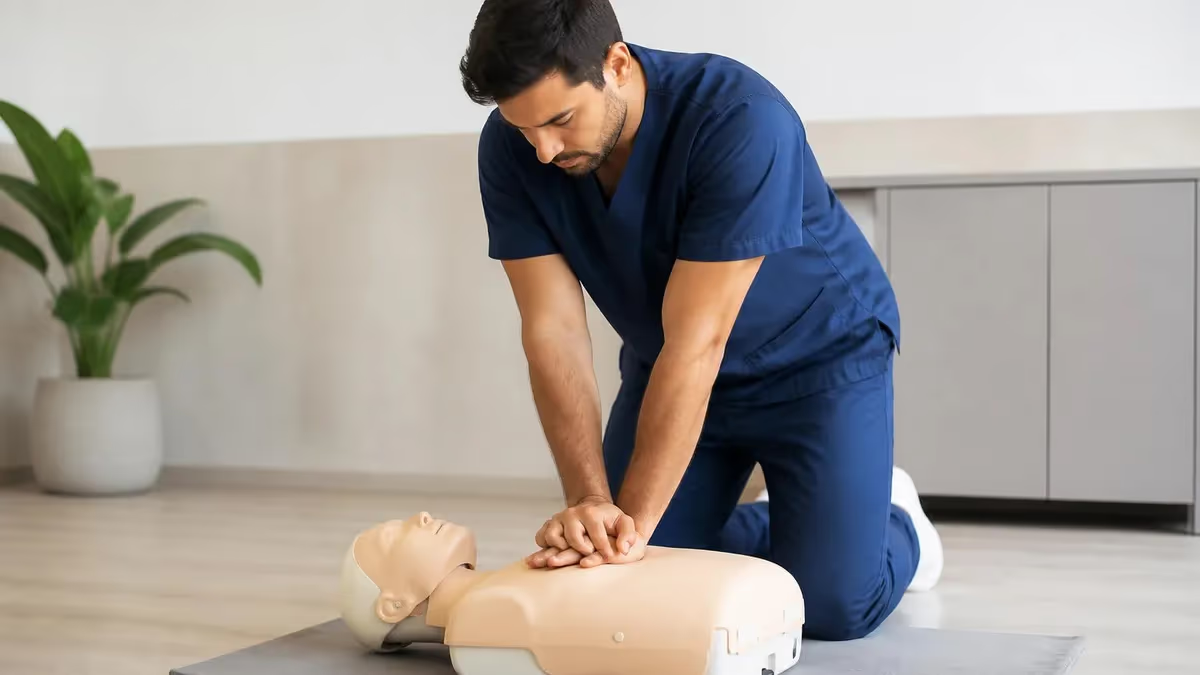
The ACLS algorithm forms the backbone of advanced cardiovascular emergency response, but knowing how to perform cat cpr and basic life support can mean the difference between life and death for your feline companion. When a cat stops breathing or its heart ceases to beat, every second counts.
Understanding the correct compression rate, rescue breathing technique, and when to activate emergency veterinary services gives pet owners and veterinary professionals the tools they need to act decisively in a crisis. Whether you are a trained healthcare provider brushing up on cross-species resuscitation or a devoted cat owner learning first response, this guide covers everything from the foundational ACLS algorithm to hands-on feline CPR technique.
Cardiac emergencies in cats occur more frequently than many pet owners realize. Feline hypertrophic cardiomyopathy — the most common heart disease in cats — affects an estimated 15 percent of domestic cats in the United States, creating a significant population at risk for sudden cardiac arrest. Trauma, anesthesia complications, respiratory obstruction, and severe systemic illness can also trigger cardiopulmonary arrest. Recognizing the early warning signs, including labored breathing, collapse, blue-tinged gums, or complete unresponsiveness, allows a responder to initiate resuscitation before irreversible brain damage occurs, typically within four to six minutes of oxygen deprivation.
Many of the principles governing human CPR translate directly to feline resuscitation. The universal CAB sequence — Circulation, Airway, Breathing — applies whether you are responding to a collapsed adult, performing infant CPR on a newborn, or attempting to revive an unconscious cat. Checking for responsiveness, calling for help, establishing an open airway, assessing the respiratory rate, and delivering rescue compressions follow the same logical chain regardless of species. That said, critical differences in anatomy, compression depth, breathing volume, and chest geometry mean that technique adaptations are essential to avoid causing further injury.
The national CPR foundation and organizations such as the American Red Cross do not certify pet CPR as a standalone credential, but many veterinary first aid programs incorporate feline resuscitation modules alongside human CPR training. Providers who hold PALS certification — Pediatric Advanced Life Support — are already accustomed to scaling resuscitation parameters by body size and weight, making the conceptual leap to feline patients more intuitive. Understanding pediatric dosing, airway sizing, and compression force proportionally prepares healthcare workers to adapt these skills in veterinary emergencies as well.
While this article focuses entirely on lifesaving feline and human CPR, that disambiguation highlights how critical clear terminology is in emergency medicine. When you call for help or relay information to a dispatcher, using precise language — stating "my cat is not breathing and has no pulse" rather than vague descriptions — accelerates the correct response and prevents costly misunderstandings.
This guide is organized to serve readers at multiple levels of experience. Absolute beginners will find clear, step-by-step instructions with visual cues described in text. Veterinary technicians and human healthcare providers will benefit from the sections comparing ACLS algorithm steps to feline protocols and reviewing how life support principles scale across species. Pet owners who want to be prepared before an emergency will find the preparation checklist and FAQ sections especially useful. Throughout, we reference the most current guidelines from the American Heart Association, the Reassessment Campaign on Veterinary Resuscitation, and leading veterinary emergency medicine texts.
Finally, do not underestimate the value of practice. Just as human CPR skills degrade significantly within months without reinforcement, pet CPR technique benefits enormously from hands-on rehearsal. Many veterinary clinics and humane societies now offer pet first aid classes that include mannequin-based practice, allowing owners to feel the correct compression depth and breathing resistance before a real emergency demands it. Reading this article is a strong first step; scheduling a live or online practice session is the second. The sections that follow will equip you with the knowledge foundation to make that practice as effective as possible.
Cat CPR & Cardiac Emergency by the Numbers
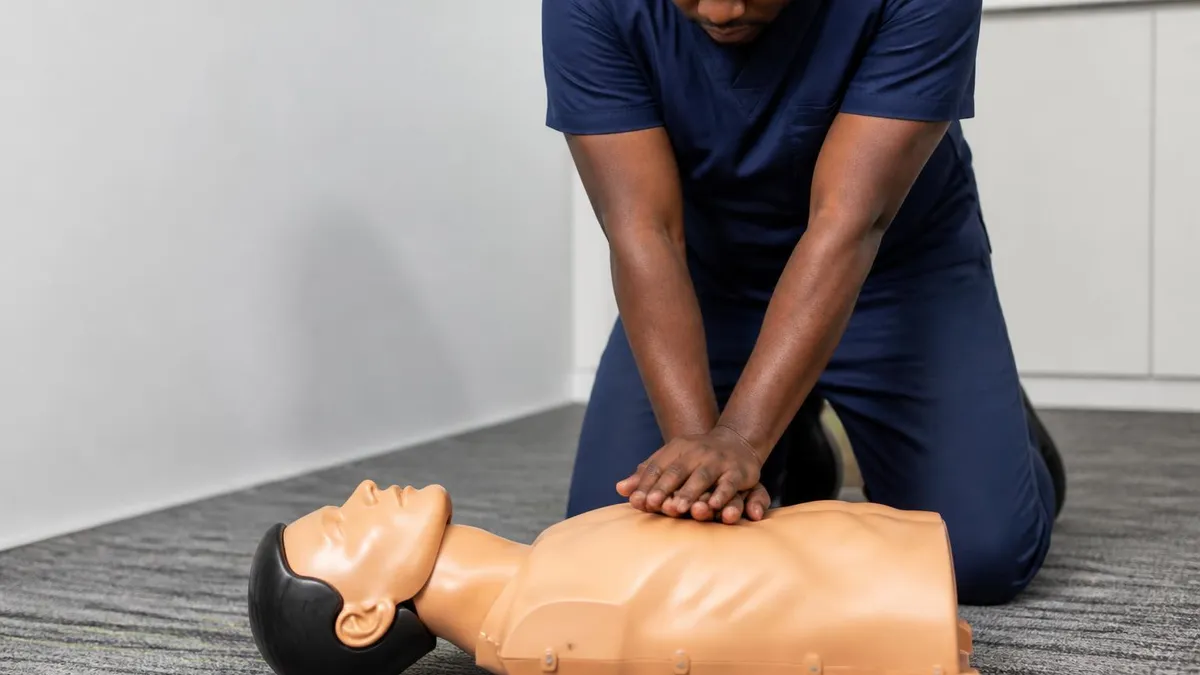
Step-by-Step Cat CPR Technique
Assess Responsiveness & Scene Safety
Call for Help & Activate Emergency Care
Open the Airway
Deliver Rescue Breaths
Perform Chest Compressions
Transport & Continue Until Relieved
Understanding the ACLS algorithm helps contextualize why feline CPR follows the sequence it does. Advanced Cardiovascular Life Support, developed and maintained by the American Heart Association, provides a systematic framework for recognizing and treating cardiopulmonary arrest in humans. The algorithm begins with immediate recognition of cardiac arrest, rapid activation of the emergency response system, and high-quality CPR before transitioning to advanced interventions like defibrillation, vascular access, and pharmacological therapy. Although veterinary medicine has its own equivalent — the RECOVER (Reassessment Campaign on Veterinary Resuscitation) guidelines — the underlying logic mirrors the ACLS approach closely.
The concept of the position recovery also transfers between human and feline emergency care. When a cat is breathing on its own but remains unconscious, placing it in a modified lateral recumbent position — comparable to the human recovery position — prevents aspiration of vomit or secretions and keeps the airway patent.
The cat should rest on its right side with the neck gently extended, the upper foreleg pulled forward to stabilize the torso, and the body on a flat surface. Monitor breathing continuously, as an unconscious animal can deteriorate into full arrest without warning, requiring immediate transition to active CPR.
Knowing what does AED stand for is important even in a feline context: Automated External Defibrillator. While consumer AEDs are not approved or calibrated for use in cats and should never be applied to a feline patient, veterinary facilities maintain defibrillator equipment scaled for animal use. The key difference is the energy delivery — human AEDs deliver 120 to 200 joules, whereas veterinary defibrillation in cats typically uses 2 to 4 joules per kilogram of body weight using internal or external paddles. Understanding why defibrillation is energy-dependent reinforces the importance of professional veterinary intervention as quickly as possible.
Life support in the veterinary context encompasses both basic life support (BLS) — the compressions and rescue breathing a layperson performs — and advanced life support (ALS), which includes vascular access, endotracheal intubation, capnography monitoring, and drug therapy with agents like epinephrine. The RECOVER guidelines recommend 0.01 mg/kg of epinephrine administered intravenously or intraosseously every three to five minutes during resuscitation of cats. Vasopressin has also been studied as an alternative vasopressor. These interventions are exclusively within the scope of licensed veterinary professionals, but understanding that they exist helps pet owners appreciate why reaching a clinic quickly is critical.
The respiratory rate is one of the most diagnostically important vital signs in feline emergency medicine and is directly relevant to CPR decision-making. A normal resting respiratory rate for a healthy adult cat is 20 to 30 breaths per minute. A rate below 8 or above 60 suggests a serious underlying problem requiring immediate intervention.
During CPR, rescue breaths are delivered at a rate of 8 to 10 per minute in a two-rescuer scenario where continuous compressions are maintained. In the single-rescuer 30:2 protocol, breaths are delivered in paired bursts with brief pauses in compressions to minimize hands-off time, which research consistently shows is the most critical determinant of CPR quality.
Capnography — measurement of exhaled carbon dioxide — is used in veterinary hospitals to confirm correct endotracheal tube placement and to assess the effectiveness of chest compressions in real time. A rising end-tidal CO₂ reading during CPR indicates improving cardiac output and pulmonary perfusion, serving as a proxy for resuscitation quality.
When end-tidal CO₂ exceeds 20 mmHg during CPR, the prognosis improves meaningfully. Conversely, persistently low values after 20 minutes of resuscitation suggest a poor likelihood of return of spontaneous circulation. These monitoring capabilities are unavailable to the layperson performing at-home CPR, making transport to professional care the overriding priority throughout the resuscitation effort.
For pet owners who want more than surface-level knowledge, enrolling in a structured training program is strongly recommended. Many programs that teach human CPR — including courses aligned with the national CPR foundation and American Heart Association curricula — now offer companion animal modules as add-ons. These courses use species-specific mannequins, cover common feline emergency presentations, and often include instruction on recognizing the signs of respiratory distress before full cardiopulmonary arrest occurs. The knowledge gained is immediately actionable and can be refreshed annually to maintain skill proficiency without significant time or financial investment.
CPR Practice Test Questions
Prepare for the CPR Cardiopulmonary Resuscitation Practice exam with our free practice test modules. Each quiz covers key topics to help you pass on your first try.
CPR Basic CPR
CPR Exam Questions covering Basic CPR. Master CPR Test concepts for certification prep.
CPR and First Aid
Free CPR Practice Test featuring and First Aid. Improve your CPR Exam score with mock test prep.
CPR (Cardiopulmonary Resuscitation) Adult ...
CPR Mock Exam on (Cardiopulmonary Resuscitation) Adult CPR and AED Usage. CPR Study Guide questions to pass on your first try.
CPR (Cardiopulmonary Resuscitation) Airway...
CPR Test Prep for (Cardiopulmonary Resuscitation) Airway Obstruction and Choking. Practice CPR Quiz questions and boost your score.
CPR (Cardiopulmonary Resuscitation) Cardio...
CPR Questions and Answers on (Cardiopulmonary Resuscitation) Cardiopulmonary Emergency Recognition. Free CPR practice for exam readiness.
CPR (Cardiopulmonary Resuscitation) Child ...
CPR Mock Test covering (Cardiopulmonary Resuscitation) Child and Infant CPR. Online CPR Test practice with instant feedback.
CPR (Cardiopulmonary Resuscitation) High-P...
Free CPR Quiz on (Cardiopulmonary Resuscitation) High-Performance Team Dynamics. CPR Exam prep questions with detailed explanations.
CPR (Cardiopulmonary Resuscitation) Legal ...
CPR Practice Questions for (Cardiopulmonary Resuscitation) Legal and Ethical Considerations. Build confidence for your CPR certification exam.
CPR for Specific Populations
CPR Test Online for for Specific Populations. Free practice with instant results and feedback.
CPR Airway & Breathing Management
CPR Exam Questions covering Airway & Breathing Management. Master CPR Test concepts for certification prep.
CPR Assessment & Recognition of Cardiac Ar...
Free CPR Practice Test featuring Assessment & Recognition of Cardiac Arrest. Improve your CPR Exam score with mock test prep.
CPR Chest Compressions & Defibrillation
CPR Mock Exam on Chest Compressions & Defibrillation. CPR Study Guide questions to pass on your first try.
CPR Post-Resuscitation Care & Recovery
CPR Test Prep for Post-Resuscitation Care & Recovery. Practice CPR Quiz questions and boost your score.
Infant CPR vs. Cat CPR vs. Adult CPR: Key Differences
Infant CPR is designed for children under one year of age and requires the gentlest technique of all three protocols. Rescuers use two fingers placed on the center of the chest just below the nipple line, compressing to a depth of approximately 1.5 inches at a rate of 100 to 120 compressions per minute. Rescue breaths cover both the nose and mouth simultaneously, with tiny puffs of air — just enough to see the chest rise — delivered carefully to avoid over-inflation of immature lungs.
The 30:2 compression-to-breath ratio applies for a single rescuer, while two trained rescuers should use a 15:2 ratio per the American Heart Association's PALS guidelines. The two-thumb encircling technique — where both thumbs are placed on the sternum and fingers wrap around the torso — is preferred for two-rescuer infant CPR because it delivers more consistent depth and reduces rescuer fatigue. Recognizing the similarities between infant CPR and feline CPR helps providers understand that body size directly governs technique selection in all resuscitation scenarios.

Pros and Cons of Performing Cat CPR as a Pet Owner
- +Provides the only available bridge to professional care when seconds count
- +Maintains coronary and cerebral perfusion during transport to a veterinary clinic
- +Widely teachable — basic technique can be learned in under 30 minutes of practice
- +Builds general emergency preparedness that also benefits human family members
- +Demonstrates early intervention shown to improve return of spontaneous circulation rates
- +Enables pet owners to act rather than freeze during a traumatic emergency
- −Incorrect technique can cause rib fractures or internal injury in small cats
- −Excessive rescue breath volume risks pulmonary barotrauma and gastric distension
- −Without monitoring equipment, it is impossible to assess CPR quality objectively
- −High emotional stress during the event significantly increases error rates
- −Survival rates remain low even with perfect technique — managing expectations is critical
- −Time spent on prolonged at-home CPR may delay reaching a facility where advanced care is available
Pros and Cons at a Glance
| Pros | Cons |
|---|---|
| Provides the only available bridge to professional care when seconds count | Incorrect technique can cause rib fractures or internal injury in small cats |
| Maintains coronary and cerebral perfusion during transport to a veterinary clinic | Excessive rescue breath volume risks pulmonary barotrauma and gastric distension |
| Builds general emergency preparedness that also benefits human family members | Without monitoring equipment, it is impossible to assess CPR quality objectively |
| Demonstrates early intervention shown to improve return of spontaneous circulation rates | High emotional stress during the event significantly increases error rates |
| Enables pet owners to act rather than freeze during a traumatic emergency | Survival rates remain low even with perfect technique — managing expectations is critical |
Cat CPR Preparation Checklist for Pet Owners
- ✓Keep your veterinary clinic's emergency number saved in your phone contacts right now.
- ✓Locate the nearest 24-hour emergency veterinary hospital and map the fastest route.
- ✓Know your cat's approximate weight to relay dosing information to the veterinary team.
- ✓Practice the two-handed encircling compression technique on a stuffed animal or rolled towel.
- ✓Review your cat's medical history for known heart disease or respiratory conditions.
- ✓Learn to check your cat's pulse at the femoral artery on the inner thigh.
- ✓Assemble a pet first aid kit including gauze, an emergency blanket, and a muzzle.
- ✓Complete at least one hands-on pet first aid or cat CPR course annually.
- ✓Brief other household members on the basic rescue sequence so anyone can respond.
- ✓Identify signs of respiratory distress — open-mouth breathing, blue gums, labored chest movement — before arrest occurs.
The Two-Minute Rule: Compressions Always Come First
Research consistently shows that minimizing interruptions to chest compressions is the single greatest predictor of successful CPR outcome in both humans and cats. If you must choose between a perfect rescue breath and an uninterrupted compression sequence, prioritize compressions every time. Even 10 seconds of hands-off time allows coronary perfusion pressure — built up slowly over multiple compressions — to drop precipitously, undoing the work of the previous 20 seconds. Keep your hands on the chest and your eyes on the clock.
PALS certification — Pediatric Advanced Life Support — is one of the most relevant human credentials for anyone seeking to extend their resuscitation skills to feline patients. PALS teaches providers to systematically assess and treat infants and children experiencing respiratory failure, shock, and cardiopulmonary arrest using an age-and-weight-based framework. Because the underlying physiology of small body resuscitation — reduced tidal volume, higher baseline heart rates, different drug dosing, and the central role of respiratory compromise as the primary arrest trigger — maps directly onto feline emergency medicine, PALS-certified providers have a meaningful head start when learning cat CPR technique.
The national CPR foundation offers blended learning CPR certification courses that combine online didactic content with brief hands-on skills assessments. While these courses focus on human patients, they establish the theoretical scaffolding that veterinary first aid programs build upon. A pet owner who completes a national CPR foundation course and then adds a veterinary first aid module has acquired a remarkably comprehensive emergency preparedness profile. The investment is modest — typically two to four hours and under $100 — and the practical value in a real emergency is immeasurable.
Veterinary technicians who already hold PALS certification or ACLS algorithm training often find that their transition to veterinary emergency roles is smoother than colleagues without that background. The cognitive frameworks — recognizing shockable versus non-shockable rhythms, understanding the pharmacological logic of epinephrine versus atropine, and executing the post-resuscitation stabilization protocol — translate with relatively minor species-specific modifications. Some veterinary schools now formally recognize ACLS and PALS certification as complementary training and encourage incoming students to obtain these credentials before starting clinical rotations.
Post-resuscitation care is a critical phase that extends well beyond the successful return of spontaneous circulation. Cats that survive CPR face a high risk of post-arrest syndrome — a complex multi-organ dysfunction driven by ischemia-reperfusion injury, systemic inflammation, and persistent hemodynamic instability. Veterinary teams manage this phase with targeted temperature management (avoiding active rewarming in the first 12 hours), supplemental oxygen, blood pressure support, and continuous cardiac monitoring. Pet owners who reach a veterinary hospital quickly give their cat the best possible chance of surviving this dangerous secondary phase.
The survival statistics for feline CPR are sobering but not hopeless. Data from RECOVER and multiple veterinary emergency studies suggest that approximately 20 to 35 percent of cats achieve return of spontaneous circulation when CPR is performed in a hospital setting with trained staff and full equipment.
Of those, roughly 6 to 8 percent survive to discharge — a figure that reflects the severity of the underlying conditions driving most arrests rather than a failure of resuscitation technique itself. Out-of-hospital survival rates are substantially lower, underscoring the urgency of rapid transport. Every minute of high-quality CPR buys time that professional care can ultimately redeem.
Ongoing research is expanding our understanding of which cats are most likely to benefit from resuscitation. Cats that arrest due to anesthesia complications, respiratory obstruction, or acute traumatic events have significantly better outcomes than those in multi-organ failure or end-stage cardiac disease. This prognostic context is important for pet owners making real-time decisions under stress.
A cat that collapses suddenly after choking on a piece of string has a genuinely meaningful chance of survival with immediate CPR and rapid veterinary intervention. A geriatric cat with known terminal disease presents a different ethical and medical calculus that owners may wish to discuss with their veterinarian in advance, during routine wellness visits, before a crisis occurs.
Several veterinary organizations have developed targeted training programs specifically for companion animal resuscitation. The Veterinary Emergency and Critical Care Society (VECCS) and the International Veterinary Emergency and Critical Care Society (IVECCS) both support professional development in this area. For pet owners rather than professionals, organizations like the American Red Cross partner with veterinary institutions to offer Pet First Aid and Pet CPR courses in community settings.
Checking your local humane society or veterinary school's continuing education calendar is often the fastest way to find a hands-on class near you. Online practice with video demonstrations is valuable, but nothing replaces the tactile feedback of compression practice on a purpose-built cat mannequin.
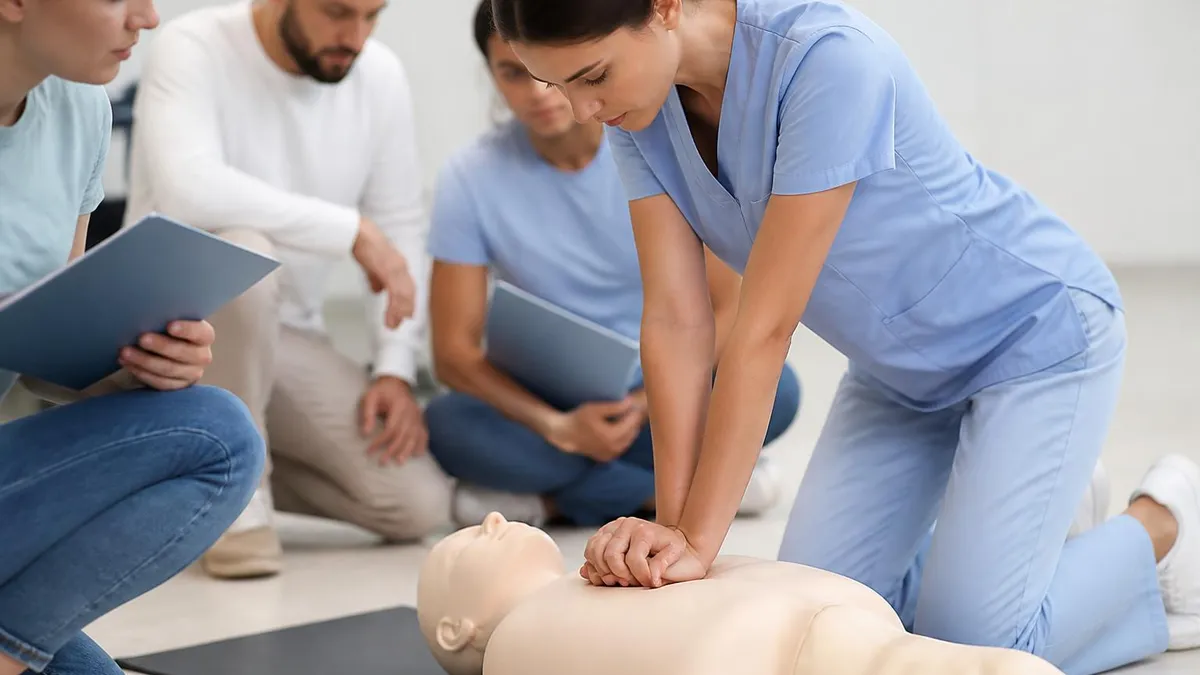
At-home CPR without access to defibrillation equipment, epinephrine, oxygen supplementation, or advanced airway management has severe limitations. If a second person is present, one should perform CPR while the other drives immediately to an emergency veterinary clinic. Performing 20 or more minutes of solo CPR before transport dramatically reduces the likelihood of a meaningful outcome. The goal of at-home CPR is to maintain perfusion during the minutes it takes to reach professional care — not to replace that care.
Common mistakes during cat CPR often stem from applying adult human technique without modification. The most prevalent error is using too much force during compressions, particularly in small or juvenile cats whose ribs are more fragile. While rib fractures are considered an acceptable consequence of effective human CPR — especially in elderly patients — unnecessary fractures in cats can cause pneumothorax or hemothorax that immediately worsens the situation. Practice with appropriate force on a mannequin before a real emergency so that your muscle memory is calibrated correctly from the outset.
Excessive rescue breath volume is the second most common technical error. Because cats have a total lung capacity of approximately 30 to 40 milliliters per kilogram of body weight — roughly one-tenth that of an average adult human — the temptation to deliver a confident, full breath is both understandable and dangerous.
Over-inflation distends the stomach, improves the diaphragm, impairs cardiac filling, and risks acute lung injury. The correct mental cue is to think of the breath as a "whisper" — barely visible chest rise, just enough to see the ribcage lift slightly and fall. If in doubt, give less rather than more.
Positioning errors also compromise the effectiveness of feline compressions. Cats should always be placed on their right side for CPR, not on their back as is standard for human adults. The feline cardiac silhouette lies more centrally in the chest than in humans, and the lateral approach provides the most direct access to the heart for external compression. Attempting dorsal compressions — pressing down from the sternum with the cat on its back — is significantly less effective and should be avoided except in cats with pectus excavatum or other chest wall deformities that preclude the standard lateral approach.
Failing to check for airway obstruction before beginning rescue breathing is another critical oversight that can render CPR entirely futile. If a foreign object is blocking the trachea, neither rescue breaths nor compressions can circulate oxygenated blood. Perform a visible inspection of the oral cavity and pharynx before your first breath.
If you see an obstruction and can safely reach it with two fingers, remove it. If you cannot see or reach the obstruction, attempt four or five sharp back blows between the shoulder blades before trying to deliver breaths again. This modified Heimlich approach for cats differs meaningfully from the abdominal thrust technique used in conscious choking adults.
Abandoning CPR prematurely is an emotionally driven error that is completely understandable but potentially fatal. Resuscitation research in both humans and animals consistently shows that outcomes vary widely and cannot be reliably predicted within the first five to ten minutes of efforts.
Unless the cat is clearly non-survivable — rigidity, lividity, decomposition, or the presence of an obviously unsurvivable injury — continue CPR until you reach a veterinary facility or until a licensed veterinarian advises you to stop. Fatigue is real, and if a second person is available to take over compressions every two minutes, the quality of CPR will be meaningfully higher than that of a single exhausted rescuer.
Documentation during and after CPR is often overlooked but is genuinely useful for the receiving veterinary team. Note the time the cat was found unresponsive, when CPR was initiated, how many cycles were completed, whether any spontaneous breathing or movement occurred, and any known events that may have triggered the arrest — ingestion of a toxin, trauma, a known medication, or a recent procedure.
This information informs the veterinary team's decision about next steps, including whether pharmacological resuscitation is indicated, which diagnostic workup to pursue first, and what the prognosis for meaningful recovery realistically looks like given the full clinical picture.
Emotional support for pet owners who perform CPR — whether or not it succeeds — is an underappreciated component of the full picture. The experience of attempting to resuscitate a beloved pet is traumatic, and the feelings of helplessness, guilt, or failure that accompany an unsuccessful outcome can be profound.
Many veterinary practices now offer grief counseling resources or referrals to pet loss support hotlines. Knowing in advance that you did everything within your power to give your cat a chance is a form of emotional preparation that matters. Taking a pet CPR class, creating an emergency plan, and reading articles like this one are all acts of love that carry meaning regardless of outcome.
Preparing for a feline cardiac emergency is far easier when you understand what tools and resources are already available to you. The intersection of human CPR training and pet first aid has grown substantially over the last decade, driven partly by consumer demand and partly by a growing body of evidence demonstrating that early bystander intervention improves outcomes for companion animals just as it does for people.
Organizations across the United States now offer blended or fully online courses that cover the fundamentals of feline emergency response in under three hours, many of which include a printable reference card you can post on your refrigerator or attach to your pet's emergency go-bag.
When shopping for a pet CPR course, look for content that is explicitly based on the RECOVER guidelines, which represent the current gold standard in companion animal resuscitation science. Courses that simply replicate human CPR protocols without species-specific adaptation may teach incorrect compression depth, breath volume, or body positioning that could harm rather than help your cat. Ask instructors whether their curriculum references RECOVER evidence-based recommendations and whether they use feline-specific mannequins or models for hands-on practice components.
For households with multiple pets, it is worth noting that dog CPR and cat CPR diverge in several important ways. Dogs, depending on breed and body conformation, may require sternal compressions rather than lateral compressions if they have a very deep, narrow chest — as in Greyhounds or Dobermans. Cats, almost universally, respond best to the lateral two-handed encircling technique. Pet households that include both cats and dogs should ensure that any training they complete covers both canine and feline protocols explicitly rather than treating all companion animals interchangeably.
The role of technology in pet emergency preparedness is expanding. Several mobile applications now offer step-by-step pet CPR guidance with timed metronome features that help rescuers maintain the correct 100 to 120 compressions per minute rate under stress. GPS-enabled apps can locate the nearest 24-hour emergency veterinary hospital and provide real-time traffic routing while a second person drives. While none of these tools replaces hands-on training, they are genuinely useful reference aids in the chaos of a real emergency, particularly for the estimated 60 percent of pet owners who have never taken a formal pet first aid course.
Knowing how to recognize the precursors to cardiopulmonary arrest is arguably more valuable than knowing how to perform CPR, because early intervention at the respiratory distress or compensated shock stage prevents arrest entirely.
In cats, the warning signs include sustained open-mouth breathing in a calm environment, a respiratory rate consistently above 40 breaths per minute at rest, blue or pale gum color, cold extremities despite a warm ambient temperature, profound lethargy or inability to stand, and a heart rate below 100 or above 240 beats per minute. Any of these findings in isolation warrants an urgent veterinary call; combinations of two or more demand immediate transport without waiting to see if the cat improves on its own.
Feline obesity deserves a specific mention in the context of CPR technique. Overweight cats — a growing segment of the domestic feline population, with estimates suggesting up to 59 percent of US cats are overweight or obese — present additional challenges during resuscitation. Adipose tissue compresses the chest wall and increases the force required to achieve effective compressions.
The encircling technique may be less effective in very large cats, requiring a shift to a two-handed dorso-ventral compression approach. If you have an overweight cat, discuss this consideration with your veterinarian during a wellness visit and ask for a personalized demonstration of the most appropriate compression approach for your specific animal's body type.
Finally, if you are a healthcare professional who has stumbled upon this article while studying for a CPR certification exam, consider adding a pet first aid class to your continuing education portfolio.
The cross-species perspective reinforces your understanding of resuscitation physiology, makes the weight-based and size-based adaptations in PALS feel more intuitive, and gives you a genuinely useful skill set for a significant portion of your patients — the estimated 70 percent of US households that own at least one companion animal. Emergency medicine knowledge that is portable across human and veterinary contexts makes you a more versatile, well-rounded clinician in any setting you serve.
CPR Questions and Answers
CPR Certification Classes: Complete Guide to ACLS Algorithm, PALS, and Life Support Training in 2026

CPR Courses: Complete Guide to ACLS Algorithm, PALS Certification, and Life Support Training in 2026
CPR Face Shield: Complete Guide to ACLS Algorithm, Infant CPR, and Life Support Barrier Devices in 2026
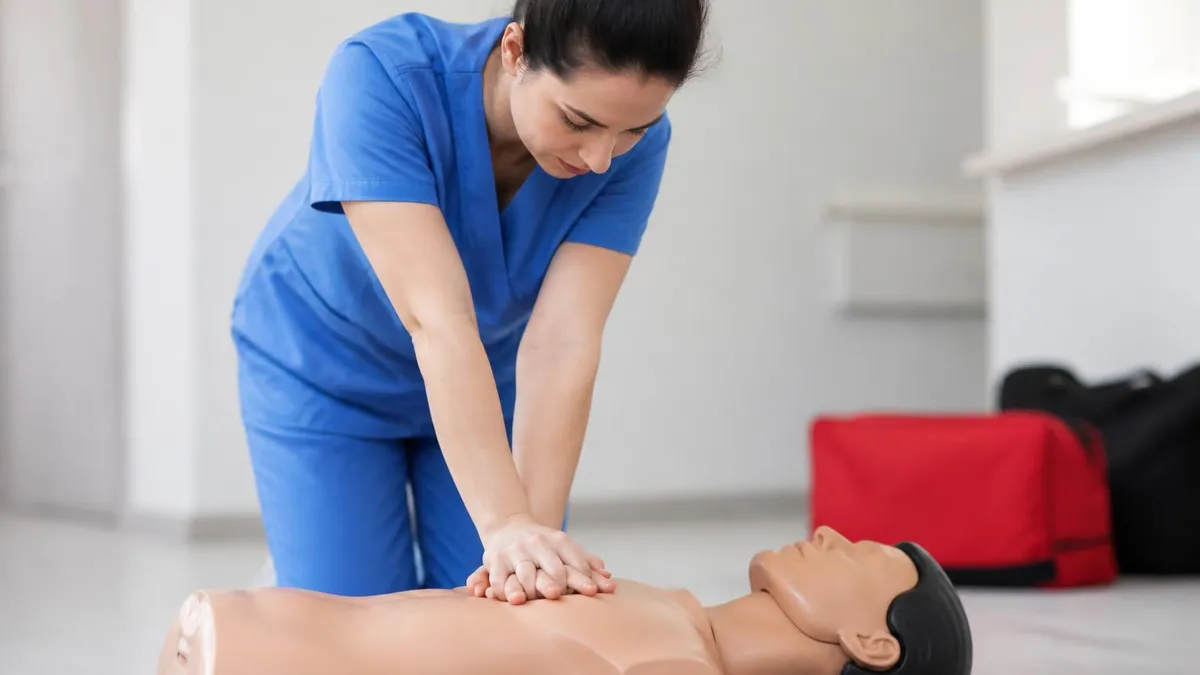
American Heart Association CPR Training: Complete Guide to ACLS Algorithm, PALS Certification, and Life Support in 2026
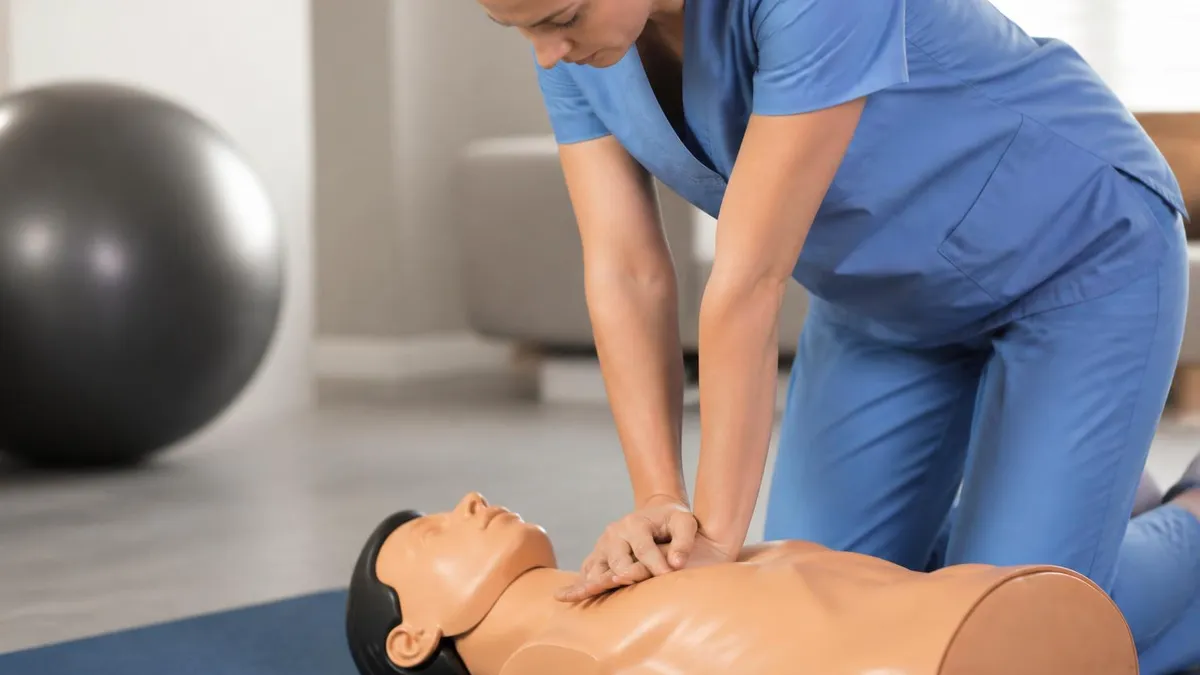
CPR First Aid Certification Online: Complete Guide to ACLS Algorithm, PALS, and Life Support Training in 2026
About the Author

Registered Nurse & Healthcare Educator
Johns Hopkins University School of NursingDr. Sarah Mitchell is a board-certified registered nurse with over 15 years of clinical and academic experience. She completed her PhD in Nursing Science at Johns Hopkins University and has taught NCLEX preparation and clinical skills courses for nursing students across the United States. Her research focuses on evidence-based exam preparation strategies for healthcare certification candidates.
Join the Discussion
Connect with other students preparing for this exam. Share tips, ask questions, and get advice from people who have been there.
View discussion (5 replies)