
What Does CPR Do? How Chest Compressions and Rescue Breaths Keep the Brain Alive in 2026 September
What does CPR do? Learn how chest compressions, rescue breaths, 🎯 the ACLS algorithm, and an AED keep blood and oxygen flowing during cardiac arrest.
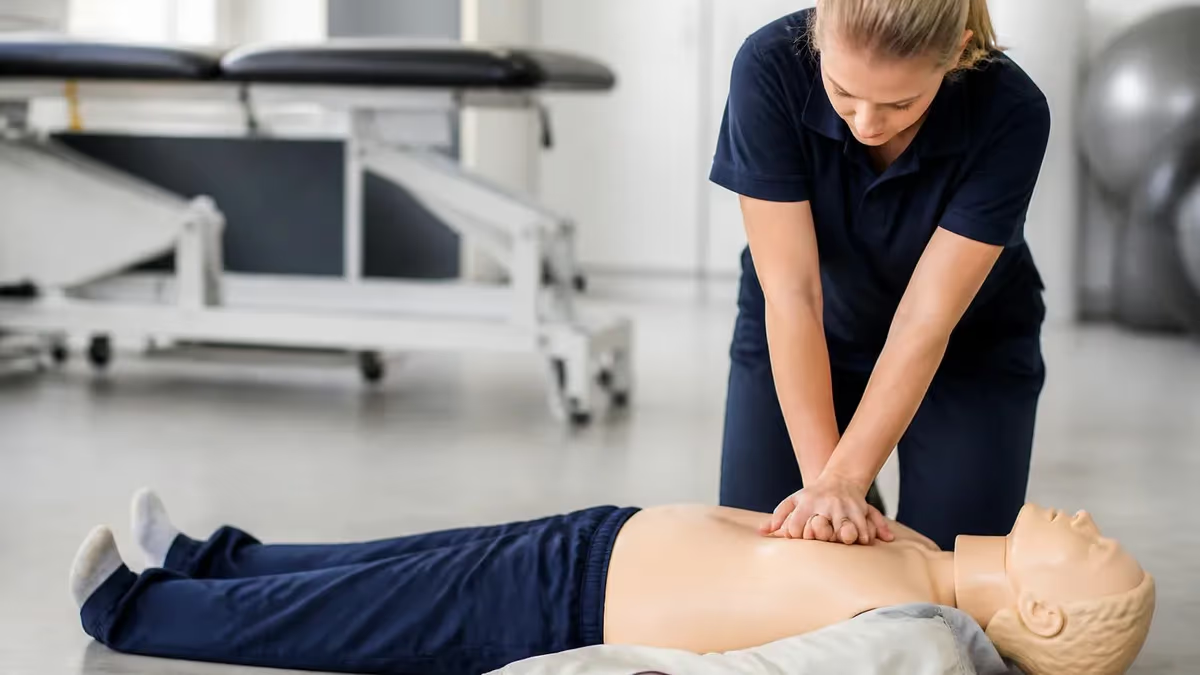
If you have ever wondered exactly what does cpr do when someone collapses, the short answer is that it keeps oxygen-rich blood moving to the brain and heart until trained help arrives. When the heart stops in sudden cardiac arrest, circulation halts within seconds, and brain cells begin to die after roughly four to six minutes without flow. Cardiopulmonary resuscitation manually replaces the work of the heart and lungs, buying time that can mean the difference between life and death for a collapsed adult, child, or infant.
CPR works through two complementary actions: chest compressions and rescue breaths. Compressions squeeze the heart between the breastbone and the spine, pushing blood out to vital organs, while the natural recoil draws blood back in. Rescue breaths add fresh oxygen to that circulating blood. Together they create artificial circulation, sometimes generating roughly a quarter to a third of the body's normal cardiac output, which is enough to slow the dying process when delivered promptly and pushed hard and fast.
It is important to understand that CPR by itself rarely restarts a heart that has stopped. Instead, it preserves the organs and maintains a shockable rhythm so that an automated external defibrillator or advanced care can do the actual restarting. This is why bystander CPR plus early defibrillation is described as a bridge rather than a cure. The compressions keep the patient viable, and the shock or medication corrects the underlying electrical problem that is causing the arrest in the first place.
The American Heart Association built the modern Chain of Survival around this logic. Each link matters: recognizing arrest and calling 911, starting immediate high-quality CPR, applying an AED quickly, and then transferring the patient into the hands of paramedics who follow a structured emergency protocol. Skip or delay any link and survival odds drop sharply. Studies consistently show that immediate bystander CPR can double or even triple a person's chance of surviving an out-of-hospital cardiac arrest event.
You will also hear CPR discussed alongside terms like the acls algorithm, the resource library at the national cpr foundation, and pals certification for pediatric providers. These represent escalating levels of training and intervention, but they all rest on the same foundation that you are learning here. Even hands-only CPR, with no breaths at all, dramatically helps a sudden-collapse adult because oxygen still remains in the bloodstream for the first several minutes after the heart stops beating.
This guide explains the physiology in plain language, walks through how compressions and breaths actually function inside the body, and clarifies how tools like an AED and concepts such as life support fit together. Whether you are a parent worried about infant cpr, a caregiver, a coworker who wants to be ready, or simply a curious reader, understanding what CPR does removes the fear and hesitation that stop so many bystanders from acting when seconds truly count the most.
By the end, you will know why pushing on a chest can substitute for a beating heart, how the recovery position protects an unconscious but breathing person, and why even imperfect CPR is vastly better than doing nothing at all while you wait for emergency responders to arrive on the scene and take over the resuscitation effort from your hands.
What CPR Does by the Numbers
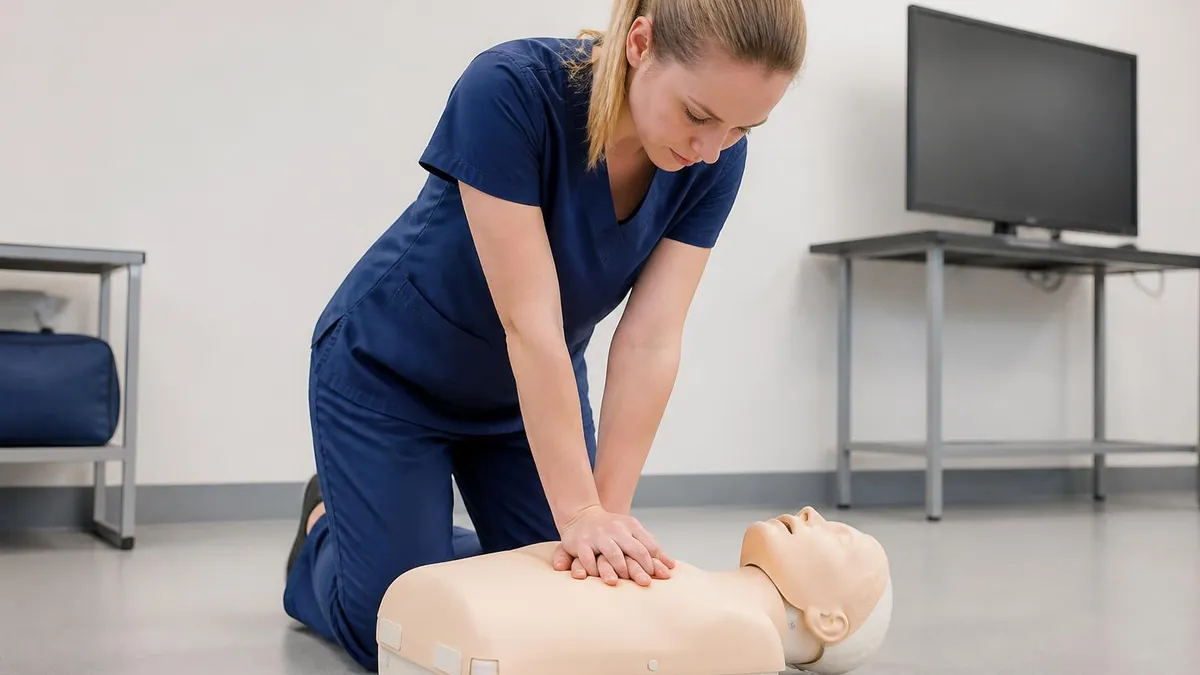
How CPR Physically Works, Second by Second
Collapse & Arrest
Recognize & Call
Start Compressions
Add Rescue Breaths
Apply the AED
Advanced Care
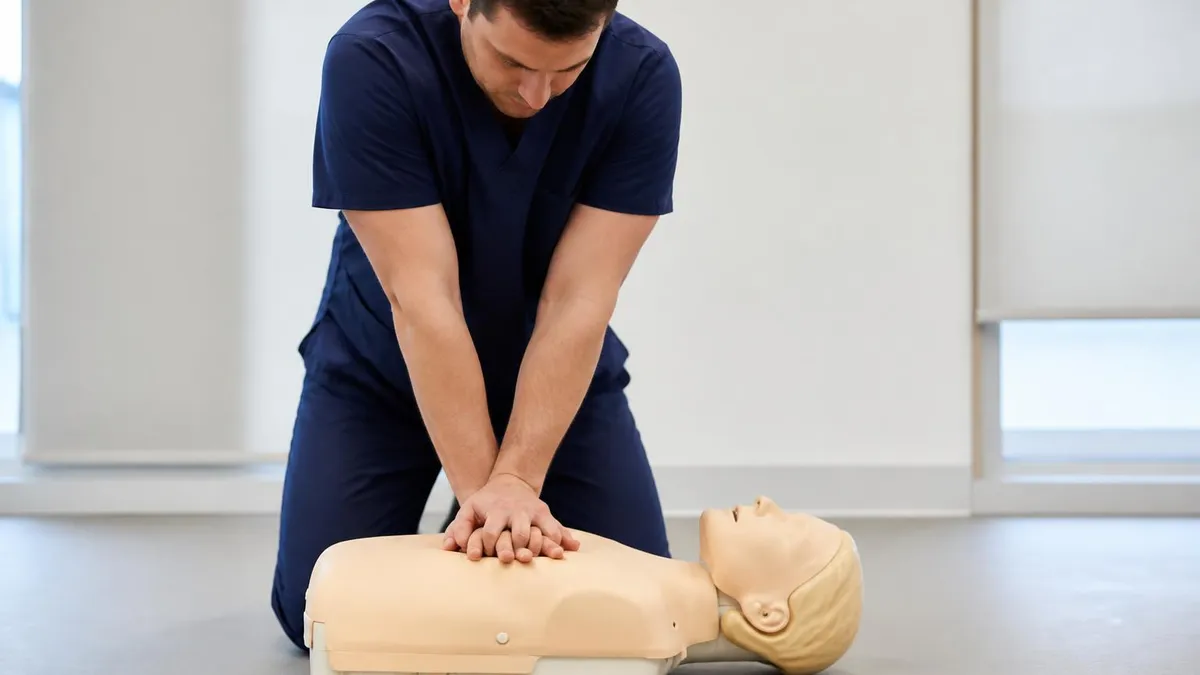
To truly grasp what CPR does, it helps to separate its two engines: chest compressions and rescue breaths. Compressions are the heart of the technique, no pun intended. When you push down hard and fast on the center of the chest, you compress the heart against the spine, forcing blood out of its chambers and into the arteries. When you release and let the chest fully recoil, the resulting negative pressure pulls blood back into the heart, refilling it for the next squeeze and sustaining a manufactured circulation throughout the entire body.
This is why depth and recoil matter so much. The American Heart Association recommends compressing an adult chest at least two inches but no more than 2.4 inches, at a rate of 100 to 120 per minute. Push too shallow and you generate too little forward flow; lean on the chest between compressions and you prevent the heart from refilling. Even when performed perfectly, CPR produces only a fraction of normal output, so consistency and minimal interruptions are critical to keeping that fragile flow alive for the brain.
Rescue breaths add the second ingredient: oxygen. Each breath delivers fresh air into the lungs, where oxygen diffuses into the blood that compressions are circulating. After about 30 compressions, a trained rescuer tilts the head, lifts the chin, and gives two breaths, each lasting about one second and producing visible chest rise. This 30:2 ratio balances the need to keep blood moving with the need to reoxygenate it, which is exactly why minimizing pauses during breaths is emphasized in every single course.
For untrained bystanders, hands-only CPR is now the recommended approach for adult collapse. The reasoning is practical and physiological. In the first several minutes after sudden cardiac arrest, the blood still carries usable oxygen, so continuous compressions alone can sustain the brain. Removing the breathing step also removes hesitation, fear of mouth-to-mouth contact, and the awkward fumbling that interrupts compressions. The result is more people willing to act and more uninterrupted circulation during the moments when it matters the most.
The distinction between these techniques becomes important when you consider who you are helping. Adults most often collapse from a primary heart problem, so compressions take priority. Children and infants, however, frequently arrest because of a breathing problem first, which means rescue breaths carry far more weight for them. Understanding this difference, and learning the precise mechanics behind it, is one of the most valuable outcomes of a quality CPR class led by a reputable and well-respected training provider.
If you want a deeper look at exactly what does cpr do at the cellular level, the takeaway is simple: compressions move the blood, breaths oxygenate it, and together they slow the clock on irreversible organ damage. Neither action permanently fixes the heart, but both keep the patient alive and salvageable until a defibrillator or paramedic team can address the root electrical or respiratory cause of the collapse and restore a normal rhythm.
This partnership between circulation and oxygenation is the entire mechanical secret of resuscitation. Once you internalize it, the rules about rate, depth, ratio, and recoil stop feeling like arbitrary numbers and start making intuitive sense as the levers that control how much life-sustaining blood actually reaches the brain during those crucial minutes before professional help can arrive on the scene to continue the effort.
Respiratory Rate, AEDs, and Life Support Explained
A normal adult respiratory rate sits around 12 to 20 breaths per minute at rest, while infants breathe much faster, often 30 to 60 times per minute. During CPR, you do not chase these resting numbers; instead you deliver controlled rescue breaths so blood stays oxygenated. Watching breathing is also how you recognize arrest in the first place, because agonal gasping is not normal breathing and signals the need to begin compressions immediately without delay.
Knowing the typical respiratory rate for each age group helps rescuers and clinicians spot deterioration early. A child breathing far above or below the expected range may be heading toward respiratory failure, which in pediatrics frequently precedes cardiac arrest. This is why monitoring breathing is woven through every level of training, from basic bystander courses to advanced provider certifications that build directly on the same observational foundation you learn first.
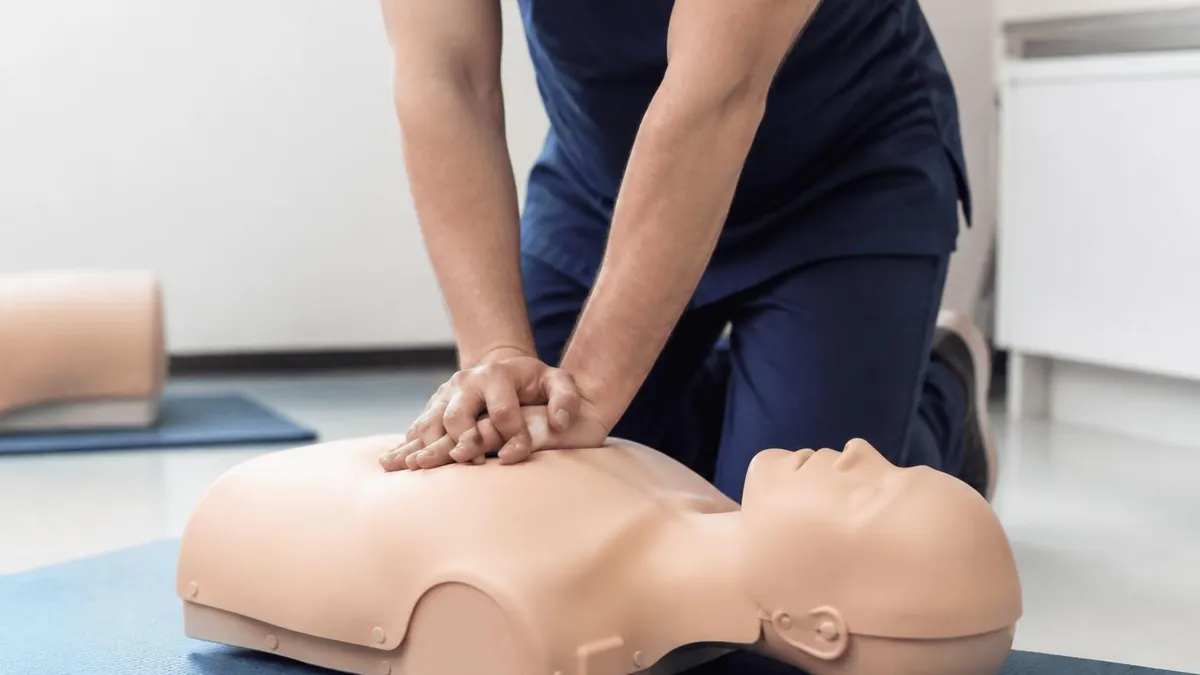
Hands-Only CPR vs. Standard CPR: What Helps Most?
- +Hands-only CPR is easier for untrained bystanders to perform without hesitation
- +Removes fear of mouth-to-mouth contact that often stops people from acting
- +Keeps compressions continuous with no pauses for breaths in adult collapse
- +Residual blood oxygen sustains the brain for the first several minutes
- +Dramatically increases the likelihood a bystander will start helping at all
- +Simple enough to follow over the phone with a 911 dispatcher's guidance
- −Standard CPR with breaths is preferred for children, infants, and drowning
- −Hands-only does not reoxygenate blood once initial oxygen is consumed
- −Long response times reduce the effectiveness of compressions-only methods
- −Respiratory-cause arrests need rescue breaths to correct low oxygen levels
- −Requires solid technique on rate, depth, and recoil to be effective
- −Fatigue sets in quickly, so rescuers should swap every two minutes
High-Quality CPR Checklist: What Effective CPR Does Right
- ✓Confirm the scene is safe before approaching the collapsed person.
- ✓Check for responsiveness and absent or abnormal breathing.
- ✓Call 911 immediately and send someone to retrieve an AED.
- ✓Place the heel of your hand on the center of the chest.
- ✓Push hard and fast, at least two inches deep for an adult.
- ✓Maintain a rate of 100 to 120 compressions per minute.
- ✓Allow the chest to fully recoil after every compression.
- ✓Minimize interruptions to keep blood flowing continuously.
- ✓Give two rescue breaths after every 30 compressions if trained.
- ✓Switch rescuers every two minutes to prevent fatigue.
- ✓Apply and follow the AED prompts as soon as it arrives.
- ✓Continue CPR until help takes over or the person revives.
Imperfect CPR beats no CPR every single time
Bystanders often freeze for fear of doing it wrong, but the only truly wrong choice is doing nothing. Push hard, push fast in the center of the chest, and let a 911 dispatcher guide you. Immediate bystander CPR can double or triple survival, and you cannot make a person in cardiac arrest any worse by trying to help.
What CPR does for an infant or child differs in important ways from adult resuscitation, and these differences directly reflect why kids collapse in the first place. Most pediatric arrests begin as a breathing problem, not a sudden electrical heart failure, so oxygen delivery through rescue breaths takes on enormous importance. A child whose breathing stops will progress to cardiac arrest unless the airway and ventilation are addressed quickly, which is why parents and caregivers benefit so much from learning proper infant cpr technique in a hands-on class.
The mechanics scale down with the patient. For an infant under one year, you use two fingers or the two-thumb encircling technique in the center of the chest, compressing about one and a half inches, roughly one-third the depth of the chest. For a child, you use one or two hands depending on size, compressing about two inches. The rate stays the same at 100 to 120 per minute, but the gentler depth respects a smaller, more delicate body while still moving blood effectively to the organs.
Rescue breaths also change. For an infant, a rescuer covers both the nose and mouth with their mouth and delivers small, gentle puffs, just enough to make the tiny chest rise. Over-inflating can damage delicate lungs or push air into the stomach. For lone rescuers, the recommendation often shifts to performing about two minutes of CPR before leaving to call for help, because restoring breathing quickly can resolve the underlying problem before the heart fully stops in a young patient.
The compression-to-breath ratio shifts too when two trained rescuers are present for a child or infant, moving from 30:2 to 15:2. This change reflects the greater oxygen demand of a young body and the breathing-driven nature of most pediatric arrests. With more frequent breaths, the rescuers keep oxygen levels higher, which matters far more in a child than in a typical adult whose collapse stems from a primary cardiac rhythm disturbance rather than a respiratory cause.
Choking is another scenario where pediatric care diverges. For a conscious choking infant, rescuers alternate five back blows with five chest thrusts rather than abdominal thrusts, which could injure small organs. For a choking child who is conscious, abdominal thrusts are appropriate. If the infant or child becomes unresponsive, the rescuer begins CPR, checking the mouth for a visible obstruction before each set of breaths and removing it only if it is clearly seen.
Pediatric providers pursue pals certification to master these nuances along with medication dosing, equipment sizing, and the structured decision-making that mirrors the adult acls algorithm. Yet even without advanced credentials, any caregiver who learns the basic differences in depth, ratio, and breathing for children gains the power to intervene effectively. The fundamentals remain the same: keep blood circulating and keep it oxygenated until professional help arrives and assumes responsibility for the child's care.
For families, the practical lesson is to take a course that specifically covers child and infant skills rather than assuming adult technique transfers directly. The physiology of a small body, the higher likelihood of a respiratory cause, and the gentler hands-on approach all combine to make dedicated pediatric training one of the most worthwhile investments a parent or childcare worker can ever make for the children in their daily care.
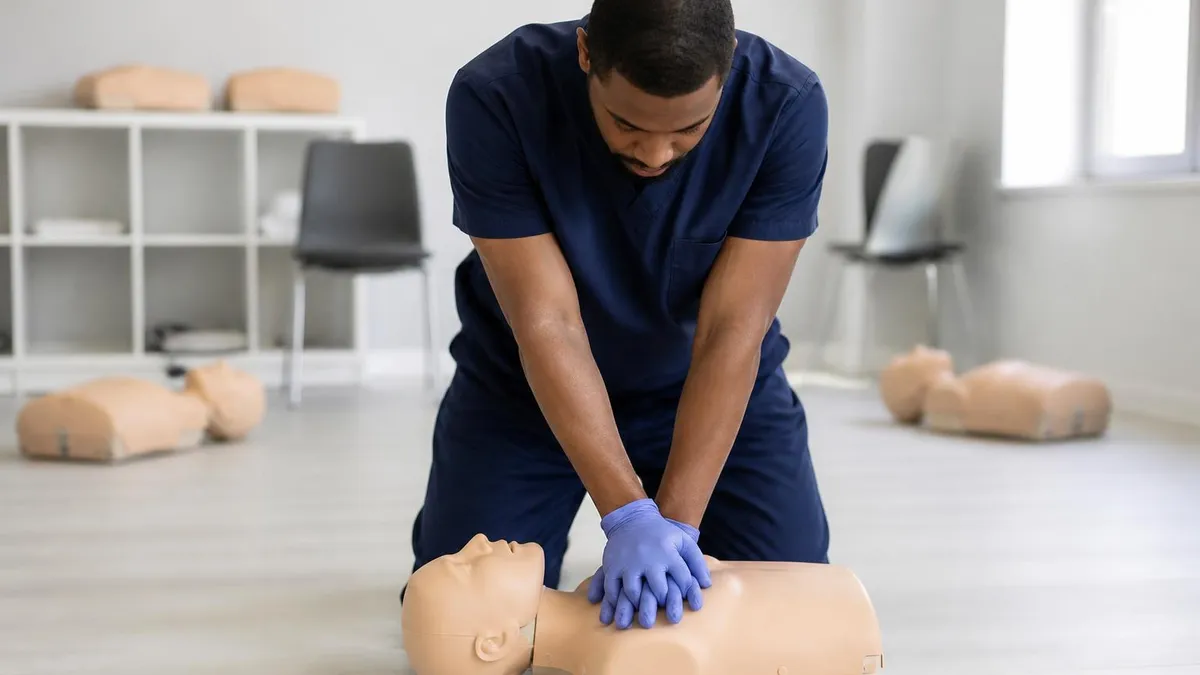
Brain cells begin dying within four to six minutes of circulation stopping, so every second of hesitation costs survivable time. If you are unsure whether someone is breathing normally, treat agonal gasps as arrest and begin compressions. A 911 dispatcher can coach you through every step in real time while help is on the way.
Once a person is breathing normally on their own but remains unconscious, CPR is no longer the right tool, and the recovery position becomes the priority. The recovery position is a stable, side-lying posture that keeps the airway open and allows fluids like vomit or saliva to drain from the mouth rather than blocking the airway. It protects an unresponsive but breathing patient from aspiration and suffocation while you continue to monitor them and wait for emergency responders to arrive and take over.
Placing someone in the recovery position is straightforward. Kneel beside them, extend the near arm above the head, bring the far arm across the chest, bend the far knee, and gently roll them toward you onto their side. Tilt the head slightly back to keep the airway clear, and adjust the top hand under the cheek for support. This simple maneuver can be lifesaving for someone who has been resuscitated, fainted, or is unconscious from intoxication or a seizure of some kind.
Knowing when to use the recovery position versus when to continue CPR is a core judgment that every course reinforces. If the person is unresponsive and not breathing normally, you perform CPR. If they are unresponsive but clearly breathing on their own, you use the recovery position and keep watching closely. Conditions can change quickly, so you must be ready to roll them back and restart compressions if normal breathing stops again at any point during your watch.
Aftercare extends beyond positioning. A person who has survived cardiac arrest needs continuous monitoring of their breathing and pulse, reassurance if they regain awareness, and protection from cold or further injury. You should keep the AED pads attached even after a successful resuscitation, because the device will continue to monitor the rhythm and prompt another shock if the dangerous rhythm returns before paramedics arrive on the scene to provide definitive care.
It is worth clearing up a common search confusion here. People sometimes type queries like cpr cell phone repair or cpr phone repair, which refer to an unrelated electronics retail chain rather than resuscitation. If you landed here looking for that business, this guide will not help with a cracked screen, but the lifesaving skills described are far more valuable to learn. The acronym genuinely overlaps, so it pays to confirm which CPR you actually need before you keep searching online.
To understand the broader picture of what does cpr do across the full emergency response, picture the handoff: bystander compressions keep the brain alive, the AED corrects the rhythm, the recovery position protects a revived patient, and paramedics carry the chain forward. Each phase has a distinct job, and the recovery position is the quiet but crucial bridge between successful resuscitation and definitive hospital care that the patient will ultimately receive.
Mastering this final phase means a rescuer is prepared not just to start a heart but to safely steward a vulnerable patient through the fragile minutes that follow. That complete readiness, from collapse to recovery, is exactly what comprehensive CPR knowledge is designed to deliver to anyone willing to learn it and to keep their skills sharp through regular practice and periodic recertification over the years.
Now that you understand what CPR does, the most practical step is turning that knowledge into confident, automatic action. Reading about compressions is useful, but the muscle memory that saves lives comes from hands-on practice and repetition. Enroll in a certified course through a recognized provider, practice on a manikin until the rate and depth feel natural, and revisit the steps periodically so you do not freeze when adrenaline floods your system during a real emergency situation on the ground.
Start by memorizing the core numbers so they require no thought under stress: push at least two inches deep, at 100 to 120 compressions per minute, in a 30:2 ratio with breaths for adults. A helpful trick is to compress to the beat of a familiar song around 100 to 120 beats per minute. These anchors free your mind to manage the scene, direct bystanders, and operate the AED rather than struggling to recall the basic mechanics of effective CPR in the heat of the moment.
Make a habit of locating AEDs wherever you spend time, from your office and gym to airports and shopping centers. Knowing in advance where the nearest device hangs on the wall shaves precious seconds off the response when an arrest occurs. Pair that awareness with the confidence to assign a specific person to fetch it, because clear, direct commands like pointing and saying you, call 911 cut through the chaos and bystander paralysis that so often delay decisive action during a crisis.
Practice the full sequence as a mental rehearsal: confirm scene safety, check responsiveness and breathing, call 911, begin compressions, integrate the AED, and prepare to use the recovery position if breathing returns. Walking through this chain in your imagination builds a script your brain can follow automatically. The more vividly you rehearse, the less likely you are to hesitate when an actual collapse demands an immediate, decisive response from you and the people standing around you.
If you care for children, prioritize a course covering infant cpr and child techniques, since the gentler depth, the 15:2 ratio for two rescuers, and the breathing-first emphasis differ meaningfully from adult care. Caregivers, teachers, coaches, and grandparents all benefit from this targeted training. Keep emergency numbers and your address posted clearly so anyone in the home can relay critical information to dispatchers without fumbling during a frightening moment of genuine crisis at home.
Finally, treat certification as an ongoing commitment rather than a one-time box to check. Guidelines evolve, skills fade, and confidence erodes without refreshers, so plan to recertify every two years and practice in between. Use free online practice questions to keep the concepts sharp, and consider exploring pals certification or the acls algorithm if your role involves healthcare. Readiness is a renewable skill, and the time to build it is long before you ever actually need to use it on someone.
The reward for this preparation is profound. You become the person who acts while others stand frozen, the link in the Chain of Survival that gives a stranger or a loved one a genuine chance at life. That capability costs only a few hours of training and a commitment to practice, and few investments you will ever make carry such a high and irreplaceable return for the people and the community around you.
CPR Questions and Answers
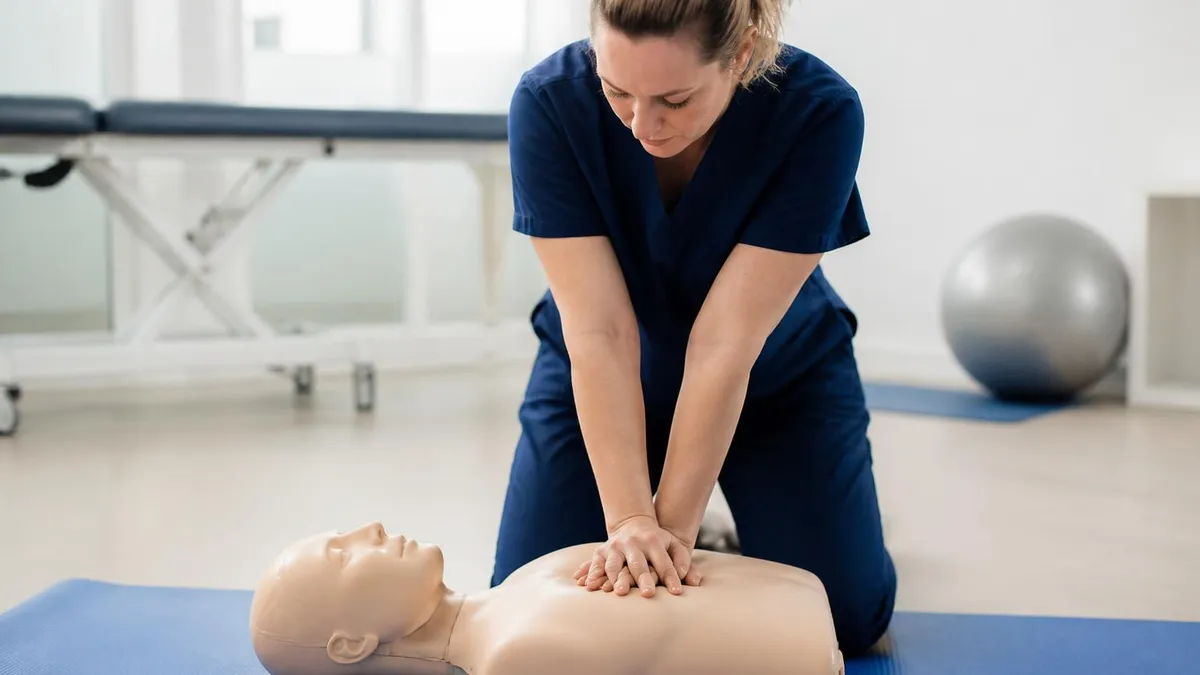
CPR Full Form: What CPR Stands For and Why It Matters
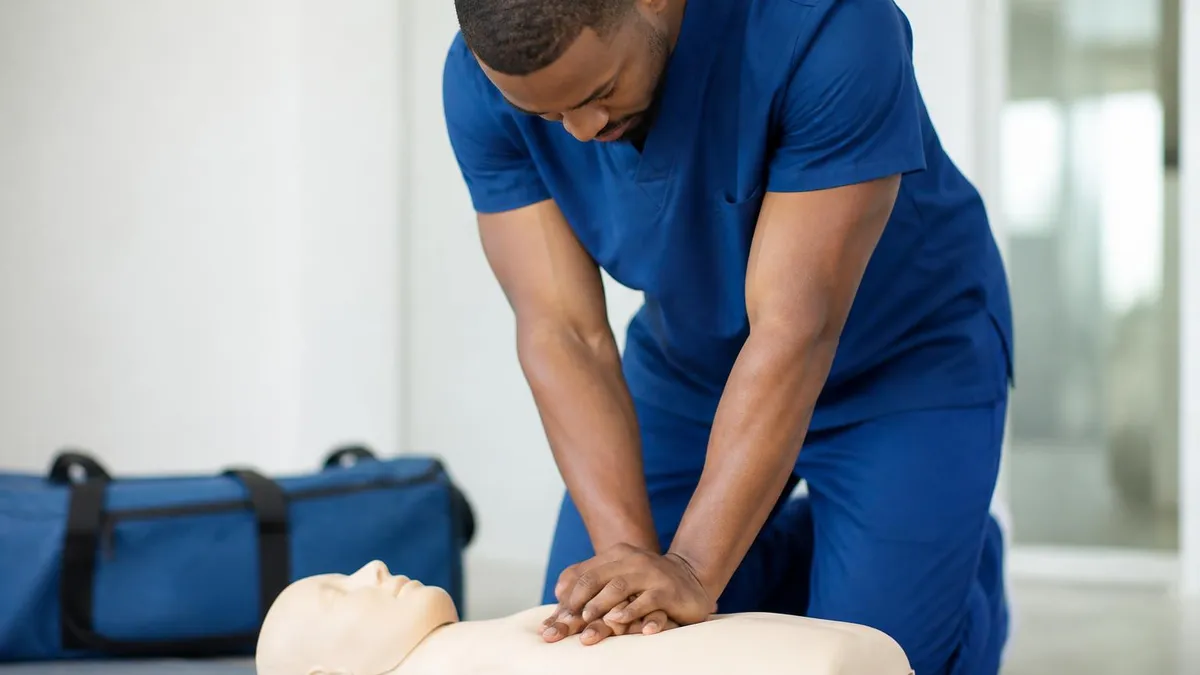
CPR Courses: Complete Guide to ACLS Algorithm, PALS Certification, and Life Support Training in 2026
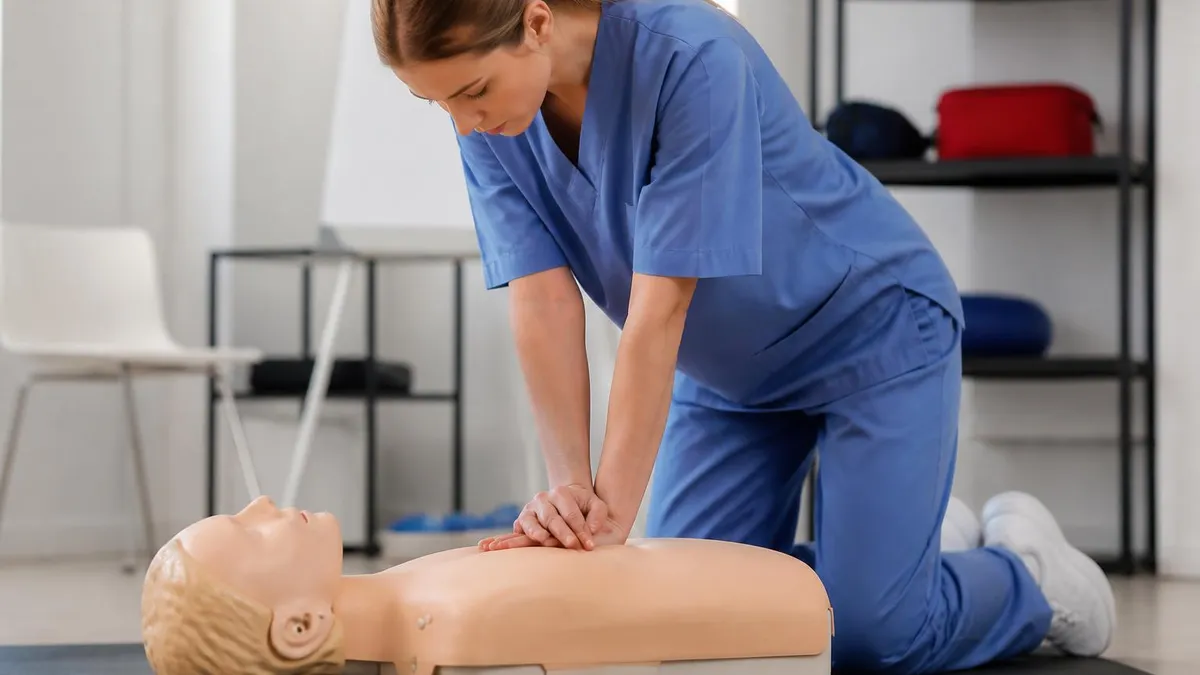
Types of CPR Training: From Basic Life Support to ACLS Algorithm Mastery in 2026
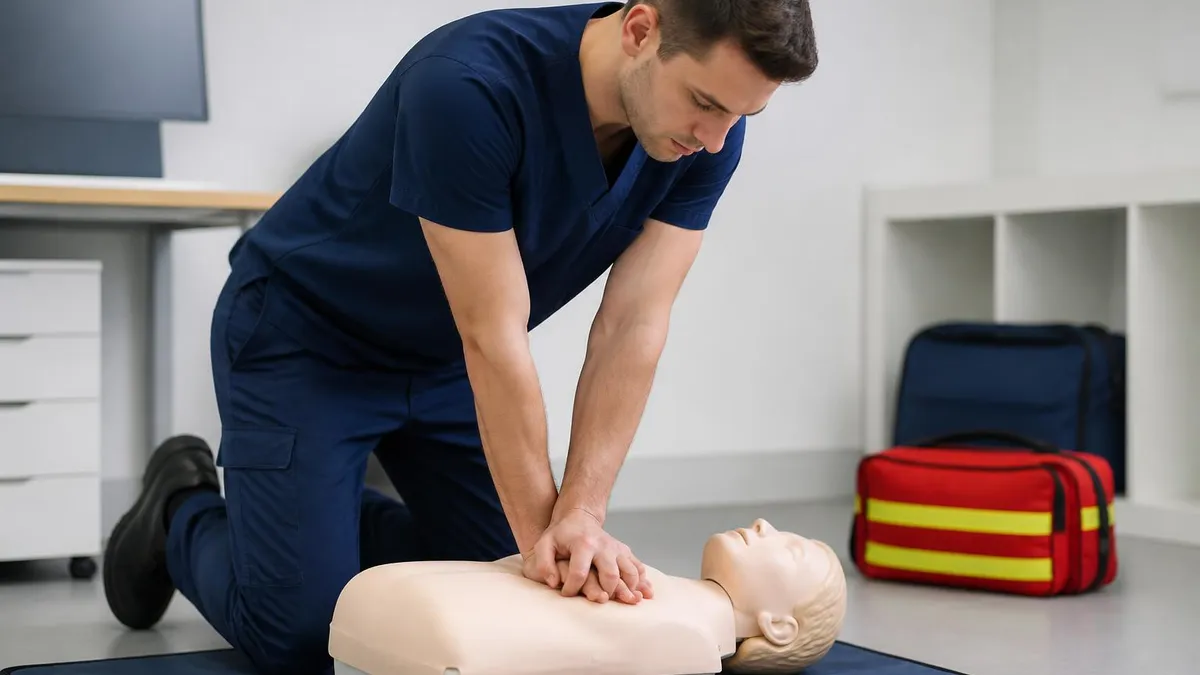
Adult CPR: Complete Step-by-Step Guide to Hands-Only and Standard CPR in 2026
BLS vs CPR: Is BLS the Same as CPR? Complete 2026 Guide
About the Author

Registered Nurse & Healthcare Educator
Johns Hopkins University School of NursingDr. Sarah Mitchell is a board-certified registered nurse with over 15 years of clinical and academic experience. She completed her PhD in Nursing Science at Johns Hopkins University and has taught NCLEX preparation and clinical skills courses for nursing students across the United States. Her research focuses on evidence-based exam preparation strategies for healthcare certification candidates.
Join the Discussion
Connect with other students preparing for this exam. Share tips, ask questions, and get advice from people who have been there.
View discussion (5 replies)