
What Does CPR Mean? Complete Guide to Cardiopulmonary Resuscitation, ACLS Algorithm, and Life Support
Learn what does CPR mean, how the ACLS algorithm works, 🧠 infant CPR steps, AED use, and PALS certification. Complete US guide for 2026 September.
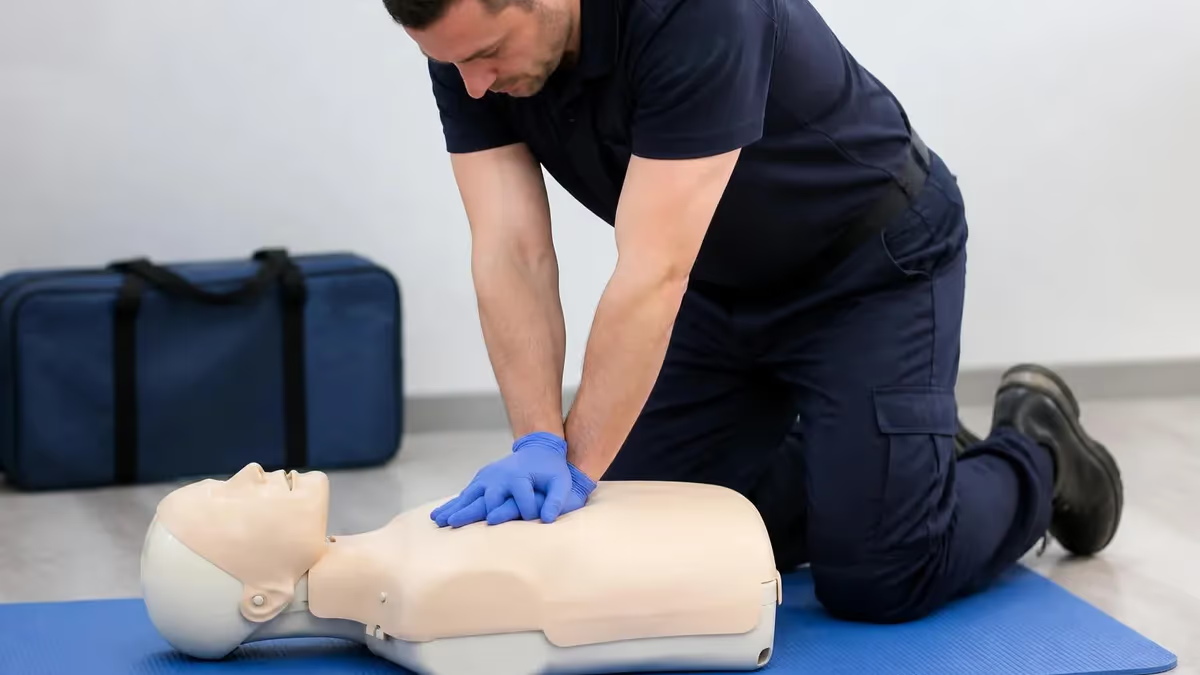
Understanding what does CPR mean is one of the most valuable pieces of knowledge any person can carry. CPR stands for Cardiopulmonary Resuscitation — a life-saving emergency technique that combines chest compressions and rescue breaths to manually circulate blood and oxygen when a person's heart has stopped beating or they are no longer breathing on their own. Each year, more than 350,000 out-of-hospital cardiac arrests occur in the United States, and immediate bystander CPR can more than double a victim's chance of survival. Knowing what does cpr mean in a real emergency is the difference between life and death.
The term cardiopulmonary breaks down into two root words: "cardio," referring to the heart, and "pulmonary," referring to the lungs. Resuscitation means the act of reviving someone from unconsciousness or apparent death. When combined, these words describe a process that artificially maintains circulation and oxygenation until advanced medical help — such as a team trained in the ACLS algorithm — arrives on scene. Without CPR, the brain begins to suffer irreversible damage within four to six minutes of cardiac arrest, making every second of delay critically costly for the victim's outcome.
Modern CPR has evolved dramatically since its formal introduction in the 1960s. Today, the American Heart Association (AHA) and the National CPR Foundation set evidence-based guidelines that govern how compressions should be performed, how deep they must go, and at what rate rescuers should deliver them. Current guidelines call for compressing the chest at least two inches deep at a rate of 100 to 120 compressions per minute for adult victims. These numbers are not arbitrary — they are derived from decades of clinical research designed to maximize blood flow to vital organs during cardiac arrest.
CPR is not a single, one-size-fits-all procedure. There are meaningful differences between adult CPR, child CPR, and infant CPR, and each variation is governed by its own set of guidelines related to compression depth, the number of fingers used, and whether rescue breaths are delivered. Healthcare professionals are often required to hold PALS certification — Pediatric Advanced Life Support — so they can respond correctly to pediatric emergencies. Laypeople can also learn these distinctions by taking a basic CPR and first aid course through a local chapter of the AHA or National CPR Foundation.
Beyond the physical technique of compressions and breaths, understanding CPR also means knowing when to use an Automated External Defibrillator, commonly abbreviated as AED. People frequently ask what does AED stand for, and the answer is that it stands for Automated External Defibrillator — a portable device that analyzes heart rhythm and delivers an electric shock to restore a normal heartbeat if the victim is in a shockable rhythm such as ventricular fibrillation. AEDs are intentionally designed to be used by untrained bystanders, offering voice and visual prompts that guide users step by step through the process.
Monitoring a victim's respiratory rate is also an important part of assessing whether CPR is needed and whether it is being effective. A normal adult respiratory rate at rest ranges from 12 to 20 breaths per minute. When this drops to zero — or when breathing becomes gasping and irregular (known as agonal breathing) — it is a clear sign that CPR should begin immediately. Recognizing these signs and acting without hesitation is what separates a prepared bystander from someone who freezes in a moment of crisis, and preparation always starts with education.
This comprehensive guide covers everything you need to know about CPR: what the abbreviation means, how the procedure works across different victim populations, what the ACLS algorithm entails for advanced providers, how PALS certification expands pediatric response capability, and how you can get certified and confident through practice tests, hands-on training, and reputable organizations across the United States.
CPR in the United States by the Numbers
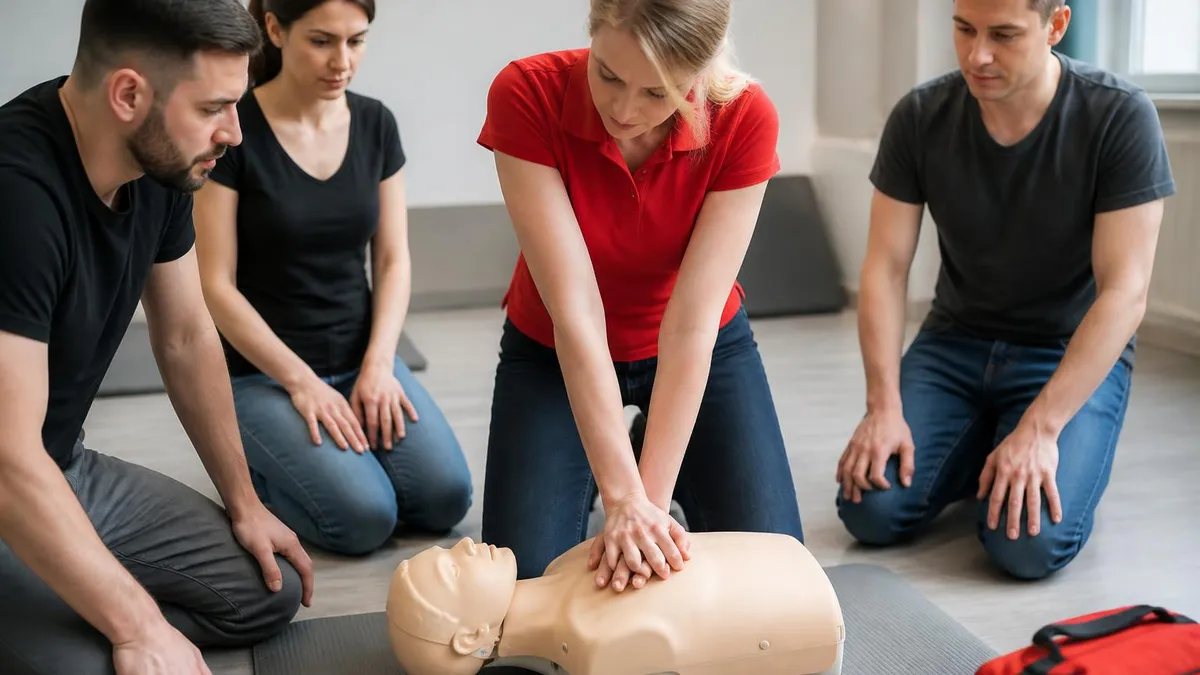
How to Perform CPR: Step-by-Step Process
Assess the Scene and the Victim
Call 911 and Get an AED
Begin Chest Compressions
Open the Airway and Deliver Rescue Breaths
Use the AED as Soon as It Arrives
Continue Until Advanced Help Arrives
The ACLS algorithm — Advanced Cardiovascular Life Support — represents the next tier of CPR knowledge beyond what laypeople learn in a basic course. Developed and maintained by the American Heart Association, the ACLS algorithm provides healthcare professionals with a systematic, evidence-based framework for managing cardiac arrest and other cardiovascular emergencies. It integrates high-quality CPR with real-time rhythm analysis, medication administration, and airway management to give patients the best possible chance of return of spontaneous circulation, commonly abbreviated as ROSC.
Understanding the ACLS algorithm begins with recognizing the two major categories of cardiac arrest rhythms: shockable rhythms and non-shockable rhythms. Shockable rhythms include ventricular fibrillation (VF) and pulseless ventricular tachycardia (pVT), both of which respond to defibrillation. Non-shockable rhythms include pulseless electrical activity (PEA) and asystole, which do not respond to shocks and instead require a focus on identifying and treating underlying reversible causes — often remembered using the "H's and T's" mnemonic. The algorithm branches differently depending on which rhythm the monitor displays, making accurate rhythm interpretation a core ACLS competency.
For shockable rhythms, the ACLS algorithm directs providers to deliver a shock as quickly as possible, then immediately resume high-quality CPR for two minutes before re-analyzing the rhythm. Epinephrine is administered every three to five minutes during the resuscitation attempt, and amiodarone or lidocaine may be given for refractory VF or pVT. Throughout all of this, the team leader is expected to minimize interruptions to chest compressions — pauses longer than ten seconds are considered unacceptable under current AHA guidelines because each interruption sharply reduces coronary and cerebral perfusion pressure.
For non-shockable rhythms like PEA and asystole, the algorithm shifts emphasis to continuous CPR and rapid identification of reversible causes. The H's include hypovolemia, hypoxia, hydrogen ion excess (acidosis), hypo- and hyperkalemia, and hypothermia. The T's include tension pneumothorax, tamponade (cardiac), toxins, and thrombosis (pulmonary or coronary). Providers work through this differential systematically while continuing compressions, with the goal of correcting the underlying cause and allowing the heart to resume effective electrical and mechanical activity.
ACLS also covers the post-cardiac arrest care algorithm, which begins the moment ROSC is achieved. This phase includes targeted temperature management (keeping the patient mildly hypothermic), aggressive treatment of hypoxia and hypotension, and transfer to a cardiac catheterization lab if a cardiac cause is suspected. Studies show that structured post-arrest care dramatically improves neurological outcomes, meaning the ACLS algorithm does not end when the heart restarts — it continues until the patient is stabilized in an intensive care setting and the underlying cause of the arrest has been addressed.
Healthcare providers seeking ACLS certification must pass a skills station evaluation and a written exam that tests their knowledge of the algorithms, pharmacology, and team dynamics. Courses are offered by the American Heart Association, the National CPR Foundation, and many hospital education departments. Renewal is required every two years, ensuring that certified providers stay current with evolving guidelines. The most recent major guideline update in 2020 reinforced the importance of system-of-care approaches, encouraging hospitals and EMS agencies to track outcomes and continuously improve their resuscitation programs based on data.
Understanding the ACLS algorithm is not just for physicians and nurses. Paramedics, respiratory therapists, and advanced practice providers all benefit from ACLS training, and many employers in acute care settings require it as a condition of employment. Even those who will never lead a resuscitation team benefit from understanding the algorithm, as it helps team members anticipate the next step, communicate effectively under pressure, and execute their assigned roles without needing detailed verbal instructions during the high-stress moments of a real cardiac arrest.
CPR Practice Test Questions
Prepare for the CPR Cardiopulmonary Resuscitation Practice exam with our free practice test modules. Each quiz covers key topics to help you pass on your first try.
CPR Basic CPR
CPR Exam Questions covering Basic CPR. Master CPR Test concepts for certification prep.
CPR and First Aid
Free CPR Practice Test featuring and First Aid. Improve your CPR Exam score with mock test prep.
CPR (Cardiopulmonary Resuscitation) Adult ...
CPR Mock Exam on (Cardiopulmonary Resuscitation) Adult CPR and AED Usage. CPR Study Guide questions to pass on your first try.
CPR (Cardiopulmonary Resuscitation) Airway...
CPR Test Prep for (Cardiopulmonary Resuscitation) Airway Obstruction and Choking. Practice CPR Quiz questions and boost your score.
CPR (Cardiopulmonary Resuscitation) Cardio...
CPR Questions and Answers on (Cardiopulmonary Resuscitation) Cardiopulmonary Emergency Recognition. Free CPR practice for exam readiness.
CPR (Cardiopulmonary Resuscitation) Child ...
CPR Mock Test covering (Cardiopulmonary Resuscitation) Child and Infant CPR. Online CPR Test practice with instant feedback.
CPR (Cardiopulmonary Resuscitation) High-P...
Free CPR Quiz on (Cardiopulmonary Resuscitation) High-Performance Team Dynamics. CPR Exam prep questions with detailed explanations.
CPR (Cardiopulmonary Resuscitation) Legal ...
CPR Practice Questions for (Cardiopulmonary Resuscitation) Legal and Ethical Considerations. Build confidence for your CPR certification exam.
CPR for Specific Populations
CPR Test Online for for Specific Populations. Free practice with instant results and feedback.
CPR Airway & Breathing Management
CPR Exam Questions covering Airway & Breathing Management. Master CPR Test concepts for certification prep.
CPR Assessment & Recognition of Cardiac Ar...
Free CPR Practice Test featuring Assessment & Recognition of Cardiac Arrest. Improve your CPR Exam score with mock test prep.
CPR Chest Compressions & Defibrillation
CPR Mock Exam on Chest Compressions & Defibrillation. CPR Study Guide questions to pass on your first try.
CPR Post-Resuscitation Care & Recovery
CPR Test Prep for Post-Resuscitation Care & Recovery. Practice CPR Quiz questions and boost your score.
Infant CPR, Child CPR, and PALS Certification Explained
Infant CPR applies to babies under 12 months of age and differs significantly from adult technique. Rather than using two hands, rescuers use two fingers placed just below the nipple line on the center of the chest, compressing approximately 1.5 inches deep. The compression rate remains the same at 100 to 120 per minute, but the force required is far less. Rescue breaths involve covering both the infant's nose and mouth simultaneously and delivering small, gentle puffs just large enough to see the chest rise.
One of the most critical distinctions in infant CPR is airway management. Infant airways are proportionally much smaller and more easily obstructed than adult airways. Tilting the head back too far can actually collapse the airway, so providers are trained to use a "neutral" or very slight tilt. If a foreign body is suspected, back blows and chest thrusts — not abdominal thrusts — are the correct intervention for infants. Recognizing these differences and acting correctly requires hands-on practice and regular refresher training to maintain skill retention over time.
CPR Training: Benefits and Limitations to Understand
- +Doubles or triples cardiac arrest survival rates when performed immediately by a bystander
- +Hands-only CPR is effective for adult cardiac arrest and requires no formal training to begin
- +Certification courses are widely available through hospitals, community centers, and the National CPR Foundation
- +CPR training builds confidence so bystanders are more likely to act in a real emergency
- +AED use in conjunction with CPR can restore a normal heart rhythm within minutes
- +PALS certification and ACLS algorithm training expand the ability to manage complex pediatric and adult emergencies professionally
- −CPR alone does not correct underlying heart arrhythmias — defibrillation is needed for shockable rhythms
- −Bystander hesitation due to fear of doing harm remains a major barrier to early CPR
- −Rescuer fatigue sets in quickly, reducing compression quality after just two minutes without rotation
- −CPR can cause rib fractures and internal injuries, particularly in elderly patients with fragile bones
- −Certification requires renewal every two years, and skills degrade without regular practice in between
- −CPR is not effective for all causes of cardiac arrest, particularly in cases of severe trauma or prolonged asphyxia
CPR Certification Checklist: What You Need to Know and Do
- ✓Choose an accredited CPR course through the American Heart Association or the National CPR Foundation
- ✓Confirm whether you need Basic Life Support (BLS), ACLS, or PALS certification for your role
- ✓Practice the correct compression rate of 100 to 120 per minute using a metronome or song such as 'Stayin' Alive'
- ✓Learn the correct compression depth: at least 2 inches for adults, approximately 2 inches for children, and 1.5 inches for infants
- ✓Understand how and when to use an AED, including proper pad placement for adults and pediatric patients
- ✓Study the H's and T's of reversible causes of cardiac arrest for ACLS or PALS exams
- ✓Practice infant CPR technique using two fingers and covering both nose and mouth for rescue breaths
- ✓Learn the recovery position to use when a victim is breathing but unresponsive after successful resuscitation
- ✓Review the 30:2 compression-to-breath ratio for single-rescuer adult and child CPR
- ✓Schedule your certification renewal before the two-year expiration date to avoid a lapse in credentials
Hands-Only CPR Is Endorsed for Untrained Bystanders
Research published in the New England Journal of Medicine found that hands-only CPR — continuous chest compressions without rescue breaths — produces survival rates comparable to conventional CPR in adult victims of sudden cardiac arrest. The AHA endorses this approach for untrained bystanders because removing the breath component reduces hesitation and increases the likelihood that a bystander will actually begin CPR. High-quality compressions that maintain perfusion pressure are the single most critical variable in cardiac arrest outcomes.
People who encounter the abbreviation CPR in contexts outside of medicine sometimes wonder if the letters stand for something else entirely. One common point of confusion is the term CPR cell phone repair — a phrase that appears in online searches when people look up CPR and land on results for CPR, a well-known national chain of cell phone and electronics repair stores.
While both uses of the acronym are entirely valid, the medical CPR — Cardiopulmonary Resuscitation — is the original and by far the more life-critical usage. If you arrive at a CPR phone repair shop when you meant to find a life-saving skills class, a quick search refinement will set you on the right path.
The confusion between CPR as an emergency technique and cpr phone repair as a retail brand highlights how context shapes meaning when acronyms are used. In any healthcare, emergency response, or public safety context, CPR invariably refers to the resuscitation technique. Understanding which meaning applies is usually straightforward, but it is worth being aware of when sharing information or directing someone in need to the right resource. Emergency response CPR training is widely available, free in many communities, and typically takes less than three hours to complete for a basic certification.
Another term that frequently appears alongside CPR in searches is the recovery position, sometimes called the position recovery or lateral recumbent position. This is the posture — lying on one's side with the upper knee bent forward to provide stability — that rescuers place a breathing but unconscious victim in after successful resuscitation or in cases where the victim is breathing but not fully responsive.
The recovery position keeps the airway open and reduces the risk of aspiration if the victim vomits, which is a genuine risk in post-arrest patients. It is an important but often overlooked component of the complete CPR and first aid skill set.
Knowing what does AED stand for is closely tied to understanding CPR because the two interventions are designed to work together. An AED — Automated External Defibrillator — addresses the electrical problem that caused the cardiac arrest, while CPR addresses the circulation problem that develops in the minutes between arrest and defibrillation. Studies show that survival rates drop by seven to ten percent for every minute of delay between cardiac arrest and defibrillation. CPR buys time by maintaining partial circulation until the AED can be used, which is why both skills are always taught together in certification courses.
Understanding life support as a broader concept helps place CPR in its proper medical context. Life support refers to the full spectrum of interventions that sustain vital functions — breathing, circulation, and organ perfusion — when the body can no longer do so on its own. Basic life support (BLS) includes CPR and AED use.
Advanced life support adds medication administration, advanced airway management such as intubation, and cardiac monitoring. Extracorporeal life support (ECLS), including ECMO — extracorporeal membrane oxygenation — represents the highest tier, used when conventional CPR and ACLS algorithm-based care are insufficient to maintain perfusion to vital organs.
Monitoring a patient's respiratory rate is a critical skill that complements CPR knowledge. In healthy adults, the normal respiratory rate at rest is 12 to 20 breaths per minute. A rate below 12 (bradypnea) or above 25 (tachypnea) signals respiratory compromise that may precede cardiac arrest if not corrected.
In pediatric patients, normal respiratory rates are higher — newborns breathe 40 to 60 times per minute, and a toddler's rate is 20 to 30 breaths per minute. Recognizing abnormal respiratory rates and responding before arrest occurs is a core competency in both ACLS and PALS training, because the goal of advanced life support is to prevent cardiac arrest whenever possible, not just to respond to it.
The integration of CPR training with AED awareness, respiratory rate monitoring, and life support knowledge creates a comprehensive emergency response skill set that benefits everyone — not just healthcare professionals. Bystanders who understand these concepts are better able to assess a situation accurately, communicate clearly with 911 dispatchers, and take meaningful action in the critical minutes before EMS arrival. Public health organizations across the United States consistently advocate for broader CPR training in schools, workplaces, and community centers precisely because widespread bystander competency is one of the most cost-effective interventions available to improve cardiac arrest survival at a population level.
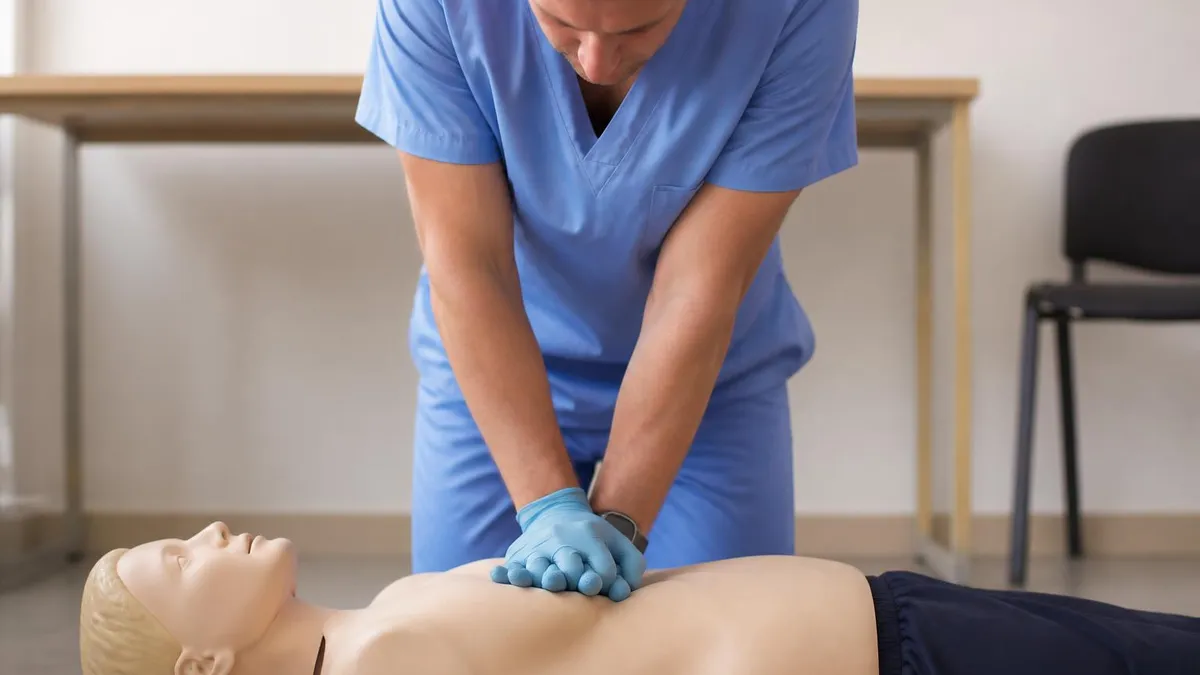
A critical mistake bystanders sometimes make is waiting for an AED to arrive before starting chest compressions. CPR must begin immediately — every minute without compressions reduces survival chances by seven to ten percent. Send someone else to retrieve the AED while you start compressions. The AED should be applied as soon as it arrives without stopping CPR longer than necessary to deliver the shock.
The National CPR Foundation is one of the most recognized certification bodies in the United States, offering online and in-person CPR, AED, and first aid courses that meet OSHA and workplace safety requirements. Founded with the mission of making CPR training accessible and affordable for everyone, the National CPR Foundation provides courses for healthcare providers, professional rescuers, and laypeople alike. Their certification cards are accepted by employers across industries including healthcare, education, fitness, childcare, and corporate environments. Courses typically take two to three hours to complete and include both a written assessment and a hands-on skills evaluation.
Alongside the National CPR Foundation, the American Heart Association (AHA) remains the gold standard for CPR certification in clinical settings. The AHA's Heartsaver courses are designed for non-healthcare providers, while their BLS, ACLS, and PALS programs are specifically calibrated for medical professionals. AHA certifications are required by most hospitals, nursing schools, and medical training programs in the United States, and their guidelines — updated every five years through a rigorous evidence review process — serve as the foundation for CPR and ACLS algorithm protocols followed by emergency responders nationwide.
For individuals researching pals certification requirements, it is worth noting that PALS is typically a two-day course that involves both classroom learning and practical simulation. Participants learn to recognize and manage respiratory distress and failure, circulatory compromise, and cardiac arrest in pediatric patients. The course includes megacode testing — a high-fidelity simulation in which teams manage a complex pediatric resuscitation from start to finish under examiner observation. Passing the megacode and a written exam are both required to earn PALS certification, which is valid for two years.
In addition to formal certification programs, many communities offer free or low-cost CPR training through local fire departments, YMCAs, and community health organizations. The AHA's PulsePoint app connects trained CPR responders with cardiac arrest events happening nearby, effectively turning certified bystanders into a decentralized network of first responders. These community-level initiatives represent a powerful supplement to formal EMS response, particularly in rural or underserved areas where ambulance response times may exceed the critical four-to-six-minute window before irreversible brain damage begins.
Workplace CPR training has gained significant momentum in the United States over the past decade, driven in part by OSHA's general duty clause requiring employers to provide a safe working environment. Many states now mandate that certain workplaces — including schools, gyms, and facilities that serve the public — have at least one AED on site and ensure that trained staff members are available during operating hours.
This regulatory pressure has significantly increased the number of AEDs deployed in public spaces and the number of Americans who hold current CPR certification, contributing to measurable improvements in out-of-hospital cardiac arrest survival rates in communities with strong CPR training programs.
Online CPR certification has become increasingly popular, particularly for the cognitive components of training. Several accredited organizations now offer blended learning models in which participants complete the knowledge portion online and then attend a brief in-person skills session to demonstrate hands-on competency. This format reduces the time burden of certification while maintaining standards for practical skill demonstration. However, fully online-only courses that issue certification without any hands-on component are generally not accepted by healthcare employers, as compression quality and airway management require physical practice to develop correctly.
Whether you are a healthcare professional seeking to renew your ACLS or PALS credentials, a teacher required to maintain a workplace certification, or simply a concerned citizen who wants to be ready to help in an emergency, CPR training is one of the highest-impact investments of time you can make.
The skills are not difficult to learn, the courses are broadly accessible, and the potential to save a life — whether that is a coworker's, a stranger's, or a family member's — makes every hour spent in training absolutely worthwhile. Start by finding an accredited provider near you and scheduling your next certification session today.
Practical preparation for a CPR certification exam begins long before you walk into a testing center. The most effective strategy is to combine conceptual understanding with repeated physical practice on a manikin, because CPR is fundamentally a psychomotor skill — meaning it lives in your muscles and reflexes as much as in your memory. Studies of CPR skill retention consistently show that technique degrades within three to six months without practice, which is why many instructors recommend practicing on a manikin or even on a firm pillow at home every few weeks between formal recertification sessions.
When studying for written CPR exams, focus on the numbers: 30:2 compression-to-breath ratio for single-rescuer adult and child CPR; 15:2 for two-rescuer child CPR; at least 2 inches compression depth for adults; 1.5 inches for infants; 100 to 120 compressions per minute for all age groups; chest recoil allowed between each compression; no more than 10 seconds of interruption per pause. These numbers appear repeatedly on every CPR, BLS, ACLS, and PALS written exam, and memorizing them with their associated contexts will carry you through a significant portion of any written assessment you face.
For ACLS algorithm preparation specifically, study the cardiac arrest algorithm flowchart until you can reproduce it from memory. Know the difference between shockable and non-shockable rhythms. Know the H's and T's — all eight of them.
Know when epinephrine is given (every 3 to 5 minutes during cardiac arrest) and when amiodarone is indicated (refractory VF or pVT after the second shock). Know the post-arrest care priorities: airway, oxygenation targets (SpO2 94 to 99%), blood pressure management, targeted temperature management, and early coronary angiography for suspected cardiac causes. This framework will serve you well in both the written test and the megacode skills station.
Practice tests are one of the most powerful tools available for CPR and ACLS exam preparation. Research on retrieval practice — the act of actively recalling information rather than passively reviewing it — consistently shows that taking practice tests improves long-term retention and real-world performance more than additional study time spent re-reading notes or slides. Sites like PracticeTestGeeks offer free CPR practice questions organized by topic, allowing you to identify your weak areas and concentrate your remaining study time where it will have the most impact before your certification exam.
On exam day, read every question carefully before selecting an answer. Many CPR exam questions are scenario-based and reward careful attention to detail — the correct action often depends on a single piece of information in the stem, such as whether the rescuer is alone or has a partner, whether the victim is an adult or a child, or whether an AED is available. Eliminating obviously wrong answer choices and reasoning through the remaining options using your knowledge of the guidelines will serve you better than second-guessing instinct-based first answers, which are often correct for well-prepared candidates.
After passing your certification exam, commit to maintaining your skills proactively rather than reactively. Set a calendar reminder six months before your certification expires to schedule your renewal course, rather than scrambling at the last minute. Consider downloading the American Heart Association's Resuscitation Quality Improvement (RQI) app, which uses brief monthly skill checks on a manikin with real-time feedback to maintain CPR quality between certification cycles.
Some employers and hospitals now use RQI as a continuous competency maintenance program in lieu of biennial recertification, and it is rapidly gaining traction as evidence accumulates that continuous low-dose practice outperforms the traditional every-two-years model for skill retention.
Finally, remember that CPR training is not the end of the preparedness journey — it is the beginning. Once you are certified, share what you know. Encourage family members to take a course. Advocate for CPR training in your workplace or your child's school. Know where the nearest AED is located in your building, your gym, your place of worship, and your favorite public spaces.
The chain of survival — early recognition, early CPR, early defibrillation, early advanced care — depends on a community of prepared individuals at every link. Your certification is your contribution to that chain, and it matters more than most people realize until the moment it is needed.
CPR Questions and Answers
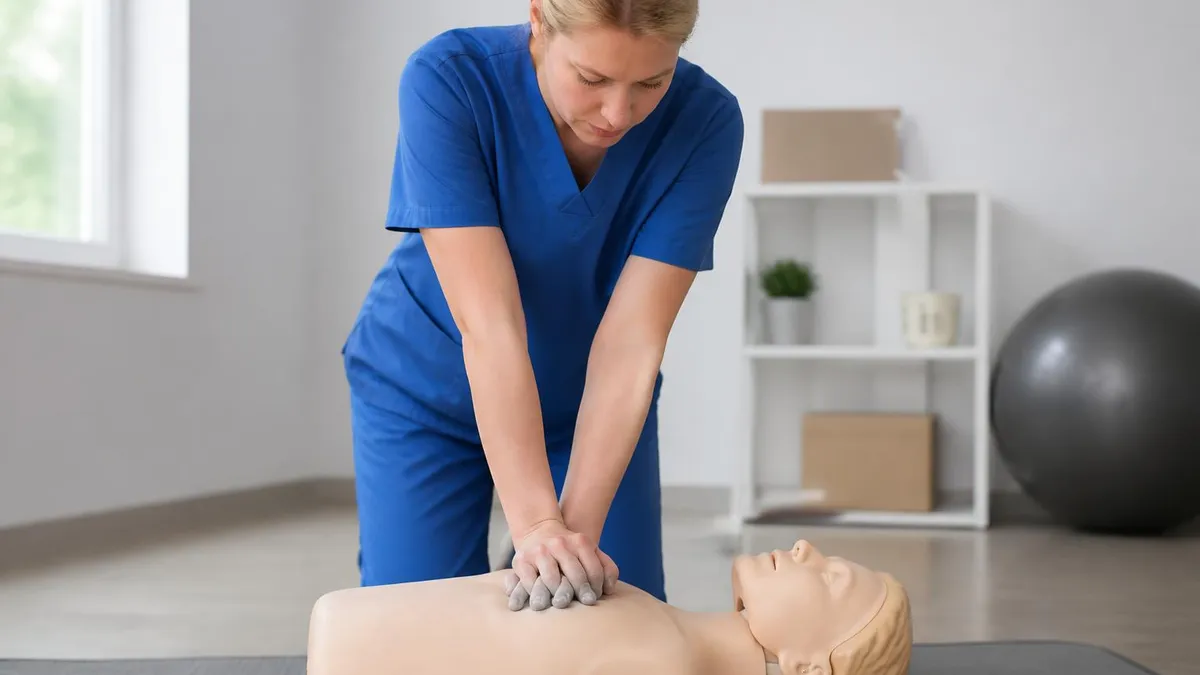
CPR Certification Classes: Complete Guide to ACLS Algorithm, PALS, and Life Support Training in 2026
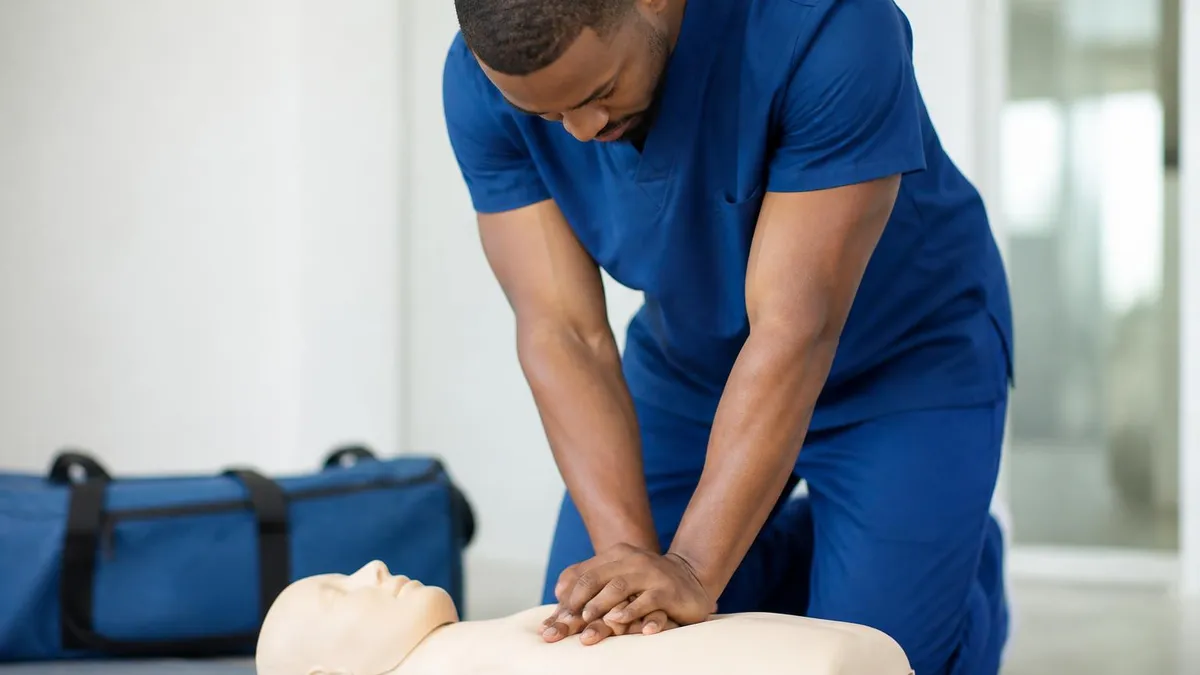
CPR Courses: Complete Guide to ACLS Algorithm, PALS Certification, and Life Support Training in 2026
CPR Face Shield: Complete Guide to ACLS Algorithm, Infant CPR, and Life Support Barrier Devices in 2026
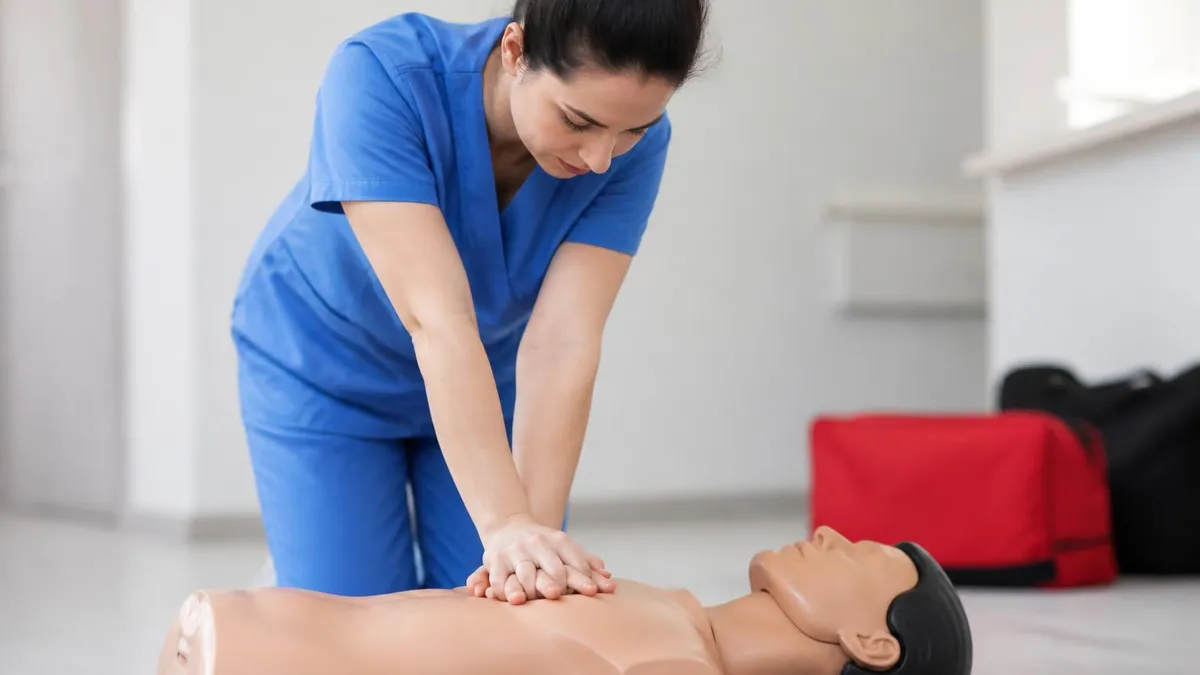
American Heart Association CPR Training: Complete Guide to ACLS Algorithm, PALS Certification, and Life Support in 2026
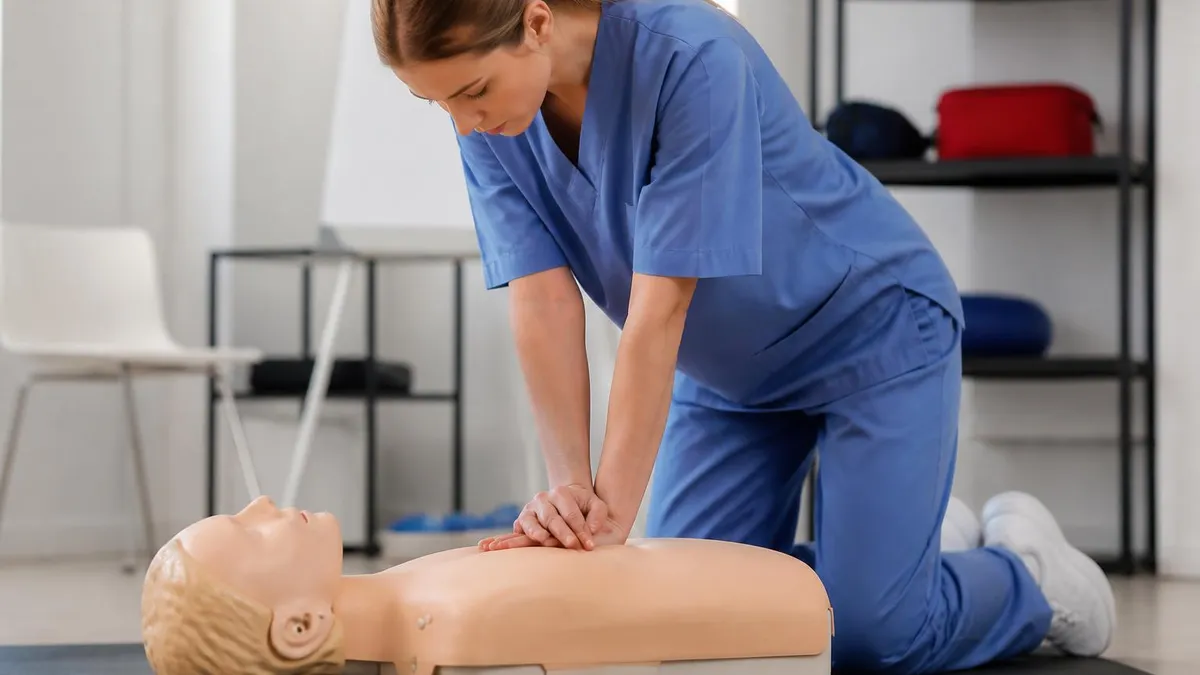
Types of CPR Training: From Basic Life Support to ACLS Algorithm Mastery in 2026
About the Author

Registered Nurse & Healthcare Educator
Johns Hopkins University School of NursingDr. Sarah Mitchell is a board-certified registered nurse with over 15 years of clinical and academic experience. She completed her PhD in Nursing Science at Johns Hopkins University and has taught NCLEX preparation and clinical skills courses for nursing students across the United States. Her research focuses on evidence-based exam preparation strategies for healthcare certification candidates.
Join the Discussion
Connect with other students preparing for this exam. Share tips, ask questions, and get advice from people who have been there.
View discussion (5 replies)