
American Heart Association CPR Training: Complete Guide to ACLS Algorithm, PALS Certification, and Life Support in 2026 October
📚 Master american heart association cpr training: ACLS algorithm, PALS certification, infant CPR, AED use, and life support skills explained step by step.
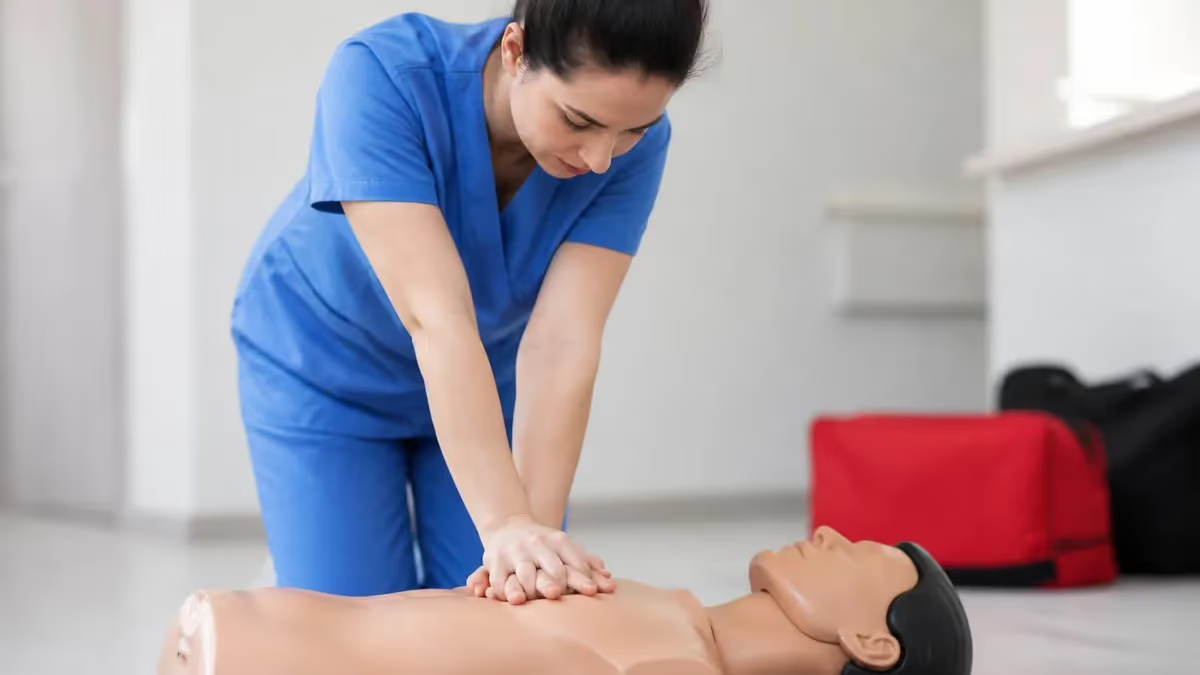
The ACLS algorithm sits at the heart of every advanced resuscitation protocol taught in the United States, and understanding it is the first step toward becoming a confident, competent responder. Whether you are a nurse, paramedic, medical student, or a concerned parent, american heart association cpr training programs give you the systematic knowledge and hands-on practice needed to act decisively when a cardiac or respiratory emergency strikes. The American Heart Association has trained more than 22 million people annually, making it the most widely recognized credentialing body for emergency cardiovascular care in the world.
Understanding why the AHA curriculum is structured the way it is requires a look at the science behind resuscitation. Every four to five years, the AHA publishes updated guidelines drawn from the International Liaison Committee on Resuscitation, a global consortium that reviews thousands of peer-reviewed studies.
These evidence-based updates trickle down into every BLS, ACLS, and PALS certification course, ensuring that what you learn today reflects the most current understanding of how the heart and lungs can be supported during a life-threatening crisis. The 2020 guidelines, still in full effect through 2025, made notable changes to compression depth tolerances and post-cardiac-arrest care bundles.
Courses offered under the AHA umbrella span a wide spectrum of complexity and target audience. Basic Life Support covers hands-only chest compressions and rescue breaths for laypeople and healthcare providers alike. Advanced Cardiovascular Life Support dives into pharmacology, the full ACLS algorithm with its branching pathways for shockable and non-shockable rhythms, and team dynamics in a code-blue scenario. Pediatric Advanced Life Support, commonly called PALS certification, focuses on the anatomical and physiological differences between children and adults that change resuscitation priorities significantly. Each course builds on the last, creating a coherent ladder of competency.
A key concept woven through all AHA training is the Chain of Survival — a six-link framework that begins with recognition of cardiac arrest and ends with recovery. Each link is only as strong as the weakest one, which is why the AHA invests heavily not just in clinical skill-building but also in community education, dispatcher-assisted CPR programs, and public-access defibrillator placement initiatives. Understanding the chain conceptually helps learners appreciate why their individual actions — calling 911, starting compressions, retrieving an AED — are literally life-or-death contributions to a larger system.
One frequently misunderstood area of AHA training involves what does AED stand for. An Automated External Defibrillator is a portable electronic device that analyzes heart rhythm and, when it detects a shockable rhythm such as ventricular fibrillation or pulseless ventricular tachycardia, delivers a calibrated electrical shock to restore normal sinus rhythm. Modern AEDs feature step-by-step voice guidance, making them accessible to bystanders with no medical background. The AHA strongly advocates for widespread public access to AEDs in airports, schools, gyms, and workplaces, and many states now mandate their presence in high-traffic buildings.
The concept of respiratory rate — specifically, the rate of rescue breaths delivered during CPR — is another area where AHA guidance provides precise, evidence-backed numbers. For adults in cardiac arrest who have an advanced airway in place, the AHA recommends one breath every six seconds, equating to a respiratory rate of roughly ten breaths per minute.
Over-ventilation is a documented hazard that increases intrathoracic pressure, reduces venous return, and can paradoxically worsen cardiac output. Healthcare providers must resist the natural impulse to breathe too fast for an unresponsive patient, and the AHA's training exercises are specifically designed to ingrain the correct rhythm through repetition and feedback devices.
Infant CPR represents one of the most emotionally charged and technically distinct modules within the AHA curriculum. Infants — defined as children under one year of age — require two-finger or two-thumb encircling technique rather than heel-of-hand compressions, a compression depth of approximately 1.5 inches rather than the adult target of 2 to 2.4 inches, and a respiratory rate adjusted for their smaller tidal volumes.
Parents, grandparents, childcare workers, and pediatric nurses all benefit enormously from hands-on infant CPR practice using high-fidelity manikins that replicate the compliance and anatomy of a real infant chest. The AHA recommends that anyone regularly caring for infants complete a certified infant CPR course at least every two years.
AHA CPR Training by the Numbers
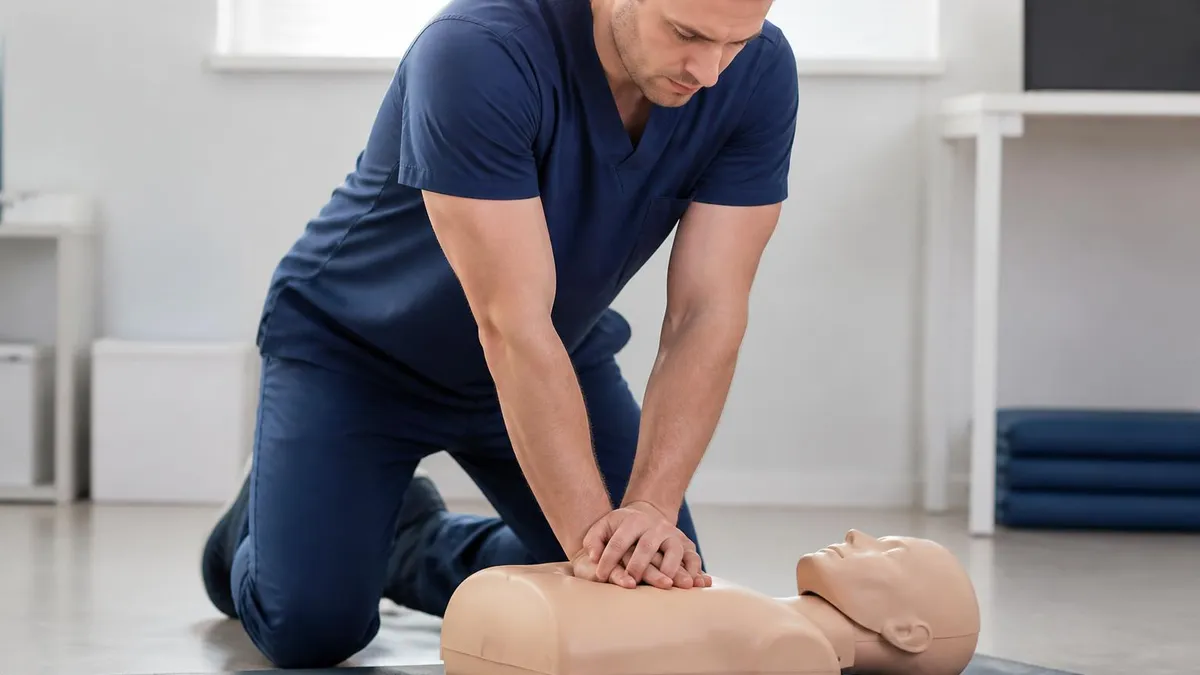
AHA Course Types: From BLS to Advanced Life Support
The foundational AHA course covering adult, child, and infant CPR, AED use, and relief of airway obstruction. Designed for healthcare providers and runs approximately four hours with a skills test and written exam.
A lay-rescuer course for non-medical professionals such as teachers, coaches, and office workers. Covers hands-only and standard CPR, AED operation, and choking relief in a concise two-hour format.
Advanced Cardiovascular Life Support targets physicians, nurses, and paramedics. The course covers the full ACLS algorithm, cardiac rhythm recognition, drug dosages, and effective code-team communication.
Pediatric Advanced Life Support is required for emergency, ICU, and pediatric nurses and physicians. It addresses recognition and management of respiratory failure, shock, and cardiac arrest in children and infants.
Pediatric Emergency Assessment Recognition and Stabilization bridges BLS and PALS for less-specialized providers. HeartCode offers a fully blended online-plus-skills-session path for busy clinicians seeking flexible scheduling.
The ACLS algorithm is not a single flowchart but a family of interrelated decision trees that guide a resuscitation team through every phase of a cardiac arrest, from initial recognition through post-resuscitation care. At its core, the algorithm is divided into two primary pathways: the shockable rhythm pathway for ventricular fibrillation and pulseless ventricular tachycardia, and the non-shockable rhythm pathway for pulseless electrical activity and asystole.
Mastering which pathway to activate — and when to switch between them — is the single most important cognitive skill an ACLS provider can develop, because a wrong decision in the first sixty seconds can cost a patient their life.
The shockable rhythm pathway begins with immediate high-quality chest compressions at a rate of 100 to 120 per minute and a depth of 2 to 2.4 inches, followed by defibrillation at the highest recommended energy setting as quickly as the defibrillator can be charged.
After the shock, compressions resume immediately without pausing to check for a pulse, because the myocardium requires perfusion pressure before it can generate a meaningful output. Epinephrine 1 mg IV or IO is administered every three to five minutes, and antiarrhythmics such as amiodarone or lidocaine are considered after the second or third defibrillation attempt if the rhythm persists.
The non-shockable pathway — covering PEA and asystole — demands a different cognitive strategy. Because there is no rhythm to shock, the team must pivot to identifying and reversing reversible causes, memorized under the mnemonic of the Hs and Ts: hypovolemia, hypoxia, hydrogen ion acidosis, hypo/hyperkalemia, hypothermia, tension pneumothorax, tamponade, toxins, thrombosis pulmonary, and thrombosis coronary. Epinephrine every three to five minutes remains the only pharmacological intervention with evidence of benefit in this pathway, and the team must maintain exceptional CPR quality throughout while systematically working through the differential diagnosis.
Team dynamics are taught with the same rigor as the pharmacological protocols. The AHA ACLS course uses structured debriefing after every simulated code to evaluate role clarity, closed-loop communication, and the willingness of team members to speak up when they observe an error. Research in high-reliability organizations consistently shows that psychological safety — the confidence that speaking up will not result in punishment or ridicule — is the most powerful predictor of good team performance in a code. AHA instructors are trained to model this culture explicitly during simulations, often deliberately embedding errors for learners to identify and correct.
Advanced airway management is another pillar of the ACLS algorithm. While high-quality chest compressions are always the priority, securing a definitive airway — typically via endotracheal intubation or a supraglottic airway device like the King LT or LMA — allows ventilation to be delivered asynchronously with compressions, maximizing both perfusion pressure and oxygenation.
Once an advanced airway is in place, the provider managing ventilation shifts to the previously mentioned respiratory rate of ten breaths per minute, carefully avoiding the hyperventilation trap. Waveform capnography is the AHA's preferred method for confirming tube placement and monitoring CPR quality, with an ETCO2 target of 10 to 20 mmHg during active resuscitation.
Post-cardiac-arrest care, often called the fifth link in the Chain of Survival, is covered in the final module of every ACLS course. Targeted temperature management, hemodynamic optimization with a MAP target of 65 mmHg or greater, 12-lead ECG to rule out ST-elevation MI requiring urgent catheterization, and neurological prognostication timelines are all addressed.
This phase of care dramatically influences survival to hospital discharge, and AHA data consistently shows that hospitals with strong post-arrest protocols achieve survival rates two to three times higher than facilities without standardized bundles. ACLS providers who understand this phase advocate more effectively for their patients in the ICU setting.
Renewal every two years is required to maintain ACLS certification, and the AHA has made the renewal pathway increasingly flexible. HeartCode ACLS allows providers to complete the didactic and cognitive assessment portions online, then attend a brief four-hour skills session with an authorized training center to demonstrate proficiency. Many hospital systems have become AHA Training Centers themselves, embedding renewal into annual competency day requirements. This infrastructure ensures that the nation's pool of ACLS-certified providers remains large, current, and — most importantly — competent at the bedside when it matters most.
CPR Practice Test Questions
Prepare for the CPR Cardiopulmonary Resuscitation Practice exam with our free practice test modules. Each quiz covers key topics to help you pass on your first try.
CPR Basic CPR
CPR Exam Questions covering Basic CPR. Master CPR Test concepts for certification prep.
CPR and First Aid
Free CPR Practice Test featuring and First Aid. Improve your CPR Exam score with mock test prep.
CPR (Cardiopulmonary Resuscitation) Adult ...
CPR Mock Exam on (Cardiopulmonary Resuscitation) Adult CPR and AED Usage. CPR Study Guide questions to pass on your first try.
CPR (Cardiopulmonary Resuscitation) Airway...
CPR Test Prep for (Cardiopulmonary Resuscitation) Airway Obstruction and Choking. Practice CPR Quiz questions and boost your score.
CPR (Cardiopulmonary Resuscitation) Cardio...
CPR Questions and Answers on (Cardiopulmonary Resuscitation) Cardiopulmonary Emergency Recognition. Free CPR practice for exam readiness.
CPR (Cardiopulmonary Resuscitation) Child ...
CPR Mock Test covering (Cardiopulmonary Resuscitation) Child and Infant CPR. Online CPR Test practice with instant feedback.
CPR (Cardiopulmonary Resuscitation) High-P...
Free CPR Quiz on (Cardiopulmonary Resuscitation) High-Performance Team Dynamics. CPR Exam prep questions with detailed explanations.
CPR (Cardiopulmonary Resuscitation) Legal ...
CPR Practice Questions for (Cardiopulmonary Resuscitation) Legal and Ethical Considerations. Build confidence for your CPR certification exam.
CPR for Specific Populations
CPR Test Online for for Specific Populations. Free practice with instant results and feedback.
CPR Airway & Breathing Management
CPR Exam Questions covering Airway & Breathing Management. Master CPR Test concepts for certification prep.
CPR Assessment & Recognition of Cardiac Ar...
Free CPR Practice Test featuring Assessment & Recognition of Cardiac Arrest. Improve your CPR Exam score with mock test prep.
CPR Chest Compressions & Defibrillation
CPR Mock Exam on Chest Compressions & Defibrillation. CPR Study Guide questions to pass on your first try.
CPR Post-Resuscitation Care & Recovery
CPR Test Prep for Post-Resuscitation Care & Recovery. Practice CPR Quiz questions and boost your score.
PALS Certification, Infant CPR, and Pediatric Life Support
PALS certification is required by most hospitals for any nurse or physician working in the emergency department, pediatric ICU, or neonatal ICU. The two-day course covers systematic assessment of the pediatric patient using the Pediatric Assessment Triangle, recognition of respiratory distress versus respiratory failure, identification of compensated versus decompensated shock, and management of cardiac arrest using weight-based drug dosing calculated via the Broselow tape or similar length-based tools.
Renewal for PALS certification follows the same two-year cycle as ACLS and BLS. The course emphasizes that children are not small adults — their physiology, anatomy, and common etiologies of cardiac arrest differ significantly. While adult cardiac arrest is most often of cardiac origin, pediatric arrest is predominantly respiratory, meaning early recognition and aggressive airway management can prevent deterioration to full arrest. This prevention-focused mindset distinguishes PALS from all other AHA advanced courses and shapes every simulation scenario in the curriculum.
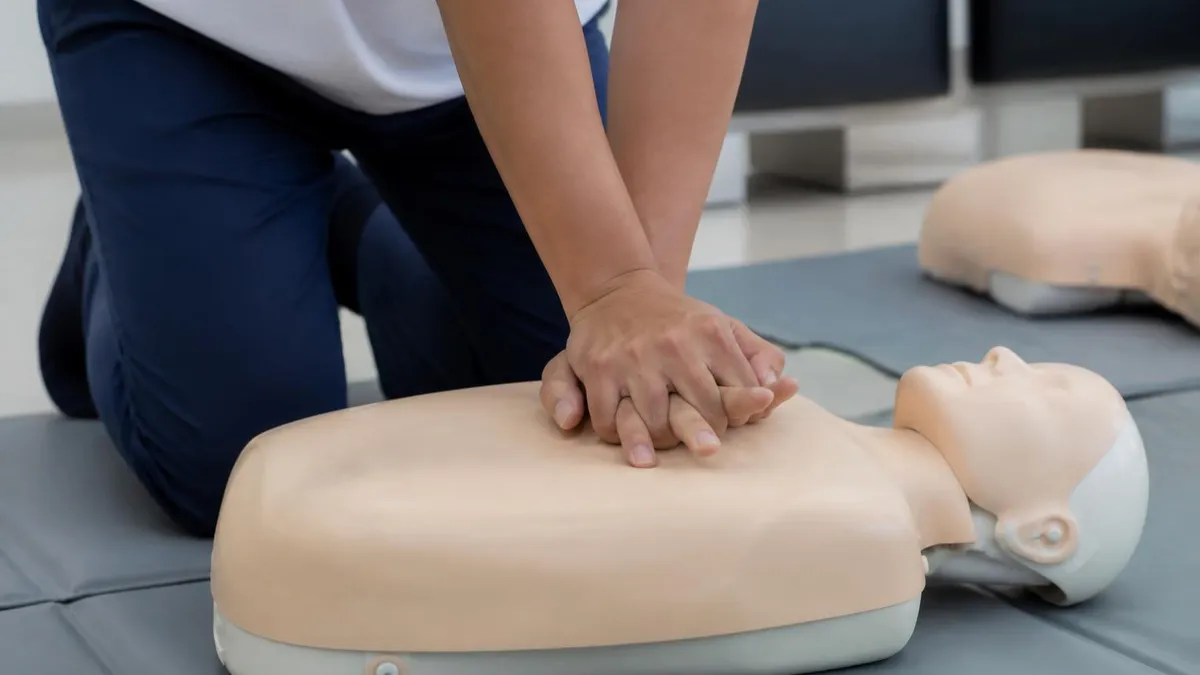
AHA CPR Training: Benefits and Limitations
- +Globally recognized certification accepted by virtually all US employers and licensing boards
- +Evidence-based curriculum updated every five years using the latest international resuscitation science
- +Flexible delivery options including in-person, blended HeartCode, and skills-only renewal formats
- +Covers a full continuum from Heartsaver lay-rescuer courses to ACLS algorithm and PALS certification
- +Hands-on manikin practice with real-time CPR feedback devices builds muscle memory effectively
- +Strong emphasis on team dynamics and communication skills that improve real-world code performance
- −Certification expires every two years, requiring consistent time and financial investment to maintain
- −In-person skills sessions can be difficult to schedule in rural areas with few authorized training centers
- −Course cost ($50–$300 depending on level) can be a barrier for individual learners without employer support
- −Written cognitive assessments require a passing score, which can be stressful for test-anxious learners
- −HeartCode online format lacks the real-time instructor feedback available in fully in-person courses
- −The ACLS algorithm is cognitively demanding; providers without regular clinical practice may struggle to retain skills between renewal cycles
AHA CPR Certification Preparation Checklist
- ✓Choose the correct AHA course level — BLS for healthcare providers, ACLS for advanced clinicians, or PALS certification for pediatric settings.
- ✓Register with an AHA-authorized Training Center or via the official AHA website to ensure your card is valid.
- ✓Complete any required pre-course online modules (HeartCode cognitive assessments) at least 48 hours before your skills session.
- ✓Review the current AHA CPR guidelines, paying close attention to compression rate, depth, and recoil requirements.
- ✓Memorize the ACLS algorithm branches: shockable rhythms (VF/pVT) versus non-shockable rhythms (PEA/asystole).
- ✓Practice the Hs and Ts mnemonic for reversible causes of cardiac arrest until you can recite them without hesitation.
- ✓Study what does AED stand for, how to operate an AED, and when to deliver a shock versus continue compressions.
- ✓Review infant CPR two-finger and two-thumb techniques and the correct compression depth for pediatric patients.
- ✓Understand the correct respiratory rate for ventilated patients (10 breaths/min) and how to avoid over-ventilation.
- ✓Arrive at your skills session rested, with comfortable clothing that allows you to kneel and perform compressions on a floor manikin.
Pausing Compressions Too Long at the Wrong Time
AHA data from resuscitation registries consistently shows that the single most preventable error during a cardiac arrest is excessive peri-shock pauses — interruptions in chest compressions immediately before and after defibrillation. Every 10-second pause allows coronary perfusion pressure to drop to near zero. The AHA recommends a pre-shock pause of under 10 seconds and immediate resumption of compressions post-shock, without stopping to check a pulse. Mastering this discipline during practice separates competent ACLS providers from exceptional ones.
Understanding what does AED stand for — Automated External Defibrillator — is just the beginning of learning how to use this potentially lifesaving device effectively. AEDs are engineered to be operated by individuals with minimal medical training, but familiarity with the device's logic and voice prompts dramatically reduces hesitation in a real emergency.
All AEDs analyze the patient's cardiac rhythm automatically after electrode pad placement and charge themselves to the appropriate energy level only when a shockable rhythm is detected. They will not deliver a shock to a patient in sinus rhythm, making them exceptionally safe for public use even without clinical training.
Life support as a concept encompasses both the mechanical and pharmacological interventions designed to sustain oxygenation, circulation, and brain perfusion when the body can no longer do so independently. Basic life support — what most people think of as CPR — provides a bridge until advanced interventions arrive.
Advanced life support layers in cardiac monitoring, intravenous access, endotracheal intubation, and drug therapy. Extracorporeal cardiopulmonary resuscitation (ECPR), sometimes called ECMO-CPR, represents the cutting edge of life support, and while not yet covered in standard AHA courses, its increasing use in cardiac arrest centers reflects the ongoing evolution of the science underlying AHA training.
The National CPR Foundation is a separate certifying organization from the AHA, offering online-only CPR certification cards that are accepted in many non-clinical settings. While national cpr foundation cards can be appropriate for lay rescuers in corporate or fitness industry settings, healthcare facilities and most hospital credentialing offices specifically require AHA certification due to the organization's rigorous in-person skills validation requirements. Understanding this distinction is critical for anyone choosing a certification pathway for professional purposes, as submitting a non-AHA card to a hospital credentialing department can delay employment or cause a certification to be rejected.
When searching for AHA-authorized courses, always include search terms like "AHA," "certification," or "training center" to filter out unrelated results.
Position recovery, or the recovery position, deserves more attention than it typically receives in abbreviated CPR courses. A patient who has regained spontaneous circulation but remains unresponsive should be placed in the left lateral recovery position to protect the airway and help drainage of secretions.
The position requires the patient to be rolled onto their side with the upper leg bent at a ninety-degree angle to prevent them from rolling forward, and the lower arm extended to prevent rolling backward. Maintaining this position correctly until paramedics arrive can prevent aspiration pneumonia — a significant cause of post-arrest morbidity that is entirely preventable with proper positioning technique.
The AHA's commitment to community education extends far beyond formal certification courses. The Hands-Only CPR campaign, launched in 2008 and updated extensively since then, teaches the two-step process — call 911 and push hard and fast in the center of the chest — to millions of people who may never pursue formal certification.
Studies have shown that bystander Hands-Only CPR is as effective as conventional CPR with rescue breaths in the first few minutes of adult cardiac arrest, dramatically increasing the pool of potential responders at any given public emergency. This public health initiative complements the professional training pipeline that AHA certification courses represent.
Simulation technology in AHA training has advanced substantially in recent years. High-fidelity manikins equipped with real-time feedback systems can now display compression rate, depth, and recoil metrics on a tablet screen visible to both the learner and instructor during practice. Some systems even simulate realistic physiological responses — pupils that change, skin color that reflects oxygenation status, and breath sounds that vary with airway positioning.
This immediate, objective feedback accelerates skill acquisition and retention, particularly for the compression mechanics that are most predictive of resuscitation success. The investment in simulation quality reflects the AHA's evidence-based conviction that skill retention requires deliberate practice with real-time measurement, not just passive instruction.
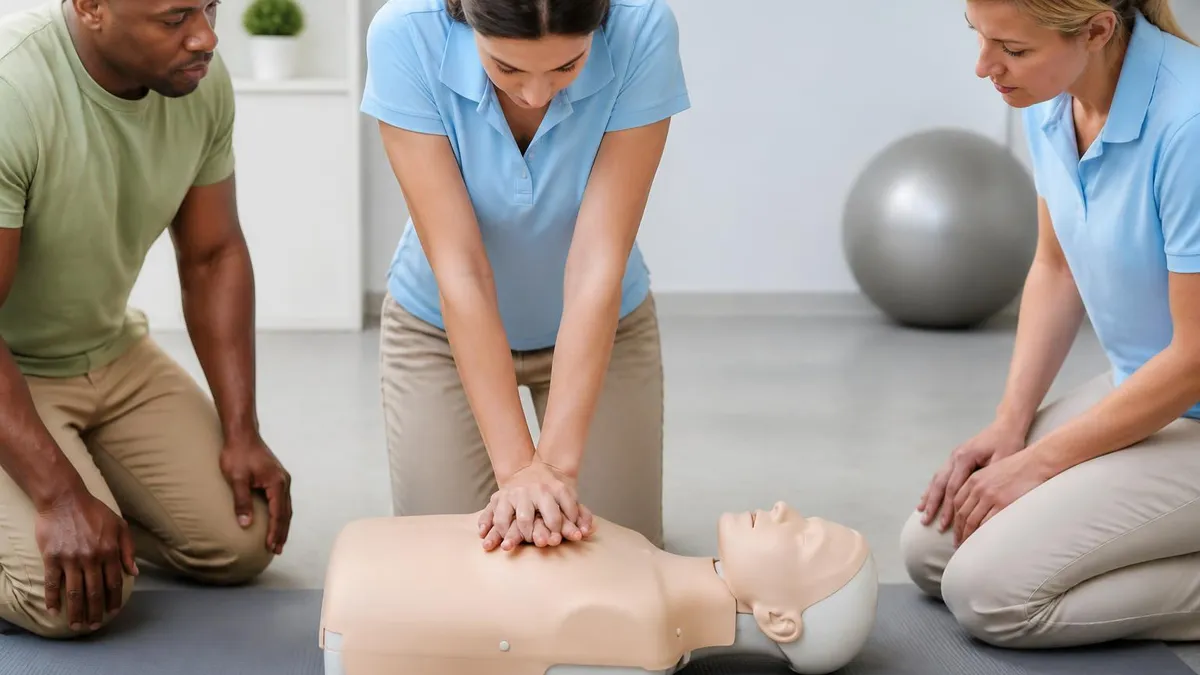
AHA BLS, ACLS, and PALS certification cards are valid for exactly two years from the date of issue. Many hospital credentialing systems automatically flag expired cards and can suspend clinical privileges without advance notice. Do not wait until your expiration month to schedule renewal — authorized training centers often have waitlists of four to six weeks, particularly in Q4 when many annual competency deadlines converge. Set a calendar reminder at the 18-month mark to begin scheduling your renewal skills session.
Career benefits of maintaining current AHA certifications extend far beyond avoiding credentialing issues. For nurses, maintaining BLS and ACLS certification is often tied directly to unit assignment eligibility, charge nurse designation, and participation in rapid response teams. In many hospital systems, ACLS certification unlocks a differential pay rate of one to three dollars per hour, which over a full-time nursing career can represent tens of thousands of dollars in additional earnings. PALS certification similarly opens doors to pediatric float pool eligibility, pediatric transport team membership, and school nurse positions requiring pediatric emergency competency.
For emergency medical technicians and paramedics, AHA certification is embedded in state licensure requirements across most of the country. EMT-Basic licensure typically requires current BLS certification, while paramedic licensure mandates ACLS. Some states also require PALS certification for ALS providers who work in systems that transport pediatric patients. License renewal cycles are typically two years, aligned closely with AHA certification validity periods, which simplifies the recertification planning process for most EMS professionals who manage their training calendars proactively.
Physicians benefit from AHA certification in ways that are less often discussed outside residency training programs. All US medical residency programs require BLS certification at minimum, and most emergency medicine, anesthesiology, critical care, and internal medicine residencies require current ACLS and PALS certification. Board certification examinations for these specialties include questions directly derived from AHA guidelines — meaning the ACLS algorithm and the pediatric assessment frameworks tested in PALS are not just clinical tools but examination content. Residents who engage seriously with AHA training tend to perform better on these components of their specialty board exams.
The financial investment in AHA certification is modest relative to its career return. A BLS provider course at an authorized training center typically costs $50 to $75. ACLS initial certification runs $150 to $250, and PALS initial courses are similarly priced.
Renewal courses are generally less expensive than initial certification because they assume foundational knowledge and focus the skills session time on validation rather than teaching. Many employers reimburse certification costs as part of continuing education benefits, and some hospital systems host on-site AHA Training Centers that provide free or deeply discounted courses for staff as a retention and safety investment.
Online preparation resources have proliferated in response to demand from learners who want to arrive at their skills sessions confident rather than anxious. Practice tests modeled on the cognitive assessment components of ACLS and BLS courses are available through platforms like PracticeTestGeeks, allowing learners to identify knowledge gaps before they become test failures. The AHA's own Handbook of Emergency Cardiovascular Care, colloquially known as the ECC Handbook, is the authoritative reference for every algorithm and dosing table tested in ACLS and PALS, and reading it in parallel with practice questions produces the fastest and most durable knowledge gains.
Instructor-level certification represents the top of the AHA training ladder for non-physicians. BLS Instructors, ACLS Instructors, and PALS Instructors can train and certify other providers after completing a separate instructor course and demonstrating teaching competency to an AHA Training Center Faculty member. Becoming an AHA instructor is a meaningful way to multiply your impact on patient safety, earn supplemental income through contracted training, and build a professional reputation as a resuscitation education expert. Many clinical educators, flight nurses, and code-team coordinators hold instructor status as a formal part of their professional role.
Looking ahead to 2026 and beyond, the AHA is expected to release updated resuscitation guidelines based on the 2025 ILCOR evidence evaluation cycle. Anticipated updates include refined compression-to-ventilation ratios for specific clinical contexts, expanded guidance on the use of point-of-care ultrasound during cardiac arrest to identify reversible causes in real time, and potentially new thresholds for when to initiate ECPR protocols in community hospital settings.
Staying current with these guideline updates is a professional responsibility for every AHA-certified provider, and the AHA's free e-newsletter and online training modules make it straightforward to integrate new evidence into clinical practice as it is published.
Preparing effectively for any AHA certification exam requires a strategy that balances cognitive study with physical skill practice. The cognitive portion of both BLS and ACLS assessments requires a score of 84% or higher to pass, which means you can miss no more than two or three questions on the typical 25-question exam.
The most frequently missed questions involve drug dosing intervals (epinephrine every three to five minutes), the compression-to-ventilation ratio for two-rescuer infant CPR (15:2), and the correct respiratory rate for a ventilated patient with an advanced airway (10 per minute). Targeting these specific knowledge areas in your practice sessions will yield the highest return on study time.
Physical skill preparation should begin at least one week before your scheduled skills session, not the night before. If you have access to a CPR manikin — many libraries, fire stations, and community centers lend them — even 20 minutes of daily compression practice will dramatically improve your hand positioning, depth consistency, and rate control.
If a manikin is not available, practicing compressions on a firm pillow while watching a metronome set to 110 beats per minute gives you a reasonable approximation of the rhythm and force required. Remember that the AHA's target rate of 100 to 120 compressions per minute feels faster than most people initially estimate — practicing to a metronome prevents the common error of drifting below 100 when fatigued.
Arriving at your AHA skills session well rested and physically prepared matters more than many learners realize. Chest compressions at the required depth and rate for two minutes is physically demanding, particularly for smaller individuals compressing on firm manikins that require full body weight transfer. Wearing comfortable athletic clothing, eating a light meal beforehand, and staying hydrated will help you perform at your best during the high-pressure evaluation scenarios. Instructors are looking for consistent technique, not perfection — demonstrating that you understand the sequence and can maintain adequate quality is the standard, not Olympic-level athleticism.
Team communication practice is often overlooked by individual learners who focus exclusively on technical skills. During ACLS scenarios, instructors specifically evaluate whether team members use closed-loop communication — a technique in which every instruction is acknowledged verbally by the recipient and confirmed by the sender.
For example, when a team leader says "give one milligram of epinephrine IV," the correct response is "one milligram of epinephrine IV — giving now" followed by "epinephrine given" at administration. This explicit feedback loop prevents the medication errors and missed interventions that commonly occur during the chaos of a real code. Practice this communication pattern with a study partner before your skills session to make it feel natural rather than awkward.
Scenario-based study is the most effective preparation method for the AHA's structured simulations. Write out the ACLS algorithm on a blank piece of paper from memory, then check it against the official version. Practice calling out interventions in sequence as if you were running a code alone: "Compressions started, rhythm check in two minutes, push epinephrine now, charge to 200 joules, shock delivered, resume compressions, analyze in two minutes." This verbal rehearsal primes the procedural memory pathways that will activate under stress during the real scenario, dramatically reducing the cognitive load of the performance itself.
Post-certification practice is where the real learning solidifies. Many healthcare providers report that their first real cardiac arrest after ACLS certification felt surreal — that the training suddenly made the chaos comprehensible in a way that nothing else could have prepared them for. This is precisely the goal of simulation-based education: to create a cognitive schema that the brain can activate automatically under stress.
The more you review the algorithm, practice the skills, and debrief real cases against the guidelines, the more automatic your responses become. The AHA's two-year recertification cycle is calibrated to the rate at which most adults begin to lose this procedural fluency, making regular renewal not just a regulatory requirement but a genuine patient safety intervention.
Finally, remember that CPR competence is a community asset as much as a professional credential. Every person who completes AHA training and retains those skills is a potential lifesaver for a neighbor, a family member, or a stranger on the street.
The AHA's vision — a world in which no one dies from sudden cardiac arrest for lack of a bystander willing and able to act — depends on the cumulative effect of millions of individual certification decisions. Whether you are studying for your first BLS card or preparing for ACLS instructor certification, the training you invest in today extends far beyond your own career and into the fabric of the community you live and work in.
For a deeper look at this topic, see our guide to american heart association cpr training.
CPR Questions and Answers
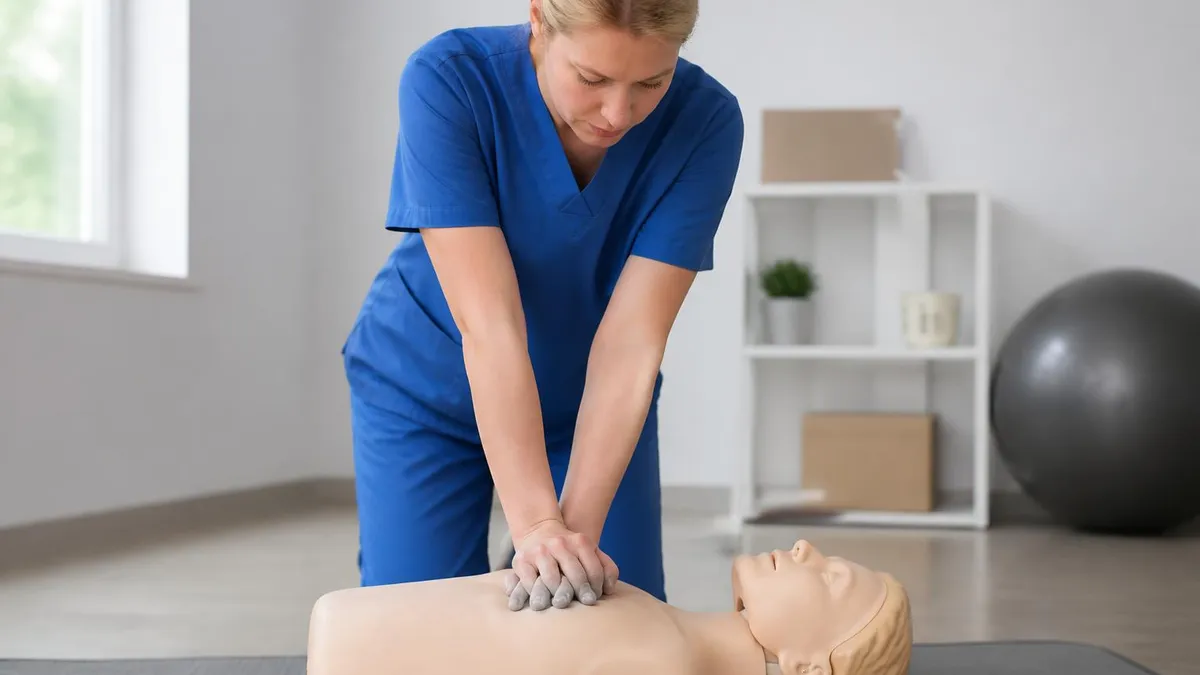
CPR Certification Classes: Complete Guide to ACLS Algorithm, PALS, and Life Support Training in 2026
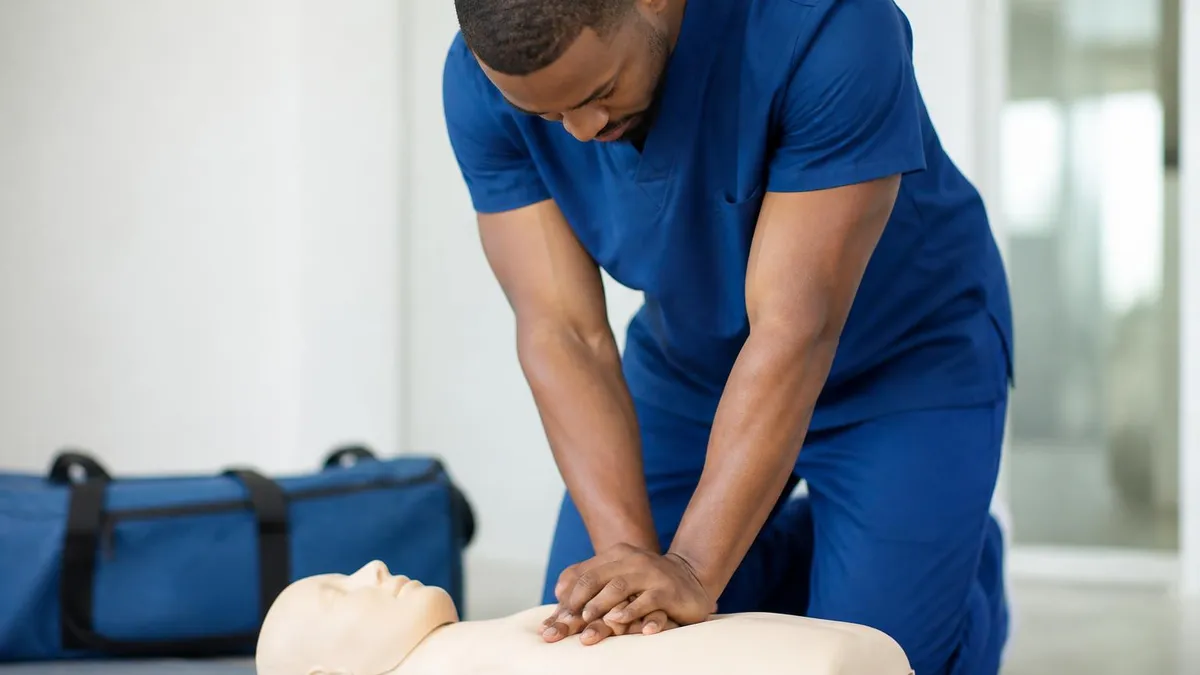
CPR Courses: Complete Guide to ACLS Algorithm, PALS Certification, and Life Support Training in 2026
CPR Face Shield: Complete Guide to ACLS Algorithm, Infant CPR, and Life Support Barrier Devices in 2026
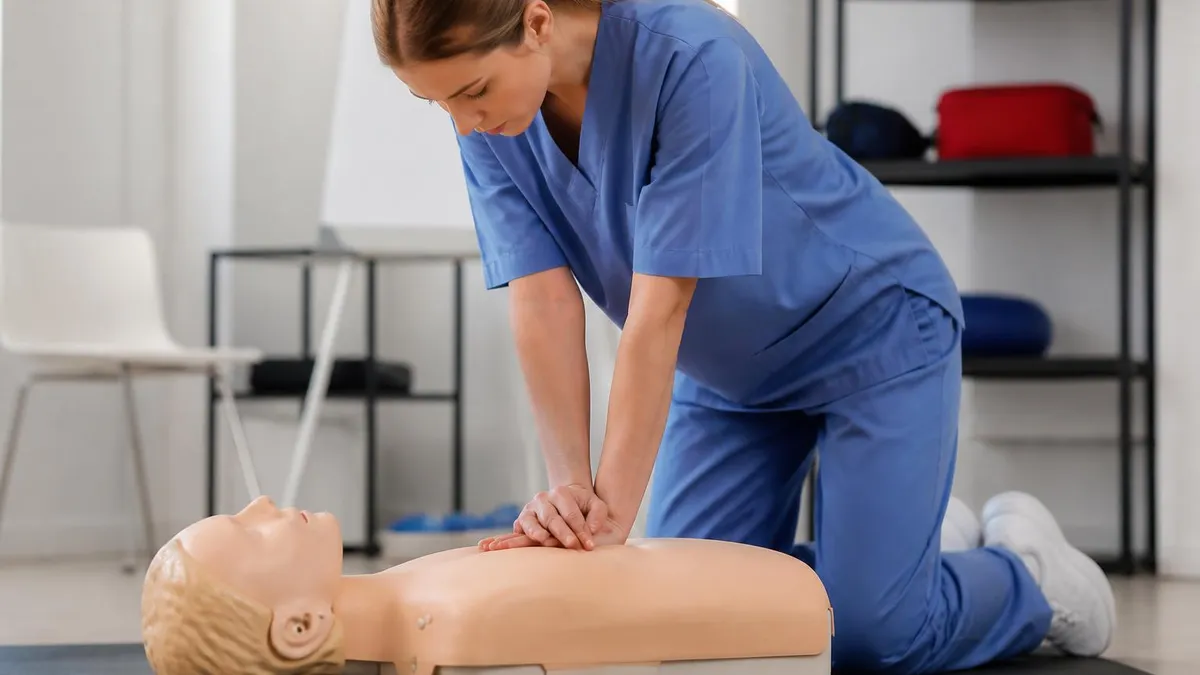
Types of CPR Training: From Basic Life Support to ACLS Algorithm Mastery in 2026
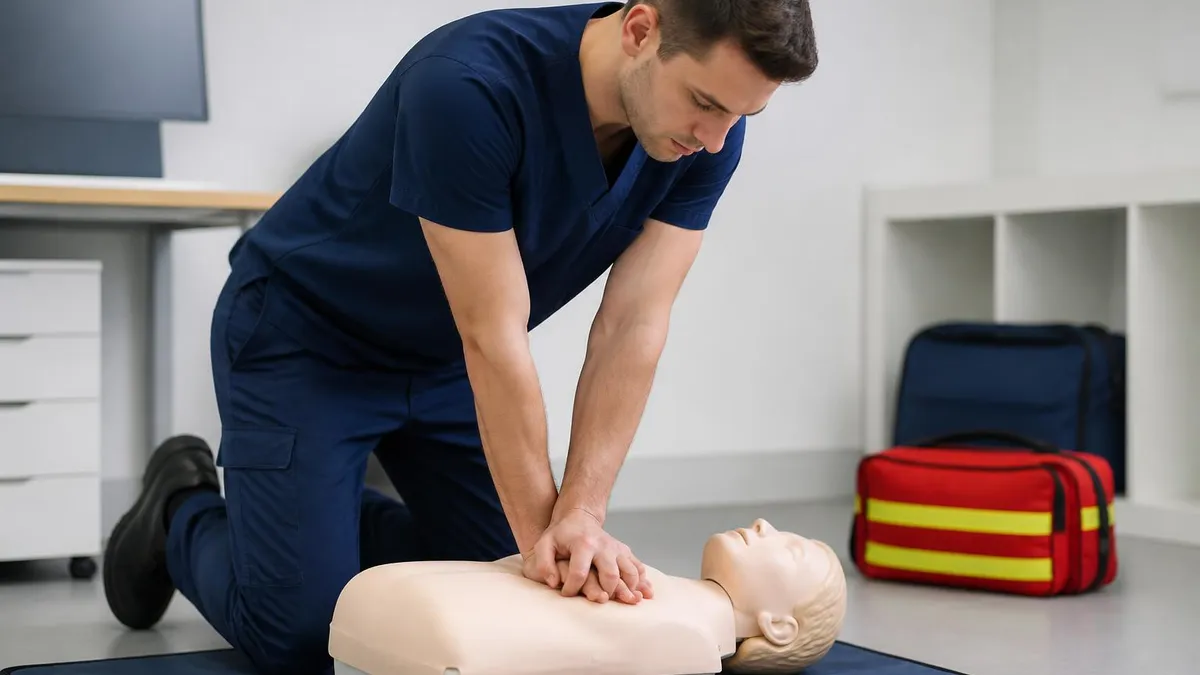
Adult CPR: Complete Step-by-Step Guide to Hands-Only and Standard CPR in 2026
About the Author

Registered Nurse & Healthcare Educator
Johns Hopkins University School of NursingDr. Sarah Mitchell is a board-certified registered nurse with over 15 years of clinical and academic experience. She completed her PhD in Nursing Science at Johns Hopkins University and has taught NCLEX preparation and clinical skills courses for nursing students across the United States. Her research focuses on evidence-based exam preparation strategies for healthcare certification candidates.
Join the Discussion
Connect with other students preparing for this exam. Share tips, ask questions, and get advice from people who have been there.
View discussion (5 replies)