
CPR in Real Life: What Actually Happens When You Use It 2026 October
Learn what real life CPR looks like — ACLS algorithm, infant CPR, AED use, and life support steps. Be ready when it matters most. 💡

Understanding real life CPR is fundamentally different from reading about it in a textbook or watching a dramatized scene on television. When a cardiac emergency unfolds in front of you — at a grocery store, a park, or even in your own home — the gap between knowing the theory and acting confidently under pressure can mean the difference between life and death. The acls algorithm provides the backbone of resuscitation science, but applying it when adrenaline is coursing through your body takes preparation and practice that no amount of passive learning can replace.
Every year, approximately 350,000 out-of-hospital cardiac arrests occur in the United States. Survival rates remain stubbornly low — hovering around 10 percent — largely because bystanders either do not recognize the emergency, hesitate to act, or feel unsure about technique. Studies consistently show that immediate CPR performed by a trained bystander can double or even triple a victim's chance of survival. That statistic alone makes understanding cpr in real life scenarios not just valuable but arguably essential for every adult in America.
The national cpr foundation and other major certifying bodies have worked to simplify the process in recent years, distilling the core steps into memorable sequences that people can recall under stress. The push toward hands-only CPR for untrained bystanders, the installation of automated external defibrillators (AEDs) in public spaces, and mobile CPR instruction apps have all contributed to a growing culture of cardiac emergency preparedness. Understanding what does aed stand for — Automated External Defibrillator — and knowing where to find one are critical first steps any potential rescuer must master.
Infant CPR represents a specialized subset of resuscitation that follows distinctly different guidelines from adult CPR. The compression depth, hand placement, rescue breath technique, and compression-to-ventilation ratio all change when the patient is a baby. Parents, grandparents, childcare workers, and teachers who work with infants and young children need pals certification — Pediatric Advanced Life Support — or at minimum a basic infant CPR course to be adequately prepared for a pediatric cardiac emergency. The anatomy of a small child demands precise adaptations that generic adult CPR training simply does not cover.
When we talk about life support in the real world, we are really talking about a chain of interconnected actions — recognizing the emergency, calling 911, initiating CPR, deploying an AED, and maintaining rhythm until professional help arrives. Each link in that chain matters. A delay of even two to three minutes at any stage significantly reduces the chance of neurologically intact survival. Understanding how each element connects — and how to bridge the gaps between them — is what true preparedness looks like in practice.
This article explores what actually happens during a real cardiac emergency, from the moment you recognize something is wrong to the moment emergency medical services take over. We will cover the acls algorithm in plain language, explain proper position recovery technique, address the unique demands of infant CPR, and demystify exactly what does aed stand for in practical terms. Whether you are refreshing your knowledge or encountering these concepts for the first time, this guide is built to make you more confident, more capable, and more ready to act when it counts most.
Along the way, we will also address some practical realities that CPR courses often gloss over — the physical exhaustion of real compressions, the emotional weight of working on a loved one, the challenge of maintaining respiratory rate counts under pressure, and the importance of debriefing after a real-world resuscitation event. Real readiness means preparing for all of it, not just the clinical steps printed on a laminated reference card.
CPR in Real Life by the Numbers

Recognizing and Responding to Cardiac Arrest
Recognize the Emergency
Call 911 and Dispatch Help
Begin Chest Compressions
Deliver Rescue Breaths (If Trained)
Deploy the AED
Continue Until EMS Arrives
The acls algorithm — Advanced Cardiac Life Support — is the structured clinical framework that emergency responders and healthcare providers use to manage cardiac arrest and other life-threatening cardiovascular emergencies. Although full ACLS certification is primarily aimed at healthcare professionals, understanding its logic helps any rescuer appreciate why the individual steps of CPR are ordered the way they are. The algorithm is not arbitrary; it reflects decades of research into what interventions actually improve survival at each stage of resuscitation.
At its core, the adult acls algorithm begins with the same steps every bystander can take: recognize cardiac arrest, activate the emergency response system, and initiate high-quality CPR. From there, it adds layers that only trained providers can deliver — IV or IO access for medication administration, cardiac rhythm interpretation, defibrillation timing, and vasopressor therapy with drugs like epinephrine. Understanding that CPR and defibrillation are the two interventions with the strongest evidence for improving survival helps rescuers prioritize relentlessly — compressions and the AED first, everything else second.
The respiratory rate during CPR matters more than most bystanders realize. Current American Heart Association guidelines recommend delivering ventilations at a rate of 10 breaths per minute (one breath every 6 seconds) during continuous CPR with an advanced airway in place. For lay rescuers doing conventional CPR at a 30:2 ratio, the rhythm of compressions naturally limits over-ventilation. The danger of ventilating too rapidly — a common error even among trained providers — is that it raises intrathoracic pressure, reduces venous return to the heart, and paradoxically decreases coronary perfusion pressure, undermining the very circulation you are trying to establish.
Position recovery, also called the recovery position, is a critical post-arrest or post-rescue breathing intervention that is frequently overlooked in discussions of real-world CPR. Once a victim resumes spontaneous breathing but remains unconscious, rolling them into the recovery position — on their side with the airway open — prevents aspiration of vomit, which is common after resuscitation. The position recovery technique uses specific hand and leg placements to keep the victim stable on their side without compressing the chest or restricting breathing, and it must be maintained until EMS arrives and takes over airway management.
One underappreciated reality of real life CPR is how physically demanding it is. Effective chest compressions — the kind that actually circulate blood — require significant force, delivered consistently, for minutes or longer. Research shows that compression quality degrades noticeably within two minutes as rescuers fatigue, even among trained professionals. This is why rotating compressors every two minutes is a cornerstone recommendation from the national cpr foundation and the American Heart Association alike. At a typical community emergency, identifying multiple people willing to rotate is often as important as mastering compression technique.
The emotional dimension of real-world CPR is something training courses address imperfectly. Performing CPR on a stranger in a public place carries a certain clinical distance that can be mobilizing. Performing it on a family member, a coworker, or a child is an entirely different experience. Witnesses and rescuers frequently report symptoms consistent with acute stress disorder and PTSD following real CPR events, regardless of outcome. Many hospitals and EMS systems now offer formal debriefing sessions and mental health resources after resuscitation events, acknowledging that the psychological cost of attempting to save a life is real and deserves structured support.
Understanding the acls algorithm also helps rescuers appreciate the role of reversible causes — the so-called H's and T's — in cardiac arrest management. Causes like hypovolemia, hypoxia, hypothermia, tension pneumothorax, tamponade, and toxin ingestion all require specific interventions beyond CPR and defibrillation. While bystanders cannot address most of these, knowing they exist reinforces the importance of providing as complete a history as possible to arriving EMS — what happened before collapse, any known medical conditions, medications on hand — information that can directly guide the clinical team's approach during the resuscitation.
What Does AED Stand For, Infant CPR & Life Support Essentials
AED stands for Automated External Defibrillator — a portable device that analyzes the heart's electrical rhythm and delivers a shock when a shockable rhythm like ventricular fibrillation or pulseless ventricular tachycardia is detected. AEDs are found in airports, schools, gyms, shopping malls, and many workplaces. When you power one on, it walks you through every step with voice and visual prompts, making it usable even by individuals with no prior training. The device will not shock a heart that does not need it, making hesitation to use one unjustified.
Applying AED pads correctly is the most critical user step. One pad goes below the right collarbone; the other goes on the left side of the chest below the armpit. Pads must make full skin contact — remove clothing, dry the chest if wet, and shave excessive chest hair if a razor is available in the kit. Once pads are attached, stand clear, let the device analyze, and follow its instruction. If a shock is advised, ensure no one is touching the victim, press the shock button, and immediately resume CPR. Most AEDs recommend a 2-minute CPR cycle before re-analyzing.

Bystander CPR: Benefits and Honest Limitations
- +Doubles or triples survival odds compared to waiting for EMS alone
- +AEDs and hands-only CPR make initiation possible for untrained bystanders
- +Good Samaritan laws in all 50 states protect bystanders who attempt CPR in good faith
- +Compressions alone can sustain partial circulation for many minutes until advanced help arrives
- +Early AED use within 3–5 minutes can achieve survival rates above 50 percent
- +Community CPR training creates networks of potential responders in high-density public spaces
- −Compression quality degrades rapidly with fatigue, especially when performing alone
- −Risk of rib fractures and sternum injury, particularly in elderly patients with osteoporosis
- −Bystanders may experience acute psychological stress or PTSD following a real resuscitation event
- −Without an AED, CPR alone rarely restores a shockable rhythm — it buys time but cannot fix the problem
- −Hesitation due to fear of doing it wrong remains a major barrier to bystander action
- −Outcomes remain poor for non-shockable rhythms (asystole, PEA) regardless of CPR quality
Pros and Cons at a Glance
| Pros | Cons |
|---|---|
| Doubles or triples survival odds compared to waiting for EMS alone | Compression quality degrades rapidly with fatigue, especially when performing alone |
| AEDs and hands-only CPR make initiation possible for untrained bystanders | Risk of rib fractures and sternum injury, particularly in elderly patients with osteoporosis |
| Compressions alone can sustain partial circulation for many minutes until advanced help arrives | Bystanders may experience acute psychological stress or PTSD following a real resuscitation event |
| Community CPR training creates networks of potential responders in high-density public spaces | Without an AED, CPR alone rarely restores a shockable rhythm — it buys time but cannot fix the problem |
Real-Scene CPR Readiness Checklist
- ✓Confirm unresponsiveness by tapping shoulders and shouting the person's name or 'Are you okay?'
- ✓Call 911 immediately or direct a specific bystander to call and report back to you
- ✓Send a second bystander to locate and retrieve the nearest AED without delay
- ✓Begin chest compressions at the center of the chest, 2+ inches deep, at 100–120 per minute
- ✓Allow full chest recoil between each compression — do not lean on the chest
- ✓If trained, deliver 2 rescue breaths after every 30 compressions, watching for chest rise
- ✓Rotate compressors every 2 minutes to maintain compression quality as fatigue sets in
- ✓Power on the AED as soon as it arrives and follow every voice prompt without hesitation
- ✓Ensure all bystanders stand clear during AED analysis and shock delivery
- ✓Resume CPR immediately after each AED shock without pausing to check for a pulse
Compression Depth and Rate Are the Two Variables That Matter Most
Research consistently shows that compressions delivering at least 2 inches of depth at 100–120 beats per minute produce the best outcomes. A common mnemonic is to compress to the beat of the Bee Gees song 'Stayin' Alive,' which runs at approximately 103 BPM — remarkably close to the target range. If you remember nothing else about real life CPR technique, remember: push hard, push fast, and let the chest fully rise between compressions.
Formal CPR training comes in several tiers, each designed for a different audience and level of responsibility. The most accessible starting point for most Americans is the Heartsaver CPR/AED course offered by the American Heart Association or a comparable course from the national cpr foundation. These courses are designed for lay rescuers — people who are not healthcare providers — and focus on the core skills of recognizing cardiac arrest, calling for help, performing chest compressions, using an AED, and, in some versions, delivering rescue breaths. Completion typically earns a 2-year certification card.
Healthcare providers — nurses, paramedics, medical assistants, respiratory therapists, and physicians — need BLS (Basic Life Support) certification as a baseline requirement, usually mandated by their employers and state licensing boards. BLS training goes deeper than Heartsaver courses, incorporating two-person CPR technique, bag-mask ventilation, and more rigorous skill station checkoffs. Beyond BLS, providers in acute care settings typically require ACLS certification, which adds the acls algorithm, rhythm interpretation, megacode scenarios, and advanced airway management to their skill set. ACLS renewal is required every 2 years.
Pals certification — Pediatric Advanced Life Support — is required for providers who care for pediatric patients in emergency, critical care, or perioperative settings. Like ACLS, PALS is typically a 2-day initial course followed by 2-year renewal. The course covers infant CPR with its specialized compression technique, pediatric rhythms and rhythm management, respiratory emergencies, shock recognition, and the systematic PALS assessment algorithm. Many hospitals require PALS for all nursing staff in pediatric units, EDs, and ICUs, reflecting how differently children respond to cardiac and respiratory emergencies compared to adults.
For those interested in teaching CPR rather than just performing it, cpr instructor certification adds another layer. CPR instructors must themselves hold current provider-level certification (BLS, ACLS, or PALS depending on what they wish to teach), complete an instructor course, and affiliate with a training center. Instructors are responsible not just for delivering content accurately but for creating realistic skill practice environments, evaluating students objectively, and maintaining the fidelity of certification standards across their community. Many hospitals, fire departments, and community organizations rely on a network of trained instructors to keep their staff current.
The emergence of online CPR certification options has democratized access to training but also raised important quality questions. The national cpr foundation and other providers offer blended-learning formats — online didactic content followed by in-person skills sessions — that maintain hands-on competency evaluation while reducing the time burden of full classroom attendance. Fully online CPR certifications without any hands-on component remain controversial among clinical educators, who note that skill competency simply cannot be validated through a screen. Employers and licensing bodies vary in whether they accept fully online certifications, so checking requirements before enrolling is essential.
While this creates occasional search confusion, it also serves as an unexpected reminder that the CPR acronym has genuine brand recognition. The life-saving CPR's cultural footprint has grown large enough that a consumer electronics repair company saw value in borrowing its name — a testament to how deeply the concept of emergency restoration has embedded itself in public consciousness.
Beyond initial certification, ongoing skill maintenance is where most individuals fall short. Research on CPR skill retention shows measurable degradation within 3 to 6 months of training, with compression depth and rate most affected. This has prompted calls from researchers and the American Heart Association for more frequent refresher training — short booster sessions of 15 to 20 minutes every 6 to 12 months rather than waiting for full recertification every 2 years. Mobile apps, mannequin kiosks in airports and hospitals, and virtual reality simulation tools are emerging as accessible platforms for this kind of frequent low-dose practice.
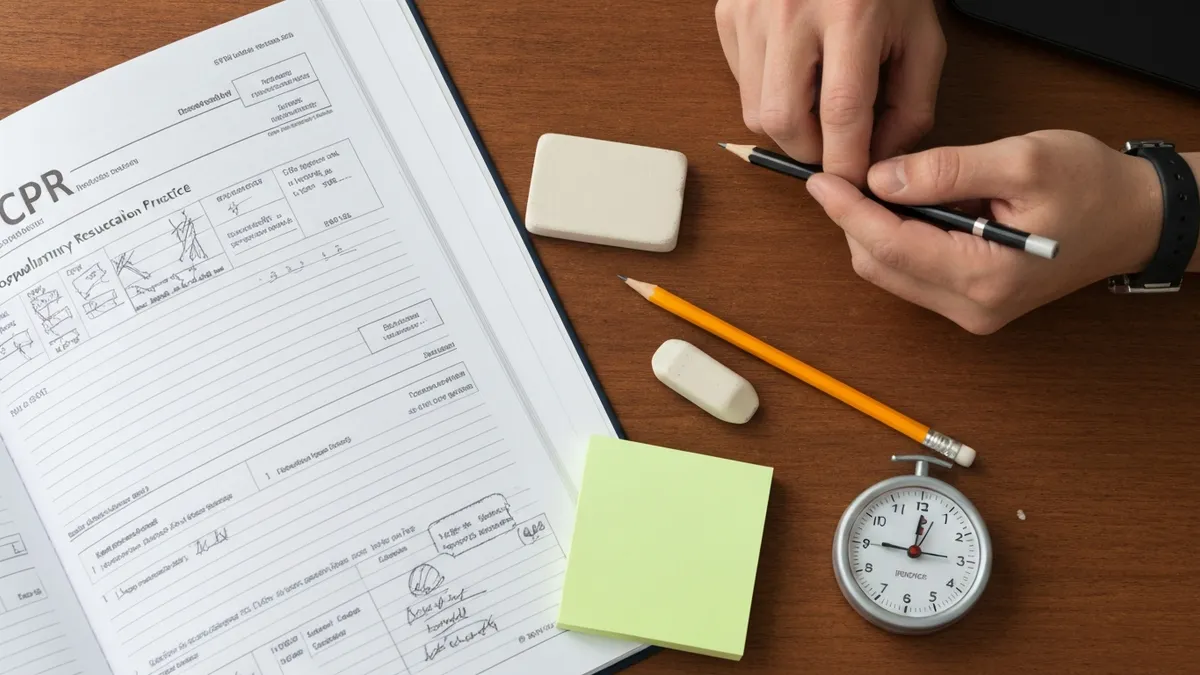
Many online CPR courses offer certification without hands-on evaluation — but research consistently shows that compression depth, rate, and recoil can only be reliably assessed through physical practice on a mannequin with real-time feedback. Before enrolling in any CPR certification course, confirm with your employer or licensing board whether a fully online format is accepted. Hospitals, many clinical employers, and state EMS agencies typically require a hands-on skills session as part of a valid certification.
Staying ready after initial CPR certification requires more than keeping your card current. It means periodically revisiting the scenarios that most commonly precede cardiac arrest, recognizing the warning signs that a cardiac event may be imminent, and mentally rehearsing the sequence of steps you would take in the environments where you spend the most time.
Cardiac arrests do not announce themselves politely; they happen without warning, and the first 60 seconds of bystander response are often the most consequential. Mental rehearsal — sometimes called imagery training in sports psychology — is a proven technique for building the automatic confidence that freezes untrained bystanders.
Knowing the location of the nearest AED in every building you regularly occupy is a practical readiness step that takes minutes to establish and costs nothing. Most large buildings are required by local code to post AED location signage, and many states mandate AEDs in specific settings like schools, gyms, and large assembly venues. When you arrive at a new workplace, stadium, shopping center, or community facility, take 60 seconds to identify the nearest AED cabinet. This habit, practiced consistently, means you will never lose precious seconds searching during an actual emergency when time is measured in lives.
The position recovery technique is worth practicing alongside compression and ventilation skills, yet it is almost always left out of basic CPR courses due to time constraints. Once a victim begins breathing spontaneously but remains unresponsive after resuscitation — a state called return of spontaneous circulation (ROSC) — rolling them into the lateral recovery position protects the airway until advanced care arrives. The technique involves specific positioning of the arm, the far hand under the cheek, and bending the knee to stabilize the body in a stable lateral position. Every CPR-trained individual should be able to execute this maneuver smoothly.
Team dynamics play a surprisingly large role in how effectively CPR unfolds in multi-bystander scenarios. Effective resuscitation in a public setting often depends on someone stepping into a leadership role — assigning tasks clearly, calling for AED retrieval, timing compression cycles, and communicating with EMS when they arrive. Research in hospital resuscitation teams shows that teams with a designated leader who communicates with closed-loop confirmation achieve better compression fractions and shorter time-to-shock intervals. The same principles apply to bystander response: confident, clear communication — even in a crowd of strangers — dramatically improves coordinated action.
Post-resuscitation care for bystanders is a topic that has gained increasing attention in recent years. Community-wide programs that include bystander debriefing resources — phone numbers to call, websites to visit, peer support networks to access — have been shown to reduce PTSD symptoms and help rescuers process the experience, regardless of whether the patient survived. The emotional aftermath of attempting CPR on another human being is real and should be anticipated as part of any honest CPR education. Organizations like the Sudden Cardiac Arrest Foundation offer online resources specifically for bystanders who have lived through this experience.
It is also worth understanding the legal protections available to bystander rescuers. All 50 U.S. states and the District of Columbia have some version of a Good Samaritan law that protects individuals who provide emergency assistance in good faith from civil liability when they act reasonably and without expectation of compensation.
These laws were specifically designed to remove the hesitation that fear of legal consequences might create. While the scope and specifics vary by state, the core protection — that a well-intentioned bystander who attempts CPR in an emergency will not face civil liability for unintended harm — is consistent across jurisdictions and is an important reassurance for anyone who has hesitated to act.
For anyone serious about readiness, practicing with feedback-enabled devices is the gold standard for home or workplace skill maintenance. Devices like feedback mannequins, CPR prompt apps, and wearable compression sensors provide real-time data on compression rate, depth, and recoil — the three variables most predictive of resuscitation outcome. Several of these tools are now available at consumer price points, making regular high-quality practice accessible outside of formal training environments. Pairing these tools with periodic formal recertification creates a continuous loop of skill development that far outperforms the traditional model of certification followed by two years of no practice.
Building real-world CPR readiness is ultimately about closing the gap between what you know and what you can do automatically under acute stress. The brain in a genuine emergency does not access carefully memorized step-by-step lists — it falls back on patterns that have been drilled to automaticity. This is exactly why practice — hands-on, repetitive, feedback-rich practice — matters so much more than passive knowledge acquisition. Every minute spent on a CPR mannequin is an investment in the neural pathways that will activate when theory is replaced by reality.
One of the most evidence-backed strategies for improving real-world CPR performance is dispatcher-assisted CPR. When you call 911, the emergency dispatcher is trained to provide real-time CPR instructions to untrained or uncertain bystanders. Studies show that dispatcher-guided CPR significantly increases the likelihood that a bystander will initiate and maintain compressions until EMS arrives. Placing the dispatcher on speaker and following their verbal guidance provides both instruction and psychological support that many bystanders find essential for sustaining action during the intense stress of a real cardiac emergency.
Understanding the physical reality of effective compressions is important for setting realistic expectations. Ribs may crack. The sternum may move more than you expect. The sensation of performing chest compressions on a real person — particularly an elderly person with fragile bones — is very different from compressing a foam mannequin. This is not a sign that you are doing something wrong; it is a sign that you are compressing deeply enough to actually circulate blood. EMS providers and emergency physicians routinely find rib fractures on resuscitation patients, and these injuries are vastly preferable to death from inadequate CPR.
The respiratory rate management aspect of real CPR is worth revisiting from a practical standpoint. For lay rescuers performing 30:2 CPR, counting compressions aloud — "one and two and three..." — helps maintain pace and naturally times rescue breath delivery at the 30-compression mark.
For healthcare providers managing an advanced airway (endotracheal tube or supraglottic device), asynchronous ventilation at a rate of 10 breaths per minute (one every 6 seconds) decouples breathing from compressions, allowing uninterrupted chest compressions. Knowing which protocol applies to your training level prevents the hesitation and confusion that can arise when lay rescuer knowledge meets clinical terminology.
Preparing children and teenagers for cardiac emergency response is an often-overlooked dimension of community CPR readiness. Multiple states now mandate CPR education in high schools, recognizing that young people are often present when cardiac emergencies occur and that early training creates lifelong preparedness habits.
Programs like PulsePoint — a smartphone app that alerts trained bystanders when a cardiac arrest occurs near their location — are extending the reach of CPR-trained community members beyond whatever fixed location they might otherwise be confined to. These technology-enabled networks of trained responders are one of the most promising developments in community cardiac emergency response in the past decade.
Finally, understanding what happens after EMS arrives is important for anyone involved in a real resuscitation event. Once the ambulance team takes over, bystanders should be prepared to provide a concise report: when the patient collapsed, whether any CPR was performed before EMS arrival, approximately how many cycles were completed, and any known medical history.
This handoff information directly shapes the clinical decisions the arriving team will make. After handing off care, bystanders should step back, allow the team to work, and accept whatever support the arriving responders or a hospital's social worker may offer to help them process the experience they just went through.
Whether you are newly certified, renewing after years away, or simply trying to understand what real cardiac emergency response looks like, the most important truth is this: imperfect CPR is infinitely better than no CPR.
A compression that is slightly shallow, a breath that does not fully inflate the lungs, a pace that drifts a few beats off target — none of these imperfections will undo the fundamental benefit of keeping blood moving through a body whose heart has stopped. Perfection is the enemy of action in cardiac arrest. Act early, act persistently, use the AED without hesitation, and trust that the training you have invested in is enough to make a real difference.
CPR Questions and Answers
How Long Does CPR Certification Last? 2026 Renewal Guide
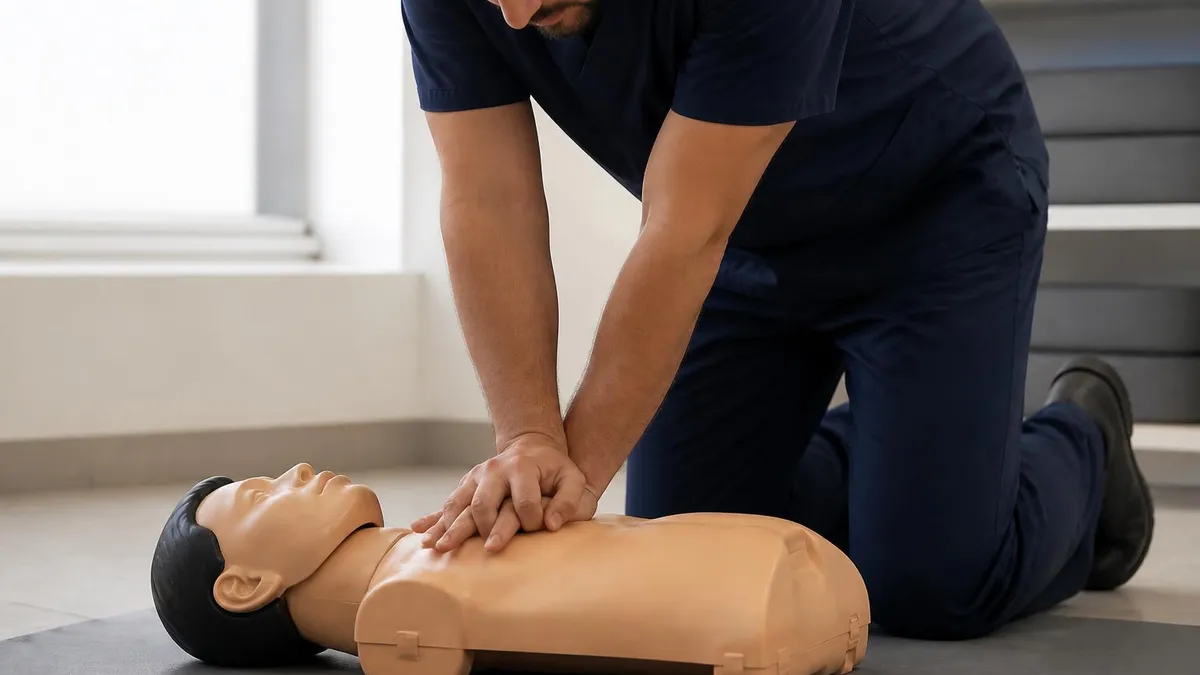
Extracorporeal CPR (ECPR): Complete Guide to Mechanical Circulatory Support During Cardiac Arrest in 2026
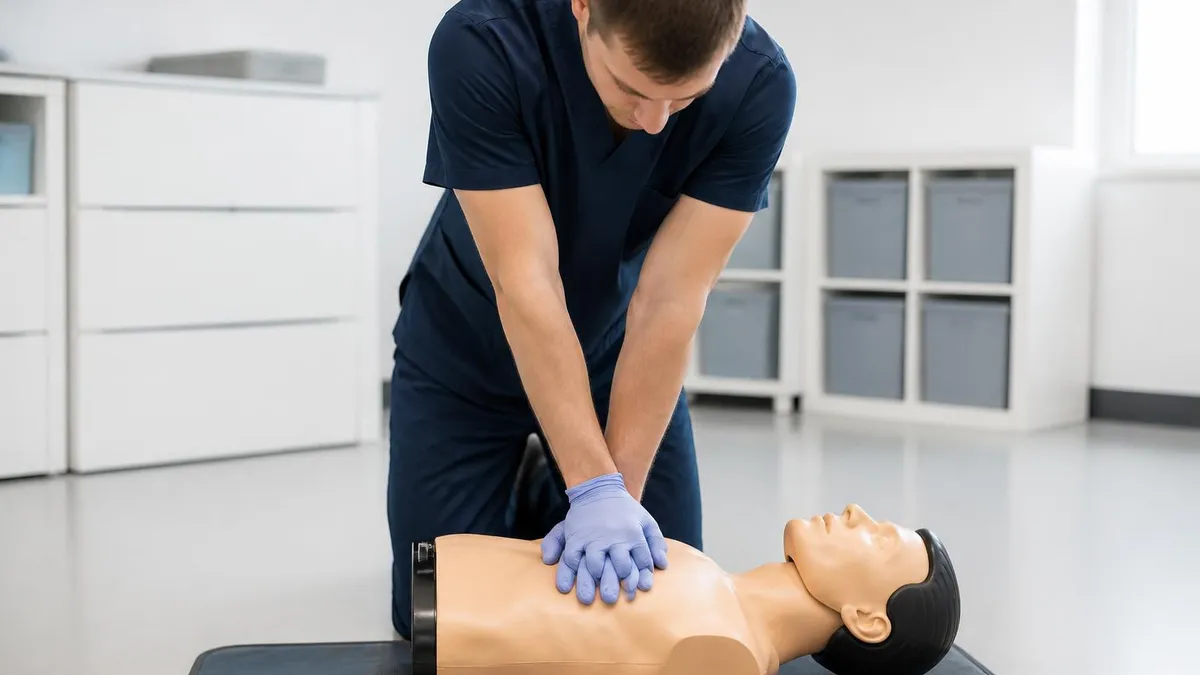
Free Online CPR Certification: Complete Guide to Legitimate Courses, Costs, and Workplace Acceptance in 2026
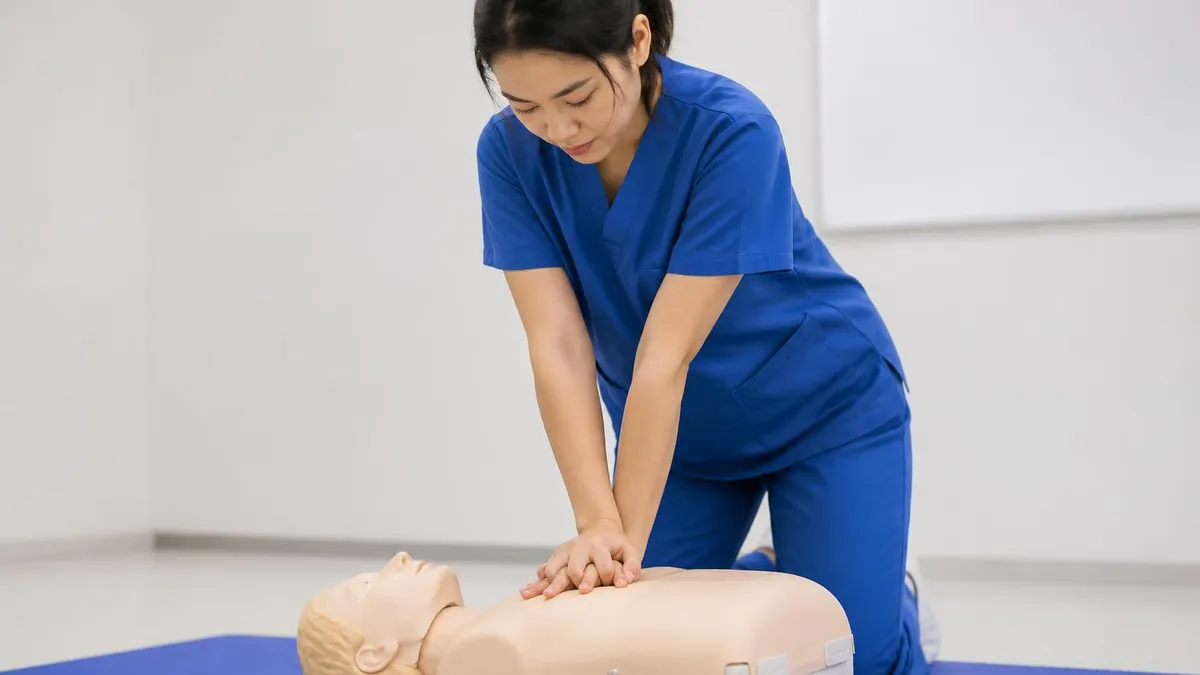
CPR Instructor Certification 2026: Complete Path to Teaching CPR
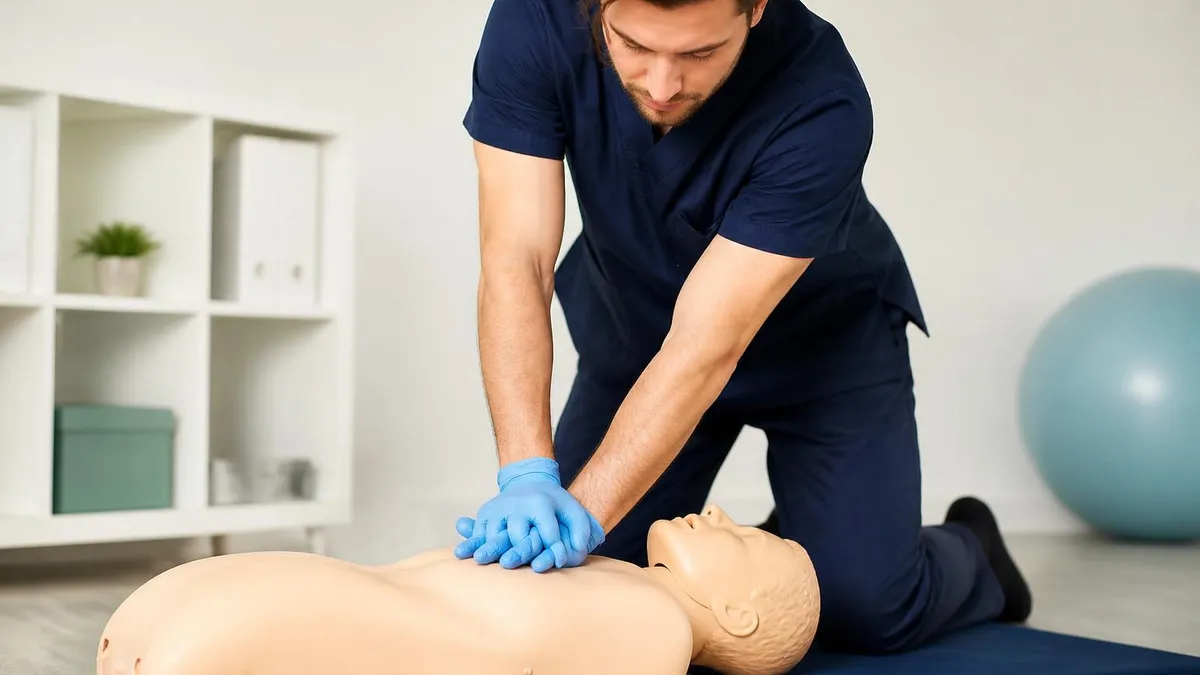
CPR Course: How to Choose the Right Training Program
About the Author

Registered Nurse & Healthcare Educator
Johns Hopkins University School of NursingDr. Sarah Mitchell is a board-certified registered nurse with over 15 years of clinical and academic experience. She completed her PhD in Nursing Science at Johns Hopkins University and has taught NCLEX preparation and clinical skills courses for nursing students across the United States. Her research focuses on evidence-based exam preparation strategies for healthcare certification candidates.
Join the Discussion
Connect with other students preparing for this exam. Share tips, ask questions, and get advice from people who have been there.
View discussion (5 replies)