
What to Wear to CPR Class: Complete Clothing and Preparation Guide for Every Certification Level
Learn what to wear to CPR class for comfort and safety. Expert tips on clothing, shoes, and accessories for BLS, ACLS, and PALS certification courses. 💯
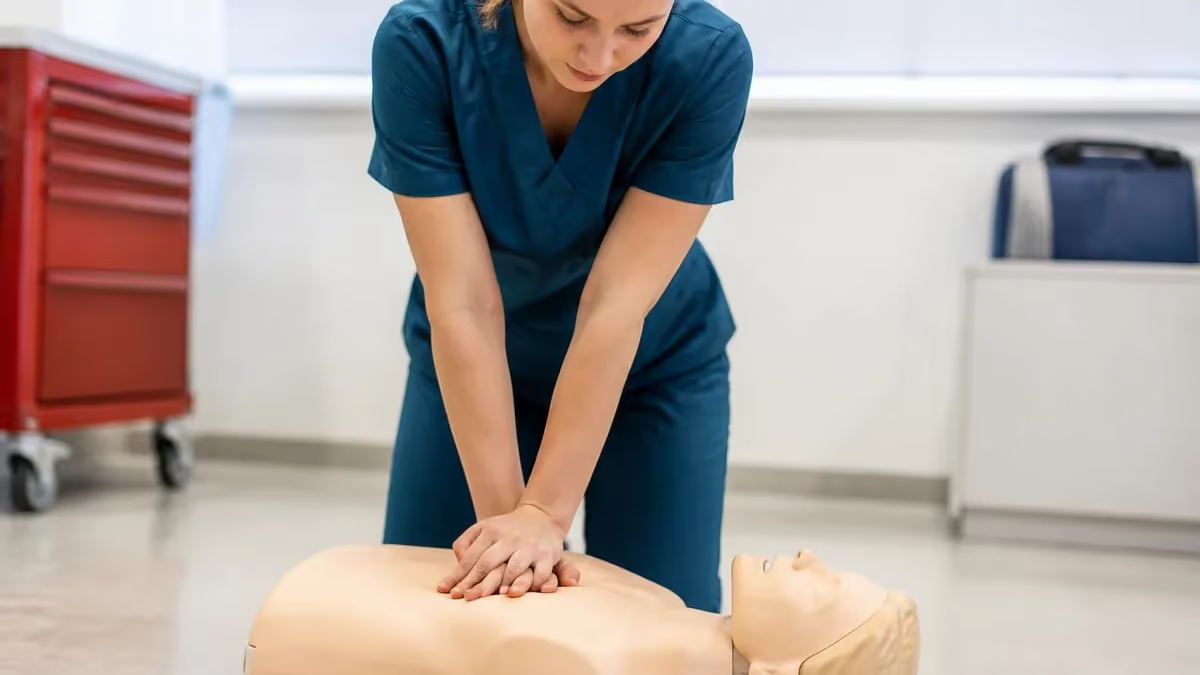
Knowing what to wear to CPR class is one of the most overlooked aspects of preparing for certification training, yet your clothing choices directly influence how effectively you learn and practice life support techniques. Whether you are studying the ACLS algorithm for advanced cardiac emergencies or attending a basic BLS course through an organization like the National CPR Foundation, the physical demands of hands-on training require thoughtful wardrobe decisions. Arriving in the wrong outfit can lead to restricted movement, discomfort, and embarrassment during practice scenarios that involve kneeling, bending, and sustained physical exertion on the classroom floor.
CPR certification courses are far more physically demanding than most students anticipate. During a typical training session, you will spend extended periods kneeling on hard surfaces, performing rapid chest compressions on practice manikins, and transitioning between standing demonstrations and floor-level practice stations. Students pursuing PALS certification or infant CPR training encounter additional physical challenges, including precise hand positioning on smaller manikins and practicing modified compression techniques that require significant flexibility. Selecting the right athletic clothing before class day helps eliminate unnecessary physical limitations and mental distractions during these intensive practice sessions.
Training organizations and certification bodies consistently recommend athletic or workout-style attire for all CPR courses. These recommendations stem from decades of instructor observations watching students struggle with tight jeans, restrictive blouses, and inappropriate footwear during critical practice time. When your clothing allows full range of motion, you can concentrate on mastering essential skills like monitoring respiratory rate changes, executing the position recovery technique, and delivering effective rescue breaths. Proper attire transforms the training experience from physically uncomfortable to genuinely productive and confidence-building.
The physical nature of CPR training genuinely surprises many students who register expecting a primarily lecture-based classroom experience. While course instruction does cover important theoretical topics including understanding what does AED stand for, recognizing cardiac emergencies, and learning emergency protocol sequences, the substantial majority of class time involves repetitive hands-on practice. You will likely perform several hundred chest compressions during a single training session, generating considerable body heat and muscle fatigue that demands breathable, flexible clothing capable of handling sustained physical activity.
Your footwear selection deserves equal consideration alongside your clothing choices when preparing for any CPR class. Closed-toe shoes with reliable traction help you maintain proper balance while kneeling on smooth classroom floors and transitioning quickly between standing instruction and floor-level practice positions throughout the session. High heels, flip-flops, and open-toed sandals create genuine safety hazards in active training environments where students move frequently between practice stations. Sturdy athletic shoes or comfortable flats with non-slip rubber soles provide the stability, comfort, and toe protection you need for the entire duration of class.
Jewelry and accessories represent another frequently overlooked preparation detail that can significantly affect your CPR training experience. Rings with raised settings or large stones can scratch and damage expensive practice manikins that training centers rely on for multiple classes. Long necklaces, dangling earrings, and loose bracelets create potential safety hazards by catching on manikin components and AED training equipment during realistic practice scenarios. Metal watch bands can dig painfully into your wrists during the repetitive compression motions, compromising both your comfort and the quality of your technique throughout class.
This comprehensive guide covers every aspect of dressing appropriately for CPR certification courses at all levels. From introductory community CPR classes to advanced ACLS algorithm training and specialized PALS certification sessions, we provide specific clothing recommendations, detailed footwear guidance, and practical accessory advice designed to help you arrive fully prepared and completely confident. Following these straightforward preparation tips ensures your outfit actively supports rather than silently undermines your ability to learn these critical life support skills effectively and earn your certification.
CPR Class Preparation by the Numbers
How to Prepare Your CPR Class Outfit Step by Step
Review Your Training Center's Dress Code Policy
Select Breathable Athletic Tops and Bottoms
Choose Supportive Closed-Toe Footwear
Remove Jewelry and Prepare Accessories
Pack Your Training Day Essentials Bag
The single most important clothing decision for CPR class involves selecting tops that allow complete freedom of upper body movement without riding up, falling open, or restricting your arm range during chest compressions. Performance athletic shirts made from polyester blends or moisture-wicking synthetic fabrics consistently outperform cotton alternatives because they stretch with your movements, dry quickly when you perspire, and maintain their shape throughout hours of repetitive physical activity. Crew neck or mock neck styles provide the best coverage for students who will be bending forward extensively over practice manikins during the entire training session.
Bottoms require equal attention because CPR training involves extensive kneeling, squatting, and floor-level positioning that tests the flexibility and durability of any fabric. Athletic leggings, yoga pants, and stretchy workout shorts with at least a seven-inch inseam provide optimal coverage and mobility for both male and female students. Avoid standard denim jeans entirely because their rigid fabric restricts knee bending, creates painful pressure points during extended kneeling, and limits the hip flexibility needed for proper compression body mechanics that instructors emphasize throughout the course.
Layering proves especially valuable in CPR training environments where classroom temperatures can vary significantly throughout the session. Many training facilities maintain cool ambient temperatures that feel comfortable during lecture portions but become insufficient once the physical practice begins and your body temperature rises from sustained compressions. Bringing a lightweight zip-up jacket or pullover that you can easily remove and replace allows you to manage your personal comfort without interrupting the training flow or asking the instructor to adjust the thermostat.
Color choices matter more than most students realize when selecting their CPR class wardrobe. Dark-colored tops help conceal perspiration marks that naturally develop during physically demanding practice sessions, helping you maintain confidence and composure throughout the class. Avoid pure white shirts because face shield lubricant, manikin cleaning solution, and practice materials can leave visible marks on light-colored fabrics. Medium to dark solid colors in breathable athletic fabrics represent the ideal combination of practicality, professionalism, and personal comfort for certification training.
Students preparing for classes that include AED training should pay special attention to their upper body clothing selections. During AED practice scenarios, instructors demonstrate proper pad placement on the manikin's bare chest, and students practice the same technique repeatedly. Shirts that can be easily pulled up or that feature wide necklines simplify these practice transitions without requiring complete removal. Understanding that AED stands for automated external defibrillator helps contextualize why quick clothing adjustments support efficient practice during these time-sensitive emergency simulation exercises.
Sock selection receives almost no attention in most CPR class preparation advice, yet comfortable athletic socks significantly affect your training experience during extended floor work sessions. Thick-soled athletic socks with cushioned footbeds reduce foot fatigue and provide additional warmth on cold training room floors. Compression socks offer particular benefits for longer certification courses that span four to six hours because they promote healthy circulation during extended periods of kneeling and sitting in positions that can restrict normal blood flow to the lower extremities.
Female students face additional wardrobe considerations that male students typically do not encounter when preparing for CPR certification classes. Sports bras provide far superior comfort compared to underwire alternatives during the repeated forward-bending motion required for chest compressions. High-neckline tops prevent gaping or exposure during the deep forward lean required for proper compression technique. Avoiding skirts and dresses entirely eliminates the self-consciousness and physical restriction that these garments inevitably create during floor-level practice activities where modesty becomes genuinely difficult to maintain.

CPR Practice Test Questions
Prepare for the CPR Cardiopulmonary Resuscitation Practice exam with our free practice test modules. Each quiz covers key topics to help you pass on your first try.
CPR Basic CPR
CPR Exam Questions covering Basic CPR. Master CPR Test concepts for certification prep.
CPR and First Aid
Free CPR Practice Test featuring and First Aid. Improve your CPR Exam score with mock test prep.
CPR (Cardiopulmonary Resuscitation) Adult ...
CPR Mock Exam on (Cardiopulmonary Resuscitation) Adult CPR and AED Usage. CPR Study Guide questions to pass on your first try.
CPR (Cardiopulmonary Resuscitation) Airway...
CPR Test Prep for (Cardiopulmonary Resuscitation) Airway Obstruction and Choking. Practice CPR Quiz questions and boost your score.
CPR (Cardiopulmonary Resuscitation) Cardio...
CPR Questions and Answers on (Cardiopulmonary Resuscitation) Cardiopulmonary Emergency Recognition. Free CPR practice for exam readiness.
CPR (Cardiopulmonary Resuscitation) Child ...
CPR Mock Test covering (Cardiopulmonary Resuscitation) Child and Infant CPR. Online CPR Test practice with instant feedback.
CPR (Cardiopulmonary Resuscitation) High-P...
Free CPR Quiz on (Cardiopulmonary Resuscitation) High-Performance Team Dynamics. CPR Exam prep questions with detailed explanations.
CPR (Cardiopulmonary Resuscitation) Legal ...
CPR Practice Questions for (Cardiopulmonary Resuscitation) Legal and Ethical Considerations. Build confidence for your CPR certification exam.
CPR for Specific Populations
CPR Test Online for for Specific Populations. Free practice with instant results and feedback.
CPR Airway & Breathing Management
CPR Exam Questions covering Airway & Breathing Management. Master CPR Test concepts for certification prep.
CPR Assessment & Recognition of Cardiac Ar...
Free CPR Practice Test featuring Assessment & Recognition of Cardiac Arrest. Improve your CPR Exam score with mock test prep.
CPR Chest Compressions & Defibrillation
CPR Mock Exam on Chest Compressions & Defibrillation. CPR Study Guide questions to pass on your first try.
CPR Post-Resuscitation Care & Recovery
CPR Test Prep for Post-Resuscitation Care & Recovery. Practice CPR Quiz questions and boost your score.
What to Wear for Different Life Support Certification Courses
Basic Life Support and community CPR classes represent the most common entry point for certification training, and clothing requirements focus primarily on comfort and unrestricted movement capability. These courses typically last four to six hours and involve substantial floor-level practice with adult and child manikins. Standard athletic wear including moisture-wicking tops, stretchy pants or shorts, and supportive athletic shoes provides everything you need for successful completion of basic life support training at any accredited facility nationwide.
BLS courses through organizations like the National CPR Foundation and the American Heart Association typically include both lecture components and extended hands-on practice stations. Students rotate through adult compression practice, rescue breathing technique stations, and AED operation scenarios throughout the session. Lightweight athletic clothing that allows you to transition quickly between standing demonstrations and floor-level practice positions works best. Bring a water bottle and consider packing a light snack since many BLS courses run continuously for several hours with only brief scheduled breaks between modules.
Athletic Wear vs. Casual Clothing for CPR Class: Which Is Better?
- +Full unrestricted range of motion for performing effective chest compressions at proper depth
- +Moisture-wicking fabrics keep you dry and comfortable during sustained physical exertion
- +Stretchy materials allow comfortable kneeling on hard floors for extended practice periods
- +Athletic shoes provide stable non-slip grip during frequent position transitions between stations
- +Breathable construction prevents overheating during intensive hands-on practice sessions
- +Professional athletic appearance demonstrates preparation and respect for the training environment
- −Casual jeans restrict knee bending and create painful pressure during extended floor work
- −Dress shoes and heels create dangerous slip hazards on smooth training room floors
- −Cotton shirts trap perspiration and become heavy and uncomfortable during physical activity
- −Loose or flowing tops fall forward and obstruct manikin access during compression practice
- −Restrictive business attire limits the arm movement needed for proper compression technique
- −Inappropriate clothing creates self-consciousness that distracts from learning critical skills
Pros and Cons at a Glance
| Pros | Cons |
|---|---|
| Full unrestricted range of motion for performing effective chest compressions at proper depth | Casual jeans restrict knee bending and create painful pressure during extended floor work |
| Moisture-wicking fabrics keep you dry and comfortable during sustained physical exertion | Dress shoes and heels create dangerous slip hazards on smooth training room floors |
| Stretchy materials allow comfortable kneeling on hard floors for extended practice periods | Cotton shirts trap perspiration and become heavy and uncomfortable during physical activity |
| Athletic shoes provide stable non-slip grip during frequent position transitions between stations | Loose or flowing tops fall forward and obstruct manikin access during compression practice |
| Breathable construction prevents overheating during intensive hands-on practice sessions | Restrictive business attire limits the arm movement needed for proper compression technique |
| Professional athletic appearance demonstrates preparation and respect for the training environment | Inappropriate clothing creates self-consciousness that distracts from learning critical skills |
Complete What to Wear to CPR Class Checklist
- ✓Choose a moisture-wicking athletic top that allows full arm extension and forward bending
- ✓Select stretchy pants, leggings, or athletic shorts that permit comfortable extended kneeling
- ✓Wear supportive closed-toe athletic shoes with non-slip rubber soles for floor traction
- ✓Remove all rings, bracelets, watches with metal bands, and dangling earrings before class
- ✓Secure long hair with a tight elastic band or clip to keep it away from your face
- ✓Pack a lightweight zip-up jacket or sweater for temperature changes during lecture portions
- ✓Wear minimal or no makeup to avoid transferring cosmetic products to shared practice manikins
- ✓Bring optional knee pads or a folded towel for cushioning during extended floor practice sessions
- ✓Pack a refillable water bottle and a small protein-rich snack for maintaining energy throughout class
- ✓Carry a zippered pouch or small bag for securely storing removed jewelry and personal valuables
The Compression Test: Try This Before Class Day
Before your CPR class, perform this simple test at home: kneel on a hard floor and simulate chest compressions for two full minutes while wearing your planned outfit. If your pants restrict your knees, your shirt rides up or gaps open, or your shoes slip on the surface, change your clothing choices immediately. This two-minute test reveals every potential wardrobe problem before you experience it in front of an instructor and fellow students during actual certification training.
One of the most common and easily preventable clothing mistakes students make when attending CPR class is wearing standard denim jeans, which consistently create problems during hands-on practice sessions. Denim fabric lacks the stretch and flexibility required for the repeated deep kneeling that CPR training demands, and the thick seams at the knees create painful pressure points on hard classroom floors within minutes of beginning practice. Students wearing jeans frequently shift position constantly, trying to find comfort rather than focusing on perfecting their compression technique and depth as the instructor demonstrates.
Dress clothing and business attire represent another surprisingly common wardrobe mistake, particularly among students attending employer-sponsored CPR training during the workday. Button-down shirts restrict shoulder rotation during compressions, dress pants limit knee flexibility during floor work, and dress shoes provide dangerously inadequate traction on smooth training surfaces. If your employer requires professional attire during the workday, pack a complete change of athletic clothing and change before the CPR training session begins. Most training centers provide restroom access for students who need to change into more appropriate workout clothing.
Inappropriate footwear consistently ranks among the top three clothing mistakes that CPR instructors report observing across thousands of training sessions each year. High heels make kneeling physically impossible and create serious fall hazards during active training movements between stations. Flip-flops and sandals expose toes to potential injury from dropped equipment and provide zero traction on smooth floors. Even flat casual shoes like loafers or ballet flats frequently lack the sole grip and ankle support needed for the constant kneeling, standing, and transitional movements that characterize comprehensive CPR training courses.
Wearing excessive jewelry to CPR class creates problems that extend beyond personal discomfort and into potential equipment damage liability territory. Professional practice manikins cost training centers between eight hundred and three thousand dollars each, and scratches from rings, watch bands, and bracelet clasps degrade the manikin face surfaces that every student must use. Some training centers now require students to sign liability waivers covering manikin damage, making jewelry removal not just a comfort recommendation but a potential financial protection measure. Leave valuable jewelry at home or locked securely in your vehicle.
Clothing that is excessively loose or flowing creates unique hazards during CPR practice that many students fail to anticipate before arriving at training. Oversized t-shirts and baggy sweatshirts fall forward when you lean over the manikin for compressions, obscuring your view of hand placement and potentially covering the manikin's face during rescue breathing practice. Drawstrings from hoodies can dangle onto the manikin surface and interfere with proper technique demonstration. Choose fitted athletic clothing that stays in place during forward bending rather than loose casual wear that requires constant adjustment.
Wearing heavy perfume, cologne, or strongly scented lotions to CPR class creates an often unmentioned but genuinely disruptive problem in the close-quarters training environment. Students practice rescue breathing techniques in close proximity to shared manikins, and strong fragrances can trigger headaches, allergic reactions, and nausea in fellow students and instructors working in the same confined classroom space. Additionally, scented products can transfer to manikin faces and affect subsequent students who must use the same equipment. Choose unscented personal care products on your CPR training day.
Finally, neglecting to consider the temperature dynamics of CPR training rooms leads many students to dress either too warmly or too lightly for the experience. Classrooms often feel cool during the initial lecture portion, tempting students to wear heavy sweatshirts or thick long-sleeve shirts. However, once hands-on practice begins and you perform sustained chest compressions generating significant body heat, those heavy layers quickly become uncomfortable and soaked with perspiration. The layering strategy of a light base athletic shirt with a removable zip-up jacket solves this temperature management challenge effectively.
Never wear open-toed shoes, dangling jewelry, or restrictive formal clothing to your CPR certification class. These items can result in injury during active practice, damage to expensive training manikins, and instructor requests to modify your attire before participating. Some training centers reserve the right to dismiss unprepared students and require rescheduling with applicable fees. Check your confirmation email for specific dress code requirements at least one week before your scheduled training date.
Preparing for CPR class extends well beyond selecting the right outfit, though proper clothing creates the essential foundation for a successful training experience. Arriving with the right mindset and physical readiness dramatically improves your ability to absorb complex information about cardiac emergency response, practice effective chest compressions, and retain the knowledge needed to pass your certification examination. Students who prepare thoroughly in advance consistently report higher confidence levels during hands-on practice and better performance scores on practical skills evaluations throughout the course.
Physical conditioning before your CPR class makes a meaningful difference in your training experience, especially if you have not engaged in regular physical activity recently. Chest compressions require sustained upper body effort that can quickly fatigue untrained muscles, leading to poor compression quality and technique degradation as the practice session progresses. Simple preparation exercises like push-ups, planks, and arm circles performed daily during the week before class help condition the specific muscle groups you will use most heavily during training. Even five minutes of targeted exercise daily provides noticeable improvement.
Understanding the basic course structure and content before arriving helps you focus your mental energy on skill mastery rather than processing entirely new information during class. Review the fundamental concepts of CPR including the chain of survival, compression-to-ventilation ratios, and basic AED operation procedures before your training day. Students who arrive with foundational knowledge consistently demonstrate faster skill acquisition and greater confidence during hands-on practice because they can focus on perfecting physical technique rather than simultaneously learning theoretical concepts for the first time.
Nutrition and hydration on your training day directly affect your physical stamina and mental focus during what is often a surprisingly demanding four to six hour session. Eat a balanced meal containing protein and complex carbohydrates approximately two hours before class begins to maintain steady energy levels throughout the session. Bring a refillable water bottle because CPR practice generates considerable body heat and perspiration that requires regular fluid replacement. Avoid heavy meals immediately before class because the forward-bending compression position can cause uncomfortable digestive pressure on a very full stomach.
Planning your arrival logistics reduces stress and ensures you begin class in a calm, focused mental state rather than rushed and anxious. Identify the exact training location, parking options, and building entrance at least one day before your scheduled class. Aim to arrive fifteen to twenty minutes early to complete any required paperwork, change into athletic clothing if needed, use the restroom, and settle into the learning environment before instruction begins. Late arrivals disrupt the class flow and may result in abbreviated practice time that affects your certification outcome.
Bring all required documentation and materials specified in your registration confirmation to avoid administrative delays that consume valuable training time. Most CPR courses require a valid government-issued photo identification, course payment confirmation or employer authorization letter, and any prerequisite completion certificates. Some advanced courses like ACLS algorithm training and PALS certification programs require students to complete online pre-course assessments or self-study modules before the in-person training component. Verify these requirements and complete all preparatory assignments well before your scheduled class date.
Managing test anxiety and performance pressure represents an important mental preparation component that many students overlook when focusing exclusively on physical and logistical readiness for their CPR certification course. Remind yourself that CPR training is designed for successful completion by motivated students who attend the full session and participate actively in all practice components. Instructors want you to succeed and will provide coaching, feedback, and additional practice opportunities throughout the training session. Approach the class as a collaborative learning experience rather than a high-pressure examination to maximize your comfort and skill development.
Once you have assembled your ideal CPR class outfit and completed your physical and mental preparation, a few additional practical tips can enhance your overall training experience significantly. Consider bringing a small personal first aid kit containing adhesive bandages and pain relief medication, as the repeated kneeling and compression practice occasionally causes minor knee discomfort or hand soreness that simple remedies can address during breaks. A travel-sized hand sanitizer allows you to clean your hands between practice stations when sink access is limited or inconvenient during active rotation between manikin stations.
Hair and grooming preparation deserves specific attention beyond the general advice to tie back long hair before class begins. Facial hair can interfere with proper seal formation during rescue breathing practice using pocket masks and barrier devices, reducing the realism and effectiveness of your ventilation training. While instructors will not require you to shave, understanding this limitation helps you focus on technique adjustment rather than becoming frustrated by air leaks during breathing practice. Short-haired students should still ensure bangs or longer front sections cannot fall into their eyes during forward-bending compressions.
Technology preparation is an increasingly important consideration for modern CPR training classes that incorporate digital components alongside traditional hands-on instruction. Many certification programs now use tablet-based testing, QR code check-in systems, and digital course materials that require a charged smartphone or tablet. Ensure your phone is fully charged before class and bring a portable charger if available. However, silence your phone during instruction and practice to avoid disrupting the training environment. Some instructors prohibit phone use entirely during hands-on practice for safety and attention reasons.
Group dynamics play a significant role in the CPR class experience, and your clothing choices subtly influence how you interact with fellow students and how others perceive your preparation level and commitment. Students who arrive in appropriate athletic attire immediately signal readiness and professionalism to both instructors and classmates, often receiving more favorable first impressions that enhance collaborative practice partnerships. Conversely, students in clearly inappropriate clothing may feel self-conscious during partner practice activities, which can inhibit their willingness to participate fully in the hands-on training components.
Weather and seasonal considerations should factor into your CPR class clothing decisions, particularly during extreme temperature months. Summer training sessions may require lighter-weight fabrics and additional hydration preparation, while winter classes demand warm layers for travel that can be removed for indoor practice. Rainy weather necessitates waterproof footwear for arrival that transitions into clean indoor athletic shoes for the training session itself. Packing weather-appropriate clothing alongside your training outfit ensures comfort regardless of conditions you encounter traveling to and from the facility.
Post-class clothing needs rarely receive attention in CPR preparation guides despite being genuinely relevant to student comfort. After several hours of physically demanding compression practice, your training outfit will likely be damp with perspiration and marked with manikin cleaning solution residue. Packing a clean change of clothes, including a fresh shirt and socks, allows you to leave the training center feeling refreshed rather than uncomfortable for the remainder of your day. This is particularly important for students attending workplace-sponsored training who must return to professional duties immediately after completing their certification course.
Ultimately, the question of what to wear to CPR class comes down to prioritizing function and comfort over fashion and appearance. The students who perform best and enjoy their training experience most consistently are those who treat the class like the physically demanding workout it truly is and dress accordingly. Athletic clothing, supportive shoes, minimal accessories, and thoughtful preparation create the conditions for optimal learning, confident practice, and successful certification. Your clothing should be the last thing you think about during class because you chose it so well beforehand that it simply works perfectly throughout the entire session.
CPR Questions and Answers
CPR Card Lookup: How to Verify, Replace, and Access Your CPR Certification in 2026
Animal CPR: How to Perform Lifesaving Resuscitation on Dogs, Cats, and Other Pets in 2026
CPR Classes American Heart Association: Complete 2026 Guide to AHA Certification, Courses, and Costs
Adult CPR: Complete Step-by-Step Guide to Hands-Only and Standard CPR in 2026
CPR - Cardiopulmonary Resuscitation: Complete Study Guide 2026
About the Author

Registered Nurse & Healthcare Educator
Johns Hopkins University School of NursingDr. Sarah Mitchell is a board-certified registered nurse with over 15 years of clinical and academic experience. She completed her PhD in Nursing Science at Johns Hopkins University and has taught NCLEX preparation and clinical skills courses for nursing students across the United States. Her research focuses on evidence-based exam preparation strategies for healthcare certification candidates.
Join the Discussion
Connect with other students preparing for this exam. Share tips, ask questions, and get advice from people who have been there.
View discussion (5 replies)