
Home Health Aide Study Guide: Everything You Need to Pass Your HHA Certification
Master your HHA certification with our complete study guide. Covers training, hha exchange login, practice tests & more. 📚 Start studying free today!
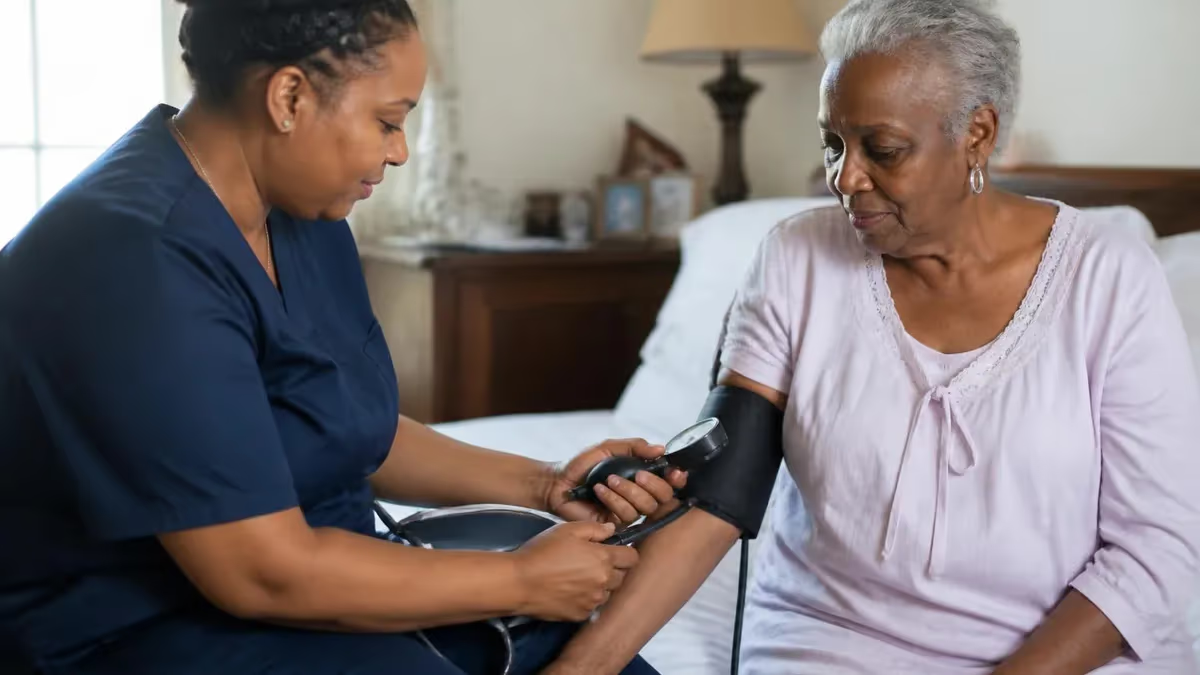
Finding the right home health aide book online can feel overwhelming when dozens of resources compete for your attention, but this guide cuts through the noise and gives you a single, structured path to passing your HHA certification on the first attempt. Whether you are brand new to caregiving or transitioning from a related healthcare role, the material covered here mirrors what state-approved competency evaluations actually test — from personal care skills to infection control protocols. Bookmark this page and return to each section as your exam date approaches.
The hha exchange platform is one of the most widely recognized systems in the home health industry, and understanding how it fits into your career is just as important as mastering clinical skills. Many agencies require new employees to complete orientation modules through HHA Exchange before their first patient visit, so familiarity with the platform — including hha exchange login procedures and dashboard navigation — gives you a professional edge from day one on the job. Think of it as the digital backbone of modern home health care delivery.
Home health aide training is built on a foundation of federal and state regulations that define exactly how many hours of instruction and supervised clinical practice candidates must complete. The federal minimum under Medicare Conditions of Participation is 75 hours, but many states — including New York, California, and Florida — mandate significantly more. New York, for example, requires 116 hours of combined classroom instruction and supervised practical experience before a candidate can sit for the competency evaluation. Knowing your state's specific requirements early prevents costly delays later.
Becoming a home health aide certificate holder opens doors to one of the fastest-growing occupations in the United States. The Bureau of Labor Statistics projects employment of home health and personal care aides to grow by more than 21 percent through 2033 — far faster than the average for all occupations. An aging Baby Boomer population, combined with a strong preference among seniors for aging in place rather than entering nursing facilities, is driving relentless demand for qualified, certified aides across every region of the country.
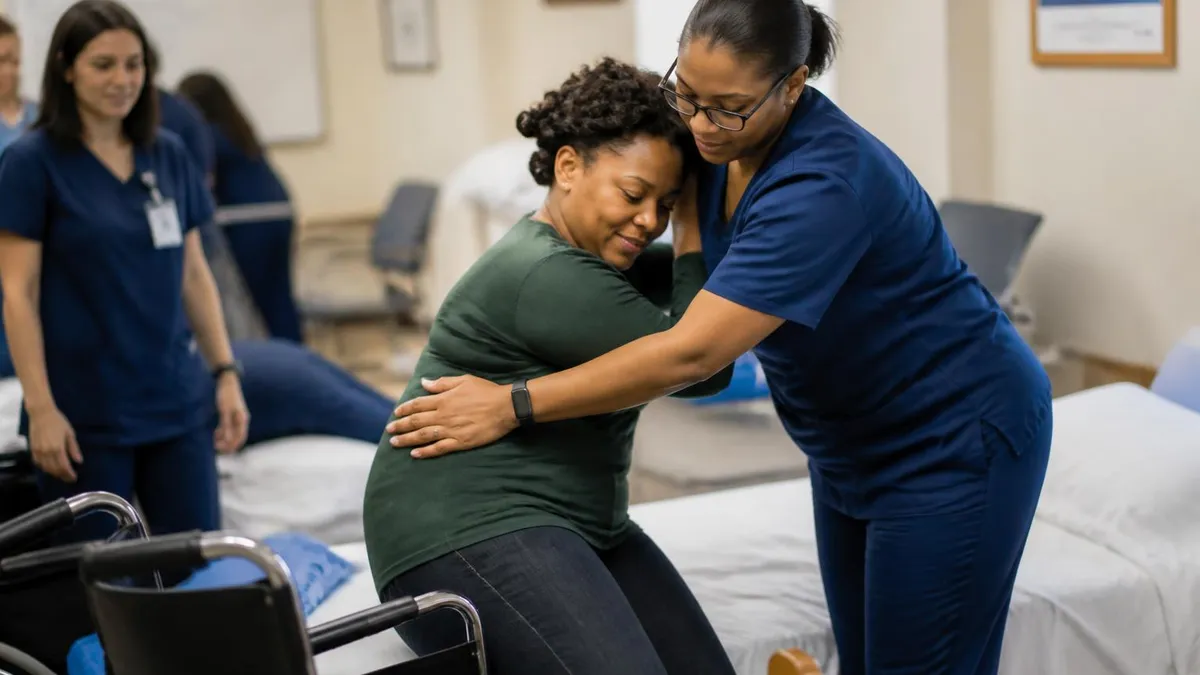
The structure of HHA competency evaluations varies by state but typically includes a written or oral knowledge test alongside a hands-on skills demonstration observed by a state-approved evaluator. Common knowledge domains include basic patient rights, safety and emergency procedures, nutrition and hydration, personal hygiene assistance, vital signs measurement, and effective communication with patients and healthcare teams. Skills demonstrations usually require candidates to perform tasks such as hand washing, transferring a patient, and measuring blood pressure with accuracy and proper technique.
Throughout this study guide you will find practice quiz tiles, structured study schedules, tabbed breakdowns of key content areas, and a detailed checklist to ensure nothing falls through the cracks before your exam. Every section is designed to be actionable — not just informational. Read a section, test yourself with the linked practice questions, review any weak areas, and then move forward. Consistent, focused daily practice of 45 to 60 minutes outperforms marathon cramming sessions by a wide margin, and the tools on this page are built to support exactly that kind of steady, systematic preparation.
HHA certification is not a one-time hurdle; it is the gateway to a meaningful career built on compassionate service. Aides who invest in thorough preparation not only pass their exams more reliably but also enter the field with the confidence to handle real patient situations calmly and competently. Use this guide as your central hub, return to it often, and take advantage of every free practice resource linked throughout — your patients will benefit from the effort you put in today.
HHA Certification by the Numbers
HHA Certification Study Schedule
- ▸Read your state-approved HHA textbook chapters on patient rights and HIPAA
- ▸Study the 10 standard precautions for infection control
- ▸Memorize hand-washing steps and practice the 20-second technique
- ▸Take Practice Quiz 1 and review every incorrect answer
- ▸Create flashcards for medical terminology in your textbook glossary
- ▸Study bathing, grooming, dressing, and oral hygiene assistance procedures
- ▸Practice safe patient transfer techniques using a chair or bed at home
- ▸Review proper body mechanics to prevent caregiver back injuries
- ▸Complete Practice Quiz 2 and note weak areas for targeted review
- ▸Watch instructional videos on range-of-motion exercises
- ▸Practice measuring blood pressure, pulse, respiratory rate, and temperature
- ▸Study normal vital sign ranges and when to report abnormal findings
- ▸Review common chronic conditions: diabetes, COPD, heart failure, dementia
- ▸Study special dietary needs and fluid intake documentation
- ▸Take Practice Quiz 3 and complete a full timed mock exam
- ▸Review therapeutic communication techniques and active listening
- ▸Practice all 12 common skills demonstration tasks until automatic
- ▸Complete a full timed written practice test under exam conditions
- ▸Review HHA Exchange platform orientation modules if required by your agency
- ▸Schedule a study session with a classmate to observe each other's skills
Home health aide training programs cover a remarkably broad range of clinical and interpersonal competencies, and understanding how each domain connects to real patient care helps you study more purposefully. At the core of every approved curriculum is personal care — the hands-on assistance with activities of daily living (ADLs) that forms the majority of an aide's daily work. ADLs include bathing, dressing, grooming, toileting, transferring, and ambulation support. Mastering the correct technique for each task is not just about passing the exam; it is about protecting both the patient and yourself from injury during every shift.
Infection control is another domain that carries significant exam weight, and for good reason. Home health aides move between multiple patient homes, which creates real transmission risk if standard precautions are not followed consistently. The competency evaluation will test your knowledge of hand hygiene, personal protective equipment selection, sharps handling, and proper disposal of contaminated materials. Candidates who can explain the difference between medical asepsis and surgical asepsis, and who understand the chain of infection, consistently outperform those who only memorize surface-level procedures.
Vital signs measurement is a skill domain that combines technical accuracy with clinical judgment. You must be able to measure and record blood pressure, pulse, respiratory rate, and temperature using the equipment your agency provides — and you must know the normal ranges well enough to recognize when a reading warrants immediate reporting to a supervisor or nurse. The competency skills demonstration often includes a blood pressure scenario, so practice until you can position the cuff correctly, listen for Korotkoff sounds confidently, and document the reading without hesitation.
Communication skills are evaluated both in the written test and implicitly during the skills demonstration. Examiners observe whether candidates speak to the simulated patient respectfully, explain each procedure before performing it, and maintain a calm, professional demeanor throughout. Therapeutic communication techniques — including active listening, open-ended questions, and avoiding medical jargon — are frequently tested in scenario-based multiple-choice questions. Patients who feel heard and respected experience measurably better health outcomes, which is why communication competency is treated as seriously as clinical technique in every state-approved evaluation.
Nutrition and hydration knowledge is a domain that many candidates underestimate until they encounter a cluster of related questions on their exam. You need to understand the major food groups, special diets commonly prescribed for chronic conditions (low-sodium for heart failure, carbohydrate-controlled for diabetes, thickened liquids for dysphagia), and how to document intake accurately. Dehydration is one of the leading causes of preventable hospitalization among elderly home health patients, so recognizing early signs — decreased urine output, dry mucous membranes, confusion — and reporting them promptly can be genuinely life-saving knowledge.
Documentation and reporting complete the core curriculum, and they are areas where real-world practice diverges most sharply from what textbooks describe. In the field, aides use platforms like HHA Exchange to record visit notes, document care plan tasks, and flag concerns for clinical supervisors.
For your exam, you need to understand the legal principles behind documentation — timeliness, accuracy, objectivity, and the prohibition on altering records — as well as the chain of command for reporting patient changes. If you want to explore home health aide certification online free options that include documentation training, several state-approved programs now offer hybrid online-and-in-person curricula.
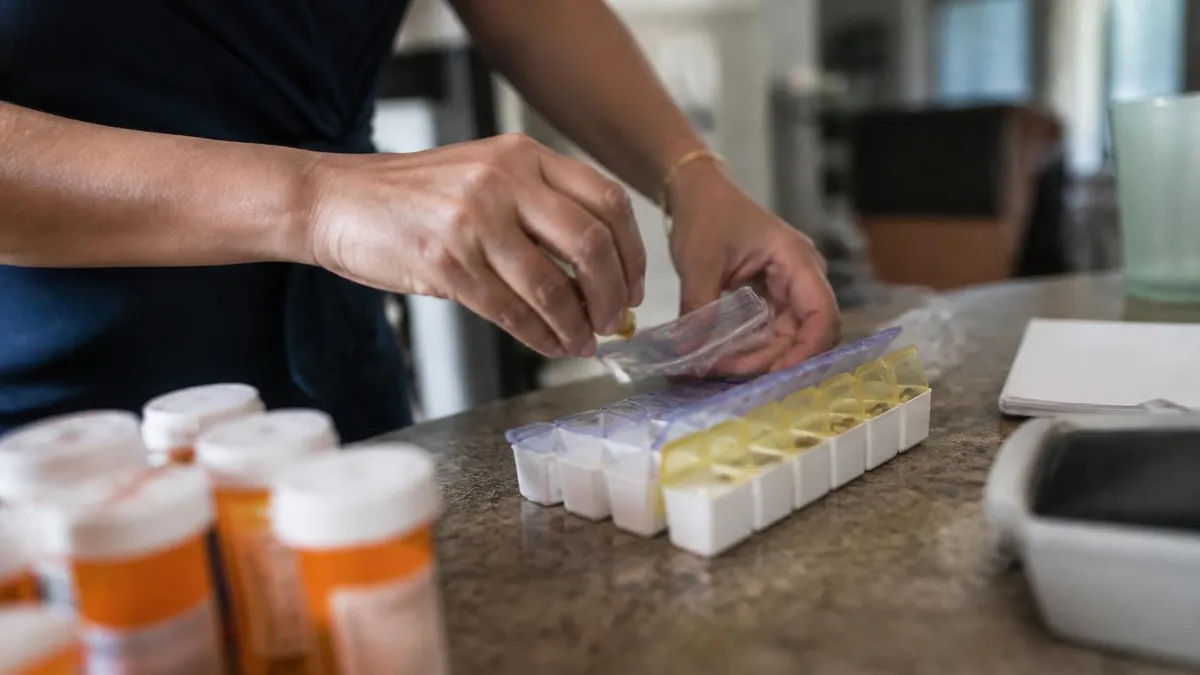
Finally, safety and emergency preparedness rounds out the core training domains. Aides must be able to recognize common emergencies — falls, choking, suspected stroke, cardiac events — and respond with the appropriate immediate actions while contacting emergency services. Fire safety, medication reminders (noting the distinction between reminders and actual medication administration, which most aides are not licensed to perform), and home hazard assessment are also regularly tested. A thorough understanding of when to act independently and when to immediately escalate to a nurse or 911 dispatcher is the hallmark of a well-prepared, safe home health aide.
HHA Certification Pathways: Training, Testing & Registration
Home health aide training programs are offered through community colleges, vocational schools, nursing homes, and private home health agencies. State-approved programs must meet federal minimum standards — 75 classroom hours plus 16 hours of supervised clinical practice — but many exceed these minimums. When choosing a program, verify state approval status, check whether the curriculum includes hands-on lab time with mannequins and real equipment, and confirm that the program's completion certificate is accepted by your target employer or agency before enrolling.
Online hybrid programs have grown significantly since 2020, allowing students to complete didactic content (lecture material, quizzes, case studies) on their own schedule while attending in-person clinical practicums on weekends or evenings. These programs are particularly popular with working adults and parents. The HHA Exchange platform is integrated into many agency-based training programs, meaning you may begin learning the documentation system you will use in your actual job while still completing your pre-certification coursework — a practical advantage that traditional classroom-only programs rarely offer.
Is Online HHA Certification Training Right for You?
- +Flexible scheduling lets you study around work and family obligations
- +Self-paced didactic modules allow deeper review of difficult topics
- +Lower cost than full-time in-person programs at community colleges
- +HHA Exchange integration means you learn the actual documentation platform used on the job
- +Accessible from any device — phone, tablet, or desktop — during commute or breaks
- +Some programs offer multiple start dates each month rather than once-per-semester enrollment
- −Clinical skills hours must still be completed in person — no fully online HHA certification exists
- −Requires strong self-discipline to stay on pace without a structured class meeting time
- −Limited real-time instructor feedback during asynchronous online portions
- −Technical issues with video or quiz platforms can interrupt study momentum
- −Not all online programs are state-approved — verification is the student's responsibility
- −Hands-on practice with actual equipment is harder to arrange without a campus skills lab
Pros and Cons at a Glance
| Pros | Cons |
|---|---|
| Flexible scheduling lets you study around work and family obligations | Clinical skills hours must still be completed in person — no fully online HHA certification exists |
| Self-paced didactic modules allow deeper review of difficult topics | Requires strong self-discipline to stay on pace without a structured class meeting time |
| Lower cost than full-time in-person programs at community colleges | Limited real-time instructor feedback during asynchronous online portions |
| HHA Exchange integration means you learn the actual documentation platform used on the job | Technical issues with video or quiz platforms can interrupt study momentum |
| Accessible from any device — phone, tablet, or desktop — during commute or breaks | Not all online programs are state-approved — verification is the student's responsibility |
| Some programs offer multiple start dates each month rather than once-per-semester enrollment | Hands-on practice with actual equipment is harder to arrange without a campus skills lab |
HHA Certification Pre-Exam Checklist
- ✓Confirm your exam date, location, and required identification documents with your training program
- ✓Complete all 75+ required training hours and obtain your program completion certificate
- ✓Practice every skills demonstration task at least 10 times until each step is automatic
- ✓Take at least three full-length timed written practice tests under simulated exam conditions
- ✓Review all incorrect practice test answers and re-read the relevant textbook sections
- ✓Memorize normal vital sign ranges for blood pressure, pulse, respiratory rate, and temperature
- ✓Prepare your exam-day kit: photo ID, admission ticket, watch with second hand for pulse checks
- ✓Log into HHA Exchange (if required by your agency) and complete any pre-employment orientation modules
- ✓Get a full night of sleep the two nights before your exam — not just the night before
- ✓Arrive at the testing site at least 30 minutes early to reduce anxiety and locate the skills lab
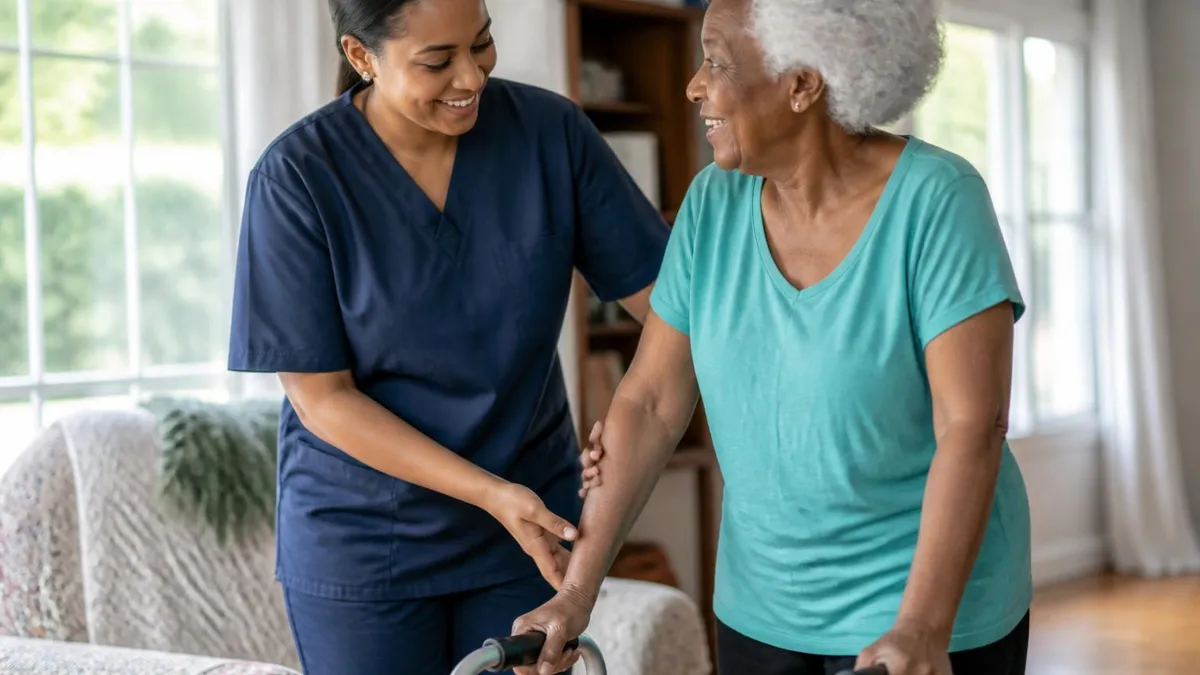
The Skills Demonstration Fails More Candidates Than the Written Test
State data consistently shows that more candidates fail the practical skills demonstration than the written knowledge test. The reason is almost always inadequate hands-on repetition — candidates who can describe a procedure perfectly in writing freeze when performing it under observation. Schedule at least two dedicated skills practice sessions per week during your final two weeks of preparation, ideally with a partner who can observe and give feedback using the official state skills checklist.
The HHA Exchange platform deserves its own focused discussion because it has become the de facto standard for home health aide documentation and scheduling at agencies across the United States.
Understanding hha exchange login procedures and basic platform navigation before your first day of employment is a genuine competitive advantage — agencies consistently report that new hires who arrive already comfortable with the system require less onboarding time and begin delivering billable visits sooner. If your training program does not include HHA Exchange orientation, ask your future employer whether they can grant you early access during your final week of preparation.
HHA Exchange operates as an Electronic Visit Verification (EVV) system, which became federally mandated for Medicaid-funded personal care services under the 21st Century Cures Act. This means that every visit an aide completes must be verified electronically — typically by clocking in and out through the HHA Exchange mobile app using GPS location data. Understanding why EVV exists (to reduce billing fraud and ensure patients actually receive their scheduled care) helps you approach the system as a patient protection tool rather than administrative bureaucracy. Agencies that use EVV correctly demonstrate compliance and protect their Medicare and Medicaid certification status.
Beyond visit verification, HHA Exchange provides aides with access to their patients' care plans, task lists, and any special instructions from the supervising nurse. When you open the app at the start of a visit, you can review exactly which care tasks are scheduled, record completion of each task, and flag any concerns or changes in patient condition directly in the system. This real-time documentation capability means that nurses and agency administrators can monitor patient status remotely — a significant safety improvement over paper-based systems where concerns might not be communicated until the next scheduled supervisory visit.
Certified home health care aide professionals who understand digital health tools are increasingly sought after by agencies navigating the shift toward value-based care models. Under value-based care, agencies are rewarded financially for keeping patients healthy and out of the hospital — and the data collected through platforms like HHA Exchange is central to demonstrating that performance.
Aides who document thoroughly and consistently contribute directly to their agency's quality scores, which in turn affects the agency's reputation, referral volume, and payment rates. In this context, learning to use hha certification online tools is not just a convenience — it is a professional responsibility.
Scheduling functionality within HHA Exchange allows agencies to assign visits, communicate shift changes, and notify aides of new patient assignments all within a single platform. Many aides use the scheduling view as their daily planning tool — checking upcoming visits, reviewing drive times between patients, and confirming which care tasks are expected at each stop. Familiarity with the scheduling interface reduces missed visits, prevents double-bookings, and helps aides manage their time across multi-patient caseloads without relying on paper schedules that can easily be lost or misread.
The HHA Exchange messaging feature enables secure, HIPAA-compliant communication between aides and their supervisors — a critical capability given that home health aides work independently in patient homes without direct clinical oversight on site.
If a patient refuses a scheduled care task, exhibits new symptoms, or needs supplies that are not available in the home, the aide can document the issue and send a secure message to the supervising nurse without leaving the platform. This closed-loop communication system creates a clear audit trail that protects both the patient and the aide in the event of any care dispute or adverse outcome.
For candidates still in the certification process, many agencies now offer pre-employment orientation through HHA Exchange that you can complete before your official start date. These modules typically cover the agency's policies and procedures, emergency contact protocols, documentation standards, and patient rights — content that overlaps heavily with your certification exam curriculum. Completing these modules early is an efficient use of study time because you are simultaneously preparing for your exam and fulfilling your employer's onboarding requirements in a single focused effort.
Many candidates celebrate passing their competency evaluation and then wait weeks before submitting their state registry application — sometimes losing job offers in the meantime. Most employers cannot place you in a patient home until your name appears in the state HHA registry, which can take 2 to 4 weeks to process. Submit your application the same day you receive your passing results, and ask your training program coordinator for help gathering the required documentation immediately.
Test-day strategy is a topic that receives far less attention in most HHA study guides than it deserves, yet exam-day execution is where months of preparation either pay off or fall apart.
The written portion of the competency evaluation uses scenario-based multiple-choice questions, and the most reliable approach to these questions is a four-step process: read the entire question stem carefully before looking at the answer choices, identify the key patient safety concern or primary principle being tested, eliminate obviously incorrect answers, and then choose the option that best reflects what a safe, competent aide would do in that specific situation. Resist the urge to overthink; the first defensible answer is usually correct.
Time management during the written test matters more than most candidates anticipate. Allocate roughly one minute per question and move on if you are genuinely uncertain — mark the question and return to it after completing the remainder of the exam.
Spending five minutes on a single difficult question while leaving easier questions unanswered at the end of the exam is one of the most common avoidable mistakes in any standardized testing environment. Most HHA written exams allow between 90 minutes and two hours for 50 to 100 questions, which is more than sufficient time if you manage your pace deliberately.
For the skills demonstration, mental rehearsal in the 24 hours before the exam is a proven performance enhancer. Close your eyes and walk through each skill step by step — visualize yourself positioning the patient correctly, applying the blood pressure cuff at the right location, releasing the valve at the correct rate, and recording the reading accurately. Research in sports psychology consistently shows that high-quality mental rehearsal activates the same motor pathways as physical practice, making the actual performance feel more familiar and controlled. Combine this with one final physical run-through of each skill the morning of your exam.
Anxiety management is a legitimate study topic for certification candidates. Mild anxiety is normal and actually improves performance by sharpening focus, but high anxiety disrupts working memory and causes candidates to blank on material they know well.
Practical strategies include controlled breathing (four counts in, hold four, out four) practiced repeatedly in the weeks before the exam, arriving at the testing site early enough to feel oriented rather than rushed, and reframing the evaluation as an opportunity to demonstrate competence you have genuinely earned rather than a threat to be survived. Candidates who approach the exam with confidence backed by systematic preparation consistently outperform those who are better-prepared but paralyzed by anxiety.
After the exam, the immediate priority is self-care — not analyzing every question you answered. Ruminating on questions you may have gotten wrong activates stress hormones that impair clear thinking and serves no productive purpose since you cannot change your answers after submission. If you receive your results on the same day, treat both a pass and a provisional failure with the same composed professionalism.
A fail on the first attempt is common — some states report first-time pass rates between 55 and 70 percent — and retesting with a targeted remediation plan is a normal part of many candidates' certification journeys. Explore home health aide hiring resources early so you understand the employment landscape regardless of how your first exam attempt goes.
Continuing education requirements keep your certification active after initial credentialing. Most states require 12 hours of in-service education annually, covering topics such as fall prevention, dementia care, cultural competency, and updates to infection control protocols. Agencies typically provide these trainings through a combination of in-person sessions and online modules — often delivered through platforms like HHA Exchange. Tracking your completed in-service hours carefully and maintaining a personal folder of completion certificates protects you if your agency's records are incomplete at renewal time.
The long-term career trajectory for a certified home health care aide extends well beyond entry-level hourly work. Many aides use their HHA certification as the foundation for pursuing certified nursing assistant (CNA), licensed practical nurse (LPN), or registered nurse (RN) credentials over time.
Several nursing programs offer advanced standing or credit for documented home health aide experience, recognizing that the hands-on patient care competencies you develop as an HHA are directly relevant to nursing practice. Every hour you invest in becoming the most skilled, knowledgeable, and compassionate aide you can be is also an investment in a healthcare career with genuine upward mobility.
Practical tips for maximizing your study efficiency begin with environment: find a quiet, dedicated study space and use it consistently. Research on habit formation shows that studying in the same physical location at the same time each day significantly reduces the mental effort required to begin a session — your brain begins to associate the environment with focused work, and the friction of getting started drops dramatically after the first week. Turn off phone notifications, close unrelated browser tabs, and commit to your scheduled study block the way you would commit to a paid work shift.
Active recall — testing yourself rather than re-reading notes — is the single most evidence-backed study technique available. Instead of highlighting paragraphs in your home health aide book online, close the book and write down everything you can remember about a topic from memory, then check your accuracy. This retrieval practice strengthens the neural pathways that will allow you to access that information under the mild stress of an exam setting. Every practice quiz linked throughout this article is a form of active recall — use them all, use them repeatedly, and review your wrong answers every single time.
Spaced repetition amplifies the benefits of active recall by scheduling reviews at increasing intervals as material becomes more familiar. Review new material the same day you learn it, then again two days later, then after a week, then after two weeks. Free tools like Anki flashcard software can automate this scheduling for you, which is particularly useful for memorizing normal vital sign ranges, the steps of multi-step procedures, and medical terminology. Many HHA candidates who struggle with traditional cramming find that a consistent spaced-repetition routine transforms their retention within two to three weeks.
Study groups offer benefits that solo study cannot — most importantly, the experience of explaining concepts out loud to another person. The Feynman Technique, named after physicist Richard Feynman, holds that if you cannot explain a concept simply enough for a non-expert to understand, you do not truly understand it yourself.
Teaching your study partner how to properly perform a bed bath, why standard precautions matter, or what to do when a patient refuses care reveals gaps in your own understanding more reliably than any self-assessment quiz. Find two or three classmates from your training program and schedule weekly review sessions in your final month of preparation.
Physical wellness during intense study periods is not a luxury — it is a performance variable. Sleep consolidates memory; adults who sleep fewer than seven hours per night show measurable declines in both recall accuracy and procedural skill retention. Regular moderate exercise increases cerebral blood flow, improves mood, and reduces the cortisol levels that impair memory encoding under chronic stress.
Adequate hydration maintains cognitive function — even mild dehydration of 1 to 2 percent of body weight produces noticeable decrements in attention and short-term memory. The same care principles you will teach patients about healthy habits apply with full force to you during your certification preparation period.
Home health aide certification online free resources have multiplied dramatically in recent years, and this website offers some of the most comprehensive free practice materials available. The six practice quiz sets linked throughout this guide cover both clinical knowledge and communication skills — the two domains that account for the majority of written exam questions.
Each quiz provides immediate feedback on incorrect answers with brief explanations, which transforms a practice session into a learning session rather than just a performance measurement. Commit to completing all six quiz sets at least twice before your exam date, and aim for consistent scores above 80 percent before you sit for the official evaluation.
Finally, remember that the purpose of HHA certification extends far beyond a passing score on a single exam day. The knowledge and skills you are building now will protect real patients — elderly men and women who depend on you to perform procedures correctly, recognize warning signs promptly, and communicate their needs effectively to supervising nurses.
The highest-performing home health aides are those who never stop thinking of certification as the beginning of their professional development rather than the end goal. Every practice question you answer today, every skill you refine, and every concept you genuinely understand is a deposit into a professional capability account that will pay dividends across an entire career in one of healthcare's most human and impactful roles.
Sample HHA Practice Questions
Try these questions from our free HHA practice tests. The correct answer and an explanation follow each question.
Mr. Stone is 76 years old, he needs help with bathing, and he has a Foley catheter in place. He has great difficulty walking and uses a wheelchair. He is on a law-salt diet. The home health aide is to give Mr. Stone a bed bath. To be sure the water is not too hot what should you, the aide, do?
- A. Ask Mr. Stone to place his hand in the basin to test the water temperature.
- B. Use half hot water and half cold water to ensure the proper water temperature
- C. Test the water temperature on your inner wrist.
- D. Allow the basin of water to stand for onehalf hour so that it reaches room temperature.
Answer: C. Test the water temperature on your inner wrist.
Testing water temperature on your inner wrist is a standard and safe practice to ensure it's not too hot for a client, especially an elderly individual who may have sensitive skin or reduced sensation. This prevents accidental burns and ensures comfort during bathing. Relying on the client's assessment or simply mixing hot and cold water without testing is unsafe.
A home health aide needs to demonstrate competency in client rights. This includes knowledge of:
- A. How to manage the patient's financial accounts
- B. The right to respectful treatment, privacy, information about care, refusal of treatment, and freedom from abuse and restraint
- C. How to change the patient's care plan independently
- D. The patient's right to hire and fire the aide
Answer: B. The right to respectful treatment, privacy, information about care, refusal of treatment, and freedom from abuse and restraint
Patient rights in home health care include dignity, privacy, informed consent, refusal of care, confidentiality, grievance filing, and freedom from abuse, neglect, and exploitation — all required competency areas.
A home health aide is assigned to assist in taking care of Mrs. Amos, an 87yearold woman who is a widow and lives alone. Mrs. Amos needs help with bathing, dressing, making meals, and cleaning her apartment. Mrs. Amos says, “I hate not being able to take care of myself.” To show Mrs. Amos that the home health aide understands her feelings, what should the aide say?
- A. “You shouldn’t feel that way.”
- B. “You should like being taken care of.”
- C. “It is hard to have someone help you when you are used to taking care of yourself.”
- D. “You make me unhappy when you talk like that.”
Answer: C. “It is hard to have someone help you when you are used to taking care of yourself.”
This response demonstrates empathy and validates Mrs. Amos's feelings by acknowledging the difficulty of her situation. It shows the aide understands her perspective and respects her past independence, fostering trust and open communication. Empathetic responses help build rapport and make the client feel heard and understood.
How should a home health aide assist with toileting needs?
- A. By leaving the patient to manage toileting on their own.
- B. By ensuring the patient’s privacy and assisting as needed
- C. By ignoring the patient’s needs until it becomes urgent.
- D. By rushing the patient through the process.
Answer: B. By ensuring the patient’s privacy and assisting as needed
A home health aide should always prioritize the patient's privacy and dignity when assisting with toileting needs. This involves closing doors or curtains and only providing the necessary level of assistance, respecting their independence as much as possible. This approach builds trust and ensures the patient feels respected, making a potentially vulnerable situation more comfortable.
HHA Questions and Answers




About the Author

Registered Nurse & Healthcare Educator
Johns Hopkins University School of NursingDr. Sarah Mitchell is a board-certified registered nurse with over 15 years of clinical and academic experience. She completed her PhD in Nursing Science at Johns Hopkins University and has taught NCLEX preparation and clinical skills courses for nursing students across the United States. Her research focuses on evidence-based exam preparation strategies for healthcare certification candidates.
Join the Discussion
Connect with other students preparing for this exam. Share tips, ask questions, and get advice from people who have been there.
View discussion (8 replies)