
Home Health Aide Scheduling Software and HHA Exchange: The Complete Guide for 2026 September
Master hha exchange, scheduling software, and HHA certification tools in 2026 September. 🎓 Complete guide for home health aides and agencies.
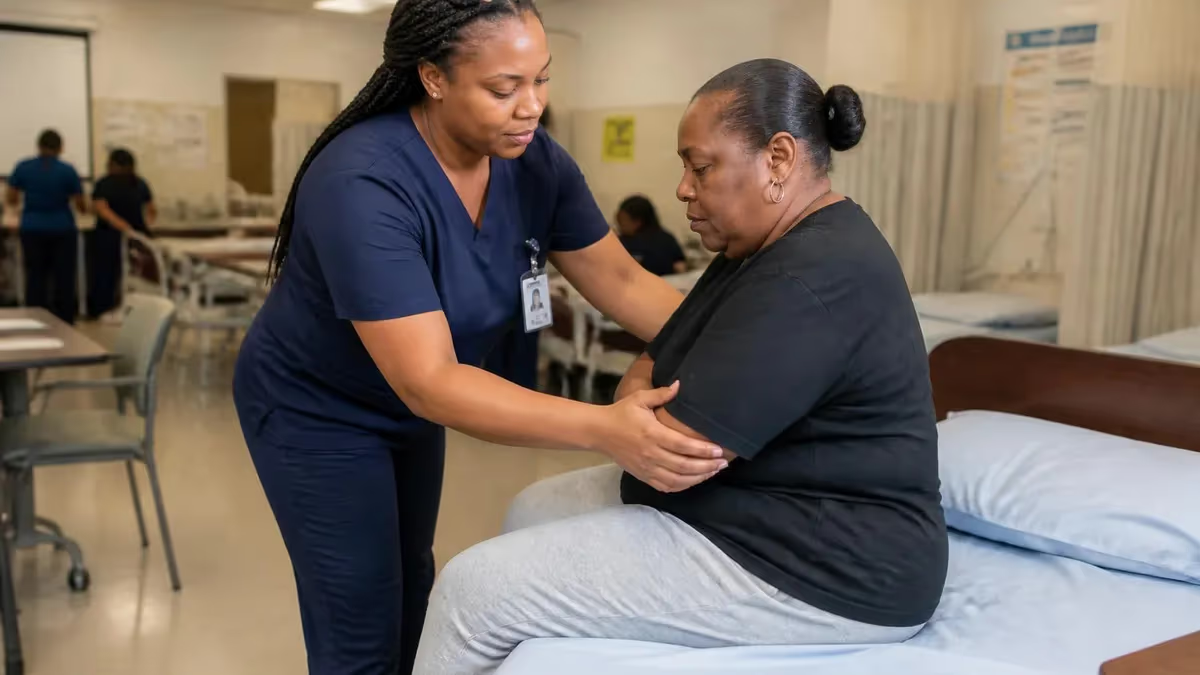
Home health aide scheduling software has transformed the way agencies coordinate care, manage compliance, and support their caregiving workforce. Whether you are exploring HHA Exchange for the first time, trying to complete an home health aide training program requirement, or looking to streamline your agency's daily operations, understanding the digital tools available in 2026 is essential. The right platform keeps caregivers informed, reduces missed visits, and ensures that patients receive the consistent care they depend on every day.
HHA Exchange is one of the most widely recognized software platforms serving the home health sector in the United States. Built specifically for Medicaid-funded home care agencies and the aides who work for them, it acts as an all-in-one hub for scheduling, visit verification, payroll integration, and compliance reporting. Thousands of agencies across the country rely on it to manage their certified home health care aide workforce, making familiarity with the platform a practical career advantage for anyone entering the field.
Understanding how to navigate the HHA login portal is one of the first practical skills new aides learn after certification. The login screen grants access to your shift calendar, client notes, assigned visit details, and electronic visit verification (EVV) tools. Many state Medicaid programs now mandate EVV for all personal care and home health services, meaning that clocking in and out through a verified app is no longer optional — it is a regulatory requirement tied directly to agency reimbursement.
The landscape of home health aide software extends well beyond a single vendor. Platforms such as Alora, ClearCare, WellSky, and Homecare Homebase each offer scheduling dashboards, mobile caregiver apps, and built-in compliance modules. Agencies evaluate these tools based on the size of their caregiver pool, the states in which they operate, and the payer mix they serve. For an individual HHA, however, the most important thing is knowing how to use whatever platform your employer has selected quickly and confidently.
The connection between software proficiency and career success is increasingly direct. Agencies that adopt modern scheduling tools report fewer scheduling gaps, faster onboarding for new aides, and better audit outcomes during Medicaid reviews. For caregivers, working smoothly within these systems signals reliability and professionalism — qualities that translate into more consistent hours, higher performance ratings, and faster advancement toward supervisory roles or HHA certification renewal.
Home health aide certification requirements often include a digital competency component, particularly as state regulatory bodies update their training standards to reflect real-world technology expectations. Candidates preparing for their state competency exam should be aware that understanding documentation, scheduling, and communication tools is not only useful on the job — it also aligns with the broader professional standards that define what a certified home health care aide is expected to know and do in 2026.
This guide covers everything from HHA Exchange login steps and software feature comparisons to training program requirements, HHA certification pathways, and practical tips for using scheduling tools effectively in the field. Whether you are a new caregiver or an agency administrator, you will find actionable information organized to help you get the most out of the digital ecosystem supporting home health care in the United States today.
Home Health Aide Software and Industry by the Numbers
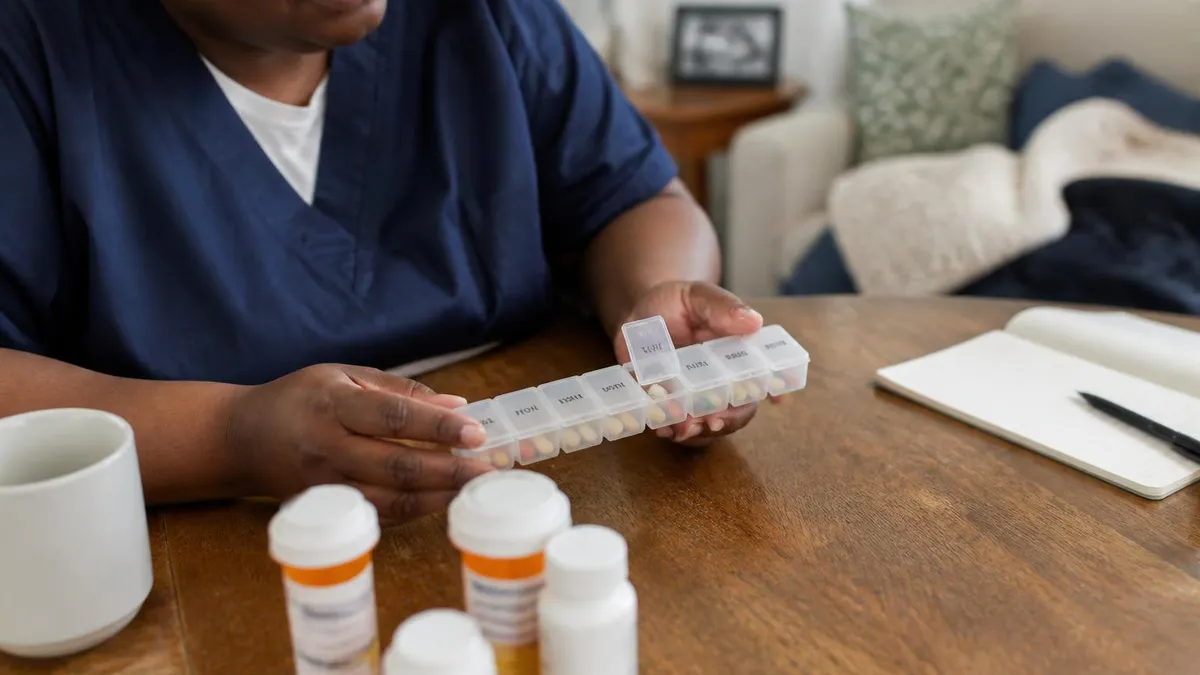
Core Features of Home Health Aide Scheduling Software
EVV systems capture the time, location, and identity of each caregiver visit using GPS or telephony. This satisfies federal Medicaid mandates under the 21st Century Cures Act and protects agencies during audits by providing tamper-resistant visit records.
Drag-and-drop scheduling boards let coordinators match aides to clients based on geography, skills, language, and availability. Automated conflict alerts flag overtime risks, expiring certifications, and scheduling gaps before they become compliance problems.
Mobile apps give aides access to client profiles, care plans, shift details, and clock-in functions from any smartphone. Push notifications alert caregivers to schedule changes or urgent client updates without requiring a call to the office.
Verified visit data flows directly into payroll modules, reducing manual data entry errors and accelerating reimbursement cycles. Integrated billing tools generate Medicaid and private-pay claims that align with EVV records for clean claim submission.
Automated credential dashboards track HHA certification expiration dates, CPR renewal deadlines, and required training hours for every caregiver on the roster, sending alerts weeks before lapse to keep the workforce fully compliant.
Accessing the HHA Exchange login portal is straightforward, but new users often encounter confusion between the agency-facing admin portal and the caregiver-facing mobile experience. The admin login is typically reached through the HHA Exchange website by selecting the appropriate agency portal link provided during onboarding. Caregivers, by contrast, usually access the system through a dedicated mobile app or a simplified web interface that shows only shift-related information relevant to their specific assignments.
Once logged in, coordinators see a centralized scheduling dashboard that displays open shifts, confirmed assignments, and pending authorizations all on one screen. Color-coded status indicators make it easy to identify which visits have been electronically verified, which are still pending caregiver clock-in, and which may be at risk of a missed visit flag. This real-time visibility is one of the primary reasons agencies transition away from paper-based scheduling and spreadsheet systems.
For caregivers, the HHA login experience centers on their personal shift feed. After logging in, an aide can review the name and address of each assigned client, the scheduled start and end times, the care tasks listed in the plan of care, and any special notes left by the care coordinator. This pre-shift review is not just a convenience — for a home health aide job description to be fulfilled properly, caregivers need accurate, up-to-date information before they arrive at a client's home.
Clocking in through HHA Exchange or a similar EVV-enabled platform usually involves one of three methods: GPS verification through a smartphone app, telephony verification through a landline at the client's home, or biometric verification through a fixed device. The chosen method depends on what the agency has configured and what the state Medicaid program accepts. Caregivers working in states with strict EVV mandates need to understand exactly which verification method applies to each client visit to avoid claim denials.
Forgotten passwords and locked accounts are among the most common HHA Exchange login issues reported by caregivers. Most agencies have a designated point of contact — usually a coordinator or IT administrator — who can reset credentials. Some platforms also offer self-service password resets tied to a verified email address or phone number. Caregivers who anticipate technology challenges should ask their employer for the specific support process during orientation, before an issue arises on a busy shift day.
Agency administrators who manage the platform have access to a wider set of tools including reporting dashboards, billing queues, and caregiver credential tracking. A well-configured HHA Exchange account allows a coordinator to see at a glance which aides have upcoming certification expirations, which clients have open authorizations expiring this month, and which scheduled visits have not yet been electronically verified. This operational transparency is what makes modern scheduling software an indispensable tool for compliant agency management.
Beyond basic login and scheduling functions, HHA Exchange and similar platforms increasingly offer messaging features that allow coordinators and caregivers to communicate directly within the system. This keeps care-related communications in a documented, auditable channel rather than personal text messages, which can create HIPAA compliance risks. For caregivers who want to build a reputation as reliable, technology-savvy professionals, mastering these in-app communication tools is as important as learning any clinical skill in the role.
HHA Certification and Home Health Aide Training Explained
HHA certification in the United States is governed by a combination of federal Medicaid standards and state-specific regulations. At the federal level, Medicare-certified agencies must ensure that every home health aide completes at least 75 hours of approved training, with 16 of those hours spent in supervised practical or clinical settings. States can and often do exceed these minimums — New York, for example, requires 120 hours of training for certified home health aides working in licensed home care agencies.
The certification process typically concludes with a written competency exam and a skills demonstration evaluated by a registered nurse or licensed clinical professional. Candidates who pass both components receive their HHA certification, which must be renewed periodically according to the rules of the state in which they practice. Renewal usually requires a minimum number of in-service training hours completed through an approved provider, and failure to renew on time can result in a lapse that prevents the aide from legally working in a Medicare or Medicaid-certified setting.

HHA Exchange: Pros and Cons for Agencies and Caregivers
- +Purpose-built for Medicaid home care, ensuring compliance features are deeply integrated rather than bolted on as afterthoughts
- +Electronic visit verification satisfies 21st Century Cures Act mandates across all 46 EVV-required states without additional third-party tools
- +Real-time scheduling dashboard reduces missed visits and allows coordinators to respond to last-minute call-outs before clients are affected
- +Caregiver mobile app provides pre-shift client information, care plan details, and in-app clock-in without requiring a separate device
- +Automated credential tracking alerts administrators weeks before aide certifications or required training hours expire
- +Direct billing integration reduces manual claim entry errors and accelerates Medicaid reimbursement cycles for faster agency cash flow
- −Implementation and monthly licensing costs can be prohibitive for small agencies operating on tight Medicaid reimbursement margins
- −The learning curve for administrators setting up the platform for the first time is steep and often requires vendor support or dedicated training time
- −Caregivers in rural areas may encounter GPS connectivity issues that complicate EVV clock-in processes and require telephony fallback options
- −Customization options are limited for agencies with highly specific scheduling workflows that differ significantly from the platform's standard structure
- −Mobile app performance can be inconsistent on older smartphone models, creating friction for caregivers who have not upgraded their devices recently
- −Data migration from legacy scheduling systems can be time-consuming and error-prone, temporarily disrupting operations during the transition period
EVV and Scheduling Compliance Checklist for Home Health Aides
- ✓Confirm your employer's approved EVV method (GPS app, telephony, or biometric) before your first scheduled visit
- ✓Download and test the caregiver mobile app on your personal device during orientation, not on your first shift
- ✓Verify your HHA login credentials are active and that you can access the scheduling portal at least 24 hours before starting work
- ✓Review each client's care plan and special instructions through the app before arriving at the home
- ✓Clock in at the client's location at the scheduled start time — early or late clock-ins may flag compliance exceptions
- ✓Document all care tasks completed during the visit using the app's structured checklist before clocking out
- ✓Report any app errors or failed clock-ins to your coordinator immediately and before leaving the client's home
- ✓Keep your HHA certification and CPR credentials current and notify HR at least 60 days before any expiration date
- ✓Complete all required annual in-service training hours through your agency's approved platform or provider
- ✓Review your pay stub each cycle to confirm that electronically verified visits have been processed accurately
Technology Skills Are Now a Core HHA Competency
In 2026, proficiency with scheduling apps and EVV systems is no longer an optional bonus skill for home health aides — it is an expected baseline. Agencies operating in EVV-mandated states cannot process Medicaid claims for visits that lack verified electronic records, meaning that a caregiver who fails to clock in correctly through the approved system may inadvertently create an unbillable visit. Understanding and correctly using your agency's scheduling software protects your paycheck, supports your agency's compliance, and ultimately ensures uninterrupted care for the clients who depend on you.
Home health aide certification is the formal credential that distinguishes a trained, tested caregiver from an untrained companion or personal care worker. While the specific requirements vary by state, the certification process universally involves completing an approved training program, demonstrating competency in required skills, and passing a state-recognized evaluation. Understanding this pathway in detail is valuable not only for candidates entering the field but also for agency administrators who are responsible for maintaining a fully certified workforce at all times.
The federal government sets the floor for HHA training requirements through Medicare Conditions of Participation. Any agency seeking to receive Medicare reimbursement must ensure that its home health aides meet the 75-hour training and competency evaluation standard. However, states that have their own licensure requirements for home care agencies frequently impose stricter standards. A home health aide working in California, New York, or Pennsylvania, for example, may need to complete significantly more than 75 hours to qualify for positions at state-licensed agencies, even if those positions are not Medicare-funded.
The competency evaluation at the end of HHA training typically consists of two parts: a written or oral knowledge test and a practical skills demonstration. The knowledge test covers topics drawn from the standard curriculum — infection control, nutrition, basic anatomy, patient rights, emergency procedures, and communication with healthcare team members. The skills demonstration requires candidates to perform specific care tasks, such as hand washing, bed bath technique, or ambulation assistance, under the direct observation of a qualified clinical evaluator such as a registered nurse.
Candidates who do not pass on their first attempt are generally permitted to retake the failed portion of the evaluation. Most states limit the number of retakes within a specified window, and some require additional supervised training hours between attempts. This is one reason why thorough preparation — including extensive practice with exam-format questions — significantly improves a candidate's probability of passing on the first attempt and starting work without unnecessary delays.
Earning a home health aide salary that reflects your experience level often depends in part on maintaining active certification and accumulating verifiable in-service training hours. Many agencies offer wage increases tied to years of active certification, specialized training completions such as dementia care or pediatric home health, and demonstrated proficiency with agency scheduling and documentation systems. Caregivers who proactively invest in their professional development — both clinical and technological — position themselves for better pay, more desirable client assignments, and greater job security over time.
Online HHA training options have expanded dramatically since 2020, and many states now accept hybrid programs that combine online coursework with in-person clinical skills sessions. Candidates evaluating online programs should verify several key details before enrolling: whether the program is approved by the state health department, how the practical skills component is delivered and evaluated, whether the program partners with local agencies for supervised clinical hours, and what the program's passage rate is for the state competency exam. A low-cost online program that does not result in a recognized credential offers little career value.
Maintaining HHA certification over a long career requires ongoing attention to renewal deadlines and continuing education requirements. Most states require a minimum number of in-service hours annually or biennially to maintain active status. These hours must typically be completed through a state-approved provider and documented in a format that can be presented during a regulatory audit. Scheduling software that includes credential tracking features makes this process easier for both caregivers and agencies by sending automated alerts well in advance of any expiration date.

As of 2026, all states participating in Medicaid must enforce electronic visit verification for personal care and home health services under the 21st Century Cures Act. Agencies that fail to implement compliant EVV systems — and caregivers who fail to use them correctly — risk having visits flagged for recoupment during Medicaid audits. A single pattern of missed clock-ins or incorrect location verifications can trigger a focused audit that results in significant financial penalties for the agency and potential disciplinary action for the caregiver involved.
Choosing the right home health aide scheduling software is a decision that affects every layer of a home care agency's operations, from the coordinator who builds schedules to the caregiver who clocks in at a client's door. Agencies evaluating platforms in 2026 face a market with dozens of options, each offering a slightly different combination of features, pricing structures, and state-specific compliance tools. Making the right choice requires a clear understanding of the agency's size, payer mix, geographic footprint, and technology maturity level before any software demonstration begins.
Small agencies serving fewer than 50 active clients may find that a lighter-weight platform such as ClearCare or a basic scheduling module within their existing billing software is sufficient for their needs. Larger agencies managing hundreds of caregivers across multiple counties or states typically require enterprise-grade platforms like HHA Exchange, WellSky Personal Care, or Homecare Homebase that can handle complex authorization management, multi-payer billing, and large-scale EVV compliance reporting simultaneously.
For caregivers who are comparing potential employers, the sophistication of the agency's scheduling software is worth evaluating alongside pay rate and benefits. Agencies with modern, mobile-friendly scheduling tools are generally better organized, have clearer communication channels, and experience fewer payroll errors than agencies still relying on manual scheduling processes. These operational factors directly affect a caregiver's day-to-day experience, income reliability, and professional satisfaction on the job.
Integration capability is a key differentiator among scheduling platforms. The best systems connect seamlessly with state EVV aggregator portals, Medicaid billing clearinghouses, payroll processors like ADP or Paychex, and care management platforms used by case managers and MCOs. This connectivity eliminates duplicate data entry, reduces claim errors, and ensures that the data flowing from a caregiver's clock-in all the way through to agency reimbursement is accurate, consistent, and audit-ready at every step.
Training and onboarding support are critical factors that agencies often underestimate when selecting scheduling software. Even the most feature-rich platform delivers little value if coordinators and caregivers are not trained to use it effectively. The best vendors offer dedicated implementation specialists, video training libraries, live support chat, and user communities where administrators can share best practices. Agencies should evaluate the quality and responsiveness of vendor support as carefully as they evaluate the software's feature list before signing a contract.
For individuals pursuing a home health aide certificate, understanding how scheduling software fits into the broader world of home health care is part of becoming a well-prepared professional. Candidates who arrive at their first job already familiar with EVV concepts, mobile app workflows, and digital documentation standards require less onboarding time, adapt more quickly to their agency's systems, and make a stronger first impression with supervisors and coordinators. This knowledge advantage can accelerate career growth in a field where reliability and competence are the most valued professional currencies.
The future of home health aide scheduling software points toward artificial intelligence-driven scheduling optimization, predictive staffing tools, and enhanced telehealth integration. AI scheduling engines can analyze historical visit data, caregiver performance metrics, traffic patterns, and client preference signals to automatically generate optimized schedules that minimize travel time and maximize client satisfaction. For caregivers and agencies alike, staying current with these technology trends is not just a professional edge — it is increasingly a prerequisite for operating effectively in a modern, data-driven home health care environment.
Preparing for your HHA competency exam while also learning the practical technology skills required on the job can feel overwhelming, but a structured approach makes both manageable. Start by thoroughly reviewing your training program's curriculum outline and identifying the content domains that will appear on the state competency exam. Common domains include infection control and safety, patient rights and confidentiality, personal care skills, nutrition and meal preparation, mobility and transfer techniques, and observation and reporting. Knowing exactly what the exam covers allows you to allocate your study time efficiently rather than reviewing all material equally.
Use practice test platforms consistently in the weeks leading up to your exam. The best approach is to take a full-length practice test under timed conditions to establish a baseline score, then review every incorrect answer in detail to understand why the correct answer is right and why your chosen answer was wrong. This active review process builds conceptual understanding, not just pattern recognition, which serves you much better on a state exam that may phrase questions differently than any specific practice resource.
When it comes to EVV and scheduling software, hands-on practice is far more effective than reading about the tools. If your training program offers access to a demo version of an EVV app or scheduling platform, spend as much time in it as possible before your first real shift. If not, ask your agency coordinator to walk you through the clock-in and clock-out process during orientation using a test account. Simulating the real workflow before you are responsible for a client's verified visit record eliminates a major source of first-day anxiety.
Time management on the competency exam itself is a skill worth practicing separately. Many candidates who know the material still struggle with pacing, spending too long on difficult questions early in the exam and running out of time before reaching easier questions at the end. Practice tests help you calibrate your natural pace. A general rule is to spend no more than 90 seconds on any single question during your first pass through the exam, flagging uncertain questions for review and returning to them only after you have answered everything else.
The skills demonstration portion of the HHA certification exam is often more stressful than the written test for candidates who are confident in their knowledge but less comfortable performing under observation. The best preparation is repetition in a realistic setting. Practice each required skill — hand washing, occupied bed change, vital sign measurement, transfer techniques — with a partner who can observe and provide feedback. The evaluator scoring your demonstration is looking for correct technique and proper safety behaviors, not speed, so deliberate and methodical execution is always preferable to rushing through a procedure.
After passing your exam and starting your first HHA position, continue investing in your professional development by completing optional in-service training hours beyond the minimum required for certification renewal. Specialized training in areas such as dementia care, pediatric home health, post-surgical care, or chronic disease management makes you a more versatile caregiver and opens doors to client assignments that typically pay at a higher rate. Many agencies also prioritize caregivers with specialized training when filling premium shifts or new client openings, giving you a practical scheduling advantage over peers who have completed only the baseline requirements.
Finally, build habits that support long-term career success from your very first shift. Arrive on time, complete EVV clock-in before beginning any care task, document all observations accurately through your agency's app, and communicate proactively with your coordinator whenever you encounter anything unexpected at a client's home. These professional habits compound over time into a reputation for reliability that is the single most valuable asset any home health aide can build in a field where trust — between caregiver, agency, and client — is the foundation of everything.
HHA Questions and Answers

HHA Job Requirements 2026 — What You Need to Become a Home Health Aide

Home Health Aide Training Programs: Complete 2026 Guide to Certification, Cost, and Career Launch

HHA Practice Test

Home Health Aide Training Near Me: Complete Guide to Local Programs, Certification, and Career Launch

Home Health Aide Requirements: Qualifications, Training, and Certification Explained
About the Author

Registered Nurse & Healthcare Educator
Johns Hopkins University School of NursingDr. Sarah Mitchell is a board-certified registered nurse with over 15 years of clinical and academic experience. She completed her PhD in Nursing Science at Johns Hopkins University and has taught NCLEX preparation and clinical skills courses for nursing students across the United States. Her research focuses on evidence-based exam preparation strategies for healthcare certification candidates.
Join the Discussion
Connect with other students preparing for this exam. Share tips, ask questions, and get advice from people who have been there.
View discussion (8 replies)