
HHA Training: Complete Guide to Home Health Aide Certification Programs
HHA training requires 75 federal hours, covers patient care, safety, and infection control. 📝 Programs run 4-12 weeks with classroom and clinical work.

HHA training prepares you for one of the fastest growing careers in healthcare. The U.S. Bureau of Labor Statistics projects 21% growth for home health aides through 2033, far above average for all occupations. You will learn personal care, vital signs, mobility assistance, nutrition, and basic emergency response. Federal law sets a 75-hour minimum, but most states require more. Programs typically run four to twelve weeks. Costs range from free (with state programs or agency sponsorship) to $1,500 at private schools. After training, you take a competency exam to earn certification.
This guide walks through every step: federal and state requirements, what classroom and clinical work cover, how to pick a program that fits your schedule and budget, what the competency exam looks like, and how to keep your certification current. By the end, you will know exactly what eight weeks of training look like and what to expect on your first day of paid work as a certified home health aide.
Most candidates who plan ahead finish on first attempt. Block your calendar before you start. Eight weeks of full attention beats sixteen weeks of half attention. Tell family and friends that evenings will be tight during clinical phase.
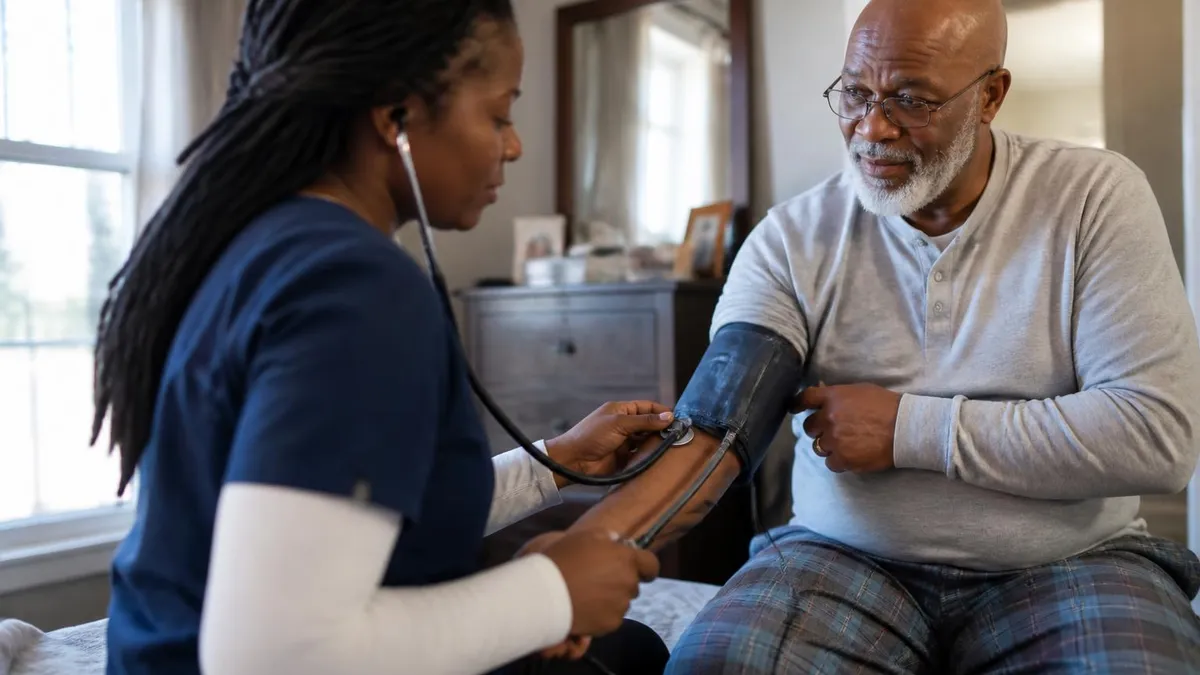
HHA Training At a Glance
Key Facts at a Glance
| Item | Value | Details |
|---|---|---|
| Federal minimum | 75 hrs | |
| Program length | 4-12 wks | |
| Cost range | $0-$1,500 |
The Centers for Medicare and Medicaid Services sets a 75-hour federal floor: 16 hours of supervised practical training and 59 hours of classroom instruction. States can require more, and many do. New York demands 75 hours plus a 16-hour clinical, Texas requires 75 with state-approved curriculum, and California sets the bar at 120 hours. Florida only requires 40 hours through a Department of Elder Affairs program but adds a state competency exam. Always check your state board before enrolling. The right program will list its accreditation, hours, and exam pass rate clearly.
Even when states match the federal minimum, the curriculum split varies. Some pile more hours into infection control. Others push communication training. Read the syllabus before you sign anything. A school cannot cut classroom hours below 59 or clinical below 16 and still hand you a federally recognized certificate. If the schedule on offer does not add up, the certificate will not register you with Medicare and your job options will narrow to private pay only.
If your state requires more than 75 hours, ask whether the extra hours count toward CNA hour requirements. In several states, an enhanced HHA program bridges directly to CNA testing with no additional class time. The bridge saves weeks if nursing is your goal.
Three Common HHA Training Tracks
8-12 week certificate programs at accredited two-year colleges. Costs $500 to $1,500 in tuition plus $100 to $200 for books, scrubs, and exam fees. Often transfers academic credit to LPN or RN tracks at the same college, saving time later.
Free training in exchange for a 6 to 12 month employment commitment. Usually 4 to 6 weeks of accelerated instruction. You earn while you learn at minimum wage during training, then graduate to standard aide pay. Great option for candidates short on cash but firm on the career path.
Classroom portion delivered online through video lectures and quizzes, with clinicals scheduled in person on weekends or evenings. Best for working adults or parents with childcare constraints. Check state acceptance first because some states require all 59 classroom hours in person.
Training covers two domains: technical skills and soft skills. Technical training includes taking blood pressure, pulse, and respiration, transferring patients safely from bed to chair, bathing, dressing, toileting, and basic wound observation. You also learn infection control protocols, fall prevention, and how to use lifts and gait belts. Soft skills include communication with elderly clients, documenting care, recognizing abuse and neglect, and respecting cultural and religious practices. Most programs add a CPR and first aid module. The duties and responsibilities covered in training match what you do daily on the job.
Expect to repeat each skill many times. Muscle memory matters when a client is mid-transfer and balance is shifting. Your instructor will demonstrate, then observe you attempting the same skill on a mannequin, then on a peer, then under supervision with a real patient. The repetition is the point. By exam day, you should be able to perform each core competency without thinking through the steps.
Bring a sense of humor to every shift. Clients respond to warmth more than perfect technique. The best aides remember small preferences: how a client takes coffee, which side of the bed they sleep on, the names of grandchildren in photos by the window.
Important Training Distinction
HHA training is shorter than CNA training (75 vs 120 federal hours). CNAs can work in hospitals and nursing homes; HHAs typically work in private homes and assisted living settings. The skill overlap is significant: vital signs, transfers, hygiene assistance, and documentation are taught in both programs. The main differences are CNA programs add hospital-level acute care content, sterile technique for medical procedures, and broader pharmacology basics. Many people earn HHA first to start working quickly, then bridge to CNA in 4-8 weeks of additional coursework while earning income as an aide.
The 16 hours of supervised practical training are non-negotiable under federal rules. You practice skills on a mannequin in a lab, then move to real patients under instructor supervision. Common clinical sites include nursing homes, hospice agencies, and home health offices that partner with the school. You must demonstrate competency on 17 core skills before passing. These include hand washing, taking and recording vital signs, ambulation with a gait belt, partial bed bath, mouth care, dressing assistance, and proper body mechanics. Skip the clinicals and you cannot sit for the state competency exam.
Plan for early mornings during the clinical phase. Most facilities run aide training during 6am to noon shifts when patient care load is heaviest. Bring two pens, a watch with a second hand, and a small notebook. Wear scrubs, closed-toe shoes, and tie back long hair. Do not bring your phone into patient rooms. Instructors will dismiss students who break basic facility rules, and you may have to repeat the entire clinical block.
If your clinical instructor is strict, do not push back during the rotation. Take feedback, demonstrate the fix, and move on. Pay close attention to hand hygiene timing, glove changes, and lift mechanics. These three habits prevent the most common training failures.
Inside the 75-Hour Curriculum
Anatomy basics, body systems overview, normal aging changes, common chronic conditions like diabetes and heart disease, nutrition and hydration principles, therapeutic communication techniques, safety protocols, infection control standards, ethics and patient rights, documentation requirements, observation and reporting skills, emergency response basics, and care planning fundamentals make up the bulk of the 59 classroom hours.
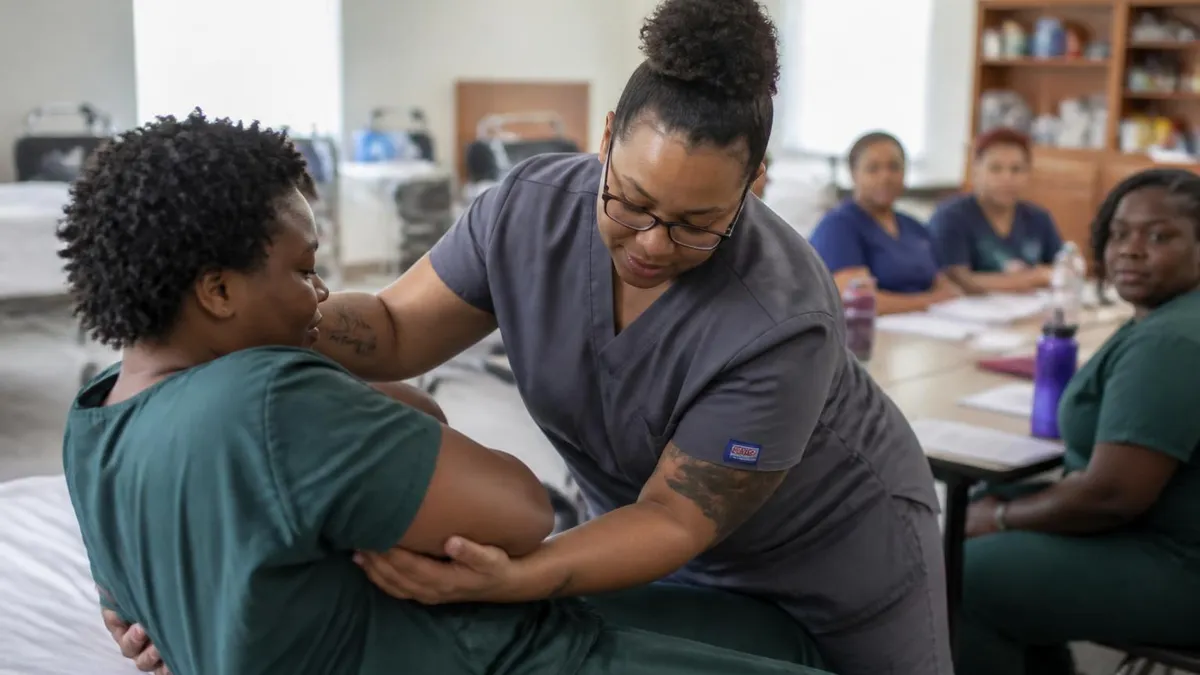
Cost varies widely. Free training comes from Medicaid-certified home care agencies that hire you after graduation. The American Red Cross runs nurse assistant programs in many states for $1,200 to $1,500. Community colleges average $800. Private vocational schools can reach $2,000 with books and uniforms. Workforce development boards often pay tuition for unemployed adults through WIOA grants. Some states fund training for caregivers of family members under Medicaid waiver programs. Always ask about hidden fees: fingerprinting, background checks, drug screens, immunizations, scrubs, and exam fees can add $200 to $400.
The cheapest path is rarely the fastest. Agency-sponsored programs require a six to twelve month employment commitment, which locks you to one employer at starting wages. If you bridge to CNA quickly, that commitment can feel long. Paying out of pocket at a community college takes more upfront cash but leaves you free to negotiate a higher starting rate or pick the employer with the best schedule on day one.
Tuition timing matters. Programs that bill in full upfront tie up cash you may need for fingerprinting and exam fees. Pay-as-you-go schools usually charge slightly more per week but leave a cushion if life events delay your completion date. Ask about refund policy.
HHA Career Pros and Cons
- +Short path to a paid healthcare role (under three months)
- +High demand: 21% job growth projected through 2033
- +Low or zero cost when sponsored by an agency
- +Stepping stone to CNA, LPN, or RN careers
- +Flexible hours: many part-time and live-in roles available
- −Median wage around $16/hr; lower in non-urban states
- −Physically demanding: lifting, standing, repetitive motion
- −Emotional weight of working with dying or declining patients
- −Limited career ceiling without further certification
- −Schedule unpredictability with home-based clients
Pick a program approved by your state department of health. Without state approval, your certificate will not register you on the home health aide registry and you cannot work in Medicare-funded settings. Verify the school is on your state registry website before paying any fee. Check the first-time pass rate on the competency exam: anything above 85% is solid. Ask whether clinicals are scheduled in batches or rolling. Ask about job placement: agencies that train often hire 80% of their graduates. Read recent reviews on Indeed and Google before committing your time and money.
Visit the school in person if possible. A clean, well-lit skills lab with current equipment signals a serious operation. Run from any program that meets in a hotel conference room or rotates between strip mall locations. Ask to sit in on a class for 30 minutes. The instructor should be a registered nurse with home care experience. If you cannot name your future instructor before paying, choose somewhere else.
Look up the agency that hires your school graduates before enrolling. Read its star ratings on Medicare.gov Home Health Compare. Strong agencies invest in training; weak ones use it to recruit cheaply. The agency reputation tells you what your first real job will look like.
Pre-Enrollment Checklist
- ✓Program listed on state health department approved list
- ✓Total clock hours meet or exceed state requirement
- ✓Clinical hours included (not optional add-on)
- ✓Competency exam fee bundled or clearly stated
- ✓Background check and fingerprinting available on site
- ✓First-time exam pass rate published and above 80%
- ✓Job placement assistance offered after graduation
- ✓Schedule fits your existing work or family commitments
After training, you sit for the state competency exam. It has two parts: a 60 to 100 question written test (or oral version in some states) and a hands-on skills demonstration. The skills portion picks 3 to 5 randomized tasks from the 17 core competencies. You usually have 30 to 40 minutes per task. Common evaluators include Pearson VUE, Prometric, or Headmaster (D&S Diagnostic Services), depending on the state. Pass both sections and you appear on the state HHA registry within 10 business days. Then you can legally work for any Medicare-certified home health agency.
Most candidates fail the skills demonstration once before passing. The retake fee runs $40 to $80. Common skill-test failures include forgetting hand hygiene between steps, skipping the privacy curtain, and not checking the gait belt before a transfer. Practice with a study partner before exam day and quiz each other on the small steps that examiners watch for. Confidence and quiet attention beat speed every time.
State rules differ enough that crossing a state line can mean retraining. Pennsylvania offers a streamlined path for CNAs to add HHA. New Jersey requires a separate HHA license from the Board of Nursing on top of training. Illinois pools HHAs into its CNA registry with extra home care modules. If you train in one state and move to another, contact the new state registry before working. Most accept transfer with proof of training hours and a verified competency exam pass. A few require a refresher or full retest. Plan ahead before you relocate.
Reciprocity paperwork takes two to eight weeks. Start the process before your move date. Bring your training transcript, exam pass certificate, and a current registry verification letter. Some states charge a transfer fee of $50 to $150. Plan a financial cushion to cover the gap between leaving your old job and starting work in the new state. Without that cushion, candidates often take non-HHA jobs that pay less and slow career momentum.
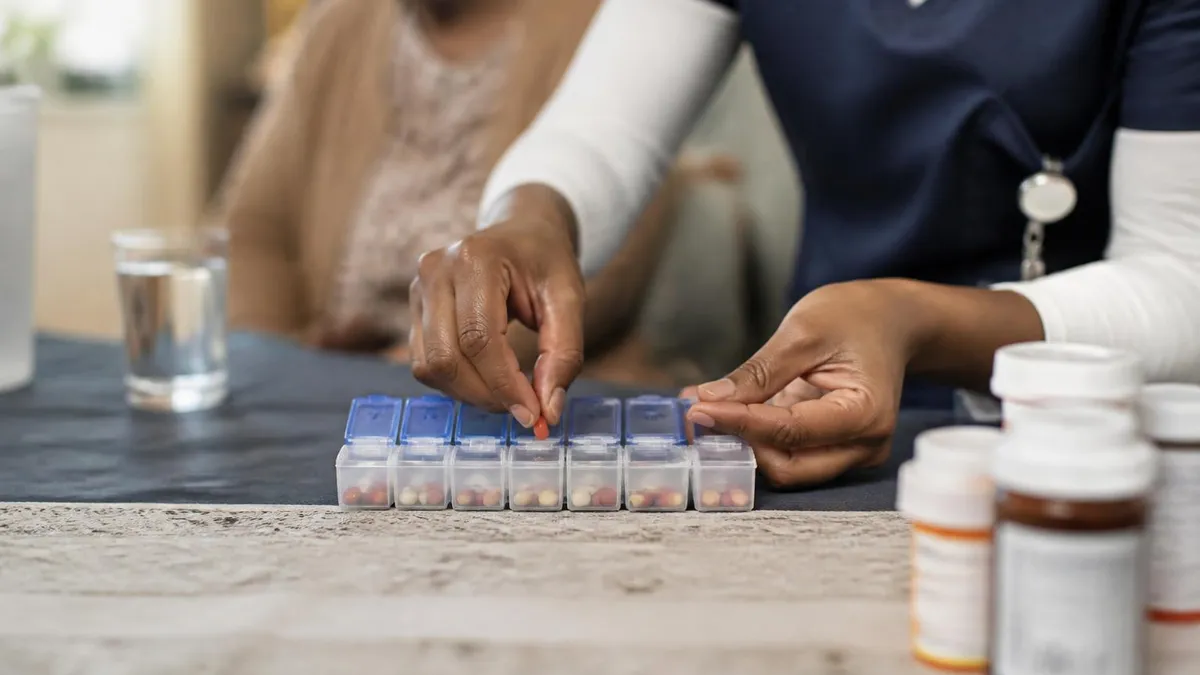
You must work at least one paid HHA shift every 24 months to stay on the registry in most states. Lapse more than two years and you will need to retake the competency exam from scratch. Keep payroll stubs and timesheets as proof of active status. Some states accept volunteer hours at approved facilities to satisfy the active-status rule, but most require paid documented work. If you are taking a career break, ask your agency to keep you on the per-diem roster with at least one shift quarterly to protect your certification.
HHA work is rarely the end of the road. Many aides bridge into CNA training, which adds about 45 hours of acute-care content and opens hospital roles. From CNA, the next steps are LPN (12-18 months) and RN (2-4 years). Some employers reimburse tuition for nurses-in-training. Hospice agencies pay 10 to 20 percent above home health rates and value HHA experience. Senior care managers, certified medication aides, and patient care coordinators also pull from the HHA pool. See the full how to become guide for step-by-step career progression after certification.
The career ladder is real but slow. Most aides need two to three years of clean work history before tuition reimbursement programs accept them. Start building that history from day one. Show up on time. Document carefully. Never call out without proper notice. Reliability is the trait managers remember when scholarship spots open up at the agency, and it is the same trait nursing schools rate first when reviewing your application essay.
Sample 8-Week Schedule
Orientation, anatomy and physiology basics, infection control protocols, therapeutic communication skills, ethics and patient rights, documentation rules, and HIPAA training. Heavy lecture and reading load to build foundation knowledge before skills practice begins.
Intensive skills lab: vital signs measurement, safe transfers using gait belts, partial and full bed bathing techniques, feeding and hydration support, mobility devices including walkers and wheelchairs, body mechanics drills, and repetitive practice on mannequins and peers.
Supervised clinical rotations at a partner nursing home, assisted living facility, or home health agency. Practice with real patients under instructor observation. Demonstrate competency on at least eight core skills. Get sign-offs that qualify you for the state competency exam.
Mock written exam, skills demonstration practice with a peer evaluator, competency review session, state exam registration paperwork, fingerprinting and background check completion if not done earlier, and job placement assistance through the school career office.
Background checks are stricter than most candidates expect. States run fingerprint-based searches against state and FBI databases. Disqualifying offenses include any felony involving violence, abuse, neglect, theft, or drug trafficking. Misdemeanor convictions for assault or fraud can also bar certification depending on state rules and how recent the offense was. Most states allow a waiver appeal: you submit court records, character references, and proof of rehabilitation. Approval is not guaranteed but worth pursuing. Costs run $30 to $80 for fingerprinting and $20 to $50 for the criminal records check. Pay these fees before enrolling to avoid wasted tuition.
Physical demands matter daily on the job. You must lift 50 pounds, transfer adults from bed to wheelchair, stand for hours, and bend repeatedly. Some agencies require a pre-employment physical and lift test. Common injuries among aides include lower back strain, shoulder impingement, and slips on wet floors. Use the gait belt every time. Ask for help with heavier transfers. Your body is the tool that keeps this career alive over decades, so build the protective habits early.
Daily Realities on the Job
Arrival check-in with client, vital signs collection and documentation, morning hygiene assistance including bathing and dressing, breakfast preparation and feeding support if needed, medication reminders (not administration), light tidying of client living area, mobility exercises if prescribed, and brief communication with family caregivers before the next shift begins.
Documentation skills separate competent aides from forgettable ones. Every shift requires a care note in the agency's electronic record system or paper log. You document tasks completed, vital signs, intake and output, mood, mobility, and any changes you observed. Medicare auditors check these notes routinely.
A missing or sloppy entry can trigger a billing denial that affects agency revenue. Training should teach you the SOAP format (Subjective, Objective, Assessment, Plan) or a similar structured note. Develop the habit of charting at the end of each task rather than at shift end. Detail and timing protect you, the client, and the agency.
Tax and pay structure varies by employment model. W-2 employees of an agency receive standard payroll deductions and unemployment coverage but limited control over schedules. 1099 contractors set their own rates and clients but pay self-employment tax (15.3%) and must track expenses carefully. Mileage between client homes is tax deductible. Read the HHA salary guide for full pay comparisons.
Day-One Toolkit
- ✓Gait belt for safe transfers
- ✓Watch with a clearly visible second hand
- ✓Two ballpoint pens with bright ink
- ✓Pocket notebook for client preferences
- ✓Stethoscope (if your agency requires one)
- ✓Clean scrubs and closed-toe shoes
- ✓Photo ID and agency badge
- ✓Phone with a charged battery (silent mode)
Continuing education keeps your certification valid. Federal rules require 12 hours of in-service training every 12 months. Topics rotate through infection control, dementia care, pain management, end-of-life support, abuse recognition, and emergency preparedness. Your agency tracks completion and reports to the state registry. Free CEUs come from your state home care association, the National Association for Home Care and Hospice, and many hospital systems. Online platforms like Relias and CareAcademy offer subscription libraries that count toward state CEU rules. Build the habit of completing two hours per quarter rather than scrambling at year end.
HHA training is the fastest, cheapest entry point in healthcare today. Eight weeks and under $1,500 can shift you into a stable career with hard demand, transferable skills, and clear bridges into nursing. Choose a state-approved program, finish the clinicals, pass the competency exam, and protect your certification with steady work and yearly CEUs. The clients who depend on you remember the aide who showed up on time, listened with attention, and treated their home with respect.
Sample HHA Practice Questions
Try these questions from our free HHA practice tests. The correct answer and an explanation follow each question.
A home health aide works in the home of their client Mrs. Thompson, who is terminally ill. One day a neighbor asks the health aide if Mrs. Thompson is very ill. How should the health aide respons?
- A. "How do you know Mrs. Thompson is so sick?"
- B. "I'm sorry, I cannot discuss Mrs. Thompson."
- C. "Mrs. Thompson is doing as well as can be expected."
- D. "Yes, Mrs. Thompson is very ill."
Answer: B. "I'm sorry, I cannot discuss Mrs. Thompson."
Maintaining client confidentiality is a fundamental ethical and legal responsibility for home health aides. Discussing a client's health status with neighbors or anyone not directly involved in their care violates their privacy rights. The correct response is to politely decline to discuss the client's personal information, reinforcing professional boundaries and trust.
A home health aide notices that an elderly patient has not eaten or drunk anything in the past 24 hours and appears confused. The aide should:
- A. Prepare a large meal to encourage the patient to eat
- B. Document the observation and immediately report it to the supervising nurse
- C. Assume the patient is tired and let them rest without disturbing them
- D. Administer oral fluids forcefully to prevent dehydration
Answer: B. Document the observation and immediately report it to the supervising nurse
Changes in eating, drinking, or mental status can signal serious medical deterioration. The aide's role is to observe, document, and report findings to the nurse promptly — not to diagnose or independently intervene.
A patient tells the home health aide that they have been feeling very sad and have been thinking about harming themselves. What should the aide do?
- A. Encourage the patient to rest and assure them they will feel better soon
- B. Keep the information confidential since the patient shared it privately
- C. Report the statement to the supervising nurse or appropriate person immediately
- D. Suggest the patient speak with a friend or family member about their feelings
Answer: C. Report the statement to the supervising nurse or appropriate person immediately
Any statement about self-harm is a serious safety concern and must be reported to the supervising nurse or appropriate personnel immediately. This is never information that should be kept confidential, as the patient's safety is the top priority.
A home health aide notices a patient's skin over the bony prominence of the hip looks reddened and does not blanch when pressed. The aide should:
- A. Apply a thick layer of lotion and continue with the care plan
- B. Reposition the patient and report the finding to the supervising nurse
- C. Leave the area exposed to air and reassess in 24 hours
- D. Place a heating pad over the area to increase circulation
Answer: B. Reposition the patient and report the finding to the supervising nurse
Non-blanchable redness over a bony prominence is a Stage 1 pressure injury. The aide must reposition the patient to relieve pressure and report immediately to the supervising nurse for further assessment.
HHA Questions and Answers
About the Author

Registered Nurse & Healthcare Educator
Johns Hopkins University School of NursingDr. Sarah Mitchell is a board-certified registered nurse with over 15 years of clinical and academic experience. She completed her PhD in Nursing Science at Johns Hopkins University and has taught NCLEX preparation and clinical skills courses for nursing students across the United States. Her research focuses on evidence-based exam preparation strategies for healthcare certification candidates.
Join the Discussion
Connect with other students preparing for this exam. Share tips, ask questions, and get advice from people who have been there.
View discussion (8 replies)