
How to Learn CPR: Complete Guide to Courses, Certification, and Life-Saving Skills
Learn CPR step by step — from infant CPR to ACLS algorithm. Find courses, certification options & practice tests. 🎯 Start saving lives today.

Knowing how to learn CPR is one of the most valuable investments you can make in yourself and your community. Cardiopulmonary resuscitation — commonly called CPR — is a life-saving technique that keeps oxygenated blood flowing to the brain and vital organs when someone's heart stops beating.
According to the American Heart Association, nearly 350,000 out-of-hospital cardiac arrests occur in the United States every year, and immediate bystander CPR can double or even triple a victim's chance of survival. Whether you are a concerned parent, a workplace safety officer, or a healthcare professional studying the ACLS algorithm, learning CPR is an essential skill that takes only a few hours to acquire.
The good news is that CPR training has never been more accessible. Courses range from short community classes hosted by the American Red Cross and the National CPR Foundation to rigorous clinical programs like PALS certification for pediatric emergencies and BLS for healthcare providers.
Online courses have expanded access dramatically, allowing busy professionals to complete the didactic portion at home before attending a short hands-on skills session. No matter your schedule or budget, there is a learning pathway that fits your life — and the knowledge you gain could one day make the difference between life and death for a coworker, family member, or stranger.
Understanding the fundamentals before you walk into a class will help you absorb the material faster and perform with greater confidence. The core CPR sequence — check responsiveness, call 911, open the airway, deliver chest compressions, and use an automated external defibrillator if available — follows a structured protocol that varies slightly depending on whether the patient is an adult, child, or infant. Recognizing these distinctions early accelerates your learning curve considerably. The recovery position, respiratory rate assessment, and early defibrillation are equally critical concepts covered in every reputable CPR curriculum.
CPR education is not a one-time event. Certifications expire — typically after two years — and the science of resuscitation evolves with each new guideline cycle published by the American Heart Association and the International Liaison Committee on Resuscitation. Staying current means scheduling regular renewals, attending refresher sessions, and practicing on manikins to maintain muscle memory for proper compression depth and rate. For those who want to go further, advanced credentials such as ACLS and PALS open doors to careers in emergency medicine, critical care nursing, and paramedicine.
This guide will walk you through every stage of the CPR learning journey: choosing the right course, understanding what each certification covers, preparing for your skills assessment, and using practice tests to solidify your knowledge. We cover adult and infant CPR techniques, explain what AED stands for and how to operate one, and break down the ACLS algorithm used in hospital settings. By the end, you will have a clear roadmap for becoming a certified, confident responder — ready to act in the critical minutes before professional help arrives.
If you are researching how to learn cpr and how long it takes to stay current, you will find detailed timelines and renewal schedules throughout this article. We have also included free practice quizzes, a step-by-step study schedule, and an FAQ section addressing the questions that learners ask most often. Read on to start your CPR education with clarity and confidence, armed with the most up-to-date information available for 2026.
CPR Training & Cardiac Arrest by the Numbers

How to Learn CPR: Step-by-Step Learning Path
Choose Your Certification Level
Select an Accredited Training Organization
Complete the Didactic (Knowledge) Portion
Attend Hands-On Skills Practice
Pass the Skills Assessment and Written Test
Receive Certification and Plan Your Renewal
Understanding the full landscape of CPR certification levels helps you choose the course that matches your role and responsibilities. At the entry level, Heartsaver CPR/AED courses are designed for the general public — parents, teachers, coaches, and workplace first responders who want to be prepared for emergencies outside clinical settings.
These courses cover adult CPR, child CPR, and infant CPR, as well as AED operation and relief of airway obstructions like choking. They typically run two to three hours and are available through local community centers, fire stations, and online blended-learning formats offered by the National CPR Foundation and the American Red Cross.
The next tier is BLS (Basic Life Support) for Healthcare Providers, which is mandatory for nurses, physicians, paramedics, dental hygienists, respiratory therapists, and most allied health professionals. BLS courses go deeper into team-based resuscitation dynamics, one- and two-rescuer CPR techniques, bag-valve mask ventilation, and the integration of AED use within a clinical response framework. The course emphasizes the importance of minimizing interruptions to chest compressions — a concept backed by research showing that even brief pauses reduce coronary perfusion pressure and worsen outcomes during cardiac arrest.
Above BLS sits the Advanced Cardiovascular Life Support (ACLS) certification, which targets physicians, advanced practice nurses, paramedics, and other providers who manage cardiac arrest and peri-arrest conditions in acute care settings. The ACLS algorithm is the structured protocol used to guide teams through ventricular fibrillation, pulseless ventricular tachycardia, asystole, and pulseless electrical activity. It integrates high-quality CPR with rhythm recognition, medication administration (epinephrine, amiodarone), advanced airway management, and post-cardiac arrest care. Mastery of the ACLS algorithm requires familiarity with cardiac monitor interpretation and drug dosing under pressure.
Pediatric Advanced Life Support (PALS) certification is designed for healthcare providers who work with critically ill or injured infants and children. PALS courses cover the assessment and management of respiratory distress, respiratory failure, and shock — the most common pathways to pediatric cardiac arrest — as well as the pediatric cardiac arrest algorithms that mirror but differ from adult protocols. The PALS certification exam includes both a written component and a series of case-based simulation scenarios. Nurses working in pediatric ICUs, emergency departments, and transport teams almost universally hold PALS credentials alongside BLS and ACLS.
For those interested in teaching CPR, the Instructor certification track offered by the American Heart Association and the Red Cross provides training in adult learning principles, course facilitation, manikin maintenance, and skills evaluation. CPR instructors must themselves hold current provider-level certification and complete an instructor course that includes a monitored teaching practicum. This pathway is ideal for healthcare educators, corporate safety officers, and fitness professionals who want to bring life-saving training directly to their organizations or communities.
Regardless of the certification level you pursue, consistent practice between renewals is the key to retaining skills. Research on CPR skill decay shows that compression quality degrades significantly within three to six months without reinforcement. Setting up informal practice sessions with family members, investing in a low-cost home manikin, or using app-based feedback tools can all help maintain the muscle memory needed to perform effective CPR when real emergencies strike.
ACLS Algorithm, PALS Certification & Advanced CPR Skills
The ACLS algorithm is the backbone of advanced resuscitation in US hospitals and emergency systems. It begins with recognition of cardiac arrest and immediate high-quality CPR, then branches into shockable rhythms (ventricular fibrillation and pulseless VT) and non-shockable rhythms (asystole and PEA). For shockable rhythms, the team delivers a defibrillation shock, resumes CPR for two minutes, and reassesses the rhythm. Epinephrine 1 mg IV/IO is given every three to five minutes, and amiodarone 300 mg IV is administered after the third shock in refractory VF.
Non-shockable rhythms follow the same two-minute CPR cycles with rhythm checks, but defibrillation is not used. The team focuses on identifying and correcting reversible causes — the Hs and Ts: hypovolemia, hypoxia, hydrogen ion (acidosis), hypo/hyperkalemia, hypothermia, tension pneumothorax, tamponade, toxins, and thrombosis (pulmonary or coronary). Mastering this decision tree through repeated simulation and practice exam questions is essential before any ACLS certification attempt, as instructors assess real-time algorithm navigation under simulated stress.

Online vs. In-Person CPR Training: Which Is Right for You?
- +Online blended courses let you complete didactic content at your own pace, on any device, at any time
- +Lower upfront cost — many online providers charge significantly less than traditional classroom-only formats
- +Immediate access to course materials, videos, and practice quizzes with no travel time required
- +Flexible scheduling makes it easy for healthcare workers, parents, and professionals with irregular hours
- +Certification from recognized providers like the National CPR Foundation is widely accepted by employers
- +Hands-on skills session is still required but typically shorter (1–2 hours) since you arrive prepared
- −Lacks the immediate real-time feedback from an instructor during the hands-on compression practice
- −Self-paced learners may rush through content without fully absorbing critical protocol nuances
- −Some employers and hospital systems still require fully in-person AHA or Red Cross courses for compliance
- −Technology barriers — poor internet or device issues — can disrupt the online learning experience
- −Less peer interaction means fewer opportunities to practice team-based resuscitation dynamics
- −Skills sessions must still be completed in person, requiring coordination with a local training center
Pros and Cons at a Glance
| Pros | Cons |
|---|---|
| Online blended courses let you complete didactic content at your own pace, on any device, at any time | Lacks the immediate real-time feedback from an instructor during the hands-on compression practice |
| Lower upfront cost — many online providers charge significantly less than traditional classroom-only formats | Self-paced learners may rush through content without fully absorbing critical protocol nuances |
| Immediate access to course materials, videos, and practice quizzes with no travel time required | Some employers and hospital systems still require fully in-person AHA or Red Cross courses for compliance |
| Flexible scheduling makes it easy for healthcare workers, parents, and professionals with irregular hours | Technology barriers — poor internet or device issues — can disrupt the online learning experience |
| Certification from recognized providers like the National CPR Foundation is widely accepted by employers | Less peer interaction means fewer opportunities to practice team-based resuscitation dynamics |
CPR Certification Preparation Checklist
- ✓Choose the right certification level for your role — Heartsaver, BLS, ACLS, or PALS.
- ✓Enroll through an accredited provider such as AHA, Red Cross, or National CPR Foundation.
- ✓Complete all online or classroom didactic modules before your hands-on session.
- ✓Review the chain of survival and memorize the compression-to-breath ratio for each age group.
- ✓Study the ACLS algorithm flowcharts if pursuing advanced certification.
- ✓Practice chest compression depth (2+ inches adults, 1.5 inches infants) and rate (100–120/min).
- ✓Learn what AED stands for and practice attaching pads and following voice prompts.
- ✓Study infant CPR two-finger technique and differences in compression depth for small patients.
- ✓Take at least two full-length practice exams and review every incorrect answer thoroughly.
- ✓Confirm your skills session appointment and arrive with comfortable clothing that allows movement.
High-Quality Compressions Matter More Than Rescue Breaths
Research consistently shows that high-quality chest compressions — the right depth, rate, and recoil — have a greater impact on survival than rescue breathing, especially in the first few minutes of cardiac arrest when residual oxygen remains in the bloodstream. Hands-only CPR (compression-only) is now recommended by the AHA for untrained bystanders and is nearly as effective as conventional CPR for adult victims of sudden cardiac arrest. Focus on minimizing interruptions and maintaining a compression rate of 100–120 beats per minute above all else.
Infant CPR represents one of the most emotionally charged and technically distinct aspects of CPR education. Parents, grandparents, childcare workers, and pediatric healthcare providers all benefit from dedicated infant CPR training that goes beyond the adult techniques taught in basic courses. The fundamental difference begins with the compression method: for infants, rescuers use the two-finger technique (placing two fingers on the center of the chest, just below the nipple line) or, in a healthcare setting with two rescuers, the two-thumb encircling technique, which delivers more consistent depth and is preferred by PALS guidelines.
Compression depth for infants should be approximately 1.5 inches — about one-third of the infant's chest diameter — compared to at least 2 inches for adults. The compression rate remains the same (100–120 per minute), and full chest recoil between compressions is equally critical for infants because recoil allows the heart to fill with blood before the next compression. The compression-to-ventilation ratio for a single rescuer is 30:2 for infants, just as for adults; however, with two healthcare rescuers, the ratio changes to 15:2 for pediatric patients including infants, allowing more frequent rescue breaths relative to compressions.
Rescue breaths for infants require a technique adjustment: the rescuer covers both the infant's mouth and nose simultaneously with their mouth, delivering puffs just large enough to see the chest rise — typically 0.5 to 1 mL per breath. Overinflation can cause gastric distension, which elevates the diaphragm, reduces lung capacity, and increases the risk of regurgitation and aspiration. This is why many instructors teach rescuers to blow gently — as if blowing out birthday candles — rather than delivering a full adult breath into an infant's tiny airways.
The recovery position is another critical concept covered in most CPR courses. After a victim regains a pulse and is breathing spontaneously but remains unconscious, positioning them on their side (recovery position) prevents airway obstruction from the tongue or vomit. The technique involves kneeling beside the victim, placing the near arm at a right angle, bringing the far arm across the chest, bending the far knee, and rolling the victim onto their side while supporting the head. This simple maneuver saves lives by maintaining an open airway in the critical minutes before emergency services arrive.
Respiratory rate assessment is also part of standard CPR training and is especially relevant for healthcare providers who may be managing a patient before cardiac arrest occurs. A normal respiratory rate in adults is 12–20 breaths per minute. Rates below 12 (bradypnea) may indicate respiratory depression from opioids, head injury, or metabolic disorders. Rates above 20 (tachypnea) often signal infection, pulmonary embolism, anxiety, or compensation for metabolic acidosis. Recognizing abnormal respiratory rate early allows providers to intervene before the patient deteriorates into respiratory failure and cardiac arrest.
Special populations require additional considerations during CPR. Pregnant women in cardiac arrest should receive standard CPR compressions, but providers should manually displace the uterus to the left or position the patient with a left lateral tilt to relieve aortocaval compression. Obese patients may require modified hand positioning and may present challenges for AED pad placement. Patients with chest implants (pacemakers, ICDs, breast implants) need AED pad placement at least one inch away from the device. These nuances are typically addressed in BLS and ACLS courses through case-based simulation rather than rote memorization.
For people with physical limitations, it is worth knowing that partial CPR — even imperfect chest compressions — is better than no CPR at all. If you cannot achieve full compression depth due to fatigue or physical constraints, continue compressions at the correct rate and switch with another bystander as soon as possible. AEDs are universally designed for ease of use, and most modern units verbally guide rescuers through every step with clear, calm instructions. No special medical knowledge is required to operate an AED safely and effectively.

Most CPR certifications — including AHA BLS, ACLS, and PALS — expire after two years. Practicing CPR with an expired certificate may violate your employer's credentialing requirements and could affect your professional license. Many hospitals conduct automated credential audits and will remove expired providers from the clinical schedule until renewal is complete. Schedule your renewal course at least 60 days before expiration to ensure you have time to remediate if you do not pass on the first attempt.
Staying current with CPR certification is not just a professional obligation — it is a commitment to excellence and readiness in a field where outdated knowledge can cost lives. The American Heart Association revises its CPR and ECC (Emergency Cardiovascular Care) guidelines every five years, incorporating the latest evidence from the International Liaison Committee on Resuscitation (ILCOR). The most recent comprehensive update in 2020 introduced changes to ACLS post-arrest care protocols, refined pediatric dosing recommendations in PALS, and emphasized the importance of dispatcher-assisted CPR and community lay-responder programs.
Understanding how certification renewal works helps you plan proactively. The AHA offers a HeartCode blended learning renewal pathway that lets certified providers complete their renewal online and then attend a brief two-hour skills check with an AHA Training Center instructor. The Red Cross offers a similar online renewal option. For providers who have let their certification lapse beyond the two-year window, a full recertification course — not just a renewal — is typically required, which takes more time and costs more than a timely renewal would have.
Employer mandates vary widely. Hospital systems, ambulance services, and nursing homes almost universally require current BLS certification for all clinical staff. Many also require current ACLS for RNs working in ICU, ED, and OR settings, and current PALS for pediatric departments. Corporate environments increasingly require Heartsaver CPR/AED certification for designated first responders. Schools in many states now require at least one faculty member per building to hold current CPR certification, and some states mandate CPR training for high school students as a graduation requirement.
Beyond formal renewal cycles, micro-learning and simulation tools help providers maintain competency between certifications. Hospital-based code teams run regular mock codes — simulated cardiac arrest drills — to keep resuscitation skills sharp and identify system gaps before a real emergency. Individual providers can use CPR feedback apps paired with Bluetooth-enabled manikins to measure compression depth and rate in real time. Some AED manufacturers have also released companion apps that guide bystanders through CPR until the device is ready to analyze rhythm, effectively serving as a just-in-time refresher for lapsed skills.
The cost of CPR training varies by level and provider. Basic Heartsaver courses through community organizations often cost $20–$60. BLS for Healthcare Providers typically runs $55–$100 through hospital training centers or AHA Training Sites. ACLS courses range from $150 to $300 or more depending on the provider, and PALS courses are similarly priced. The National CPR Foundation offers some of the most affordable blended-learning options, with basic courses available for under $20 online — though the hands-on skills component still requires a local provider. Many employers and professional associations subsidize or fully cover CPR training costs for their members.
For those wondering about how to learn cpr in the context of long-term career planning, it helps to map your certification pathway against your career goals. A nursing student, for example, should obtain BLS before clinical rotations begin, then add ACLS during or after their first year of employment, and pursue PALS if they move into pediatric settings. Paramedic students typically complete BLS and ACLS during their program and may add PALS or other specialty credentials as their career develops. Proactive planning — rather than scrambling before a renewal deadline — ensures you always have the credentials your role demands.
Technology is also reshaping how CPR is learned and reinforced. Virtual reality (VR) CPR training programs allow learners to practice on photorealistic digital patients with haptic feedback that simulates chest resistance. These platforms are beginning to appear in medical schools, nursing programs, and military training environments. While VR cannot yet replace hands-on manikin practice for initial certification, it shows promise as a low-cost, high-engagement refresher tool that can be used anywhere. As the technology matures, expect to see VR-based CPR modules integrated into hospital competency platforms and consumer wellness apps alike.
Practical preparation strategies can significantly improve your performance on both the written knowledge test and the hands-on skills assessment that conclude most CPR courses. The single most effective strategy is repetition — not just reading about compression technique, but actually practicing it on a manikin until the movements become automatic.
Many learners underestimate how physically demanding sustained chest compressions are. Maintaining proper depth (at least 2 inches for adults) and rate (100–120 per minute) for two uninterrupted minutes requires upper body endurance that most people have not specifically trained for. Even a few sessions with an inexpensive practice manikin at home can make a significant difference in your skills check performance.
Memory aids and mnemonics are another powerful tool, especially for learners preparing for ACLS or PALS certification where complex algorithms must be recalled under pressure. The Hs and Ts (reversible causes of cardiac arrest) are a classic example: Hypovolemia, Hypoxia, Hydrogen ion (acidosis), Hypo/Hyperkalemia, Hypothermia — Tension pneumothorax, Tamponade (cardiac), Toxins, and Thrombosis (pulmonary and coronary). Writing these out repeatedly, creating flashcards, or building a personal mnemonic device helps encode the information for stressful recall during simulation scenarios and real emergencies alike.
Practice tests are one of the most evidence-backed study strategies available, and CPR is no exception. Research on retrieval practice (the testing effect) consistently shows that answering practice questions produces stronger long-term retention than re-reading notes or watching instructional videos. At PracticeTestGeeks, our free CPR practice quizzes cover every core topic — from basic adult CPR technique to AED operation, airway management, infant CPR, and the ACLS algorithm — with detailed answer explanations that reinforce understanding rather than just testing recall. Taking two or three full-length practice tests before your certification course primes your memory and reduces test anxiety significantly.
Group study and peer practice are especially valuable for team-based resuscitation skills. ACLS and BLS courses emphasize coordinated team roles: the team leader directs the code and manages the algorithm, while team members rotate through compressions, airway management, medication administration, and documentation. Practicing these roles with coworkers or classmates before the course familiarizes you with the communication patterns — closed-loop communication, clear role assignments, and speaking up about concerns — that distinguish high-performing resuscitation teams from chaotic ones. Simulation research shows that teams that practice together outperform those who train individually even when individual skill levels are comparable.
Nutrition, sleep, and stress management on the day of your skills assessment also matter more than most people expect. Fine motor skill performance and memory consolidation are both sensitive to fatigue. A full night of sleep before your skills session, a nutritious meal, and arriving a few minutes early to review the skill station layout can all contribute to a calmer, more confident performance. Instructors universally report that the learners who struggle most are those who stayed up late studying and arrived anxious and rushed — not those who were less knowledgeable.
After certification, consider volunteering with community CPR programs to keep your skills sharp between renewals. Many fire departments, community health centers, and schools welcome certified volunteers who can help teach Heartsaver courses or staff community CPR events. Teaching CPR to others is one of the most effective ways to deepen your own mastery — explaining a technique to a novice requires a level of understanding that passive review never achieves. It also contributes directly to building the community-level CPR awareness that research shows is the strongest predictor of improved out-of-hospital cardiac arrest survival rates.
Finally, do not overlook the psychological dimension of CPR training. Many people — even experienced healthcare providers — hesitate to perform CPR in public emergencies due to fear of doing it wrong, fear of causing harm, or bystander effect dynamics. Understanding that Good Samaritan laws in all 50 US states protect lay rescuers who provide CPR in good faith is an important confidence booster.
These laws shield rescuers from civil liability when they act reasonably and without gross negligence. Knowing your legal protection removes a major psychological barrier and makes it far more likely you will act decisively when the moment comes.
CPR Questions and Answers
How Long Does CPR Certification Last? 2026 Renewal Guide
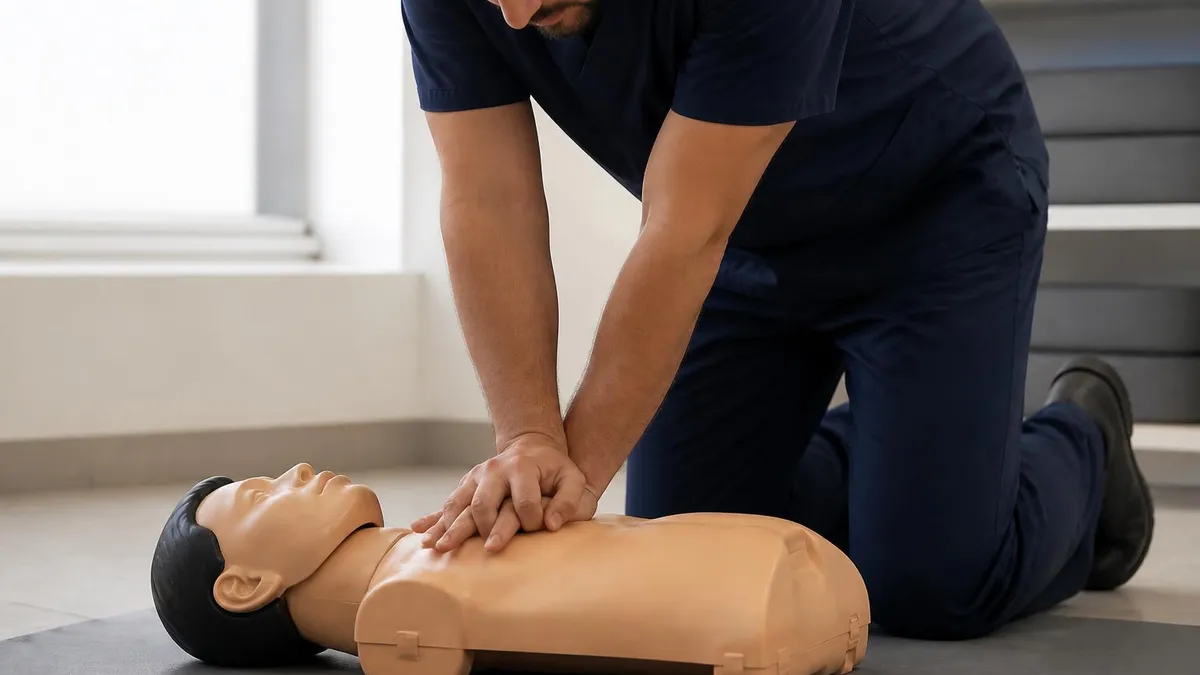
Extracorporeal CPR (ECPR): Complete Guide to Mechanical Circulatory Support During Cardiac Arrest in 2026
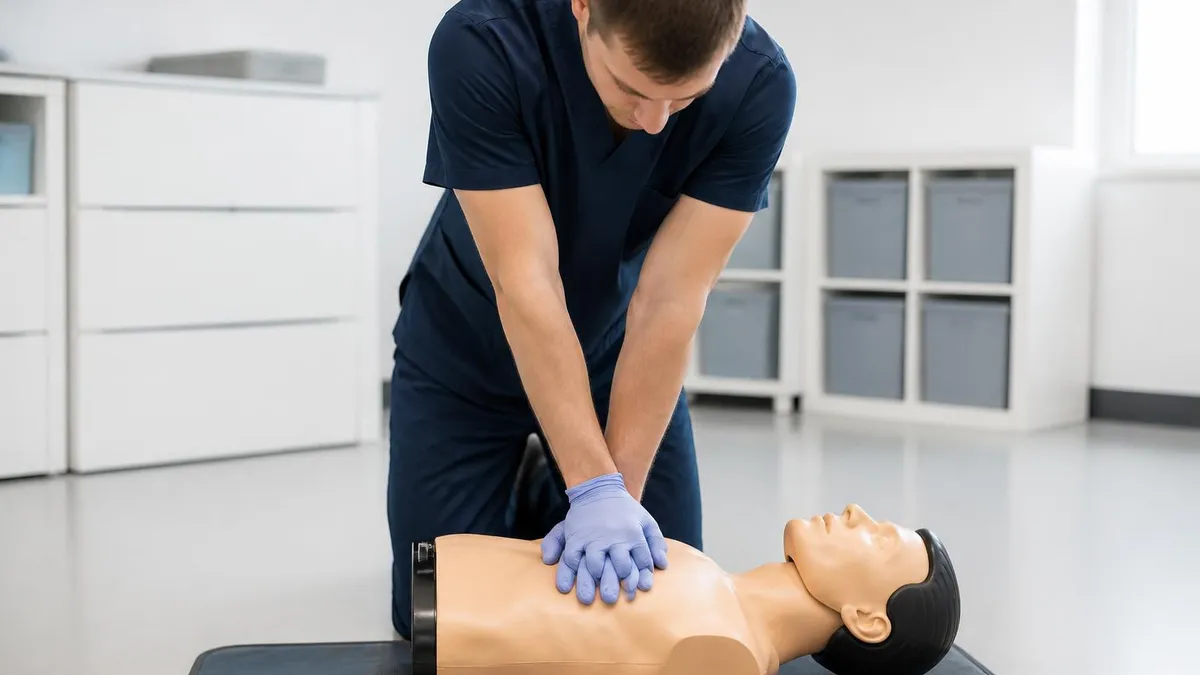
Free Online CPR Certification: Complete Guide to Legitimate Courses, Costs, and Workplace Acceptance in 2026
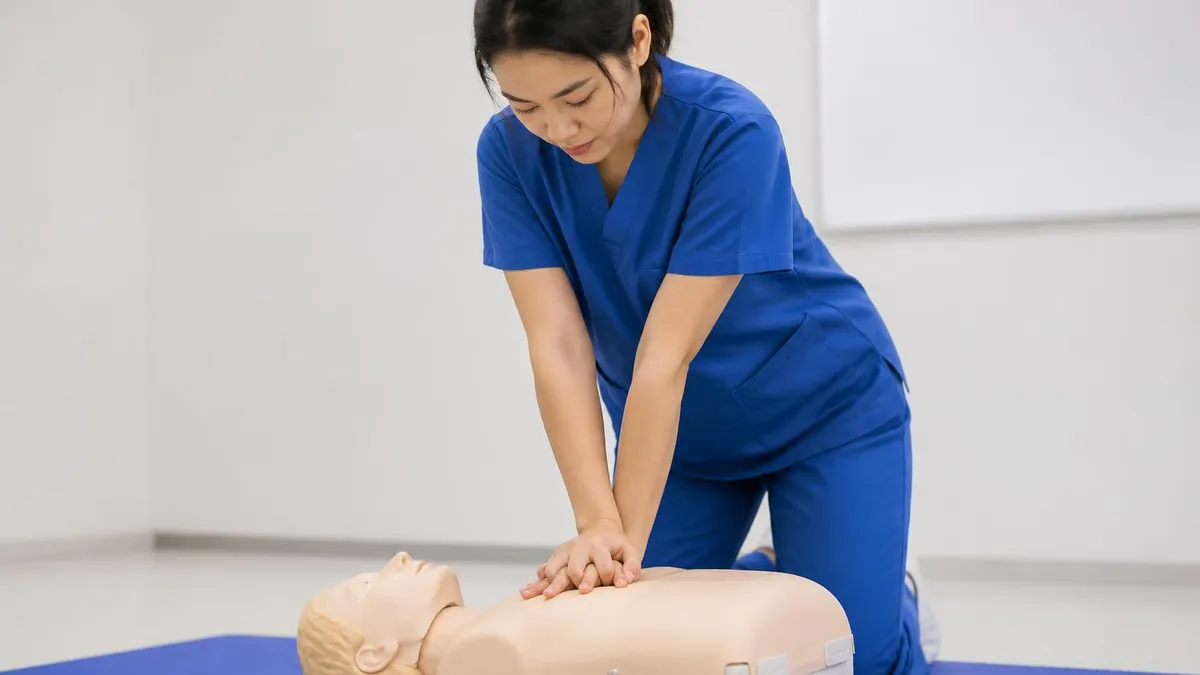
CPR Instructor Certification 2026: Complete Path to Teaching CPR
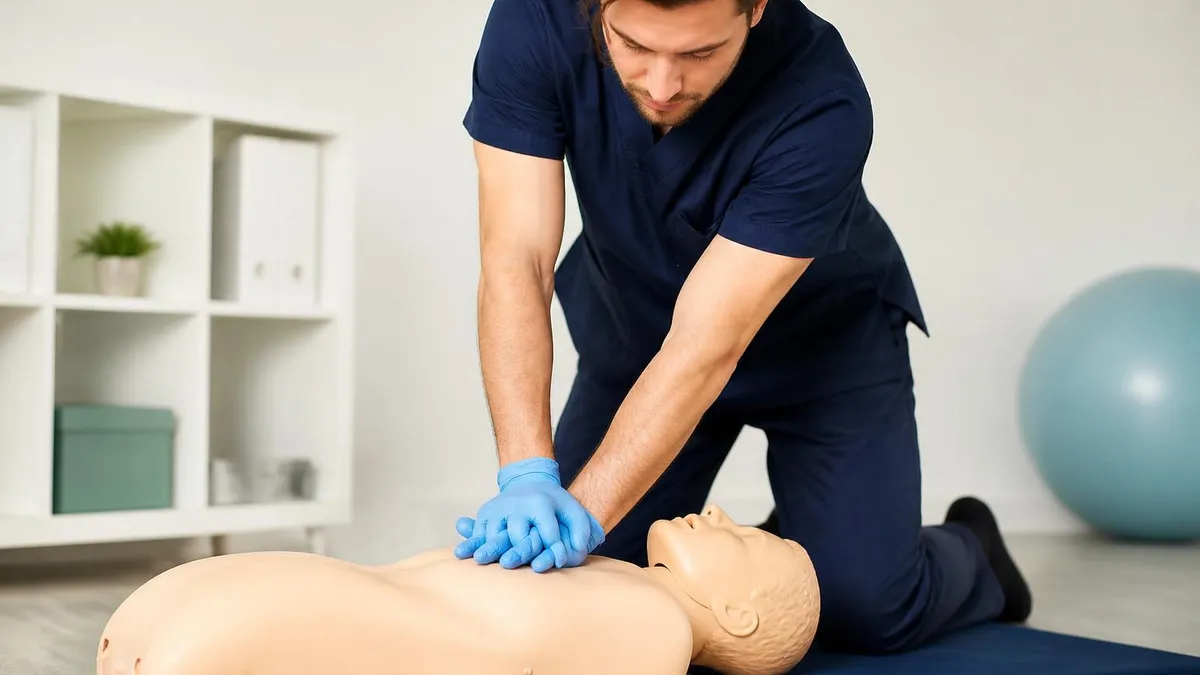
CPR Course: How to Choose the Right Training Program
About the Author

Registered Nurse & Healthcare Educator
Johns Hopkins University School of NursingDr. Sarah Mitchell is a board-certified registered nurse with over 15 years of clinical and academic experience. She completed her PhD in Nursing Science at Johns Hopkins University and has taught NCLEX preparation and clinical skills courses for nursing students across the United States. Her research focuses on evidence-based exam preparation strategies for healthcare certification candidates.
Join the Discussion
Connect with other students preparing for this exam. Share tips, ask questions, and get advice from people who have been there.
View discussion (5 replies)