
CPR Pumps and Breaths: Complete Guide to Compressions, Ratios, and Life-Saving Technique
Master CPR pumps and breaths ratios, ACLS algorithm, infant CPR, and AED use. Complete 2026 October guide for life support certification. 🎯

Understanding CPR pumps and breaths is the foundational skill that separates bystanders from lifesavers. When cardiac arrest strikes, the heart stops circulating oxygenated blood to the brain and vital organs, and brain damage begins within four to six minutes. The standard adult ratio of 30 chest compressions followed by 2 rescue breaths — reinforced by the ACLS algorithm taught in advanced cardiac life support courses — creates an artificial circulatory loop that can sustain a victim until emergency medical services arrive. Mastering this rhythm is the single most important thing you can do before a crisis occurs.
The National CPR Foundation and the American Heart Association have spent decades refining the science of resuscitation, and their current guidelines reflect thousands of clinical studies. Modern protocols emphasize hard, fast compressions at a rate of 100 to 120 per minute, pressing the chest down at least two inches on adults. The quality of your chest compressions matters more than any other single variable. Interruptions to compressions — even for just a few seconds — sharply reduce the blood flow reaching the brain, so minimizing pauses is critical to every successful resuscitation attempt.
Beyond the classic 30:2 ratio used in adult CPR, different patient populations require adjusted techniques. Infant CPR uses only two fingers on the center of the chest and gentler pressure, while pediatric patients may need one or both hands depending on their size. Healthcare providers performing two-rescuer CPR often switch to a 15:2 ratio for children and infants to provide more frequent ventilations. These distinctions are a core part of PALS certification — Pediatric Advanced Life Support — which prepares nurses, paramedics, and emergency physicians to manage cardiac arrest across all age groups.
Many people first encounter CPR training in the context of a job requirement, but the skills apply far beyond the workplace. Cardiac arrest happens at home, in restaurants, at sporting events, and in schools.
The chain of survival — which includes early recognition, early CPR, early defibrillation using a device (if you have ever wondered what does AED stand for, it means Automated External Defibrillator), and advanced life support — depends on ordinary citizens taking action before paramedics arrive. Every minute without CPR reduces survival odds by roughly 7 to 10 percent, making immediate bystander intervention one of the most powerful public health interventions available.
Respiratory rate is another dimension of CPR that is easy to overlook. During CPR, rescue breaths should be delivered over approximately one second each, just enough to see the chest visibly rise. Over-ventilation — giving breaths that are too large or too fast — increases intrathoracic pressure, reduces venous return, and can actually worsen outcomes. The correct respiratory rate during CPR is 10 breaths per minute when an advanced airway is in place, or synchronized with the 30:2 cycle when using mouth-to-mouth technique. Getting the breath volume right is just as important as getting the compression depth right.
Learning about cpr compressions and breaths technique is only half the equation — understanding how to maintain your certification ensures your skills stay current with the latest evidence-based guidelines. The AHA and Red Cross update their protocols periodically, and recertification courses incorporate the newest research. Whether you hold a Basic Life Support (BLS) card, an ACLS credential, or a PALS certification, keeping your training active means you are always ready to act with the most effective technique available when a life hangs in the balance.
This guide walks through every aspect of CPR compressions and rescue breaths — from the correct hand placement and compression depth for adults, to the modified approach for infants and children, to the role of recovery position after resuscitation, to how an AED integrates into the sequence. Whether you are studying for a certification exam, refreshing your memory, or preparing to teach others, the information here will give you a thorough, evidence-based understanding of how CPR works and why every element of the technique matters.
Free CPR (Cardiopulmonary Resuscitation) Study Tools
Interactive CPR (Cardiopulmonary Resuscitation) resources on PracticeTestGeeks, free to start:
- CPR (Cardiopulmonary Resuscitation) practice test — 650+ questions with instant scoring and answer explanations
- CPR (Cardiopulmonary Resuscitation) flashcards — review key terms and concepts card by card
- CPR (Cardiopulmonary Resuscitation) study guide — topic-by-topic overview of what the exam covers
- CPR (Cardiopulmonary Resuscitation) cheat sheet — one-page printable summary for last-minute review
CPR Compressions and Breaths by the Numbers
Key Facts at a Glance
| Item | Value | Details |
|---|---|---|
| Compressions Per Minute | 100–120 | AHA recommended rate |
| Minimum Compression Depth | 2 inches | Adults; 1.5" for infants |
| Survival Increase Per Minute | 10% | With early bystander CPR |

The CPR Compression-to-Breath Sequence: Step by Step
Confirm Scene Safety and Unresponsiveness
Position Your Hands for Compressions
Deliver 30 Hard, Fast Compressions
Open the Airway and Deliver 2 Rescue Breaths
Continue Cycles Until Help Arrives or AED Is Available
Place Victim in Recovery Position If Breathing Returns
The 30:2 ratio at the heart of adult CPR was not chosen arbitrarily. Research shows that it takes roughly 15 to 20 compressions before coronary perfusion pressure — the pressure driving blood through the coronary arteries — rises to an effective level. Every time you stop to give breaths, that pressure drops and must be rebuilt.
The 30:2 ratio was designed to maximize compression time while still providing enough ventilation to prevent profound hypoxia. For victims in ventricular fibrillation, maintaining high-quality compressions is especially critical because good perfusion pressure dramatically improves the likelihood that a shock from an AED will successfully restore normal heart rhythm.
Hands-only CPR — 100 to 120 compressions per minute with no rescue breaths — is a valid alternative for untrained bystanders or those unwilling to perform mouth-to-mouth. The rationale is physiological: the blood still contains residual oxygen when cardiac arrest first begins, and high-quality compressions can circulate that oxygen for several minutes. Studies consistently show that bystanders who perform hands-only CPR significantly improve survival rates compared to doing nothing at all. The National CPR Foundation actively promotes hands-only training as a gateway to broader community CPR awareness, recognizing that any action is better than paralysis in a cardiac emergency.
For healthcare providers and those with advanced training, the decision between hands-only and ventilation-assisted CPR depends on the likely cause of arrest. If cardiac arrest is caused by a primary cardiac event — which accounts for the majority of adult arrests — then compressions alone may be adequate for the first several minutes.
However, if the arrest is respiratory in origin (drowning, drug overdose, choking), the victim's blood oxygen level may already be critically depleted, making rescue breaths essential from the very first cycle. PALS certification courses devote significant attention to recognizing respiratory-cause arrest in children, where asphyxia is the far more common trigger than a primary cardiac event.
Compression depth is one of the variables that bystanders most commonly get wrong, typically because they are afraid of hurting the victim. The reality is that broken ribs are a known complication of effective CPR — and are vastly preferable to death from cardiac arrest.
On an adult, the sternum must be depressed at least 2 inches but no more than 2.4 inches with each compression. Research shows that compressions deeper than 2.4 inches increase injury risk without improving outcomes. For children, the target is about 2 inches, and for infants, roughly 1.5 inches using a two-finger technique centered just below the nipple line.
One of the most common technical errors during CPR is incomplete chest recoil. If the rescuer leans forward between compressions — even slightly — the chest cannot fully expand, venous blood cannot return to the heart efficiently, and stroke volume drops with each subsequent compression. Providers are trained to consciously lift their hands slightly between compressions to allow full recoil, though this must be balanced against losing proper hand position. In high-fidelity simulation training, electronic feedback devices that measure both compression depth and recoil have been shown to meaningfully improve technique and patient outcomes in real resuscitations.
The respiratory rate during CPR with an advanced airway in place deserves special attention. Once a supraglottic airway or endotracheal tube is inserted, ventilations and compressions are no longer synchronized in a 30:2 cycle. Instead, the rescuer performing compressions maintains a continuous rate of 100 to 120 per minute while the provider managing the airway delivers 10 breaths per minute — one breath every six seconds. This asynchronous approach avoids compression pauses, maintains higher coronary perfusion pressure, and is a cornerstone of the ACLS algorithm for managing intubated cardiac arrest patients in hospital settings.
Position recovery is the often-forgotten final step in a successful resuscitation sequence. Once the victim has a return of spontaneous circulation and is breathing adequately, placing them in the lateral recumbent (recovery) position protects the airway until definitive medical care is available. This is particularly important in out-of-hospital settings where transport may take several minutes. The recovery position is also taught in first aid and wilderness medicine courses as a critical skill for managing unconscious but breathing patients. Understanding where CPR ends and post-resuscitation care begins is an important part of any comprehensive life support training program.
Infant CPR, Adult CPR, and PALS Certification: Key Differences
Adult CPR follows the standard 30:2 compression-to-breath ratio at 100 to 120 compressions per minute. Place both hands on the lower half of the sternum and compress at least 2 inches deep. The ACLS algorithm guides advanced providers through drug administration, rhythm interpretation, and airway management during adult cardiac arrest. Hands-only CPR — continuous compressions without breaths — is an acceptable alternative for untrained bystanders responding to witnessed adult cardiac arrest.
For adults, the most common cause of cardiac arrest is ventricular fibrillation originating from coronary artery disease. This makes early defibrillation with an AED critically important alongside high-quality compressions. Every additional minute without defibrillation reduces survival by 7 to 10 percent. Adults who receive bystander CPR plus defibrillation within the first five minutes of collapse have survival rates approaching 50 percent in some studies — a dramatic improvement over cases where CPR is delayed or omitted entirely.

Hands-Only CPR vs. Compression-and-Breath CPR: Pros and Cons
- +Hands-only CPR removes hesitation barriers — bystanders are more likely to act without mouth-to-mouth
- +Continuous compressions maintain higher coronary perfusion pressure with no interruptions
- +Effective for witnessed adult cardiac arrest where blood oxygen is initially adequate
- +Easier to teach and remember under stress, improving bystander response rates community-wide
- +Reduces disease transmission concerns and increases willingness to perform CPR on strangers
- +Current AHA guidelines endorse hands-only CPR as an equivalent option for untrained adult bystanders
- −Compression-only CPR becomes inadequate after several minutes as blood oxygen depletes
- −Ineffective as a sole technique for respiratory-cause arrests including drowning and drug overdose
- −Children and infants require rescue breaths because asphyxia is the primary arrest mechanism
- −Healthcare providers should always use the full compression-and-ventilation protocol
- −Hands-only technique may produce false confidence in providers who need full BLS or ACLS skills
- −Does not prepare rescuers for airway management scenarios that require ventilation competency
CPR Certification Readiness Checklist
- ✓Memorize the 30:2 adult compression-to-breath ratio and the 15:2 ratio for two-rescuer pediatric CPR.
- ✓Practice compressing at least 2 inches deep on an adult manikin without leaning between compressions.
- ✓Maintain a compression rate of 100 to 120 per minute using a timer, metronome, or feedback device.
- ✓Master the head-tilt chin-lift airway opening technique and practice delivering breaths that make the chest rise visibly.
- ✓Understand the two-finger technique and two-thumb encircling technique used in infant CPR.
- ✓Know what AED stands for (Automated External Defibrillator) and how to power it on, attach pads, and follow prompts.
- ✓Practice switching rescuers every two minutes to prevent compression quality decline from fatigue.
- ✓Study the ACLS algorithm including the shockable vs. non-shockable rhythm decision tree for advanced providers.
- ✓Know when to use the recovery position and how to place an unconscious but breathing victim safely on their side.
- ✓Review the respiratory rate guidelines: 10 breaths per minute with an advanced airway, synchronized 30:2 without one.
Depth and Recoil Outweigh Rate When It Comes to Survival
Studies analyzing out-of-hospital cardiac arrest outcomes consistently find that compression depth and full chest recoil are stronger predictors of survival than compression rate alone. A rescuer pressing only 1.5 inches at 120 per minute delivers far less cardiac output than one pressing 2.2 inches at 105 per minute. Focus on firm, full-depth compressions with complete recoil between each push — that combination is what drives blood to the brain and keeps the patient viable until the AED or paramedics arrive.
The ACLS algorithm is the structured framework that guides advanced cardiac life support providers through the complex decision-making required during cardiac arrest resuscitation. Unlike basic CPR, which follows a simple 30:2 sequence, the ACLS algorithm branches based on rhythm analysis, requiring providers to identify whether the patient is in a shockable rhythm — ventricular fibrillation or pulseless ventricular tachycardia — or a non-shockable rhythm such as pulseless electrical activity (PEA) or asystole. Each branch dictates a different sequence of defibrillation attempts, medication administration, and airway management decisions that must be executed efficiently by a coordinated team.
In the shockable rhythm pathway, the ACLS algorithm calls for immediate defibrillation followed by two minutes of high-quality CPR before rechecking the rhythm. If VF or pulseless VT persists after the first shock, a second shock is delivered and epinephrine 1 mg IV is administered as soon as feasible, repeated every three to five minutes throughout the resuscitation.
After the third shock, amiodarone 300 mg IV is the preferred antiarrhythmic, with a second dose of 150 mg available if VF continues. Throughout every two-minute CPR cycle, the team should identify and treat reversible causes using the Hs and Ts framework — hypovolemia, hypoxia, hydrogen ion (acidosis), hyper/hypokalemia, hypothermia, tension pneumothorax, tamponade, toxins, and thrombosis.
The non-shockable rhythm pathway for PEA and asystole is less dramatic but equally demanding. Defibrillation is not indicated, so the entire focus shifts to maximizing compression quality, securing an advanced airway, administering epinephrine every three to five minutes, and aggressively searching for and treating reversible causes.
PEA in particular is frequently caused by treatable conditions — massive pulmonary embolism, cardiac tamponade, tension pneumothorax, or severe hypovolemia — that will not respond to compressions and medications alone. Early bedside ultrasound has become a standard ACLS adjunct in hospital settings precisely because it can rapidly identify these reversible causes in real time during ongoing resuscitation.
ACLS certification is required for emergency medicine physicians, cardiologists, intensivists, anesthesiologists, emergency nurses, and paramedics. Many hospital systems extend the requirement to rapid response team members, surgical nurses, and any provider who might be first to arrive at a code blue. The written component of ACLS certification tests knowledge of rhythm recognition, pharmacology, airway management, and post-cardiac arrest care, while the hands-on component assesses team leadership, role assignment, closed-loop communication, and technical skill under simulated stress. Renewal is required every two years to keep credentials current with updated AHA guidelines.
Post-cardiac arrest care — the period after return of spontaneous circulation — is increasingly recognized as a critical determinant of neurological outcome. Targeted temperature management, previously called therapeutic hypothermia, involves cooling survivors to 32–36 degrees Celsius for 24 hours to reduce cerebral metabolic demand and limit reperfusion injury. The ACLS algorithm includes a post-arrest care pathway specifying hemodynamic targets (MAP greater than 65 mmHg, SpO2 94–99%), avoidance of hyperventilation, early coronary angiography for suspected STEMI, and systematic neurological prognostication. Patients who receive excellent in-hospital ACLS care following successful field resuscitation have measurably better neurological outcomes than those who do not.
Life support training has expanded significantly beyond traditional hospital and EMS settings. Schools across the country now incorporate CPR and AED training into physical education curricula, and many states mandate CPR training as a high school graduation requirement. The National CPR Foundation and similar organizations offer online courses, community workshops, and workplace training programs designed to increase the density of trained bystanders in every neighborhood. Research consistently shows that communities with higher rates of CPR training have better cardiac arrest survival rates — a direct relationship that makes public CPR education one of the highest-impact public health investments available.
For those preparing for ACLS or PALS certification exams, deep familiarity with the underlying physiology of compressions and breaths provides an enormous advantage over rote memorization of protocols. Understanding why the 30:2 ratio was chosen, why compression depth matters, why full recoil is essential, and why respiratory rate must be controlled even during resuscitation allows providers to adapt intelligently when real situations diverge from textbook scenarios. The test questions on certification exams are designed to probe this deeper understanding, presenting scenarios where correct algorithm application requires recognizing the physiological logic behind each decision rather than simply recalling a memorized sequence.

Excessive rescue breaths — either too large in volume or too frequent — increase intrathoracic pressure, reduce venous return to the heart, and decrease cardiac output during CPR. The AHA specifically warns against hyperventilation during resuscitation because it worsens hemodynamics and is associated with poorer survival. Deliver breaths over one second, use only enough volume to see the chest rise, and never exceed 10 breaths per minute when an advanced airway is in place.
Knowing what AED stands for — Automated External Defibrillator — is just the beginning of understanding how this device integrates into the CPR sequence. An AED analyzes the heart's electrical rhythm, determines whether a shockable rhythm is present, charges automatically, and delivers a precisely calibrated electrical shock designed to depolarize the myocardium simultaneously and allow the heart's natural pacemaker to re-establish a coordinated rhythm. Modern AEDs provide step-by-step voice instructions that guide even untrained users through pad placement, shock delivery, and resumption of CPR. They are specifically designed for use by bystanders, not just medical professionals.
AED placement in public spaces has expanded dramatically over the past two decades. Airports, shopping malls, sports stadiums, schools, casinos, and office buildings in most U.S. states are now required to have AEDs on site and maintain them in working order. Many jurisdictions also have AED registry programs that allow emergency dispatchers to direct bystanders to the nearest device during a 911 call.
Despite this progress, AED use by bystanders before EMS arrival remains frustratingly low — studies suggest only about 2 percent of cardiac arrest victims outside hospitals receive a bystander AED shock, highlighting the continued need for public education about both CPR and defibrillation.
The recovery position is an underemphasized component of the resuscitation sequence that becomes relevant once a victim has a return of spontaneous circulation but remains unconscious. By rolling the victim onto their side, bending the upper knee forward for stability, and gently tilting the head back to maintain airway patency, rescuers protect against aspiration from vomiting — a common occurrence post-resuscitation — and keep the airway open without requiring continuous manual positioning.
The recovery position is universally taught in first aid courses, pediatric first aid programs, and wilderness medicine certifications as a standard skill for managing unconscious patients in community settings.
The term CPR in emergency medicine is unambiguous: it stands for cardiopulmonary resuscitation, the combination of chest compressions and rescue breaths that sustains circulation during cardiac arrest.
Taking a certified course with manikin practice is the only way to build the muscle memory and confidence to act effectively in a real emergency.
Selecting the right certification course depends on your role and needs. BLS — Basic Life Support — is appropriate for healthcare workers and provides comprehensive training in adult, child, and infant CPR along with AED use and two-rescuer techniques. The Heartsaver CPR AED course from the AHA targets laypersons and workplace responders. ACLS builds on BLS for providers who manage complex resuscitations.
PALS certification focuses on pediatric emergencies. Each course includes a skills check and written assessment, and all produce nationally recognized credentials accepted by hospitals, EMS agencies, and licensing boards across the United States. Online options provide the knowledge component, but hands-on skills sessions remain required for certification by all major issuing organizations.
Maintaining proficiency between certification renewals requires deliberate practice. Skills decay rapidly — studies show that compression depth and rate deteriorate significantly within weeks of initial training without reinforcement. Many hospitals address this through quarterly or annual skills stations where providers practice compressions on feedback-enabled manikins.
Individual providers can maintain skills by practicing on training manikins, reviewing AHA video content, and using smartphone apps that provide real-time feedback on compression rate through the phone's accelerometer. Staying sharp between renewal cycles means you will perform better under the genuine stress of a real resuscitation, when adrenaline and the pressure of a watching crowd can disrupt even well-learned technique.
The integration of CPR training with broader community emergency preparedness efforts has never been stronger. Programs like Hands Only CPR community events, PulsePoint app networks that alert CPR-trained bystanders to nearby cardiac arrests, and school-based AED training initiatives are all expanding the network of prepared responders across the country.
Every person who completes CPR training represents a potential link in the chain of survival for someone in their family, neighborhood, or workplace. Understanding CPR pumps and breaths at a deep level — not just memorizing a ratio but truly grasping the physiology and technique — is what allows that knowledge to translate into effective action when minutes matter most.
Preparing effectively for a CPR certification exam requires more than reading guidelines — it requires integrating knowledge across multiple domains and being able to apply it under simulated time pressure. The most effective study approach combines video review of proper technique, written practice questions covering rationale and algorithm decision points, and hands-on manikin practice with feedback.
Many candidates underestimate the written component, assuming that if they can perform the skill physically, the test will be easy. In reality, certification exams probe nuanced knowledge: Why is full recoil important? What is the maximum acceptable pause in compressions? When should you stop CPR? These questions require understanding, not just memorization.
Practice questions are one of the most efficient study tools available for CPR certification preparation. Working through scenario-based questions exposes you to the range of situations examiners use to test algorithm application, forces you to confront gaps in your knowledge, and builds familiarity with the language and framing used in certification materials.
After answering each question, reviewing the explanation for both correct and incorrect answers deepens understanding more than simply re-reading the guidelines. Research in educational psychology consistently shows that practice testing — retrieval practice — produces stronger long-term retention than passive review, making quiz-based study a particularly effective strategy for CPR exam preparation.
Time management during hands-on skills assessments is a skill in itself. During a two-rescuer CPR scenario evaluation, instructors assess whether team members communicate clearly, switch roles efficiently, minimize compression interruptions during role changes, and maintain correct technique throughout. Many candidates who perform well individually struggle in team scenarios because they are not accustomed to the communication demands. Practicing with a partner, designating clear roles before beginning, and using closed-loop communication — repeating back instructions to confirm receipt — are habits reinforced throughout ACLS and PALS team-based training that directly translate to better performance during certification assessment.
The practical application of CPR knowledge extends well beyond formal testing. Cardiac arrest can occur at any moment in any setting — a family dinner, a youth sports game, a morning commute. Research on bystander CPR consistently identifies two barriers to action: not knowing CPR, and knowing CPR but freezing under the stress of a real emergency.
Certification training addresses the first barrier directly. The second is addressed through high-fidelity simulation, scenario-based practice, and repetition that builds automaticity. The goal of any CPR training program is not just to transfer knowledge but to build confident, automatic responding so that when the moment comes, the trained rescuer acts without hesitation.
Special populations present unique CPR considerations that certification candidates and practicing providers must understand. Pregnant women in cardiac arrest require left uterine displacement during compressions to relieve aortocaval compression and improve cardiac output. Obese patients may require deeper compressions and alternative hand positioning. Patients with implanted pacemakers or defibrillators can still receive external defibrillation, but pad placement should avoid the device. Victims of hypothermia should not be declared dead until they are warm and still without a pulse, because the metabolic depression of profound hypothermia can mimic death while CPR sustains viability long enough for rewarming to restore cardiac function.
Understanding the evidence base behind CPR guidelines helps providers internalize protocols rather than simply following rules they do not fully understand. The American Heart Association's Guidelines for CPR and Emergency Cardiovascular Care are updated every five years following a comprehensive literature review by international experts.
The most recent major update reinforced the primacy of minimally interrupted compressions, endorsed the 30:2 ratio for single-rescuer adult CPR, provided nuanced guidance on ventilation during cardiac arrest, and expanded guidance on post-resuscitation care. Each update reflects new clinical trial data, registry analyses, and mechanistic research that collectively drive incremental improvements in survival rates year over year.
Finally, it is worth emphasizing that CPR is a perishable skill that demands periodic renewal regardless of how confident you feel. The AHA recommends BLS and ACLS renewal every two years, and many organizations encourage annual hands-on skills checks between formal renewals. Skills like compression depth accuracy, rate control, and airway management technique degrade without practice.
Taking the initiative to refresh your training, practice on available manikins, and stay current with evolving guidelines ensures that your CPR knowledge remains an active resource rather than a fading memory. In an emergency, updated, well-practiced CPR pumps and breaths technique is the difference between bystander and lifesaver.
CPR Questions and Answers
How Long Does CPR Certification Last? 2026 Renewal Guide
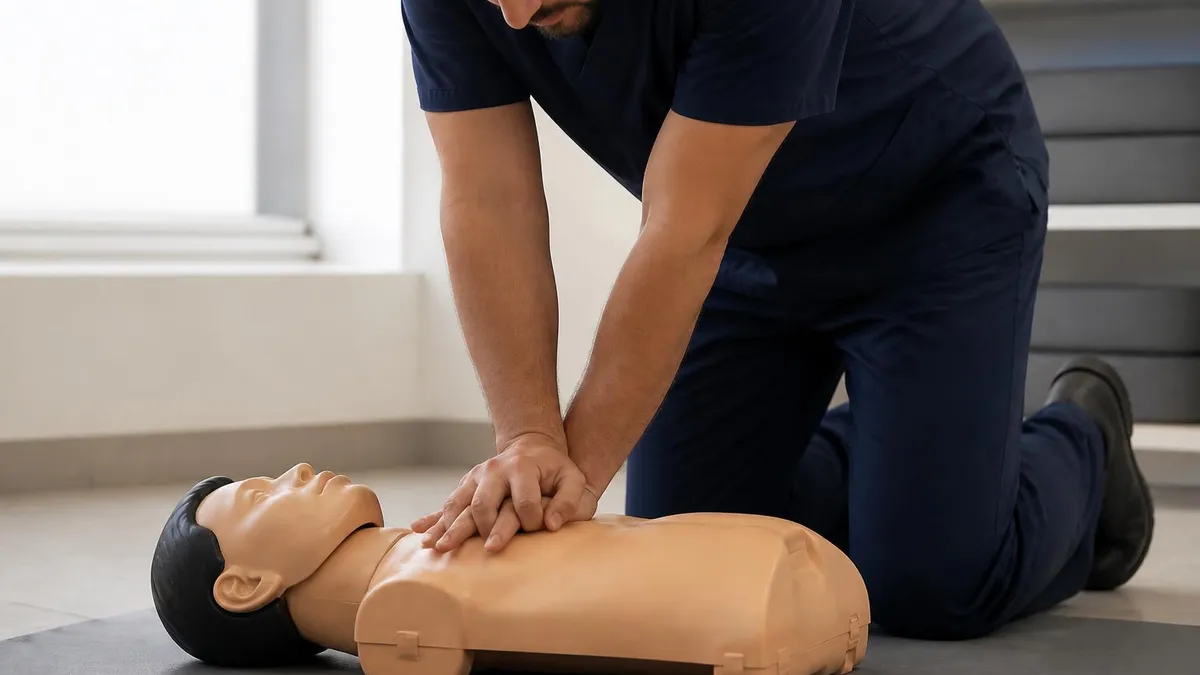
Extracorporeal CPR (ECPR): Complete Guide to Mechanical Circulatory Support During Cardiac Arrest in 2026
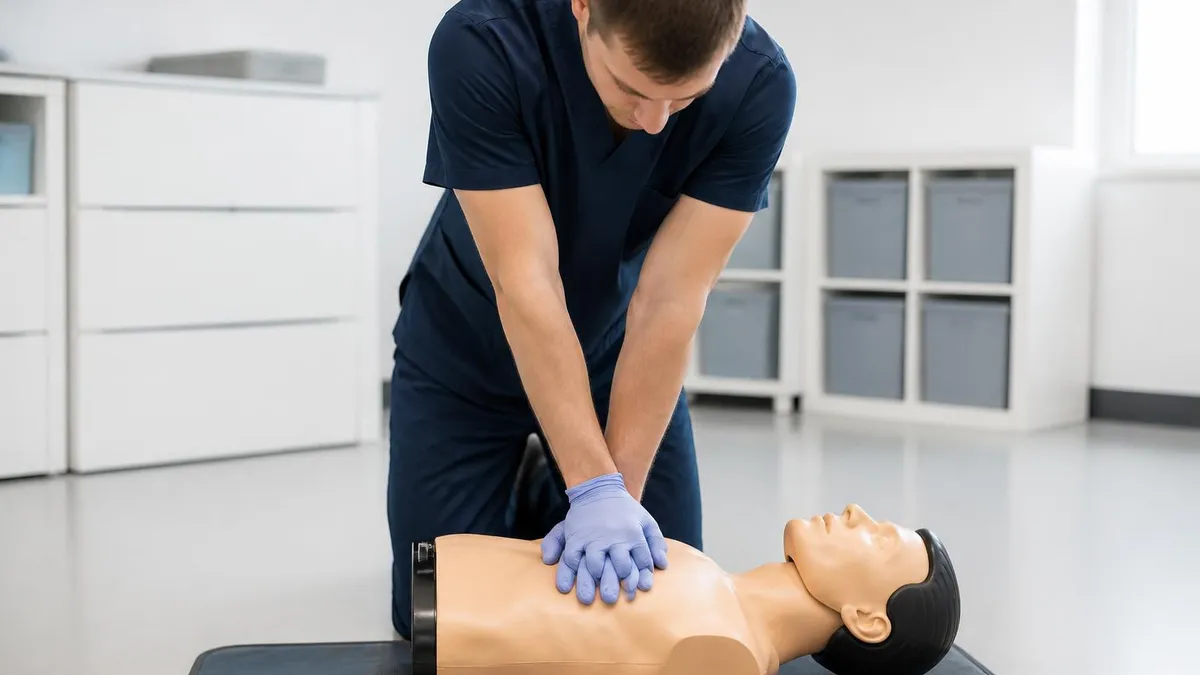
Free Online CPR Certification: Complete Guide to Legitimate Courses, Costs, and Workplace Acceptance in 2026
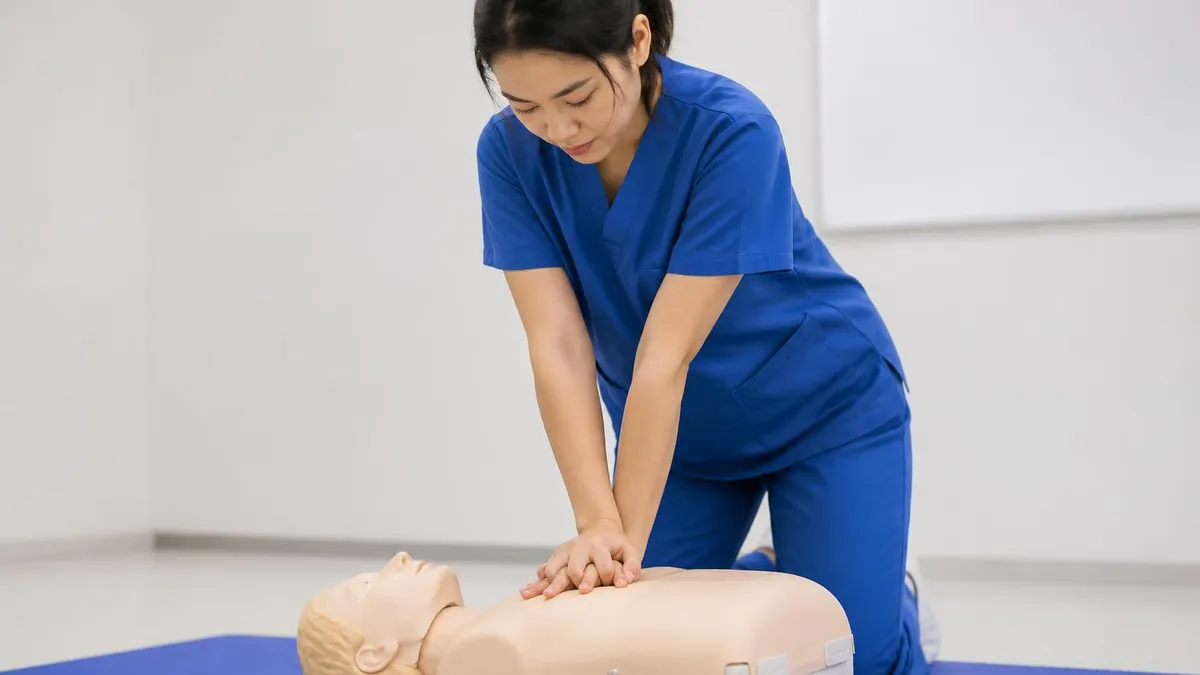
CPR Instructor Certification 2026: Complete Path to Teaching CPR

CPR AED Training Classes: Complete Guide to Certification, Courses, and Life-Saving Skills
About the Author

Registered Nurse & Healthcare Educator
Johns Hopkins University School of NursingDr. Sarah Mitchell is a board-certified registered nurse with over 15 years of clinical and academic experience. She completed her PhD in Nursing Science at Johns Hopkins University and has taught NCLEX preparation and clinical skills courses for nursing students across the United States. Her research focuses on evidence-based exam preparation strategies for healthcare certification candidates.
Join the Discussion
Connect with other students preparing for this exam. Share tips, ask questions, and get advice from people who have been there.
View discussion (5 replies)