
Infant CPR Class: Complete Training Guide for Parents, Caregivers, and Healthcare Providers in 2026 September
🏆 Learn everything about infant CPR class requirements, techniques, and certification. Covers ACLS algorithm, PALS certification, and life support training for...
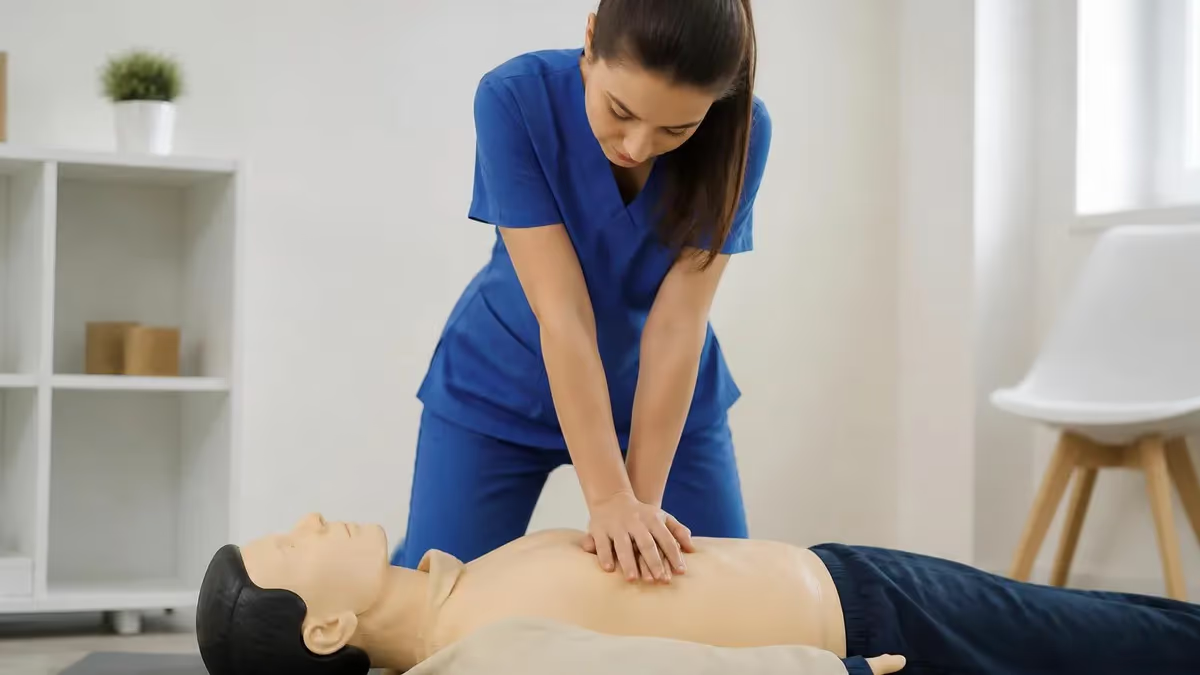
Taking an infant cpr class is one of the most important steps any parent, grandparent, childcare worker, or healthcare provider can take to protect the youngest and most vulnerable lives. Infant cardiac emergencies are rare, but when they happen, every second counts. Bystander CPR performed within the first two minutes of cardiac arrest can double or even triple a victim's chance of survival, and for infants whose airways and chest walls differ significantly from adults and older children, knowing the correct technique is absolutely critical.
The ACLS algorithm — Advanced Cardiovascular Life Support — provides the structured framework that emergency medical professionals follow during cardiac events, but infant CPR has its own unique protocols that differ substantially from adult resuscitation. Understanding these differences, and practicing them under qualified instruction, separates a confident responder from a hesitant one when precious time is slipping away. This guide walks you through everything you need to know about infant CPR training, from the physiology behind the techniques to what you can expect in a certified class.
Millions of Americans hold some form of CPR certification, yet many feel underprepared specifically for infant emergencies. The PALS certification — Pediatric Advanced Life Support — is the gold standard for healthcare providers who routinely care for infants and children, covering respiratory rate assessments, medication dosing, and advanced airway management. For parents and non-clinical caregivers, a basic infant CPR course offers the essential hands-on skills needed to respond effectively until professional help arrives.
One important distinction to understand from the start: infant CPR applies to babies under one year of age. The techniques, compression depth, breath volume, and even the number of rescuers involved all change based on whether you are working with an infant, a child between one and eight years, or an adult. Confusing these categories during an actual emergency can cause harm, which is why age-specific training matters so profoundly. Most certified CPR courses clearly distinguish between these populations throughout the curriculum.
The National CPR Foundation and the American Heart Association both offer standardized infant CPR curricula that meet current evidence-based guidelines updated every five years. These organizations ensure that instructors stay current with the latest research on compression-to-ventilation ratios, proper head-tilt-chin-lift positioning for small airways, and the correct two-finger or two-thumb compression technique for infants. Knowing which organization certifies your course helps you verify that the training meets employer or licensing requirements.
Beyond the physical techniques, a quality infant CPR class also addresses how to recognize the signs of cardiac and respiratory distress before a full arrest occurs. Monitoring respiratory rate, assessing skin color, evaluating muscle tone, and checking responsiveness are all early warning indicators that every caregiver should be able to identify quickly. Early recognition paired with a rapid call to emergency services and immediate CPR dramatically improves outcomes for infants experiencing life-threatening emergencies.
Whether you are a first-time parent preparing for a newborn, a daycare director ensuring your staff is compliant with state licensing requirements, or a pediatric nurse refreshing your PALS certification, this comprehensive guide covers all aspects of infant CPR class training, costs, formats, and what to expect when you walk through the door on training day.
Infant CPR Training by the Numbers
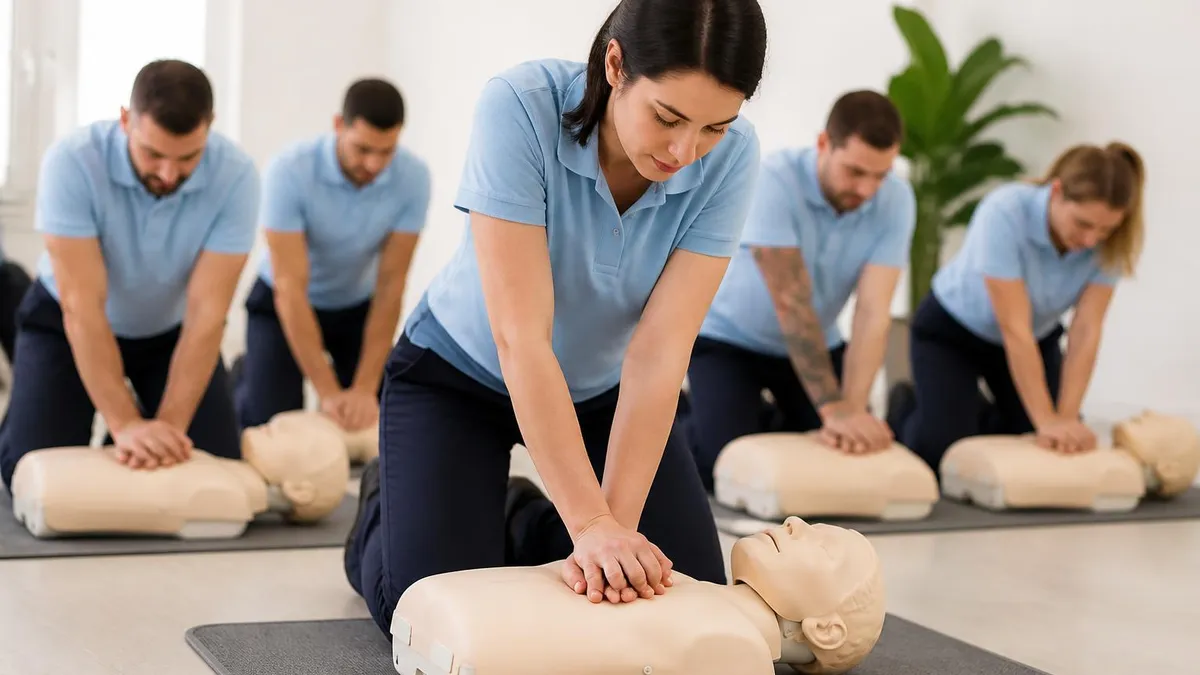
Step-by-Step Infant CPR Technique
Assess the Scene and Check Responsiveness
Position and Open the Airway
Deliver Rescue Breaths
Perform Chest Compressions
Maintain the 30:2 Compression-to-Breath Ratio
Use an AED When Available
Infant CPR classes are available in a wide variety of formats designed to fit different schedules, professional requirements, and learning preferences. The most traditional format is an in-person instructor-led class, typically lasting four to eight hours depending on the level of certification being pursued. These classes combine brief lectures or video presentations with extensive hands-on mannequin practice, allowing students to develop muscle memory for the correct compression depth and rescue breath technique. Immediate instructor feedback during skill stations is a major advantage of in-person training that online-only courses cannot fully replicate.
Blended learning courses, often called hybrid CPR courses, have grown significantly in popularity over the past decade. In these programs, students complete the knowledge-based portion of training through an online module at their own pace and then attend a shorter in-person skills session — typically two hours — to demonstrate competency on a mannequin. The American Heart Association's Heartsaver and BLS (Basic Life Support) programs offer blended learning options that include infant CPR components, making them convenient for busy parents or working professionals.
Fully online CPR courses exist and may be appropriate for general awareness, but it is important to understand that most employers, daycare licensing boards, and healthcare credentialing bodies require certification from an in-person or blended course that includes a live skills demonstration. A purely online certification is not accepted in most professional contexts. If you are obtaining training for occupational compliance — such as PALS certification for a pediatric nursing role or a childcare license — verify the specific format requirements before enrolling.
Community organizations such as the American Red Cross, the National CPR Foundation, local hospitals, fire departments, and YMCA locations frequently offer low-cost or free infant CPR classes for parents and caregivers. Many maternity hospitals provide a brief infant CPR orientation before discharge, though this is not a substitute for a full certified course. Checking local hospital event calendars, community centers, and employer wellness programs is a practical way to find accessible training opportunities near you.
Private CPR training companies can send a certified instructor directly to your home, workplace, or community group, which is particularly useful for new parent groups, babysitting co-ops, or small businesses that need to certify multiple employees at once. Group rates for on-site training are often more cost-effective than individual enrollment and allow the instructor to tailor the session to the specific population your team serves — for example, focusing exclusively on infant and child techniques for a daycare facility rather than covering adult techniques that may be less relevant to daily operations.
Healthcare providers who need infant CPR as part of a broader advanced certification should explore PALS certification programs specifically. PALS covers not only CPR but also cardiac rhythm recognition, systematic assessment of pediatric emergencies, effective team communication, and algorithm-based management of respiratory and cardiac arrest in infants and children. Most PALS courses run one to two days and require a current BLS card as a prerequisite, so planning your certification pathway in advance is essential to avoid scheduling delays.
Regardless of the format you choose, look for programs that use high-quality infant mannequins with realistic anatomical feedback, teach the latest AHA or ILCOR guidelines, and issue certification cards that clearly identify the course content and expiration date. A two-year recertification cycle is standard across most programs, ensuring that your skills and knowledge remain aligned with evolving best-practice guidelines as new research emerges from cardiac arrest registries and outcome studies worldwide.
CPR Practice Test Questions
Prepare for the CPR Cardiopulmonary Resuscitation Practice exam with our free practice test modules. Each quiz covers key topics to help you pass on your first try.
CPR Basic CPR
CPR Exam Questions covering Basic CPR. Master CPR Test concepts for certification prep.
CPR and First Aid
Free CPR Practice Test featuring and First Aid. Improve your CPR Exam score with mock test prep.
CPR (Cardiopulmonary Resuscitation) Adult ...
CPR Mock Exam on (Cardiopulmonary Resuscitation) Adult CPR and AED Usage. CPR Study Guide questions to pass on your first try.
CPR (Cardiopulmonary Resuscitation) Airway...
CPR Test Prep for (Cardiopulmonary Resuscitation) Airway Obstruction and Choking. Practice CPR Quiz questions and boost your score.
CPR (Cardiopulmonary Resuscitation) Cardio...
CPR Questions and Answers on (Cardiopulmonary Resuscitation) Cardiopulmonary Emergency Recognition. Free CPR practice for exam readiness.
CPR (Cardiopulmonary Resuscitation) Child ...
CPR Mock Test covering (Cardiopulmonary Resuscitation) Child and Infant CPR. Online CPR Test practice with instant feedback.
CPR (Cardiopulmonary Resuscitation) High-P...
Free CPR Quiz on (Cardiopulmonary Resuscitation) High-Performance Team Dynamics. CPR Exam prep questions with detailed explanations.
CPR (Cardiopulmonary Resuscitation) Legal ...
CPR Practice Questions for (Cardiopulmonary Resuscitation) Legal and Ethical Considerations. Build confidence for your CPR certification exam.
CPR for Specific Populations
CPR Test Online for for Specific Populations. Free practice with instant results and feedback.
CPR Airway & Breathing Management
CPR Exam Questions covering Airway & Breathing Management. Master CPR Test concepts for certification prep.
CPR Assessment & Recognition of Cardiac Ar...
Free CPR Practice Test featuring Assessment & Recognition of Cardiac Arrest. Improve your CPR Exam score with mock test prep.
CPR Chest Compressions & Defibrillation
CPR Mock Exam on Chest Compressions & Defibrillation. CPR Study Guide questions to pass on your first try.
CPR Post-Resuscitation Care & Recovery
CPR Test Prep for Post-Resuscitation Care & Recovery. Practice CPR Quiz questions and boost your score.
ACLS Algorithm, PALS Certification, and Life Support Levels Explained
The ACLS algorithm — Advanced Cardiovascular Life Support — is a systematic, evidence-based framework used by advanced healthcare providers to manage cardiac arrest and other life-threatening cardiovascular emergencies. For infants, the ACLS algorithm integrates rhythm recognition, high-quality CPR, airway management, and pharmacological interventions such as epinephrine dosing calculated by weight. Following the algorithm precisely ensures that every team member knows their role, reducing delays and errors during high-stress resuscitation events in clinical settings like emergency departments and pediatric intensive care units.
The pediatric cardiac arrest algorithm differs from the adult version in several important ways. Infant cardiac arrests are far more commonly caused by respiratory failure than by a primary cardiac event — meaning that ventilation often takes higher priority than in adult resuscitation. The algorithm emphasizes early identification of respiratory compromise, prompt airway intervention, and a H's and T's mnemonic (covering reversible causes such as hypoxia, hypovolemia, and tension pneumothorax) to guide systematic treatment. Healthcare providers who work with infants regularly are expected to know these algorithm branches by memory through PALS and ACLS training programs.
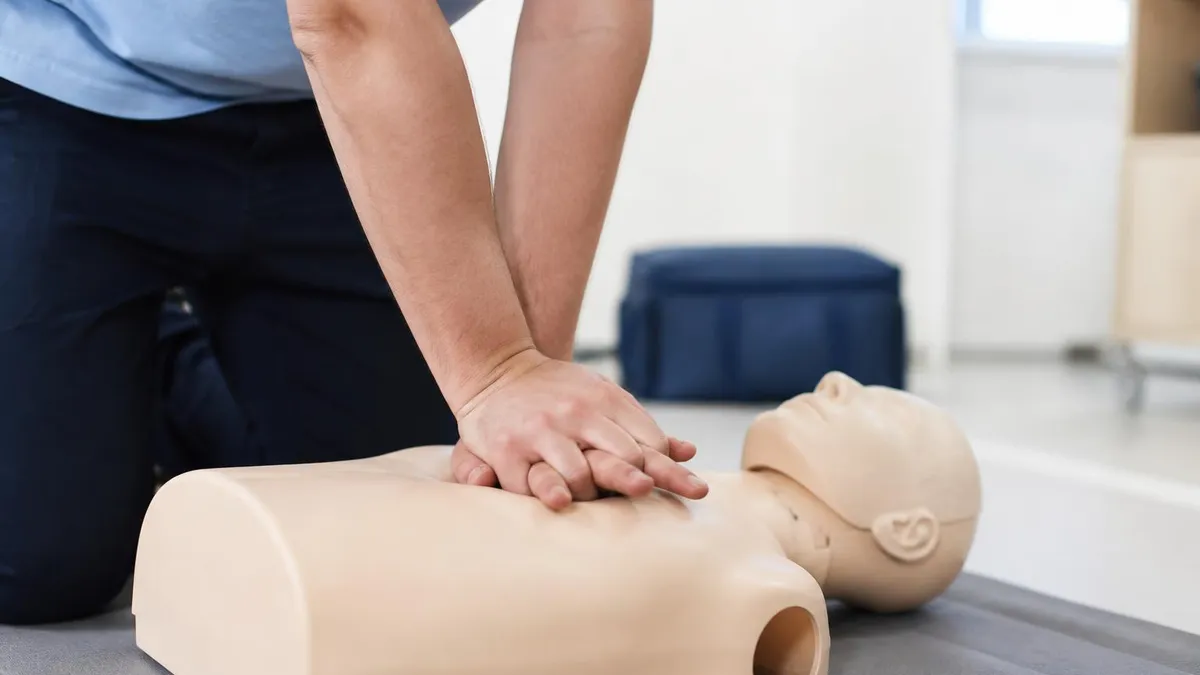
In-Person vs. Online Infant CPR Class: Key Considerations
- +Hands-on mannequin practice builds genuine muscle memory for correct compression depth and breath volume
- +Real-time instructor feedback immediately corrects errors that could be dangerous in an actual emergency
- +Accepted by virtually all employers, daycare licensing boards, and healthcare credentialing organizations
- +Skills stations simulate the physical and emotional stress of a real infant emergency more effectively
- +Group practice creates opportunities to learn two-rescuer infant CPR techniques with a partner
- +Instructors answer specific questions about your situation — newborn care, premature infants, or post-surgical recovery
- −Requires travel to a training site and scheduling around fixed class times
- −Higher upfront cost than online-only awareness courses, typically $50–$150 per person
- −Class availability may be limited in rural areas or require waiting weeks for an open seat
- −Full-day or multi-hour commitments can be difficult for new parents or caregivers with young children
- −Some participants feel anxious performing skills in front of others, which can affect performance during evaluation
- −Refresher courses are required every two years, creating an ongoing time and cost commitment for certification maintenance
What to Bring and Prepare for Your Infant CPR Class
- ✓Bring a valid photo ID and your current CPR certification card if you are attending a renewal course
- ✓Wear comfortable, loose-fitting clothing that allows you to kneel and lean forward for extended mannequin practice
- ✓Complete any required online pre-course modules before arriving to maximize hands-on practice time in class
- ✓Download and review the course provider's current skill reference card or pocket guide before training day
- ✓Arrive at least 15 minutes early to complete any paperwork, pay any remaining fees, and set up your practice station
- ✓Bring a water bottle and a light snack — full-day BLS and PALS courses can be physically and mentally demanding
- ✓Write down specific questions about infant emergencies you want to address with the instructor during the session
- ✓Review the normal respiratory rate ranges for infants (30–60 breaths per minute) before class to build foundational context
- ✓Confirm your employer's or licensing board's specific certification requirements so you enroll in the correct course level
- ✓Arrange childcare if needed — most infant CPR classes require full presence and active participation throughout the session
Two-Thumb Technique Saves More Infant Lives
Research published in peer-reviewed resuscitation journals consistently shows that the two-thumb encircling technique generates significantly higher coronary perfusion pressure and systolic blood pressure in infant CPR compared to the two-finger method. When two trained rescuers are present, always use the two-thumb technique. Single rescuers should use two fingers until a second trained responder can take over compressions.
Choosing the right infant CPR training provider is not simply a matter of convenience — it directly affects the quality of skills you develop and whether your certification will be recognized by the organizations that matter to you. The two most widely recognized certifying bodies in the United States are the American Heart Association (AHA) and the American Red Cross. Both organizations follow evidence-based guidelines, maintain rigorous instructor training programs, and issue certifications that are broadly accepted by healthcare employers, childcare licensing agencies, and school systems across all fifty states.
The National CPR Foundation is another reputable organization that offers accredited CPR and first aid certification programs recognized by many employers. Their courses tend to be more flexibly scheduled and competitively priced compared to AHA programs, making them an attractive option for individuals and small businesses. When evaluating any training provider, verify that their curriculum is aligned with the most current ILCOR (International Liaison Committee on Resuscitation) guidelines, which are updated every five years and represent the global scientific consensus on resuscitation best practices.
Red flags to watch for when evaluating a CPR training provider include courses that offer certification without any in-person skills component, extremely short class durations that could not realistically cover both the didactic content and hands-on practice required for competency, and certification cards that do not clearly identify the issuing organization, the course completed, and the expiration date. Some disreputable providers sell certification cards without any actual training, which is both dangerous and fraudulent. Always verify that your instructor holds a current instructor certification from the organization whose cards they are issuing.
Hospital-based training centers are often an excellent choice for healthcare providers because instructors typically have direct clinical experience in pediatric or neonatal emergencies, and the training environment closely mirrors the professional setting where skills will be applied. Many large children's hospitals operate education and simulation centers that offer PALS, NRP, and BLS courses to both hospital staff and community members. Community members can often access these programs at reduced cost compared to commercial training providers, especially if their hospital has a community health mission.
Employer-sponsored training is another route worth exploring. Many hospitals, outpatient clinics, schools, and daycare centers pay for their employees' CPR certification as a condition of employment. If your employer covers certification costs, take advantage of the benefit and ask HR whether the organization requires a specific provider or certification level. Some employers also offer on-site refresher training annually to ensure staff skills stay sharp between formal recertification cycles, which is especially valuable given evidence that CPR skill quality degrades significantly within months of initial training without regular practice.
For parents seeking community-level training rather than professional certification, many pediatricians' offices, maternity wards, and community health centers offer informal infant CPR demonstration sessions. While these sessions do not provide formal certification, they serve an important educational function by familiarizing caregivers with the basic concepts before they take a full certified course. Think of them as orientation rather than certification — valuable, but not a replacement for hands-on skills practice with trained instructor oversight and structured competency assessment.
Price comparison across providers is reasonable, but cost alone should never be the primary decision factor for life-safety training. A reputable in-person infant CPR class from an AHA or Red Cross provider typically costs between fifty and one hundred fifty dollars per person depending on the course level and location. Group rates, employer discounts, and community health subsidy programs can significantly reduce this cost. Investing in high-quality training from a credible provider is ultimately an investment in your ability to save a life when it matters most.
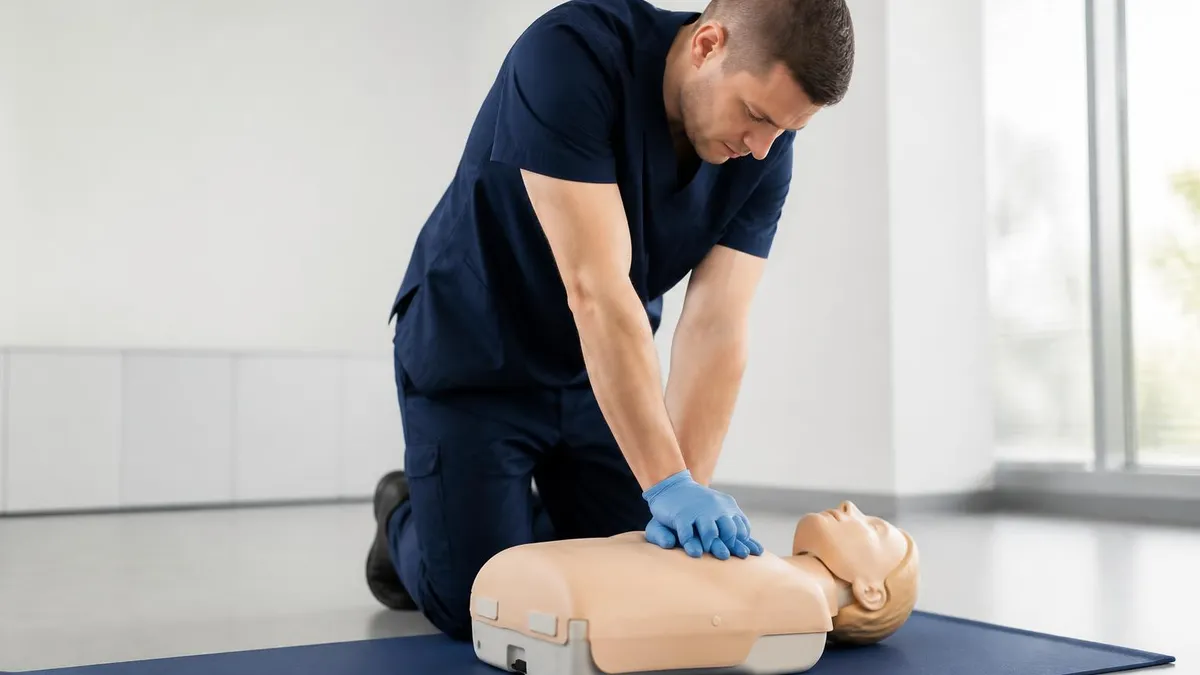
Most infant CPR certifications expire after two years, and CPR guidelines are updated every five years as new evidence emerges. If your certification has lapsed — even by a few months — your knowledge of current compression ratios, rescue breath volumes, and AED protocols may be outdated. Enroll in a recertification course before you need to rely on your skills in a real emergency, not after.
After completing your infant CPR certification, maintaining readiness requires more than simply holding a valid card. CPR skill quality — including correct hand placement, adequate compression depth, and appropriate ventilation volume — declines measurably within three to six months of initial training for most people. This is a well-documented phenomenon in resuscitation science literature, and it underscores why regular practice between formal recertification cycles is so important for anyone who may realistically be called upon to respond to an infant emergency at home, in a childcare setting, or in a clinical environment.
One of the most effective strategies for maintaining infant CPR skills is periodic home practice on an infant CPR mannequin. Basic infant training mannequins are available for purchase at major medical supply retailers and online marketplaces for approximately thirty to sixty dollars, making them an accessible tool for families with young children or childcare providers who want to review technique regularly. Even brief ten-minute practice sessions every few months can substantially preserve skill quality and build the confidence needed to act quickly in an actual emergency without hesitation or second-guessing.
Many CPR training organizations and employers offer refresher mini-courses or skills check sessions that are shorter and less expensive than full recertification courses. These sessions are specifically designed to address skill decay between certification periods. If your workplace offers annual hands-on refresher sessions as part of a safety training calendar, prioritize attendance even when your certification card remains technically valid — the extra practice directly translates into better performance when skills are deployed under the physical and emotional stress of a real infant cardiac emergency.
Staying current with changes in CPR guidelines is another aspect of post-certification readiness. The AHA publishes updated guidelines approximately every five years, with interim science statements released when significant new evidence warrants earlier communication. Following the AHA's resuscitation science social media channels, subscribing to relevant professional association newsletters, or simply reading updates from your certifying organization ensures that you are aware of any meaningful changes in technique or protocol that may affect how you respond to an infant emergency.
For healthcare providers, competency-based simulation training offers another powerful tool for maintaining infant resuscitation readiness. High-fidelity infant simulators — which can generate realistic vital sign displays, respond physiologically to interventions, and be programmed with specific clinical scenarios — allow teams to practice rare but critical events like infant cardiac arrest in a completely safe environment. Many pediatric hospitals and medical simulation centers schedule regular team-based simulation drills specifically targeting infant and neonatal emergencies to ensure that the entire care team maintains synchronized, algorithm-consistent responses.
Recovery position — sometimes called the position recovery technique — is also a skill that should be reviewed periodically alongside infant CPR. If an infant becomes unconscious but is breathing normally, placing them in a modified lateral position prevents airway obstruction from vomiting or relaxed tongue musculature. This technique differs from adult recovery position because of the size, proportions, and postural fragility of infants, and is covered in most comprehensive infant CPR and first aid courses as a critical companion skill to active resuscitation techniques.
Finally, remember that emotional and psychological readiness is as important as technical skill when it comes to infant CPR. Parents and caregivers who have practiced the skills, know where their local AED is located, have emergency numbers readily accessible, and have mentally rehearsed the steps of infant CPR are significantly more likely to act quickly and effectively in an actual emergency.
Taking time to walk through a mental simulation of responding to an infant emergency — identifying where you would lay the baby, who would call 911, and how you would manage the scene — is a practical preparedness exercise that complements formal training and ongoing skill practice beautifully.
Understanding the broader context of infant CPR within the emergency medical system helps caregivers and healthcare providers appreciate why every link in the chain of survival matters. The AHA's pediatric chain of survival begins with prevention of cardiac arrest through safe sleep practices, supervised infant environments, and prompt medical attention for fever, respiratory illness, or unusual symptoms. Prevention is always preferable to resuscitation, and public health initiatives focused on reducing sudden infant death syndrome (SIDS) and accidental suffocation are closely related to the broader infant CPR training movement.
When prevention fails and a cardiac or respiratory emergency occurs, rapid activation of the emergency response system is the second critical link. Teaching older children in the household to call 911 and providing clear verbal guidance to dispatch operators — including the infant's age, the suspected cause of collapse, and your exact address — can shave precious minutes off emergency response time. Many 911 dispatch centers now provide real-time telephone CPR instructions to callers, guiding bystanders through infant CPR steps verbally until ambulance crews arrive on scene.
The third and fourth links — early CPR and rapid defibrillation — are where infant CPR class training directly pays off. High-quality, uninterrupted chest compressions maintain a minimum level of blood flow to the brain and myocardium during cardiac arrest, preserving the possibility of meaningful neurological recovery. What does AED stand for in this context? An Automated External Defibrillator can restore a normal cardiac rhythm when a shockable arrhythmia such as ventricular fibrillation is the underlying cause of arrest — though primary respiratory causes are more common in the infant population than shockable rhythms.
Advanced life support — the fifth link in the chain — encompasses everything that paramedics and hospital-based teams provide upon arrival: definitive airway management, IV or IO vascular access, cardiac monitoring, medication administration, and algorithm-driven resuscitation guided by the ACLS and PALS frameworks. The quality of basic CPR performed by bystanders during the minutes before advanced providers arrive has a direct and measurable impact on whether advanced interventions are ultimately successful, which is why community-level infant CPR training is considered a public health priority by the AHA and the CDC.
Post-cardiac arrest care is the sixth and final link, encompassing targeted temperature management, hemodynamic optimization, neurological monitoring, and family-centered care in the pediatric intensive care unit. Survival to discharge from the PICU after infant cardiac arrest ranges from approximately twenty to forty percent depending on the cause, location, and duration of arrest, as well as the quality of CPR provided during the event. Bystander CPR — the skill you develop in an infant CPR class — is consistently identified in outcome research as one of the strongest modifiable predictors of survival and neurological outcome in out-of-hospital pediatric cardiac arrest.
Infant CPR training intersects with a number of broader emergency preparedness topics that are worth exploring once you have completed your initial certification. Choking response for infants — using back blows and chest thrusts rather than abdominal thrusts — is a closely related skill that belongs in every caregiver's repertoire. Safe medication administration, fever management, recognition of severe allergic reactions, and basic first aid for common household injuries are complementary competencies that round out a comprehensive emergency preparedness skill set for anyone caring for infants on a regular basis.
The commitment to ongoing education in infant emergency response is ultimately an expression of the deep responsibility that comes with caring for the youngest and most dependent members of our communities.
Whether you are a parent who takes a two-hour hospital orientation class before bringing your newborn home, a pediatric nurse maintaining annual PALS competency, or a daycare director ensuring every staff member holds a current infant CPR card, the knowledge and skills you build through formal training are a genuine gift — both to the infants in your care and to the peace of mind that comes from knowing you are prepared to respond when it matters most.
CPR Questions and Answers
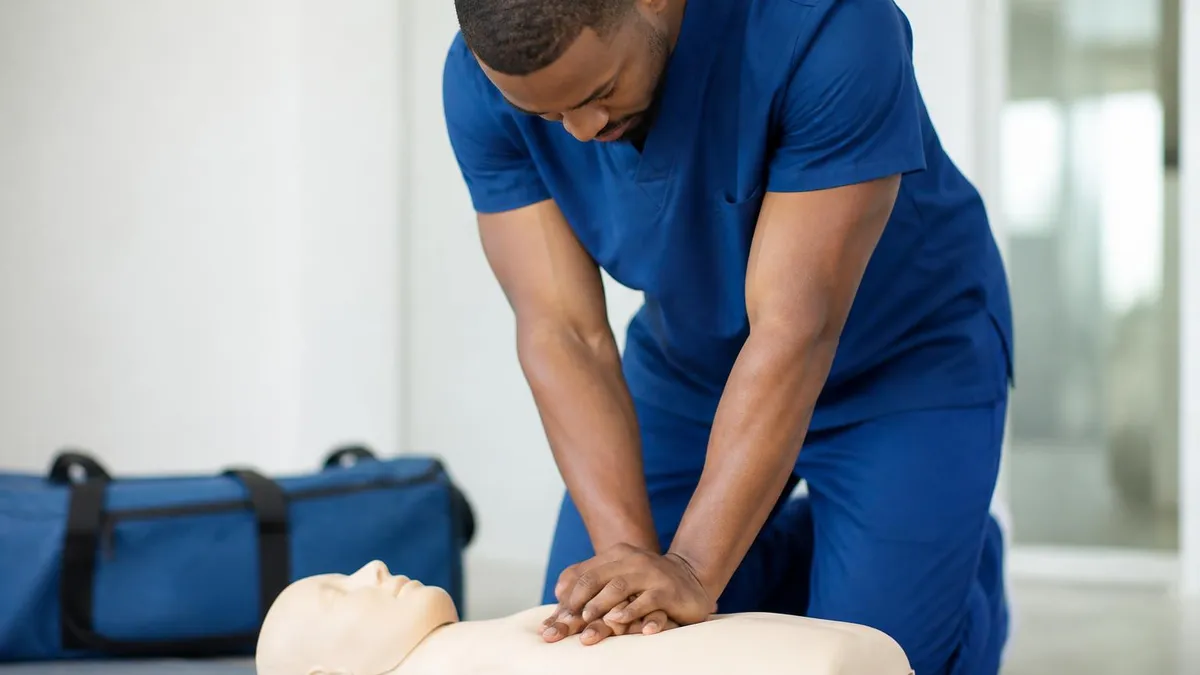
CPR Courses: Complete Guide to ACLS Algorithm, PALS Certification, and Life Support Training in 2026
CPR Face Shield: Complete Guide to ACLS Algorithm, Infant CPR, and Life Support Barrier Devices in 2026
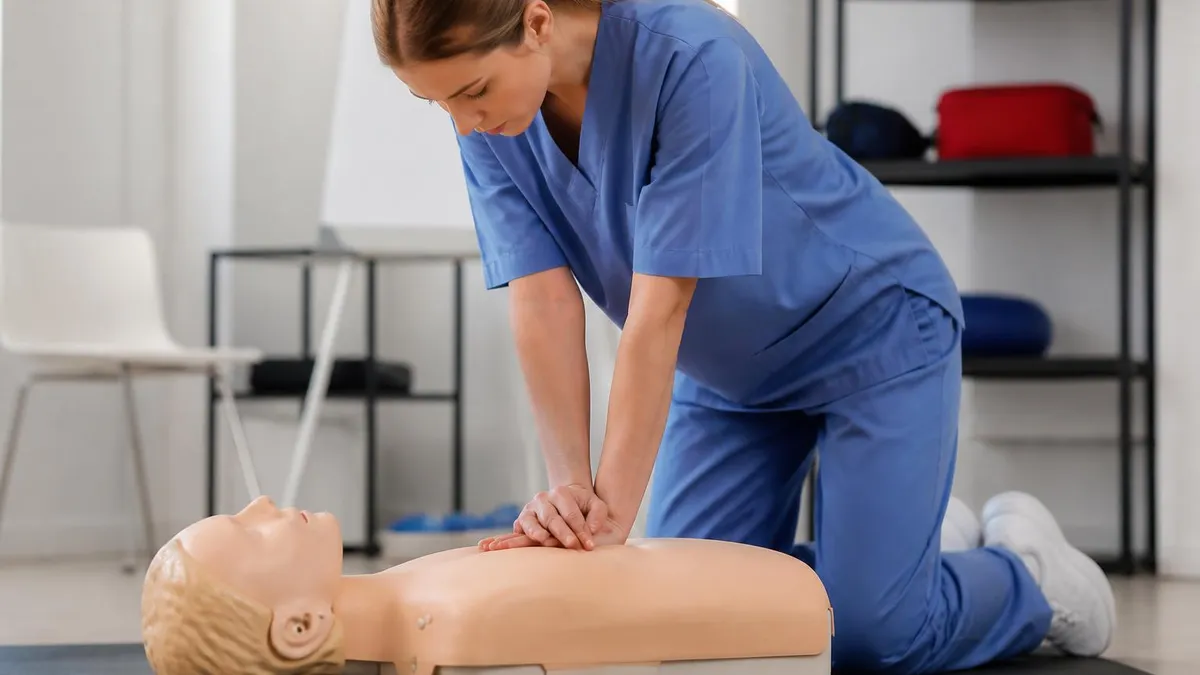
Types of CPR Training: From Basic Life Support to ACLS Algorithm Mastery in 2026
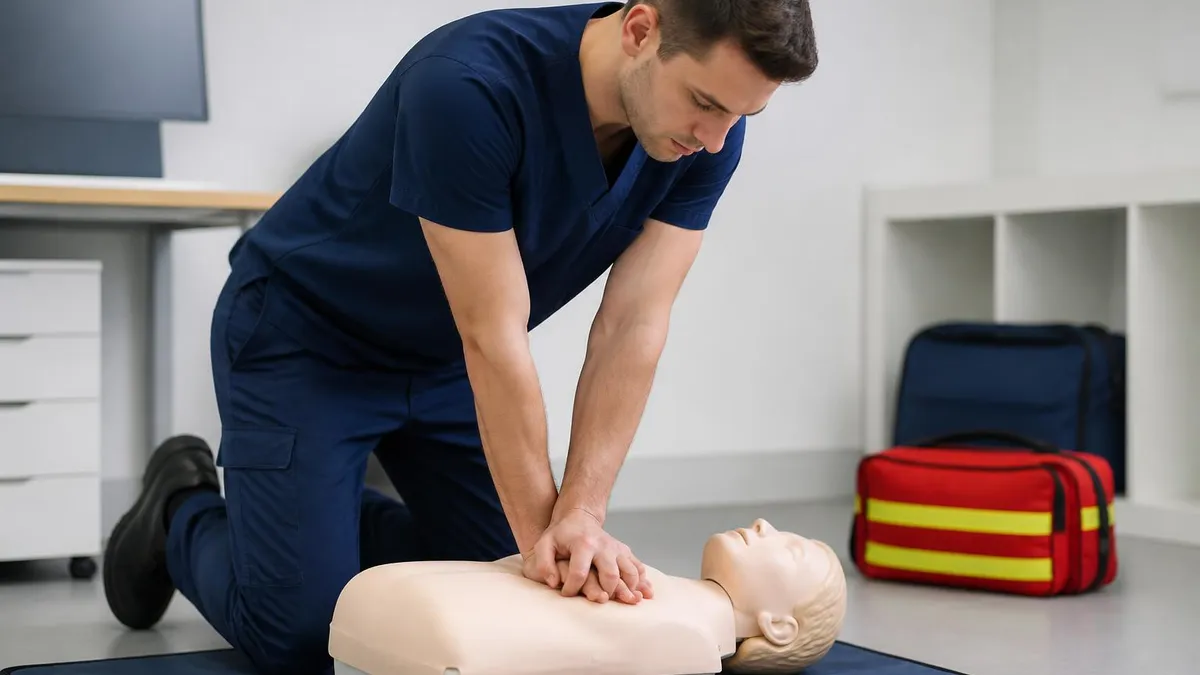
Adult CPR: Complete Step-by-Step Guide to Hands-Only and Standard CPR in 2026
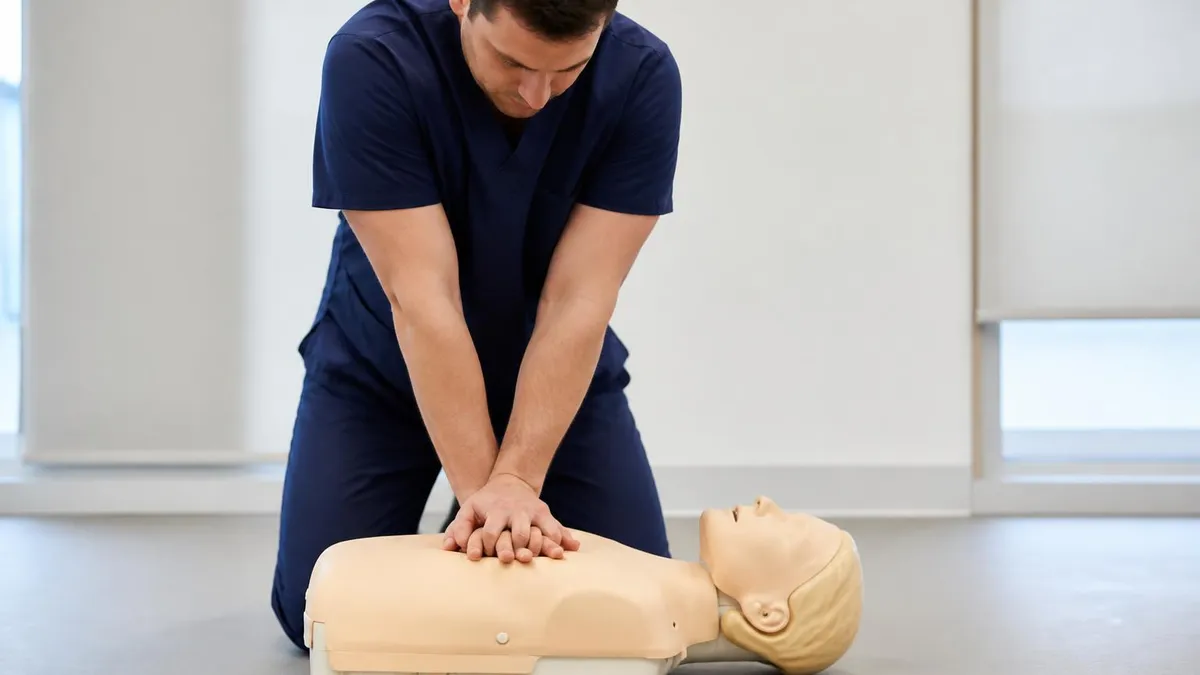
BLS vs CPR: Is BLS the Same as CPR? Complete 2026 Guide
About the Author

Registered Nurse & Healthcare Educator
Johns Hopkins University School of NursingDr. Sarah Mitchell is a board-certified registered nurse with over 15 years of clinical and academic experience. She completed her PhD in Nursing Science at Johns Hopkins University and has taught NCLEX preparation and clinical skills courses for nursing students across the United States. Her research focuses on evidence-based exam preparation strategies for healthcare certification candidates.
Join the Discussion
Connect with other students preparing for this exam. Share tips, ask questions, and get advice from people who have been there.
View discussion (5 replies)