
Online CPR Classes: Complete Guide to Certification, ACLS Algorithm, PALS, and Life Support Training in 2026 September
🎓 Learn everything about online CPR classes, ACLS algorithm, PALS certification, infant CPR, and AED training. Complete 2026 September US guide.
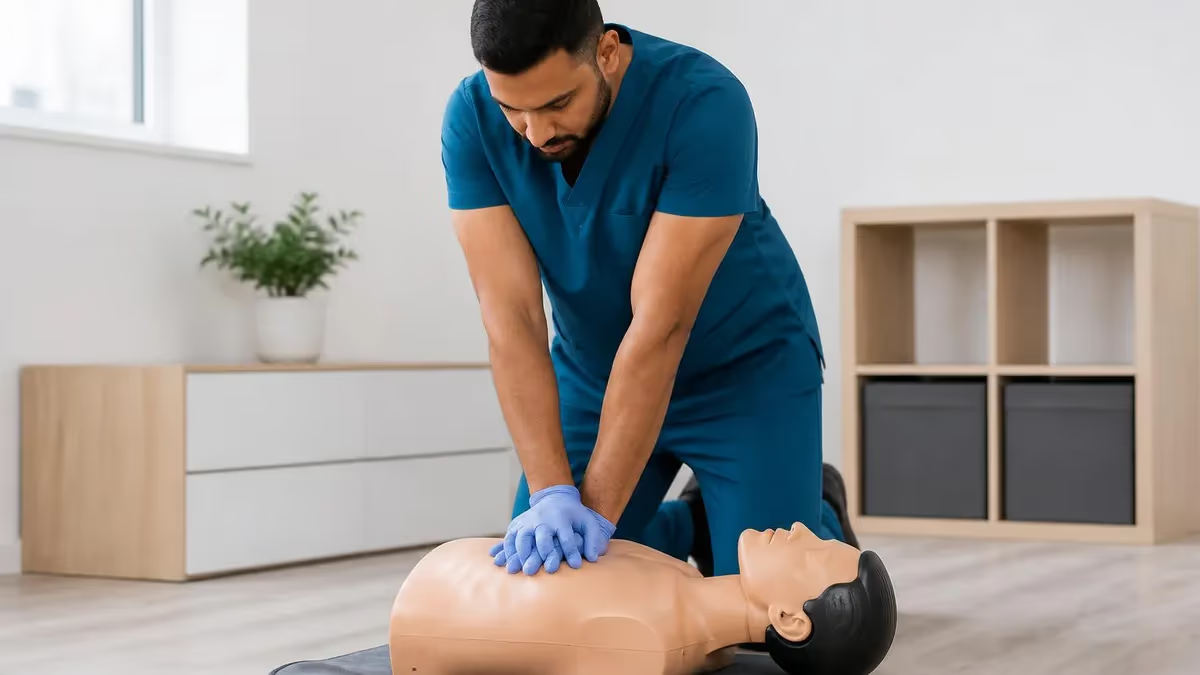
The ACLS algorithm sits at the heart of every advanced resuscitation course, yet millions of Americans begin their emergency-care journey with online cpr classes that cover the fundamentals before branching into specialty certifications. Whether you are a nursing student, a parent of young children, a corporate wellness coordinator, or a seasoned paramedic looking to renew credentials, understanding how online platforms work — what they teach, how long they take, and which agencies recognize them — is the essential first step toward being prepared when seconds count.
Online CPR instruction has expanded dramatically since 2020. The pandemic accelerated the shift from traditional classroom-only models to blended and fully digital programs, and the quality has kept pace. Today's top providers use high-definition video demonstrations, interactive compression-depth simulators, timed scenario modules, and auto-graded assessments that closely mirror the cognitive portions of in-person exams. The convenience factor is undeniable: learners can complete coursework at midnight between shifts, pause and rewind instructor demonstrations, and test knowledge as many times as needed without penalty.
That said, not all online CPR programs are created equal, and the differences matter enormously in professional contexts. The American Heart Association (AHA), American Red Cross, and National CPR Foundation each issue widely recognized certifications, but their acceptance criteria vary by employer and state licensing board. Nurses, respiratory therapists, and emergency medical technicians typically need hands-on skills verification even when their cognitive training is completed online, while lay rescuers and corporate first-aid designees may satisfy requirements with a fully virtual course followed by a video-skills check.
This guide covers the full landscape: how the ACLS algorithm is taught online, what distinguishes PALS certification from basic life support, how infant CPR modules address the unique physiology of small airways, what AED training looks like in a digital format, and how to choose a provider that matches your career level and workplace requirements. We also break down costs, renewal timelines, and the growing role of blended learning — where you complete theory online and then attend a brief in-person skills session at a local training center.
Understanding the recovery position, normal respiratory rate baselines, and the critical two-minute cycle of chest compressions and ventilations are building blocks you will encounter in every reputable online course. Even a basic program that earns skepticism from some hospital credentialing offices teaches these fundamentals correctly and can save a life in a community setting. The gap between lay-rescuer training and professional certification is real, but both start from the same physiological principles that have not changed since the AHA standardized CPR guidelines in the 1960s.
We have also included practice quiz tiles throughout this article so you can test your knowledge as you read. Research consistently shows that interleaving study material with retrieval practice — answering questions about a concept immediately after reading about it — produces significantly better long-term retention than reading alone. Use the quizzes to identify weak spots early, revisit the corresponding sections, then retest. This active-recall loop is the fastest path from certificate holder to genuinely competent rescuer who performs with confidence under pressure.
By the end of this guide you will understand which online CPR certification fits your situation, how to evaluate provider quality, what the training actually covers at each level, and how to maintain your skills between renewal cycles so that your certificate reflects real readiness — not just a document filed in a drawer. Let us start with the numbers that frame the stakes of this topic.
Online CPR Classes by the Numbers
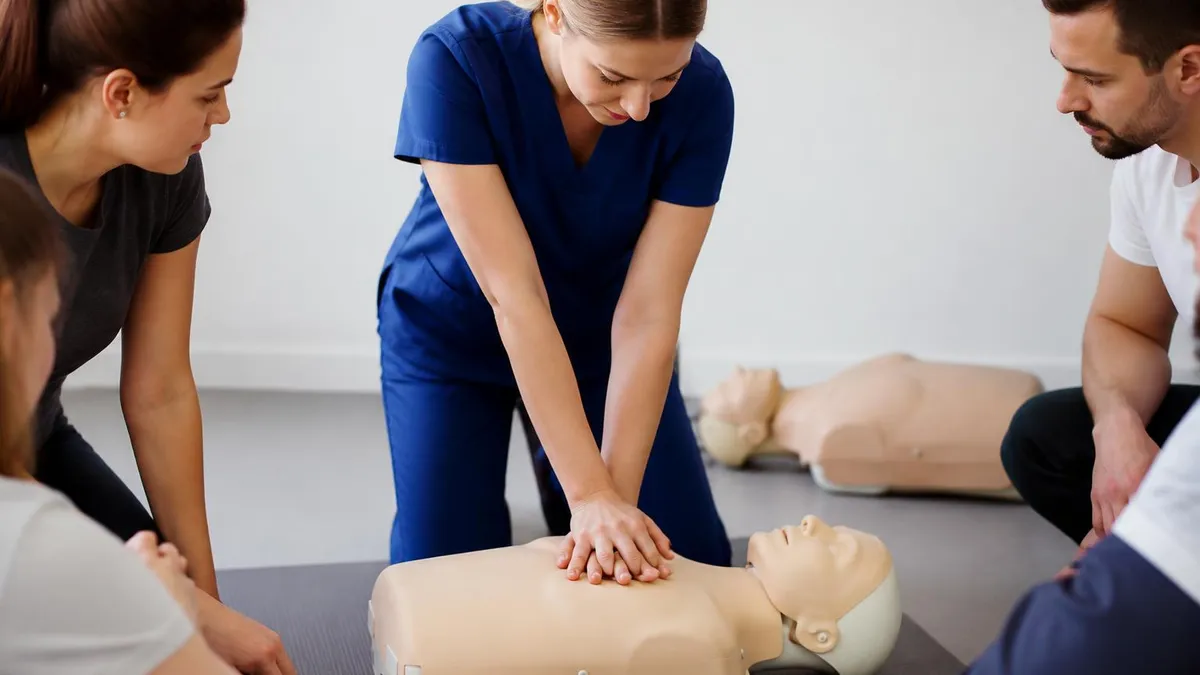
Types of Online CPR Certifications Available in 2026
The foundational certificate required by most healthcare employers. Covers adult, child, and infant CPR, two-rescuer scenarios, bag-mask ventilation, and AED use. Online cognitive portion is widely accepted; skills check required for clinical roles.
Designed for nurses, physicians, and paramedics who manage cardiac arrest teams. Covers the ACLS algorithm, pharmacology, rhythm interpretation, and post-resuscitation care. Blended online-plus-skills-day format is the industry standard.
Targets healthcare providers who treat infants and children in emergency settings. Includes weight-based drug dosing, pediatric respiratory emergencies, and team dynamics. PALS certification is required for pediatric ICU and ED nurses.
The non-healthcare certificate aimed at teachers, coaches, lifeguards, and corporate employees. Fully online completion is accepted by most workplaces. Covers adult and child CPR, AED basics, and choking relief for all age groups.
Short micro-courses of 30–60 minutes that teach compression-only technique. Not a substitute for full certification but valuable for community awareness programs, school curricula, and pre-employment orientation at non-clinical worksites.
Understanding how online CPR training is structured will help you choose a program that genuinely prepares you rather than simply issuing a certificate. Reputable courses are built around the AHA's Guidelines for CPR and Emergency Cardiovascular Care, which are updated on a five-year evidence-review cycle. The most recent major update reinforced the importance of high-quality compressions — a rate of 100 to 120 per minute, a depth of at least two inches for adults, full chest recoil between compressions, and minimal interruptions — as the single biggest determinant of survival from sudden cardiac arrest.
Most online platforms divide their courses into modules covering scene safety, recognition of cardiac and respiratory emergencies, the compression-ventilation cycle, AED operation, and relief of airway obstruction. Interactive elements vary widely between providers. The better platforms use branching video scenarios in which learners must choose the correct next action before the simulation advances. Low-quality providers present little more than a PowerPoint-style slideshow followed by a multiple-choice quiz with unlimited retakes, which explains why some hospital systems refuse to accept certain online-only certificates for clinical staff.
A critical concept taught in every course is the relationship between respiratory rate and cardiac output. A normal adult respiratory rate ranges from 12 to 20 breaths per minute at rest. When respiratory rate drops below 10 or the airway is obstructed entirely, oxygen delivery to the brain falls within minutes, triggering the cascade of cellular damage that CPR is designed to interrupt. Online courses use this physiological framing to explain why ventilation rescue breaths — one breath every five to six seconds during two-rescuer CPR — are timed with such precision rather than delivered as fast as possible.
The National CPR Foundation is one of the most prominent online-first certification bodies in the United States, offering BLS, ACLS, and Heartsaver programs that are OSHA-aligned and accepted at thousands of employers nationwide. Their platform uses video-based instruction with post-module knowledge checks, and their cards are printed and mailed within 24 hours of successful completion. Understanding the National CPR Foundation's acceptance at your target employer before enrolling is smart — call the HR or credentialing department and ask which issuing bodies they recognize.
The recovery position is another skill tested in online coursework for lay-rescuer certifications. When a victim is unconscious but breathing adequately, placing them on their side with the lower arm extended and the upper knee bent prevents aspiration of vomit and keeps the airway open. Online simulations walk through the exact hand placement and rolling technique, though critics correctly note that practicing on a manikin once before certification reinforces muscle memory in ways a video alone cannot replicate. This is the core tension in online-only training — conceptual knowledge transfers well to digital formats; motor skills do not.
Blended learning models address this limitation directly. In a typical blended program, learners complete two to four hours of online cognitive content and then attend a two-hour in-person skills session at a nearby training center where they practice compressions, ventilations, and AED pad placement on a manikin with instructor feedback. The AHA's HeartCode BLS and HeartCode ACLS products are the most widely adopted blended formats in hospital systems. They represent a practical compromise: the learner gains scheduling flexibility from the online component and skill verification rigor from the in-person component.
When evaluating any online provider, look for four quality markers. First, confirm that the curriculum explicitly references the most current AHA or ILCOR guidelines. Second, check that the course includes scenario-based assessment rather than simple recall questions.
Third, verify that the certificate displays an expiration date — two years from issuance is standard — and that the provider maintains a digital verification portal where employers can confirm your credential. Fourth, for healthcare roles, confirm whether a skills session is bundled with or separately arranged from the online cognitive portion, so there are no surprises when you submit credentials for hospital onboarding.
CPR Practice Test Questions
Prepare for the CPR Cardiopulmonary Resuscitation Practice exam with our free practice test modules. Each quiz covers key topics to help you pass on your first try.
CPR Basic CPR
CPR Exam Questions covering Basic CPR. Master CPR Test concepts for certification prep.
CPR and First Aid
Free CPR Practice Test featuring and First Aid. Improve your CPR Exam score with mock test prep.
CPR (Cardiopulmonary Resuscitation) Adult ...
CPR Mock Exam on (Cardiopulmonary Resuscitation) Adult CPR and AED Usage. CPR Study Guide questions to pass on your first try.
CPR (Cardiopulmonary Resuscitation) Airway...
CPR Test Prep for (Cardiopulmonary Resuscitation) Airway Obstruction and Choking. Practice CPR Quiz questions and boost your score.
CPR (Cardiopulmonary Resuscitation) Cardio...
CPR Questions and Answers on (Cardiopulmonary Resuscitation) Cardiopulmonary Emergency Recognition. Free CPR practice for exam readiness.
CPR (Cardiopulmonary Resuscitation) Child ...
CPR Mock Test covering (Cardiopulmonary Resuscitation) Child and Infant CPR. Online CPR Test practice with instant feedback.
CPR (Cardiopulmonary Resuscitation) High-P...
Free CPR Quiz on (Cardiopulmonary Resuscitation) High-Performance Team Dynamics. CPR Exam prep questions with detailed explanations.
CPR (Cardiopulmonary Resuscitation) Legal ...
CPR Practice Questions for (Cardiopulmonary Resuscitation) Legal and Ethical Considerations. Build confidence for your CPR certification exam.
CPR for Specific Populations
CPR Test Online for for Specific Populations. Free practice with instant results and feedback.
CPR Airway & Breathing Management
CPR Exam Questions covering Airway & Breathing Management. Master CPR Test concepts for certification prep.
CPR Assessment & Recognition of Cardiac Ar...
Free CPR Practice Test featuring Assessment & Recognition of Cardiac Arrest. Improve your CPR Exam score with mock test prep.
CPR Chest Compressions & Defibrillation
CPR Mock Exam on Chest Compressions & Defibrillation. CPR Study Guide questions to pass on your first try.
CPR Post-Resuscitation Care & Recovery
CPR Test Prep for Post-Resuscitation Care & Recovery. Practice CPR Quiz questions and boost your score.
ACLS Algorithm, PALS Certification, and Advanced Life Support Online
The ACLS algorithm is a structured decision tree that guides healthcare providers through cardiac arrest management, post-arrest care, acute coronary syndrome, and stroke response. Online ACLS courses teach the algorithm through rhythm-strip interpretation exercises, drug-dose calculation drills, and timed scenario simulations in which the learner acts as team leader or team member. Key branches of the algorithm include the pulseless ventricular fibrillation and pulseless ventricular tachycardia pathway, the pulseless electrical activity and asystole pathway, and the bradycardia and tachycardia with pulse pathways. Each branch has specific pharmacological interventions — epinephrine 1 mg IV every three to five minutes for shockable and non-shockable rhythms, amiodarone 300 mg IV for refractory VF/VT — that must be memorized before the skills day.
Online ACLS platforms present the algorithm as an interactive flowchart in which learners select the next intervention based on the patient's current rhythm and clinical status. This format is highly effective for building cognitive fluency: with enough repetitions, providers internalize the decision points so that real-time team leadership feels automatic rather than effortful. The most common errors tested in online ACLS assessments include failing to minimize interruptions in chest compressions, administering epinephrine before establishing IV/IO access, and neglecting to address reversible causes (the Hs and Ts) in prolonged arrests. Providers who score below 84% on the cognitive exam typically must complete a remediation module before their certificate is issued.
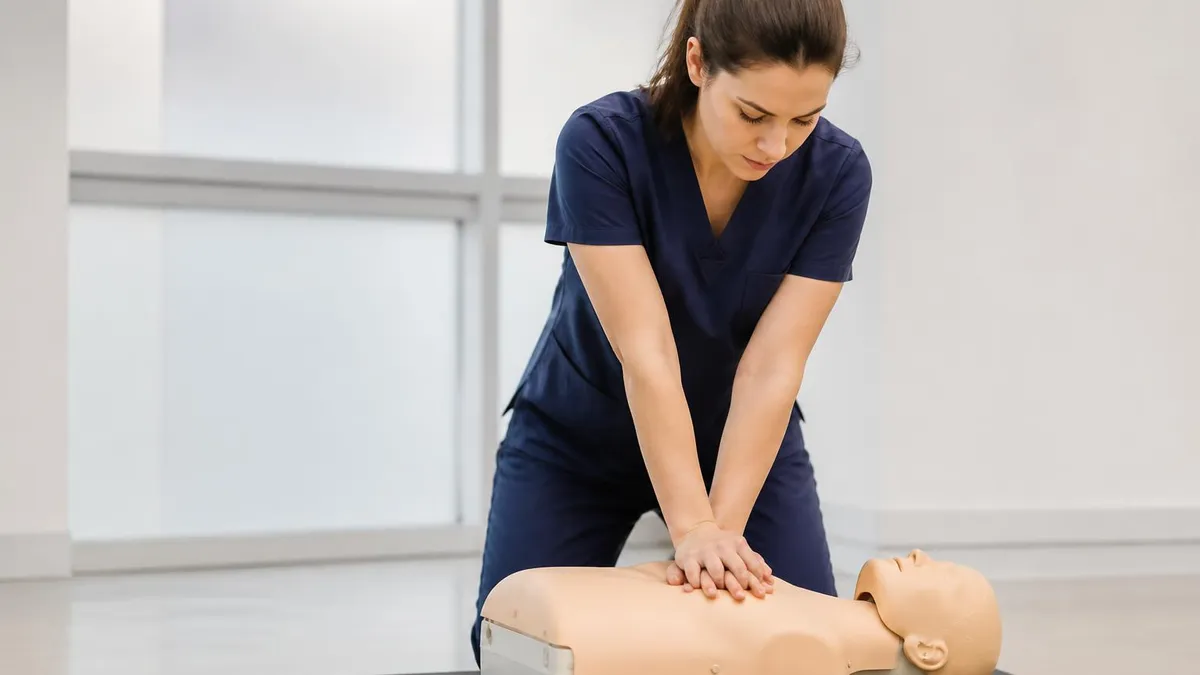
Online vs. In-Person CPR Classes: Honest Comparison
- +Complete coursework on your own schedule — no fixed class times or commutes required
- +Rewind and replay video demonstrations of compression depth, ventilation timing, and AED pad placement as many times as needed
- +Typically 20–40% less expensive than equivalent in-person classroom programs
- +Digital certificates are issued instantly after passing; physical card mailed within 24–48 hours by most providers
- +Blended online-plus-skills formats satisfy hospital credentialing requirements while preserving scheduling flexibility
- +Accessible from any device, making renewal easy during busy clinical rotations or travel assignments
- −Motor skill development — accurate compression depth and rate, proper mask seal — requires hands-on manikin practice that online video cannot fully replace
- −Some hospital systems and state EMS licensing boards still require AHA- or Red Cross-issued cards with verified in-person skills sessions
- −Without a physical manikin, learners may overestimate their compression quality based on visual imitation rather than tactile feedback
- −Low-quality online providers issue certificates after minimal engagement, diluting the credential's value in professional settings
- −Team-based scenarios and leadership communication skills — core ACLS and PALS competencies — are harder to simulate credibly in a solo online environment
- −Technical issues (video buffering, browser incompatibility, quiz timer glitches) occasionally disrupt the learning experience without on-site instructor support
10-Step Checklist for Choosing the Right Online CPR Course
- ✓Confirm your employer or licensing board accepts the certificate issuer (AHA, Red Cross, National CPR Foundation, or other).
- ✓Identify whether you need BLS, ACLS algorithm training, PALS certification, or a lay-rescuer Heartsaver course.
- ✓Verify the curriculum references the current AHA Guidelines for CPR and Emergency Cardiovascular Care.
- ✓Check whether a hands-on skills session is required and, if so, find a local skills partner affiliated with the provider.
- ✓Confirm the course includes scenario-based video assessments — not just multiple-choice recall questions.
- ✓Review the certificate validity period (standard is two years) and whether the provider offers a digital verification portal.
- ✓Compare total cost including the skills session fee, card shipping, and any required textbook or app purchase.
- ✓Look for a provider with a responsive customer support channel in case technical issues interrupt your exam session.
- ✓Check user reviews specifically for healthcare providers at your credential level, not just general lay-rescuer feedback.
- ✓Set a calendar reminder for renewal 60 days before your certificate expiration to avoid a lapse in credentialing.
Every Minute Without CPR Reduces Survival by 7–10%
Brain cells begin dying within four to six minutes of cardiac arrest when no CPR is performed. Bystander CPR initiated within the first two minutes of collapse has been shown to double or triple the victim's chance of survival compared to waiting for EMS. Online CPR training that reaches more community members is not merely a professional credential exercise — it is a measurable public health intervention with documented survival impact.
Infant CPR represents one of the most critical and anxiety-inducing skill sets in the entire CPR curriculum. Parents, grandparents, childcare workers, and pediatric nurses all need to understand that infant resuscitation technique differs from adult CPR in ways that go beyond simply using less force. The infant chest wall is highly compliant, the trachea is proportionally narrower than an adult's, and the most common cause of cardiac arrest in infants is respiratory failure rather than primary ventricular fibrillation — meaning that ventilation is often the most urgent intervention rather than defibrillation.
For a single rescuer performing infant CPR, the two-finger method is recommended: place two fingers on the center of the infant's chest, just below the nipple line, and compress to a depth of approximately one and a half inches at a rate of 100 to 120 per minute. Avoid compressing the lower tip of the sternum (xiphoid process), which does not overlie the heart and can cause liver laceration with deep compressions. For two rescuers, the two-thumbs encircling technique is preferred because it generates better coronary perfusion pressure and is less fatiguing over extended resuscitation efforts.
Rescue breathing for infants uses a mouth-to-mouth-and-nose technique in which the rescuer covers both the infant's mouth and nose simultaneously. Ventilations should be gentle — just enough chest rise to be visible — because overventilation causes gastric distension, which elevates the diaphragm, reduces lung compliance, and increases the risk of aspiration. Online infant CPR modules emphasize this point repeatedly because the instinct among untrained bystanders is to breathe as forcefully as possible into a small child, when the correct technique is nearly the opposite.
Choking management for infants — technically distinct from CPR but covered in the same certification courses — uses five back blows followed by five chest thrusts rather than abdominal thrusts (Heimlich maneuver), which is reserved for children over one year of age and adults. The anatomical rationale is that abdominal thrusts applied to an infant risk rupturing abdominal organs.
Online simulations of this sequence use animated diagrams and slow-motion video to show correct back-blow positioning: the infant face-down along the rescuer's forearm, head lower than the trunk, with the heel of the rescuer's hand striking the back firmly between the shoulder blades.
Pediatric AED use introduces additional considerations covered in child and infant CPR online modules. Standard AED pads are too large for infants and small children; pediatric attenuator pads or a pediatric key/switch should be used for children under eight years of age or under 55 pounds to reduce the energy delivered by the shock.
When pediatric pads are unavailable, adult pads may be used with modified placement — one pad on the center of the chest and one on the center of the back — to avoid pad overlap on a small torso. Online courses test this knowledge because it is a common error in community and hospital settings where pediatric emergencies are infrequent and responders rely on rarely-used skills.
The life support continuum for pediatric patients extends beyond basic CPR into PALS for healthcare providers and Pediatric First Aid for childcare workers, teachers, and parents. State regulations vary: some states require childcare center employees to maintain Pediatric First Aid and CPR certification as a condition of licensure, while others accept any accredited CPR certificate regardless of whether it includes a pediatric-specific module. Checking your state's childcare licensing requirements before selecting an online course ensures you enroll in a program that satisfies regulatory requirements rather than discovering a compliance gap at your next inspection.
Online infant CPR courses that include interactive scenario practice — where the learner must make timed decisions about intervention sequence during a simulated infant collapse — produce significantly better retention on knowledge assessments taken four weeks post-training compared to static video-only courses. The mechanism is straightforward: decision-making under mild time pressure activates the same neural encoding pathways that will be active during an actual emergency, making the learned response more accessible in a high-stress real-world situation. If your chosen provider does not include scenario practice, supplement it with the free practice quizzes on this site before your skills day.
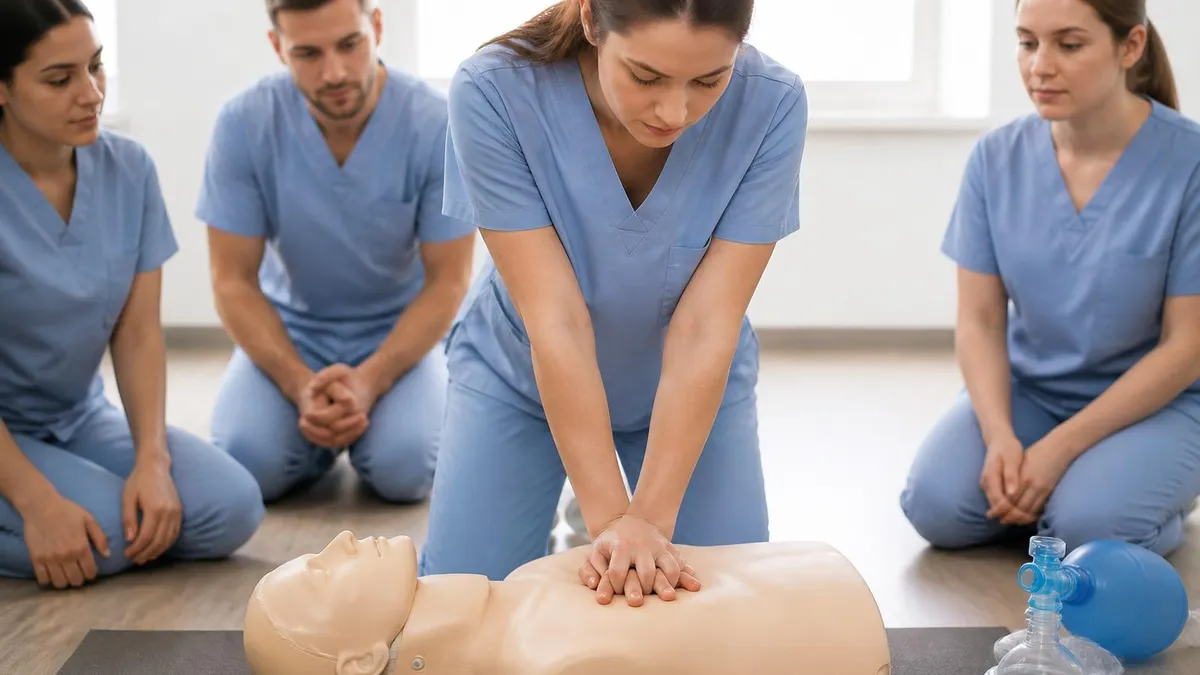
Many hospital systems, including those affiliated with major academic medical centers, require BLS, ACLS, and PALS cards issued specifically by the American Heart Association and completed with an in-person skills component — even when the cognitive portion was completed online. An online-only certificate from a non-AHA provider may not satisfy credentialing requirements, potentially delaying your start date. Always confirm accepted issuers with your HR or credentialing department before purchasing a course.
Renewal timelines and costs are practical realities that every certified rescuer must plan for, and online platforms have made the renewal process significantly more accessible than the traditional model of attending a full-length classroom refresher every two years. Most providers offer abbreviated renewal courses for individuals whose certificate has not yet expired — typically one to two hours of online content versus three to four hours for initial certification — on the premise that the core skills are already established and the renewal is primarily updating knowledge of any guideline changes and refreshing proficiency rather than building from scratch.
The cost landscape for online CPR certification spans a wide range. Fully online lay-rescuer courses from the National CPR Foundation typically run between $15 and $35, making them accessible for individuals and small businesses. AHA HeartCode BLS — the blended cognitive-plus-skills format most commonly required by hospitals — costs between $55 and $85 for the online portion alone, with the in-person skills session adding another $25 to $75 depending on the training center. ACLS and PALS blended courses range from $150 to $300 total, reflecting the complexity of the content and the longer skills day required for those certifications.
Employer-sponsored training is common enough that many healthcare workers never pay out of pocket for CPR certification. Hospitals, large medical practices, urgent care chains, and staffing agencies often cover the full cost of BLS, ACLS, and PALS as a condition of employment or credential maintenance. For travel nurses and per-diem staff, certification costs are typically a tax-deductible professional expense, and some agencies reimburse the fee upon submission of the completed certificate. Understanding your employer's reimbursement policy before enrolling in a premium provider when a lower-cost equivalent would be accepted can save meaningful money over a career.
Group discounts are another cost consideration for organizational buyers. The National CPR Foundation, ProCPR, and several other online providers offer bulk licensing arrangements for businesses, schools, and community organizations that need to certify ten or more employees. These arrangements typically reduce per-seat cost by 30 to 50 percent and often include a dashboard for administrators to track certification status across the workforce — a useful compliance tool for OSHA-regulated workplaces and childcare centers facing state licensing inspections.
Maintaining skills between renewal cycles is an often-neglected aspect of CPR preparedness. A certificate is valid for two years, but motor skills — the actual compression technique — degrade substantially within three to six months without deliberate practice. The American Heart Association recommends brief booster practice sessions every three to six months for healthcare providers.
Online platforms now support this with short refresher micro-modules of 15 to 30 minutes and free or low-cost manikin rental programs at community training sites. Some employers have installed CPR manikin kiosks in break rooms or simulation labs specifically to enable this ongoing practice without requiring formal re-enrollment.
The life support ecosystem also includes specialized extensions that are relevant to specific professional groups. Critical care nurses may pursue CCRN certification, which includes resuscitation competency components. Flight nurses and paramedics encounter wilderness and transport versions of ACLS that adapt standard algorithms for resource-limited environments. Dental professionals and oral surgeons must maintain sedation-specific life support certifications in most states. Each of these extensions builds on the same foundational online CPR content described throughout this guide, making initial certification not just a standalone credential but the gateway to an entire professional competency architecture.
For those exploring their options, this site's collection of free practice quizzes provides an excellent way to assess baseline knowledge before investing in a course, identify the certification level that matches current knowledge, and reinforce content after coursework is completed. Each quiz is aligned to the topics covered in standard CPR and life support curricula, and the immediate feedback format accelerates the retrieval-practice learning loop described in the introduction to this article.
Practical preparation for your online CPR course and the skills day that follows it involves more than logging in and watching videos. The learners who perform best in certification programs — and who retain those skills longest — approach their training as deliberate practice rather than a compliance checkbox.
Start by reviewing the AHA's free public-facing CPR guidelines summary, which provides context for why each technique is what it is, not just the procedural steps. Understanding that compression depth is set at two inches for adults because shallower compressions do not adequately compress the ventricles to generate meaningful cardiac output makes the guideline stick in memory far more reliably than a rote memorization attempt.
On the day of your online course, create a distraction-free environment with a stable internet connection, a full-size screen if possible, and no time pressure. Rushing through an online CPR module to finish before your next appointment is one of the most reliable ways to earn a certificate while retaining almost nothing.
Set aside the full recommended course duration plus 20 minutes for note-taking on any concepts you want to reinforce during the skills session. Write down questions as they arise — the skills-day instructor is the right person to answer technique questions with immediate hands-on demonstration, not a customer service chatbot.
For the in-person skills session, arrive having memorized the compression rate (100 to 120 per minute), compression depth for each age group (at least two inches adult, approximately two inches child, one and a half inches infant), and the compression-to-ventilation ratio (30:2 for single rescuers of all ages; 15:2 for two healthcare-provider rescuers of children and infants). These numbers will be tested both verbally and practically, and instructors frequently report that students who know the numbers in advance spend the skills day refining technique rather than learning concepts from scratch — a significantly more valuable use of limited manikin time.
Practice the AED sequence mentally or with a household simulation (a pillow as the patient, two placemats as electrode pads) before your skills day. Narrating each step aloud — "turning on AED, attaching pads, analyzing rhythm, clear, shock delivered, resuming compressions" — encodes the sequence in verbal and procedural memory simultaneously, creating dual retrieval pathways that are more robust under the cognitive load of a real emergency. This mental rehearsal technique is taught in military and sports performance contexts for exactly this reason and transfers directly to emergency medical skills.
After certification, plan your first booster session within three months. Use the skills day completion as your reference date and set a recurring calendar event every 90 days for a 15-minute compression practice using a low-cost home training manikin (available for $30 to $60 from major retailers) or a community manikin at a local fire station, library, or employer wellness center. Compression quality is the single most modifiable variable in cardiac arrest outcomes, and maintaining it requires exactly this kind of low-stakes repetitive practice between formal renewal cycles.
Documentation of your certification should be stored in at least two places: the provider's online verification portal (where employers can confirm your credential directly) and a personal folder with a photograph of the physical card and the digital certificate PDF. Healthcare workers who change employers multiple times in a career — travel nurses and locum physicians, in particular — report that missing documentation is the single most common administrative obstacle at onboarding. Having a self-managed digital archive eliminates this friction entirely and takes approximately five minutes to maintain.
Finally, consider sharing what you learn. Teaching a family member, neighbor, or colleague the hands-only CPR sequence reinforces your own knowledge, expands community preparedness, and costs nothing beyond 10 minutes of your time. The AHA's Hands-Only CPR initiative has demonstrated that lay-rescuer rates increase meaningfully in communities where basic CPR knowledge is normalized as a shared civic skill rather than a specialized professional credential. Every person who can recognize cardiac arrest and begin compressions while waiting for EMS is a link in a chain of survival that genuinely determines whether someone lives or dies.
CPR Questions and Answers
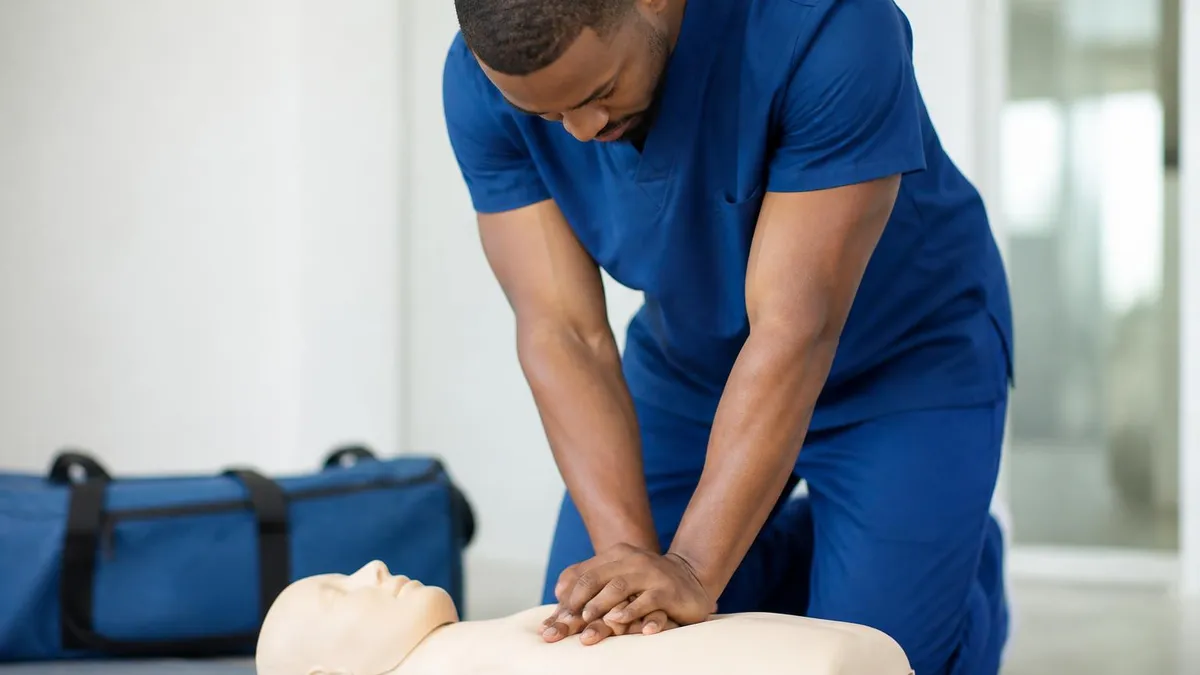
CPR Courses: Complete Guide to ACLS Algorithm, PALS Certification, and Life Support Training in 2026
CPR Face Shield: Complete Guide to ACLS Algorithm, Infant CPR, and Life Support Barrier Devices in 2026
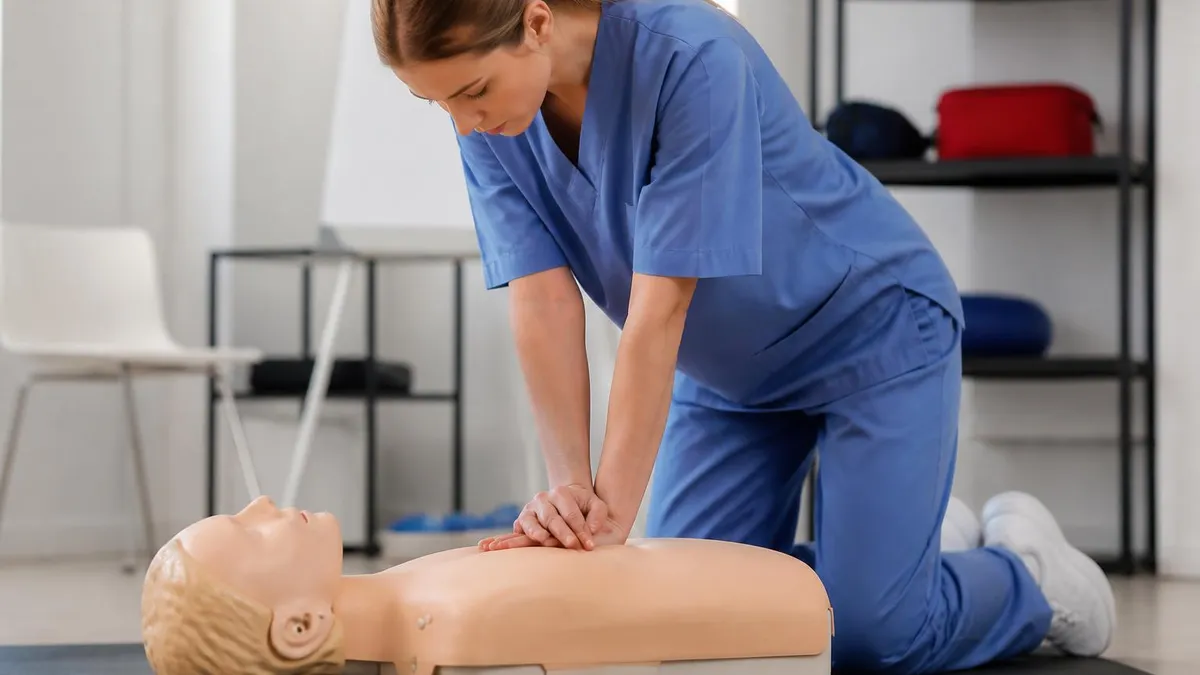
Types of CPR Training: From Basic Life Support to ACLS Algorithm Mastery in 2026
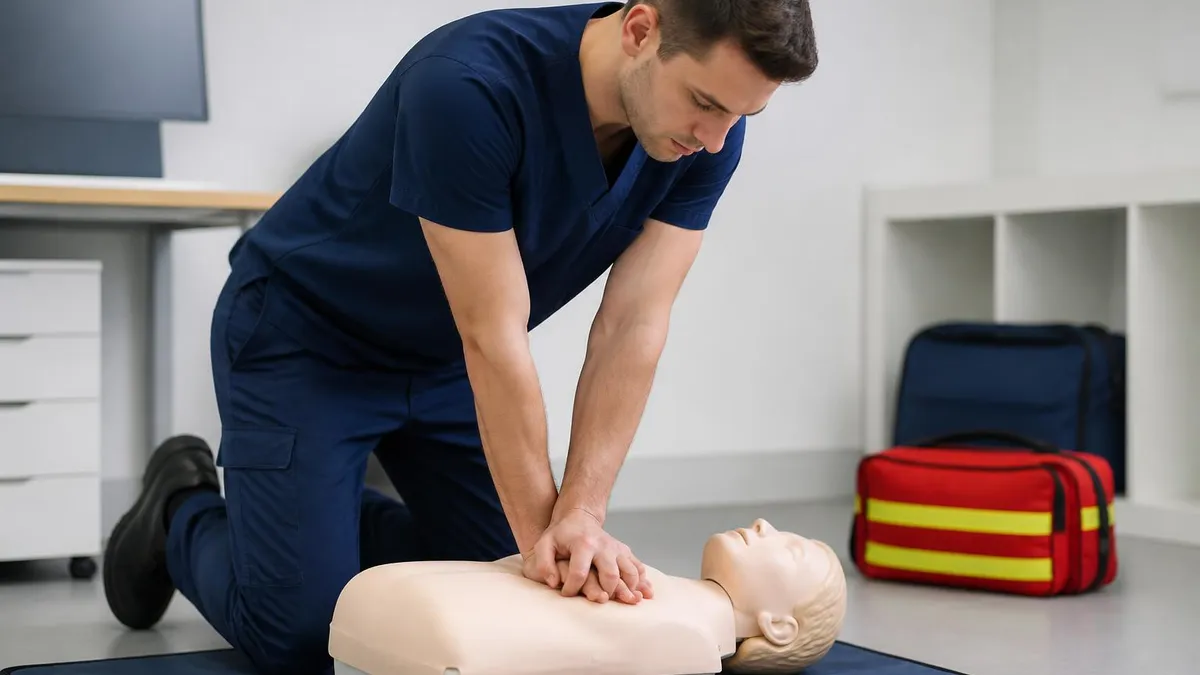
Adult CPR: Complete Step-by-Step Guide to Hands-Only and Standard CPR in 2026
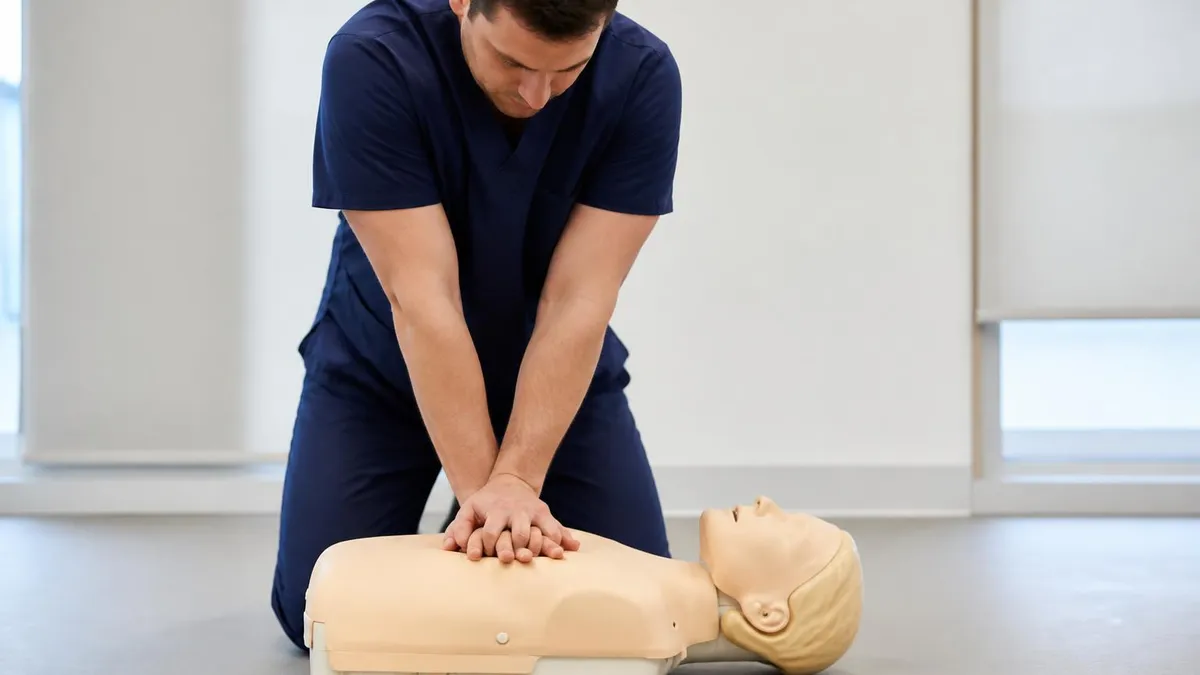
BLS vs CPR: Is BLS the Same as CPR? Complete 2026 Guide
About the Author

Registered Nurse & Healthcare Educator
Johns Hopkins University School of NursingDr. Sarah Mitchell is a board-certified registered nurse with over 15 years of clinical and academic experience. She completed her PhD in Nursing Science at Johns Hopkins University and has taught NCLEX preparation and clinical skills courses for nursing students across the United States. Her research focuses on evidence-based exam preparation strategies for healthcare certification candidates.
Join the Discussion
Connect with other students preparing for this exam. Share tips, ask questions, and get advice from people who have been there.
View discussion (5 replies)