
AHA CPR Renewal Online: Complete Guide to American Heart Association Recertification in 2026 October
Complete your American Heart Association CPR renewal online with our 2026 October guide. 🟢 Covers ACLS algorithm, PALS certification, infant CPR, and renewal steps.
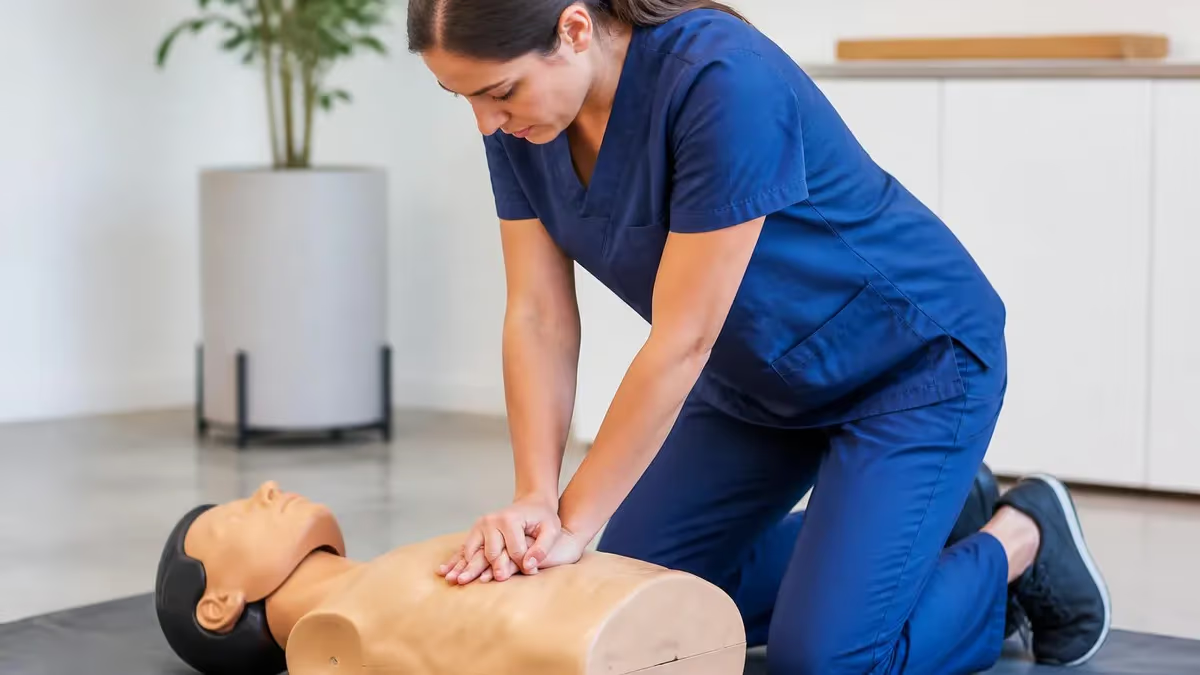
Whether you are reviewing the acls algorithm before an advanced recertification or simply need to update your basic credentials, completing your American Heart Association CPR renewal online has never been more accessible. The AHA now offers a streamlined digital pathway that allows healthcare professionals, first responders, and community members to renew critical certifications from the comfort of their homes. This guide walks you through every step of the online renewal process, eligibility requirements, and preparation strategies for 2026.
The American Heart Association remains the gold standard for life support training across the United States, with millions of providers relying on AHA credentials for employment and professional advancement. When your certification approaches its two-year expiration date, timely renewal ensures you maintain compliance with workplace mandates and state regulations. Many employers in healthcare, education, and public safety require active AHA certification, making the renewal process a professional necessity rather than an optional refresher for working professionals.
Online renewal options have expanded significantly in recent years, driven by demand for flexible scheduling and advancements in digital learning technology. Organizations like the National CPR Foundation also offer online certification programs, but the AHA HeartCode courses remain the most widely recognized by hospitals, clinics, and emergency medical services nationwide. Understanding the differences between providers helps you choose the credential that carries the most weight with your employer and licensing boards in your specific state or industry.
The AHA renewal pathway covers several certification levels, including Basic Life Support for healthcare providers, Heartsaver CPR AED for community rescuers, and PALS certification for pediatric emergency specialists. Each course reflects the latest resuscitation science from the International Liaison Committee on Resuscitation. Depending on your professional role, you may need to renew one or multiple certifications simultaneously. The online format lets you bundle courses efficiently, saving both time and money compared to scheduling separate in-person sessions.
Infant CPR techniques represent a critical component of many AHA renewal courses, particularly for those pursuing pediatric advanced life support or Heartsaver Pediatric First Aid credentials. The online modules cover proper hand placement, compression depth ratios, and ventilation techniques specific to neonates and infants under twelve months of age. These skills demand particular attention because physiological differences between infants and adults require completely different rescue approaches, including modified compression rates and gentler ventilation volumes.
A common question among renewal candidates is what does AED stand for, and how AED competency factors into recertification requirements. AED stands for Automated External Defibrillator, a portable device that analyzes heart rhythms and delivers electrical shocks to restore normal cardiac function. Every AHA renewal course includes updated AED training modules covering the latest device models, pad placement protocols, and integration of AED use into standard CPR sequences. AED proficiency significantly increases survival rates during sudden cardiac arrest.
Throughout this guide, you will learn how to assess your respiratory rate monitoring skills, navigate the AHA online platform, prepare for hands-on skill evaluations, and maintain your credentials beyond the initial renewal. We cover costs, timelines, common pitfalls, and expert strategies for passing your renewal assessment on the first attempt. Whether you hold a basic Heartsaver card or advanced ACLS provider status, this resource ensures you approach your renewal with confidence and thorough preparation.
AHA CPR Renewal by the Numbers
Key Facts at a Glance
| Item | Value | Details |
|---|---|---|
| Certification Validity Period | 2 Years | From course completion date |
| Renewal Cost Range | $60–$200 | Varies by certification level |
| Online Module Duration | 2–4 hrs | Self-paced eLearning |
| Minimum Passing Score | 80% | Required on written assessment |

Step-by-Step AHA CPR Renewal Process Online
Verify Your Current Certification Status
Select Your HeartCode Renewal Course
Complete Online Learning Modules
Schedule Your Hands-On Skills Session
Pass the Skills Evaluation
Receive Your Updated eCard
Understanding the full range of AHA course options is essential before beginning your online renewal. The American Heart Association offers three primary certification tracks for different audiences. Basic Life Support targets healthcare professionals needing comprehensive CPR, AED, and team resuscitation skills. Heartsaver courses serve community members, teachers, and fitness instructors. Advanced courses like ACLS and PALS serve specialists who manage complex cardiac and pediatric emergencies in hospital and pre-hospital settings.
The HeartCode BLS online renewal module combines self-paced eLearning with a required hands-on skills session. During the online portion, you complete interactive modules covering adult, child, and infant CPR sequences, bag-mask ventilation, choking relief, and high-performance team dynamics. The coursework typically takes two to four hours depending on your familiarity with the material. After completing online modules, you must schedule an in-person skills session with an AHA Training Center to demonstrate physical competency on manikins.
HeartCode ACLS renewal requires deeper understanding of the acls algorithm framework that guides treatment decisions during cardiac emergencies. The course covers all major algorithms including ventricular fibrillation, pulseless ventricular tachycardia, asystole, pulseless electrical activity, bradycardia, and tachycardia with a pulse. Each algorithm follows a systematic decision tree integrating medication administration, defibrillation timing, and airway management. Online modules include case-based simulations where you practice applying algorithms in realistic scenarios before your evaluation.
For those pursuing pediatric credentials, HeartCode PALS renewal focuses on recognizing and managing respiratory emergencies, shock states, and cardiac arrest in children and infants. The PALS certification pathway is particularly important for emergency department nurses, paramedics, pediatric intensivists, and anyone working where children receive medical care. The online portion includes pharmacology reviews, systematic assessment approaches, and team communication frameworks. Completing PALS renewal demonstrates your ability to lead pediatric resuscitation teams effectively across clinical settings.
Heartsaver renewal courses provide a streamlined experience designed for non-medical professionals and community rescuers. The Heartsaver CPR AED course covers adult and child CPR, AED operation, and choking relief without advanced clinical content found in BLS or ACLS programs. Heartsaver First Aid adds modules on bleeding control, splinting, allergic reactions, and environmental emergencies. These courses require fewer hours and may or may not include a hands-on component depending on employer requirements and state regulations.
Cost varies significantly across certification levels and training centers. Basic HeartCode BLS renewal typically ranges from sixty to eighty dollars for the online component, with an additional twenty-five to fifty dollars for skills testing. ACLS and PALS renewals may cost between one hundred and two hundred dollars total. Some employers reimburse certification expenses, and many training centers offer bundle discounts for multiple simultaneous renewals. Comparing prices across authorized centers in your area yields meaningful savings on your total investment.
The AHA eCard system has replaced traditional printed cards for most renewal courses. Upon successful completion, your digital credential is available immediately through the AHA eCard portal. Most employers and licensing boards accept eCards as valid proof of certification. You can print a physical copy if your workplace requires hard documentation. The eCard includes a unique QR code that employers scan to verify your status instantly, eliminating concerns about lost or damaged paper credentials.

CPR Practice Test Questions
Prepare for the CPR Cardiopulmonary Resuscitation Practice exam with our free practice test modules. Each quiz covers key topics to help you pass on your first try.
CPR Basic CPR
CPR Exam Questions covering Basic CPR. Master CPR Test concepts for certification prep.
CPR and First Aid
Free CPR Practice Test featuring and First Aid. Improve your CPR Exam score with mock test prep.
CPR (Cardiopulmonary Resuscitation) Adult ...
CPR Mock Exam on (Cardiopulmonary Resuscitation) Adult CPR and AED Usage. CPR Study Guide questions to pass on your first try.
CPR (Cardiopulmonary Resuscitation) Airway...
CPR Test Prep for (Cardiopulmonary Resuscitation) Airway Obstruction and Choking. Practice CPR Quiz questions and boost your score.
CPR (Cardiopulmonary Resuscitation) Cardio...
CPR Questions and Answers on (Cardiopulmonary Resuscitation) Cardiopulmonary Emergency Recognition. Free CPR practice for exam readiness.
CPR (Cardiopulmonary Resuscitation) Child ...
CPR Mock Test covering (Cardiopulmonary Resuscitation) Child and Infant CPR. Online CPR Test practice with instant feedback.
CPR (Cardiopulmonary Resuscitation) High-P...
Free CPR Quiz on (Cardiopulmonary Resuscitation) High-Performance Team Dynamics. CPR Exam prep questions with detailed explanations.
CPR (Cardiopulmonary Resuscitation) Legal ...
CPR Practice Questions for (Cardiopulmonary Resuscitation) Legal and Ethical Considerations. Build confidence for your CPR certification exam.
CPR for Specific Populations
CPR Test Online for for Specific Populations. Free practice with instant results and feedback.
CPR Airway & Breathing Management
CPR Exam Questions covering Airway & Breathing Management. Master CPR Test concepts for certification prep.
CPR Assessment & Recognition of Cardiac Ar...
Free CPR Practice Test featuring Assessment & Recognition of Cardiac Arrest. Improve your CPR Exam score with mock test prep.
CPR Chest Compressions & Defibrillation
CPR Mock Exam on Chest Compressions & Defibrillation. CPR Study Guide questions to pass on your first try.
CPR Post-Resuscitation Care & Recovery
CPR Test Prep for Post-Resuscitation Care & Recovery. Practice CPR Quiz questions and boost your score.
Life Support Certification Renewal Pathways
Basic Life Support renewal through AHA HeartCode begins with self-paced online modules covering updated compression guidelines, ventilation ratios, and team-based resuscitation sequences. You complete interactive assessments on adult, child, and infant CPR techniques, including proper bag-mask device usage and automated external defibrillator operation. The online portion typically requires two to four hours depending on your experience level and familiarity with current AHA healthcare provider resuscitation protocols and published standards.
After completing online modules, you attend a hands-on skills session at an authorized AHA Training Center within sixty days. An AHA instructor observes your physical performance of CPR compressions, ventilation delivery, and AED operation on approved manikins. The session typically lasts sixty to ninety minutes and includes individual and team-based scenarios. Successful completion generates an eCard valid for two full years from the completion date recorded in the AHA system.
AHA Online CPR Renewal: Advantages and Limitations
- +Flexible self-paced scheduling fits busy professional lives and rotating shift workers
- +Immediate access to the most current AHA guidelines and updated algorithm content
- +Most widely recognized CPR certification accepted by employers and licensing boards nationwide
- +Interactive case-based simulations provide realistic practice before hands-on evaluation
- +Digital eCard credential available instantly upon completion with QR verification
- +Bundle multiple certification renewals simultaneously for time and cost savings
- −Hands-on skills session still required in person for most certification levels
- −Must locate an authorized AHA Training Center within reasonable travel distance
- −Higher total cost compared to some alternative online-only certification providers
- −Online coursework expires if skills session is not completed within sixty days
- −Limited skills session availability in rural and underserved geographic areas
- −Two-year expiration cycle requires frequent renewal commitment and ongoing investment

AHA CPR Renewal Preparation Checklist
- ✓Verify your current AHA certification expiration date through the official eCard portal.
- ✓Confirm which certification levels your employer requires for your current role.
- ✓Create or log into your AHA Learning Management System account with updated contact details.
- ✓Purchase the appropriate HeartCode renewal course matching your certification type.
- ✓Complete all online learning modules and pass the written assessment at eighty percent or higher.
- ✓Locate an authorized AHA Training Center in your area and compare pricing options.
- ✓Schedule your hands-on skills session within sixty days of completing the online component.
- ✓Review compression depth, rate, and full chest recoil standards before your evaluation.
- ✓Practice infant and child CPR techniques on approved manikins whenever access is available.
- ✓Bring your course completion confirmation and valid photo identification to the skills session.
Critical Deadline: Do Not Let Your Certification Lapse
AHA certifications expire exactly two years from the course completion date on your eCard, not the issue date. Begin your renewal at least 60 days before expiration to allow time for online modules and scheduling a hands-on skills session. A lapsed certification may require the full initial provider course rather than the shorter, less expensive renewal pathway.
Mastering the ACLS algorithm framework requires consistent practice and deep understanding of the pathophysiology underlying each treatment pathway. The primary ACLS algorithms address cardiac arrest rhythms, symptomatic bradycardia, and unstable tachycardia, each following a structured sequence of assessments, interventions, and reassessments. During your online renewal, you encounter case-based scenarios testing your ability to rapidly identify rhythms, select appropriate medications, determine defibrillation timing, and communicate effectively with team members under simulated high-pressure conditions.
The cardiac arrest algorithm branches based on whether the presenting rhythm is shockable or non-shockable. Ventricular fibrillation and pulseless ventricular tachycardia are shockable rhythms requiring immediate defibrillation followed by two minutes of high-quality CPR. Asystole and pulseless electrical activity are non-shockable rhythms managed with epinephrine administration and identification of reversible causes using the H's and T's mnemonic. Understanding these distinctions is fundamental to performing well on your renewal assessment and delivering effective emergency care.
Monitoring respiratory rate and other vital signs plays a crucial role in post-resuscitation care covered in advanced renewal courses. After return of spontaneous circulation, providers must continuously assess respiratory rate, oxygen saturation, blood pressure, and end-tidal carbon dioxide to detect deterioration and guide treatment decisions. The AHA emphasizes targeted temperature management, hemodynamic optimization, and early identification of the underlying cause of arrest. These post-resuscitation concepts are increasingly tested in ACLS renewal examinations and practical evaluations.
The recovery position, sometimes referenced as position recovery in international CPR training contexts, is a fundamental technique assessed during renewal courses at every level. After a patient regains consciousness and demonstrates adequate breathing, placing them in the recovery position maintains an open airway and prevents aspiration. The standard technique involves rolling the patient onto their side with the upper leg bent for stability and the lower arm extended to support the head naturally and prevent airway compromise.
Advanced pharmacology knowledge is essential for ACLS and PALS renewal candidates. Key medications include epinephrine, amiodarone, lidocaine, adenosine, atropine, and vasopressin, each with specific indications, dosages, routes of administration, and contraindications within the algorithm framework. Online renewal modules provide pharmacology review sections with interactive drug reference tools. Understanding when to administer these medications, how they interact with resuscitation efforts, and recognizing adverse effects are critical competencies assessed during renewal examinations.
Team dynamics and communication remain central themes throughout all AHA renewal courses regardless of certification level. High-performance CPR requires seamless coordination between compressors, ventilators, medication administrators, and team leaders. The AHA uses a closed-loop communication model where orders are given clearly, repeated back by the receiver, and confirmed by the sender. Online modules include interactive team exercises testing your ability to assume different roles, provide constructive feedback, and manage the organized chaos of real cardiac arrest responses.
Your renewal preparation should include focused review of algorithm changes from the most recent AHA guidelines update. The organization publishes updated resuscitation science every five years, with interim updates as new evidence emerges. The 2025 guidelines introduced notable changes to compression rates, ventilation ratios, and medication timing that differ from previous recommendations. Staying current with these updates helps you pass your renewal and ensures you deliver the highest standard of evidence-based emergency care to patients in crisis situations.
For a deeper look at this topic, see our guide to american heart association cpr renewal online.
You must complete your hands-on skills evaluation within 60 days of finishing your HeartCode online modules. If this deadline passes, the online coursework expires and you must repurchase and retake the entire online component before scheduling a new skills session, resulting in additional cost and delays to your recertification timeline.
Maintaining your CPR certification beyond the immediate renewal requires proactive planning and consistent skill reinforcement throughout the two-year cycle. The AHA recommends that certified providers practice regularly between renewal cycles rather than cramming before the expiration date. Many hospitals and healthcare facilities offer monthly code drills, simulation sessions, and quick-skills refreshers designed to keep resuscitation competencies sharp. Taking advantage of these opportunities reduces the stress and preparation time needed when your formal renewal date arrives.
Setting calendar reminders well in advance of your certification expiration is one of the simplest yet most effective strategies for maintaining continuous certification. Most AHA credentials expire exactly two years from the completion date on your eCard. Beginning your renewal at least sixty to ninety days before expiration gives adequate time to complete online modules, schedule a skills session, and address unexpected conflicts without risking a lapse in your active certification status or employment compliance standing.
Employers in healthcare settings increasingly monitor certification status through automated credentialing systems that flag approaching expirations. A lapsed CPR certification can result in suspension from clinical duties, delayed reappointment to medical staff privileges, or disqualification from job postings. Some states require active BLS certification as a condition of professional licensure for nurses, paramedics, and respiratory therapists. Understanding your specific regulatory requirements helps you prioritize your renewal timeline and avoid professional disruptions affecting your career.
Cross-training across multiple certification levels provides both professional flexibility and deeper resuscitation knowledge. A nurse holding BLS, ACLS, and PALS certifications demonstrates a broader skill set attractive to employers in emergency departments, intensive care units, and pediatric facilities. When renewing multiple certifications, consider scheduling them within the same timeframe to synchronize expiration dates. This consolidation strategy means you plan one concentrated renewal effort every two years rather than managing multiple staggered deadlines.
The AHA Instructor Network offers opportunities for providers wanting to deepen their involvement in resuscitation education. Becoming an AHA instructor requires holding a current provider certification, completing an instructor essentials course, and demonstrating teaching competency under an established instructor's mentorship. Teaching CPR to others reinforces your own skills while contributing to community preparedness. Many instructor candidates report that teaching dramatically improves their personal confidence and technical precision during actual emergency responses.
Digital resources through the AHA website provide year-round access to refresher materials, algorithm posters, pocket reference cards, and updated guidelines documents. The AHA also offers a free mobile application with CPR timer tools, drug dosage references, and emergency protocol quick-guides. Incorporating these resources into daily practice creates a continuous learning environment extending beyond the formal renewal window. Regular engagement with updated materials ensures your knowledge reflects current best practices rather than outdated protocols.
Community involvement amplifies the impact of your CPR certification beyond professional settings. The AHA encourages certified providers to advocate for public access defibrillation programs, hands-only CPR awareness campaigns, and bystander intervention training in their neighborhoods. Volunteering at local CPR training events, faith-based organizations, or community health fairs keeps your skills practiced while potentially saving lives. Every certified rescuer who stays current contributes to the chain of survival that dramatically improves outcomes for cardiac arrest victims.
Practical preparation strategies make the difference between a smooth renewal experience and an unnecessarily stressful one. Begin by logging into the AHA Learning Management System and confirming which courses you need to renew based on current certifications and professional requirements. Review the prerequisite checklist for each course, noting whether a hands-on skills session is required alongside the online component. Having this information organized before you start prevents wasted time and ensures you complete every requirement correctly the first time through.
Create a dedicated study schedule allocating specific blocks of time for each online module rather than attempting to complete everything in one marathon session. Research shows that spaced learning produces better retention than cramming, particularly for complex procedural skills like rhythm interpretation and algorithm application. Most AHA HeartCode courses allow you to save progress and return later, making it easy to break coursework into manageable segments that fit your existing work and personal schedule throughout the week.
Practice with physical CPR manikins whenever possible before your hands-on skills evaluation. Many community organizations, fire stations, and training centers offer open practice sessions where you can refine compression depth, rate, and recoil technique on approved manikins. If you lack manikin access, practicing hand positioning and compression rhythm on a firm pillow helps reinforce muscle memory. The hands-on evaluation assesses specific metrics including compression fraction, ventilation volume, and proper AED pad placement accuracy.
Review the specific performance standards evaluators assess during the hands-on skills session. For BLS renewal, you must demonstrate single-rescuer and two-rescuer adult CPR, infant CPR with two-finger and two-thumb encircling techniques, bag-mask ventilation for adult and infant patients, and relief of foreign body airway obstruction for conscious and unconscious victims of all ages. Knowing exactly what will be evaluated lets you focus practice time on skills where you feel least confident and need the most repetition.
Take advantage of free practice resources available online to supplement your formal coursework. The AHA offers practice exams, rhythm identification quizzes, and algorithm review tools at no additional cost to renewal candidates. Third-party platforms provide complementary materials including video demonstrations, flashcard sets, and interactive case scenarios. Using multiple learning resources creates more comprehensive understanding and exposes you to different teaching styles and question formats that may appear on your renewal assessment examination.
On the day of your skills evaluation, arrive early and bring your course completion certificate or confirmation email showing you finished the HeartCode online modules. Wear comfortable clothing allowing you to kneel and perform compressions without restriction. Stay hydrated and rested, as continuous chest compressions during evaluation can be surprisingly fatiguing. Most evaluators allow brief practice time on manikins before formal assessment begins, so use this warm-up opportunity to calibrate your compression depth and rate.
After completing your renewal, immediately verify that your new eCard appears in the AHA verification system with the correct expiration date reflecting a full two-year extension. Download a digital copy to your phone and email it to your employer's credentialing department. Update your professional resume, LinkedIn profile, and any licensing board portals tracking your certifications. Taking these administrative steps within the first week ensures your renewed credentials are properly documented and immediately accessible whenever verification is required.
CPR Questions and Answers
CPR Card Lookup: How to Verify, Replace, and Access Your CPR Certification in 2026
Animal CPR: How to Perform Lifesaving Resuscitation on Dogs, Cats, and Other Pets in 2026
CPR Classes American Heart Association: Complete 2026 Guide to AHA Certification, Courses, and Costs
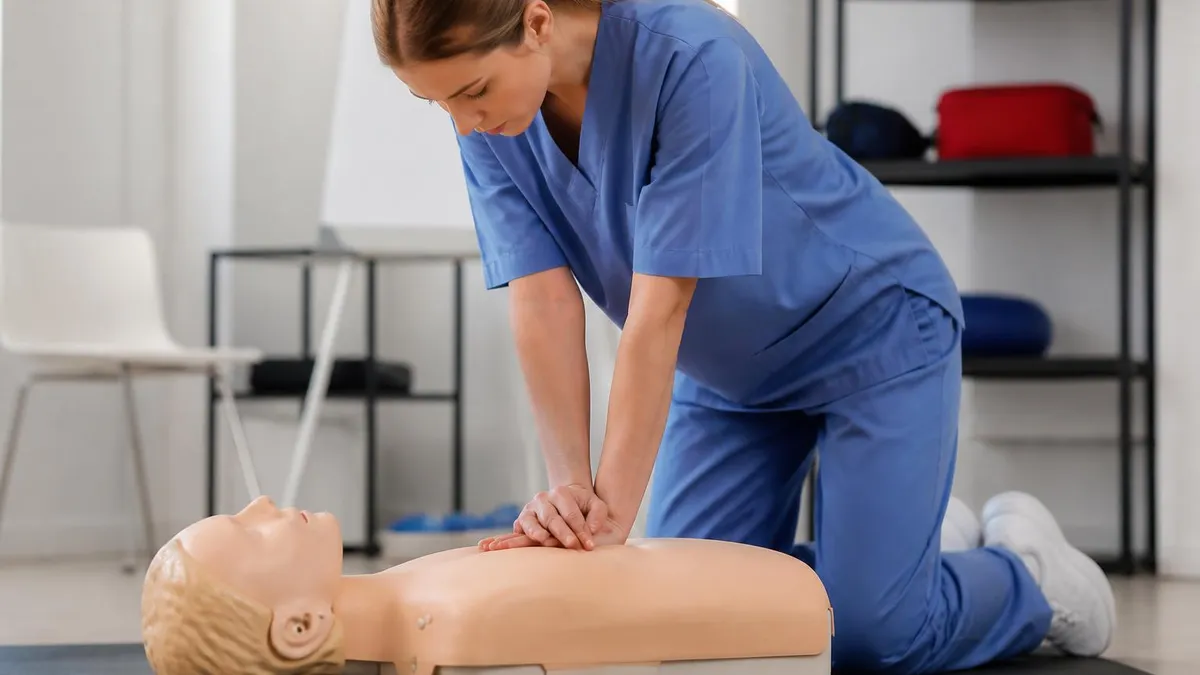
Types of CPR Training: From Basic Life Support to ACLS Algorithm Mastery in 2026
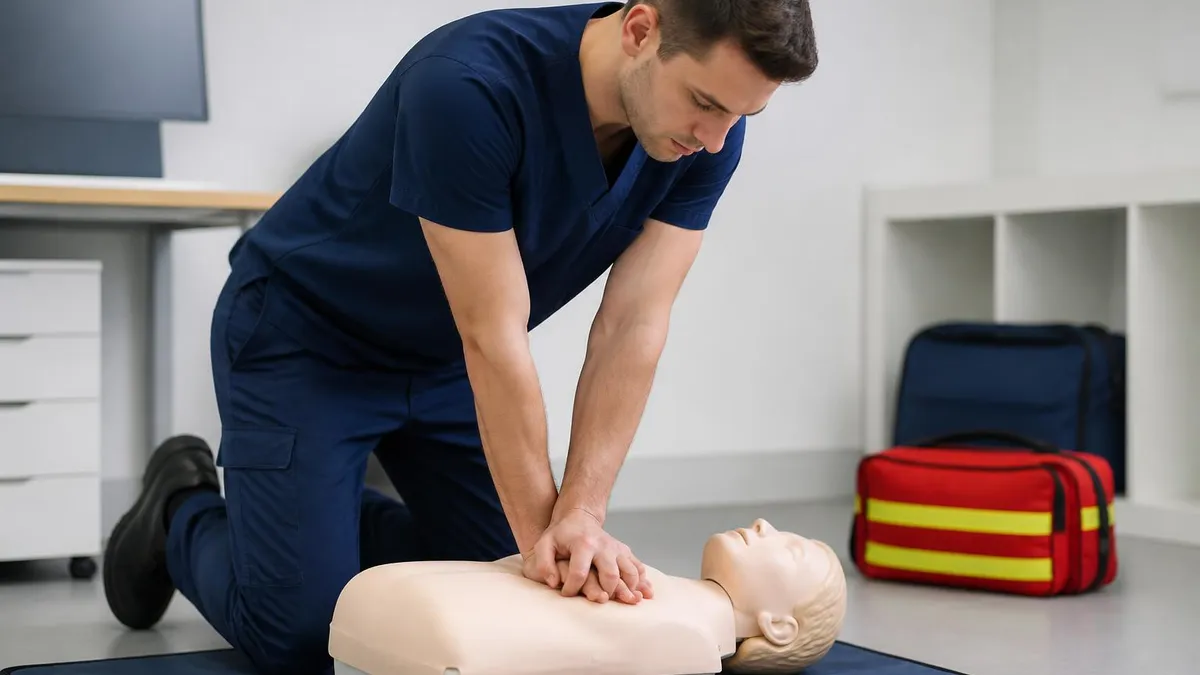
Adult CPR: Complete Step-by-Step Guide to Hands-Only and Standard CPR in 2026
About the Author

Registered Nurse & Healthcare Educator
Johns Hopkins University School of NursingDr. Sarah Mitchell is a board-certified registered nurse with over 15 years of clinical and academic experience. She completed her PhD in Nursing Science at Johns Hopkins University and has taught NCLEX preparation and clinical skills courses for nursing students across the United States. Her research focuses on evidence-based exam preparation strategies for healthcare certification candidates.
Join the Discussion
Connect with other students preparing for this exam. Share tips, ask questions, and get advice from people who have been there.
View discussion (5 replies)