
Online PALS Recertification: Complete Study Guide & Prep Hub 2026 September
Complete online PALS recertification guide: renewal requirements, AHA algorithm updates, study tips, and free practice questions to help you pass. 🟢

Online PALS recertification has become the preferred renewal pathway for thousands of nurses, paramedics, physicians, and respiratory therapists across the United States. Rather than block off an entire weekend for an in-person skills day, many providers now complete the cognitive portion of their renewal through a blended or fully online format — reviewing algorithms, pharmacology, and case scenarios at their own pace before a brief in-person skills check. Understanding exactly what the online recertification process involves, how it differs from initial certification, and how to study efficiently is the first step toward a confident, stress-free renewal experience in 2026.
The American Heart Association sets the standard for PALS certification, and its guidelines require renewal every two years. If your card has already expired, you may still be eligible for recertification rather than a full initial course, depending on how recently you let it lapse — though individual training centers have some discretion here. Staying current matters clinically, too: the 2020 AHA guidelines introduced important changes to pediatric resuscitation, and the 2026 updates continue to refine dosing thresholds, shock energy recommendations, and post-resuscitation care bundles that every PALS provider must know.
One of the biggest advantages of renewing online is flexibility. Many providers work rotating shifts or night schedules that make attending a fixed-time classroom session genuinely difficult. An online or blended format lets you review core content during downtime, complete knowledge assessments on a tablet between shifts, and schedule your skills verification at a time that actually fits your life. Several AHA-authorized training centers offer completely self-paced online modules that can be finished in a single sitting or spread across multiple days — an important consideration for busy clinicians.
Despite the convenience, online PALS recertification still demands real preparation. The written or online knowledge evaluation typically covers pediatric cardiac arrest algorithms, tachycardia and bradycardia management, respiratory distress recognition, vascular access techniques, and medication dosing. Providers who coast through renewal without reviewing updated content often find themselves surprised by scenario-based questions that test systematic thinking, not just memorization of drug names. A structured study approach — including timed practice questions and algorithm drills — consistently produces better outcomes than a last-minute cramming session the night before your skills day.
This guide is designed to serve as your complete preparation hub for online pals recertification. Inside, you will find a breakdown of what the recertification course covers, a week-by-week study schedule, comparison of the top online providers, a detailed checklist of what to do before your skills session, and an extensive FAQ section addressing the questions providers ask most. Whether you are renewing for the first time since your initial certification two years ago or returning after a brief lapse, this resource will walk you through every step of the process.
Confidence on recertification day comes from systematic preparation, not luck. Providers who score highest on the knowledge assessment tend to share three habits: they review the core algorithms until the decision trees feel automatic, they practice applying drug dosing formulas to weight-based pediatric scenarios, and they run through case-based practice questions under timed conditions.
All three of those habits are things you can build right now, and the free practice quizzes embedded throughout this guide are a direct tool for doing exactly that. Start early, study smart, and your PALS renewal will be one of the least stressful parts of your professional year.
It is also worth noting that recertification is not simply a bureaucratic checkbox — it is a genuine clinical refresh. Studies of resuscitation team performance consistently show that providers who recently completed certification training respond faster to rhythm changes, make fewer dosing errors, and communicate more effectively during high-acuity pediatric events. Treating your renewal as a real learning opportunity rather than an obstacle to clear will make you a better clinician, not just a compliant one. With that framing in mind, let's build your complete recertification plan.
PALS Recertification by the Numbers

Online PALS Recertification Study Schedule
- ▸Review pediatric cardiac arrest algorithm (shockable vs. non-shockable rhythms)
- ▸Study bradycardia with a pulse algorithm and intervention thresholds
- ▸Memorize epinephrine and atropine dosing for pediatric patients
- ▸Complete one timed 30-question practice quiz and review all rationales
- ▸Review signs of respiratory distress, failure, and arrest in pediatric patients
- ▸Study upper vs. lower airway obstruction management approaches
- ▸Practice BVM ventilation rates and oxygen delivery targets
- ▸Review IO and IV access indications and drug delivery volumes
- ▸Differentiate SVT, VT with pulse, and sinus tachycardia management
- ▸Review synchronized cardioversion energy doses by weight
- ▸Study the four shock types and fluid resuscitation guidelines
- ▸Review targeted temperature management and post-ROSC care bundle
- ▸Complete 2–3 full timed practice tests simulating knowledge assessment format
- ▸Verbally walk through all six core PALS algorithms from memory
- ▸Review medication preparation and infusion rate calculations
- ▸Confirm skills session date, gather required equipment, review BLS skills
Understanding which content areas carry the most weight during online PALS recertification is the single most efficient way to allocate your study time. The AHA curriculum organizes PALS content into a handful of major domains, and the knowledge evaluation will test your ability to apply that content to realistic pediatric clinical scenarios — not just recall isolated facts. The domains that appear most frequently in both written evaluations and skills stations are cardiac arrest management, respiratory emergency recognition, arrhythmia identification, and shock resuscitation. Spending the bulk of your preparation time on these four areas will yield the highest return.
Pediatric cardiac arrest management is consistently the highest-tested domain in any PALS evaluation. You need to be able to identify a shockable rhythm (VF or pulseless VT) versus a non-shockable rhythm (PEA or asystole) within seconds of seeing a monitor tracing, and you need to know exactly what intervention comes next in each pathway.
For shockable rhythms, that means defibrillation at 2 J/kg for the first shock, 4 J/kg for the second, and 4 J/kg (up to 10 J/kg, not to exceed adult dose) for all subsequent shocks — while maintaining high-quality CPR with minimal interruptions. For non-shockable rhythms, epinephrine every 3–5 minutes and aggressive search for reversible causes (the Hs and Ts) drives management.
Respiratory emergencies deserve particular attention because they are the most common precipitating cause of pediatric cardiac arrest — and because early, correct intervention can prevent arrest entirely. Recertification scenarios frequently test your ability to distinguish upper airway obstruction (stridor, barky cough, positional preference) from lower airway obstruction (wheezing, prolonged expiration, accessory muscle use) and from lung tissue disease (crackles, poor air movement despite effort). Each pattern calls for a different first-line intervention, and choosing incorrectly in a scenario question is one of the most common ways prepared candidates lose points.
Arrhythmia recognition and management covers both bradycardia with a pulse and unstable tachycardia. For bradycardia, the critical threshold is a heart rate below 60 beats per minute with signs of poor perfusion despite adequate oxygenation and ventilation — at that point, CPR is indicated even in a child with a pulse. For tachycardia, the key branch point is whether the rhythm is narrow-complex or wide-complex, and whether the child is stable or unstable. Adenosine remains the first-line drug for SVT; synchronized cardioversion is indicated for any unstable arrhythmia when pharmacologic management cannot be rapidly initiated.
The shock module tests your ability to identify the four types of shock — hypovolemic, distributive, obstructive, and cardiogenic — and to select the appropriate initial intervention for each. Hypovolemic shock gets isotonic crystalloid boluses of 20 mL/kg (with reassessment after each); septic (distributive) shock follows a similar fluid resuscitation approach but often requires vasopressors early; obstructive shock demands treatment of the underlying cause (tension pneumothorax, cardiac tamponade, or massive pulmonary embolism); and cardiogenic shock requires cautious fluid administration and early vasoactive support. Confusing the management of cardiogenic shock with hypovolemic shock is a classic scenario trap.
Post-resuscitation care — sometimes called the post-ROSC bundle — has received increased emphasis in recent AHA updates and is increasingly featured in recertification evaluations. After return of spontaneous circulation, the priorities are avoiding hypoxemia and hyperoxia (target SpO2 94–99%), avoiding hyperventilation (target normal ETCO2 35–45 mmHg), treating hypotension aggressively, obtaining a 12-lead ECG, and initiating targeted temperature management when indicated. Knowing the specific numerical targets for each parameter — not just vague goals — is what separates a thorough candidate from one who only skims the highlights.
Pharmacology review is often underestimated by recertification candidates who assume they already know the drugs from daily clinical practice. The evaluation will ask about epinephrine dosing (0.01 mg/kg IV/IO), amiodarone for shock-refractory VF/pVT (5 mg/kg IV/IO), adenosine for SVT (0.1 mg/kg first dose, 0.2 mg/kg second dose, rapid flush), and atropine for symptomatic bradycardia (0.02 mg/kg, minimum 0.1 mg). These numbers must be memorized precisely because the evaluation uses weight-based scenario questions where an off-by-one dosing error leads to a wrong answer.
Flash cards, spaced repetition apps, and weight-based scenario drills are all effective tools for locking these values in memory before your renewal date.
Choosing Your Online PALS Recertification Provider
HeartCode PALS is the American Heart Association's own blended learning product and is widely considered the gold standard for online recertification. The cognitive portion is entirely self-paced and delivered through the AHA's online platform, covering all core PALS algorithms, case-based simulations, and knowledge checks. Most providers complete the online component in four to six hours, and upon finishing, they receive a completion certificate that allows them to attend an abbreviated skills session — typically two to three hours — at any AHA-authorized training center.
The key advantage of HeartCode is its universal recognition: every AHA training center and most hospitals accept HeartCode completion certificates without question, making it the lowest-friction option if you work at an institution with strict credentialing requirements. The main limitation is cost — HeartCode typically runs $100–$175 for the online module alone, before the skills session fee. Providers who want the official AHA card and work in environments with rigid compliance standards consistently rate HeartCode as worth the premium price, particularly given the quality of the simulated case scenarios and the real-time feedback they provide.

Online vs. In-Person PALS Recertification: What's the Difference?
- +Complete the cognitive portion on your own schedule, any time of day or night
- +Reduce total time commitment — no full-day classroom session required
- +Lower stress environment for knowledge review compared to group classroom testing
- +Ability to pause, rewind, and repeat algorithm modules as many times as needed
- +Many providers offer mobile-friendly platforms accessible from a phone or tablet
- +Skills session is shorter (2–3 hrs) compared to a traditional full-day course (6–8 hrs)
- −Skills session is still required — online does not mean 100% remote for most providers
- −Some employers or credentialing bodies require the specific AHA HeartCode product only
- −Technical issues (browser compatibility, video buffering) can interrupt study sessions
- −Less peer interaction means fewer opportunities to ask instructors real-time questions
- −Self-paced format requires personal discipline — procrastination is easy without deadlines
- −Cost can be higher than a bundled traditional course when the skills fee is added separately
PALS Recertification Prep Checklist
- ✓Confirm your current PALS card expiration date and identify your renewal deadline
- ✓Verify that your chosen training center is AHA-authorized and accepted by your employer
- ✓Register for the online cognitive module and skills session at least 3–4 weeks in advance
- ✓Complete a full review of all six core PALS algorithms using the AHA provider manual
- ✓Memorize weight-based drug dosing for epinephrine, atropine, adenosine, and amiodarone
- ✓Practice rhythm strip interpretation for VF, VT, SVT, bradycardia, PEA, and asystole
- ✓Run through at least 100 timed practice questions across cardiac arrest, arrhythmia, and respiratory domains
- ✓Review BLS skills including compression rate, depth, and BVM ventilation technique
- ✓Prepare your photo ID, previous PALS card, and any employer registration documentation
- ✓Get adequate sleep the night before your skills session and arrive at least 15 minutes early

Algorithm Recall Speed Is What the Skills Station Tests
Instructors at PALS skills stations are evaluating not just whether you know the correct intervention, but how quickly and confidently you apply it. Providers who have drilled the algorithms until the decision trees are automatic — not just recognized, but truly automatic — consistently perform better under the time pressure of a simulated case. Aim to verbally walk through every major algorithm from memory before your skills day, without referencing any materials.
Mastering the PALS algorithms is the single highest-leverage activity you can do to prepare for recertification, but the word "mastering" means something specific here. It does not mean being able to follow along when someone else reads the algorithm aloud, or being able to correctly answer a multiple-choice question that directly quotes the algorithm steps.
It means being able to start from a patient presentation — a 6-year-old who is unresponsive and pulseless, or an 18-month-old in respiratory distress with an SpO2 of 82% — and immediately begin moving through the correct decision tree without hesitation or prompting. That level of fluency requires active recall practice, not passive reading.
The most effective active recall strategy for PALS algorithms is a technique sometimes called "cover and recall." You read through an algorithm once carefully, then close the book and attempt to reproduce the entire algorithm on a blank piece of paper, including all branch points, drug doses, energy settings, and timing intervals.
Where you cannot reproduce the detail correctly from memory, you re-read that section and immediately try again. This cycle of retrieve → check → correct → retrieve is dramatically more efficient than re-reading the algorithm four times in a row, because it forces your brain to build a genuine retrieval pathway rather than simply recognizing familiar text.
A practical complement to cover-and-recall is verbal verbalization — talking through the algorithm out loud as if you were directing a resuscitation team. Say the interventions aloud: "Push 2 joules per kilo, resume CPR immediately, get epinephrine 0.01 milligrams per kilo ready for after the next rhythm check." Vocalizing the steps engages a different processing pathway than silent reading and also mirrors what you will actually be doing during the skills station, where instructors expect you to communicate your decisions clearly as team leader. Providers who practice verbalization consistently report feeling noticeably more confident during the simulated case scenarios.
Spaced repetition is the third pillar of algorithm mastery. Rather than reviewing all six algorithms in a single marathon session, distribute your review across multiple shorter sessions spread over several days or weeks. The spacing effect — the well-documented finding that retrieval attempts separated by time intervals produce stronger long-term memory than massed practice — is particularly powerful for procedural knowledge like resuscitation algorithms. A simple approach: review one algorithm per day across a six-day period, then on day seven attempt to reproduce all six from memory. Identify any gaps and target them specifically in the second week of preparation.
Medication dosing deserves its own dedicated drill protocol because the consequences of a dosing error in a real pediatric resuscitation are severe, and because the recertification evaluation will test your ability to calculate weight-based doses quickly and accurately. Create a simple table with five columns: drug name, indication, IV/IO dose, minimum dose, and maximum dose.
Add adenosine, atropine, epinephrine, amiodarone, lidocaine, and glucose. Then practice by generating a random pediatric weight (4 kg, 12 kg, 25 kg, 40 kg) and calculating the correct dose for each drug. Do this until you can perform the calculations in under thirty seconds without a reference card — because in a real resuscitation, that speed matters.
Case-based practice questions are the bridge between knowing the algorithms in isolation and applying them under test conditions. The best case questions present a full clinical scenario — age, weight, presenting symptoms, initial vital signs, and a rhythm strip — and ask you to select the next best intervention.
Working through these questions carefully, reading every answer option before selecting, and then reviewing the full rationale for both correct and incorrect answers is far more valuable than simply noting whether you got the answer right. The rationale explanations are where the real learning happens, because they illuminate the specific clinical reasoning the AHA expects you to apply at each decision branch.
Finally, time management during the knowledge evaluation matters more than most providers realize. The typical PALS online knowledge assessment consists of 30–50 questions with a time limit, and some scenario questions include rhythm strips or images that require careful analysis. Establish a pace of approximately 60–90 seconds per question.
If you encounter a question you are genuinely unsure about, flag it and move on — do not spend five minutes on one difficult question at the cost of leaving easier questions unanswered. Return to flagged items with whatever time remains. Timed practice sessions, which you can simulate using any of the practice quizzes in this guide, are the best way to calibrate your pace before the actual evaluation.
Most AHA-authorized training centers recommend scheduling your PALS recertification at least 60 days before your card expires to allow time for rescheduling if a session is cancelled or if you need additional preparation. If your card expires before you complete renewal, some employers may restrict your clinical duties pending recertification — a situation that is entirely preventable with early planning. Check your expiration date today and put your renewal date on your calendar now.
Knowing what to expect on the day of your PALS skills session can significantly reduce the anxiety that many providers feel even when they are well-prepared. The skills session for online PALS recertification typically runs two to three hours and consists of hands-on practice stations followed by a megacode evaluation.
The stations commonly tested include high-quality CPR technique (correct rate, depth, recoil, and compression fraction), BVM ventilation with a pediatric mannequin, rhythm identification and defibrillation, and team communication as both team leader and team member. Knowing the format in advance removes the element of surprise and lets you walk in focused on demonstrating competency rather than orienting to an unfamiliar format.
Dress comfortably and practically for skills day. You will be kneeling, standing, and actively performing compressions and airway management on mannequins for an extended period, so comfortable clothes and closed-toe shoes are appropriate. Avoid large jewelry or anything that might interfere with mannequin contact. Bring your photo ID, your HeartCode completion certificate or proof of online module completion, your previous PALS card if you have it, and any paperwork your training center required at registration. Arriving organized and early reduces the low-level stress that can make otherwise well-prepared providers perform below their actual level.
During the megacode evaluation — the culminating scenario where you serve as team leader managing a simulated pediatric emergency — the instructor is assessing your clinical decision-making, not just your physical technique. They want to see you systematically assess the patient (check responsiveness, breathing, pulse), activate the appropriate algorithm pathway, delegate tasks clearly, verbalize your reasoning, and reassess after each intervention.
Common errors during megacodes include calling for defibrillation before checking for a shockable rhythm, forgetting to minimize CPR interruptions around shock delivery, and failing to verbalize the rationale for drug administration. Practicing a complete megacode scenario verbally before your skills session — even alone, talking through your decisions out loud — is one of the most underused preparation strategies available.
Team dynamics and communication are evaluated throughout the skills session, not just during the megacode. Effective team leaders use closed-loop communication: they give a specific task to a named team member, that member confirms the task verbally, performs it, and then reports back. For example: "Alex, push epinephrine 0.01 milligrams per kilo IV push now." Alex responds: "Epinephrine 0.01 milligrams per kilo, pushing now." Then: "Epinephrine in." This pattern — directive, confirmation, completion report — is a scorable element of the evaluation and reflects the communication standards the AHA expects of certified PALS providers in real clinical environments.
If you need to reschedule your skills session, do so as early as possible. Most training centers require 24–48 hours' notice for a no-cost reschedule; last-minute cancellations may forfeit the skills session fee. If you do not pass a skills station on the first attempt, most instructors will provide immediate remediation and allow a second attempt within the same session — this is not unusual and does not reflect poorly on your competency. The skills session exists to ensure that providers meet a defined clinical standard, not to create an adversarial testing environment.
After you successfully complete both the online knowledge evaluation and the skills session, your new PALS provider card will be issued either immediately (as a printed card or electronic certificate) or mailed within a few weeks depending on your training center's process.
Keep a digital copy of your card in a secure, easily accessible location — your email, a cloud storage folder, or your employer's credentialing portal. Do not wait until your next renewal is imminent to locate your card, because employment verification requests, travel nursing contracts, and credentialing applications can require proof of current PALS certification with very short notice.
Planning ahead for your next renewal cycle is the final step in a complete recertification strategy. Mark your new expiration date in your calendar immediately, and set a reminder 90 days before it arrives. Consider keeping a brief log of any clinical scenarios or algorithm branches that challenged you during this renewal cycle — areas where you hesitated or had to look something up.
Those specific knowledge gaps are exactly what to prioritize when you begin preparing for your next recertification two years from now, and documenting them while the experience is fresh will make your future study far more targeted and efficient than starting from scratch.
The final phase of your PALS recertification preparation should focus on practical clinical application — bridging the gap between studying algorithms on paper and executing them under realistic pressure. The best way to accomplish this bridge is through deliberate scenario practice, where you expose yourself to case presentations that require integrating multiple algorithm domains simultaneously.
Real resuscitations rarely present as clean textbook cases, and the PALS megacode evaluation is designed to reflect that complexity. A child in the megacode scenario might present initially in respiratory distress that progresses to arrest, requiring you to transition from the respiratory algorithm to the cardiac arrest algorithm mid-scenario without losing the thread of your management.
One underappreciated aspect of final preparation is reviewing the equipment you will use during the skills session. Different training centers stock different mannequins, defibrillators, and airway adjuncts. If your daily clinical practice uses a specific brand of defibrillator (Zoll, Philips, Physio-Control) but your skills session will use a different device, familiarize yourself with the basic interface in advance.
The energy selection, sync button location, and charge/shock sequence differ enough between major defibrillator brands that encountering an unfamiliar device during an already-pressured megacode evaluation can cause avoidable delays. Most training centers will briefly orient participants to the equipment at the start of the session, but knowing what questions to ask saves time and builds confidence.
Sleep and physical preparation are frequently overlooked aspects of skills session performance. Cognitive performance on complex decision-making tasks — exactly the kind of thinking a megacode requires — degrades measurably with sleep deprivation. The night before your skills session is not the time to stay up late cramming.
If you have followed the four-week study schedule in this guide, you will have done the substantive preparation already. The night before, do a single light review of the algorithms — thirty minutes maximum — then rest. Arrive hydrated, having eaten a real meal, and with enough time to settle in before the session begins.
During the actual skills stations, one of the most effective things you can do is slow your thought process down slightly when transitioning between algorithm steps.
Under stress, providers tend to rush through familiar early steps of an algorithm (start CPR, attach monitor) and then hesitate at branch points that require new information (is this rhythm shockable?). Deliberately pausing for two seconds to look at the monitor tracing, name the rhythm aloud, and then identify the next step prevents the common error of selecting an intervention before fully assessing the rhythm. This two-second pause feels slow in training but is actually fast by clinical standards and dramatically reduces the risk of algorithmic errors.
For providers who work in pediatric-heavy environments — PICUs, pediatric EDs, pediatric transport teams — PALS recertification is a relatively low-stakes review of knowledge you apply regularly. But for providers who work in adult-dominated settings and rarely manage pediatric emergencies, recertification can surface genuine knowledge gaps that have developed over the previous two years.
If you fall into the second category, give yourself more preparation time, not less. The pediatric weight-based dosing calculations, the specific rhythm thresholds that differ from adult ACLS, and the respiratory assessment framework all require intentional review if they are not part of your daily clinical vocabulary.
Simulation-based preparation — whether through a formal simulation center, a group study session with colleagues, or even a solo verbal walkthrough of scenarios — remains one of the most evidence-supported methods for improving resuscitation performance. If your training center, hospital, or professional network offers any kind of simulation practice opportunity before your skills session, take advantage of it. The combination of cognitive review through practice questions and procedural rehearsal through simulation is consistently more effective than either method alone. Providers who use both approaches regularly report feeling genuinely confident — not just technically compliant — after completing their PALS recertification.
Ultimately, PALS recertification is about maintaining the clinical readiness to save a child's life. The algorithms, drug doses, and decision trees are not arbitrary bureaucratic requirements — they represent the distillation of decades of pediatric resuscitation research into actionable clinical guidance. Approaching your renewal with that context in mind transforms the experience from an obligation into a genuine professional investment.
Every two years, you get a structured opportunity to verify that your knowledge is current, your skills are sharp, and your team leadership is ready. The preparation you put in now is preparation that will matter exactly when it matters most — when a child's life depends on what you do in the next ten minutes.
PALS Questions and Answers

AHA Pediatric Advanced Life Support Algorithms: Complete 2026 Reference
PALS Practice Test PDF (Free Printable 2026)
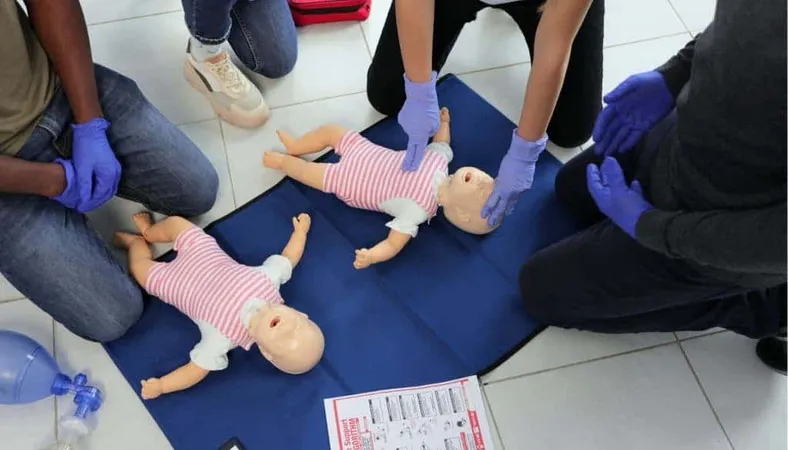
Pediatric Advanced Life Support Training Guide 2026

PALS Secondary Assessment: Complete Study Guide for Certification Prep
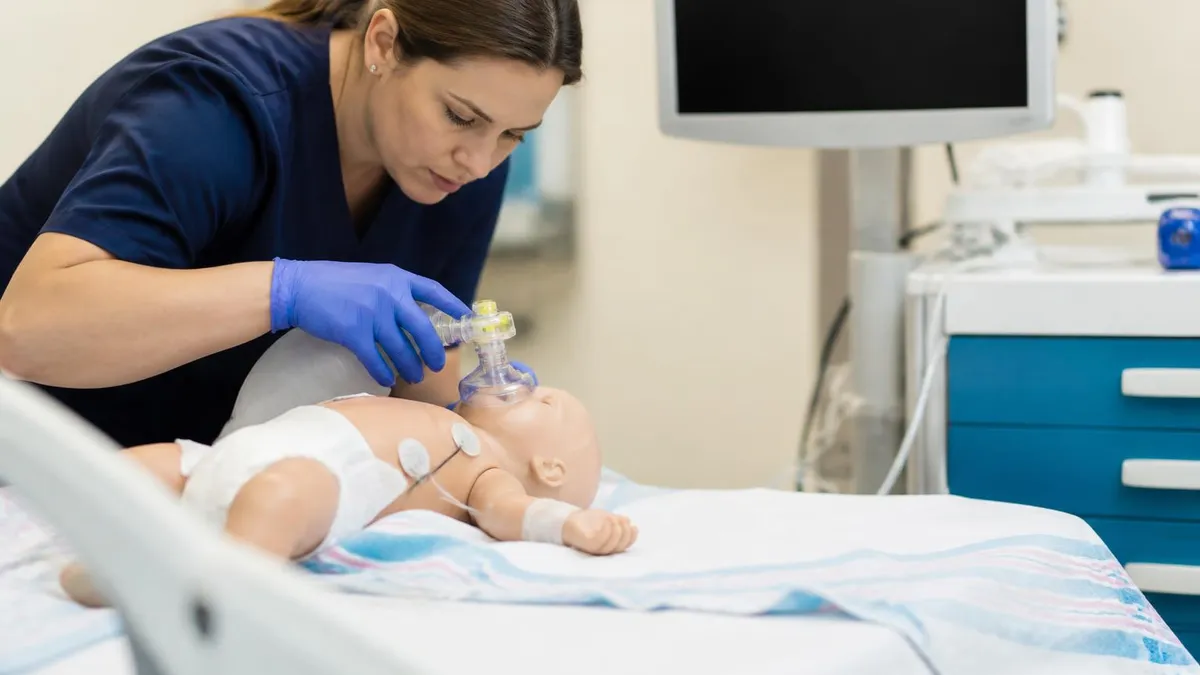
HeartCode PALS Answers: Olivia Lopez Case & 2026 Algorithm Guide
About the Author

Registered Nurse & Healthcare Educator
Johns Hopkins University School of NursingDr. Sarah Mitchell is a board-certified registered nurse with over 15 years of clinical and academic experience. She completed her PhD in Nursing Science at Johns Hopkins University and has taught NCLEX preparation and clinical skills courses for nursing students across the United States. Her research focuses on evidence-based exam preparation strategies for healthcare certification candidates.
Join the Discussion
Connect with other students preparing for this exam. Share tips, ask questions, and get advice from people who have been there.
View discussion (8 replies)