
How to Get CPR Certified Online: Complete 2026 September Training Guide
Learn how to get CPR certified online in 2026 September. Covers ACLS algorithm, PALS certification, infant CPR, AED use, and life support training requirements. 🧠
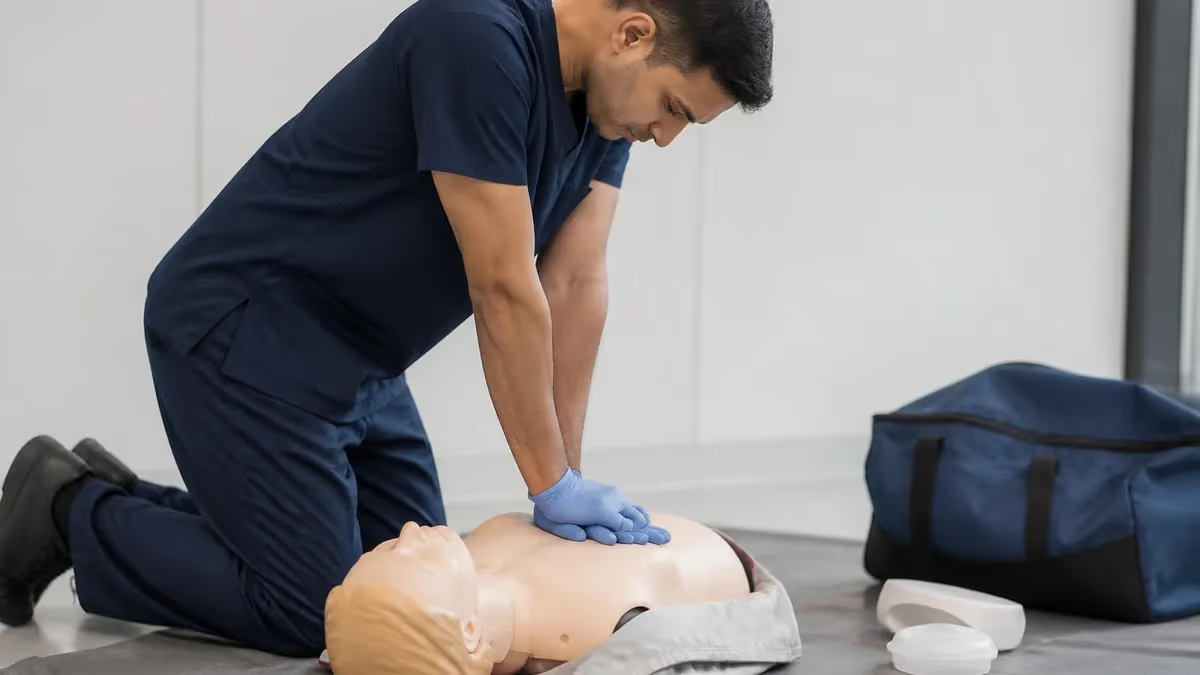
Understanding how to get CPR certified online has never been more accessible — or more important. Cardiac arrest strikes more than 350,000 Americans outside of a hospital every year, and survival rates nearly double when a bystander performs high-quality CPR within the first few minutes. Whether you are a healthcare professional pursuing advanced credentials, a teacher meeting workplace requirements, or a parent who wants to be prepared, an online CPR certification program can fit your schedule without sacrificing the skills you need to save a life.
Online CPR training programs range from basic hands-only instruction to comprehensive courses that walk you through the full ACLS algorithm used by emergency medical teams. Most accredited programs pair self-paced digital coursework with a brief in-person skills evaluation, allowing you to absorb critical concepts at your own pace before demonstrating competency on a manikin. This blended format has become the gold standard endorsed by major certifying bodies and is accepted by the vast majority of employers across healthcare, education, and public safety.
Before you enroll, it helps to understand the certification landscape. The American Heart Association (AHA), American Red Cross, and the National CPR Foundation each offer nationally recognized programs at different price points and skill levels. Basic CPR certification covers adult chest compressions and rescue breathing, while advanced tracks add PALS certification for pediatric emergencies, infant CPR protocols, airway management, and the use of an automated external defibrillator. Knowing which credential your employer or licensing board requires will save you time and money upfront.
Cost is a common concern, and the good news is that online certification is significantly cheaper than traditional classroom-only courses. Basic CPR certification through a blended online program typically runs between $20 and $75, depending on the provider and whether you need a printed card mailed to you. Advanced life support courses cost more — ACLS certification can range from $150 to $300 — but many employers reimburse the fee when certification is a job requirement. Some community organizations even offer free or subsidized training for volunteers and low-income residents.
The certification card you receive after passing both the online knowledge exam and the hands-on skills check is generally valid for two years. Renewal courses are shorter than initial certification and can usually be completed entirely online, making it easy to stay current without taking a full day off work. If you let your card lapse, most providers require you to repeat the full initial course rather than a refresher, so tracking your expiration date matters.
This guide walks you through every stage of the online CPR certification journey: choosing the right course level, understanding what the training covers, preparing for the knowledge exam, completing the skills session, and maintaining your credential over time. You will also find practical comparisons of major certification providers, a breakdown of costs, and links to how to get cpr certified online through trusted programs vetted by our editorial team. By the end, you will have a clear, actionable roadmap for earning — and keeping — your CPR certification.
Whether your goal is personal preparedness, professional advancement, or meeting a regulatory deadline, online CPR training delivers everything you need in a format designed for real life. The skills you build could be the difference between life and death for a colleague, a stranger, or someone you love. Let's get started.
CPR Certification by the Numbers
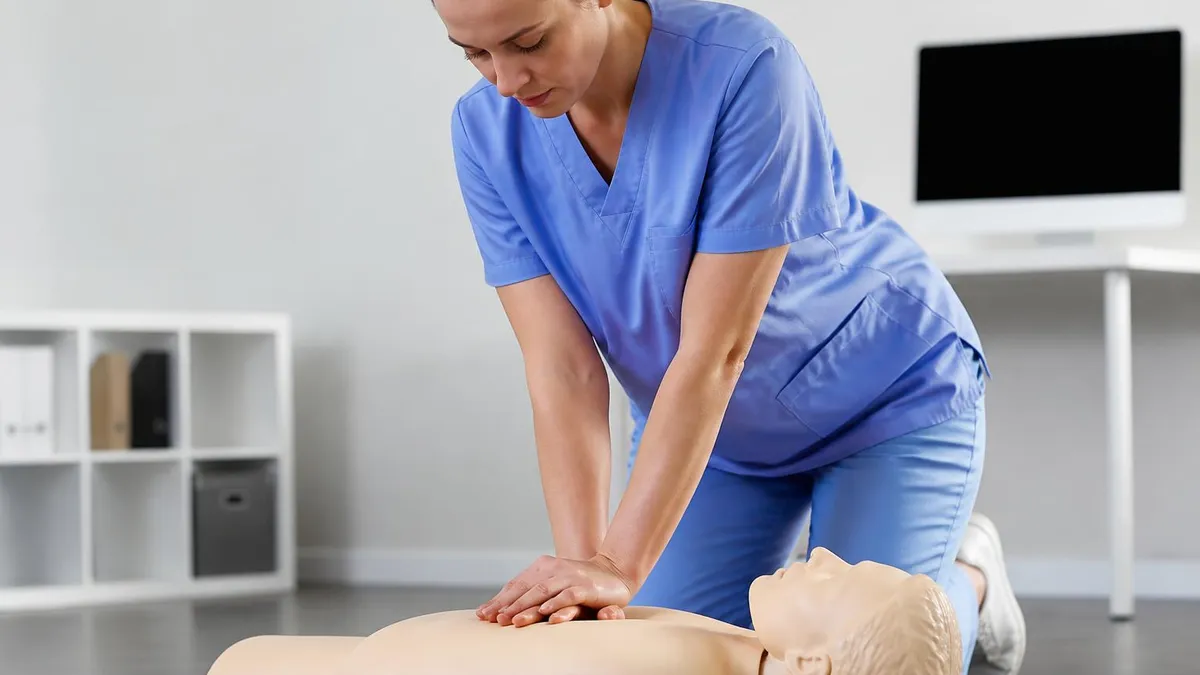
How to Get CPR Certified Online: Step-by-Step
Identify the Certification Level You Need
Choose an Accredited Online Provider
Complete the Online Coursework
Pass the Online Knowledge Exam
Complete the In-Person Skills Session
Receive Your Certification Card
Choosing the right certification level is the most important decision you will make before enrolling in any online CPR program. The landscape is more layered than many people realize: a basic bystander CPR card is sufficient for personal readiness and many non-clinical workplace requirements, but healthcare providers, first responders, and school nurses often need a higher-tier credential that includes bag-mask ventilation, two-rescuer techniques, and advanced airway management. Picking the wrong tier wastes money and may leave you short of what your employer actually needs.
Basic CPR certification — sometimes called Heartsaver CPR/AED — is designed for non-healthcare laypeople. It covers adult chest compressions, rescue breathing, hands-only CPR, and the fundamentals of how to operate an AED (automated external defibrillator, for those wondering what does AED stand for). This course is appropriate for teachers, coaches, office workers, babysitters, and anyone who wants to be prepared for a cardiac emergency at home or in the community. Most online blended programs can issue this card in a single day.
BLS (Basic Life Support) for Healthcare Providers is a step above. It includes all Heartsaver content plus two-rescuer CPR, bag-mask ventilation, and a stronger emphasis on team dynamics and communication during a resuscitation event. Nurses, medical assistants, dental hygienists, and allied health students typically need BLS rather than basic CPR. The AHA's BLS Provider Course is the most widely recognized version, though the Red Cross Healthcare Provider CPR course is accepted by most of the same employers.
ACLS (Advanced Cardiovascular Life Support) is required for physicians, registered nurses working in critical care or emergency departments, paramedics, and other advanced providers. The ACLS algorithm covers the systematic approach to managing cardiac arrest and life-threatening arrhythmias, including the recognition of shockable versus non-shockable rhythms, appropriate medication dosing, and post-cardiac arrest care. Online ACLS renewal courses have become popular precisely because experienced providers can review the algorithm at their own pace before the hands-on evaluation.
PALS certification (Pediatric Advanced Life Support) is a parallel advanced track focused on emergencies involving children. It covers pediatric assessment, respiratory distress, shock recognition, and the specific compression-to-ventilation ratios used for child and infant resuscitation. Pediatric nurses, pediatric emergency physicians, and transport teams are the most common PALS candidates. Like ACLS, PALS is available in a blended online-plus-skills format that most hospitals and outpatient clinics accept for credentialing purposes.
Infant CPR deserves special mention as a standalone skill set, even within broader courses. Infant CPR uses two fingers rather than the heel of the hand for compressions, targets a compression depth of 1.5 inches rather than 2–2.4 inches for adults, and applies a slightly different head-tilt angle to open the airway without hyperextending the fragile neck. Parents of newborns, childcare workers, and pediatric healthcare providers should confirm that their chosen course explicitly covers infant CPR technique, not just adult and child protocols.
Finally, consider specialty add-ons: First Aid certifications pair naturally with CPR and are often bundled at a discount. Bloodborne pathogens training is required in many healthcare workplaces and can be completed fully online with no skills component. Some providers also bundle oxygen administration and naloxone (Narcan) training for workplaces at elevated risk. Taking a bundled course from a single accredited provider streamlines your recordkeeping and often reduces the total cost compared to purchasing individual modules separately.
CPR Practice Test Questions
Prepare for the CPR Cardiopulmonary Resuscitation Practice exam with our free practice test modules. Each quiz covers key topics to help you pass on your first try.
CPR Basic CPR
CPR Exam Questions covering Basic CPR. Master CPR Test concepts for certification prep.
CPR and First Aid
Free CPR Practice Test featuring and First Aid. Improve your CPR Exam score with mock test prep.
CPR (Cardiopulmonary Resuscitation) Adult ...
CPR Mock Exam on (Cardiopulmonary Resuscitation) Adult CPR and AED Usage. CPR Study Guide questions to pass on your first try.
CPR (Cardiopulmonary Resuscitation) Airway...
CPR Test Prep for (Cardiopulmonary Resuscitation) Airway Obstruction and Choking. Practice CPR Quiz questions and boost your score.
CPR (Cardiopulmonary Resuscitation) Cardio...
CPR Questions and Answers on (Cardiopulmonary Resuscitation) Cardiopulmonary Emergency Recognition. Free CPR practice for exam readiness.
CPR (Cardiopulmonary Resuscitation) Child ...
CPR Mock Test covering (Cardiopulmonary Resuscitation) Child and Infant CPR. Online CPR Test practice with instant feedback.
CPR (Cardiopulmonary Resuscitation) High-P...
Free CPR Quiz on (Cardiopulmonary Resuscitation) High-Performance Team Dynamics. CPR Exam prep questions with detailed explanations.
CPR (Cardiopulmonary Resuscitation) Legal ...
CPR Practice Questions for (Cardiopulmonary Resuscitation) Legal and Ethical Considerations. Build confidence for your CPR certification exam.
CPR for Specific Populations
CPR Test Online for for Specific Populations. Free practice with instant results and feedback.
CPR Airway & Breathing Management
CPR Exam Questions covering Airway & Breathing Management. Master CPR Test concepts for certification prep.
CPR Assessment & Recognition of Cardiac Ar...
Free CPR Practice Test featuring Assessment & Recognition of Cardiac Arrest. Improve your CPR Exam score with mock test prep.
CPR Chest Compressions & Defibrillation
CPR Mock Exam on Chest Compressions & Defibrillation. CPR Study Guide questions to pass on your first try.
CPR Post-Resuscitation Care & Recovery
CPR Test Prep for Post-Resuscitation Care & Recovery. Practice CPR Quiz questions and boost your score.
ACLS Algorithm, PALS Certification & Life Support Explained
The ACLS algorithm is a structured, evidence-based decision tree that guides advanced providers through cardiac arrest and peri-arrest emergencies. It begins with the recognition of unresponsiveness, progresses through high-quality CPR and rhythm analysis, and branches based on whether the patient's rhythm is shockable (ventricular fibrillation or pulseless ventricular tachycardia) or non-shockable (asystole or pulseless electrical activity). Each branch specifies when to deliver a shock, which medications to administer and at what dose, and how frequently to pause compressions for rhythm checks.
Mastering the ACLS algorithm before your certification course dramatically improves your performance during the skills evaluation. The AHA recommends practicing the algorithm flow chart until the decision points are automatic, because cognitive overload during a simulated arrest scenario is the most common reason candidates struggle. Online ACLS prep courses break the algorithm into digestible modules — cardiac arrest management, bradycardia, tachycardia, acute coronary syndrome, and stroke — so you can focus on one pathway at a time before integrating the full sequence.
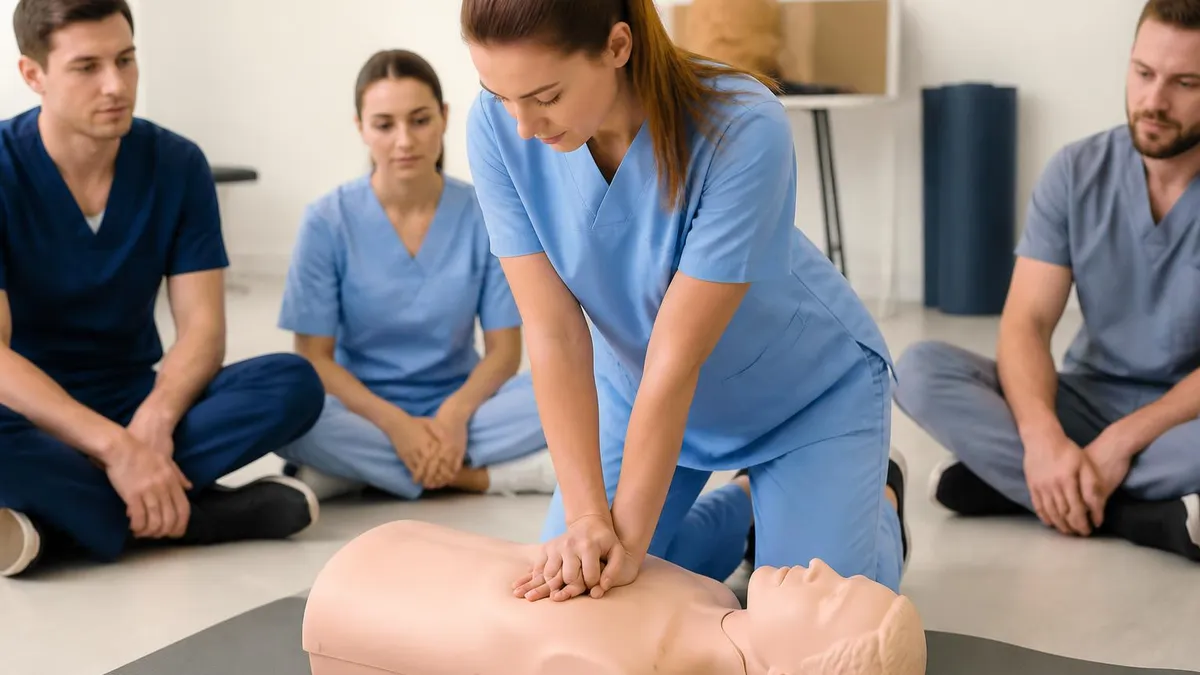
Online CPR Certification: Advantages and Limitations
- +Complete coursework on your own schedule — evenings, weekends, or during a lunch break — without rearranging your workday
- +Significantly lower cost than traditional classroom-only courses, often $20–$75 for basic certification versus $100+ for in-person-only programs
- +Repeat video modules and knowledge checks as many times as needed before the exam, reinforcing weak areas at no additional charge
- +Digital certification card issued within hours of passing, meeting urgent employer deadlines without waiting for a mailed document
- +Accepted by the vast majority of hospitals, schools, gyms, and public safety employers when issued by an AHA- or Red Cross-affiliated provider
- +Reduces in-person time to a focused 30–60 minute skills check rather than a full-day classroom commitment
- −Skills sessions must still be completed in person, requiring you to find a local training site and schedule an appointment
- −Hands-on practice time is compressed compared to traditional courses, which can leave some learners feeling less confident with manikin technique
- −Not all employers accept blended online certifications — some hospital systems and government agencies require fully in-person AHA classes
- −Internet connectivity and device compatibility issues can interrupt coursework, and technical support quality varies by provider
- −Self-paced learning requires discipline; without a live instructor, it is easier to rush through content without fully absorbing the material
- −Skills session availability may be limited in rural areas, creating scheduling delays that undermine the convenience advantage of online study
Online CPR Certification Exam Preparation Checklist
- ✓Confirm your employer's or licensing board's specific certification requirements before purchasing any course.
- ✓Choose an accredited provider — AHA, Red Cross, or National CPR Foundation — verified as accepted by your workplace.
- ✓Complete all video modules fully rather than skipping ahead, even if you have prior CPR training.
- ✓Memorize the adult CPR compression rate (100–120 per minute) and depth (at least 2 inches) before the exam.
- ✓Review the compression-to-ventilation ratios: 30:2 for single-rescuer adult and child CPR, 15:2 for two-rescuer child CPR.
- ✓Study the infant CPR technique: two-finger compressions on the center of the chest, 1.5-inch depth, gentle head-tilt.
- ✓Understand what does AED stand for and practice the four-step AED sequence: power on, attach pads, analyze, shock and resume.
- ✓Review the recovery position (position recovery) for unconscious breathing victims to prevent airway compromise.
- ✓Take at least two full practice exams using free online CPR practice questions before your official knowledge test.
- ✓Book your in-person skills session before finishing the online coursework so there is no delay between exam and card issuance.
The Single Most Tested CPR Concept
Across every major CPR knowledge exam — from basic Heartsaver to ACLS — the most frequently tested concept is minimizing interruptions to chest compressions. The AHA guideline is a pause of no more than 10 seconds for any intervention, including rhythm checks, shock delivery, and airway placement. If you remember nothing else, remember this: keep pushing, and push hard.
The in-person skills session is where online CPR certification transitions from digital knowledge to physical muscle memory. Even experienced healthcare providers are sometimes surprised by how quickly fatigue sets in during real chest compressions. The AHA recommends rotating rescuers every two minutes during actual cardiac arrest management — the same duration as a single CPR cycle — because compression quality degrades measurably after that point. Practicing this handoff with a partner before your skills session will make the evaluation feel routine rather than stressful.
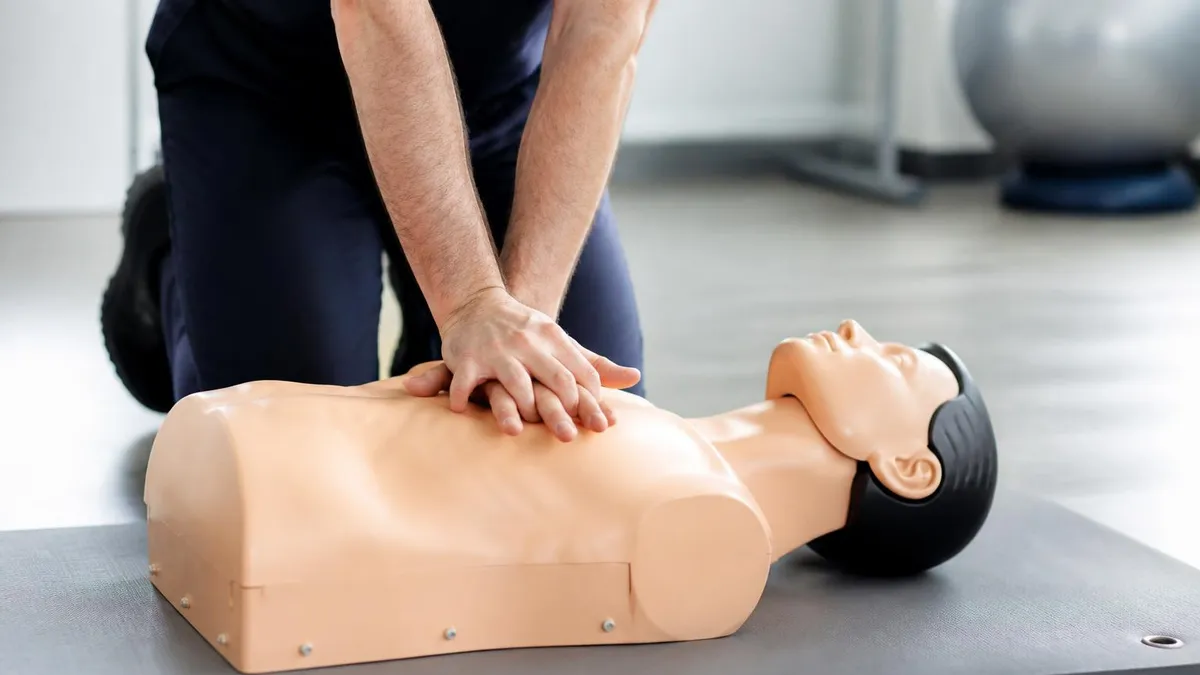
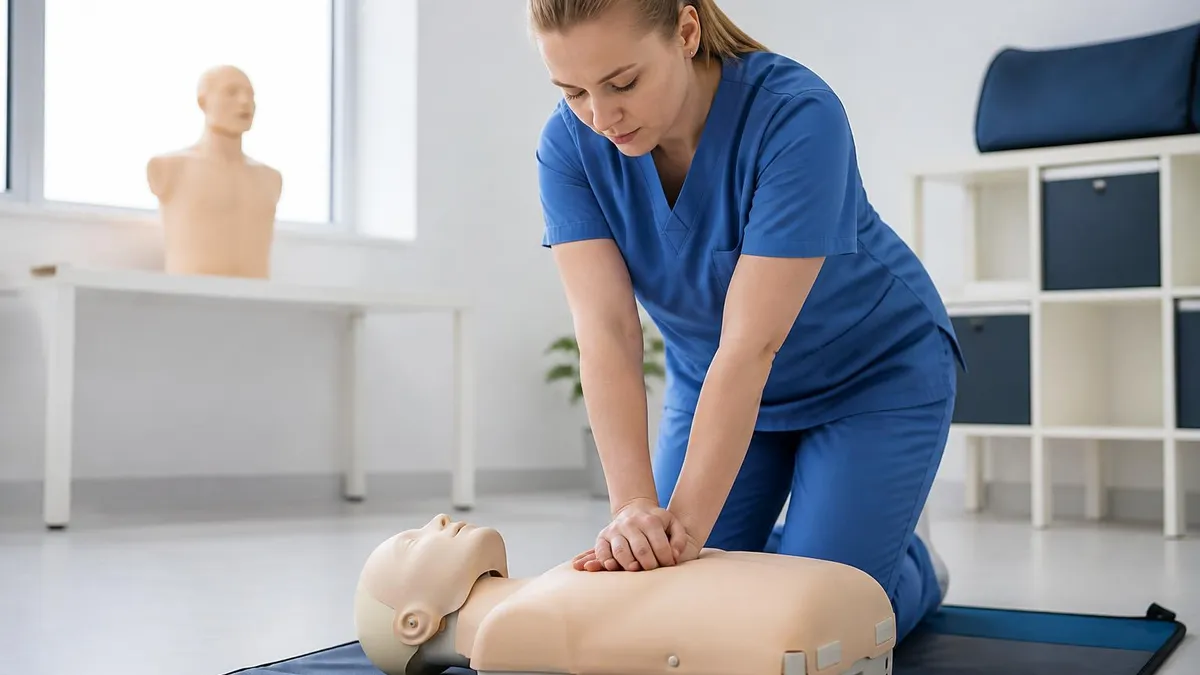
During your skills check, the instructor will evaluate several discrete elements: your hand position (heel of dominant hand on the lower half of the sternum, second hand layered on top), your arm position (elbows locked, shoulders directly over the victim), compression depth (at least 2 inches for an adult, 1.5 inches for an infant), rate (100–120 per minute), and whether you allow full chest recoil between compressions. Partial recoil — where you keep downward pressure on the chest between compressions — reduces venous return to the heart and is one of the most common technique errors flagged by instructors.
Rescue breathing is evaluated separately. The instructor will watch your head-tilt-chin-lift technique to ensure adequate airway opening, check that you create a seal around the victim's mouth or use the mask correctly, and verify that each breath is delivered over approximately one second and produces visible chest rise.
Over-ventilation — breathing too hard, too fast, or at too high a respiratory rate — is flagged as a failure point because it increases intrathoracic pressure, reduces coronary perfusion pressure, and can cause gastric inflation. One breath every 5–6 seconds is the correct rate for an adult with an advanced airway in place.
AED operation is the third skills domain assessed. You will be given an AED trainer — a non-functional device that mimics the real machine — and asked to power it on, attach the electrode pads to the correct anatomical positions (right clavicle, left lateral chest wall below the armpit), analyze the rhythm when prompted, clear bystanders verbally and visually before shocking, and immediately resume compressions after the shock without waiting to check for a pulse. The entire sequence should be seamless and confident.
Renewal timing is a topic many certified providers underestimate. Your CPR card expires exactly two years from the issue date, not the skills check date. If you complete the online portion in January but cannot schedule your skills session until March, your card will still expire two years from March. This matters because many employers have compliance windows — if your card expires during a hospital audit, you may be pulled from patient care until you renew. Build a renewal reminder into your calendar app the day you receive your card, set for 90 days before expiration.
Renewal courses for most certifications are substantially shorter than initial courses. AHA BLS renewal, for example, can be completed in approximately 30 minutes of online video review followed by a 30-minute skills check. ACLS renewal typically requires 4–6 hours of online study versus the 8–12 hours for initial certification. Some providers allow fully online renewal without a skills session for non-clinical settings, though healthcare employers almost universally require the hands-on component. Always confirm renewal requirements with your HR or credentialing department before purchasing a renewal course.
If your certification has lapsed — even by a day — most providers require you to complete the full initial course rather than the renewal track. This is both a competency safeguard and a liability management decision by certifying bodies. The practical implication: renewal is almost always faster and cheaper than re-certification, so treat your expiration date as a hard deadline. Some providers send email reminders at 90 and 30 days before expiration, but you should not rely on third-party reminders for a credential that affects your professional standing.
Not every online blended CPR certification is accepted by every employer. Some hospital systems, government agencies, and state licensing boards require fully in-person AHA or Red Cross classes and will not accept a blended course even from a nationally recognized provider. Before purchasing any online program, contact your HR department, credentialing office, or state board in writing to confirm the specific course format they accept. This one step can prevent you from paying for a credential you cannot use.
The cost landscape for online CPR certification is more varied than most people expect, and understanding the pricing tiers before you shop will help you avoid overpaying or inadvertently selecting a low-quality provider. At the most accessible end, free and low-cost bystander CPR training is widely available through local fire departments, community health organizations, and the American Heart Association's free Hands-Only CPR video resources. These free options do not issue an accredited certification card, but they provide valuable foundational knowledge for individuals focused purely on personal readiness rather than professional credentialing.
Accredited basic CPR/AED certification through a blended online program typically costs between $20 and $75 through major providers. The National CPR Foundation offers courses starting around $16–$19 with a digital card included, while AHA-affiliated training centers generally charge $40–$65 for Heartsaver CPR/AED. American Red Cross blended courses run $50–$75 and include access to their online learning platform for 30 days. Additional fees to watch for include physical card shipping ($5–$15), skills session fees charged separately by the hosting training site ($20–$50 in some markets), and replacement card fees if you lose your original.
BLS for Healthcare Providers costs more due to the expanded scope and stricter skills evaluation requirements. Expect to pay $55–$90 for the online coursework, plus any skills session fee. ACLS certification is the most expensive standard tier, ranging from $150 to $300 for initial certification through most major providers, with renewal courses running $100–$180. PALS certification is similarly priced to ACLS, often bundled with ACLS at a discount by hospital-affiliated training centers. If your employer requires both ACLS and PALS, purchasing a bundle can save $50–$100 versus buying each separately.
Many employers fully reimburse CPR and life support certification costs when the credential is a job requirement. If you work in healthcare, ask your manager or HR department about the reimbursement process before you enroll. Some organizations require pre-approval or a specific provider, so get written confirmation before you pay. For self-employed healthcare providers such as locum physicians, independent nurse practitioners, and traveling nurses, certification costs are generally tax-deductible as a professional education expense — consult a tax professional to confirm how this applies to your situation.
Comparing providers goes beyond price. Evaluate the quality and accessibility of the online learning platform, whether the coursework is mobile-friendly, how responsive customer support is, and the density of affiliated skills session sites in your area. A $19 course from a provider with no skills partners within 50 miles of your home is a poor deal compared to a $55 course from a provider with dozens of local affiliates. Reading verified reviews on platforms like Trustpilot or Google can surface patterns about card delivery delays, technical issues, and instructor quality at skills sites.
Provider accreditation matters more than marketing language. Terms like "nationally recognized," "AHA-aligned," or "AHA-compliant" do not mean the course is an official AHA product. Only courses offered directly by AHA Training Centers or authorized AHA instructors issue official AHA certification cards. If your employer specifies "AHA BLS" on a job posting, they typically mean the official AHA product, not a third-party course that teaches AHA guidelines. When in doubt, call the employer's credentialing team and ask which providers appear on their accepted list.
For anyone exploring their options in detail, our comprehensive resource on how to get cpr certified online provides a curated comparison of accredited providers, current pricing, and employer acceptance rates by credential type. Use that guide alongside the information here to make a fully informed decision before you enroll, and you will arrive at your skills session confident, prepared, and on track to earn a credential that is recognized exactly where you need it to be.
Practical preparation for your CPR knowledge exam starts long before you sit down to take it. The most effective strategy is spaced repetition: instead of cramming all content the night before, review one or two modules per day over the week leading up to your exam. Studies on procedural skill retention consistently show that distributed practice produces stronger long-term recall than massed study sessions, and CPR is a skill you may need to execute under extreme stress — which makes solid memory encoding especially important.
Focus your study energy on the content areas that carry the most exam weight: compression mechanics, rescue breathing ratios and techniques, AED operation, choking response for adults and infants, and the recognition of cardiac and respiratory emergencies. For ACLS-level candidates, add the full cardiac arrest algorithm, bradycardia and tachycardia pathways, and the post-cardiac arrest care bundle. For PALS candidates, prioritize the Pediatric Assessment Triangle, respiratory failure versus respiratory arrest distinctions, and the specific drug doses and routes used in pediatric resuscitation.
Free practice exams are one of the most underutilized preparation tools available to CPR candidates. Taking timed practice tests under simulated exam conditions exposes knowledge gaps, helps you manage time pressure, and builds familiarity with the question style before your official attempt. Our platform offers multiple free CPR practice quizzes covering every major domain — basic CPR, AED use, infant CPR, airway obstruction, and emergency recognition — that mirror the format and difficulty level of real certification exams. Using them in the final 48 hours before your test is particularly effective for consolidating recently reviewed material.
Physical preparation for your skills session is equally important and often overlooked. Chest compressions at the correct depth and rate are genuinely fatiguing, especially if you are unaccustomed to the motion. Practicing on a couch cushion, a rolled blanket, or a CPR feedback app can help you develop the arm position and body mechanics before you arrive at the evaluation. Many providers sell affordable home practice manikins, and some local libraries and community centers lend them. At a minimum, practice locking your elbows, positioning your shoulders directly over your hands, and counting compression rhythm aloud before your skills check.
On the day of your skills session, arrive a few minutes early to review the evaluation criteria sheet if the instructor provides one. Communicate openly with your evaluator: if you are nervous, say so. Instructors are not looking for perfection — they are confirming that your technique is safe and effective. Most will give coaching cues during the evaluation and allow you to correct minor errors in real time. If you fail a specific skill, most programs allow one same-day retry before requiring you to schedule a second session.
After passing your skills check, download your digital certification card immediately and save it in at least two locations: your email, your phone's photo library, and ideally a cloud storage folder. Employers increasingly accept digital card verification, but having a backup prevents problems if your primary device is unavailable. Some providers offer wallet-sized physical cards, and for healthcare providers who must carry their credentials at all times during clinical shifts, the physical card is worth the small additional fee.
Finally, think about how you will maintain the physical skills after certification. Attending a CPR community training event, volunteering as a CPR coach, or simply reviewing the AHA's free Hands-Only CPR refresher video annually keeps the technique fresh. Research shows that CPR skill quality degrades within three to six months without practice, so your two-year certification window is not a license to forget the material — it is a framework for systematic renewal. The goal of certification is not the card; it is the readiness to act when someone's life depends on it.
CPR Questions and Answers
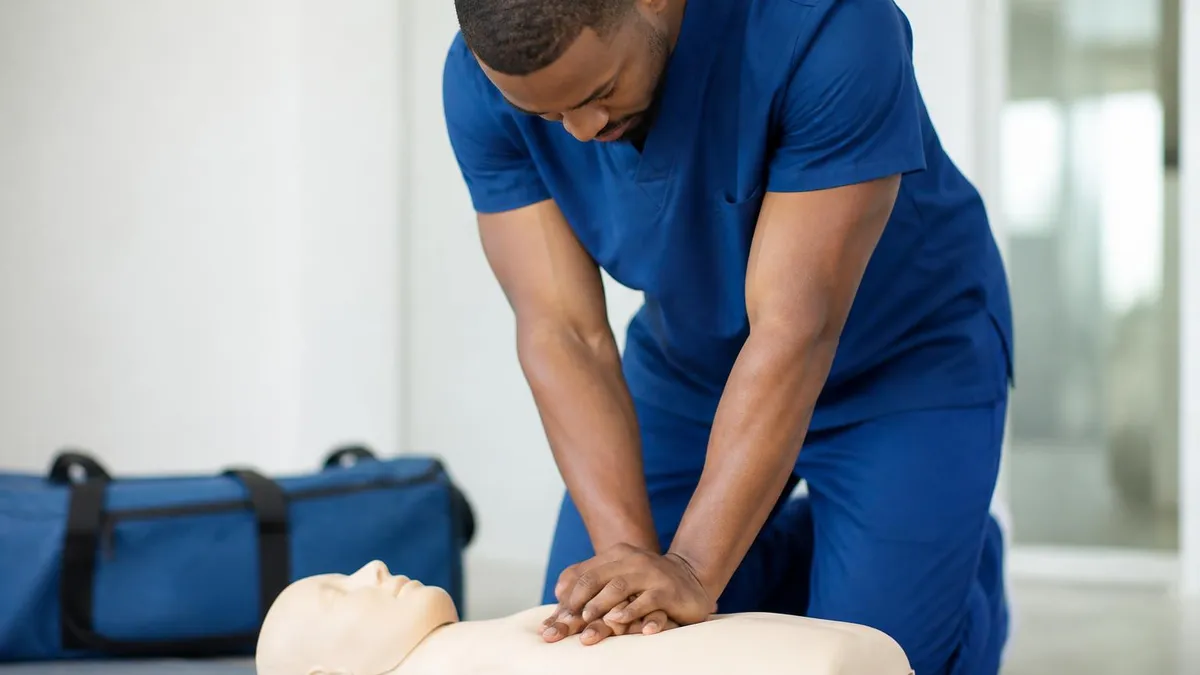
CPR Courses: Complete Guide to ACLS Algorithm, PALS Certification, and Life Support Training in 2026
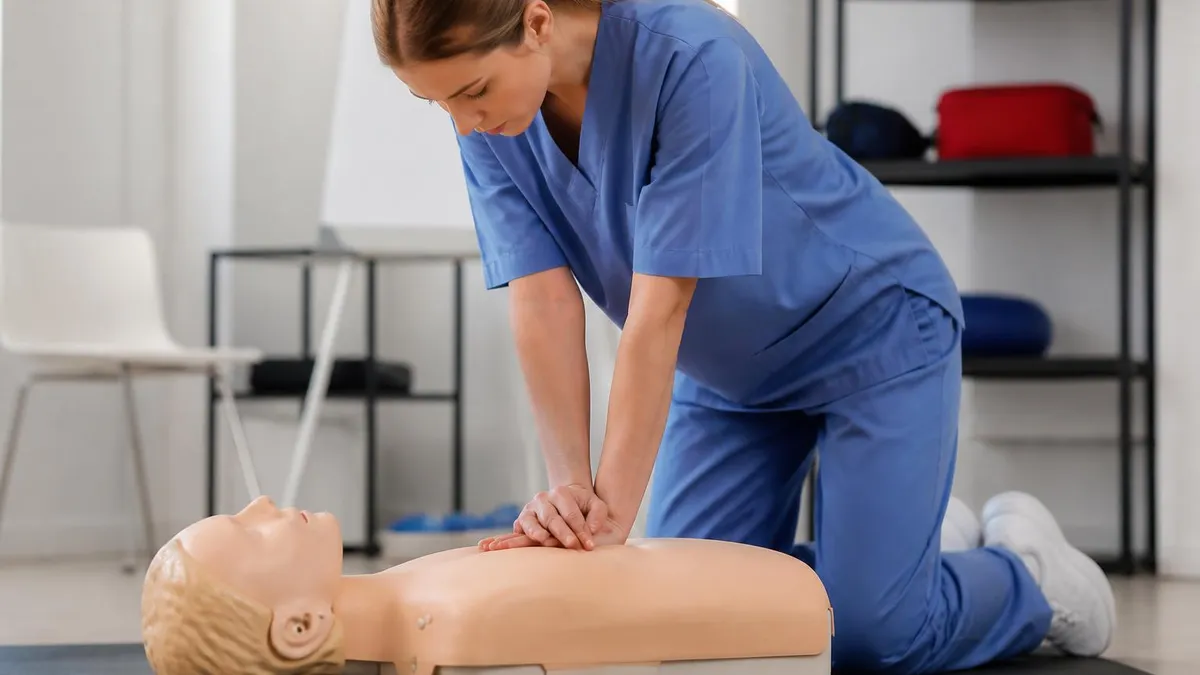
Types of CPR Training: From Basic Life Support to ACLS Algorithm Mastery in 2026
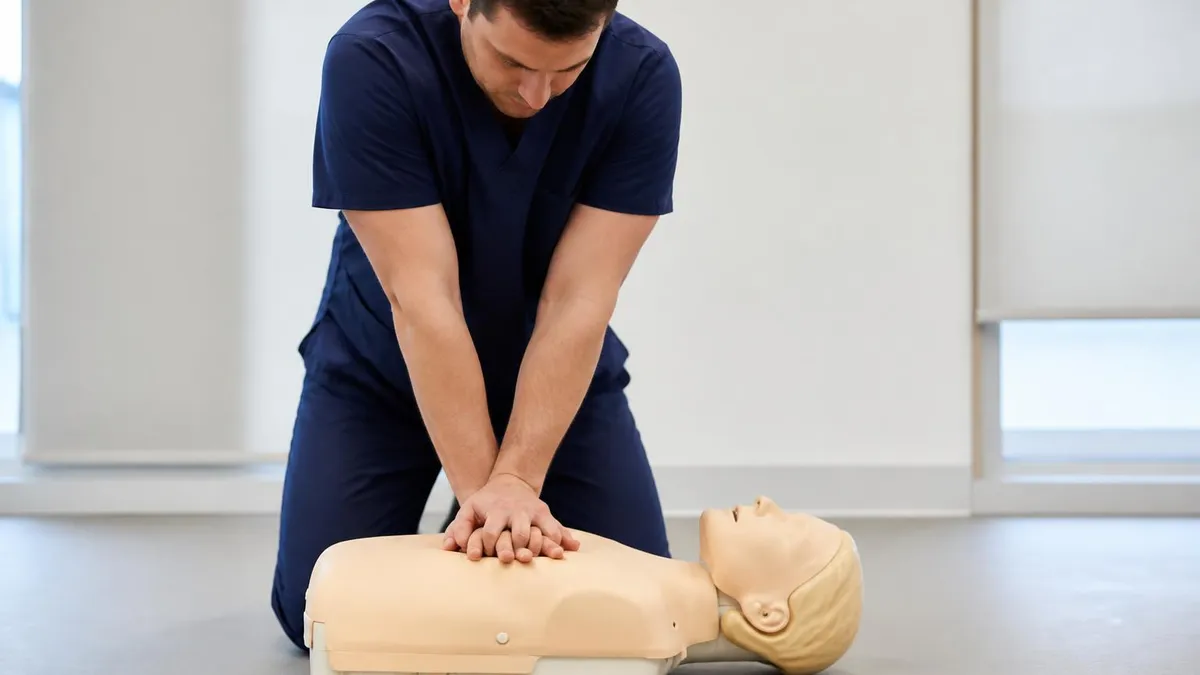
BLS vs CPR: Is BLS the Same as CPR? Complete 2026 Guide
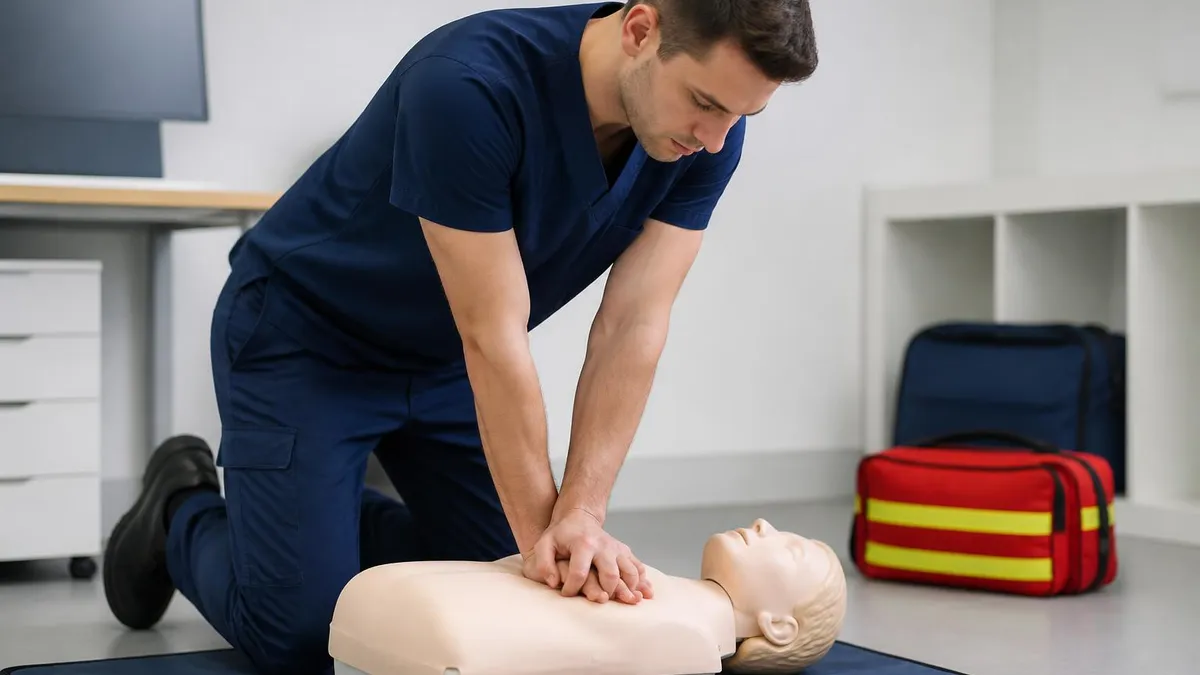
Adult CPR: Complete Step-by-Step Guide to Hands-Only and Standard CPR in 2026
Free CPR Training: Complete Guide to ACLS Algorithm, PALS Certification, and Life Support Skills in 2026
About the Author

Registered Nurse & Healthcare Educator
Johns Hopkins University School of NursingDr. Sarah Mitchell is a board-certified registered nurse with over 15 years of clinical and academic experience. She completed her PhD in Nursing Science at Johns Hopkins University and has taught NCLEX preparation and clinical skills courses for nursing students across the United States. Her research focuses on evidence-based exam preparation strategies for healthcare certification candidates.
Join the Discussion
Connect with other students preparing for this exam. Share tips, ask questions, and get advice from people who have been there.
View discussion (5 replies)