
CPR Class Online: Complete Guide to ACLS Algorithm, PALS Certification, and Life Support Training in 2026
Learn how a CPR class online works, what ACLS algorithm and PALS certification cover, costs, and how to choose the right life support training in 2026. ✍🏼
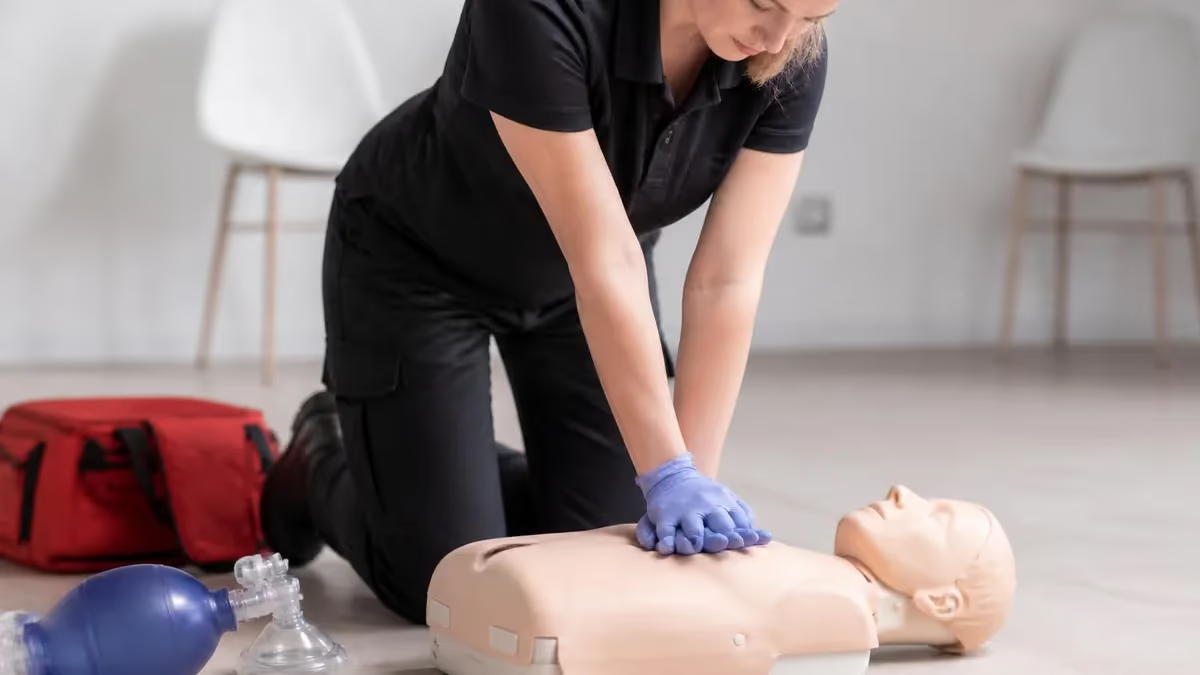
Taking a cpr class online has become one of the most accessible ways for millions of Americans to gain certified life-saving skills without rearranging their entire schedule. Whether you are a healthcare professional chasing ACLS algorithm mastery, a parent wanting to learn infant CPR, or an employer meeting OSHA training requirements, digital platforms now deliver accredited coursework that meets the same standards as in-person programs. The flexibility is real, and in 2026, the technology behind these courses has advanced enough that even hands-on skill verification can be completed through blended hybrid models.
Understanding the landscape before you enroll is critical. Not every online CPR program is created equal, and the certification you receive must align with your specific professional or personal needs. A nurse renewing basic life support credentials has very different requirements than a fitness trainer completing an initial certification, and both differ sharply from a physician working through ACLS algorithm protocols or a pediatric nurse pursuing PALS certification. Knowing what each course covers helps you invest your time and money wisely.
This guide breaks down everything you need to know about online CPR training in 2026: the types of courses available, what the ACLS algorithm actually covers, how infant CPR differs from adult techniques, what AED stands for and how to use one, recovery position fundamentals, respiratory rate monitoring, and the step-by-step process of choosing and completing a course that earns you a recognized certificate. We also cover costs, provider comparisons, and the critical question of whether fully online certification is accepted by your employer or licensing board.
The National CPR Foundation and similar nationally recognized organizations have been at the forefront of making life support education accessible. These platforms have invested heavily in video-based skill demonstrations, interactive decision trees that mirror real emergency scenarios, and knowledge assessments that rigorously test understanding of compression depth, rate, and sequencing. Their certifications are widely recognized across hospitals, schools, gyms, and corporate environments, making them a legitimate alternative to traditional classroom instruction for many learners.
One frequently misunderstood topic in this space is the distinction between basic CPR, basic life support (BLS), ACLS, and PALS. Each level builds on the previous one and serves a different clinical context. A basic CPR course teaches the fundamental compression-and-ventilation cycle. BLS training adds mask-to-face rescue breathing and two-rescuer coordination. The ACLS algorithm layer introduces cardiac rhythm interpretation, pharmacology, and team-based resuscitation for advanced providers. PALS certification extends those concepts specifically to pediatric emergencies, covering everything from neonatal respiratory distress to pediatric arrhythmia management. Understanding where you fit in this hierarchy prevents you from over- or under-training.
CPR in the emergency-medicine context stands for cardiopulmonary resuscitation, a structured sequence of chest compressions and rescue breaths designed to maintain circulatory function when the heart has stopped.
This guide is entirely focused on that life-saving skill set, not device repair services — though the coincidence of acronyms does highlight how important it is to be precise about what you are searching for when choosing an online training provider.
By the time you finish reading this article, you will have a clear picture of every major component of online CPR training, from understanding what does AED stand for and how an automated external defibrillator integrates into a resuscitation sequence, to navigating the continuing education requirements for licensed healthcare workers. Whether this is your first certification or a periodic renewal, the information here will help you train smarter, pass your assessment on the first attempt, and respond with confidence if a cardiac emergency ever unfolds in front of you.
Online CPR Training by the Numbers
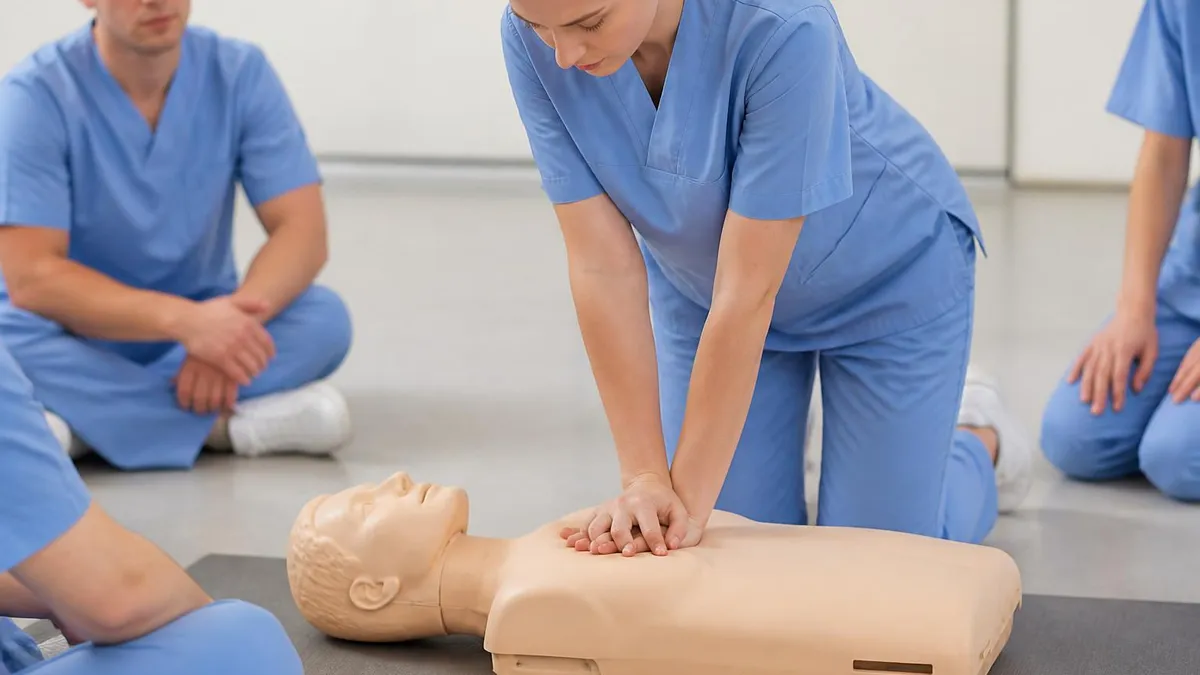
CPR Course Types and Levels
The entry-level course teaching chest compression rate (100–120 per minute), depth (2–2.4 inches for adults), and when to call 911. Suitable for community members with no medical background. Completion typically takes one to two hours online.
Adds rescue breathing, bag-valve-mask technique, two-rescuer coordination, and AED operation to the basic compression skill set. Required for most healthcare workers including nurses, EMTs, and dental hygienists. Renews every two years.
Advanced Cardiovascular Life Support training covers the ACLS algorithm for managing cardiac arrest, stroke, and other life-threatening emergencies. Designed for physicians, advanced practice nurses, and paramedics who lead resuscitation teams.
Pediatric Advanced Life Support targets providers who manage critically ill infants and children. Covers respiratory rate assessment, pediatric arrhythmia recognition, infant CPR modifications, and weight-based drug dosing in emergency scenarios.
Bundles standard CPR training with first aid fundamentals including bleeding control, choking response, and recovery position technique. Popular among teachers, coaches, childcare providers, and workplace safety officers.
The ACLS algorithm is the backbone of advanced resuscitation training and represents the most evidence-based systematic approach to managing cardiac arrest, acute coronary syndrome, stroke, and other cardiovascular emergencies. Developed and regularly updated by the American Heart Association, the algorithm provides a structured decision tree that advanced healthcare providers follow when a patient loses a pulse or experiences a life-threatening rhythm. Understanding how the algorithm is organized helps learners appreciate why online ACLS training requires significantly more time and rigor than a basic CPR refresh.
At its core, the cardiac arrest ACLS algorithm begins with confirmation of unresponsiveness and absence of normal breathing, followed immediately by activation of the emergency response system. High-quality CPR starts within seconds: compressions at 100 to 120 per minute, full chest recoil, minimal interruptions, and a compression-to-ventilation ratio of 30:2 unless an advanced airway is in place. Once a monitor is attached, the algorithm branches based on whether the rhythm is shockable (ventricular fibrillation or pulseless ventricular tachycardia) or non-shockable (asystole or pulseless electrical activity). Each branch dictates specific shock energy levels, vasopressor timing, antiarrhythmic administration, and team communication protocols.
Epinephrine dosing is a key pharmacology element in the ACLS algorithm. For non-shockable rhythms, epinephrine 1 mg IV/IO is given as soon as vascular access is available and repeated every three to five minutes. For shockable rhythms, epinephrine enters after the second shock. Amiodarone or lidocaine may be added after the third shock if ventricular fibrillation persists.
Advanced providers must also manage airway progression from bag-mask ventilation to supraglottic airway to endotracheal intubation while ensuring compressions continue without prolonged pauses. Monitoring end-tidal CO2 values above 10 mmHg is used as a quality indicator for CPR effectiveness and a potential sign of return of spontaneous circulation.
Online ACLS training typically unfolds over eight to twelve hours of content spread across multiple modules. Learners watch high-definition simulation videos, work through interactive branching scenarios where they must select the correct intervention at each decision point, and complete megacode practice modules that simulate a full resuscitation from initial arrest through post-cardiac arrest care.
The written assessment usually contains 50 questions drawn from the full algorithm spectrum, and a passing score of 84 percent or higher is standard across most accredited providers. The skills portion, which in a blended-learning model is completed in person at a designated skills-check center, covers BLS competency, rhythm recognition, and megacode performance.
PALS certification follows a similar structure but applies every algorithm principle to patients under 18 years of age, with pediatric-specific weight and age adjustments. The PALS framework is organized around respiratory and circulatory assessment, with systematic evaluation progressing from appearance and work of breathing through skin perfusion and mental status.
Respiratory emergencies — including upper airway obstruction, lower airway disease, lung tissue disease, and disordered control of breathing — are categorized and treated according to severity tiers. Normal respiratory rate ranges shift dramatically by age: a newborn breathes 40 to 60 times per minute, a toddler 24 to 40, and a school-age child 18 to 30. Deviations from age-appropriate respiratory rate norms are among the earliest warning signs of pediatric deterioration that PALS-trained providers are taught to recognize and act upon.
The National CPR Foundation and the American Heart Association both offer online pathways to ACLS and PALS certification that combine self-paced digital coursework with skills-check components. The National CPR Foundation's model allows learners to complete the cognitive portion entirely online and then schedule a skills session at a participating site, while the AHA's HeartCode platform similarly pairs eLearning modules with hands-on competency checks.
Both approaches have been validated in peer-reviewed research showing comparable knowledge retention and skill performance when compared with traditional classroom delivery, provided the online component is completed thoroughly and the skills check is performed by a certified instructor.
Choosing between these platforms often comes down to employer acceptance and geographic access to skills-check locations. Hospital systems that mandate AHA certification may not accept National CPR Foundation cards, and vice versa. Before enrolling in any online ACLS or PALS program, contact your HR department or clinical educator to confirm which issuing organization your facility recognizes. This single step prevents the frustration of completing a rigorous course only to discover that the resulting certificate does not satisfy your employer's specific credentialing requirements — a situation that wastes both time and money and delays your return to patient care.
If you want the full picture, the cpr class online guide walks through it step by step.
For a deeper look at this topic, see our guide to cpr class online.
Readers who want more detail usually continue with cpr class online.
CPR Practice Test Questions
Prepare for the CPR Cardiopulmonary Resuscitation Practice exam with our free practice test modules. Each quiz covers key topics to help you pass on your first try.
CPR Basic CPR
CPR Exam Questions covering Basic CPR. Master CPR Test concepts for certification prep.
CPR and First Aid
Free CPR Practice Test featuring and First Aid. Improve your CPR Exam score with mock test prep.
CPR (Cardiopulmonary Resuscitation) Adult ...
CPR Mock Exam on (Cardiopulmonary Resuscitation) Adult CPR and AED Usage. CPR Study Guide questions to pass on your first try.
CPR (Cardiopulmonary Resuscitation) Airway...
CPR Test Prep for (Cardiopulmonary Resuscitation) Airway Obstruction and Choking. Practice CPR Quiz questions and boost your score.
CPR (Cardiopulmonary Resuscitation) Cardio...
CPR Questions and Answers on (Cardiopulmonary Resuscitation) Cardiopulmonary Emergency Recognition. Free CPR practice for exam readiness.
CPR (Cardiopulmonary Resuscitation) Child ...
CPR Mock Test covering (Cardiopulmonary Resuscitation) Child and Infant CPR. Online CPR Test practice with instant feedback.
CPR (Cardiopulmonary Resuscitation) High-P...
Free CPR Quiz on (Cardiopulmonary Resuscitation) High-Performance Team Dynamics. CPR Exam prep questions with detailed explanations.
CPR (Cardiopulmonary Resuscitation) Legal ...
CPR Practice Questions for (Cardiopulmonary Resuscitation) Legal and Ethical Considerations. Build confidence for your CPR certification exam.
CPR for Specific Populations
CPR Test Online for for Specific Populations. Free practice with instant results and feedback.
CPR Airway & Breathing Management
CPR Exam Questions covering Airway & Breathing Management. Master CPR Test concepts for certification prep.
CPR Assessment & Recognition of Cardiac Ar...
Free CPR Practice Test featuring Assessment & Recognition of Cardiac Arrest. Improve your CPR Exam score with mock test prep.
CPR Chest Compressions & Defibrillation
CPR Mock Exam on Chest Compressions & Defibrillation. CPR Study Guide questions to pass on your first try.
CPR Post-Resuscitation Care & Recovery
CPR Test Prep for Post-Resuscitation Care & Recovery. Practice CPR Quiz questions and boost your score.
Infant CPR and Pediatric Life Support Techniques
Infant CPR differs from adult technique in several critical ways. Compressions are delivered with two fingers placed on the breastbone just below the nipple line, or with the two-thumb-encircling-hands technique when two rescuers are present. Compression depth is one and a half inches — roughly one-third of the infant's chest diameter. The rate remains 100 to 120 per minute, matching adult standards, but the force required is substantially less. Rescue breaths are delivered as gentle puffs covering both the mouth and nose simultaneously, just enough to produce visible chest rise.
Checking responsiveness in an infant means tapping the foot firmly rather than shaking the shoulders, since shaking can cause additional injury. If the infant is unresponsive and not breathing normally, call 911 immediately or direct a bystander to do so while you begin compressions. Five cycles of 30 compressions and 2 breaths should be completed before moving the infant toward emergency services if you are alone. For healthcare providers trained in PALS certification protocols, the ratio shifts to 15:2 with two rescuers, allowing more frequent ventilations to address the respiratory causes that most commonly drive infant cardiac arrest.
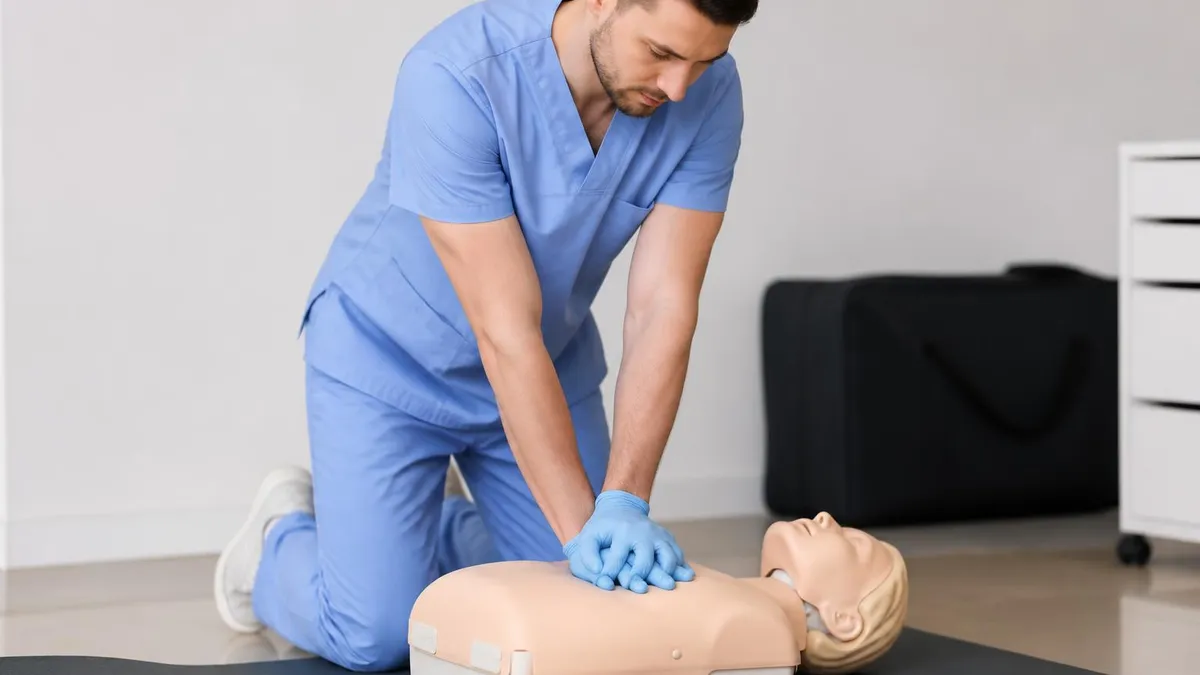
Online CPR Certification: Advantages and Limitations
- +Complete coursework anytime, anywhere — no fixed class schedule required
- +Significant cost savings compared to in-person-only programs (often 30–50% less)
- +Immediate certificate access upon passing the knowledge assessment
- +Self-paced learning allows repeated review of difficult concepts like the ACLS algorithm
- +Wide provider selection lets you choose AHA, Red Cross, National CPR Foundation, or others
- +Blended hybrid models still deliver hands-on skills validation through local skills checks
- −Not all employers or licensing boards accept fully online-only certificates
- −Skills-check locations for blended courses may not be convenient in rural areas
- −No real-time instructor feedback on compression quality or rescue-breath volume
- −Technology barriers (slow internet, incompatible devices) can disrupt course completion
- −Requires strong self-discipline — procrastination is easier without a scheduled class
- −Some platforms use outdated content not aligned with current AHA 2020/2025 guidelines
Pros and Cons at a Glance
| Pros | Cons |
|---|---|
| Complete coursework anytime, anywhere — no fixed class schedule required | Not all employers or licensing boards accept fully online-only certificates |
| Immediate certificate access upon passing the knowledge assessment | Skills-check locations for blended courses may not be convenient in rural areas |
| Self-paced learning allows repeated review of difficult concepts like the ACLS algorithm | No real-time instructor feedback on compression quality or rescue-breath volume |
| Wide provider selection lets you choose AHA, Red Cross, National CPR Foundation, or others | Technology barriers (slow internet, incompatible devices) can disrupt course completion |
| Blended hybrid models still deliver hands-on skills validation through local skills checks | Requires strong self-discipline — procrastination is easier without a scheduled class |
Online CPR Certification Checklist: What to Do Before, During, and After
- ✓Confirm your employer or licensing board accepts the certification issuing organization you plan to use.
- ✓Check whether your required course level is basic CPR, BLS, ACLS algorithm, or PALS certification.
- ✓Verify the course follows the most current AHA guidelines (2020 or 2025 update).
- ✓Test your device, browser, and internet speed before starting to avoid mid-course technical failures.
- ✓Complete all video modules in full — do not skip sections, as assessments draw from every topic.
- ✓Review infant CPR technique differences, respiratory rate norms, and recovery position steps before the quiz.
- ✓Study the ACLS algorithm branches and pharmacology if enrolling in an advanced provider course.
- ✓Schedule your in-person skills check at a nearby site before finishing the online cognitive portion.
- ✓Save your digital certificate immediately after passing and back it up to cloud storage.
- ✓Set a calendar reminder 22 months from your certification date to begin the renewal process early.
The 10-Second Rule for Pulse Checks
Current AHA guidelines specify that pulse checks should take no more than 10 seconds. If you cannot definitively feel a pulse within that window, assume cardiac arrest and begin compressions immediately. Studies show that even trained healthcare providers miss pulses in up to 45% of cases when patients have very low cardiac output — making fast, decisive action more important than prolonged assessment.
Choosing the right online CPR provider in 2026 requires evaluating several dimensions beyond brand name recognition. The four most important factors are accreditation legitimacy, guideline currency, employer acceptance, and the quality of the blended-skills component for courses that require hands-on verification. Starting with accreditation: legitimate providers are authorized by the American Heart Association, the American Red Cross, the National CPR Foundation, or ASHI (the American Safety and Health Institute). Each of these organizations maintains rigorous instructor standards and updates their curricula in response to the AHA's periodic guideline revisions, most recently in 2020 with supplemental updates through 2025.
Guideline currency is a surprisingly significant differentiator among online platforms. Several third-party websites offer CPR certificates at very low prices but have not updated their content to reflect current compression depth targets, CPR-to-defibrillation sequencing, or the revised post-cardiac arrest care protocols. If a course still teaches an initial 15:2 compression-to-ventilation ratio for single-rescuer adult CPR — the standard that was updated to 30:2 back in 2005 — it is using dangerously outdated material. Always verify the publication date of the course content and confirm it references the AHA's 2020 Guidelines for CPR and Emergency Cardiovascular Care or a subsequent update.
Employer acceptance policies vary widely. Most hospitals, urgent care centers, and emergency medical services systems require AHA-issued BLS, ACLS, or PALS cards for clinical staff. School systems and childcare facilities typically accept Red Cross or National CPR Foundation certificates for basic CPR and first aid training. Gyms and fitness centers often accept any nationally recognized provider. Corporate clients completing OSHA-influenced training programs tend to be the most flexible. The only reliable way to determine acceptance is to ask your HR department or clinical educator directly — do not assume that any nationally known brand is automatically accepted everywhere.
The skills-check component deserves special attention because it is the step most commonly skipped or rushed by busy learners, yet it is arguably the most important part of the entire certification process. A skills check is not a mere formality — it is the moment when an AHA-certified instructor physically observes your compression depth, rate, hand placement, and recoil technique using a CPR manikin equipped with feedback sensors.
For ACLS and PALS, the megacode station tests whether you can lead a resuscitation team through a cardiac arrest scenario while simultaneously managing airway, medications, rhythm interpretation, and team communication. No video or written assessment can substitute for this direct observation.
Cost is a practical factor that deserves honest discussion. Basic online CPR certifications from reputable providers typically range from $20 to $45 for a solo learner. BLS courses run $30 to $65. ACLS algorithm courses, which include substantially more content and often require a longer skills session, typically cost $150 to $250 for the full blended package.
PALS certification is similarly priced. Group pricing for employers buying bulk enrollments can reduce per-seat costs by 20 to 40 percent. Some community health programs, fire departments, and employer wellness initiatives offer subsidized or free basic CPR training — worth investigating before paying out of pocket if your needs are at the entry level.
Renewal timelines matter as much as initial certification. Most AHA and Red Cross certifications are valid for two years from the date of issue. ACLS and PALS recertification courses are typically shorter than initial certification because they assume baseline knowledge and focus on updates and skill maintenance. Some providers offer online-only renewal for basic BLS if the learner has held a continuous certification without a lapse.
Healthcare professionals whose license renewals are tied to CPR certification should build a renewal calendar that accounts for skills-check scheduling lead time — particularly in geographic areas where skills-check sites fill up quickly due to high demand from nursing schools, EMT programs, and hospital credentialing cycles.
Finally, think carefully about what type of life support training you actually need versus what you might want. It can be tempting to pursue ACLS algorithm certification simply because it sounds more impressive, but if your role does not require advanced provider skills, the time investment is better spent mastering and drilling the fundamentals of BLS until they are completely automatic.
Research consistently shows that CPR quality deteriorates rapidly under stress and fatigue — regular practice on a feedback manikin, even without formal recertification, is one of the most effective ways to maintain real-world competency between your official two-year renewal cycles.
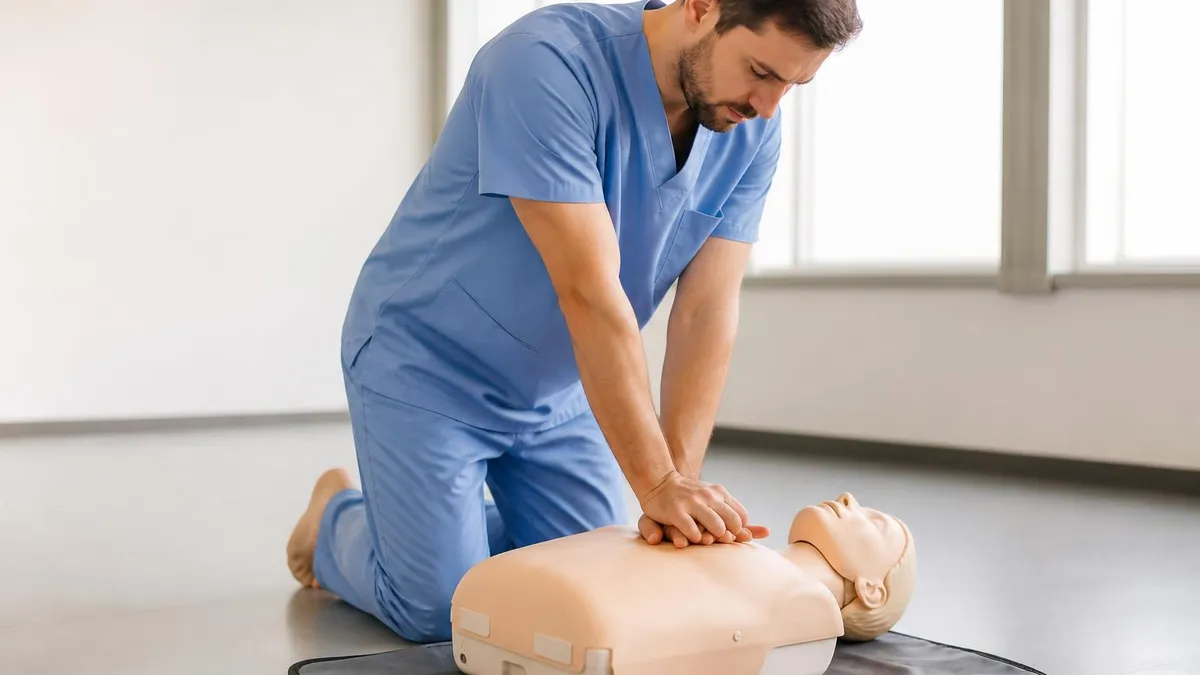
An expired CPR or BLS certificate can create serious problems for licensed healthcare professionals, including loss of clinical privileges, inability to work agency shifts, and potential liability issues in some states. Most certifications expire exactly two years from the issue date printed on the card. Begin the renewal process at least 60 days before expiration to ensure you can schedule a skills check without a gap in your credential coverage.
Understanding what AED stands for is foundational to any complete CPR education. AED stands for automated external defibrillator, a portable medical device designed to analyze the heart's electrical rhythm and deliver a controlled electrical shock to restore a normal heartbeat in cases of ventricular fibrillation or pulseless ventricular tachycardia.
These devices are engineered specifically for use by untrained bystanders as well as trained responders, featuring voice prompts that walk users through electrode placement, rhythm analysis, and shock delivery with minimal prior knowledge required. AEDs are now mandated by law in many public settings including airports, shopping malls, schools, and large office buildings.
The integration of AED use into CPR training is a critical component of the chain of survival concept, which organizes emergency cardiovascular care into a sequence of interdependent links: recognition and activation of emergency response, early high-quality CPR, rapid defibrillation, advanced life support, and post-cardiac arrest care. Each link strengthens the overall chain.
Research published in major cardiology journals consistently shows that survival rates for out-of-hospital ventricular fibrillation double or triple when a bystander applies an AED within the first three to five minutes compared with waiting for emergency medical services to arrive. This evidence is why AED training is now embedded in every level of CPR education, from basic hands-only courses to full ACLS algorithm programs.
Operating an AED follows a simple sequence that online training programs walk learners through using high-quality video demonstrations. After confirming cardiac arrest and starting CPR, turn on the AED and follow the voice prompts. Attach the electrode pads to the bare skin — one pad below the right collarbone, one pad on the left side of the chest below the armpit.
Ensure no one is touching the patient during rhythm analysis, then press the shock button only if the device instructs you to. Immediately resume CPR after shock delivery and continue until emergency responders arrive or the patient shows signs of life. Modern AEDs will also verbally coach you on compression rate and depth, effectively functioning as a real-time CPR coach.
Life support training in its full scope encompasses more than just cardiac arrest management. Advanced online programs address stroke recognition using the BE-FAST acronym (Balance, Eyes, Face drooping, Arm weakness, Speech difficulty, Time to call 911), acute coronary syndrome management including 12-lead ECG interpretation at the ACLS level, post-resuscitation hypotension management, and the systematic approach to undifferentiated shock. These topics are woven throughout the ACLS algorithm curriculum and represent the full scope of what a comprehensive life support course delivers to advanced healthcare practitioners in hospital and prehospital settings.
For community members who are not healthcare professionals, online life support training still offers enormous value at the basic level. Knowing how to recognize cardiac arrest, how to activate the chain of survival, how to perform high-quality chest compressions, and how to use a nearby AED can genuinely save a life in the critical minutes before paramedics arrive.
The gap between bystander action and EMS arrival averages eight to twelve minutes in most US communities. High-quality CPR during that window can preserve brain function and increase survival by factors that no amount of advanced hospital care can replicate after the fact.
Choking response is another life support skill that integrates naturally with online CPR training. Airway obstruction management for conscious adults uses the Heimlich maneuver — five back blows followed by five abdominal thrusts, alternating until the object is expelled or the person becomes unconscious. If the person loses consciousness, lower them carefully to the ground, call 911, and begin standard CPR.
Each time you open the airway to give rescue breaths, look in the mouth for a visible object before attempting ventilation. For infants under one year of age, back blows and chest thrusts replace abdominal thrusts due to anatomical vulnerability. These distinctions are tested heavily in online CPR assessments and must be memorized precisely.
Completing your online CPR certification is not the end of the learning journey — it is the beginning of a practice habit. The most effective CPR providers are those who regularly review skills, participate in simulated scenarios, and stay current with guideline updates. Many hospitals schedule quarterly skills days that include manikin practice, video debriefs of actual resuscitations, and short didactic updates.
Participants in these programs consistently demonstrate better compression quality during actual codes than those who only maintain their formal certification without supplemental practice. Build this habit deliberately, and your certification will translate into genuinely life-saving capability when it counts most.
Preparing effectively for your online CPR knowledge assessment requires a targeted study approach that goes beyond simply watching the course videos once. The most common areas where test-takers lose points are compression depth and rate thresholds, medication dosing sequences in the ACLS algorithm, age-stratified normal respiratory rate ranges, infant CPR technique modifications, and the specific chain of survival steps and their correct order.
Creating a simple one-page reference sheet that summarizes these numerical values and sequences is one of the most efficient study techniques available — the act of writing it out reinforces memory, and reviewing it immediately before the assessment sharpens recall.
Practice quiz banks are invaluable for reinforcing conceptual knowledge. The questions used in accredited online CPR assessments are drawn from a rotating pool that covers all major topics, and working through practice questions exposes the specific phrasing and scenario structures that the actual test uses.
Questions about the ACLS algorithm are frequently presented as clinical vignettes: a patient is found unresponsive in a hospital hallway with no pulse and a monitor showing coarse ventricular fibrillation — what is the next immediate action? The answer is defibrillation with 200 joules for a biphasic device, followed immediately by CPR for two minutes. Practicing this scenario-based reasoning multiple times before the assessment significantly improves both speed and accuracy.
Time management during the assessment matters more than most learners expect. Online CPR knowledge tests are typically timed, with 50 to 80 questions to be completed in 60 to 90 minutes. Most test-takers have sufficient time if they do not overthink individual questions.
The best strategy is to read each question carefully, eliminate obviously wrong answers, select the best remaining option, and move on without lingering. Flag any questions you are uncertain about and return to them after completing the full set if time permits. Avoid changing answers unless you have a specific factual reason to do so — your initial instinct is often correct.
For learners pursuing ACLS algorithm or PALS certification, the megacode component of the skills check is the most anxiety-inducing part of the process. Preparation for this station goes beyond knowing the algorithm intellectually — you must be able to execute it fluently under simulated stress, communicating clearly with a team, making real-time decisions as the scenario evolves.
The most effective preparation involves practicing the algorithm out loud, walking through each decision point verbally as if you were actually running the code. This technique, sometimes called cognitive rehearsal, is used by simulation educators to build the neural pathways that allow complex procedures to be executed automatically under pressure.
Equipment familiarity is a practical preparation step that is often overlooked in online-only training. Before your skills check, spend time with the actual CPR manikin and AED trainer that will be used at the testing site if possible. Different manikin models provide different levels of feedback — some use LED indicators for compression depth, others use audible clicker systems, and some provide no feedback at all.
Knowing which type you will encounter allows you to calibrate your effort appropriately. Similarly, different AED models have slightly different electrode placement diagrams and voice prompt cadences. Reviewing the specific devices used at your skills-check location eliminates surprises on test day.
Anxiety management is a genuinely important topic for CPR certification candidates, particularly for those who experience test anxiety or who have not completed a formal education program recently. The physical stress of performing sustained chest compressions — 100 to 120 per minute with two-inch depth for two-minute cycles — will improve your heart rate and breathing, which can amplify cognitive anxiety.
Regular aerobic exercise in the weeks before your skills check improves both physical conditioning and stress tolerance. On the day of the skills check, arrive early, review your algorithm reference sheet briefly, and remind yourself that the instructor's role is to certify competent providers, not to fail candidates over minor technical imperfections.
After earning your certification, consider how you will maintain and transfer your skills to real-world readiness. The research on CPR skill retention is sobering: without reinforcement, compression quality degrades measurably within three to six months of initial training.
Purchasing an inexpensive CPR feedback device for home practice — a simple sensor that clips to a manikin or pillow and displays compression rate and depth on a smartphone app — is one of the most cost-effective investments a serious provider can make. Spending 10 minutes once a month running through two-minute compression cycles with feedback keeps the neural pathways active and ensures that your certified skills remain genuinely available when an emergency occurs in real life.
CPR Questions and Answers
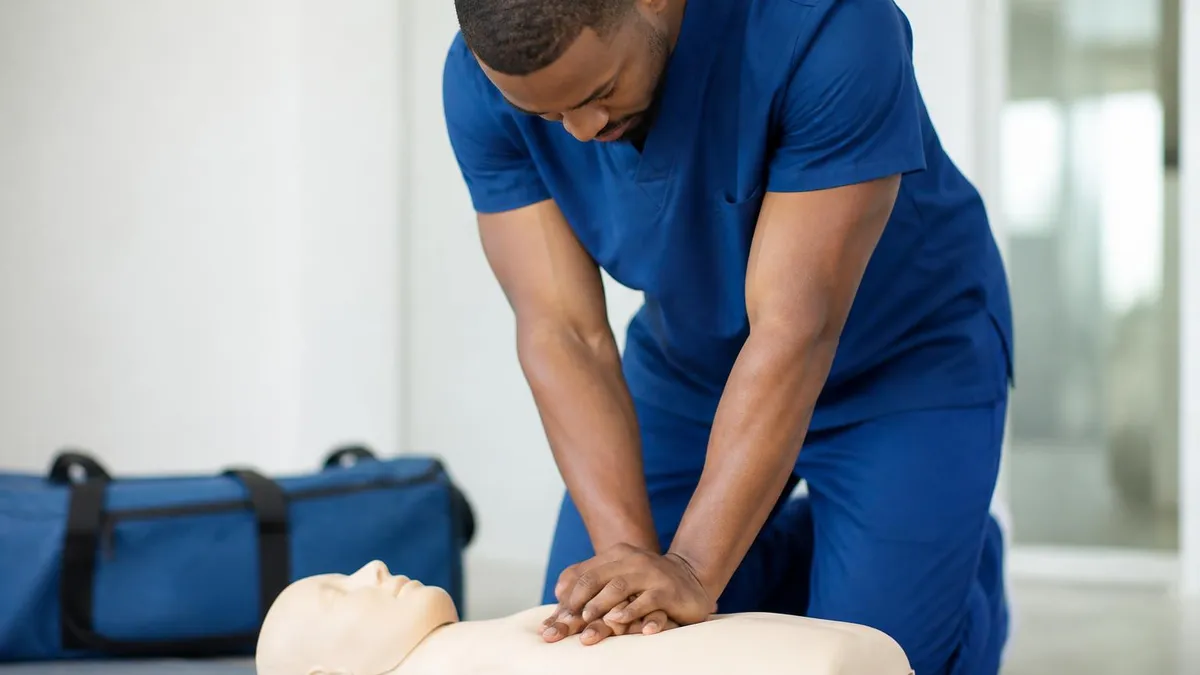
CPR Courses: Complete Guide to ACLS Algorithm, PALS Certification, and Life Support Training in 2026
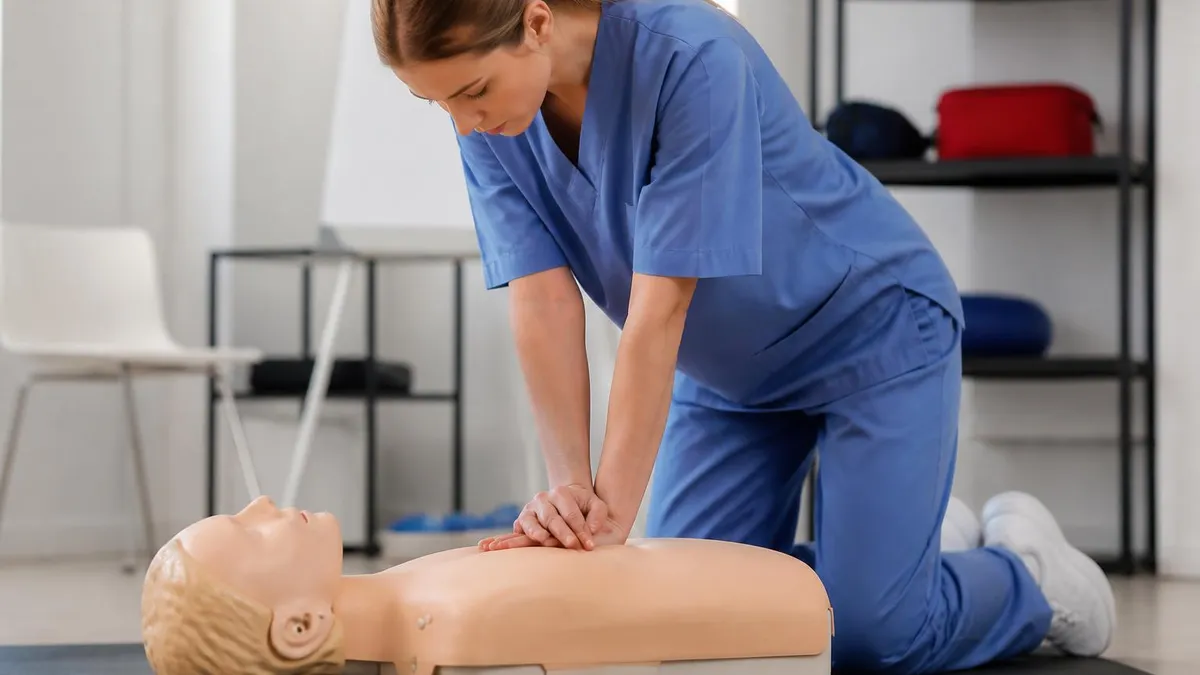
Types of CPR Training: From Basic Life Support to ACLS Algorithm Mastery in 2026
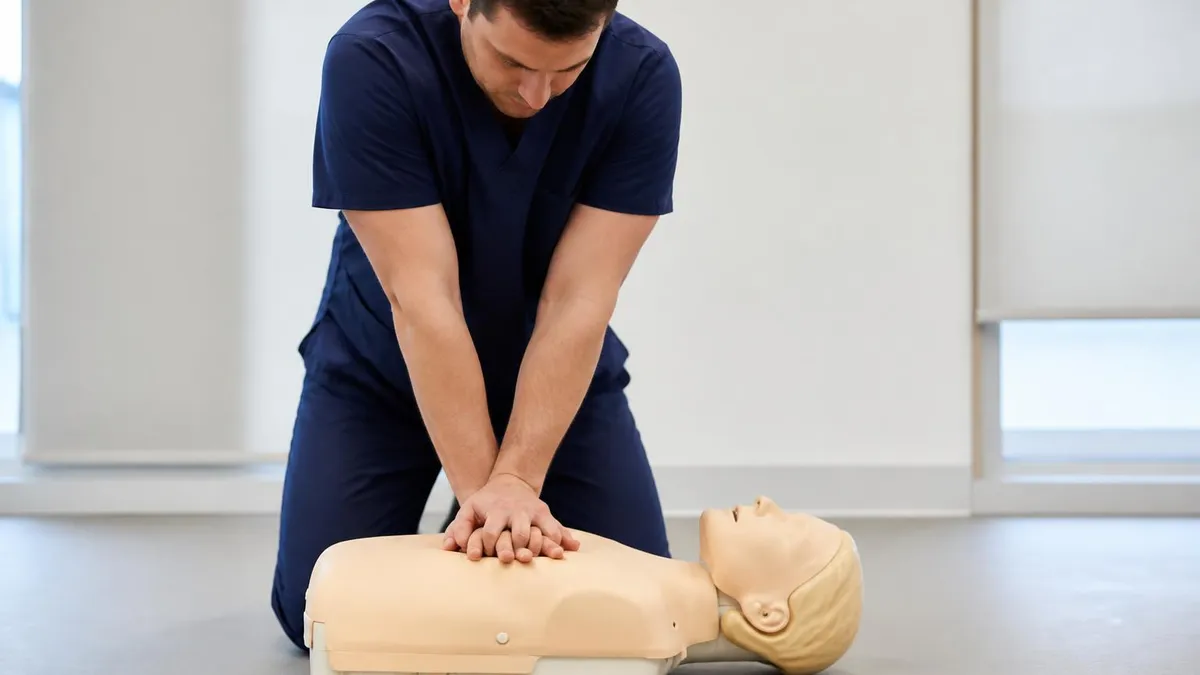
BLS vs CPR: Is BLS the Same as CPR? Complete 2026 Guide
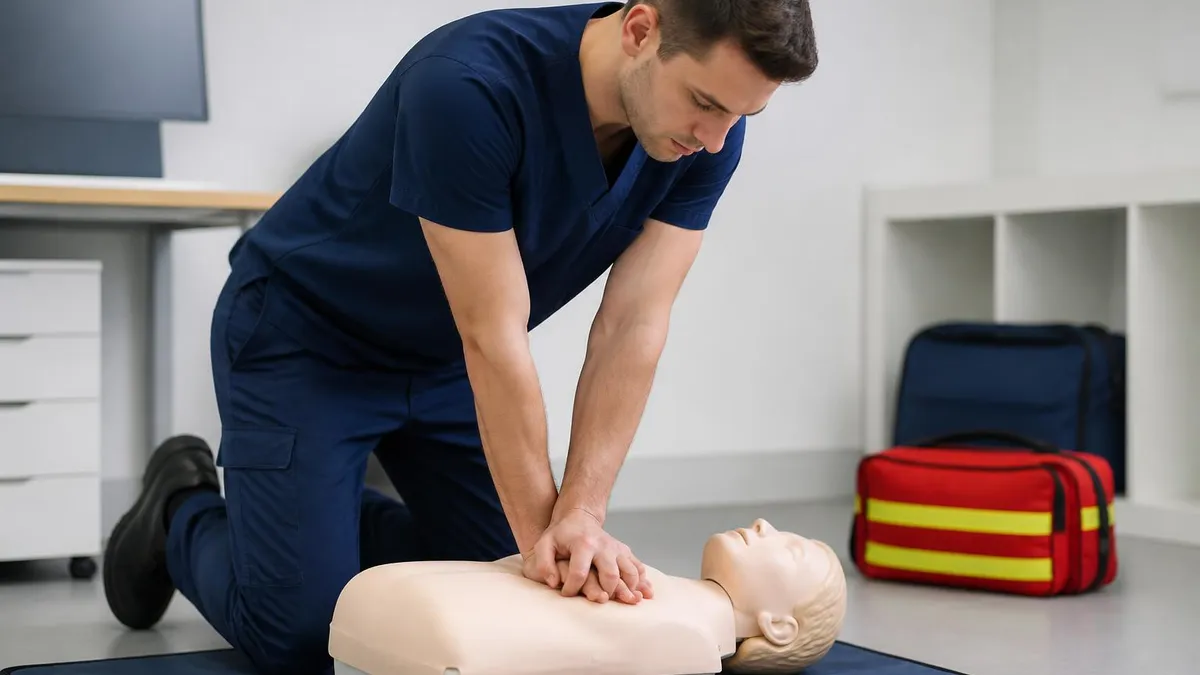
Adult CPR: Complete Step-by-Step Guide to Hands-Only and Standard CPR in 2026
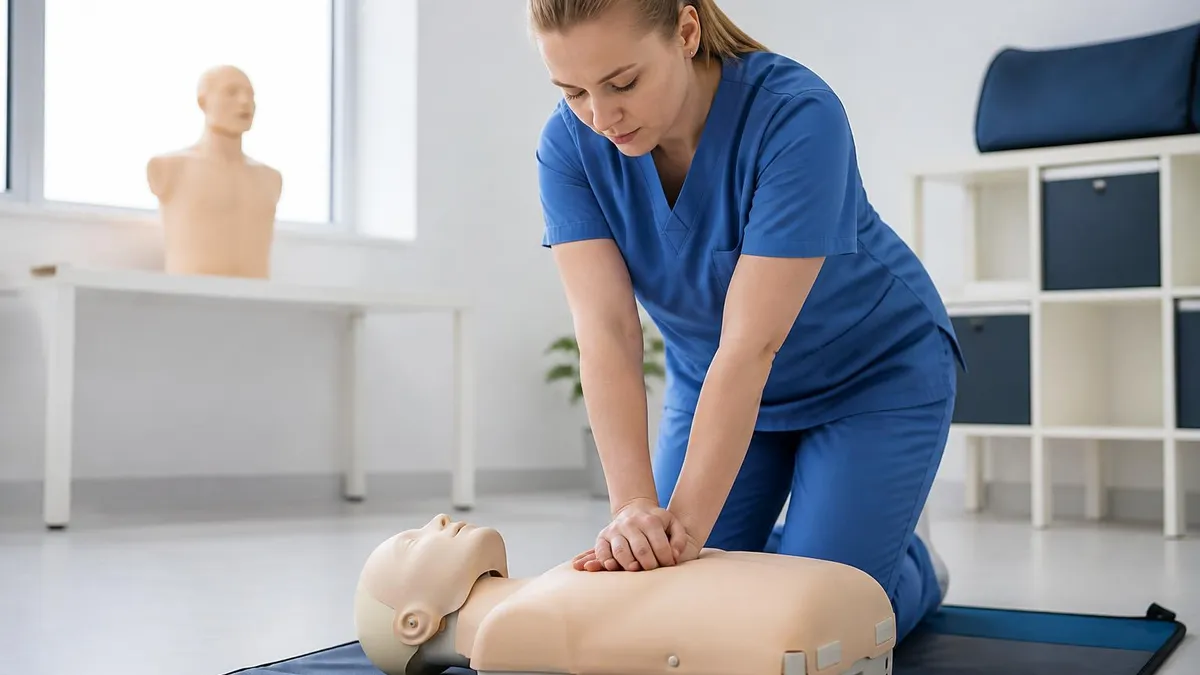
Free CPR Training: Complete Guide to ACLS Algorithm, PALS Certification, and Life Support Skills in 2026
About the Author

Registered Nurse & Healthcare Educator
Johns Hopkins University School of NursingDr. Sarah Mitchell is a board-certified registered nurse with over 15 years of clinical and academic experience. She completed her PhD in Nursing Science at Johns Hopkins University and has taught NCLEX preparation and clinical skills courses for nursing students across the United States. Her research focuses on evidence-based exam preparation strategies for healthcare certification candidates.
Join the Discussion
Connect with other students preparing for this exam. Share tips, ask questions, and get advice from people who have been there.
View discussion (5 replies)