
CPR Lookup: The Complete 2026 September Guide to ACLS Algorithm, Certifications & Life Support Skills
📗 CPR lookup guide covering ACLS algorithm, infant CPR, AED use, PALS certification, respiratory rate, and life support skills. Updated for 2026 September.
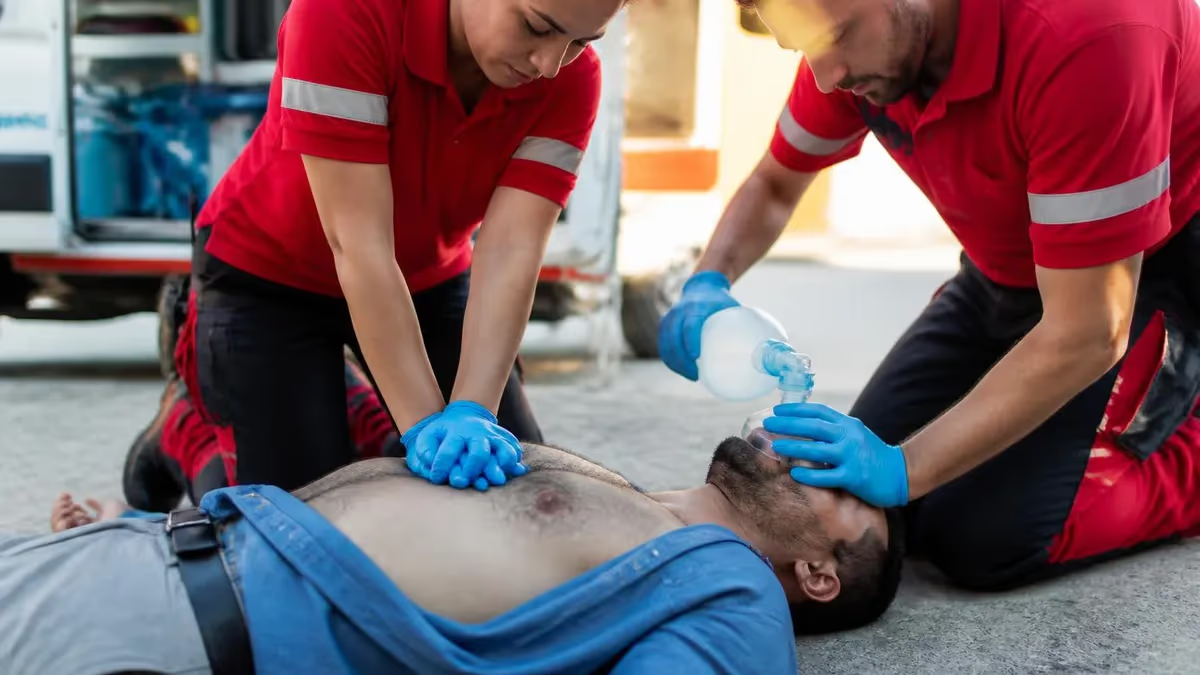
The ACLS algorithm is the backbone of advanced cardiac life support, and understanding it through a structured cpr lookup process is the first step toward becoming a confident responder. Whether you are a healthcare professional brushing up on protocol or a concerned parent learning infant CPR for the first time, knowing where to find accurate, current information can mean the difference between life and death. The American Heart Association updates its guidelines regularly, so verifying your knowledge against the latest standards is essential every time you recertify.
When most people search for CPR information online, they encounter a confusing mix of outdated protocols, commercial certification sellers, and general first-aid advice. A proper CPR lookup means going beyond a quick search result and digging into authoritative sources: the AHA, the National CPR Foundation, the Red Cross, and accredited training organizations that align their curriculum with evidence-based resuscitation science. Understanding what each organization teaches—and why—helps you choose the right course for your situation, whether that is a basic layperson class or a full PALS certification for pediatric emergencies.
Life support is not a single skill but a layered system of competencies. Basic life support covers chest compressions, rescue breathing, and AED use. Advanced life support adds pharmacology, airway management, and the interpretation of cardiac rhythms through the ACLS algorithm. Between these two levels sits a rich curriculum that includes infant CPR techniques, the recovery position, management of airway obstruction, and the precise respiratory rate targets that guide ventilation during resuscitation. Each layer builds on the last, and each requires periodic review and practice to maintain proficiency.
Many Americans are surprised to discover that CPR certification is not a one-time event. Most certifications—whether from the National CPR Foundation, the American Heart Association, or similar bodies—expire within two years for most provider levels. Healthcare providers often face even more frequent recertification requirements, especially for high-stakes credentials like ACLS and PALS certification. Keeping track of expiration dates, accepted providers, and course formats is itself a skill, and this guide exists to simplify that process for you.
The phrase "cpr phone repair" occasionally appears alongside CPR searches, creating confusion for people who stumble onto cell phone repair shops rather than cardiopulmonary resuscitation resources. While CPR cell phone repair businesses have borrowed the acronym for branding purposes, the lifesaving skill set described throughout this article is entirely distinct. If you landed here after searching "cpr cell phone repair" or "cpr phone repair," welcome—this guide covers the cardiac version and will answer every question you have about training, certification, and technique.
Knowing what AED stands for is foundational to any CPR lookup. An AED—automated external defibrillator—is a portable device that analyzes heart rhythm and delivers an electric shock to restore normal rhythm during sudden cardiac arrest. The question "what does AED stand for" ranks among the most commonly searched CPR topics, which reflects how frequently bystanders encounter these devices in airports, gyms, schools, and shopping centers without fully understanding how to use them. Demystifying AED operation is one of the most impactful things a basic CPR course can do.
This comprehensive guide covers every dimension of the CPR landscape: the ACLS algorithm and its clinical applications, infant CPR specifics, PALS certification pathways, respiratory rate targets for adult and pediatric patients, the recovery position, AED operation, and the organizational landscape of life support training in the United States. By the end, you will have a clear map of what to study, where to train, and how to keep your skills current in 2026 and beyond.
CPR & Life Support by the Numbers
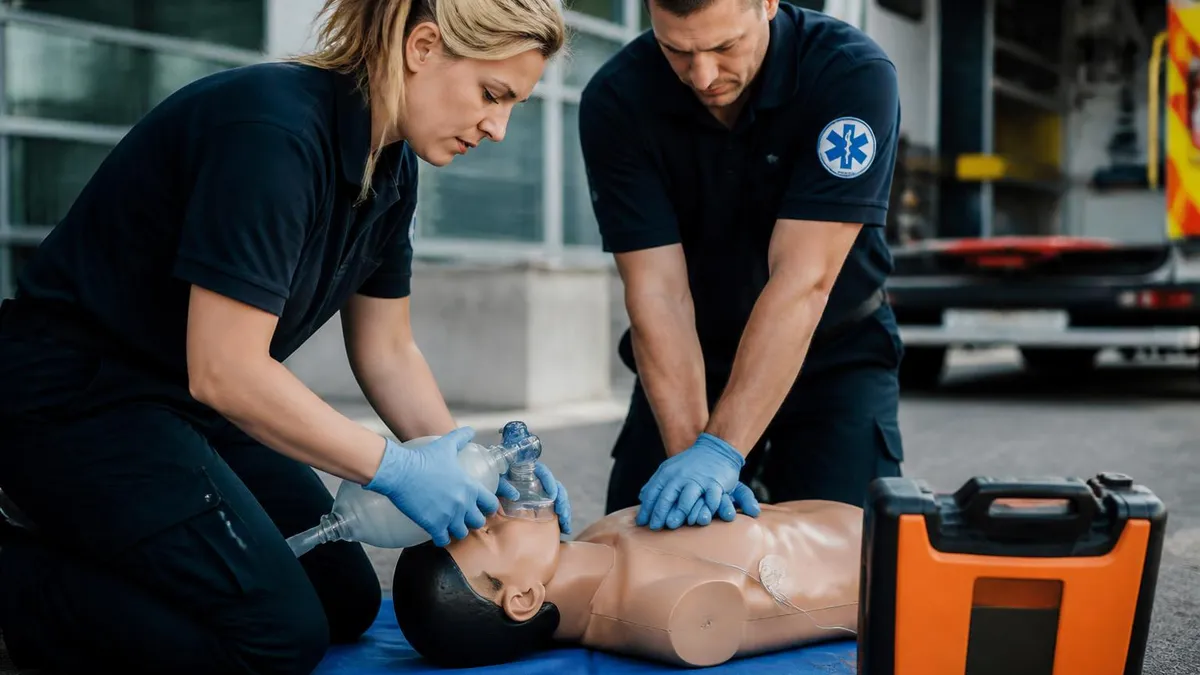
CPR Certification Levels: Which One Do You Need?
Designed for the general public, this course covers adult, child, and infant CPR, AED operation, and basic first aid. No medical background is required, and most courses are completed in 2–4 hours. Ideal for parents, teachers, coaches, and community members.
Basic Life Support (BLS) is the entry-level clinical credential. It covers high-quality chest compressions, ventilation ratios, two-rescuer CPR, and AED use in hospital and pre-hospital settings. Required for nurses, EMTs, medical students, and most allied health roles.
Advanced Cardiovascular Life Support builds on BLS with cardiac rhythm interpretation, the ACLS algorithm, IV/IO access, and medication administration. Mandatory for emergency physicians, nurses, paramedics, and anesthesiologists working in acute care environments.
Pediatric Advanced Life Support targets clinicians who treat critically ill infants and children. PALS certification courses cover pediatric assessment triangles, respiratory distress management, shock treatment, and infant CPR sequences specific to small airways and fragile bones.
Instructor credentials authorize holders to teach and certify others. Instructor courses add adult learning theory, course facilitation, and quality monitoring skills. Many employers require in-house instructors to reduce ongoing training costs and ensure consistent quality.
The ACLS algorithm is a systematic decision tree that guides advanced providers through the management of cardiac arrest, unstable tachycardia, bradycardia, and post-cardiac arrest care. Published by the American Heart Association and updated every five years based on the latest resuscitation research, the algorithm tells clinicians exactly when to deliver shocks, which medications to administer, and how to address reversible causes of arrest using the classic Hs and Ts framework. Mastering this algorithm is the core competency tested in every ACLS recertification exam.
At the center of the ACLS algorithm lies a deceptively simple loop: check rhythm, shock if shockable, resume CPR, administer epinephrine every 3–5 minutes, reassess. For shockable rhythms—ventricular fibrillation (VF) and pulseless ventricular tachycardia (pVT)—amiodarone or lidocaine may be added after the third shock. For non-shockable rhythms—asystole and pulseless electrical activity (PEA)—the focus shifts to identifying and treating reversible causes. This two-pathway structure means that rhythm recognition is not optional; it is the fork in the road that determines every subsequent intervention.
Respiratory rate management during cardiac arrest is more nuanced than many providers realize. During CPR without an advanced airway, the AHA recommends a 30:2 compression-to-ventilation ratio. Once an advanced airway such as an endotracheal tube or supraglottic device is in place, ventilations should be delivered at a rate of one breath every 6 seconds, equating to 10 breaths per minute. Exceeding this respiratory rate creates positive intrathoracic pressure that reduces venous return and coronary perfusion pressure, potentially worsening outcomes. This is one of the most commonly tested topics in ACLS scenario stations.
The Hs and Ts mnemonic gives providers a structured way to hunt for reversible causes during pulseless arrest: Hypovolemia, Hypoxia, Hydrogen ion (acidosis), Hypo/Hyperkalemia, and Hypothermia form the five Hs; Tension pneumothorax, Tamponade (cardiac), Toxins, and Thrombosis (pulmonary and coronary) form the four Ts. In ACLS scenario-based training, instructors deliberately embed one or two of these causes into the scenario, and candidates are evaluated on whether they recognize and treat the underlying problem rather than simply running through the algorithm mechanically without clinical reasoning.
Post-cardiac arrest care is the fourth component of the ACLS algorithm and is often undertaught in certification courses that focus on the arrest itself. After return of spontaneous circulation (ROSC), the algorithm directs providers to target a systolic blood pressure above 90 mmHg, maintain oxygen saturation between 92 and 98 percent, and initiate targeted temperature management if the patient remains comatose.
Avoiding both hyperoxia and hypoxia in the post-arrest period is critical, as oxygen toxicity can worsen neurological outcomes even after a technically successful resuscitation. Electrocardiographic assessment for ST-elevation myocardial infarction should happen within minutes of ROSC to determine whether emergent cardiac catheterization is warranted.
Providers preparing for ACLS recertification often find that the greatest challenge is not memorizing the algorithm but applying it under simulated time pressure with distractions, incomplete information, and team dynamics in play. The AHA has shifted its ACLS format heavily toward team-based mega-code scenarios for this reason. Effective team leaders use closed-loop communication, assign roles clearly, and call out medication doses and timing out loud so that every team member can cross-check and catch errors. These communication skills are assessed alongside clinical decision-making in every valid ACLS program.
For those conducting a structured CPR lookup to prepare for ACLS, the most efficient study approach combines algorithm memorization with scenario practice. Flashcard systems work well for pharmacology—doses of epinephrine, amiodarone, adenosine, and atropine—while online practice tests and printed algorithm cards help reinforce the decision pathways. Many providers find it useful to practice talking through scenarios aloud, mimicking the verbal communication they will need during the actual skills evaluation. The combination of cognitive recall and procedural rehearsal is what separates providers who pass ACLS with confidence from those who freeze during the mega-code station.
Infant CPR, PALS Certification & Pediatric Life Support
Infant CPR differs from adult technique in several critical ways. Compressions are delivered using two fingers placed on the center of the chest just below the nipple line, and depth should be approximately 1.5 inches—roughly one-third of the chest's anterior-posterior diameter. The compression rate remains 100–120 per minute, matching adult CPR, but rescuers must use significantly less force to avoid rib fractures and organ injury. For lone rescuers, the 30:2 ratio applies; for two-rescuer infant CPR, the two-thumb encircling hands technique is preferred and the ratio changes to 15:2 to allow more frequent ventilations for the smaller patient.
Infant airway management requires a neutral or slight sniffing position rather than the head-tilt common in adult CPR, because an infant's large occiput can actually cause airway obstruction if the head is extended too far. Rescue breaths must be gentle—just enough to see the chest rise—because overinflation can distend the stomach and increase the risk of aspiration. For infants under 12 months, the rescuer's mouth covers both the mouth and nose simultaneously. Recognizing when an infant is simply bradycardic from respiratory distress versus in full cardiac arrest also shapes the intervention, since infants far more commonly arrest from respiratory causes than from primary cardiac events.
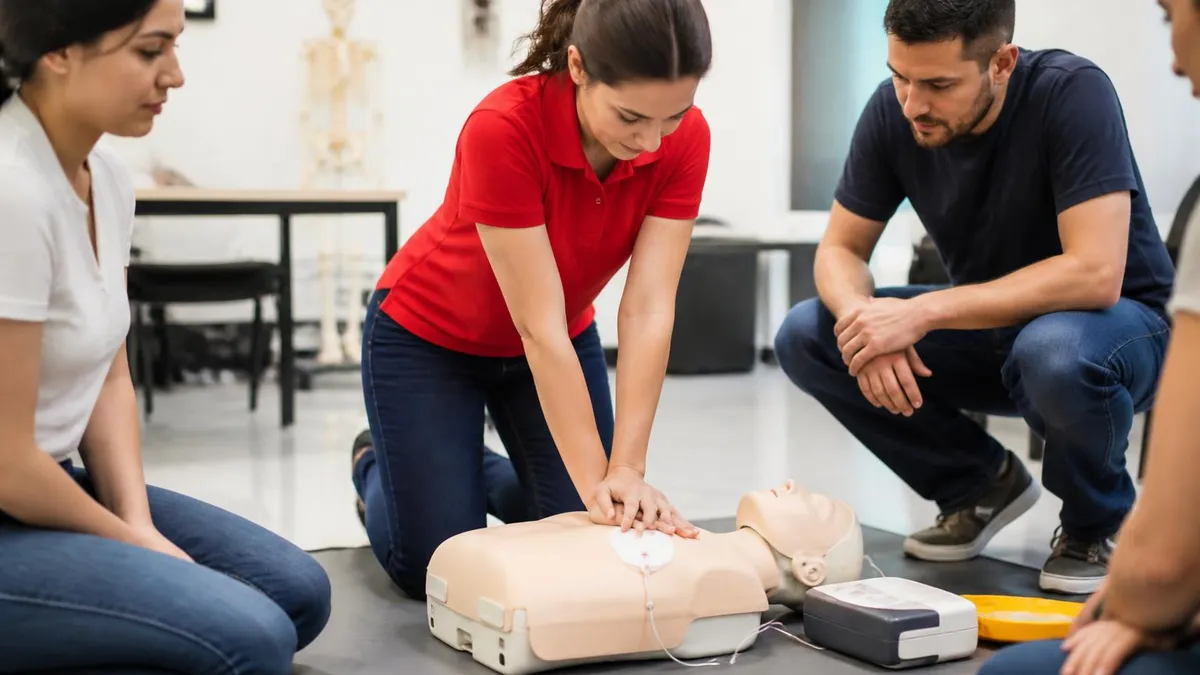
Online CPR Certification vs. In-Person Training: What Works Best?
- +Online courses offer flexible scheduling that fits busy work and family schedules
- +Self-paced study allows learners to spend more time on difficult topics like the ACLS algorithm
- +Blended (online + skills check) formats accepted by most employers and healthcare systems
- +Lower cost compared to full classroom courses, especially for annual refreshers
- +Immediate certificate delivery upon completion in many online programs
- +Access to video demonstrations of infant CPR and recovery position technique at any time
- −Fully online courses without a hands-on skills component are not accepted for clinical credentialing
- −No real-time instructor feedback on compression depth, hand placement, or recoil technique
- −Simulated scenarios cannot fully replicate the stress and team dynamics of a real emergency
- −Technology barriers may disadvantage older learners or those with limited internet access
- −Some employers and licensing boards require AHA-specific cards not available from all online providers
- −Hands-on practice with manikins is essential for infant CPR; videos alone are insufficient preparation
CPR Lookup Checklist: Verify Your Certification & Skills
- ✓Confirm your current CPR certification expiration date and provider organization.
- ✓Verify that your certification level matches your job requirements (BLS, ACLS, or PALS certification).
- ✓Review the current ACLS algorithm and Hs and Ts mnemonic before your next recertification.
- ✓Practice infant CPR hand placement and depth targets using a manikin, not just videos.
- ✓Look up the correct respiratory rate targets for adult cardiac arrest, pediatric arrest, and post-ROSC care.
- ✓Confirm what AED stands for and review the two-step shock sequence for shockable rhythms.
- ✓Practice the recovery position steps on a willing friend or family member to build muscle memory.
- ✓Research approved providers—National CPR Foundation, AHA, Red Cross—for your next renewal course.
- ✓Check whether your employer accepts blended (online + skills check) formats or requires full classroom attendance.
- ✓Take a timed practice quiz to identify knowledge gaps before your certification exam or renewal.
Bystander CPR Doubles Survival Rates — But Only 40% of Victims Receive It
According to the American Heart Association, immediate bystander CPR can double or triple survival rates for out-of-hospital cardiac arrest. Yet fewer than 40 percent of cardiac arrest victims receive CPR before emergency services arrive. The single biggest barrier is lack of training confidence. Completing a CPR course—even a one-hour Hands-Only CPR session—dramatically increases the likelihood that a bystander will act. Every certification renewed is a potential life saved.
Understanding what AED stands for—automated external defibrillator—is just the beginning. Knowing how to use one confidently in the first two minutes of a cardiac arrest is what saves lives. AEDs are designed to be used by laypeople with no medical background. Every device walks the user through the process with voice prompts and visual indicators.
The steps are consistent across brands: power on the device, attach the pads as illustrated, allow the AED to analyze the rhythm, stay clear of the patient during analysis and any recommended shock, then immediately resume CPR. The device will not deliver a shock if the rhythm does not warrant one, making it impossible to accidentally shock a patient who does not need it.
Placement of AED pads follows a standard anatomical pattern. One pad goes below the right collarbone to the right of the sternum; the second pad goes on the lower left side of the chest, below the armpit and lateral to the heart. For infants and children under 25 kilograms or 8 years of age, pediatric pads or a pediatric dose attenuator should be used when available.
If only adult pads are available in a pediatric emergency, an alternative placement—one pad on the center of the chest, one on the center of the back—reduces the energy delivered through the smaller heart. This adaptation is covered in both BLS for Healthcare Providers and PALS certification courses.
The recovery position—sometimes searched as "position recovery"—is used when a person is unconscious but breathing normally and does not require CPR. It prevents airway obstruction by allowing fluids and secretions to drain from the mouth rather than aspirate into the lungs. The technique involves rolling the person onto their side, supporting the head to maintain a clear airway, and bending the top knee forward to prevent rolling.
The position should be reassessed every 30 minutes, and the person should be rolled to the other side if position maintenance causes circulation concerns in the lower arm. First responders frequently use this position for overdose victims, post-seizure patients, and anyone found unconscious with a pulse.
AED availability has expanded dramatically over the past decade. Federal law requires AEDs in federal buildings, and many states mandate them in schools, gyms, and sports facilities. More than three million AEDs are estimated to be deployed across the United States, yet studies consistently show that community members often do not know where their nearest AED is located or how to retrieve it quickly.
PulsePoint and similar smartphone applications now integrate with AED registries to direct bystanders to the nearest device in real time. Familiarizing yourself with local AED locations—at your workplace, gym, place of worship, and children's school—is a practical extension of any CPR training.
AED maintenance is a responsibility that often goes unaddressed in CPR lookup searches. Devices require regular battery checks, pad expiration monitoring, and event data review after any deployment. Most modern AEDs perform automatic self-tests and display a status indicator, but designated AED coordinators at organizations should document monthly visual checks and annual certification of device readiness. Expired pads deliver less effective energy, and dead batteries render an AED completely useless in an emergency. If you discover an AED with expired components, report it to the facility manager immediately and note the location of the next nearest device.
Integration of AED training into broader life support education is one of the most effective ways to increase community resilience. The AHA's Heartsaver AED course, the National CPR Foundation's community programs, and Red Cross classes all include hands-on AED practice as a core component. Schools that have implemented AED training programs report higher rates of bystander response to cardiac emergencies both inside and outside the school environment, suggesting that early education in these skills creates lasting behavioral change. Teaching teenagers what AED stands for and how to use one is an investment in community safety that pays dividends for decades.
Finally, it is worth noting that AED use in conjunction with high-quality CPR produces dramatically better outcomes than either intervention alone. The chain of survival—early recognition and call for help, early CPR, early defibrillation, advanced life support, and post-arrest care—is only as strong as its weakest link.
Bystanders who can perform both CPR and AED operation effectively buy critical time for EMS arrival and advanced interventions. Every element of this guide, from the ACLS algorithm to infant CPR to AED operation, contributes to strengthening a different link in that chain, which is why comprehensive CPR lookup and training remains a public health priority.
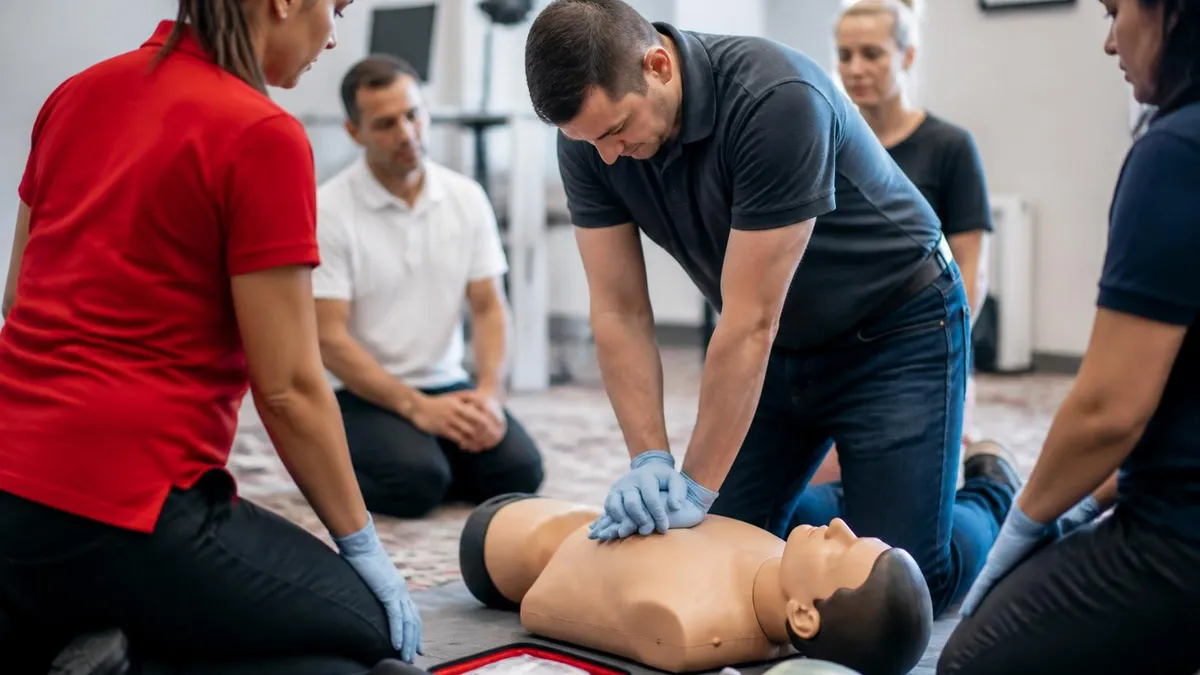
Most CPR, BLS, ACLS, and PALS certifications expire after two years. Some states and employers require renewal before the expiration date to maintain uninterrupted compliance. Do not wait until you receive a renewal reminder—mark your expiration date now and schedule your recertification course at least 60 days in advance to ensure seat availability with an approved provider.
The National CPR Foundation is one of several major organizations offering CPR certification in the United States, and it occupies a distinct position in the training landscape. Unlike the American Heart Association, which requires all final certification to be completed with hands-on skills evaluation by a certified instructor, the National CPR Foundation offers fully online certifications that are accepted by many employers, particularly in non-clinical settings such as childcare, fitness, and corporate environments.
Their courses cover adult, child, and infant CPR, AED operation, first aid, and bloodborne pathogens, and certificates are available immediately upon successful completion of the online assessment. For a detailed breakdown of how long these credentials remain valid, see our guide on cpr lookup and certification duration.
The American Heart Association remains the gold standard for clinical CPR certification. AHA BLS cards are recognized universally by hospitals, trauma centers, and emergency services across the country. AHA ACLS and PALS certifications are specifically required by the Joint Commission for accredited healthcare facilities, and no substitute is accepted in those environments.
The AHA updates its guidelines every five years through the comprehensive Guidelines for CPR and Emergency Cardiovascular Care publication, which synthesizes the latest evidence from resuscitation research trials worldwide. Providers who want the most current clinical recommendations should reference the AHA guidelines directly rather than relying solely on third-party summaries.
The American Red Cross offers its own parallel certification program that is widely accepted outside of hospital settings and is particularly strong in community and school-based training. Red Cross instructors are especially prevalent in swim facilities, summer camps, and community recreation centers. The Red Cross has its own research and training arm and publishes its own evidence-based guidelines, which generally align with AHA recommendations but may differ in minor details of technique or ratio. Healthcare employers typically specify whether they accept Red Cross certification in lieu of AHA credentials, so checking with your employer before enrolling is always prudent.
For employers managing CPR compliance across a workforce, the certification lookup challenge is organizational as well as individual. Human resources departments and occupational health teams must track expiration dates for potentially hundreds of employees across multiple certification types and providers. Software solutions designed specifically for healthcare credentialing—such as those offered by platforms like symplr, Verity, and HealthStream—can automate expiration tracking and send renewal reminders. For smaller organizations, a simple spreadsheet with employee names, certification types, providers, issue dates, and expiration dates is often sufficient to maintain compliance without expensive software.
Beyond formal certification programs, the ACLS algorithm and other CPR protocols are freely available from the AHA and its training network affiliates. The 2020 AHA Guidelines for CPR and ECC are available as a free PDF on the AHA's professional website and include algorithm cards for every major cardiac emergency scenario. The AHA also publishes a pocket reference card series that providers can carry during clinical shifts. Supplementing formal training with these reference materials ensures that algorithm knowledge stays fresh between certification renewals, particularly for details like medication dosing thresholds that are easy to forget without regular reinforcement.
Community training initiatives have begun to close the gap between formal CPR certification and widespread public readiness. Programs like PulsePoint Respond alert CPR-trained bystanders when a cardiac arrest occurs near their location and directs them to both the victim and the nearest AED.
Cities including Seattle, which has one of the highest bystander CPR rates in the country at over 50 percent, demonstrate what is possible when CPR education is systematically embedded into community culture through schools, employers, faith organizations, and civic groups. The Seattle model, developed over decades of public health investment, provides a roadmap for other communities seeking to improve cardiac arrest survival rates through prevention and education rather than medical technology alone.
Whether you represent yourself as an individual seeking recertification, a healthcare administrator managing team credentials, or a community organizer building a training program, the CPR lookup process starts with clarity about what level of certification is needed, which providers are accepted in your context, and how frequently renewal is required. The organizations, algorithms, and techniques covered in this guide represent the full landscape of life support training in the United States, and the resources linked throughout will help you move from awareness to action at whatever level is appropriate for your role and responsibilities.
Practical preparation for any CPR certification or recertification exam begins with understanding the exam format itself. Most BLS, ACLS, and PALS courses use a combination of written knowledge checks and hands-on skills stations. The written component typically consists of 25–50 multiple-choice questions covering protocol specifics, medication dosing, rhythm recognition, and scenario-based decision-making. Passing scores generally range from 70 to 84 percent depending on the certifying organization and provider level. Candidates who struggle with the written component most commonly have gaps in pharmacology knowledge and rhythm recognition, both of which are addressable through targeted study rather than general review.
Skills stations are assessed separately from the written exam and represent an equal or greater portion of the overall evaluation in most programs. BLS skills stations typically evaluate compression rate, depth, recoil, hand placement, and ventilation technique on both adult and infant manikins. ACLS mega-code scenarios evaluate team leadership, algorithm adherence, medication selection and timing, rhythm interpretation, and team communication.
Failing a skills station does not automatically fail the entire course; most programs allow one remediation attempt before requiring a full retake. Knowing which skills are assessed and at what standard allows candidates to focus their practice time effectively rather than reviewing everything equally.
Simulation-based training has become the dominant model for ACLS and PALS preparation, and its effectiveness is well-supported by evidence. High-fidelity manikins that provide real-time feedback on compression quality, give audible cues for rhythm changes, and can simulate a range of clinical deterioration patterns allow providers to practice decision-making in realistic but safe environments.
Research comparing simulation-trained providers to those trained through traditional lecture-based methods consistently shows better algorithm adherence, faster time-to-first-shock, and more confident team communication in the simulation group. If your recertification program includes simulation time, treat it as the most valuable component of the course rather than an optional add-on.
For healthcare providers preparing for PALS certification, the most effective study strategy combines three parallel tracks: pediatric assessment practice, pharmacology review, and algorithm rehearsal. The pediatric assessment triangle—appearance, work of breathing, circulation—is the lens through which all PALS cases begin, and providers who can rapidly categorize a child as stable, unstable, or in immediate danger make faster and more accurate treatment decisions in scenarios.
Pharmacology for PALS includes weight-based dosing for epinephrine, adenosine, amiodarone, and atropine, as well as fluid bolus calculations by weight for shock management. Algorithm cards from the AHA or National CPR Foundation are excellent reference tools during study and are often permitted at the bedside in clinical settings.
Compression fatigue is a real phenomenon that affects CPR quality in single-rescuer situations after as little as 90 seconds of continuous effort. Research has shown that compression depth decreases and rate becomes irregular after two minutes without relief, which is why the AHA recommends switching compressors every two minutes during team CPR.
Providers who train alone on manikins should practice full two-minute cycles to experience the physical demands of sustained compression and develop the stamina needed for extended resuscitations. Understanding this physiological reality also reinforces the importance of calling for help early and assigning a dedicated compressor role in team resuscitation scenarios rather than cycling tasks informally.
Self-directed study using online practice tests is one of the most efficient preparation strategies available for CPR and advanced life support certification candidates. Spaced repetition—the practice of reviewing material at increasing intervals as it becomes more familiar—is particularly effective for memorizing algorithm decision points, medication doses, and respiratory rate targets.
Many candidates find that a combination of daily 10-question practice sets in the two weeks before their exam, followed by a full-length timed practice exam on the final day of preparation, produces optimal retention and confidence on test day. Our free practice quizzes are designed around this model and cover every topic area assessed in standard CPR certification exams.
Finally, remember that CPR certification is not the destination—it is the starting point for a lifelong commitment to emergency preparedness. The skills you develop through training depreciate without practice, which is why many resuscitation experts recommend informal skill refreshers every six months even between official certification cycles.
Watching a five-minute refresher video on infant CPR technique, reviewing the ACLS algorithm over lunch, or practicing the recovery position with a family member are all low-effort activities that maintain the mental and physical readiness needed to act confidently when a real emergency occurs. Certification tells you what to do; practice ensures you can actually do it when it matters most.
CPR Questions and Answers
How Long Does CPR Certification Last? 2026 Renewal Guide
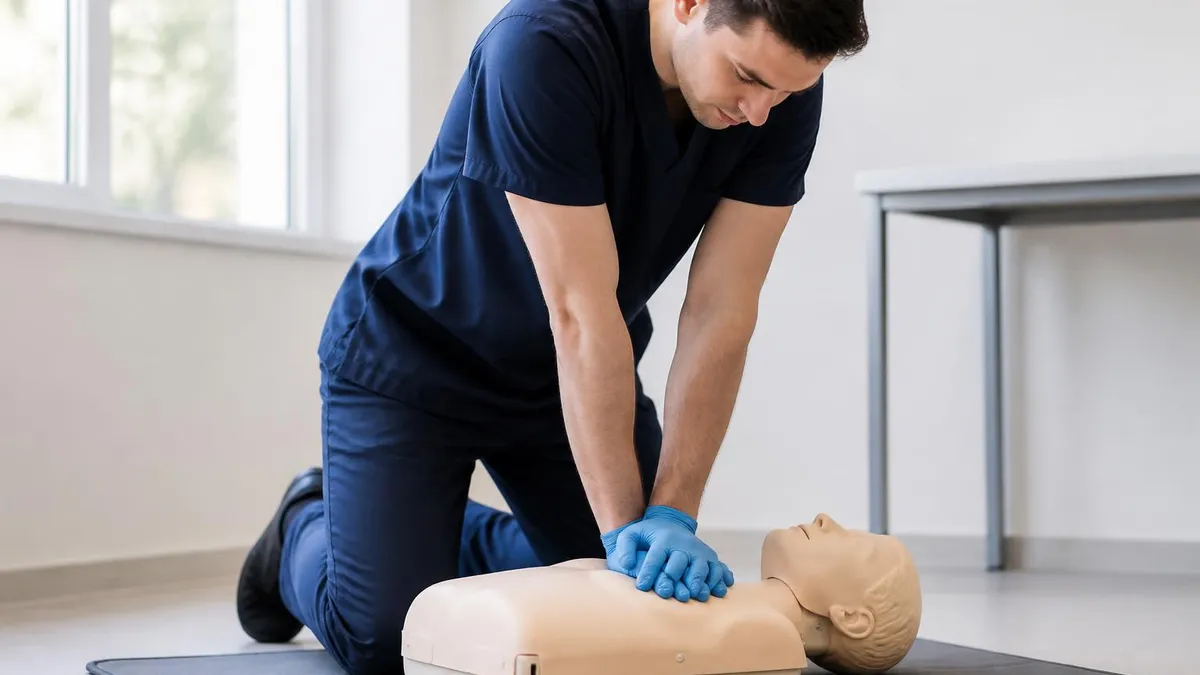
CPR Training Providers 2026: How to Choose a Course That Counts
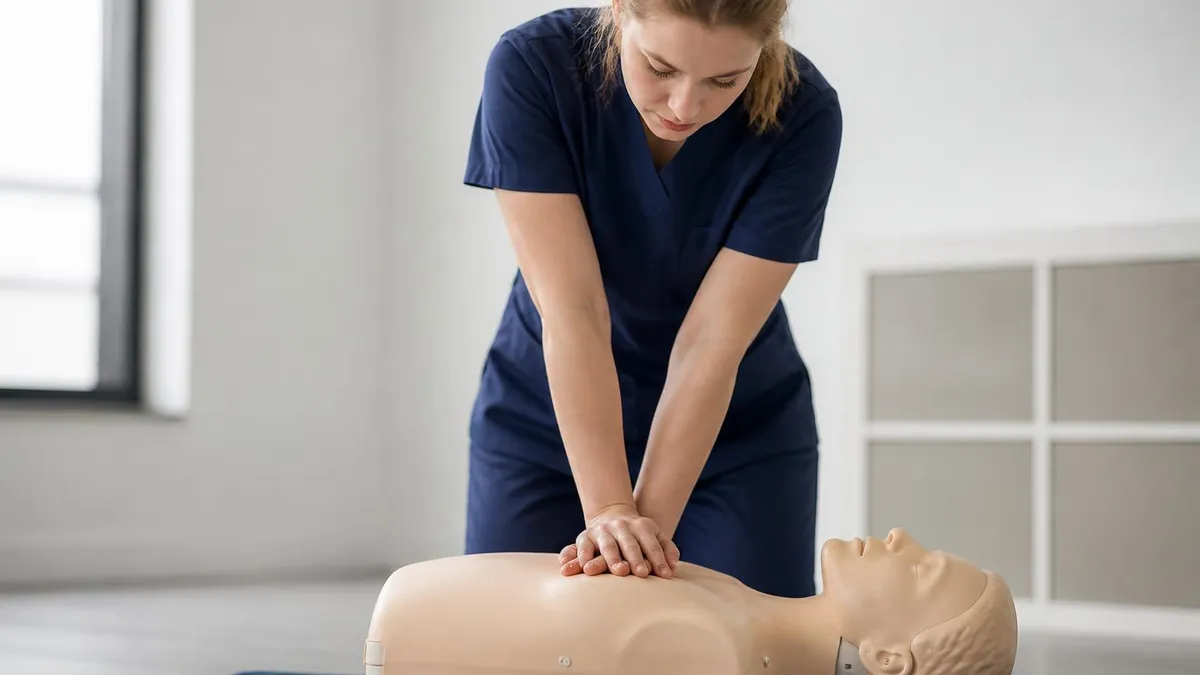
Where to Get CPR Certified in 2026: Complete Guide to Classes, Costs & Online Options
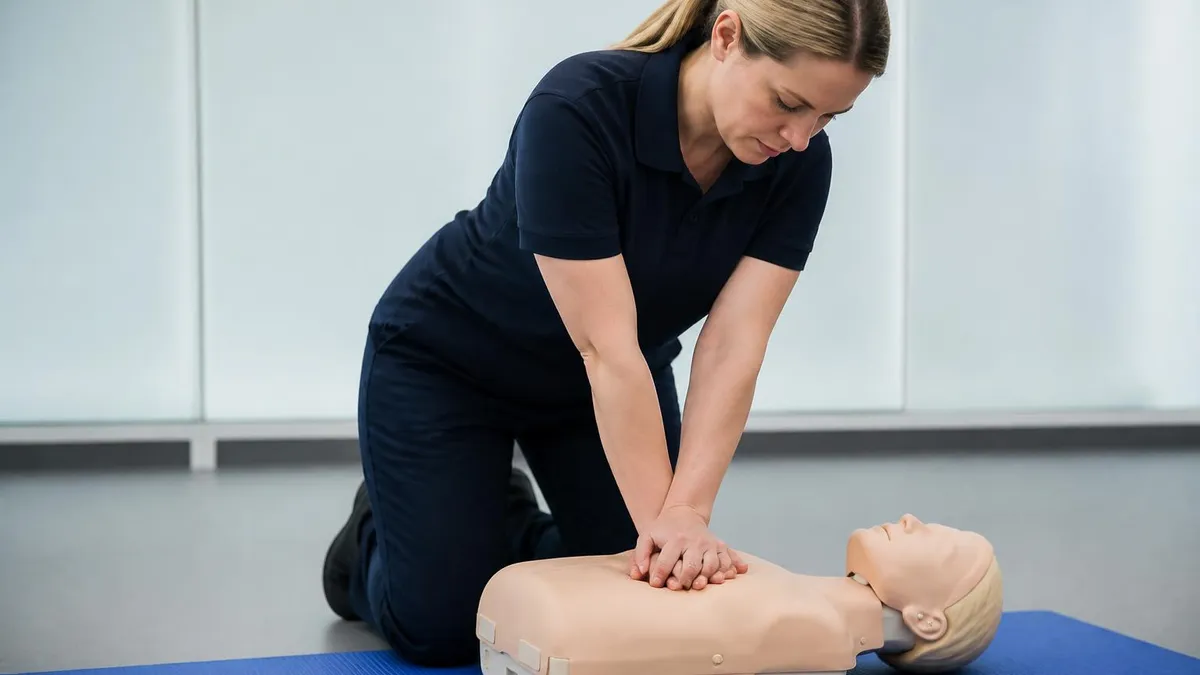
C.A.B CPR Technique: The Complete 2026 Guide to Compressions, Airway, and Breathing
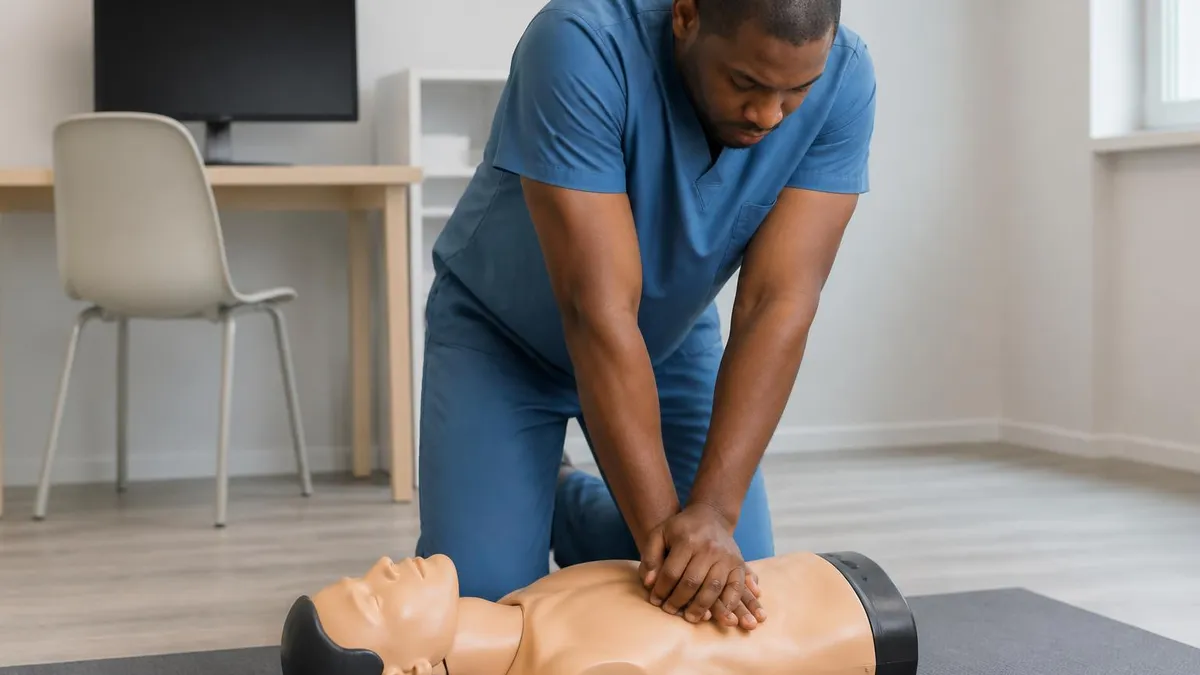
CPR Compression Depth for Child: The Complete 2026 Guide to Pediatric Chest Compressions
About the Author

Registered Nurse & Healthcare Educator
Johns Hopkins University School of NursingDr. Sarah Mitchell is a board-certified registered nurse with over 15 years of clinical and academic experience. She completed her PhD in Nursing Science at Johns Hopkins University and has taught NCLEX preparation and clinical skills courses for nursing students across the United States. Her research focuses on evidence-based exam preparation strategies for healthcare certification candidates.
Join the Discussion
Connect with other students preparing for this exam. Share tips, ask questions, and get advice from people who have been there.
View discussion (5 replies)