
CPR Success Rate: What the Numbers Really Mean for Survival 2026
📝 Learn the real CPR success rate, how the ACLS algorithm improves outcomes, and what factors determine survival from cardiac arrest in 2026.

Understanding the cpr success rate is one of the most important reasons people seek CPR training every year. When cardiac arrest strikes, bystander CPR can double or even triple a victim's chance of survival — yet fewer than half of all out-of-hospital cardiac arrest victims receive it. Practice with the free CPR (Cardiopulmonary Resuscitation) practice test on PracticeTestGeeks (700+ questions with answer explanations).
According to the American Heart Association, the overall survival rate for out-of-hospital cardiac arrest hovers between 10 and 12 percent, but when CPR is started immediately and an AED is used within three to five minutes, survival rates can climb to 50 percent or higher. These numbers underscore exactly why mass CPR education matters so profoundly.
The ACLS algorithm — Advanced Cardiovascular Life Support — provides the clinical backbone for how trained healthcare providers respond to cardiac arrest. Developed and regularly updated by the American Heart Association, the ACLS algorithm sequences interventions like high-quality chest compressions, airway management, defibrillation, and medication administration to maximize the patient's chance of return of spontaneous circulation. Understanding where this algorithm fits into the broader picture of cardiac arrest survival helps both healthcare professionals and laypeople appreciate what happens between the moment someone collapses and the moment they arrive at a hospital.
Several factors directly influence whether CPR will be successful in any given scenario. The most critical of these is time: every minute that passes without chest compressions reduces survival odds by approximately seven to ten percent. Equally important is the quality of compressions themselves — the correct respiratory rate, compression depth, and full chest recoil all contribute to meaningful circulation of oxygenated blood. Organizations like the National CPR Foundation emphasize that even imperfect CPR performed by a bystander is far better than no CPR at all, which is why community training programs remain so vital to public health outcomes.
Different patient populations also show meaningfully different survival rates, and understanding these distinctions helps set realistic expectations. Infant CPR, for example, often involves respiratory failure as the primary cause of arrest rather than a cardiac event, which means prompt rescue breathing plays an even more central role. PALS certification — Pediatric Advanced Life Support — equips healthcare providers with the specialized knowledge to manage pediatric emergencies, where normal respiratory rate ranges and compression techniques differ substantially from adult protocols. These distinctions matter because applying the wrong technique to the wrong patient can reduce effectiveness significantly.
Location is another underappreciated variable in CPR success. Cardiac arrests that occur in hospitals, where the ACLS algorithm can be deployed within seconds, have significantly higher survival rates than those occurring at home or in public spaces. In-hospital cardiac arrest survival to discharge rates average around 25 percent nationally, compared to roughly 10 percent for out-of-hospital events.
This gap illustrates both the power of rapid, coordinated emergency response and the critical window during which bystander CPR bridges the gap before professional responders arrive. Understanding what does AED stand for — Automated External Defibrillator — is also essential, because early defibrillation is the single most effective intervention for ventricular fibrillation, the most common shockable cardiac arrest rhythm.
Public awareness about CPR and cardiac arrest survival has grown considerably in recent years, but significant gaps remain. Many people associate CPR with dramatic television scenes showing near-perfect outcomes, when in reality survival depends on a complex interplay of timing, technique, patient health, and access to advanced life support resources.
Recovery position knowledge, understanding how to handle airway obstruction, and knowing when to call emergency services versus performing CPR can all make critical differences in real scenarios. The more the public understands the realistic landscape of CPR outcomes, the better prepared communities will be to respond effectively when every second counts.
This article digs deep into the data behind CPR success rates, examines how factors like ACLS algorithms, patient age, location, and rescuer training interact to influence outcomes, and offers practical guidance for anyone who wants to be prepared to act. Whether you are a healthcare professional reviewing advanced protocols or a community member looking to understand what your CPR training is actually designed to accomplish, the statistics and insights below will give you a clearer, more honest picture of what CPR can and cannot do — and how to maximize its effectiveness when lives are on the line.
Free CPR (Cardiopulmonary Resuscitation) Study Tools
Interactive CPR (Cardiopulmonary Resuscitation) resources on PracticeTestGeeks, free to start:
- CPR (Cardiopulmonary Resuscitation) practice test — 700+ questions with instant scoring and answer explanations
- CPR (Cardiopulmonary Resuscitation) flashcards — review key terms and concepts card by card
- CPR (Cardiopulmonary Resuscitation) study guide — topic-by-topic overview of what the exam covers
- CPR (Cardiopulmonary Resuscitation) cheat sheet — one-page printable summary for last-minute review
- To earn an AHA BLS Provider course completion card, students must pass both skills tests and an online exam with a score of at least 84%. (elearning.heart.org)
- Red Cross online CPR courses are completed by passing a learning assessment with a score of 80% or better. (redcross.org)
- The AHA BLS Online Exam for instructor-led training costs $10.00 on AHA eLearning. (elearning.heart.org)
- The online part of AHA HeartCode BLS costs $38.00, and the hands-on skills session is purchased separately from an AHA Training Center. (shopcpr.heart.org)
- AHA CPR/BLS course completion cards are valid for two years through the end of the month in which the card was issued. (American Heart Association (AHA) Emergency Cardiovascular Care and American Red Cross. These are the two national bodies)
- American Red Cross CPR certification lasts 2 years after you successfully complete training. (redcross.org)
- To renew an AHA CPR course completion card, contact an AHA Training Center about renewal options. (American Heart Association (AHA) Emergency Cardiovascular Care and American Red Cross. These are the two national bodies)
- Red Cross CPR holders whose certification is still valid can take a shorter renewal course to keep their certification for two more years. (redcross.org)
- AHA HeartCode BLS students get a BLS Provider eCard after finishing the online part and a hands-on skills session. (elearning.heart.org)
Facts verified Oct 17, 2026 against American Heart Association (AHA) Emergency Cardiovascular Care and American Red Cross. These are the two national bodies. Dates that have passed are removed automatically.
CPR Exam at a Glance
| Item | Detail | Official source |
|---|---|---|
| Passing score (AHA BLS Provider) | 84% minimum on the online exam, plus passing the skills tests | elearning.heart.org |
| Passing score (Red Cross CPR (online)) | 80% or better on the learning assessment | redcross.org |
| Exam fee (AHA BLS Provider) | $10.00 for the BLS online exam (instructor-led course) | elearning.heart.org |
| Exam fee (AHA HeartCode BLS (blended)) | $38.00 for the online part; the hands-on skills session is sold separately | shopcpr.heart.org |
| Validity (AHA BLS Provider) | 2 years, through the end of the month the card was issued | American Heart Association (AHA) Emergency Cardiovascular Care and American Red Cross. These are the two national bodies |
| Validity (Red Cross CPR) | 2 years | redcross.org |
| Renewal (AHA BLS Provider) | Renew through an AHA Training Center | American Heart Association (AHA) Emergency Cardiovascular Care and American Red Cross. These are the two national bodies |
| Renewal (Red Cross CPR) | Shorter renewal course adds 2 more years | redcross.org |
| Delivery (AHA HeartCode BLS (blended)) | Online part plus hands-on skills session | elearning.heart.org |
| Delivery (Red Cross CPR) | In-person or blended, with a required in-person skills session | redcross.org |
| Score release (AHA BLS Provider) | Card issued within 20 business days | American Heart Association (AHA) Emergency Cardiovascular Care and American Red Cross. These are the two national bodies |
Facts verified Oct 17, 2026 against American Heart Association (AHA) Emergency Cardiovascular Care and American Red Cross. These are the two national bodies. Dates that have passed are removed automatically.
CPR Success Rate by the Numbers

Key Factors That Determine CPR Success
Every minute without chest compressions reduces survival by 7–10%. Bystander CPR that begins within two minutes of collapse can more than double the chance of survival, making immediate action the single most impactful variable in any out-of-hospital cardiac arrest scenario.
Effective CPR requires compressions at a rate of 100–120 per minute with a depth of at least 2 inches for adults. Inadequate depth or rate fails to generate sufficient blood flow to the brain and vital organs, significantly reducing the likelihood of return of spontaneous circulation.
For ventricular fibrillation — the most common shockable rhythm — every minute of delay before defibrillation reduces survival by 10%. AEDs in public spaces, combined with bystander CPR, represent the most powerful intervention available before advanced life support providers arrive.
Pre-existing conditions like heart disease, respiratory illness, or advanced age affect how the heart and brain tolerate oxygen deprivation during arrest. Younger, healthier patients without extensive comorbidities consistently demonstrate higher survival rates across both in-hospital and out-of-hospital cardiac arrest events.
Witnessed arrests — where a bystander sees collapse and immediately calls 911 and begins CPR — have dramatically better outcomes than unwitnessed events discovered minutes later. Arrests in public venues with accessible AEDs show the highest community survival rates nationally.
The ACLS algorithm represents the gold standard for how healthcare providers manage cardiac arrest and other life-threatening cardiovascular emergencies. Far from being a single rigid protocol, ACLS is actually a family of algorithms covering cardiac arrest, post-cardiac arrest care, bradycardia, tachycardia, and stroke. For cardiac arrest specifically, the core algorithm begins with high-quality CPR and simultaneous rhythm analysis, then branches based on whether the rhythm is shockable — ventricular fibrillation or pulseless ventricular tachycardia — or non-shockable — asystole or pulseless electrical activity. This structured decision tree allows teams to work efficiently even under extreme stress.
Within the shockable rhythm pathway, the ACLS algorithm calls for immediate defibrillation followed by two minutes of uninterrupted CPR before the next rhythm check. Epinephrine is administered every three to five minutes, and amiodarone or lidocaine may be added for refractory ventricular fibrillation. This sequence is carefully designed to maximize the window during which defibrillation can succeed while maintaining coronary and cerebral perfusion pressure through continuous compressions. Research consistently shows that pausing compressions for more than ten seconds at any point significantly worsens outcomes — a finding that has shaped modern ACLS algorithm design fundamentally.
For non-shockable rhythms like asystole and pulseless electrical activity, the ACLS algorithm shifts focus to identifying and treating reversible causes — the classic Hs and Ts: hypovolemia, hypoxia, hydrogen ion excess, hypo/hyperkalemia, hypothermia, tension pneumothorax, tamponade, toxins, and thrombosis. Without a shockable rhythm, defibrillation cannot help; instead, every intervention must target the underlying cause driving the arrest. This is why ACLS training emphasizes systematic thinking rather than reflex responses — the algorithm is a structured diagnostic and therapeutic framework, not simply a checklist of procedures to perform in sequence.
Healthcare providers who hold ACLS certification demonstrate measurably better performance during cardiac arrest resuscitations, not just because they know the protocols but because they have practiced team dynamics, communication, and task delegation under simulated stress. High-performing resuscitation teams assign clear roles before arrest scenarios arise — one person leads compressions, another manages the airway and monitors respiratory rate, a third handles vascular access and medication administration, and a team leader coordinates communication and decision-making. This coordinated approach, modeled in ACLS courses, is directly associated with improved survival outcomes in both research studies and real-world hospital data.
Advanced airway management is another critical dimension of ACLS algorithm application. While basic life support focuses on mouth-to-mouth or bag-mask ventilation, ACLS introduces endotracheal intubation and supraglottic airway devices that provide more reliable ventilation during prolonged resuscitation. Importantly, modern ACLS guidelines caution against prioritizing intubation over compressions — an intubation attempt that pauses compressions for more than ten seconds is explicitly discouraged. The correct respiratory rate during CPR with an advanced airway is ten breaths per minute, delivered asynchronously with continuous compressions, a departure from the 30:2 ratio used without an advanced airway in place.
Post-cardiac arrest care, sometimes called the fifth link in the Chain of Survival, has become an increasingly emphasized component of the ACLS framework. Patients who achieve return of spontaneous circulation but remain comatose benefit significantly from targeted temperature management, careful hemodynamic optimization, and early coronary angiography when a cardiac cause is suspected.
These post-resuscitation interventions have been shown to meaningfully improve both survival and neurological outcomes — the quality of life patients experience after survival matters as much as survival itself. ACLS training that incorporates post-arrest care education helps providers think beyond the immediate resuscitation to the full continuum of care.
Understanding the ACLS algorithm deeply also helps non-physician healthcare providers — nurses, paramedics, respiratory therapists — contribute more effectively to resuscitation teams. When every team member understands not just their own role but the overall algorithm structure, teams communicate better, anticipate next steps, and avoid common errors like premature termination of efforts or inappropriate medication timing.
The National CPR Foundation and the American Heart Association both emphasize that ACLS is not just for physicians — broad team-based competency in advanced cardiac life support protocols is one of the most impactful investments healthcare organizations can make in improving their cardiac arrest survival rates.
CPR Success Across Different Patient Populations
Adult cardiac arrest most commonly results from a primary cardiac event — ventricular fibrillation triggered by coronary artery disease or acute myocardial infarction. This is why early defibrillation is so central to adult resuscitation protocols. For adults, the ACLS algorithm calls for chest compressions at a depth of at least 2 inches at a rate of 100–120 per minute, with full chest recoil between compressions. Studies show that survival for adult out-of-hospital cardiac arrest ranges from 6 to 26 percent depending on community factors like bystander CPR rates and AED availability.
The recovery position — placing an unconscious but breathing adult on their side to prevent airway obstruction — is a critical post-resuscitation skill often overlooked in basic training. Once a patient resumes spontaneous breathing but remains unconscious, the recovery position reduces the risk of aspiration and maintains airway patency until advanced help arrives. Adults with witnessed arrests and shockable rhythms have the best survival profiles, particularly when bystander CPR and early defibrillation combine to shorten the total time from collapse to first shock.

Bystander CPR: Benefits and Honest Limitations
- +Doubles or triples out-of-hospital cardiac arrest survival rates compared to no CPR
- +Maintains minimal circulation to the brain, buying critical time before EMS arrives
- +Can be performed without any equipment using hands-only technique
- +Widely teachable — basic compression-only CPR can be learned in under 30 minutes
- +Reduces the severity of neurological damage even when it does not prevent death
- +Works in combination with AEDs to produce the highest community survival rates
- −Overall survival rates remain low even with CPR — approximately 10–12% nationally for out-of-hospital events
- −Quality of bystander CPR is highly variable without formal training and regular practice
- −Many bystanders hesitate to act due to fear of injury, legal liability, or doing it wrong
- −CPR cannot restart a heart in non-shockable rhythms without identifying and treating the underlying cause
- −Physical exhaustion can cause compression quality to decline significantly after 2 minutes of solo CPR
- −CPR alone cannot substitute for early defibrillation in ventricular fibrillation — the most common shockable rhythm
Pros and Cons at a Glance
| Pros | Cons |
|---|---|
| Doubles or triples out-of-hospital cardiac arrest survival rates compared to no CPR | Quality of bystander CPR is highly variable without formal training and regular practice |
| Maintains minimal circulation to the brain, buying critical time before EMS arrives | Many bystanders hesitate to act due to fear of injury, legal liability, or doing it wrong |
| Can be performed without any equipment using hands-only technique | CPR cannot restart a heart in non-shockable rhythms without identifying and treating the underlying cause |
| Reduces the severity of neurological damage even when it does not prevent death | CPR alone cannot substitute for early defibrillation in ventricular fibrillation — the most common shockable rhythm |
10 Actions That Improve CPR Survival Odds
- ✓Call 911 immediately or direct a specific bystander to call while you begin CPR.
- ✓Start chest compressions within 10 seconds of recognizing cardiac arrest — do not delay.
- ✓Compress at least 2 inches deep for adults and 1.5 inches for infants with each push.
- ✓Maintain a compression rate of 100–120 per minute — use the beat of 'Stayin' Alive' as a guide.
- ✓Allow full chest recoil between every compression to enable heart refilling.
- ✓Minimize interruptions to compressions — no pause should exceed 10 seconds.
- ✓Use an AED as soon as one is available — apply pads while CPR continues.
- ✓Follow the ACLS algorithm if you are a trained provider — identify rhythm and treat accordingly.
- ✓Switch compression performers every two minutes to prevent fatigue-related quality decline.
- ✓Place an unconscious but breathing patient in the recovery position after successful resuscitation.
The First 3 Minutes Are the Most Critical
For every minute that passes without CPR and defibrillation, a cardiac arrest victim's survival odds drop by 7–10%. When bystander CPR begins immediately and an AED is applied within 3–5 minutes, survival rates can exceed 50% — five times the national average. This is the single most powerful argument for widespread public CPR training and AED placement in community spaces.
CPR training and certification pathways have evolved significantly over the past decade, with options now available for every level of learner from complete beginners to advanced clinical professionals. For members of the general public, hands-only CPR courses offered through organizations like the National CPR Foundation can be completed in as little as 30 minutes and provide the fundamental compression skills needed to respond to an adult cardiac arrest. These abbreviated courses are not substitutes for full certification but have proven enormously effective at increasing the proportion of cardiac arrests that receive some form of bystander CPR before emergency services arrive.
Full CPR certification courses for laypeople typically cover adult, child, and infant CPR techniques, AED operation, and basic first aid over a two-hour class. These courses address common scenarios like choking and airway obstruction — critical knowledge since foreign body airway obstruction can rapidly lead to hypoxia and cardiac arrest if not resolved. Understanding the Heimlich maneuver, back blows for infants, and how to differentiate airway obstruction from other causes of respiratory distress are all part of a comprehensive CPR and first aid curriculum that significantly improves overall emergency response capability.
For healthcare professionals, the training pathway leads through BLS for Healthcare Providers, then ACLS certification, and for those working in pediatric settings, PALS certification. BLS courses cover two-rescuer CPR, bag-mask ventilation, and pulse assessment in addition to standard compression and ventilation techniques. ACLS builds on this foundation with rhythm recognition, algorithm-based decision making, and advanced airway management. PALS certification adds pediatric-specific content including age-appropriate medication dosing, pediatric arrhythmia recognition, and the unique physiological characteristics that make children's responses to cardiac and respiratory arrest different from adults.
Recertification timelines are standardized by the American Heart Association: BLS and ACLS certifications are valid for two years, and PALS certification follows the same two-year cycle. Regular recertification is critical not just for regulatory compliance but because CPR guidelines are updated as new research emerges. The 2020 AHA guidelines, for example, introduced updated recommendations on dispatcher-assisted CPR, the role of double sequential defibrillation for refractory ventricular fibrillation, and updated dosing considerations for certain ACLS medications. Providers who recertify on schedule stay current with these evidence-based updates.
Online CPR certification has expanded dramatically in recent years, with many platforms offering blended learning formats that combine online instruction with brief hands-on skills validation sessions. The National CPR Foundation and several AHA-authorized providers offer fully online or hybrid courses that meet the requirements of many employer and healthcare licensing bodies. However, it is important to verify that any online course meets the specific certification standards required by your employer or licensing board — not all online certifications are equivalent in scope or acceptance. Some positions, particularly in clinical healthcare settings, require in-person skills demonstration regardless of theoretical coursework completion.
Mock codes and simulation training represent the gold standard for maintaining CPR and ACLS algorithm proficiency beyond initial certification. Regular simulation exercises — whether high-fidelity mannequin scenarios or tabletop discussions — help teams identify gaps in their resuscitation protocols, practice communication under stress, and reinforce muscle memory for correct compression rate and depth. Research consistently demonstrates that teams who participate in regular simulation training show better real-world performance metrics during actual cardiac arrest events, including shorter time to first shock, fewer compression interruptions, and higher rates of protocol adherence throughout the resuscitation.
The relationship between training quality and CPR outcomes extends well beyond the individual rescuer to the system level. Communities that invest in public CPR training campaigns, install AEDs in accessible locations, train dispatchers to guide callers through telephone CPR, and build strong emergency medical services response systems consistently outperform communities without these investments on cardiac arrest survival metrics.
Understanding this systems perspective helps frame individual CPR training not just as a personal skill but as a contribution to a community-wide safety net — one where each trained bystander represents a potential link in the Chain of Survival that determines whether a neighbor, coworker, or family member walks out of the hospital.

AEDs are invaluable, but chest compressions must begin immediately — do not wait for an AED to arrive before starting CPR. Direct a second bystander to locate an AED while you begin compressions. Every 30-second delay in starting compressions reduces survival odds measurably, and high-quality CPR significantly improves the chance that defibrillation will succeed when the AED does arrive.
After a successful resuscitation, the period of post-cardiac arrest care is critically important and often determines whether a survivor leaves the hospital with meaningful neurological function. Targeted temperature management — cooling the body to 32–36 degrees Celsius for 24 hours after resuscitation — has been shown to reduce brain injury in comatose survivors of cardiac arrest. This intervention works by slowing the metabolic processes that cause secondary neurological damage in the hours following return of spontaneous circulation, a period when the brain is particularly vulnerable despite restored blood flow.
Hemodynamic optimization after resuscitation involves maintaining adequate blood pressure, oxygenation, and carbon dioxide levels within carefully defined ranges. Hypotension after cardiac arrest is associated with significantly worse neurological outcomes, so vasopressors and fluid resuscitation are often required in the immediate post-arrest period. Equally important is avoiding excessive oxygen delivery — hyperoxia after cardiac arrest has paradoxically been associated with worse outcomes due to increased oxidative stress, leading modern guidelines to recommend titrating oxygen to maintain oxygen saturation between 94 and 98 percent rather than administering 100 percent oxygen continuously.
Coronary angiography and percutaneous coronary intervention are recommended for post-arrest patients with ST-elevation on their ECG, as acute coronary artery occlusion is a common precipitant of cardiac arrest that can only be definitively treated by restoring coronary blood flow. Even in patients without clear ST-elevation, early angiography is often considered in those with a suspected cardiac cause of arrest. The combination of successful resuscitation and timely coronary intervention has produced some of the most dramatic improvements in post-cardiac arrest survival seen in recent decades, illustrating how the ACLS algorithm's emphasis on identifying reversible causes extends into the post-resuscitation period.
Neurological prognostication — determining the likely extent of brain injury and predicting long-term outcomes — is one of the most challenging aspects of post-cardiac arrest care. Current guidelines recommend waiting at least 72 hours after rewarming from targeted temperature management before making definitive prognostic assessments, as sedatives, metabolic derangements, and temperature itself can all confound neurological examination findings. A multimodal approach using clinical examination, electroencephalography, somatosensory evoked potentials, and brain imaging provides the most accurate picture of likely neurological recovery and helps families and care teams make informed decisions about ongoing treatment goals.
Rehabilitation after cardiac arrest survival has received increasing attention as a critical component of full recovery. Survivors frequently experience cognitive impairment, fatigue, anxiety, depression, and post-traumatic stress disorder in the weeks and months following their event. Cardiac rehabilitation programs that address both physical reconditioning and psychological support have been shown to improve quality of life outcomes and reduce the risk of recurrent cardiac events. Family members and caregivers also benefit from education and support programs, as caring for a cardiac arrest survivor can be emotionally and physically demanding during the recovery period.
Secondary prevention — reducing the risk of another cardiac arrest — is an essential long-term goal for every survivor. Implantable cardioverter-defibrillators are frequently recommended for survivors whose arrest was caused by ventricular fibrillation or ventricular tachycardia without a clearly reversible cause, as these devices can detect and terminate life-threatening arrhythmias before they cause another arrest.
Optimizing medical management of underlying conditions like heart failure, coronary artery disease, and diabetes, along with lifestyle modifications including smoking cessation and dietary change, further reduces recurrence risk. Understanding the full continuum from bystander CPR through long-term secondary prevention illustrates just how many opportunities exist to improve outcomes across the entire arc of cardiac arrest care.
Community programs that provide AED training alongside CPR education have demonstrated particularly strong results in improving the overall chain of survival. Knowing what does AED stand for — Automated External Defibrillator — is just the beginning; understanding how to power it on, apply pads correctly, and follow voice prompts while maintaining CPR builds the hands-on confidence that determines whether a bystander will actually use a device in a real emergency.
Programs that combine CPR certification renewal with AED refresher training produce communities with not only more trained individuals but more confident ones — a distinction that matters enormously in the chaotic, stress-filled moments when a real cardiac arrest occurs.
Readers who want more detail usually continue with cpr success rate.
Preparing to perform CPR effectively in a real emergency goes well beyond memorizing compression rates and depth targets. It requires building genuine confidence through repeated practice, developing situational awareness so you can rapidly assess a scene and identify the nature of an emergency, and cultivating the psychological readiness to act under stress when others around you may be panicking.
Studies of bystander CPR behavior consistently find that hesitation — not ignorance — is the most common reason trained individuals fail to act. Regular practice through recertification courses and CPR refresher sessions directly addresses this hesitation by making the motor patterns automatic.
One of the most practical preparation steps any certified person can take is to proactively identify AED locations in places they frequent: their workplace, gym, shopping mall, and place of worship. Knowing where the nearest AED is before an emergency occurs eliminates critical seconds of searching and uncertainty in the moment of need.
Many communities now have AED registries accessible through 911 dispatch systems, meaning that when you call emergency services, the dispatcher can direct you to the nearest device. Familiarizing yourself with how to operate the specific AED models present in your environment — they differ in pad placement instructions and voice prompt sequences — further reduces hesitation.
For healthcare providers preparing for ACLS or PALS recertification, focused review of the algorithm pathways and drug protocols is essential. A common preparation mistake is reviewing medications in isolation without connecting them to the algorithm context in which they are used — for example, memorizing that amiodarone is an antiarrhythmic without understanding precisely when in the shockable rhythm ACLS algorithm it is administered and why.
Algorithm-based practice with simulated scenarios bridges this gap between knowledge recall and applied clinical judgment, and is the most consistently effective preparation strategy reported by providers who regularly pass their recertification assessments on the first attempt.
Understanding common algorithm errors also helps providers avoid them under pressure. One of the most frequent mistakes in real cardiac arrest resuscitations is excessive pause during rhythm checks and defibrillation — teams that have not drilled specifically on minimizing pre-shock and post-shock pauses tend to allow compressions to stop for 15–20 seconds or longer, well beyond the 10-second maximum recommended in ACLS guidelines.
Another common error is inadequate handoff communication when switching compression roles, leading to brief uncoordinated pauses. Both errors are readily correctable through deliberate practice and real-time CPR feedback devices that display compression rate, depth, and pause duration during training.
Dispatcher-assisted CPR represents a critical resource for untrained bystanders and a valuable augmentation for trained ones facing an unusual scenario. Emergency dispatchers are trained to guide callers through hands-only CPR and, in some cases, AED use over the phone.
If you ever find yourself at a cardiac arrest scene and feel uncertain about what to do next, stating your training level to the dispatcher and asking for guidance is entirely appropriate — professional dispatchers are specifically trained for this role and their guidance has been shown to improve bystander CPR quality and patient outcomes. Do not hesitate to use this resource.
Psychological first aid for bystanders who have performed CPR — whether successfully or not — is an often overlooked but genuinely important consideration. Performing CPR is a physically and emotionally intense experience, and bystanders who did not achieve resuscitation frequently experience guilt, self-doubt, and intrusive memories even when they performed correctly.
Understanding in advance that CPR cannot save every life — that a 10–12 percent overall survival rate means most cardiac arrests will not end with survival — helps frame the bystander's role accurately. The goal of CPR is to do everything within your power to give the patient their best possible chance; outcomes are determined by many factors beyond any individual's control.
The most important single takeaway from all the data on CPR success rates is that training and immediate action are the variables that individuals can actually control. You cannot control a victim's underlying health, the distance of the nearest hospital, or whether an AED is within reach. But you can be trained, you can act without hesitation, you can compress at the right rate and depth, and you can use an AED correctly if one is available.
These controllable variables — multiplied across millions of trained community members — are what turn the grim national statistics into the much more hopeful outcomes seen in communities with strong CPR culture, high bystander training rates, and strong public access defibrillation programs.
CPR Questions and Answers
How Long Does CPR Certification Last? 2026 Renewal Guide
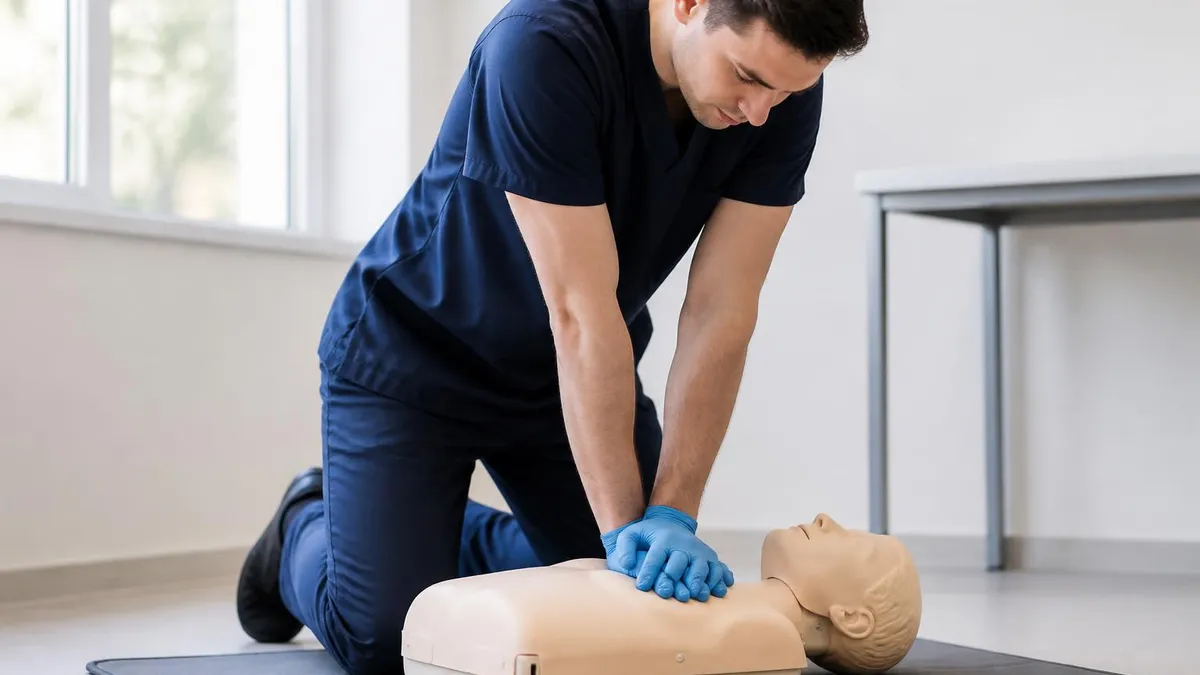
CPR Training Providers 2026: How to Choose a Course That Counts
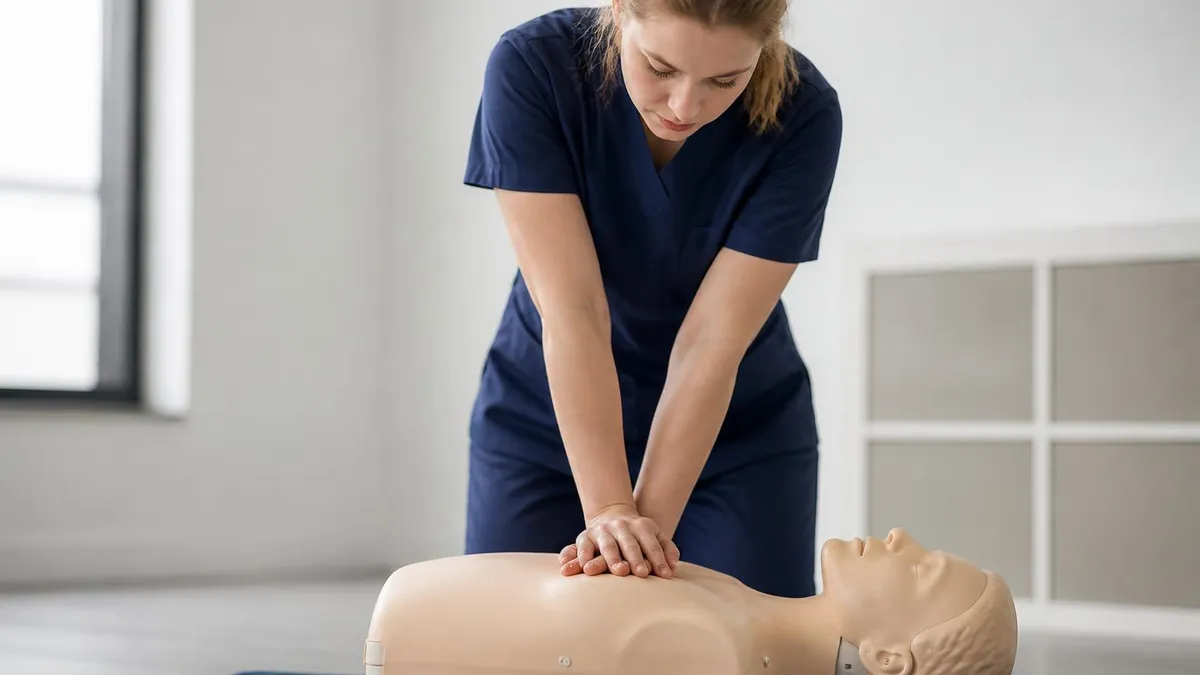
Where to Get CPR Certified in 2026: Complete Guide to Classes, Costs & Online Options
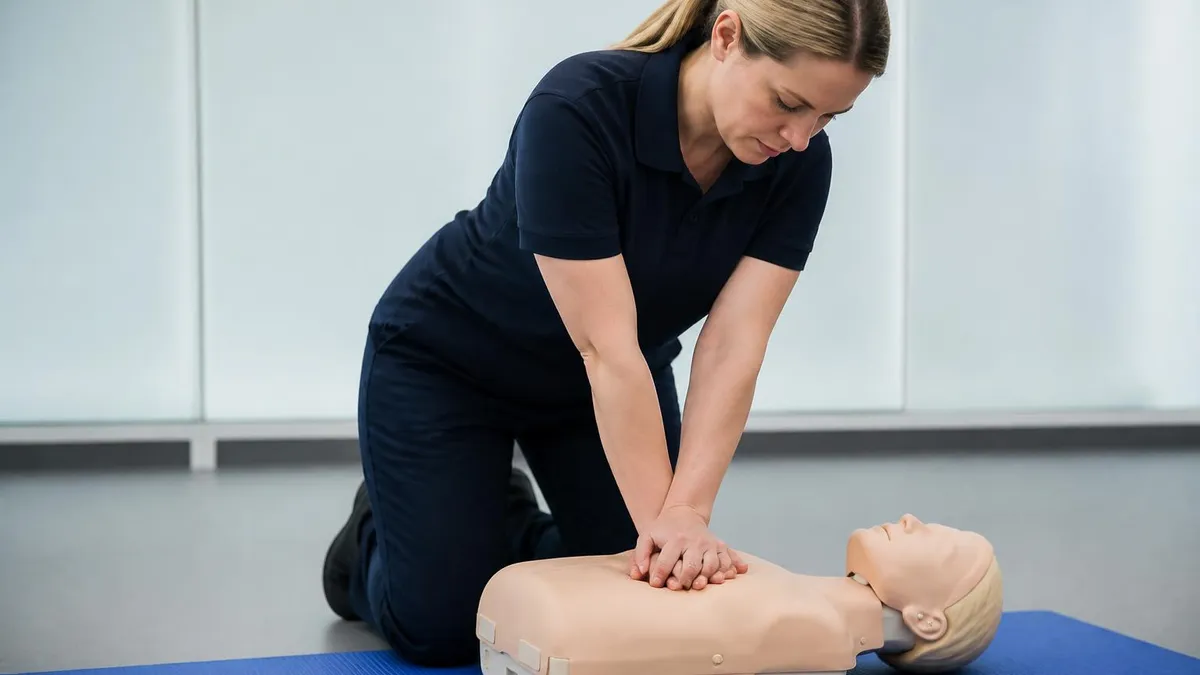
C.A.B CPR Technique: The Complete 2026 Guide to Compressions, Airway, and Breathing
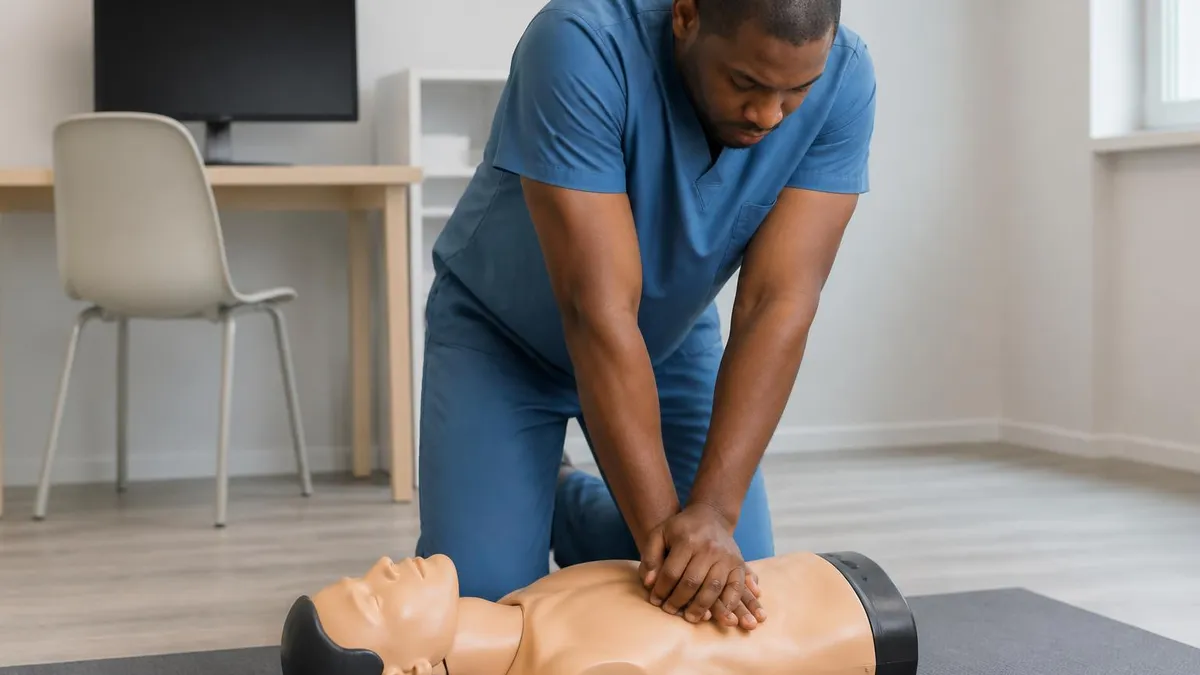
CPR Compression Depth for Child: The Complete 2026 Guide to Pediatric Chest Compressions
How this page was made: written with AI tools and published by Nathan Beja, founder of Practice Test Geeks, who is responsible for its content. Exam facts are checked against the official sources listed below. Not reviewed by a subject-matter expert. Editorial policy
Sources & references
Exam facts on this page (fees, format, dates, passing scores) are checked against these official sources; the date is our last check. Editorial policy
- redcross.org — Score validity, renewal, test delivery, passing score · verified Oct 2026
- elearning.heart.org — Fees, score validity, passing score · verified Oct 2026
- shopcpr.heart.org — Test delivery · verified Oct 2026