
American CPR Care Association: Complete Guide to ACLS Algorithm, PALS Certification, and Life Support Training in 2026 September
🔎 Learn about the American CPR Care Association, ACLS algorithm, PALS certification, infant CPR, and life support training. Complete 2026 September guide.
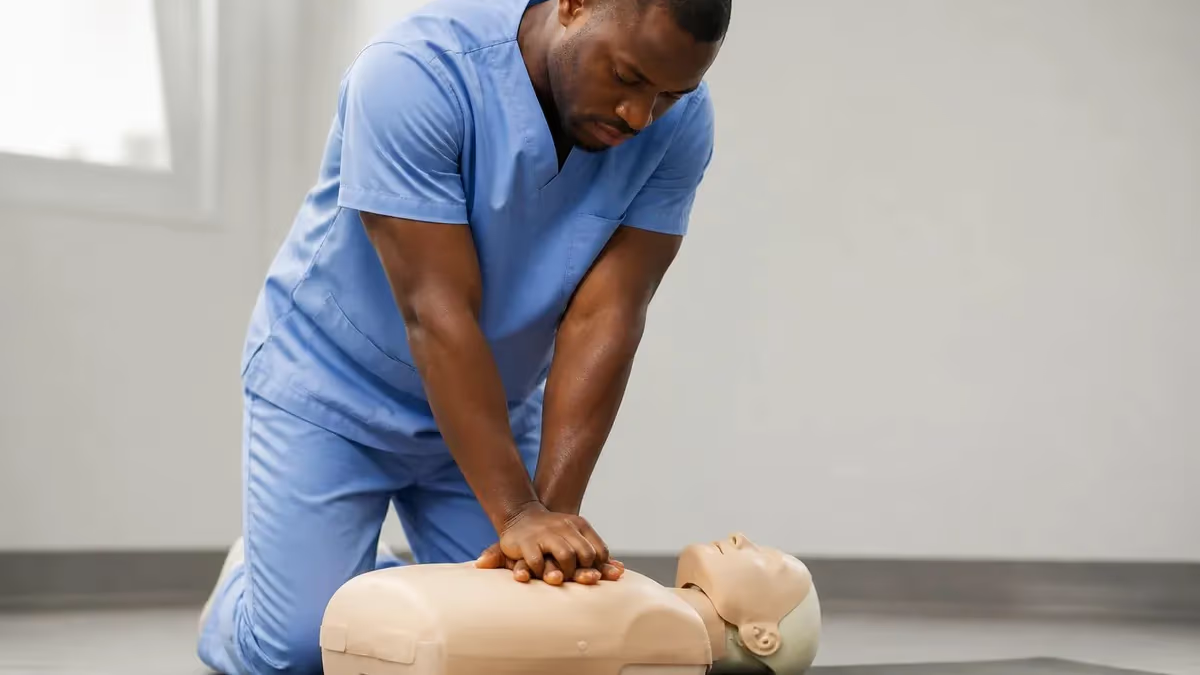
The american cpr care association is one of the leading certification bodies in the United States, offering accredited training programs that range from basic life support to advanced cardiac life support. Whether you are a first-time learner or a seasoned healthcare professional brushing up on the ACLS algorithm, understanding what this organization offers — and how it compares to bodies like the National CPR Foundation — is essential before investing your time and money in a certification course.
Each year, approximately 350,000 out-of-hospital cardiac arrests occur in the United States. Bystander CPR, when performed promptly, can double or even triple a victim's chance of survival. This stark reality has driven massive demand for high-quality CPR and life support training across all demographics, from hospital nurses seeking PALS certification to everyday citizens learning infant CPR for the first time. Organizations like the American CPR Care Association have stepped in to meet that demand with flexible, affordable, and accredited programs.
One area that confuses many new learners is the breadth of certification options. Beyond basic chest compressions, modern CPR training encompasses the ACLS algorithm for advanced resuscitation, pediatric advanced life support (PALS certification), airway management, the use of automated external defibrillators — which raises the common question, what does AED stand for? — and proper recovery position techniques. Knowing which certification you need before you enroll can save hours of preparation and hundreds of dollars.
Respiratory rate monitoring is a core competency in many of these courses. A normal adult respiratory rate sits between 12 and 20 breaths per minute; deviations from this range can signal respiratory distress or impending cardiac arrest. Recognizing abnormal respiratory patterns is woven into both basic CPR curricula and advanced programs, making it a foundational skill no matter which certification path you choose. Understanding respiratory rate assessment also prepares you for real-world emergencies where quick clinical judgment is paramount.
Many learners also wonder about the differences between certification providers. The National CPR Foundation, for example, operates primarily online and issues nationally accepted cards, while the American CPR Care Association blends online coursework with optional hands-on skills sessions. Neither is inherently superior; the right choice depends on your employer's requirements, your learning style, and whether you need a card accepted at hospitals, schools, or community organizations. Comparing providers carefully ensures you do not have to repeat the certification process.
This guide covers everything you need to know about CPR training through the American CPR Care Association: course formats, the ACLS algorithm, PALS certification requirements, infant CPR procedures, AED usage, recovery position protocols, and cost breakdowns. By the end, you will have a clear roadmap for choosing the right certification, preparing effectively, and passing your skills evaluation with confidence. Practice tests and quiz resources are highlighted throughout to help you reinforce each major concept before your final assessment.
Whether you are searching for "cpr phone repair" alternatives to in-person classes, or you need a full ACLS recertification before a hospital credential deadline, this comprehensive resource provides the clarity and detail you need. Read on for an in-depth exploration of every dimension of CPR training, from the fundamentals of chest compression ratios to the nuanced decision trees embedded in the ACLS algorithm used by emergency medical professionals across the country every single day.
CPR & Life Support Training by the Numbers
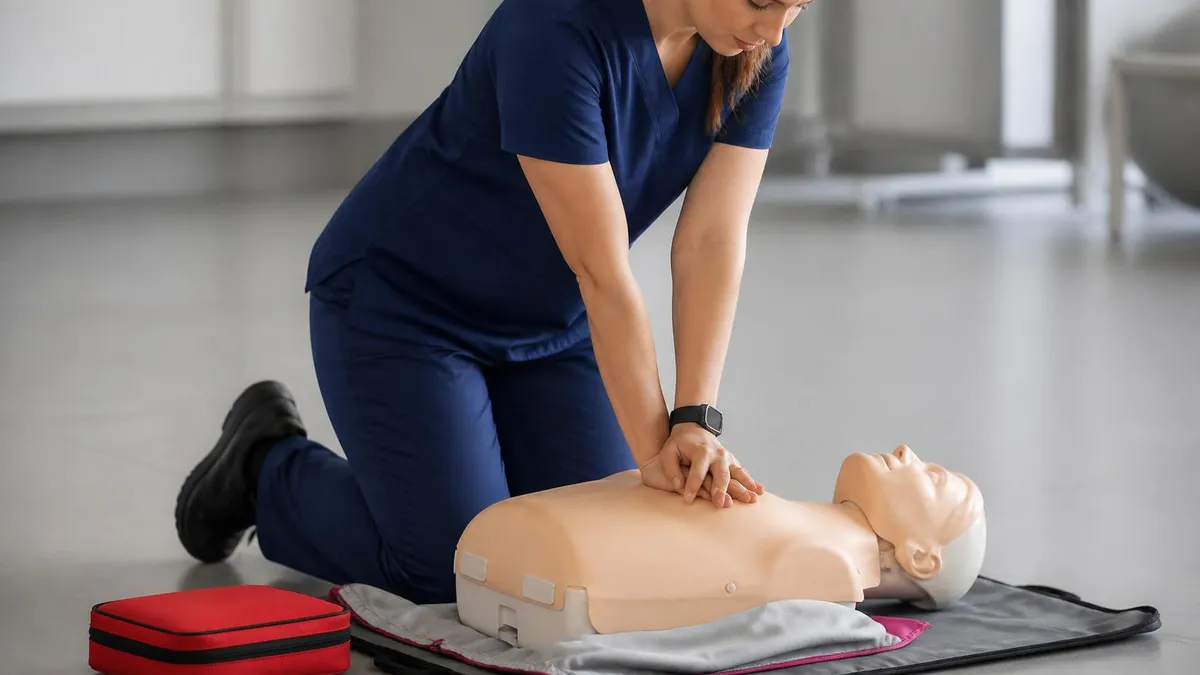
Certification Types Offered by the American CPR Care Association
Covers adult, child, and infant CPR, two-rescuer techniques, AED usage, and relief of foreign-body airway obstruction. Designed for healthcare providers and first responders requiring employer-accepted credentials renewed every two years.
Advanced Cardiac Life Support training built around the ACLS algorithm. Covers rhythm interpretation, pharmacology, megacode scenarios, and team dynamics. Prerequisite knowledge of BLS is required before enrollment.
Pediatric Advanced Life Support targets clinicians treating critically ill children. Covers respiratory emergencies, shock, cardiac arrest algorithms, and post-resuscitation care for neonates, infants, and children up to 18 years old.
Entry-level courses for non-healthcare laypersons, teachers, coaches, and parents. Focuses on hands-only CPR, infant CPR basics, AED operation, and recovery position. No medical background required for enrollment.
Trains individuals to teach CPR courses independently. Includes adult learning theory, skills assessment methods, and course facilitation practice. Instructors can issue valid certification cards to their own students upon completion.
The ACLS algorithm is arguably the most complex and clinically significant protocol taught in any CPR or life support curriculum. At its core, the algorithm is a decision tree that guides rescuers through systematic assessment and treatment of cardiac arrest, pulseless rhythms, bradycardia, and tachycardia. Healthcare providers — physicians, nurses, paramedics, and respiratory therapists — must master this protocol to manage cardiac emergencies with speed and precision. Understanding each branch of the algorithm is not optional; it is a life-or-death competency.
The algorithm begins with the primary survey: check for responsiveness, activate the emergency response system, and begin high-quality CPR at a rate of 100 to 120 compressions per minute. Once a defibrillator or AED is available, the team analyzes the cardiac rhythm. Shockable rhythms — ventricular fibrillation (VF) and pulseless ventricular tachycardia (pVT) — trigger immediate defibrillation followed by two minutes of uninterrupted CPR. Non-shockable rhythms such as asystole and pulseless electrical activity (PEA) call for continued high-quality CPR with epinephrine administered every three to five minutes.
A critical feature of the ACLS algorithm is its emphasis on minimizing interruptions to chest compressions. Every pause in compressions reduces coronary perfusion pressure, diminishing the chances of successful return of spontaneous circulation (ROSC). ACLS teams practice a rhythm where compressions continue during rhythm checks and defibrillator charging, with only the briefest pause — ideally under five seconds — for shock delivery. This discipline around compression fraction is drilled extensively in simulation exercises throughout ACLS courses.
Vasopressor therapy is another pillar of the ACLS algorithm. Epinephrine 1 mg IV/IO is the primary drug, given every three to five minutes during cardiac arrest. For refractory VF or pVT, amiodarone 300 mg is the preferred antiarrhythmic, with a second dose of 150 mg if the first shock fails to restore perfusion. Lidocaine is an acceptable alternative when amiodarone is unavailable. Memorizing drug dosing intervals and the sequence in which interventions occur is essential for passing any ACLS certification exam.
Post-cardiac arrest care — often called the H's and T's mnemonic — rounds out the ACLS algorithm by prompting teams to identify and reverse reversible causes of arrest. The H's include hypovolemia, hypoxia, hydrogen ion excess (acidosis), hypo- or hyperkalemia, and hypothermia. The T's include tension pneumothorax, tamponade, toxins, and pulmonary thromboembolism. Systematically working through this list during resuscitation can uncover treatable causes that, if corrected, result in sustained ROSC and patient survival.
Preparing for an ACLS certification exam requires both cognitive study and hands-on practice. Cognitive preparation involves memorizing algorithm flowcharts, drug doses, rhythm strip interpretation, and the sequence of team-based interventions. Hands-on preparation involves practicing megacode scenarios — simulated cardiac arrest cases where the candidate leads the resuscitation team, calls interventions, and demonstrates clinical decision-making in real time. Many candidates find that combining video lectures with practice tests dramatically improves retention of algorithm decision points.
Respiratory rate assessment ties directly into the ACLS framework. During the secondary survey following ROSC, clinicians must evaluate breathing quality and rate to determine whether advanced airway management — endotracheal intubation or supraglottic airway — is indicated. The target ventilation rate post-intubation is 10 breaths per minute, avoiding hyperventilation, which raises intrathoracic pressure and reduces cardiac output. Monitoring end-tidal CO2 via waveform capnography is the gold standard for confirming correct tube placement and assessing the quality of ongoing resuscitation efforts throughout the code.
CPR Practice Test Questions
Prepare for the CPR Cardiopulmonary Resuscitation Practice exam with our free practice test modules. Each quiz covers key topics to help you pass on your first try.
CPR Basic CPR
CPR Exam Questions covering Basic CPR. Master CPR Test concepts for certification prep.
CPR and First Aid
Free CPR Practice Test featuring and First Aid. Improve your CPR Exam score with mock test prep.
CPR (Cardiopulmonary Resuscitation) Adult ...
CPR Mock Exam on (Cardiopulmonary Resuscitation) Adult CPR and AED Usage. CPR Study Guide questions to pass on your first try.
CPR (Cardiopulmonary Resuscitation) Airway...
CPR Test Prep for (Cardiopulmonary Resuscitation) Airway Obstruction and Choking. Practice CPR Quiz questions and boost your score.
CPR (Cardiopulmonary Resuscitation) Cardio...
CPR Questions and Answers on (Cardiopulmonary Resuscitation) Cardiopulmonary Emergency Recognition. Free CPR practice for exam readiness.
CPR (Cardiopulmonary Resuscitation) Child ...
CPR Mock Test covering (Cardiopulmonary Resuscitation) Child and Infant CPR. Online CPR Test practice with instant feedback.
CPR (Cardiopulmonary Resuscitation) High-P...
Free CPR Quiz on (Cardiopulmonary Resuscitation) High-Performance Team Dynamics. CPR Exam prep questions with detailed explanations.
CPR (Cardiopulmonary Resuscitation) Legal ...
CPR Practice Questions for (Cardiopulmonary Resuscitation) Legal and Ethical Considerations. Build confidence for your CPR certification exam.
CPR for Specific Populations
CPR Test Online for for Specific Populations. Free practice with instant results and feedback.
CPR Airway & Breathing Management
CPR Exam Questions covering Airway & Breathing Management. Master CPR Test concepts for certification prep.
CPR Assessment & Recognition of Cardiac Ar...
Free CPR Practice Test featuring Assessment & Recognition of Cardiac Arrest. Improve your CPR Exam score with mock test prep.
CPR Chest Compressions & Defibrillation
CPR Mock Exam on Chest Compressions & Defibrillation. CPR Study Guide questions to pass on your first try.
CPR Post-Resuscitation Care & Recovery
CPR Test Prep for Post-Resuscitation Care & Recovery. Practice CPR Quiz questions and boost your score.
Infant CPR and PALS Certification: What You Need to Know
Infant CPR differs significantly from adult technique and is tested heavily in both PALS certification exams and community CPR courses. For infants under one year old, rescuers use two fingers placed on the center of the chest, just below the nipple line, delivering compressions to a depth of approximately 1.5 inches at a rate of 100 to 120 per minute. The two-thumb encircling technique is preferred for two-rescuer infant CPR because it generates higher coronary perfusion pressures than the two-finger method used in single-rescuer scenarios.
Rescue breathing for infants requires a gentle puff of air — just enough to see the chest rise — delivered over one second per breath. Over-inflation can cause gastric distension and aspiration risk. The compression-to-ventilation ratio for infant CPR is 30:2 for a single rescuer and 15:2 when two healthcare providers are present. Recognizing normal versus abnormal respiratory rate in infants — the normal range is 30 to 60 breaths per minute for newborns — is a foundational skill for identifying deterioration before cardiac arrest occurs.
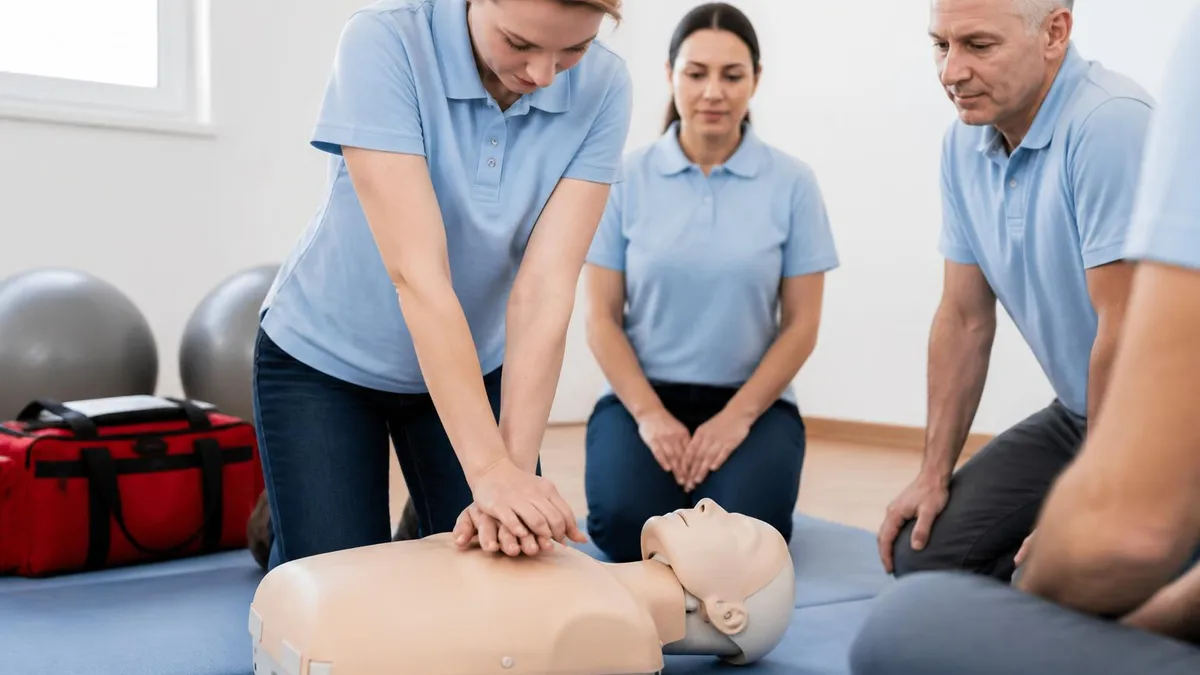
American CPR Care Association vs. National CPR Foundation: Key Differences
- +American CPR Care Association offers blended learning formats ideal for healthcare professionals with time constraints
- +Courses accepted by most US hospitals, clinics, EMS agencies, and employers nationwide
- +ACLS and PALS certification options available alongside basic BLS and community CPR
- +Instructors provide real-time feedback during skills evaluations, improving retention
- +Instructor certification program allows graduates to train their own teams
- +Cards issued are valid for two years and include digital wallet versions for easy sharing
- −Blended courses require in-person attendance for skills sessions, limiting fully remote access
- −Pricing can be higher than fully online-only providers like the National CPR Foundation
- −Not all course locations are available in every state, requiring travel in some areas
- −Limited pediatric-specific community courses compared to hospital-focused PALS programs
- −Recertification scheduling can fill up months in advance in high-demand urban markets
- −Some employers may specifically require American Heart Association cards, excluding other providers
CPR Certification Preparation Checklist
- ✓Confirm your employer or licensing board accepts the American CPR Care Association or chosen provider
- ✓Check current BLS certification status — ACLS and PALS require valid BLS before enrollment
- ✓Complete all online precourse modules and self-assessment exams at least 48 hours before the skills session
- ✓Memorize the ACLS algorithm flowcharts for VF/pVT, asystole/PEA, bradycardia, and tachycardia
- ✓Review normal respiratory rate ranges: 12–20 for adults, 12–20 for children 12+, 30–60 for newborns
- ✓Practice compression depth and rate: 2–2.4 inches at 100–120 per minute for adults
- ✓Study AED operation steps — power on, attach pads, analyze rhythm, deliver shock, resume CPR
- ✓Review recovery position technique for unconscious breathing adults
- ✓Practice infant CPR two-finger and two-thumb techniques and confirm the 30:2 (single) and 15:2 (two-rescuer) ratios
- ✓Take at least two full-length practice tests to identify weak areas before your scheduled exam date
Target a Chest Compression Fraction Above 80%
Research shows that every 10-second interruption to compressions allows coronary perfusion pressure to drop near zero, and it takes 60–90 seconds to rebuild. High-performing ACLS teams maintain a chest compression fraction above 80% throughout the code — meaning compressions are active for at least 80% of resuscitation time. Practicing rapid rhythm checks and simultaneous defibrillator charging during compressions is the single most impactful habit you can build before your certification exam.
Understanding what AED stands for is one of the most commonly searched questions in CPR education. AED stands for Automated External Defibrillator — a portable, battery-operated device designed to analyze the heart's electrical rhythm and deliver a precisely calibrated electrical shock when a shockable rhythm such as ventricular fibrillation or pulseless ventricular tachycardia is detected. AEDs are designed for use by laypeople with minimal training, featuring audio and visual prompts that guide users step by step through the entire defibrillation process.
The operational sequence for AED use is straightforward: power on the device, attach the adhesive electrode pads to the victim's bare chest (one pad below the right collarbone, one on the lower left side of the chest), allow the AED to analyze the rhythm, ensure no one is touching the patient during analysis and shock delivery, and press the shock button if advised. Following the shock, immediately resume CPR beginning with chest compressions and continue for two minutes before allowing the AED to re-analyze. Modern AEDs even provide voice feedback on compression rate and depth.
Recovery position — sometimes called the lateral recumbent or stable side position — is a critical but often overlooked skill in CPR curricula. It is used for unconscious individuals who are breathing adequately and have a pulse, where laying them flat on their back poses an aspiration risk from vomit or secretions.
To place someone in the recovery position, kneel beside them, extend their nearest arm at a right angle to the body, bring their far hand to their cheek, pull the far knee up and roll them toward you, tilt the head back to maintain airway patency, and monitor breathing continuously until emergency services arrive.
The recovery position is covered in every level of CPR training, from community Heartsaver courses to PALS certification programs. Positioning infants in recovery differs slightly — because of their large heads relative to body size, a small shoulder roll may be needed to prevent airway flexion. For pregnant victims beyond 20 weeks gestation, a left lateral tilt of 15 to 30 degrees is preferred to relieve aortocaval compression, which can impair cardiac output and compromise both mother and fetus. These nuances are tested in written exams and simulated scenarios alike.
Many people who arrive at CPR certification courses are surprised to discover how thoroughly respiratory assessment is integrated throughout the curriculum. Beyond checking for breathing at the start of any emergency response, providers must also monitor respiratory rate and quality during ongoing resuscitation and post-arrest care. Monitoring tools range from simple observation — counting chest rises per minute — to advanced capnography, which provides a continuous waveform of exhaled CO2 that correlates directly with CPR quality and cardiac output during resuscitation.
AED placement and maintenance in public spaces is now governed by law in most US states. Many states require AEDs in schools, gyms, airports, large event venues, and commercial buildings above a certain occupancy threshold. As a result, demand for community-level CPR and AED training has surged in recent years. Programs offered through the American CPR Care Association include AED orientation modules designed for building managers, athletic coaches, corporate safety officers, and school staff — populations who may be first on scene in a cardiac emergency and who need confidence operating the device without prior medical training.
One emerging trend in CPR education is the integration of smartphone apps and telehealth dispatch into lay-rescuer protocols. In some cities, dispatch centers now push real-time GPS alerts to nearby CPR-trained volunteers through apps that direct them to the nearest AED and guide them through compression technique via audio coaching. The convergence of community CPR training, AED availability, and mobile technology represents the most promising frontier in improving out-of-hospital cardiac arrest survival rates — a goal that the American CPR Care Association and similar organizations are actively supporting through expanded training initiatives and public awareness campaigns.
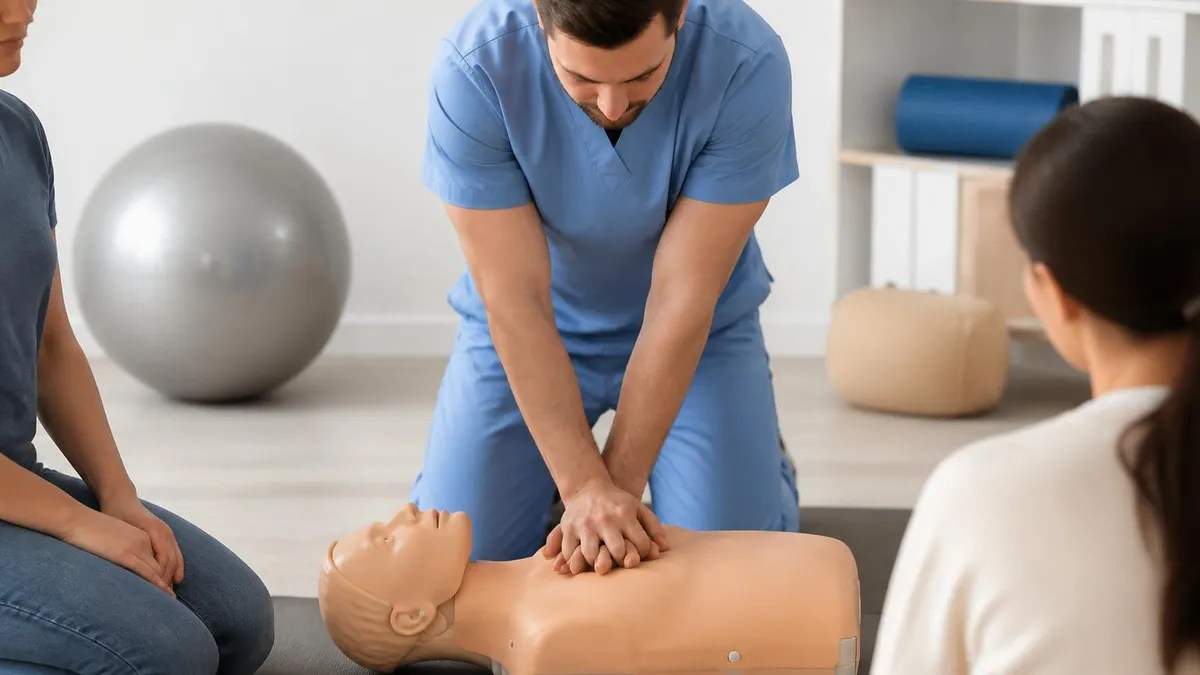
Most CPR, BLS, ACLS, and PALS certifications expire after exactly two years. Many healthcare employers conduct credential audits quarterly, and an expired card — even by a single day — can result in removal from the clinical schedule until renewal is complete. Do not wait until your card expires to schedule recertification; classes fill quickly, especially in large urban markets. Set a calendar reminder six to eight weeks before your expiration date to guarantee an open seat.
The financial investment required for CPR and life support certification varies widely depending on the course level, provider, and format. Basic community CPR through the American CPR Care Association typically costs between $30 and $60 for an online-only option or $60 to $90 for a blended format with an in-person skills session. BLS for healthcare providers runs $60 to $120 depending on whether the fee covers the skills session separately. ACLS certification, which is more intensive and requires more instructor time and simulation equipment, typically costs between $150 and $250 per candidate.
PALS certification carries a similar cost range to ACLS — approximately $150 to $250 — reflecting the complexity of pediatric protocols and the specialized simulation equipment needed for infant and child mannequins. Some healthcare systems negotiate group rates for departments, bringing per-person costs down considerably. Individuals paying out of pocket should check whether their professional association, union, or state nursing board offers continuing education grants or reimbursement programs that can offset certification expenses. Many employers also reimburse certification costs when the card is required for the job.
Renewal pricing is generally lower than initial certification because candidates are presumed to retain foundational knowledge from prior training. Many providers offer discounted recertification bundles that combine BLS renewal with an ACLS or PALS refresher, reducing the total cost compared to booking each course separately. Instructors who maintain their instructor credentials also benefit from waived or reduced fees for personal certifications as a professional courtesy from their sponsoring organization.
Beyond direct course costs, learners should factor in indirect costs: travel to a skills session location, time away from work, parking, and study materials. Textbooks and algorithm reference cards for ACLS and PALS cost an additional $30 to $60 unless included in the course fee. Online precourse platforms are usually bundled into the registration fee, but confirm this before enrolling to avoid surprise charges. Free resources — including practice tests, algorithm videos, and drug dosing charts — are widely available and can significantly reduce the need to purchase expensive study guides.
The career return on investment for CPR and life support certification is substantial. Nurses with active ACLS and PALS certifications command higher hourly rates in critical care and emergency departments, with some travel nursing agencies paying $5 to $15 per hour premium for candidates who hold all three certifications. Paramedics who maintain ACLS and PALS credentials access a wider range of transport and specialty care positions. Even in non-clinical roles, CPR certification can differentiate job candidates and satisfy OSHA workplace safety requirements in environments ranging from construction sites to summer camps.
Employers in the fitness industry increasingly require personal trainers and group exercise instructors to hold current CPR and AED certifications. The American CPR Care Association's Heartsaver course is specifically designed for this audience, offering a one-day format that covers adult, child, and infant CPR, AED use, and first aid basics. Fitness professionals who complete this certification demonstrate a commitment to member safety that gym owners value highly, and many states now mandate it as a condition of employment for anyone delivering supervised physical exercise to the public.
Looking at the broader landscape of life support training, the synergy between CPR fundamentals and advanced certifications like ACLS and PALS creates a natural career progression pathway. Starting with a basic community CPR course builds the reflex patterns — compression rate, depth, ratio — that make advanced coursework more intuitive. Candidates who enter their first ACLS class already proficient at high-quality BLS consistently outperform those who attempt advanced certifications without a solid foundation, underscoring the value of building skills systematically rather than jumping straight to the most advanced level available.
Maximizing your success on any CPR certification exam — written, scenario-based, or both — requires a structured preparation strategy that goes beyond passive reading. The most effective approach combines spaced repetition of key facts, active recall through practice tests, and hands-on simulation practice that builds muscle memory for compression technique, AED operation, and team communication. Candidates who dedicate even two to three hours per week for the two weeks leading up to their course consistently report higher confidence and lower exam anxiety on evaluation day.
For the ACLS algorithm specifically, consider drawing the full flowchart from memory at the start of each study session. Begin with the cardiac arrest pathway — VF/pVT versus asystole/PEA — and work outward to the bradycardia and tachycardia branches. Each time you can reconstruct the algorithm without looking at the reference card, you deepen the neural pathways that will fire automatically during a high-pressure megacode scenario. Many successful ACLS candidates report that the physical act of drawing the algorithm, rather than simply reading it, is the single most effective study habit they practiced.
For infant CPR and PALS preparation, focus on the pediatric chain of survival: prevention, early CPR, rapid activation of emergency response, rapid advanced life support, and integrated post-cardiac arrest care. Practice recognizing the clinical presentations that distinguish respiratory distress from respiratory failure from respiratory arrest — the progression from distress to arrest can occur in minutes in infants and small children, and early intervention before full arrest dramatically improves outcomes. Case-based learning — working through simulated pediatric scenarios — is the most efficient way to internalize these recognition patterns.
AED familiarization is another preparation element that many candidates underestimate. If possible, get hands on an actual AED before your skills evaluation. Different manufacturers — Philips, Zoll, Cardiac Science, Defibtech — have slightly different pad placement graphics, power-on sequences, and shock energy levels. While the operational principles are identical across devices, physical familiarity reduces hesitation during a real emergency. Many public libraries, fire stations, and community centers allow scheduled AED familiarization visits; your course instructor can often facilitate access as well.
On the day of your skills evaluation, arrive early and hydrated. Physical fatigue and dehydration impair both cognitive performance and manual dexterity — both of which matter enormously during a CPR skills check. Dress comfortably, since you will be kneeling on the floor and performing repeated compressions during the session. Review your algorithm cards one final time during the morning of the evaluation, then put them away; trying to cram algorithm details in the parking lot immediately before the session increases anxiety without meaningfully improving retention at that point.
Team communication is a dimension of CPR performance that written practice tests cannot fully prepare you for. During ACLS and PALS megacode evaluations, evaluators score not only clinical decisions but also closed-loop communication — the practice where the team leader states an order, the recipient acknowledges it by name and repeats it back, and the leader confirms receipt. This protocol eliminates ambiguity in noisy resuscitation environments. If you have never practiced closed-loop communication before, rehearse it with a study partner or use video role-play to make the pattern feel natural before the real evaluation.
Finally, leverage every free resource available to you during preparation. Practice tests aligned to CPR certification content are the fastest way to identify knowledge gaps in your understanding of compression ratios, drug dosing, rhythm interpretation, and algorithm decision points. Use multiple quiz sets to ensure broad coverage rather than memorizing answers to a single question bank. After completing any practice quiz, review every incorrect answer with full rationale before moving to the next section. This active error analysis — rather than simply noting your score — is what separates high-performing certification candidates from those who struggle through multiple retakes.
CPR Questions and Answers
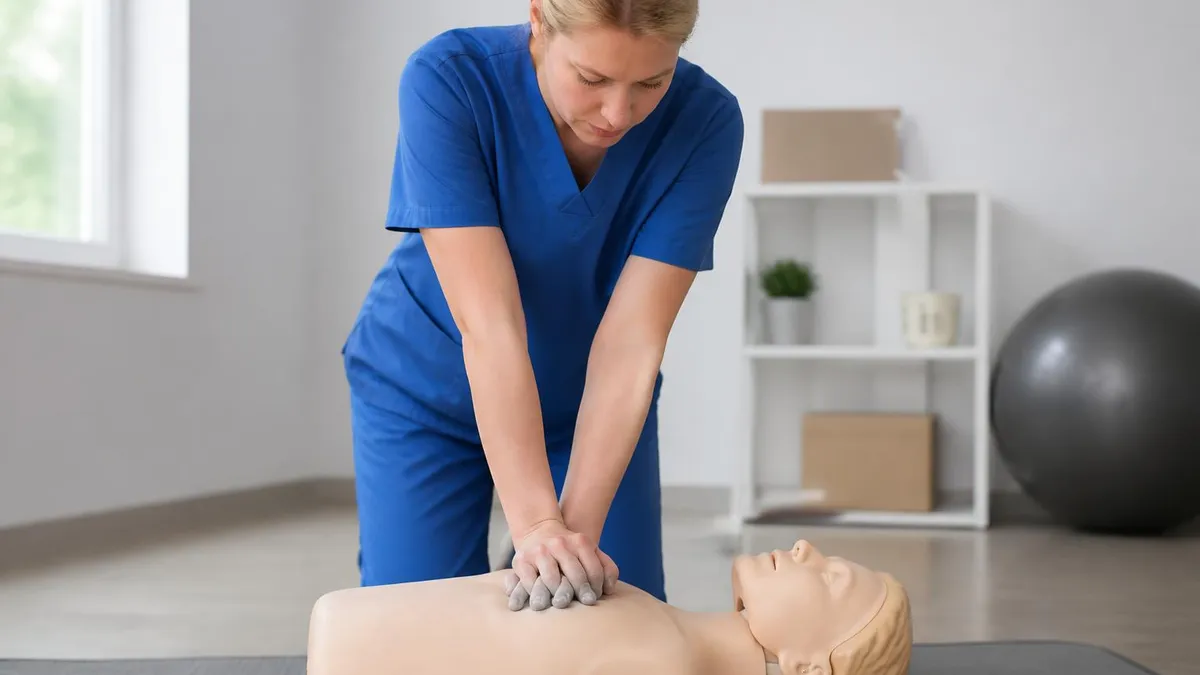
CPR Certification Classes: Complete Guide to ACLS Algorithm, PALS, and Life Support Training in 2026
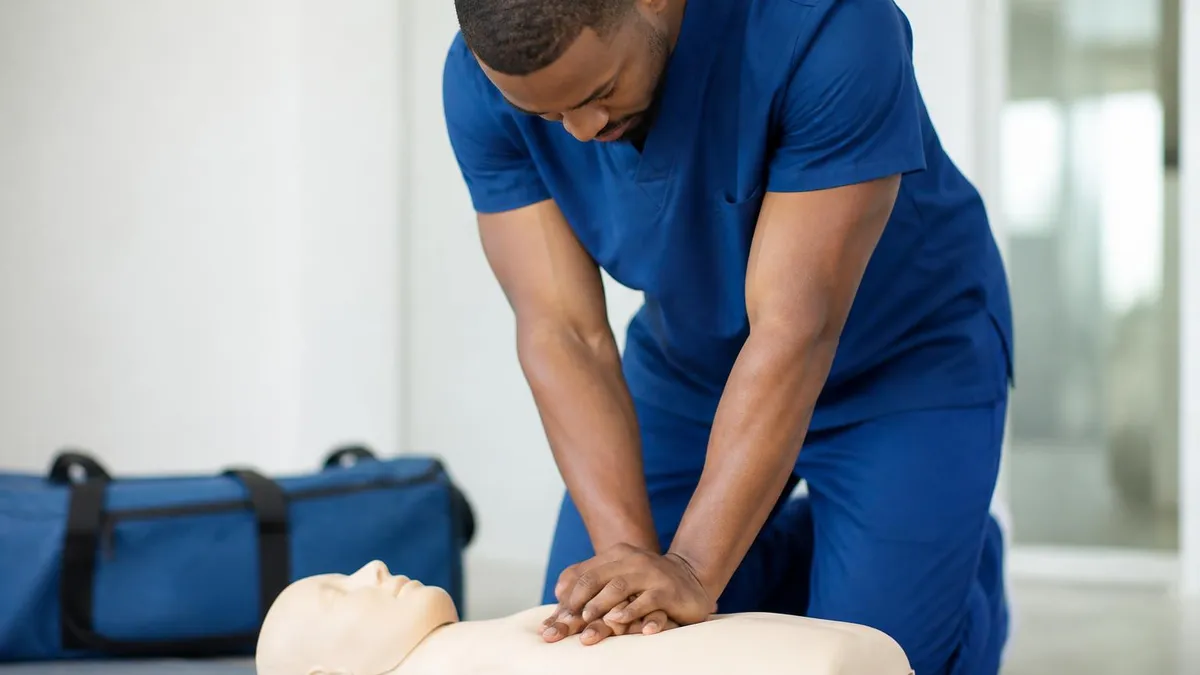
CPR Courses: Complete Guide to ACLS Algorithm, PALS Certification, and Life Support Training in 2026
CPR Face Shield: Complete Guide to ACLS Algorithm, Infant CPR, and Life Support Barrier Devices in 2026
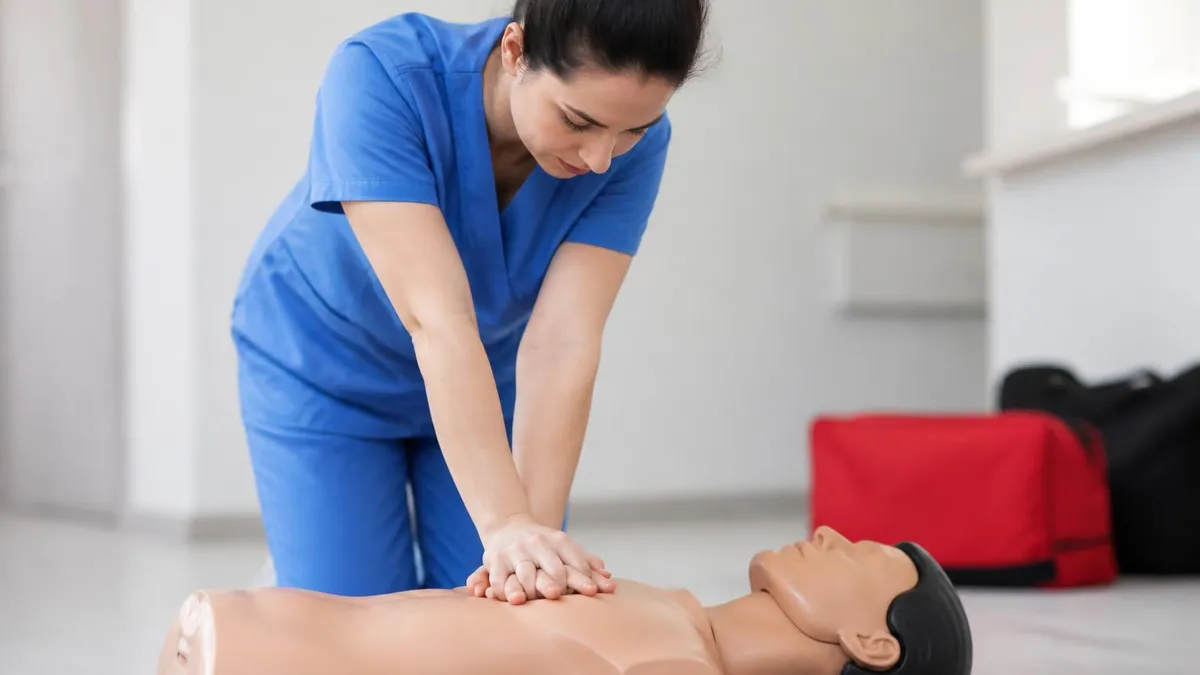
American Heart Association CPR Training: Complete Guide to ACLS Algorithm, PALS Certification, and Life Support in 2026
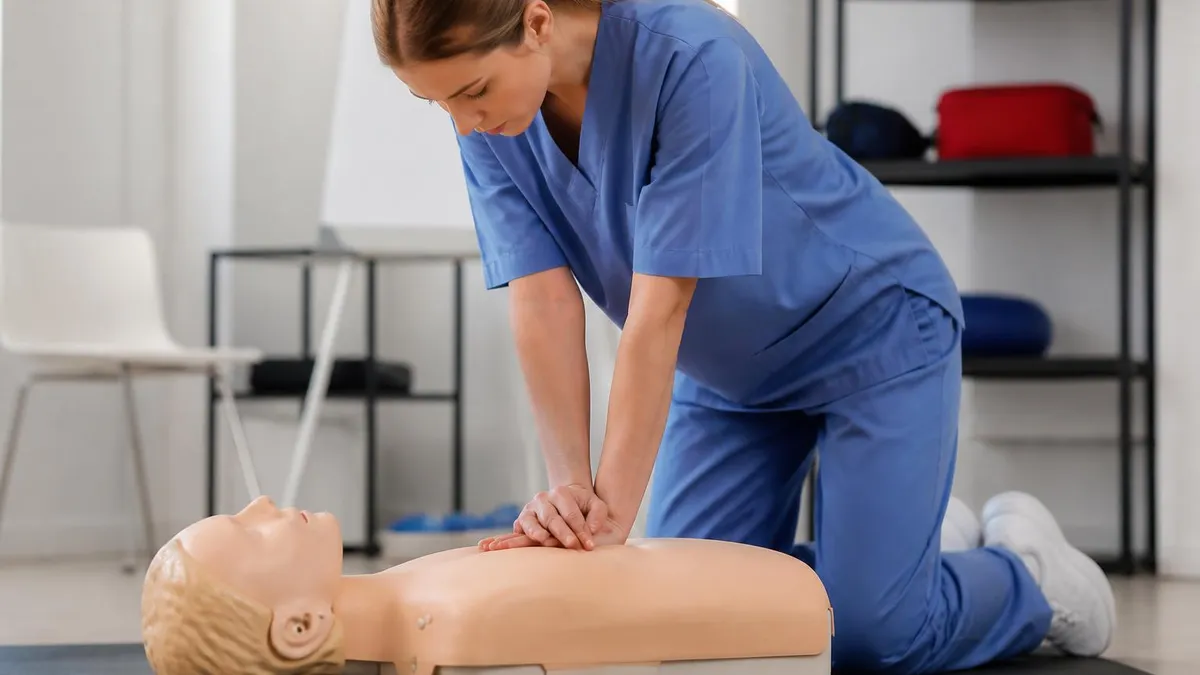
Types of CPR Training: From Basic Life Support to ACLS Algorithm Mastery in 2026
About the Author

Registered Nurse & Healthcare Educator
Johns Hopkins University School of NursingDr. Sarah Mitchell is a board-certified registered nurse with over 15 years of clinical and academic experience. She completed her PhD in Nursing Science at Johns Hopkins University and has taught NCLEX preparation and clinical skills courses for nursing students across the United States. Her research focuses on evidence-based exam preparation strategies for healthcare certification candidates.
Join the Discussion
Connect with other students preparing for this exam. Share tips, ask questions, and get advice from people who have been there.
View discussion (5 replies)