
UK Driving Test: Theory, Practical, and How to Pass First Time 2026 October
UK driving test guide: 🆕 theory and practical test format, booking, costs, what to expect, common faults, and how to maximize first-time pass chances.
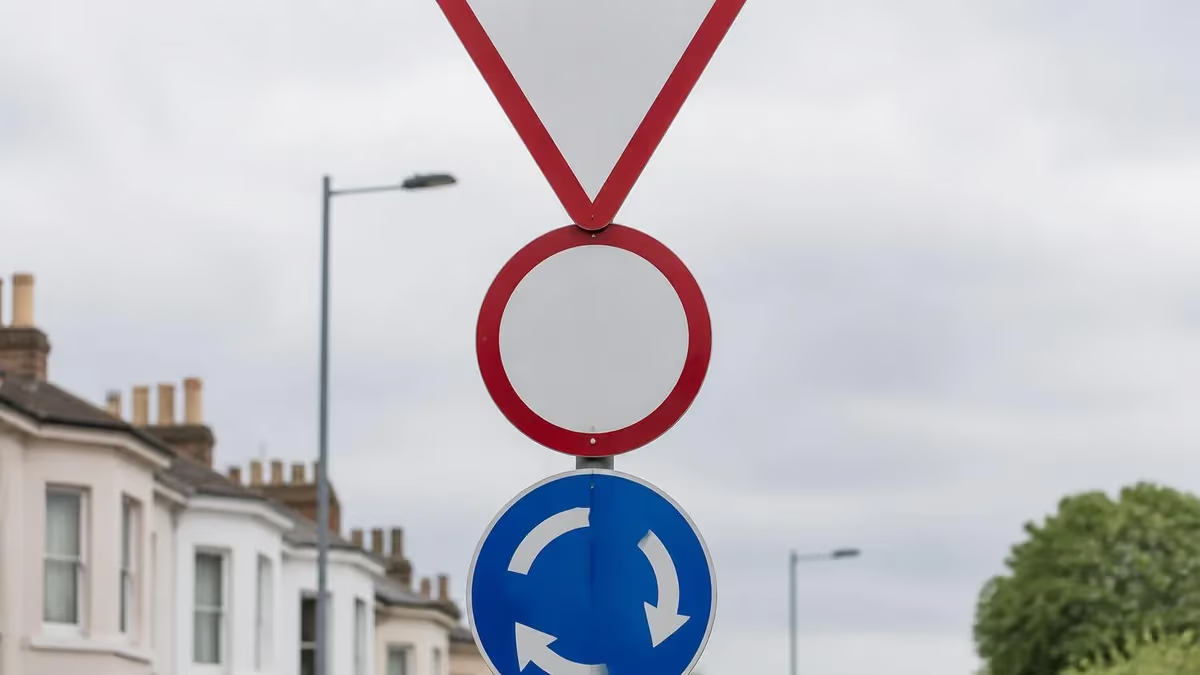
The UK driving test consists of two separate exams: the theory test (multiple choice questions plus hazard perception) and the practical driving test (40-minute supervised drive demonstrating safe driving ability). Successful completion of both tests required to obtain full UK driving licence. Whether you're learning to drive, supporting learner driver, or considering UK driving from another country, understanding the UK driving test process helps prepare effectively for these important assessments determining UK driving privileges.
For UK driving test specifically, several patterns matter. Theory test must be passed before practical test. Theory test £23 fee includes 50 multiple choice questions plus hazard perception. Practical test £62 fee includes 40-minute supervised drive plus safety questions. Test pass rates: theory ~50%, practical ~48%. Specific minimum age requirements (17 for car typically). Each test element supports licensing. Quality preparation substantially improves passing chances reducing repeat test costs and delays.
For test booking specifically, both tests bookable through DVSA online system. Theory test typically bookable within weeks. Practical test wait times vary by region (sometimes months). Specific test centres throughout UK. Each booking element requires planning. Quality early booking essential particularly for practical test where wait times can be substantial in busy regions affecting overall licensing timeline.
This guide covers UK driving test comprehensively: theory test format, practical test details, booking process, costs, common faults, and tips for first-time pass success. Whether you're starting driving lessons or preparing for tests, you'll find practical context here for navigating UK driving test process.
Theory test: £23, 50 questions + hazard perception
Practical test: £62, 40-minute supervised drive
Pass rates: Theory ~50%, Practical ~48%
Order: Theory test must be passed before practical
Validity: Theory pass valid for 2 years to take practical
For specific theory test specifically, theory test contains two sections. Multiple choice section: 50 questions, 57 minutes, 43 correct minimum (86%). Hazard perception section: 14 video clips with developing hazards, must score 44 of 75 maximum points. Both sections must be passed in single sitting. Failed sections require complete retest. Each theory element tests specific knowledge. Quality theory preparation through Highway Code study, mock tests, and hazard perception practice essential. The book theory test guide covers booking details.
For specific multiple choice questions specifically, multiple choice questions cover Highway Code knowledge. Road signs and meanings. Vehicle handling and safety. Specific traffic regulations. Pedestrian and cyclist awareness. Specific hazard awareness. Each question category tests specific knowledge. Quality preparation through official DVSA materials covers actual question pool. Random selection from approximately 1,000 question bank for each test administration.
For specific hazard perception specifically, hazard perception tests ability to identify developing hazards. 14 video clips showing real driving situations. Click mouse when developing hazard identified. Earlier identification scores more points (5 maximum per clip). Multiple clicks penalty (zero score). Specific scoring system rewards genuine hazard identification. Each clip provides scoring opportunity. Quality hazard perception practice through official DVSA materials substantially improves passing.
For specific practical test specifically, practical test approximately 40 minutes total. Includes eyesight check, vehicle safety questions, general driving, manoeuvre, independent driving section. Specific assessment criteria for various driving aspects. Major faults result in test failure. Maximum 15 minor faults allowed (16 fails). Each test element evaluates specific competency. Quality comprehensive preparation through lessons substantially better than minimal lesson preparation.
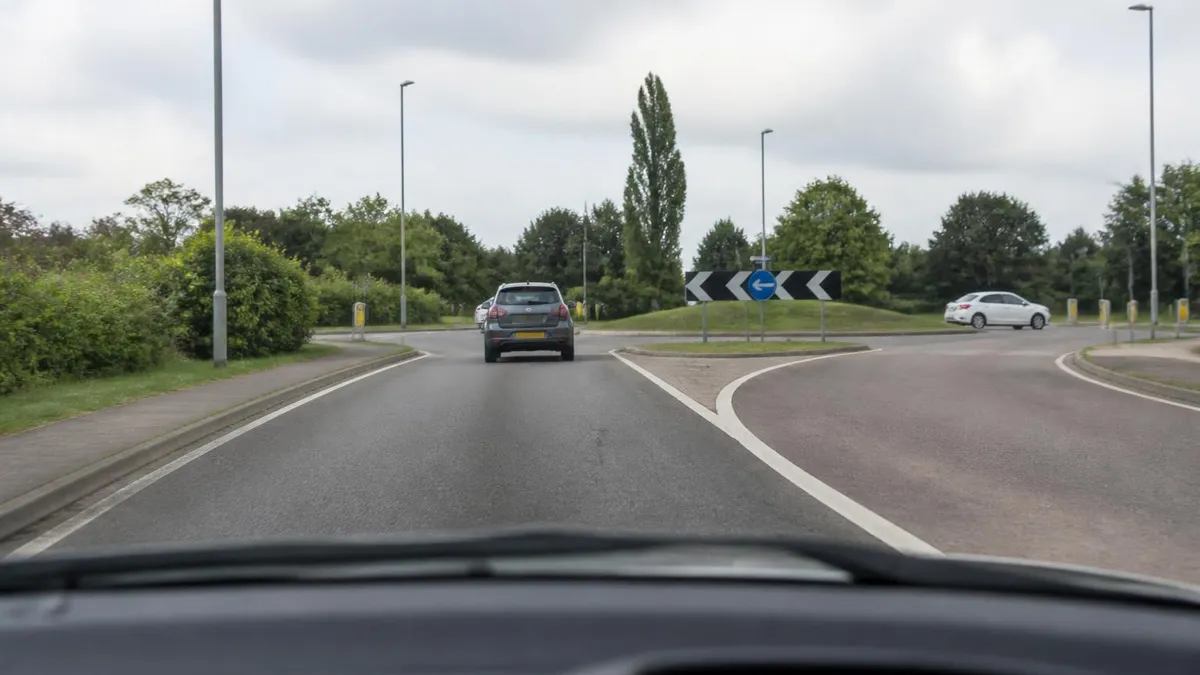
For specific manoeuvres specifically, practical test includes one of several possible manoeuvres. Parallel park. Bay park (drive in or reverse in). Pull up on right and reverse 2 car lengths. Specific manoeuvre randomly selected. Each manoeuvre requires specific technique. Quality practice across all possible manoeuvres prepares for whichever assigned during test. The book practical test guide covers practical test details.
UK Driving Test Components
50 questions, 57 minutes, must score 43+ correct (86%). Covers Highway Code, road signs, vehicle handling, traffic regulations. Random selection from question bank for each test.
14 video clips, click when hazard developing. Earlier clicks score more (5 max per clip). Must score 44+ of 75 possible. Multiple clicks per hazard score zero.
Approximately 40 minutes general driving plus manoeuvre. Independent driving section (~20 minutes) using sat nav or following signs. Tests various driving competencies and decision-making.
Show me, tell me questions about vehicle safety checks. Tell me question before driving (e.g., demonstrate cleaning windscreen). Show me question while driving (e.g., demonstrate operating wipers).
For specific test booking specifically, booking process through DVSA online system at gov.uk/book-driving-test or gov.uk/book-theory-test. Driving licence number required. Payment by credit/debit card. Specific test centre selection from available locations. Date and time selection from available appointments. Each booking element supports test scheduling. Quality early booking accesses preferred dates and times. The book a driving test guide covers booking process.
For specific test costs specifically, official DVSA test costs. Theory test: £23 weekday, £23 weekend (same price). Practical test: £62 weekday, £75 weekend/evening. Specific costs additional for retests. Cancellation refund possible with sufficient notice. Each test cost covers official examination. Quality cost awareness helps budget for potential retests common given pass rates.
For specific eligibility requirements specifically, several requirements for UK driving test. Minimum age 17 for car (16 for some other categories). Provisional licence required before driving lessons. Eyesight requirement (read number plate at 20 metres). Specific medical requirements. Each eligibility element must be met. Quality eligibility verification before booking prevents wasted booking attempts.
For specific learner driver requirements specifically, learner drivers must observe specific rules. L plates displayed front and back of vehicle. Accompanying licensed driver (21+ years old, 3+ years driving experience). No motorway driving (until passing test typically). Specific other restrictions. Each learner requirement enforces safety. Quality compliance with learner restrictions prevents fines and licence revocation during learning period.
For specific test wait times specifically, practical test wait times vary substantially by region. Some regions: weeks. Other regions (busy areas): months. Specific times affected by test centre demand and instructor availability. Each region has different wait patterns. Quality early booking strategy reduces overall licensing timeline particularly in busy regions where late booking adds substantial delay. The driving test guide covers process overview.
UK Driving Test Stages
Before driving lessons:
- Apply: Online through DVLA
- Cost: £34 online or £43 by post
- Age: Apply from age 15 years 9 months for car
- Required: Before any on-road driving even with instructor
- Photo: Provide passport-style photo

For specific common practical faults specifically, several faults appear frequently in failed tests. Mirror checks insufficient or absent at junctions. Steering control issues. Specific positioning errors. Inadequate observation at junctions. Failure to respond to road conditions. Each fault category contributes to test failures. Quality preparation specifically targeting common faults substantially improves pass chances over generic preparation not addressing typical failure patterns.
For specific driving lesson approach specifically, lessons with qualified ADI (Approved Driving Instructor) typically required. Recommended 40-50 hours professional lessons typical for first-time pass. Plus 20+ hours private practice with qualified accompanying driver. Specific lesson packages available. Each lesson element builds skills. Quality systematic learning approach substantially better than minimum-cost learning approaches producing low first-attempt pass rates. The driving lessons guide covers lesson details.
For specific intensive courses specifically, crash courses available compressing learning into intensive period. Typically 1-2 weeks intensive training. Cost £500-£1,500 typical. Pass rates variable. Specific suitability varies by individual. Each intensive element accelerates learning timeline. Quality intensive courses suit some learners but not others — depends on learning style and prior driving exposure. The crash course driving guide covers intensive options.
For specific show me tell me questions specifically, vehicle safety questions part of practical test. Tell me question (before driving) requires verbal explanation. Show me question (while driving) requires demonstration. Specific question pool covers vehicle safety basics. Each question tests vehicle safety knowledge. Quality preparation through official DVSA show me tell me question list ensures preparation for actual test questions.
For specific test day specifically, test day preparation important. Arrive early to test centre. Bring required documents (provisional licence, theory test pass certificate). Vehicle in good condition (test usually in school car). Specific test day procedures. Each preparation element reduces test stress. Quality test day preparation supports calm performance demonstrating actual driving capability rather than stress-affected reduced performance.
Several scam websites charge inflated fees for UK driving test services available free or at official cost from DVSA. Always book theory and practical tests through official DVSA sites (gov.uk/book-theory-test and gov.uk/book-driving-test) — costs £23 theory, £62 practical (£75 weekend/evening). Third-party booking sites often charge £30-£60 booking fees on top of test costs providing no actual benefit. Official DVSA learning materials substantially better quality than many third-party alternatives. Quality use of official resources saves money and ensures legitimate test bookings without scam involvement potentially affecting test attendance through booking errors.
For specific Highway Code specifically, Highway Code essential study material for theory test. Available online free at gov.uk. Print version also available. Specific content covers all road users not just car drivers. Regular updates reflect current law. Each Highway Code section provides specific knowledge. Quality systematic Highway Code reading substantially supports theory test preparation through actual UK road regulations rather than approximations from various third-party materials.
For specific independent driving specifically, practical test includes independent driving section. Approximately 20 minutes following sat nav directions or road signs. Tests ability to drive independently following directions while maintaining safe driving. Specific section evaluates real-world driving capability. Each independent driving element tests practical driving ability. Quality preparation includes practising independent driving under various conditions during lessons.
For specific eyesight check specifically, practical test begins with eyesight check. Read number plate at 20 metres distance (20.5 metres for newer style plates). Glasses/contacts allowed for those needing them. Specific failure prevents test continuation. Each eyesight element verifies basic safety requirement. Quality eyesight verification before test prevents test failure from preventable vision issue requiring optometrist visit before retest.
For specific test failure handling specifically, several considerations after test failure. Receive specific feedback about faults. Schedule additional lessons addressing weak areas. Book retest minimum 10 working days after fail. Specific learning from failure. Each failure provides improvement opportunity. Quality systematic improvement before retest substantially better than just rebooking without addressing identified weak areas producing repeated failures.
For specific extended driving test specifically, drivers losing licence due to specific offences may need extended driving test. Longer duration (approximately 70 minutes vs 40). Higher cost typically. Specific situations require extended test. Each extended test element imposes additional rigor. Quality understanding of extended test requirements helps drivers facing licence reinstatement after disqualification understand testing requirements specifically applicable to their situation.
UK Driving Test Preparation Checklist
- ✓Apply for provisional licence through DVLA
- ✓Take driving lessons with qualified ADI (approximately 40-50 hours typical)
- ✓Study Highway Code thoroughly for theory test preparation
- ✓Practice hazard perception through official DVSA materials
- ✓Book theory test, pass, then book practical test
For specific first-time pass strategies specifically, several strategies maximize first-time pass chances. Sufficient learning time (40+ hours lessons typical). Quality instructor selection. Honest readiness assessment before booking. Specific weak area focus. Mock test practice. Each strategy element supports passing. Quality first-time pass through systematic preparation saves substantial money over multiple failed attempts plus retest costs over time.
For specific automatic vs manual specifically, choice between automatic and manual transmission affects licence type. Manual licence allows driving both manual and automatic vehicles. Automatic licence restricts to automatic vehicles only. Manual learning typically takes longer. Specific licence type choice affects future vehicle options. Each transmission choice has implications. Quality choice based on intended driving — manual licence provides flexibility while automatic learning may be quicker for some learners.
For specific motorway driving specifically, learner drivers can take motorway lessons with qualified ADI. Specific rules apply (must be with ADI in dual-control vehicle). After passing test, no further restrictions on motorway driving. Each motorway lesson builds confidence. Quality motorway lesson particularly valuable since learners may avoid motorways during pre-test learning leaving gap in confidence after passing test.
For specific UK from abroad specifically, drivers from other countries face specific UK licensing rules. EU/EEA licence holders can drive on existing licence. Some countries have exchange agreements allowing licence swap. Other countries require complete UK testing process. Specific country rules vary. Each country has different requirements. Quality understanding of country-specific rules essential for foreign drivers planning UK driving.
For specific driver behaviour focus specifically, modern UK driving test emphasizes safe driver behaviour. Defensive driving principles. Anticipating other road users' actions. Appropriate speed for conditions. Safe following distances. Specific behavioural elements assessed throughout test. Each behavioural element reflects modern road safety priorities. Quality behavioural focus produces safer drivers beyond just technical driving skills assessment.
For specific instructor selection specifically, instructor quality substantially affects learning outcomes. ADI (Approved Driving Instructor) qualified instructors required for paid lessons. Look for instructors with high pass rates. Personal recommendations valuable. Specific patient teaching style matches individual learning needs. Each instructor element affects learning quality. Quality instructor selection through trial lesson with multiple instructors helps find best fit. The driving instructor guide covers selection details.
For specific lesson frequency specifically, lesson frequency affects learning rate. 1-2 lessons per week typical. Less frequent lessons (every 2 weeks+) slow learning through forgetting between lessons. Intensive learning (multiple lessons per week) accelerates progress. Specific frequency suits different schedules. Each frequency pattern produces different progress rates. Quality frequency balances learning rate with cost — daily lessons may exceed retention capacity for some learners.
For specific private practice specifically, private practice supplements professional lessons. Practice with qualified accompanying driver (21+ years, 3+ years driving experience). Driving school recommendations on practice activities. Specific practice focuses on lesson topics. Each practice element extends learning beyond paid lessons. Quality private practice substantially improves outcomes — pure lesson-only learning typically slower than lesson + practice combination.
For specific weather conditions specifically, learning in various weather conditions important. Wet weather driving requires specific techniques. Night driving experience valuable. Various traffic conditions exposure. Specific weather situations during lessons. Each condition exposure builds capability. Quality varied weather and condition exposure better prepares for actual driving than learning only in ideal conditions producing limited real-world capability.
For specific test routes specifically, test routes vary by test centre. Some centres publish test routes, others don't. Test routes typically include various road types. Practice driving in test centre area before test. Specific route familiarity provides slight advantage. Each test centre has typical patterns. Quality test centre area familiarity through pre-test driving lessons in area helps reduce test day surprises from unfamiliar specific routes.
For specific test cancellation specifically, cancellation procedures defined by DVSA. Cancel through online system. 3+ working days notice for full refund. Less notice forfeits test fee. Specific medical or other emergencies sometimes warrant exceptions. Each cancellation policy element affects refund eligibility. Quality understanding helps avoid forfeiting test fees through inadequate cancellation notice when test cannot proceed for any reason.
For specific post-pass driving specifically, several considerations after passing test. Pass certificate provides immediate driving privileges. Full licence card arrives by post within 3 weeks. Specific insurance considerations for new drivers (typically high premiums). Consider Pass Plus advanced training. Each post-pass element affects new driver experience. Quality preparation for post-pass driving period including realistic insurance budget prevents surprise high insurance costs commonly affecting new drivers in initial years after passing test on UK roads as newly qualified independent UK driver.
UK Driving Test Quick Facts
Key Facts at a Glance
| Item | Value | Details |
|---|---|---|
| Theory test cost (fixed price) | £23 | |
| Practical test cost (weekday/weekend) | £62-£75 | |
| Typical professional lessons before passing | 40-50 hrs |
Common Practical Test Faults
Insufficient mirror checks at junctions, before manoeuvres, when changing speed. Most common test fault. Practice mirror-signal-manoeuvre routine consistently.
Inadequate looking at junctions before pulling out. Must look multiple directions thoroughly. Failure to see other road users common cause of major faults.
Wide turns, poor lane positioning, steering too late or early. Quality steering control through proper hand positioning and look-where-you-want-to-go technique.
Driving too slow, too fast, or not adjusting for conditions. Quality speed appropriate for conditions, road type, and traffic. Excessive caution as problematic as excessive speed.
UK Driving Test Path
- +Standardized testing ensures consistent driving competency assessment
- +Theory and practical sequence builds knowledge then practical skills
- +Multiple test centres throughout UK convenient for most learners
- +Pass produces full UK licence with broad driving privileges
- +Reasonable test costs (£23 theory, £62 practical)
- −Pass rates substantial failure (~50%) often requiring retests
- −Wait times for practical test substantial in busy regions
- −Total cost adds up across lessons, tests, retests
- −Stressful experience for many candidates
- −Compressed learning may result in decreased confidence post-pass
Sample DVSA UK Driving Theory Practice Questions
Try these questions from our free DVSA UK Driving Theory practice tests. The correct answer and an explanation follow each question.
How should you perform CPR chest compressions on an adult casualty?
- A. 5 compressions then 2 breaths
- B. 30 compressions then 2 breaths
- C. 10 compressions then 1 breath
- D. 15 compressions then 1 breath
Answer: B. 30 compressions then 2 breaths
Current first aid guidelines recommend 30 chest compressions followed by 2 rescue breaths when performing CPR on an adult.
During a 'show me' question on a practical driving test, the examiner asks you to demonstrate how you would check that the brake lights are working. What is the correct procedure?
- A. Switch on the ignition, turn on the hazard lights, and walk around the car.
- B. Operate the brake pedal and check for a warning light on the dashboard.
- C. Operate the brake pedal and use reflections in windows or ask someone to help check.
- D. Pump the brake pedal several times to see if the pressure feels correct.
Answer: C. Operate the brake pedal and use reflections in windows or ask someone to help check.
The correct way to check the brake lights is to operate the brake pedal while making use of reflections in windows, garage doors, or other vehicles, or by asking another person to stand at the rear of the vehicle to confirm they are lit.
What effect does tiredness have on your driving ability?
- A. It improves concentration as you try harder to focus
- B. It has no effect if you keep the window open
- C. It significantly increases your reaction time and impairs judgement
- D. It only affects you on long motorway journeys
Answer: C. It significantly increases your reaction time and impairs judgement
Tiredness significantly increases reaction times, impairs judgement, and can cause microsleeps where you briefly lose consciousness. It is a major factor in road collisions. The only effective countermeasure is to stop and rest.
At a crash scene, a vehicle is on fire with a casualty inside. What should you do first?
- A. Try to remove the casualty immediately
- B. Call the emergency services
- C. Attempt to put the fire out yourself
- D. Wait for other motorists to help
Answer: B. Call the emergency services
You should call the emergency services immediately so trained professionals can deal with both the fire and the casualty safely.
DVSA Questions and Answers
About the Author

Licensed Driving Instructor & DMV Test Specialist
Penn State UniversityRobert J. Williams graduated from Penn State University with a degree in Transportation Management and has spent 20 years as a certified driving instructor and DMV examiner consultant. He has personally coached thousands of applicants through written knowledge tests, skills assessments, and commercial driver licensing programs across more than 30 states.