
Booking a Driving Test: UK DVSA Guide to Booking, Cost & Tips 2026 October
How to book a UK driving test with DVSA — 📗 requirements, cost, how to pick a test centre, what to bring, and how to reschedule or cancel your booking.
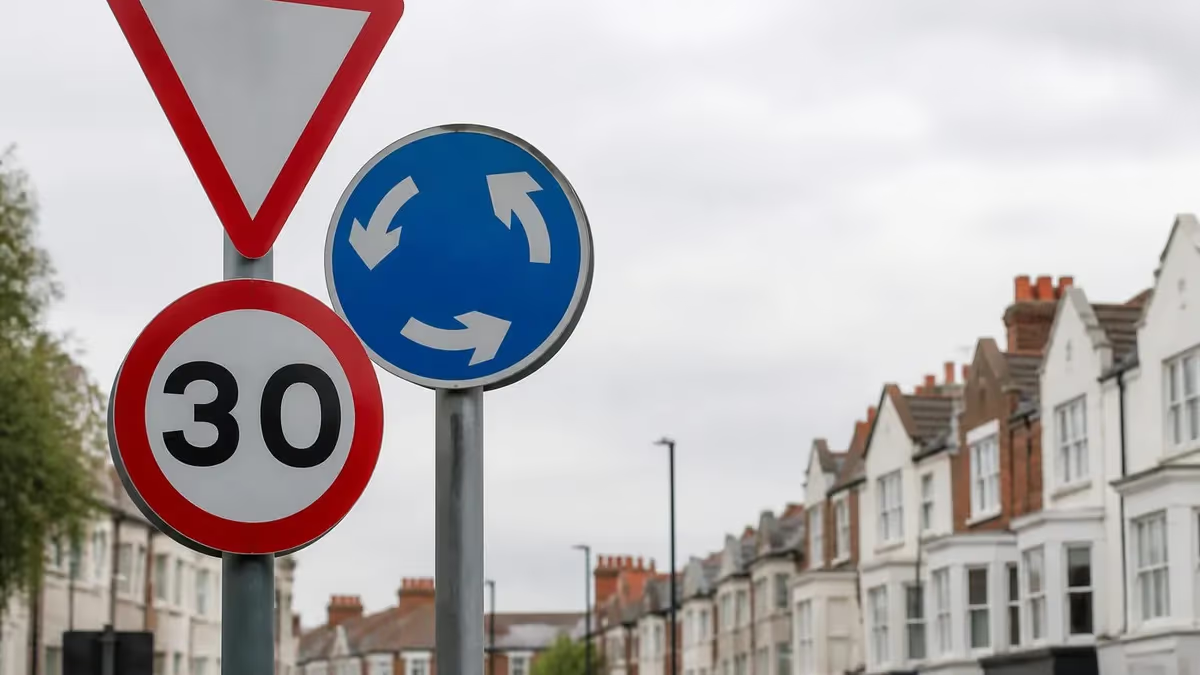
DVSA Driving Test Booking at a Glance
Key Facts at a Glance
| Item | Value | Details |
|---|---|---|
| Cost of a car driving test (weekday, 2026) | £62 | |
| Required before you can book a practical test | Theory test pass | |
| Must hold a valid UK provisional licence to book | Provisional licence |
Booking a driving test in the UK means booking through the Driver and Vehicle Standards Agency (DVSA) — the government body responsible for driving tests, theory tests, and road safety. The process for booking a practical car driving test is straightforward, but there are several requirements you need to meet before you can book, and a few important details to understand about test availability, costs, and what happens if you need to change or cancel your appointment.
The most important requirement many candidates forget: you must have already passed your theory test before you can book a practical driving test. Your theory test pass certificate is valid for two years from the pass date. If you've passed your theory test but haven't booked your practical test and taken it within those two years, your theory test pass expires and you'll need to take the theory test again before booking a practical test.
You also need a valid UK provisional driving licence. You can apply for a provisional licence online through Gov.uk if you don't have one already — you need to be at least 15 years and 9 months old to apply for a car provisional licence (so you can hold it in time for taking lessons from age 17). You must be at least 17 years old to take a practical car driving test.
The official booking channel for DVSA driving tests is Gov.uk — the same website where you'd book a theory test, check your licence details, or apply for a full licence. Only book through Gov.uk or contact the DVSA directly. Third-party websites that charge a fee to "book" driving tests on your behalf are not affiliated with the DVSA and may charge significantly more than the official test fee. Some of these services use automated systems to grab cancellations quickly — you can do the same thing yourself for free using the official DVSA cancellations service or a free cancellation checker.
This guide walks through the complete booking process — what you'll need, how to choose a test centre, what costs to expect, what to bring to your test, and how to handle rescheduling or cancellations.
One thing worth knowing before you start: booking your driving test in the UK involves choosing both a test centre and a specific date and time slot. Test availability varies significantly by location — centres in busy urban areas often have much longer waiting lists than centres in smaller towns. Candidates who are flexible about which test centre they use (willing to travel further for a shorter wait) can often find dates several weeks earlier than those who restrict themselves to the nearest centre.
Only book driving tests through the official DVSA service at gov.uk/book-driving-test. Third-party booking services charge additional fees (often £20–£60 on top of the official test fee) for a service you can do yourself in minutes for free. Some of these services take payment and then fail to secure a booking, leaving you out of pocket. The official Gov.uk service is free to use and secure.
To book your driving test, go to Gov.uk and search for "book a driving test" or navigate directly to the DVSA booking service. You'll need your UK provisional driving licence number (found on your provisional licence photocard — the long number below your photo, formatted as surname + date of birth + unique digits), your theory test pass certificate number (issued when you passed the theory test), and a valid payment card for the test fee.
The booking process asks you to select your preferred test centre location and then shows available dates and time slots for that centre. You can search for centres near a specific postcode. If the closest centre has a long wait, the system lets you search nearby centres to compare availability. Test slots are typically displayed in a calendar format showing available weekday and weekend slots — weekend slots are usually more limited and may cost slightly more than standard weekday tests.
Test centre availability changes constantly as candidates book, reschedule, and cancel. If you don't see a date that works for you initially, you can set up email alerts for cancellations at your preferred test centre through the official DVSA service. When a candidate cancels, their slot is released back into the booking system and alert recipients are notified. The DVSA driving test cancellations system is how many candidates find earlier test dates than the standard booking queue would provide.
Once you've selected your preferred test centre and date, you'll confirm your details and pay the test fee. You'll receive a booking confirmation by email, which includes your test date, time, test centre address, and reference number. Keep this confirmation — you'll need the reference number if you need to change or cancel your booking. You should also receive a reminder closer to your test date.
If you need to change your test date after booking, you can do so online through the same Gov.uk service using your driving licence number and booking reference. You need to make changes at least 10 full working days before your test date — if you try to change or cancel less than 10 full working days before the test, you'll lose the test fee.
This is a hard cutoff: 10 full working days means Monday–Friday excluding bank holidays, and your test date itself doesn't count. If your test is on a Wednesday, the last day to make changes without losing your fee is the Friday of the previous week.
The DVSA driving test change process follows the same path as the original booking — your new date is subject to the same availability as initial bookings. If your preferred test centre has limited availability, you may want to book a new date before cancelling your current one (though you can't hold two bookings simultaneously — you'd need to cancel the old one before booking a new date in a different slot).
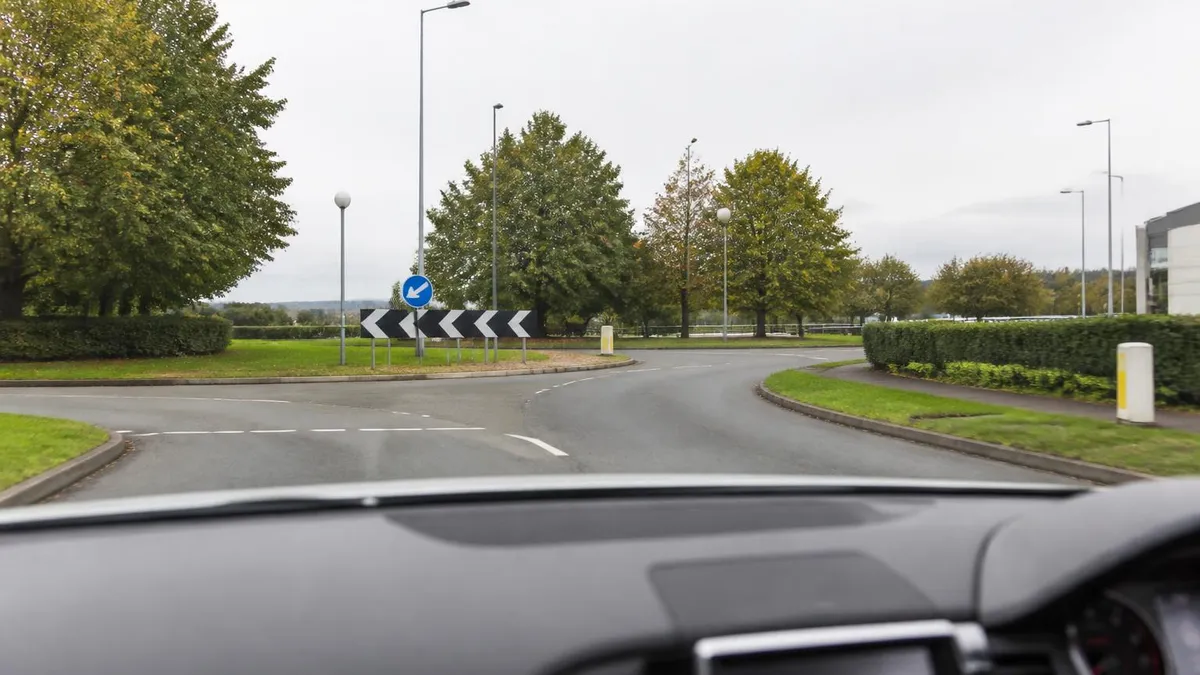
Driving Test Booking: Key Dates and Fees
The standard car practical driving test fee for a weekday booking is £62. Extended weekday tests (starting before 8am, after 4:30pm on Monday–Friday) and Saturday tests cost £75. Sunday and bank holiday tests, where available, may cost more. These fees are set by the DVSA and are non-refundable if you cancel with less than 10 full working days' notice or don't show up. Test fees are reviewed periodically — check the Gov.uk DVSA pricing page for the current official fee before booking.
On the day of your driving test, arrive at the test centre at least 10–15 minutes before your scheduled start time. You'll check in at the reception desk and will be asked to confirm your identity — bring your photocard provisional licence as your ID document. You must bring your provisional licence with you; without it, your test cannot go ahead and you'll lose the test fee.
If you have a paper counterpart to your licence (older format), bring both the photocard and the paper counterpart. If you have a foreign licence or are taking a test using a different form of identification, check the DVSA guidance for your specific situation in advance — the documentation requirements differ.
You'll wait briefly in the waiting area before your examiner calls you for the test. The practical driving test lasts approximately 40 minutes and includes: an eyesight check, vehicle safety questions (the 'show me tell me' questions about the car's controls and safety checks), approximately 20 minutes of independent driving, and the assessed driving portion where the examiner evaluates your control, use of mirrors, observation, signalling, and decision-making.
The independent driving section requires you to follow either directions from a satnav (which the examiner provides) or road signs without turn-by-turn instruction. You're assessed on your driving during this section, not your navigation — making a wrong turn doesn't mean an automatic failure if your driving throughout is safe. The theory test practice and highway code revision you do in preparation for the theory test directly supports the practical test as well — knowledge of road signs, markings, and rules makes the independent driving section easier to navigate confidently.
After the test, the examiner will tell you immediately whether you've passed or failed and go through the debrief. If you pass, you'll receive a pass certificate, and your examiner will ask if you want to surrender your provisional licence so a full licence can be issued automatically. If you fail, the debrief explains the faults recorded — serious and dangerous faults are automatic failures; minor faults that exceed 15 in total are also a failure. If you fail, you need to wait a minimum of 10 working days before retaking the test.
The 'show me tell me' questions are asked as part of the driving test — typically one 'tell me' question before the test starts (where you explain how to carry out a vehicle safety check) and one 'show me' question while you're driving (where you physically demonstrate a control, such as using the demister or adjusting your headrests). The DVSA publishes the full list of approved 'show me tell me' questions, and reviewing them takes less than 30 minutes.
Candidates who haven't prepared for these questions are often caught off-guard because they focus entirely on the driving portions and neglect this simple, preparable component.

What You Need to Book and What to Bring
- To book: UK provisional driving licence number, theory test pass certificate number, payment card
- To take the test: Photocard provisional driving licence (both parts if you have paper counterpart)
- Arrive: 10–15 minutes early at the test centre
- Your car: If taking the test in your own vehicle, ensure it's roadworthy, insured for the test, and has L-plates displayed front and rear. Your instructor's car is the standard option.
- Show me/Tell me questions: Review the DVSA's list of approved vehicle safety questions before your test
- Eyesight check: You must be able to read a number plate at 20 metres — check this before test day
If you book a test but want an earlier date, use the DVSA's driving test cancellations service to set up alerts. When other candidates cancel, their slot is released and you'll be notified. Many candidates find earlier tests this way — it's free and uses the same official DVSA system. The driving test cancellations guide explains how to set up alerts and maximize your chance of grabbing an early slot.
Booking Your Own Test vs. Letting Your Instructor Book
- +Booking yourself: immediate visibility of all available dates and centres
- +Booking yourself: flexibility to compare multiple test centres for earliest availability
- +Booking yourself: easier to manage rescheduling directly without going through instructor
- +Instructor booking: instructor may know best test centres and examiners in the area
- +Instructor booking: instructor can coordinate the test date with your lesson schedule
- +Instructor booking: reduces admin burden for candidates unfamiliar with the booking system
- −Booking yourself: you're responsible for meeting all documentation requirements
- −Booking yourself: if you need to change dates, coordination with your instructor is needed
- −Booking yourself: requires awareness of which test centres your instructor will travel to
- −Instructor booking: you may have less visibility of the full range of available dates
- −Instructor booking: some instructors add an admin fee for booking on your behalf
- −Instructor booking: delays in communication may mean losing available date slots
Preparation is the biggest factor in passing a driving test on your first attempt — not luck, not the examiner's mood on the day, and not which test centre you use. The test is designed to assess whether you drive safely and competently to a defined standard; candidates who've done enough hours of practice and have genuinely learned to drive safely to that standard pass at high rates. First-time pass rates for car driving tests in the UK hover around 47–49% overall, but this includes candidates who book tests before they're genuinely ready.
Candidates who book their test with their instructor's explicit recommendation that they're test-ready pass at significantly higher rates than those who self-certify readiness. Listening to your instructor's honest assessment of your readiness — rather than booking based on how many lessons you've had or how many weeks you feel like you've been learning — is the most reliable path to a first-time pass.
The driving theory test booking process is a precursor to the practical test. You can book both tests at the same time — or book the theory test first and book the practical test after you've passed. Given that theory test pass certificates expire in two years and practical test waiting lists can stretch 3–4 months, most candidates benefit from booking the practical test relatively soon after passing the theory test, even if that means booking a date several months away while continuing to take lessons in the interim.
Your driving instructor can advise on which local test centres tend to have routes and conditions that match the style of driving you've been practicing. Some test centres have notoriously complex junctions, high-speed roads, or challenging manoeuvres built into their standard routes; others have more straightforward routes. Doing a mock test on the actual routes associated with your test centre — your instructor can drive you around the standard route areas before your test date — significantly reduces test-day anxiety because the road environment will feel familiar rather than unknown.
Mock driving tests — where your instructor sits in as an examiner and assesses a full 40-minute test session on realistic test routes without intervention — are the single best predictor of whether you're genuinely test-ready. Many candidates who feel confident during normal lessons discover that the added stress of mock-test conditions reveals nerves and hesitancy that weren't apparent in regular lessons. Taking one or two mock tests before your actual test appointment gives you honest data about your readiness and specific feedback on which areas need targeted work before you sit the real thing.
You cannot book a practical driving test without a valid theory test pass. If you haven't passed the theory test yet, start your preparation with the theory test first. The DVSA theory test booking guide explains how to book the theory test — a separate booking process from the practical test. Theory tests are generally easier to schedule quickly than practical tests, so passing theory first doesn't typically delay your practical test booking significantly.
Managing your driving test booking strategically — choosing the right test centre, monitoring for cancellations if you want an earlier date, and giving yourself enough notice to reschedule without losing your fee — significantly improves your overall testing experience. Many candidates who fail their first test do so not because of a fundamental driving problem but because of a specific, correctable issue: a particular junction type, reversing manoeuvres, or motorway-style independent driving. Understanding what the examiners are looking for and practicing those specific areas between attempts turns most failures into passes on the next attempt.
After you pass, your examiner will handle the process of converting your provisional licence to a full licence if you choose to surrender it at the test centre. This is the simplest option — you'll receive your full licence in the post within a few weeks. Alternatively, you can apply online through Gov.uk to upgrade your licence, which takes the same amount of time. You're legally allowed to drive unsupervised as a full licence holder immediately after passing — your pass certificate serves as your temporary licence until the full licence arrives.
The resources at PracticeTestGeeks support every stage of your UK driving journey — from booking your UK theory test through theory test preparation and practical test readiness. Whether you're just starting your driving journey or preparing to rebook after a first test attempt, having the right preparation in place before your test day is the single factor most reliably associated with passing.
The UK driving test system is designed to be passable for well-prepared candidates — not to catch people out with trick situations. Examiners are looking for consistent safe driving, not perfection. Understanding what the test is actually assessing (safe, competent, independent driving) rather than imagining it as an arbitrary obstacle helps candidates approach the test day with realistic expectations and appropriate confidence. Every passing candidate you know got there through preparation, practice, and eventual readiness — not luck or a particularly easy examiner.
Book when you're genuinely ready, prepare as thoroughly as you can, use the practice resources available to you, and approach your test appointment with the confidence that comes from knowing you've done the preparation. The process works for the candidates who take it seriously.
DVSA Driving Test: Common Failure Points
Junction errors are the leading cause of driving test failure. Slow down deliberately on approach, check both ways thoroughly before emerging, and prioritize safety over speed.
- :
- :
- :
- :
The mirror-signal-manoeuvre (MSM) routine must be applied consistently throughout the test. Examiners are specifically watching for this sequence on every manoeuvre and direction change.
- :
- :
- :
- :
Individual steering errors are usually minors — but accumulating 15+ minor faults on steering alone is a fail. Consistent technique, not perfection on every movement, is what the examiner is assessing.
- :
- :
- :
- :
Unsafe moving off is a serious fault that fails the test immediately. Always apply the full routine: handbrake, clutch, gear, observations (mirrors + blind spot), signal if needed, then move.
- :
- :
- :
- :
Sample DVSA UK Driving Theory Practice Questions
Try these questions from our free DVSA UK Driving Theory practice tests. The correct answer and an explanation follow each question.
You are on a one-way street and see a blue sign for a contraflow bus lane. What does this indicate?
- A. You must move into the bus lane immediately.
- B. Buses may be travelling in the opposite direction to you.
- C. You are approaching a bus-only roundabout.
- D. The one-way street is about to become a two-way street for all traffic.
Answer: B. Buses may be travelling in the opposite direction to you.
A contraflow bus lane on a one-way street is a lane reserved for buses (and sometimes other authorised vehicles) travelling in the opposite direction to the main flow of traffic. Drivers should be alert for buses approaching from the 'wrong' way in this lane.
How does an unsecured load in the back of a van affect braking?
- A. It has no effect on braking distance
- B. It can shift forward on braking, increasing stopping distance and risk of injury
- C. It improves traction and shortens stopping distance
- D. It only affects the ride comfort
Answer: B. It can shift forward on braking, increasing stopping distance and risk of injury
An unsecured load can slide forward under heavy braking, injuring occupants, damaging the vehicle, and affecting the driver's ability to stop safely.
What is the national speed limit on a motorway for a car not towing a trailer?
- A. 60 mph
- B. 70 mph
- C. 80 mph
- D. There is no set limit
Answer: B. 70 mph
The national speed limit on motorways for cars, motorcycles, car-derived vans, and dual-purpose vehicles is 70 mph. Cars towing trailers or caravans have a lower limit of 60 mph on motorways.
A pelican crossing differs from a puffin crossing because:
- A. It has a flashing amber phase for drivers
- B. It detects pedestrians and adjusts the green light timing
- C. It is only used near schools
- D. It has no lights for pedestrians
Answer: A. It has a flashing amber phase for drivers
A pelican crossing has a flashing amber light phase, during which drivers may proceed if the crossing is clear of pedestrians. Puffin crossings use sensors to detect pedestrians and do not have a flashing amber phase — they go straight from red to green.
DVSA Questions and Answers
About the Author
Licensed Driving Instructor & DMV Test Specialist
Penn State UniversityRobert J. Williams graduated from Penn State University with a degree in Transportation Management and has spent 20 years as a certified driving instructor and DMV examiner consultant. He has personally coached thousands of applicants through written knowledge tests, skills assessments, and commercial driver licensing programs across more than 30 states.