
Change Driving Test: How to Reschedule, Cancel, or Move Your DVSA Booking
Pass your Change Driving exam on the first attempt. Practice questions with detailed answer explanations, hints, and instant scoring. ✍🏼
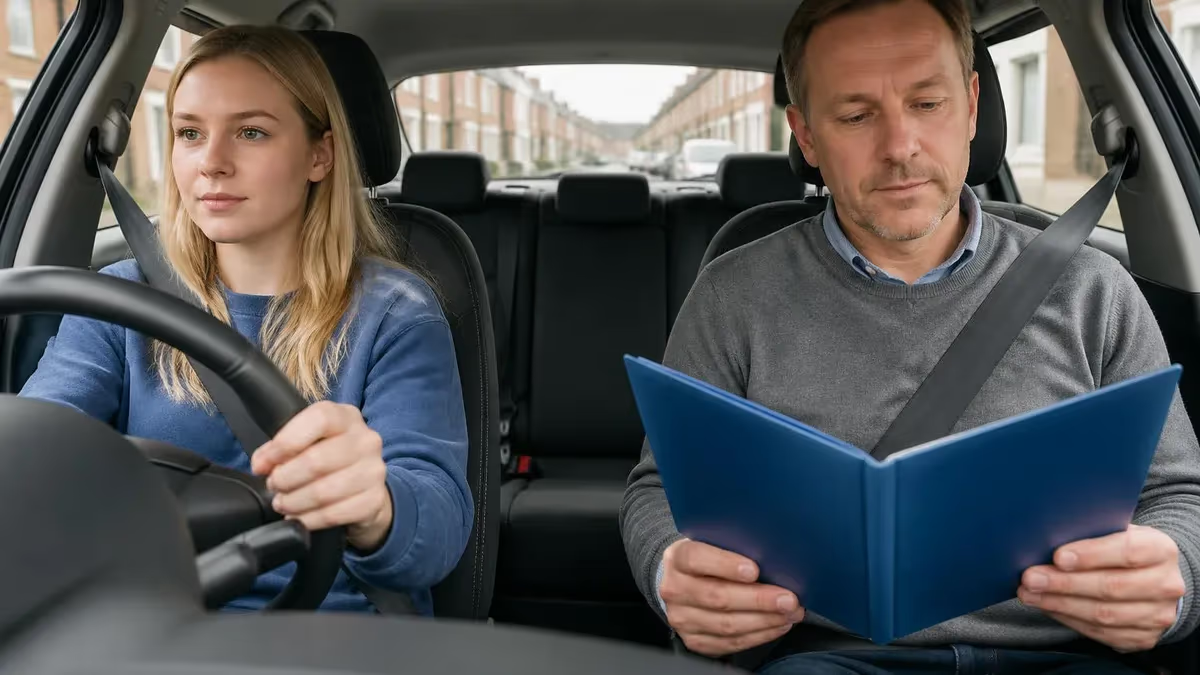
Need to change your driving test? You're not alone — thousands of candidates reschedule every week, and the DVSA makes it straightforward once you know the process. Whether you've had a clash in your diary, you're not feeling ready, or you simply want an earlier slot, you can manage your booking online without calling anyone. It's a common situation, and the system is designed to handle it efficiently.
The DVSA's booking system lets you cancel, move, or switch your test date right up until 10 full working days before the appointment. Miss that window and you'll lose your fee — so timing matters. It's worth acting as soon as you know you need to change things rather than leaving it to the last minute. Every day you delay is a day closer to losing the option to move for free.
This guide covers everything: how to log in, what counts as a valid reason to reschedule, what happens to your money, and how to find an earlier test slot if you're keen to take your driving test sooner. Read on and you'll have your new booking sorted in under ten minutes. There's genuinely no need to panic — the process is simple when you know where to go and what to have ready.
One thing worth saying upfront: rescheduling your test is not a sign that you're failing. It's a sensible decision when circumstances change. Instructors see it all the time. What matters is that you use the time productively and arrive at your new date feeling genuinely prepared rather than just hoping for the best.

Your driving test booking is tied to a reference number sent to you by email when you first booked. Keep that email safe — you'll need the reference number and your driving licence number every time you want to make changes. The DVSA online service is available around the clock, so you can reschedule at 2 AM if that's when you finally decide you need more practice.
The practical test itself lasts about 40 minutes and covers independent driving, manoeuvres, and general road handling. If you cancel within the 10-full-working-day window, you won't get a refund, but you can still reschedule provided you haven't missed more than a certain number of appointments. The DVSA can refuse future bookings if you repeatedly cancel at short notice, so use the system responsibly.
One thing candidates often miss: weekday tests are usually cheaper than Saturday slots. If you're rescheduling anyway, it's worth checking whether switching to a weekday saves you money. Test centres vary in availability, so check a few nearby locations if your preferred centre is fully booked for weeks.
Knowing exactly when you can change your test slot — and when it's too late — is the most important piece of the puzzle. The DVSA operates a strict 3-clear-working-days rule. That means if your test is on a Thursday, the latest you can make a free change is the end of the previous Friday (excluding bank holidays). Saturdays, Sundays, and public holidays don't count as working days, so always count carefully.
If you miss the deadline, you won't be able to move the test through the standard process. Your fee is forfeited and you'll need to rebook from scratch and pay again. There's an exception for genuine emergencies — the DVSA has a complaints and exceptional circumstance process — but it's not guaranteed and takes time.
There's no limit on how many times you can reschedule a test provided you always do so within the window and you aren't deemed to be abusing the system. Some candidates change their test date three or four times as their confidence builds. That's fine. What the DVSA won't tolerate is repeated no-shows or last-minute cancellations that waste examiner time and block slots for other learners.
Ways to Change Your DVSA Test
The quickest way to change your test is via the DVSA's official booking portal at gov.uk. You'll need your booking reference and driving licence number. Log in, select 'Change your test', and pick a new date and time. The whole process takes about five minutes and you'll get a confirmation email instantly. No phone queues, no waiting — just straightforward online self-service available any time of day.
Once you've submitted your change request, double-check the confirmation email before you do anything else. It's surprisingly easy to accidentally book the wrong test centre or the wrong time — especially if you're scrolling through a long list of available slots late at night. Read the details carefully: date, time, test centre address, and the examiner's arrival instructions.
If the confirmation looks wrong, log back in immediately and correct it. The DVSA system is generally reliable, but human errors do happen. Having the wrong test centre on the day is a stressful way to miss your slot — and the DVSA won't refund you just because you turned up at the wrong place.
Save or print the confirmation. On test day, you'll need to bring your photocard driving licence and, if applicable, your theory test pass certificate (though examiners increasingly check this digitally). Arriving without the right documents means your test can't go ahead and you'll lose your fee — so prepare everything the evening before.
Finding an earlier test slot is one of the most common reasons people use the rescheduling system. The DVSA's booking calendar only shows slots available at the time you look — so if everything nearby is booked up for the next 10 weeks, it doesn't mean it'll stay that way. Cancellations happen every single day, and slots appear and disappear quickly. The key is persistence and checking at different times of day.
The best strategy is to check the booking portal regularly — morning and evening tend to surface new cancellations. Some candidates also expand their search radius and look at test centres 20–30 miles away. It's inconvenient, but getting your test done six weeks earlier might be worth the extra drive. If you do travel to an unfamiliar area, try to get a lesson or two on those local roads first so you're not navigating completely new territory on the day.
There are third-party services that monitor the DVSA calendar and alert you when a slot opens. These aren't officially endorsed, but many candidates use them successfully. If you do use one, make sure it's not booking on your behalf automatically without your confirmation — that could create complications with your existing test booking and leave you double-booked. Always verify any new booking directly through the official gov.uk portal to make sure the details are accurate.
Another option worth exploring: some test centres in smaller towns or rural areas tend to have shorter waiting lists than city centres. If you're flexible on location, a quick look at what's available 30 minutes' drive away can sometimes reveal test slots two or three weeks earlier than anything near you. It's a legitimate tactic used by plenty of candidates who want to get their test done sooner.
Pros and Cons of Rescheduling Your Test
- +More preparation time if you're not feeling ready
- +Can move to a less busy test centre for better slot availability
- +Free to reschedule if you act 3+ working days in advance
- +Opportunity to switch to a cheaper weekday slot
- +Reduces test-day anxiety by booking when you feel confident
- +Can target an earlier date if a cancellation slot appears
- −Lose your fee if you miss the 10-full-working-day deadline
- −Popular slots fill fast — new date might be further away
- −Repeated rescheduling can delay your overall progress
- −Some test centres have very limited availability for weeks
- −Risk of rebooking the wrong time or test centre by mistake
- −Waiting longer means more ongoing insurance and lesson costs
Your theory test pass certificate is valid for two years from the date you passed. If you keep driving test practical test and the two-year mark passes, you'll need to retake the theory test before you can book a new practical slot. This catches a lot of people off guard — especially those who passed theory early and then took a long break from lessons.
Check your theory test pass date before you reschedule. If you're within a few months of the two-year expiry, think carefully about whether to push back your practical test or push forward with it. It's much cheaper to sit the practical test than to resit the theory test from scratch, which costs £23 and requires revision time.
If your theory certificate has already expired, you can't hold or use an existing book driving exam — the DVSA will cancel it. You'll need to pass theory again first, then rebook the practical. There's no shortcut here, so stay on top of your dates and don't let the clock run out without noticing.
Pre-Rescheduling Checklist
- ✓Locate your original booking confirmation email with your reference number
- ✓Check your theory test pass certificate is still within its 2-year validity
- ✓Count the working days to confirm you're still within the free-change window
- ✓Decide whether you want an earlier or later test date before you log in
- ✓Check availability at multiple nearby test centres to maximise your options
- ✓Note any preferred days or times before you start browsing slots
- ✓Have your photocard driving licence number ready to verify your identity
- ✓Confirm your instructor is available on the new date before you finalise
- ✓Read the new confirmation email carefully to check all details are correct
- ✓Save or print the confirmation and add the new date to your calendar
Candidates who cancel their practical test entirely — rather than rescheduling — need to be aware that they'll lose their booking fee. The DVSA doesn't offer refunds for cancellations made within 10 full working days, and a full cancellation outside that window only gets you a refund if you use their official online process. If you cancel by not showing up, you get nothing back.
The standard practical test fee is £62 on weekdays and £75 on evenings, weekends, and bank holidays. If you've paid the premium rate and you're rescheduling to a weekday slot, you may be entitled to a partial refund of the difference — check the DVSA's current fee schedule to confirm, as rates do change periodically.
After a driving test, you'll need to rebook from scratch on the DVSA website. The waiting time for a new slot will depend on how busy your local test centres are. Some areas have waits of eight weeks or more — so if you're cancelling rather than rescheduling, be prepared for a delay before you can sit your test again.
Special circumstances can sometimes override the standard rules. If you're seriously ill on the day of your test, contact the DVSA as soon as possible — ideally before the test start time. They have a process for reviewing exceptional cases, and with the right documentation (such as a doctor's note), you may be able to recover your fee or have your test rebooked without charge. Don't assume the worst before you've contacted them directly.
Similarly, if your examiner doesn't turn up or the test centre has to close due to extreme weather, the DVSA will offer you a new test date at no extra cost. These situations are rare but they do happen — particularly in winter when ice and heavy snow force centre closures. Keep an eye on the DVSA's social media and the gov.uk notices on the day of your test if the weather looks bad. In these cases, you won't lose your fee and you'll be given priority rebooking.
Instructors can sometimes change a test booking on behalf of their pupils, but they need explicit authorisation and the same booking reference details. If you want your instructor to manage your booking, confirm the arrangement clearly and make sure they notify you of any changes made before they're finalised. Keeping communication clear between you and your instructor avoids any last-minute surprises on test day.
If you need to change your test, act now — don't leave it until the last moment. The 10-full-working-day window closes faster than most people expect, especially around bank holidays when multiple non-working days reduce your window significantly. A missed deadline means a lost fee and starting the booking process from scratch.
After rescheduling, use the extra time wisely. More test slots don't automatically mean more preparation — you still need to put in structured practice. Talk to your instructor about which areas of the test you find most difficult and build a focused plan for the weeks before your new date. Don't just accumulate hours; make each lesson count by targeting specific weaknesses.
Mock tests are one of the most effective preparation tools. Ask your instructor to run a full 40-minute mock using official driving test route in your area. It replicates the real experience and shows you clearly where you need more work. Many candidates say a single good mock test is worth several ordinary lessons in terms of building test-day confidence. If possible, do the mock at the same time of day as your actual test — traffic conditions vary a lot by hour.
Don't forget the theory side either. If you're spending more time on practical preparation, it can be easy to let your hazard perception and theory knowledge slide. Keep your theory test skills sharp — the DVSA expects you to apply that knowledge on the road during the practical, and examiners do notice when candidates make decisions that suggest weak theoretical understanding. Even 10 minutes of theory revision a day keeps the knowledge fresh.
The weeks between rescheduling and your new test date are also a good time to study the Highway Code sections that relate to test scenarios. Road markings, priority rules at junctions, and stopping distances come up regularly on independent driving sections. Candidates who know the rules instinctively drive more smoothly — and smooth, confident driving is exactly what examiners want to see.
DVSA Practice Test Questions
Prepare for the DVSA - UK Driving Theory Test exam with our free practice test modules. Each quiz covers key topics to help you pass on your first try.
DVSA Eco-Friendly Driving and Vehicle Loading
DVSA Exam Questions covering Eco-Friendly Driving and Vehicle Loading. Master DVSA Test concepts for certification prep.
DVSA Hazard Awareness
Free DVSA Practice Test featuring Hazard Awareness. Improve your DVSA Exam score with mock test prep.
DVSA Incidents, Accidents and First Aid
DVSA Mock Exam on Incidents, Accidents and First Aid. DVSA Study Guide questions to pass on your first try.
DVSA Motorway Rules and Smart Motorways
DVSA Test Prep for Motorway Rules and Smart Motorways. Practice DVSA Quiz questions and boost your score.
DVSA Rules of the Road (Highway Code)
DVSA Questions and Answers on Rules of the Road (Highway Code). Free DVSA practice for exam readiness.
DVSA - UK Driving Theory Hazard Awareness ...
DVSA Mock Test covering - UK Driving Theory Hazard Awareness and Perception. Online DVSA Test practice with instant feedback.
DVSA - UK Driving Theory Motorway Rules an...
Free DVSA Quiz on - UK Driving Theory Motorway Rules and Regulations. DVSA Exam prep questions with detailed explanations.
DVSA - UK Driving Theory Road and Traffic ...
DVSA Practice Questions for - UK Driving Theory Road and Traffic Signs. Build confidence for your DVSA certification exam.
DVSA - UK Driving Theory Rules of the Road
DVSA Test Online for - UK Driving Theory Rules of the Road. Free practice with instant results and feedback.
The DVSA's online booking system is generally reliable, but it does occasionally have outages during maintenance windows. If you're trying to reschedule and the portal isn't loading, check the gov.uk service status page first before assuming it's a problem on your end. If there's a known outage and you're close to the 10-full-working-day deadline, call the DVSA booking line immediately to make the change by phone instead.
Keep a record of every change you make — screenshot the confirmation page and save the email. If there's ever a dispute about whether you changed your test in time, having that evidence protects you. The DVSA is generally fair about genuine technical issues, but you'll need documentation to support any claim. A screenshot takes five seconds and could save you a lot of hassle.
Finally, once you've rescheduled and settled on a new test date, commit to it. Constant rescheduling delays your progress and keeps you in the limbo of 'almost ready'. Set a preparation plan, stick to it, and treat the new date as fixed. Most candidates who keep postponing their test don't suddenly become dramatically better — they just delay the inevitable. You've got this.
There's no magic formula for passing — it comes down to genuine road competence and test-day composure. Rescheduling buys you time, but only practice converts that time into a pass. Use every lesson, every mock, and every drive as an opportunity to sharpen your skills. When the new date arrives, you'll be ready.
DVSA Questions and Answers
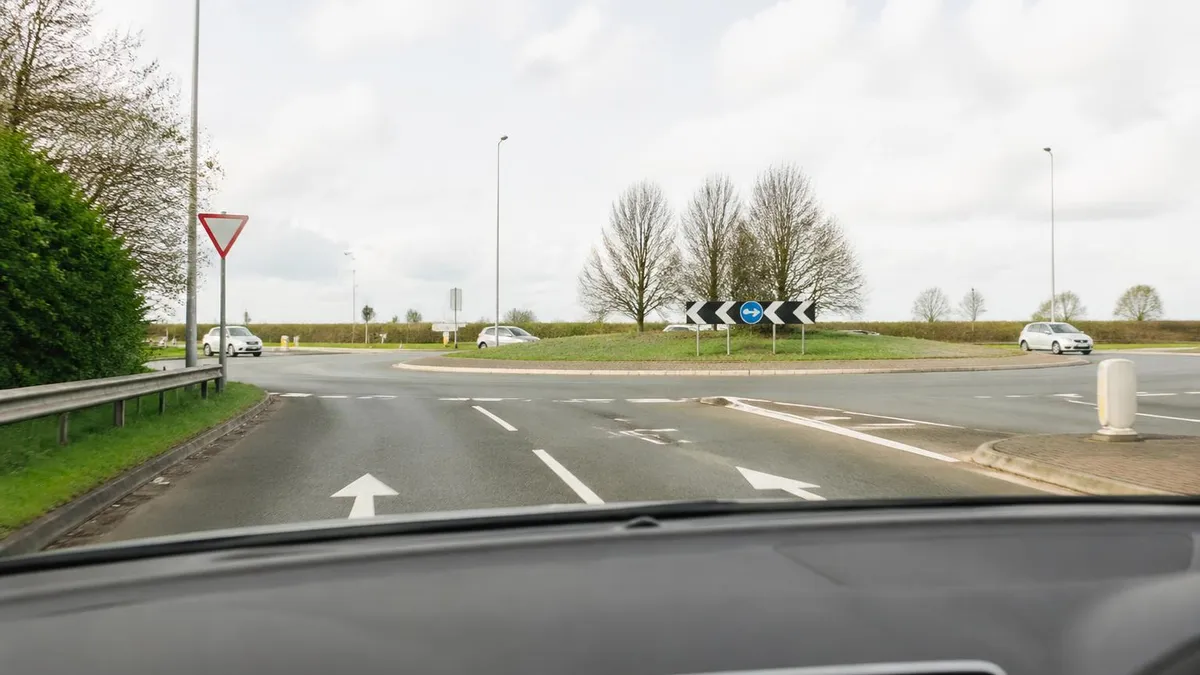
Practical Driving Test: Complete Guide to Passing Your DVSA Exam
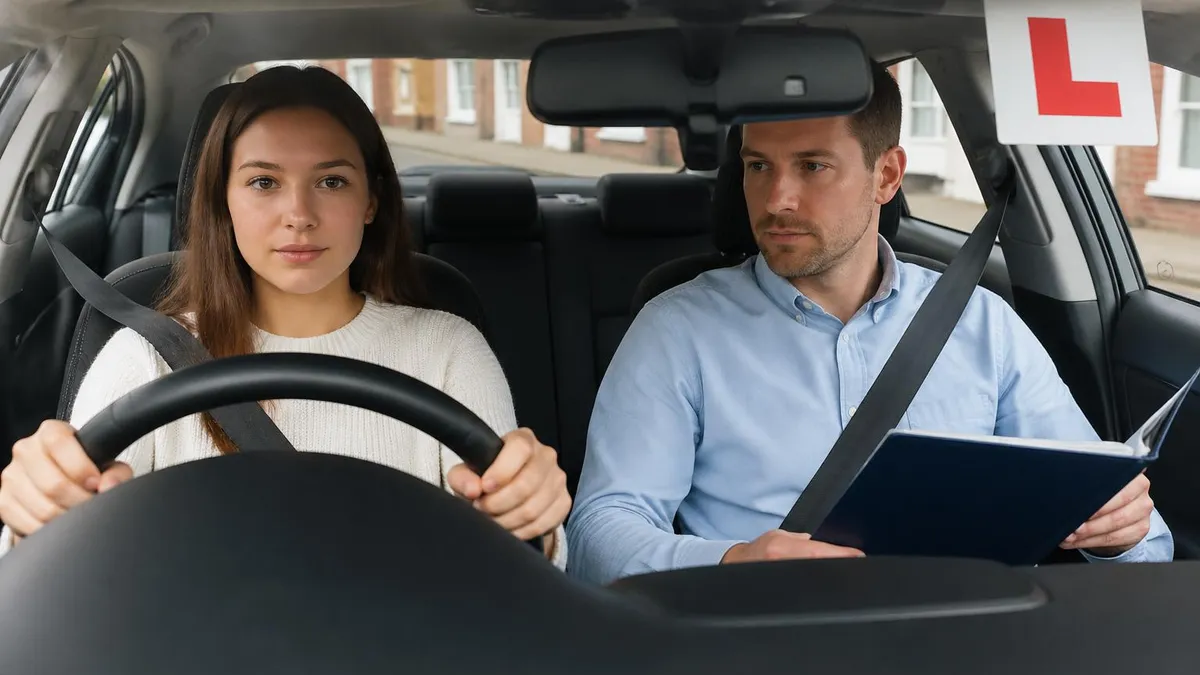
Book Practical Driving Test: How to Pass Your DVSA Exam First Time

Theory Test Practice: Complete DVSA Guide to Passing Your UK Driving Theory Test
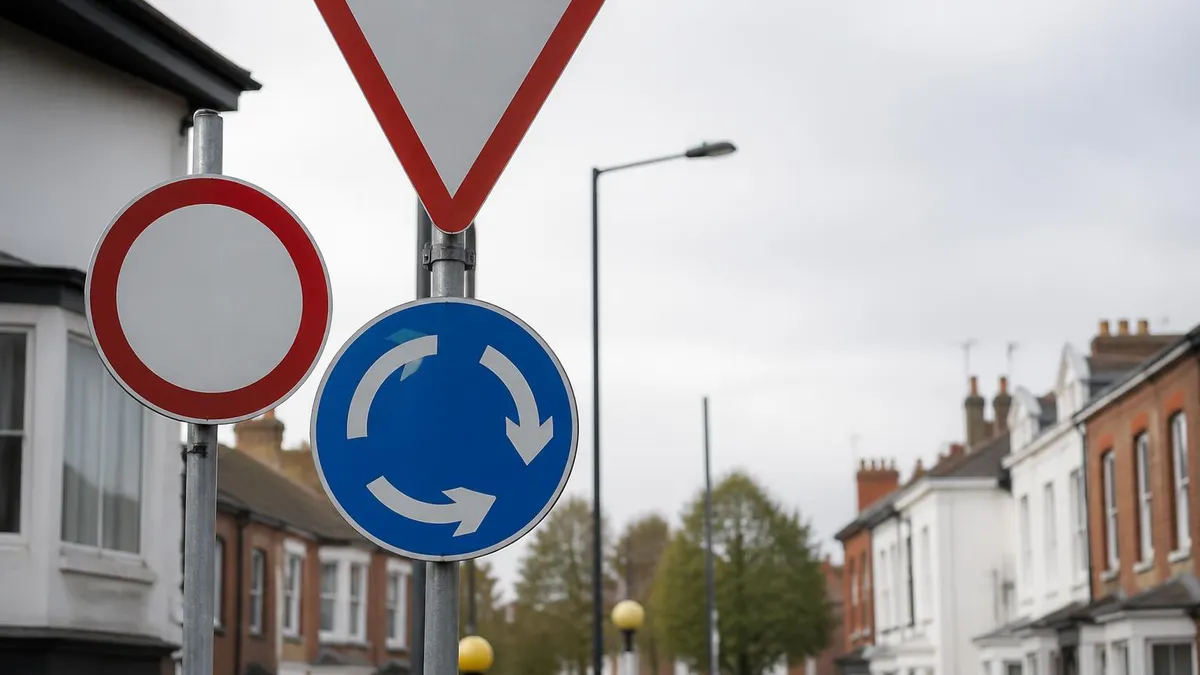
DVSA Driving Test: Full Format, Fault Categories, and How to Pass First Time
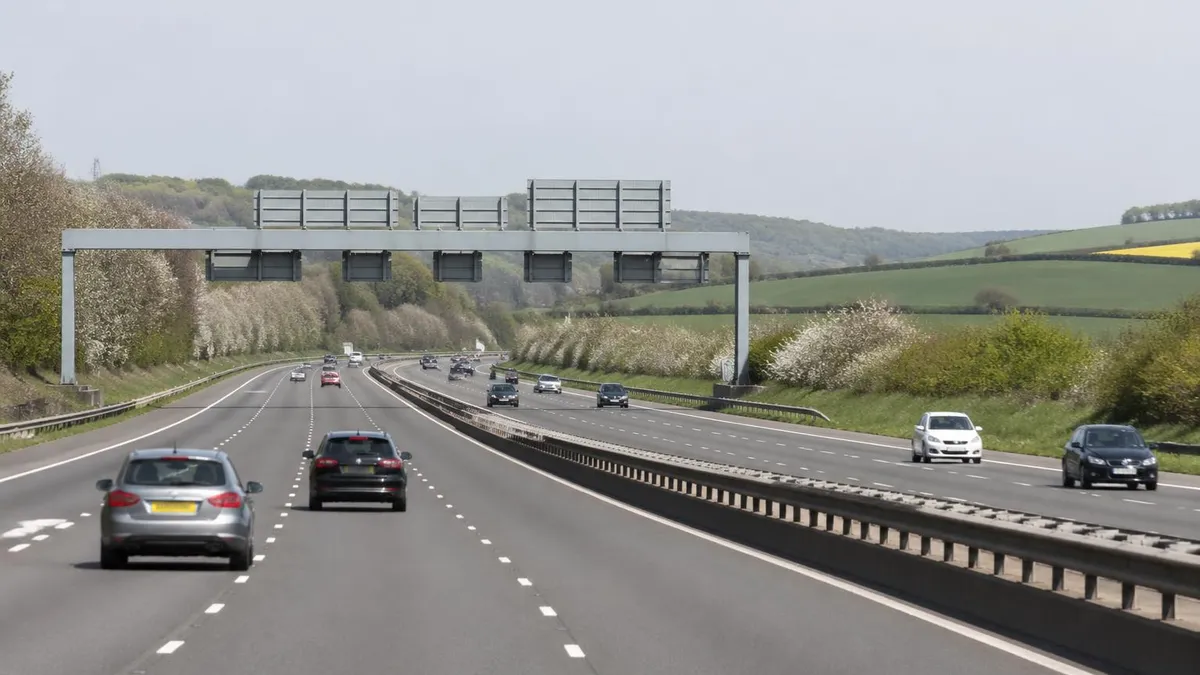
Change Driving Test Date: DVSA Rules, Process, and Finding Earlier Slots
About the Author

Licensed Driving Instructor & DMV Test Specialist
Penn State UniversityRobert J. Williams graduated from Penn State University with a degree in Transportation Management and has spent 20 years as a certified driving instructor and DMV examiner consultant. He has personally coached thousands of applicants through written knowledge tests, skills assessments, and commercial driver licensing programs across more than 30 states.