
Change Driving Test Date: DVSA Rules, Process, and Finding Earlier Slots
📝 Prepare for the Change Driving certification. Practice questions with answer explanations covering all exam domains.
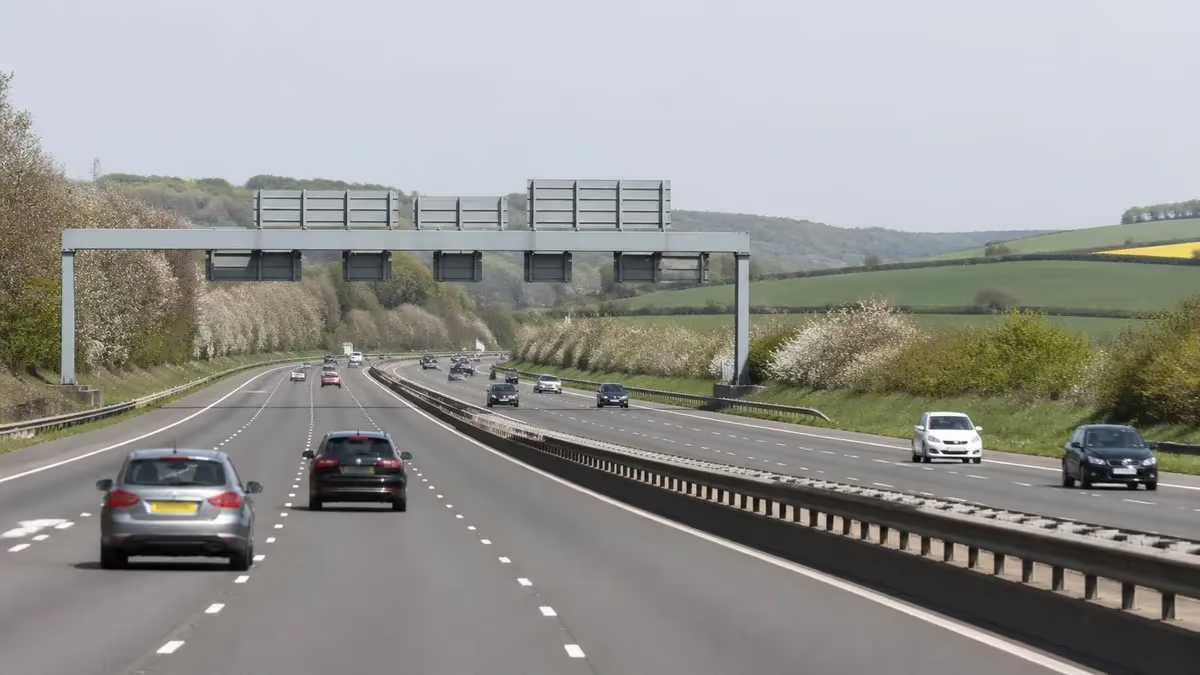
If you need to change your driving test date, the good news is that the DVSA makes it genuinely simple — provided you act before the 3-working-day deadline. Thousands of candidates reschedule every week for all kinds of reasons: a clash in the diary, not quite feeling ready, or spotting a closer cancellation date. Whatever your reason, you have options. The DVSA's online system lets you pick a new test date in minutes.
The rules are clear: you can change your test date for free as long as you do so at least 3 clear working days before your current appointment. Weekends and public holidays don't count. So if your test is on a Monday, you must act by the previous Wednesday. Miss that window and the fee is gone — you'll need to rebook and pay again from scratch.
This guide walks you through the full process: what you need, how to use the DVSA portal, how to hunt for earlier cancellation slots, and what happens in exceptional circumstances. It covers the fee structure, the theory test expiry trap that catches many candidates off guard, and practical advice on making the most of any extra preparation time you gain. Read every section before you log in and you'll move through the process with no surprises.
Changing your test date isn't a sign of weakness — it's a strategic decision. The best candidates are honest with themselves about their readiness. If you genuinely need more practice, rescheduling is far cheaper than paying for a repeat test after a fail. Use the system as it's intended: as a flexible tool to help you pass when you're truly ready.

When you originally booked your driving test, the DVSA sent a confirmation email with your booking reference number. That reference is your key to everything — without it, you can't change, cancel, or even look up your test online. If you've lost the email, check your spam folder or search your inbox for 'DVSA booking'. You'll also need your driving licence number, which is printed on your photocard licence.
The DVSA's online rescheduling tool sits at gov.uk/change-driving-test. It's available around the clock, which means you can move your test date at midnight if that's when you decide to act. The portal is straightforward: enter your reference and licence number, verify your details, then browse the available slots. It shows a calendar for your current test centre along with alternatives nearby.
If you'd prefer to speak to someone, the DVSA booking line (0300 200 1122) operates Monday to Friday, 8am to 4pm. They can reschedule your test over the phone, subject to the same 3-working-day deadline. Phone lines get busy during peak periods, so online is almost always quicker. Either route gets the job done — what matters is acting before the deadline, not how you contact them.
Understanding the 3-working-day rule is critical before you do anything else. 'Working days' means Monday to Friday, excluding bank holidays. It's not 3 calendar days — it's 3 business days. This catches a lot of people out, especially around Easter, Christmas, or any week with a bank holiday. Count carefully every single time, and if in doubt, act a day earlier than you think you need to.
Here's a worked example: if your test is on a Friday, your last free change date is the previous Tuesday. If Monday is a bank holiday, the deadline moves back to the previous Friday. When there are two bank holidays in a week, your window shrinks dramatically. Always check the GOV.UK bank holiday calendar before counting, particularly if your test falls in late December or around Easter.
If you're within the deadline but need to change the date, you can do so without penalty. The fee you originally paid simply carries over to the new booking — you won't be charged again. This is important to understand: it's not a cancellation and rebooking, it's a transfer. Your payment moves with you to the new date automatically when you use the official online process.
Ways to Change Your DVSA Test Date
The fastest route is gov.uk/change-driving-test. Log in with your booking reference and driving licence number. Select 'Change your appointment', browse available dates at your test centre (and nearby options), pick your preferred slot, and confirm. You'll get a new confirmation email immediately. The whole process takes about five minutes and is available any time of day.
One of the most useful things you can do when rescheduling is check multiple test centres. The DVSA portal lets you switch to a different centre when you pick a new date — you're not locked into the original location. If your local centre has nothing available for 8 weeks but a centre 25 miles away has slots next week, it's worth considering. The driving test route and standards are identical at every g1 driving test centre near me across the country.
If you do switch to a different test centre, make sure you get at least one lesson on those roads before your new test date. Driving in an unfamiliar area — especially one with different junction types, road layouts, or speed limits — adds unnecessary stress. Even a single 1-hour lesson with your instructor on the local test routes can make a big difference to how comfortable you feel.
Keep track of your original test centre booking too. If you change to a different centre and then want to change again later, you'll need to remember which centre your current booking is at. Always refer back to the most recent confirmation email to confirm your current test date, time, and location before making any further changes.
Hunting for an earlier test date is a genuine strategy — not just wishful thinking. The DVSA calendar updates in real time as candidates cancel or reschedule, which means slots that weren't available yesterday might appear today. Cancellations happen at all hours, and early morning checks often turn up new availability that wasn't there the night before.
Expanding your search to nearby test centres is the most reliable way to find an earlier date. Some areas have significant variation in driving test wa — a centre 20 miles away might have slots three weeks sooner than your local option. It's worth spending ten minutes checking three or four centres in your region before settling on a date. The DVSA portal makes this easy since you can change the test centre while browsing.
Third-party tools exist that monitor the DVSA calendar and send alerts when slots become available. They're not officially endorsed, but many candidates find them useful. If you use one, make sure you understand exactly how it works — some simply notify you, while others attempt to book automatically. Auto-booking tools can create problems, including accidental double bookings. Stick to notification-only services and complete the actual booking yourself through the official gov.uk portal.
Pros and Cons of Changing Your Test Date
- +More time to prepare if you're not feeling ready
- +Can secure a closer or earlier cancellation slot
- +Fee transfers automatically — no extra cost if done in time
- +Option to switch to a cheaper weekday appointment
- +Reduces anxiety by choosing a date when you feel confident
- +Can move to a test centre with shorter waiting times
- −Miss the 3-day deadline and you lose your full fee
- −New date may be several weeks later than original
- −Ongoing lesson costs continue while you wait for the new date
- −Theory test expiry risk if you push the date too far back
- −Popular slots at busy centres disappear fast
- −Repeated changes can delay your overall driving progress
The theory test expiry date is one of the most overlooked issues in the rescheduling process. Your theory pass certificate is valid for exactly 2 years from the date you passed. If your practical test takes place after that 2-year mark, you can't use the existing practical booking — the DVSA will cancel it automatically. You'd have to resit the theory and rebook everything from scratch.
Before you change your test date, check your theory pass date. If you're within 3 or 4 months of the 2-year mark, think very carefully about how far back you want to push the practical. Every week you add to the wait is a week closer to that expiry. If there's any chance the new date falls after your theory expiry, it's almost always worth keeping the original date or finding the earliest possible replacement slot rather than pushing too far out.
If your theory certificate has already expired, you're in a different situation altogether. You can't proceed with a book driving exam — even one that's already in the calendar. You'll need to cancel the practical, resit the theory from scratch, and then rebook once you've passed again. It's an avoidable and frustrating setback that costs both time and money, so keep a note of your theory expiry date somewhere visible.
Checklist: Before You Change Your Test Date
- ✓Find your DVSA booking confirmation email with the reference number
- ✓Confirm you have at least 3 clear working days before the current test date
- ✓Check your theory test pass date — ensure it won't expire before the new date
- ✓Decide whether you want an earlier or later date and note your availability
- ✓Browse multiple test centres in your area for the widest range of available dates
- ✓Confirm your instructor is available on the date you're considering
- ✓Have your photocard driving licence number ready to log into the portal
- ✓Make the change through the official gov.uk portal (not third-party sites)
- ✓Read the confirmation email carefully and verify all details are correct
- ✓Add the new test date to your calendar and set a reminder for test-day preparation
If you're changing your test date because you're not feeling ready, make sure you have a structured plan for the time between now and the new date. It's easy to rebook with good intentions and then drift through the next few weeks without making real progress. Sit down with your instructor, identify the specific skills that need work, and set clear targets for each lesson between now and the new date.
The most common reasons candidates fail their practical test are: not checking mirrors frequently enough, incorrect positioning at junctions, hesitation at roundabouts, and issues with the independent driving section. If any of those apply to you, focus your extra practice time on exactly those areas. Targeted practice is far more effective than simply logging more hours on familiar roads you already feel comfortable with.
Many candidates find it helpful to practise on actual DVSA test routes in their area. While the DVSA doesn't publish official routes, test routes are widely shared on driving schools near me cdl forums and community groups. Driving those specific roads in advance takes away a lot of the unknowns on test day — you'll know which junctions tend to come up, where the tricky lane choices are, and where examiners typically ask you to park.
Once you've confirmed your new test date, treat it as non-negotiable. Candidates who keep adjusting their test date repeatedly often find they've built a pattern of avoidance rather than a plan for success. Each time you reschedule, you're pushing back the timeline — and in the background, your theory certificate is ticking toward its expiry date and your driving ls keep adding up. Pick a date and commit to it fully.
Set the new date, tell your instructor, and commit to a structured programme of preparation between now and then. If specific manoeuvres are holding you back — parallel parking, bay parking, or emergency stops — ask your instructor to dedicate whole lessons to those skills rather than fitting them in at the end of a general drive. Repetition builds the muscle memory that makes manoeuvres feel automatic on the day. Focused, targeted practice always beats hours of comfortable driving on familiar roads.
Mental preparation matters too. Test-day nerves affect even well-prepared candidates. Techniques like controlled breathing, visualising a successful test, and maintaining a positive internal dialogue can make a genuine difference. Don't dismiss the psychological side of the test. Examiners notice hesitation and lack of confidence — arriving in the right headspace is as important as arriving with the right skills. Both matter equally on the day.
Your theory test certificate is valid for 2 years only. If you keep pushing your practical test date back, you risk crossing that expiry. Once it expires, you cannot book or hold a practical test — you must resit the theory first. Always check your theory pass date before rescheduling, especially if you're moving the test more than a few months forward.
If you need to cancel your test entirely rather than just change the date, the process is the same — same portal, same deadline, same rules. But instead of picking a new date, you select 'cancel'. If you cancel within the 3-working-day window, you'll lose the fee. Outside that window, you're entitled to a full refund via the same gov.uk portal. Refunds typically take 3 to 5 working days to appear in your account, so factor that in if timing matters.
One scenario where things work differently: if you paid a premium for an evening or weekend test date and you're now rescheduling to a standard weekday slot, you may be entitled to the difference in fees back. Check the DVSA's current fee schedule on gov.uk, as the standard weekday fee and the premium evening/weekend fee are different amounts. Any overpayment is refunded to the card you originally used — you don't need to request it separately.
After cancelling, you'll need to book afresh — there's no automatic transfer when you cancel rather than reschedule. Log back into the DVSA booking portal, search for available dates, and make your new booking. Depending on how busy your test centre is, you might be looking at a wait of several weeks. The earlier you rebook after cancelling, the sooner you'll get a date and get back on track.
DVSA Practice Test Questions
Prepare for the DVSA - UK Driving Theory Test exam with our free practice test modules. Each quiz covers key topics to help you pass on your first try.
DVSA Eco-Friendly Driving and Vehicle Loading
DVSA Exam Questions covering Eco-Friendly Driving and Vehicle Loading. Master DVSA Test concepts for certification prep.
DVSA Hazard Awareness
Free DVSA Practice Test featuring Hazard Awareness. Improve your DVSA Exam score with mock test prep.
DVSA Incidents, Accidents and First Aid
DVSA Mock Exam on Incidents, Accidents and First Aid. DVSA Study Guide questions to pass on your first try.
DVSA Motorway Rules and Smart Motorways
DVSA Test Prep for Motorway Rules and Smart Motorways. Practice DVSA Quiz questions and boost your score.
DVSA Rules of the Road (Highway Code)
DVSA Questions and Answers on Rules of the Road (Highway Code). Free DVSA practice for exam readiness.
DVSA - UK Driving Theory Hazard Awareness ...
DVSA Mock Test covering - UK Driving Theory Hazard Awareness and Perception. Online DVSA Test practice with instant feedback.
DVSA - UK Driving Theory Motorway Rules an...
Free DVSA Quiz on - UK Driving Theory Motorway Rules and Regulations. DVSA Exam prep questions with detailed explanations.
DVSA - UK Driving Theory Road and Traffic ...
DVSA Practice Questions for - UK Driving Theory Road and Traffic Signs. Build confidence for your DVSA certification exam.
DVSA - UK Driving Theory Rules of the Road
DVSA Test Online for - UK Driving Theory Rules of the Road. Free practice with instant results and feedback.
The DVSA's booking portal is well-maintained, but like any online service it can have occasional outages, usually during scheduled maintenance in the early hours. If you try to log in and the site isn't responding, check gov.uk's service status page. If there's a confirmed outage and you're close to the 3-working-day deadline, call the DVSA immediately — they can note that you attempted to make the change online and may accommodate you via phone instead. Don't wait around hoping the site comes back.
Always screenshot your booking changes. When you click confirm on the new date, capture the screen before closing the tab. Then check your email for the confirmation — it should arrive within a couple of minutes. If you don't receive the email, check spam and then log back in to verify the change went through correctly. Don't assume the change was successful without a written confirmation. A screenshot and an email together give you solid proof if anything ever needs to be disputed.
There's genuinely no reason to find this process stressful once you know how it works. The rules are straightforward, the portal is user-friendly, and the DVSA staff on the phone are helpful. The key things to remember: act before the 3-working-day deadline, double-check your theory pass date, read the new confirmation carefully, and then focus your energy on preparing well for the new test date you've chosen. That's all there is to it. You're in control of this — use the system well and it works in your favour.
DVSA Questions and Answers
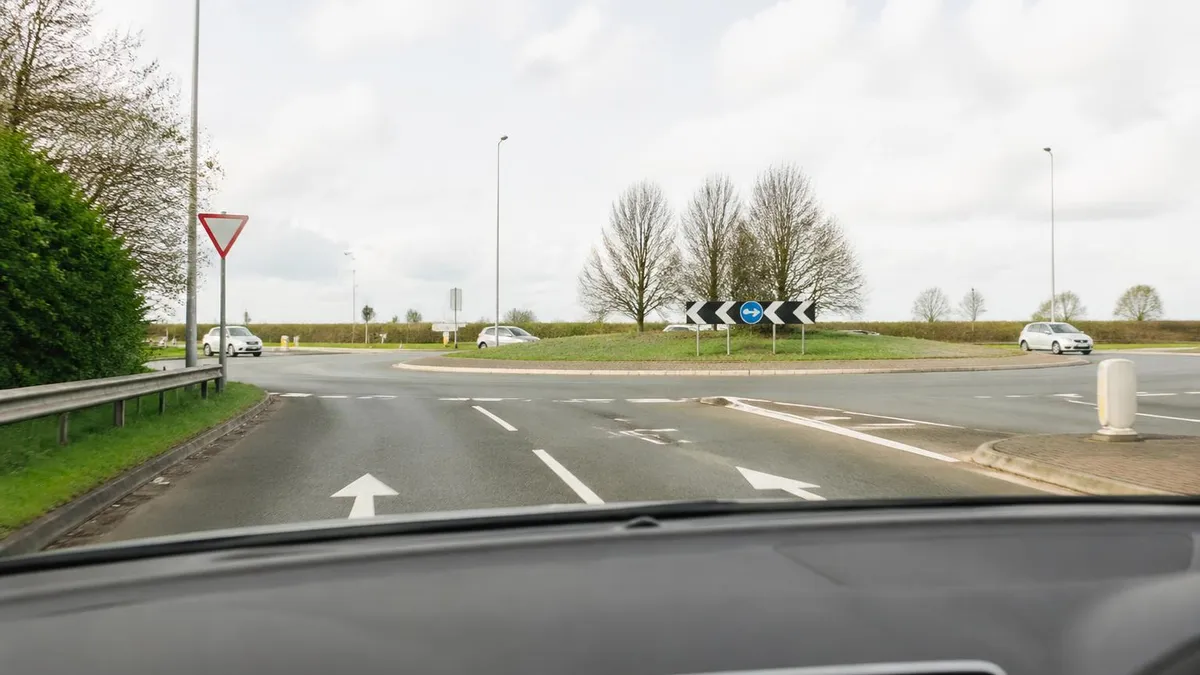
Practical Driving Test: Complete Guide to Passing Your DVSA Exam
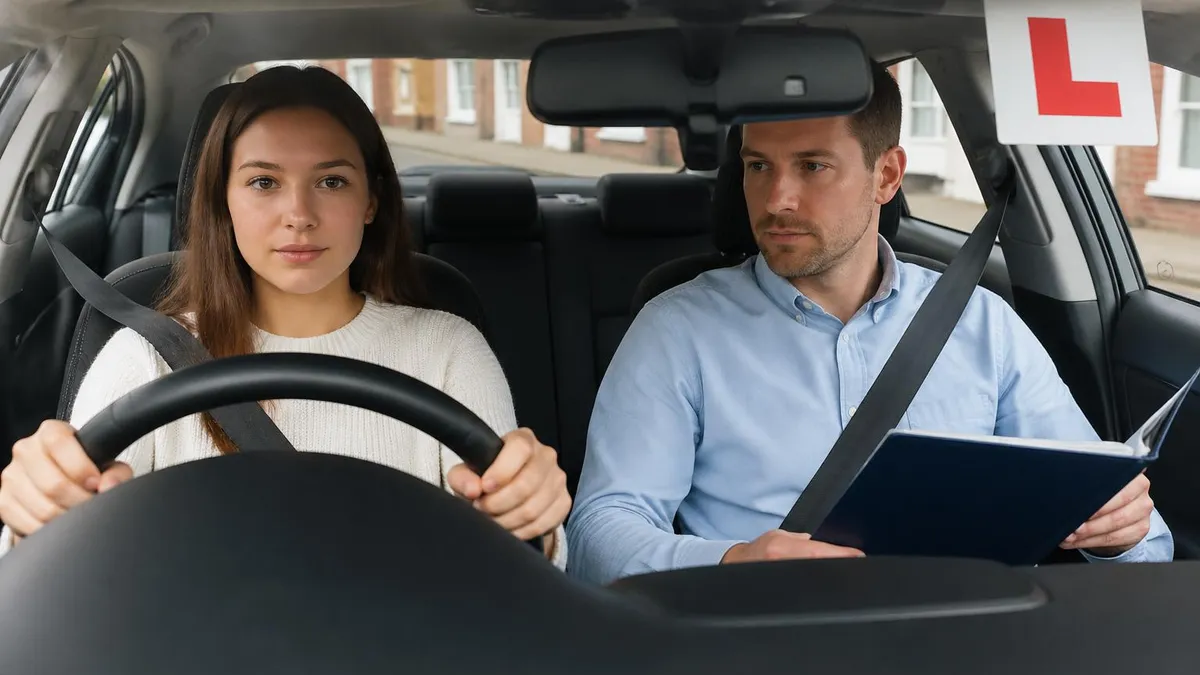
Book Practical Driving Test: How to Pass Your DVSA Exam First Time

Theory Test Practice: Complete DVSA Guide to Passing Your UK Driving Theory Test
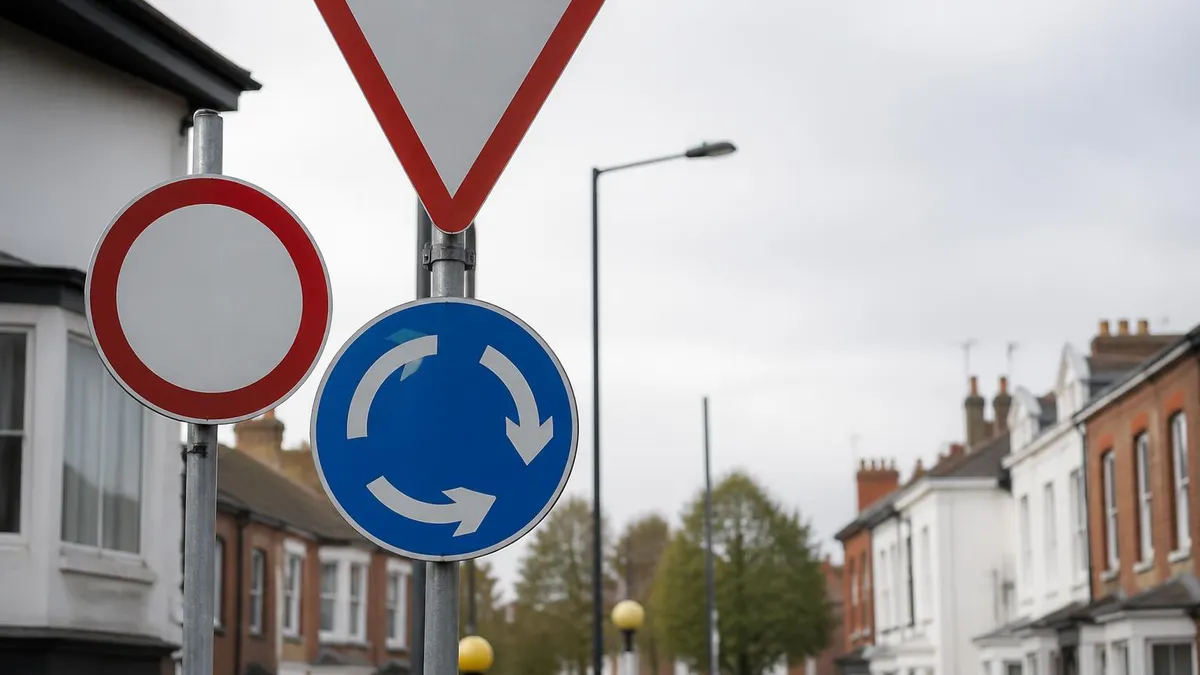
DVSA Driving Test: Full Format, Fault Categories, and How to Pass First Time
Theory Test Booking: How to Book, Reschedule, and Pass Your DVSA Theory Test
About the Author

Licensed Driving Instructor & DMV Test Specialist
Penn State UniversityRobert J. Williams graduated from Penn State University with a degree in Transportation Management and has spent 20 years as a certified driving instructor and DMV examiner consultant. He has personally coached thousands of applicants through written knowledge tests, skills assessments, and commercial driver licensing programs across more than 30 states.