
Book Practical Driving Test: How to Pass Your DVSA Exam First Time
Free Book Practical Driving practice test with questions and answer explanations. Prepare for the 2026 September exam with instant scoring. 🟢
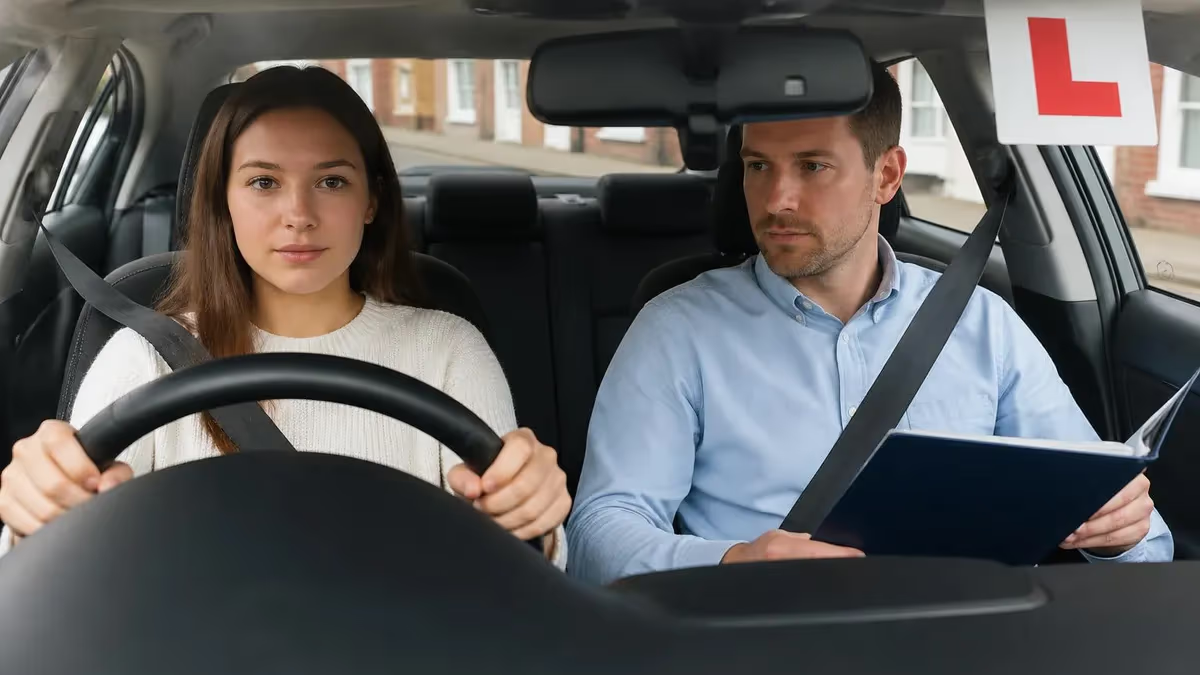
If you're ready to get behind the wheel officially, you'll need to book your practical driving test through the DVSA — the Driver and Vehicle Standards Agency that oversees road safety testing across the UK. The book practical driving test process is straightforward, but knowing what to expect before, during, and after your appointment can make all the difference between nerves and confidence.
Most learners spend months perfecting their skills before they're ready. Your instructor will usually tell you when you're test-ready, but you can also self-assess using the DVSA's own standards. Either way, once you've got the green light, booking online through the official DVSA portal takes just a few minutes — and you'll want to do it sooner rather than later, since slots in popular areas fill up fast.
This guide covers everything you need: how the booking process works, what the practical driving test actually involves, common reasons candidates fail, and how to prepare so you don't become a statistic. Whether it's your first attempt or you're coming back after a setback, you'll find clear, actionable steps here to help you walk out of that test centre with a pass certificate.

Understanding the practical test format is half the battle. The driving element lasts around 40 minutes and includes an independent driving section — usually about 20 minutes — where you follow either sat-nav directions or road signs without prompts from the examiner. This part catches many candidates off guard if they haven't practised it specifically.
You'll also perform one vehicle safety question (a 'show me' question while driving) and one static 'tell me' question before you set off. The examiner assesses your driving on a long list of competencies — everything from clutch control and mirror checks to how you handle roundabouts and emergency stops. Minor faults are fine up to 15; a single serious or dangerous fault means an automatic fail.
Practising in different traffic conditions, at different times of day, genuinely builds the kind of instinctive driving awareness that examiners look for. Don't just clock hours — make sure your practice is deliberate and varied. Routes near your local test centre are worth covering too, since examiners often use familiar roads where candidates get complacent and make avoidable errors. Knowing a route doesn't mean you'll pass it — it means you won't be surprised by it, which frees up mental bandwidth for the things that actually matter.
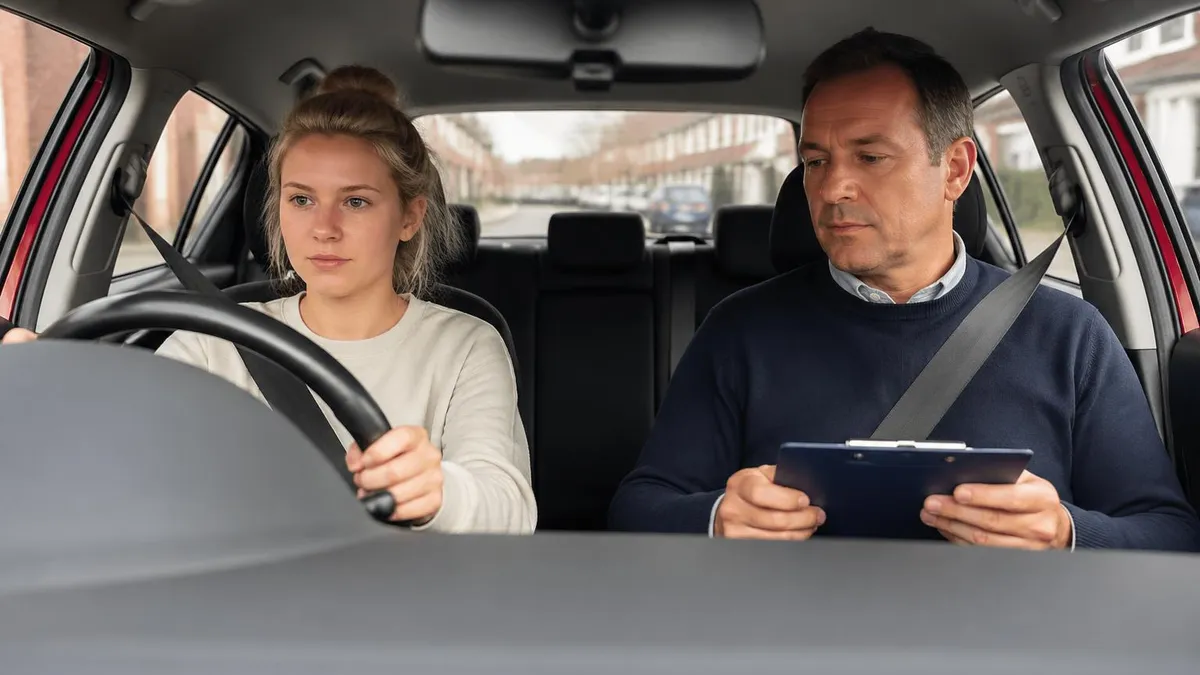
When you arrive at the test centre, you'll need to show your provisional licence and your theory test pass certificate (if it's asked for). The examiner will introduce themselves, run through what'll happen, and ask your 'tell me' question before you get in the car. Once you're moving, try to treat the examiner like a passenger — not a judge sitting there waiting for you to fail.
One thing that trips people up: the independent driving section. When a sat-nav is used, the examiner sets it up — you don't need your own. If you go slightly off-route, that's fine; the examiner won't count it against you as long as you drive safely. What they're looking for is whether you can make good decisions independently, not whether you have perfect navigation instincts.
After the test, you'll be told immediately whether you've passed or failed. If you pass, you can choose to drive home on your full licence (as long as you're insured) or arrange for your instructor to take you. You'll receive a pass certificate, and your full licence typically arrives by post within a few days. If you don't pass, you'll get a debrief sheet showing exactly where faults occurred — use it. Most people who fail are close to passing; targeted practice based on that feedback is the fastest route to success on your next attempt.
What Happens During Your Practical Driving Test
Before the test starts, the examiner checks your provisional licence and asks the 'tell me' question — for example, how to check your tyre tread depth or how the braking system works. You don't need to physically demonstrate anything; just explain it clearly. Then you'll walk to the car together for the eyesight check: reading a number plate from 20 metres. Fail this and the test ends immediately, so make sure your vision is up to standard beforehand.
Preparation matters more than natural talent when it comes to passing your test. The practical driving test isn't just about knowing how to drive — it's about demonstrating consistent, safe behaviour across a range of situations in a high-pressure environment. That means building habits rather than just skills.
Candidates who pass first time tend to share a few traits: they've done plenty of mock tests with their instructor, they're comfortable with the independent driving section, and they know their local test routes cold. None of that is luck. It's deliberate, structured preparation that pays off on the day.
Don't underestimate the value of private practice between lessons either. If you can get supervised time behind the wheel outside of formal instruction — with a parent or guardian in a suitable car — use it. More hours in genuinely varied conditions will build the automatic responses that examiners want to see, and it'll cut the number of lessons you need overall.
One more thing: don't ignore your weak spots. If roundabouts make you nervous, practise roundabouts. If reversing into bays feels uncertain, drill it until it feels automatic. The test is designed to catch inconsistent performance — and targeted practice on your specific weak areas is the fastest way to iron that out before your test date.
Fault categories on the practical test work on a three-tier system. Minor faults (officially called 'driving faults') are small errors that didn't cause danger — up to 15 is acceptable, though accumulating lots in one area can be upgraded to a serious fault. Serious faults are errors that could have been dangerous, and a single one means an automatic fail. Dangerous faults involve actual danger to you, the examiner, or other road users — also an automatic fail.
The most common reasons candidates fail include not checking mirrors sufficiently, poor junction observations, incorrect steering, and not making adequate progress (driving too slowly or hesitantly). Interestingly, hesitancy is as big a problem as recklessness for many learners. If you hold up traffic by being overly cautious at roundabouts or junctions, that counts against you too. Progress is part of safe driving, not in conflict with it.
Knowing which faults are most common at your specific test centre can also help. Some centres have notoriously complex roundabouts or unusual road layouts. Ask your instructor — they'll know the local pitfalls and can make sure your mock tests cover them. Being forewarned is genuinely useful when it comes to navigating a tricky test route. A single targeted lesson on a problem junction near your centre can be worth more than five general lessons.
Pros and Cons of Booking Your Test Early
- +Secures a slot before waiting times grow longer
- +Creates a deadline that motivates focused practice
- +Allows time to reschedule if your progress is slower than expected
- +Early morning slots often have lighter traffic — better test conditions
- +Gives your instructor time to plan targeted lessons before the date
- +Locking in a date reduces decision fatigue — you know what you're working toward
- −You might not feel fully ready by the booked date
- −Cancelling less than 3 clear days before costs your full fee
- −Early availability in rural areas may mean a longer drive to the test centre
- −Pressure of a firm date can increase test anxiety for some learners
- −You may outpace your confidence if you book before mastering all manoeuvres
- −Slots sometimes open up at short notice anyway, making early booking less critical
Fault categories on the practical test work on a three-tier system. Minor faults (officially called 'driving faults') are small errors that didn't cause danger — up to 15 is acceptable, though accumulating lots in one area can be upgraded to a serious fault. Serious faults are errors that could have been dangerous, and a single one means an automatic fail. Dangerous faults involve actual danger to you, the examiner, or other road users — also an automatic fail. Understanding the difference matters a lot when you're interpreting your debrief sheet.
The most common reasons candidates fail include not checking mirrors sufficiently, poor junction observations, incorrect steering, and not making adequate progress (driving too slowly or hesitantly). Interestingly, hesitancy is as big a problem as recklessness for many learners. If you hold up traffic by being overly cautious at roundabouts or junctions, that counts against you too. Progress is part of safe driving, not in conflict with it. An examiner wants to see you make confident, well-observed decisions — not timid ones.
Knowing which faults are most common at your specific test centre can also help. Some centres have notoriously complex roundabouts or unusual road layouts. Ask your instructor — they'll know the local pitfalls and can make sure your mock tests cover them. Being forewarned is genuinely useful when it comes to navigating a tricky test route. A single targeted lesson on a problem junction near your centre can be worth more than five general lessons.
Practical Driving Test Day Checklist
- ✓Bring your provisional driving licence — you cannot take the test without it
- ✓Check your theory test pass certificate is still valid (it expires 2 years after passing)
- ✓Arrive at the test centre at least 10 minutes early
- ✓Make sure the test vehicle has a valid MOT, tax, and insurance covering test use
- ✓Wear comfortable, flat-soled shoes — avoid heels or flip-flops
- ✓Eat beforehand — low blood sugar makes concentration harder
- ✓Tell your instructor your test date so they can book a final lesson beforehand
- ✓Practise the show me / tell me questions the night before — know at least 10 of each
- ✓Check the test centre location and parking arrangements in advance
- ✓Get a good night's sleep — fatigue genuinely affects hazard perception and reaction time
The DVSA updates the practical test format periodically, and it's worth knowing what's changed recently. The independent driving section was extended from 10 to 20 minutes back in 2017, and the sat-nav element was added at the same time. Since then, the core structure has stayed fairly stable — but DVSA guidance documents are updated regularly, and your instructor should be across any changes.
One area that's attracted more attention in recent years is the 'show me' question asked while driving. Previously all safety questions were answered statically before the test began, but the split format tests whether you can carry out a minor demonstration — like operating the rear windscreen demister or adjusting the headrests — while maintaining safe vehicle control. It's not hard if you've practised, but it requires genuine familiarity with the car's controls. Make it a point to learn every button and dial in the test vehicle.
Your test car matters too. If you're taking the test in your instructor's vehicle, make sure you've spent plenty of time in it specifically — not just in whatever you practise in at home. Different cars have different sight lines, clutch biting points, and steering sensitivity. Getting comfortable in the exact vehicle you'll be tested in is a small thing that makes a real difference under pressure. Even a single lesson in that specific car can noticeably reduce the adjustment period on test day.
Anxiety before a driving test is completely normal — even experienced drivers would feel pressure under formal examination conditions. The key is not to eliminate nerves (some level of alertness actually helps performance) but to manage them so they don't interfere with your driving. Breathing techniques, a consistent pre-test routine, and mock tests under realistic conditions all help considerably.
Many instructors offer mock tests that replicate the actual test experience as closely as possible: they sit quietly in the back, give directions, and mark your performance on a real DL25 sheet. If your instructor doesn't offer this, ask. Knowing what a pass looks and feels like before you sit the real thing is invaluable for building confidence. The more familiar the format feels, the less mental energy you'll waste on anxiety on the day.
Also worth remembering: the examiner isn't your enemy. They're a professional doing a job, and their notes during the test don't indicate you're failing — they write things down constantly regardless of how you're doing. Try to focus entirely on the road, not on what the examiner might be writing. Most candidates who focus on driving rather than on the examiner's notepad give a significantly better performance overall.
Your theory test certificate is only valid for 2 years from the date you passed. If you don't complete your practical driving test within that window, your theory pass expires and you'll need to retake the theory test before you can book another practical. With current waiting times for practical test slots running at 6 weeks or more in many areas, it's worth booking well ahead of your theory expiry date to avoid this situation.
If you don't pass your test first time, don't treat it as a failure — treat it as a data point. The DVSA debrief sheet tells you exactly where the faults occurred, and that information is genuinely useful. Most candidates who fail are close to passing, and a focused block of remedial practice on the specific weak areas identified in the debrief is the most efficient path forward. Don't just go back to doing everything from scratch — target what the sheet tells you.
You can rebook your test 10 working days after a failed attempt. Use that time wisely. Go through the debrief with your instructor, target the specific faults that came up, and do at least one more mock test before sitting again. Candidates who approach a retest strategically — rather than just going through the motions — tend to pass significantly faster than those who simply rebook and hope for the best.
The statistics are worth keeping in mind. Around 47% of people pass the practical test on their first attempt — which means roughly half of learners need at least two goes. You're in good company if it doesn't happen first time. What matters is what you do with the feedback, not how many attempts it takes. Treat each test as a learning opportunity and you'll get there.
DVSA Practice Test Questions
Prepare for the DVSA - UK Driving Theory Test exam with our free practice test modules. Each quiz covers key topics to help you pass on your first try.
DVSA Eco-Friendly Driving and Vehicle Loading
DVSA Exam Questions covering Eco-Friendly Driving and Vehicle Loading. Master DVSA Test concepts for certification prep.
DVSA Hazard Awareness
Free DVSA Practice Test featuring Hazard Awareness. Improve your DVSA Exam score with mock test prep.
DVSA Incidents, Accidents and First Aid
DVSA Mock Exam on Incidents, Accidents and First Aid. DVSA Study Guide questions to pass on your first try.
DVSA Motorway Rules and Smart Motorways
DVSA Test Prep for Motorway Rules and Smart Motorways. Practice DVSA Quiz questions and boost your score.
DVSA Rules of the Road (Highway Code)
DVSA Questions and Answers on Rules of the Road (Highway Code). Free DVSA practice for exam readiness.
DVSA - UK Driving Theory Hazard Awareness ...
DVSA Mock Test covering - UK Driving Theory Hazard Awareness and Perception. Online DVSA Test practice with instant feedback.
DVSA - UK Driving Theory Motorway Rules an...
Free DVSA Quiz on - UK Driving Theory Motorway Rules and Regulations. DVSA Exam prep questions with detailed explanations.
DVSA - UK Driving Theory Road and Traffic ...
DVSA Practice Questions for - UK Driving Theory Road and Traffic Signs. Build confidence for your DVSA certification exam.
DVSA - UK Driving Theory Rules of the Road
DVSA Test Online for - UK Driving Theory Rules of the Road. Free practice with instant results and feedback.
Vehicle safety knowledge is tested through the tell me / show me questions that form part of every practical test. There are 19 possible questions in the DVSA bank, and you'll get one of each on test day. The 'tell me' question is asked before you drive; the 'show me' is asked while you're moving. Getting both wrong counts as one minor fault — not a serious fault — so don't panic if you're not sure of an answer. However, getting them right costs you nothing and shows the examiner you've prepared properly.
Common 'tell me' questions include explaining how to check oil level, tyre pressure, and brake fluid. Common 'show me' questions include using the horn, operating the heated rear windscreen, and adjusting the mirrors. The full list is available on the GOV.UK website and is worth running through in a study session — most learners can cover all 19 in an hour if they do it systematically.
Beyond vehicle safety, make sure you're solid on the Highway Code and traffic signs. The theory test covers these in depth, but practical candidates sometimes assume they can forget theory knowledge once they've passed that element. Examiners notice when learners don't respond correctly to signs or markings during the practical, and those errors show up on the debrief sheet. Keep your Highway Code knowledge fresh right up to test day.
DVSA Questions and Answers
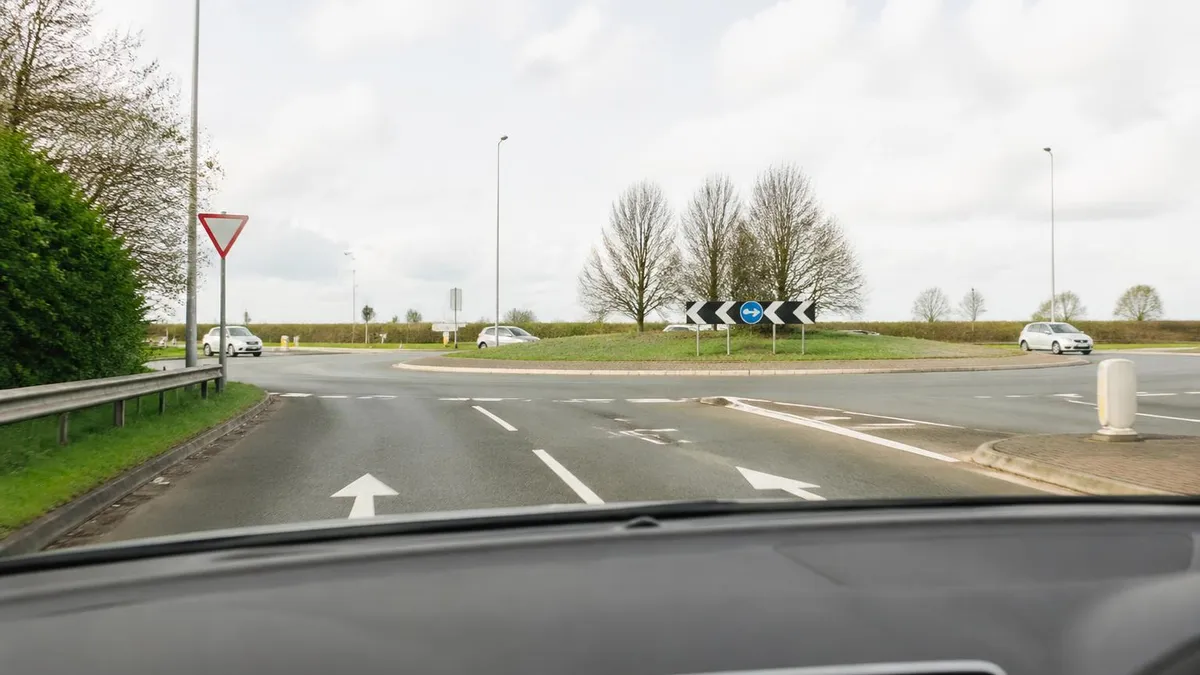
Practical Driving Test: Complete Guide to Passing Your DVSA Exam

Theory Test Practice: Complete DVSA Guide to Passing Your UK Driving Theory Test
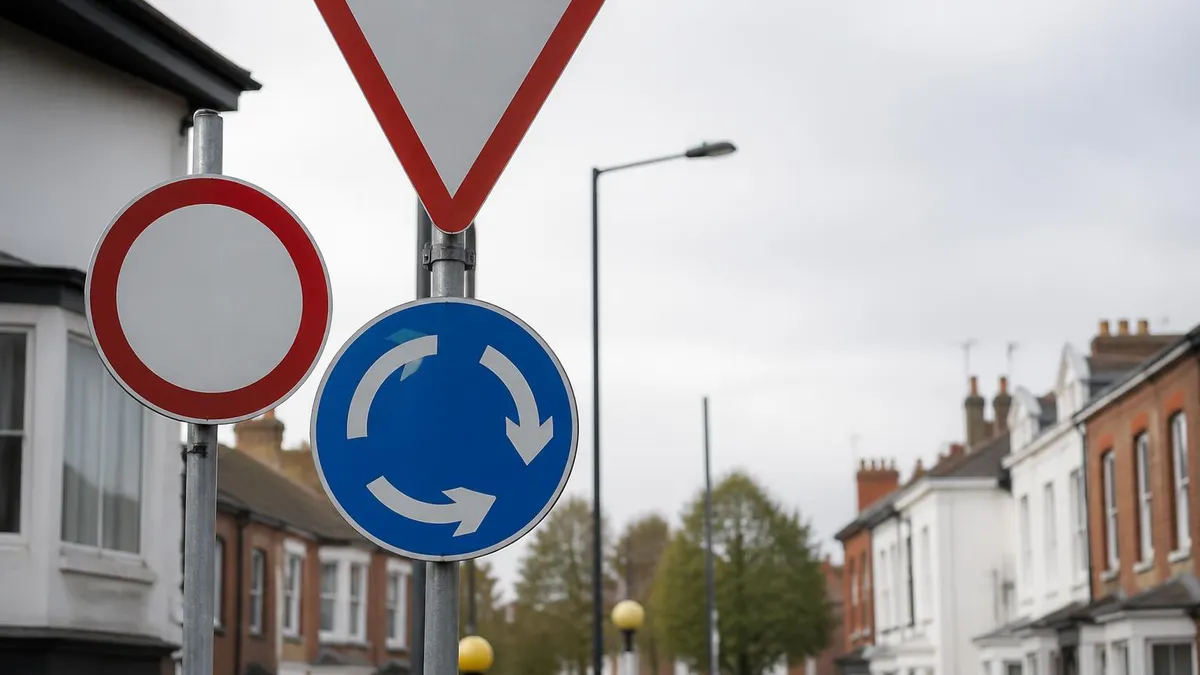
DVSA Driving Test: Full Format, Fault Categories, and How to Pass First Time
Change Driving Test Date: DVSA Rules, Process, and Finding Earlier Slots
Theory Test Booking: How to Book, Reschedule, and Pass Your DVSA Theory Test
About the Author
Licensed Driving Instructor & DMV Test Specialist
Penn State UniversityRobert J. Williams graduated from Penn State University with a degree in Transportation Management and has spent 20 years as a certified driving instructor and DMV examiner consultant. He has personally coached thousands of applicants through written knowledge tests, skills assessments, and commercial driver licensing programs across more than 30 states.