
Practical Driving Test: Complete Guide to Passing Your DVSA Exam 2026 September
⏳ Get ready for your Practical Driving certification. Practice questions with step-by-step answer explanations and instant scoring.
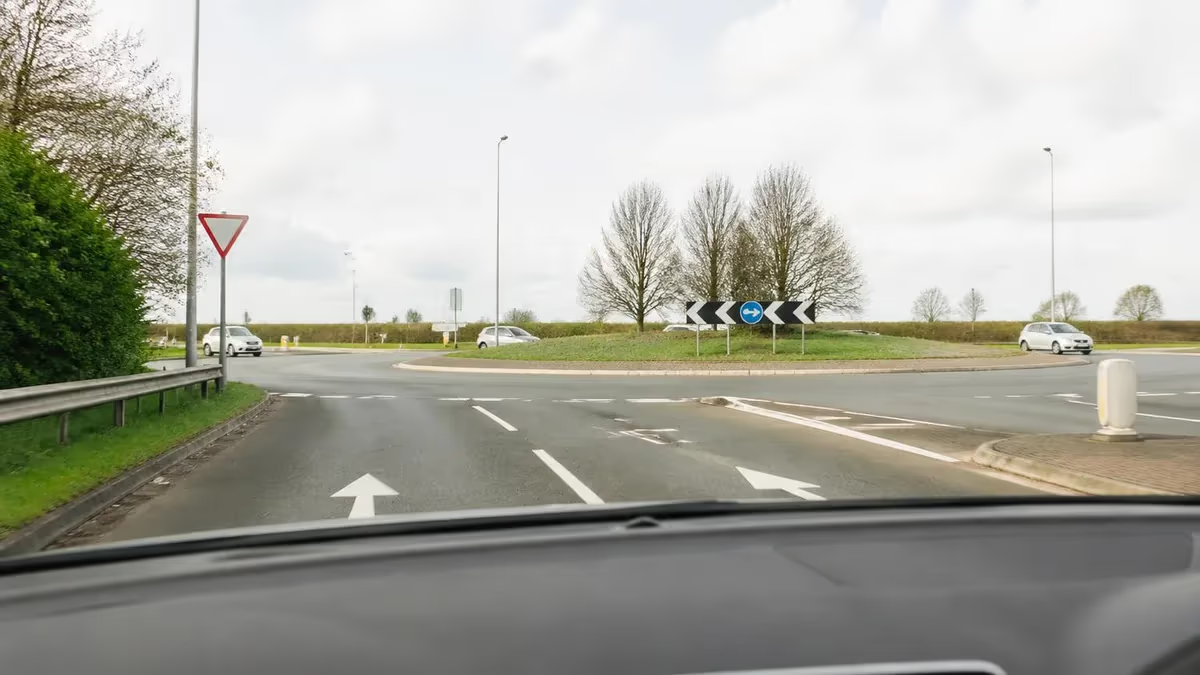
The practical driving test is the final hurdle between you and a full UK licence — and it's one you absolutely can prepare for properly. Understanding exactly what the DVSA examiner looks for makes the difference between a pass and another nerve-shredding attempt. This guide walks you through absolutely everything you need: the format, the manoeuvres, the marking system, and the habits that trip up even confident drivers who've been on the road for months.
If you are searching for a practical driving test questions quiz, start with the free questions on this page: every answer comes with an explanation, and the study notes below cover the DVSA exam topics in order.
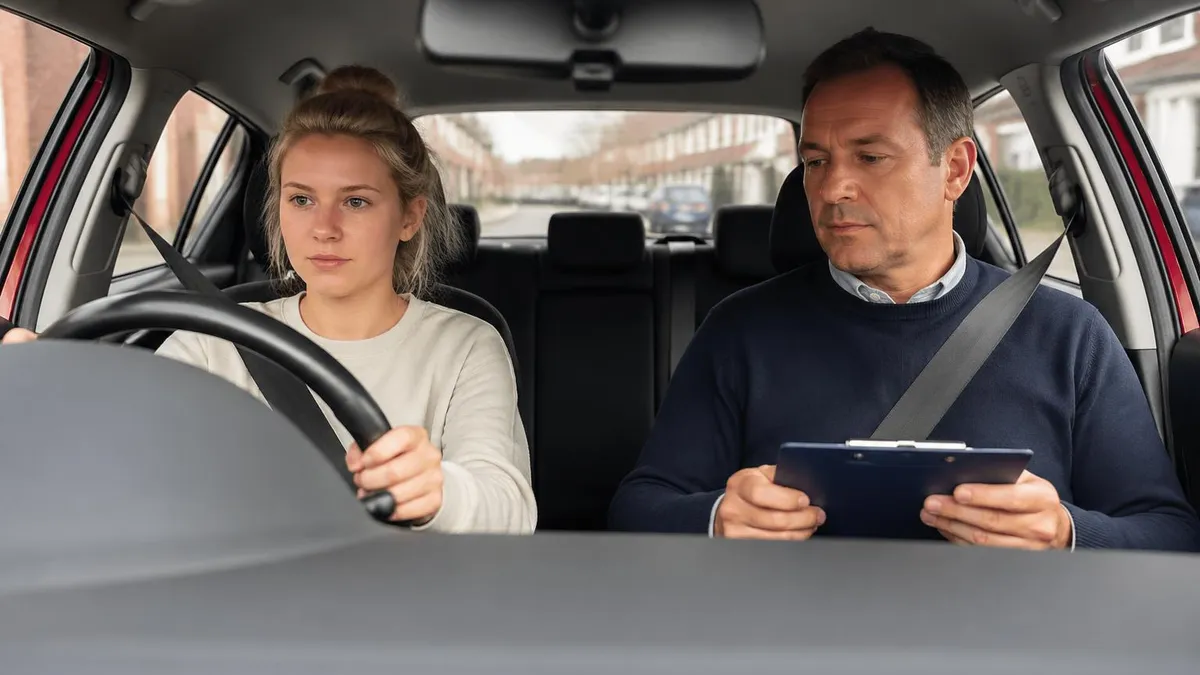
Most candidates fail not because they can't drive well, but because they haven't carefully studied the test structure. The practical driving test typically lasts around 40 minutes and covers independent driving, a Show Me Tell Me question, a vehicle safety check, and one or two set manoeuvres. You'll need to demonstrate safe, controlled driving across a full range of road types — dual carriageways, busy town centres, quiet residential streets — while an examiner records any faults.
Don't underestimate the mental side. Nerves cause hesitation, and hesitation causes serious faults. The best candidates treat every lesson like the real test — same checks, same commentary, same decision-making process. By the time you sit in that examiner's seat, it should feel completely routine rather than overwhelming. Let's break down exactly what you need to know before booking that slot.

Before you book the driving test, it's worth understanding the full structure so there are no surprises on the day. The test begins with a Show Me Tell Me question — either asked outside the car (Tell Me) or while you're driving (Show Me). These check your basic vehicle knowledge: things like how to check the brake fluid level, tyre condition, or how to use the horn. Don't memorise just the answers; understand the reasoning behind each one so you can handle any variation.
After the safety check, you'll complete around 20 minutes of normal driving, followed by roughly 20 minutes of independent driving using a sat-nav or following road signs. Independent driving accounts for a significant portion of the test — it's where many candidates lose focus. The examiner isn't testing whether you get lost; they're testing whether you stay safe when you're making your own decisions without any prompts.
You'll also complete one or two set manoeuvres from a list that includes parallel parking, pulling up on the right, forward bay parking, reverse bay parking, or a turn in the road. Knowing which manoeuvres appear most often at your specific test centre can help you prioritise during lessons — your instructor should have local knowledge on this that's worth asking about early on.
Every fault you make during the test is recorded in one of three categories. A minor fault — also called a driving fault — is a small error that doesn't create immediate danger. You can accumulate up to 15 minor faults and still pass. A serious fault is a single error that could potentially endanger you, other road users, or pedestrians — this results in an automatic fail. A dangerous fault is one where the examiner had to physically intervene to prevent an accident. That's also an immediate fail, and it's rare but it does happen.
The test isn't just about avoiding errors — it's about demonstrating positive driving habits throughout the whole route. Examiners want to see effective observations at junctions, smooth gear changes, proper mirror use before every manoeuvre, and controlled speed management. It's a holistic picture, not a single moment of brilliance. You need to be consistently safe, not occasionally perfect.
Understanding the test marking system helps you train smarter. When you practise, have your instructor call out faults using the same categories the examiner would use. That way, you build awareness of your weak spots before they cost you on the actual test. Minor faults cluster around mirror checks and road positioning — both very fixable with targeted, deliberate practice in the weeks before your test date.
Manoeuvres: What to Expect
Bay parking — both forward and reverse — is one of the most common manoeuvres on the practical test. For reverse bay parking, you'll pull past the bay, check your mirrors and blind spots, and reverse in under control. Accuracy matters, but so does observation: look all around throughout the manoeuvre. Don't rush. Examiners understand that bay parking takes time. What they're watching for is whether you stay in full control and maintain awareness of your surroundings the entire time.
Meeting the pass standard on the test means showing consistent, safe driving across the full 40 minutes — not just avoiding the obvious errors. Examiners use a structured marking sheet with dozens of possible fault points, from junctions and crossroads to pedestrian crossings and use of speed. You'll be assessed on every aspect of your driving, which is why a single 45-minute lesson the night before won't cut it. Real preparation takes weeks, not hours.
What separates first-time passers from repeat candidates is often attitude. Confident drivers who've done plenty of motorway and dual-carriageway driving tend to handle the test better — they're used to making fast decisions under pressure. If your lessons have been limited to quiet back roads, push your instructor to take you somewhere more challenging before test day. Variety of experience is what builds genuine competence.
The independent driving section is now 20 minutes long — extended from 10 minutes back in 2017. Most candidates use the in-car sat-nav, but you can request road signs instead if you're more comfortable with that approach. Either way, the examiner doesn't care if you make a wrong turn. What matters is that you respond safely when you do — no sharp braking, no sudden lane changes, just smooth, composed correction.
On test day itself, the logistics matter more than most candidates expect. Arrive 10 minutes early — not 30, not 5. Give yourself time to settle, use the bathroom, and do a quick mental reset. Bring your provisional licence, and make sure your car is roadworthy if you're using your own vehicle: valid MOT, valid insurance, L-plates front and back, and working horn and lights. A car that fails the basic roadworthiness check means an immediate cancellation — no refund.
Your instructor can accompany you in the back of the car if that helps with nerves — they're not allowed to speak during the test, but many candidates find the familiar presence calming. Alternatively, go it alone if having them watch makes you more anxious. Know yourself. Some people perform better with a familiar face nearby; others find the extra observer increases pressure. Neither choice affects your result directly.
During the test, if you make a mistake — and most people make at least a few minor faults — don't spiral. One mistake won't fail you unless it's serious or dangerous. Keep your composure, reset, and drive the next five minutes as well as you possibly can. Examiners want you to pass. They're not looking for perfection; they're looking for consistent, safe driving that demonstrates you're ready to be on the roads unsupervised.
Pros and Cons of Taking Your Practical Test Early
- +Gets the test done before bad habits become entrenched
- +Younger drivers often adapt to new skills faster
- +Test slots are easier to find in quieter months
- +Less time spent paying for lessons before qualifying
- +Confidence boost from passing early in your driving journey
- +More driving experience building up from a younger age
- −Risk of rushing before you're genuinely ready
- −Higher failure rate among under-prepared candidates
- −Test fee is non-refundable if you cancel within 3 working days
- −Waiting lists at popular test centres can be long
- −Nerves tend to be worse for first-time test-takers
- −Limited experience on motorways before test day
The Show Me Tell Me questions are asked at the start of every practical test, and they're worth getting right — a wrong answer counts as one minor fault. There are 19 possible questions in total, split into Tell Me (answered before you start driving) and Show Me (demonstrated while moving). You won't be asked all of them; just one Tell Me and one Show Me per test. It's a small part of the test, but it sets the tone for the rest of it.
Tell Me questions typically cover things like checking tyre pressure, fluid levels, and light operation. Show Me questions include things like demisting the rear window, adjusting the headrest, or switching between full-beam and dipped headlights. They sound simple, but under pressure — with the examiner watching and recording — candidates blank. Practise these out loud at home until you can answer them instantly without hesitation.
The best way to prepare is to download the official DVSA list of Show Me Tell Me questions and go through every single one. Learn the answers, but more importantly understand why — what's the correct tyre pressure for your car? Where's the brake fluid reservoir? Knowing the reasoning means you can adapt if a question is worded differently than you expected on test day. Your instructor should run through these with you at least once in the weeks before your test.
10-Point Pre-Test Checklist
- ✓Provisional licence ready (both parts if applicable)
- ✓Car has a valid MOT certificate
- ✓Insurance covers you to drive the vehicle for the test
- ✓L-plates displayed front and rear
- ✓Mirrors adjusted before setting off
- ✓Seat and headrest adjusted for your height
- ✓Show Me Tell Me answers revised and practised
- ✓Sat-nav charged or road sign preference confirmed with instructor
- ✓Route to the test centre confirmed — arrive 10 mins early
- ✓Emergency contact number saved in case of issues on the day
Independent driving trips up a surprising number of candidates — not because they can't follow directions, but because they lose focus on the basics. When you're concentrating on where to turn next, mirror checks slip. Speed creeps up or drops. Observations at junctions become rushed. This is exactly what the examiner is watching for during this phase, and it's where otherwise solid drivers lose serious marks.
The trick is to treat independent driving as two parallel tasks: navigation and safe driving. If you can't do both at once, slow down slightly — that's perfectly acceptable. An examiner would rather see you slow to 25mph while you figure out a junction than rush through it dangerously. The sat-nav will recalculate if you go the wrong way. Your examiner won't penalise a wrong turn as long as you respond safely and without panic.
Practise independent driving in your lessons well before the test. Ask your instructor to give you a destination and step back — no guidance, just you and the roads. Do this multiple times until navigation stops feeling like a cognitive load and becomes background noise. That's when you know you're ready. Some candidates also find it helpful to practise driving to unfamiliar destinations using only road signs, just to build confidence away from sat-nav dependency before test day.
Choosing the right test centre can make a measurable difference. Urban centres tend to have busier, more complex roads — more junctions, more pedestrians, more hazards. Rural or suburban centres often involve more open roads and fewer complex scenarios. Neither is universally easier; it depends on your experience. If you've been training in a city, booking a rural test just to avoid traffic often backfires — you're suddenly on unfamiliar roads under test pressure.
The DVSA publishes pass rates by test centre, and while these stats fluctuate, they give you a rough sense of the difficulty profile. Some candidates travel to different areas to take the test — this is allowed, but factor in that you'll be driving unfamiliar roads when nerves are already high. Your instructor's knowledge of local roads is a genuine asset; use it.
Test slots can be scarce, especially in cities. You can book directly via the DVSA website, or use the official cancellation checker to find short-notice slots. Book early — waiting months only extends your period of uncertainty and keeps you in provisional-licence limbo longer than necessary.
Your theory test certificate is valid for two years. If it expires before you pass your practical test, you'll need to retake the theory — paying the fee again and potentially waiting weeks for a slot. Book your practical test well before the two-year mark runs out, and factor in any re-tests you might need. Many candidates cut this closer than they realise, especially if they've been putting off booking due to test anxiety.
Weather can affect your practical test in ways you might not anticipate. Rain means reduced visibility and longer stopping distances — the examiner will note whether you adjust your driving accordingly. Bright winter sun creates dangerous glare; lowering the visor and slowing down is the right response. Heavy rain can make roads feel unfamiliar even on routes you've driven dozens of times before.
There's no provision to postpone due to bad weather unless conditions are genuinely dangerous — and even then, the DVSA makes that call, not you. The good news is that driving in challenging conditions can actually play to a prepared candidate's advantage. If you've been training in all weathers, you're more adaptable than someone who's only ever driven in bright sunshine. That adaptability shows up as calm, measured responses — exactly what examiners want to see.
Post-test, whether you pass or fail, debrief with your instructor. If you've passed — congratulations, but seriously consider a motorway lesson before you're driving solo at high speed for the first time. Pass Plus courses also exist for newly qualified drivers and can reduce insurance premiums. If you've failed, use the examiner's feedback sheet constructively. The sheet lists every fault with a code; look up each one and understand exactly what went wrong. Most people pass within two or three attempts when they use that feedback properly rather than ignoring it.
DVSA Practice Test Questions
Prepare for the DVSA - UK Driving Theory Test exam with our free practice test modules. Each quiz covers key topics to help you pass on your first try.
DVSA Eco-Friendly Driving and Vehicle Loading
DVSA Exam Questions covering Eco-Friendly Driving and Vehicle Loading. Master DVSA Test concepts for certification prep.
DVSA Hazard Awareness
Free DVSA Practice Test featuring Hazard Awareness. Improve your DVSA Exam score with mock test prep.
DVSA Incidents, Accidents and First Aid
DVSA Mock Exam on Incidents, Accidents and First Aid. DVSA Study Guide questions to pass on your first try.
DVSA Motorway Rules and Smart Motorways
DVSA Test Prep for Motorway Rules and Smart Motorways. Practice DVSA Quiz questions and boost your score.
DVSA Rules of the Road (Highway Code)
DVSA Questions and Answers on Rules of the Road (Highway Code). Free DVSA practice for exam readiness.
DVSA - UK Driving Theory Hazard Awareness ...
DVSA Mock Test covering - UK Driving Theory Hazard Awareness and Perception. Online DVSA Test practice with instant feedback.
DVSA - UK Driving Theory Motorway Rules an...
Free DVSA Quiz on - UK Driving Theory Motorway Rules and Regulations. DVSA Exam prep questions with detailed explanations.
DVSA - UK Driving Theory Road and Traffic ...
DVSA Practice Questions for - UK Driving Theory Road and Traffic Signs. Build confidence for your DVSA certification exam.
DVSA - UK Driving Theory Rules of the Road
DVSA Test Online for - UK Driving Theory Rules of the Road. Free practice with instant results and feedback.
If you fail the test, you must wait at least 10 working days before you can retake it. Use that time well — don't just rebook and hope for different results. Go back to your instructor, work specifically on the faults listed on your sheet, and do a mock test before your retake. A mock test in the weeks leading up to your actual test is one of the most underused preparation tools available. Treat it exactly like the real thing: no prompts, no interruptions, full-length route.
Many candidates also benefit from intensive driving courses in the run-up to a retake. A week-long intensive can consolidate skills quickly — particularly useful if a lot of time has passed since your last lessons and you've lost some sharpness. These courses vary significantly in quality, so read reviews carefully and check that your instructor holds a valid DVSA ADI certificate before you commit. A good intensive instructor will also know the local test routes, which gives you a real edge.
The practical test is genuinely achievable. Nearly half of all candidates pass first time, and the vast majority pass within three attempts. With the right preparation — understanding the format, practising the manoeuvres, drilling your observations, and getting yourself mentally ready — you're well positioned to be among them. Use these practice tests to sharpen your theory knowledge in parallel, and go into that test centre knowing exactly what to expect. Preparation is the thing that turns nervous energy into controlled confidence. You've got this.
DVSA Questions and Answers
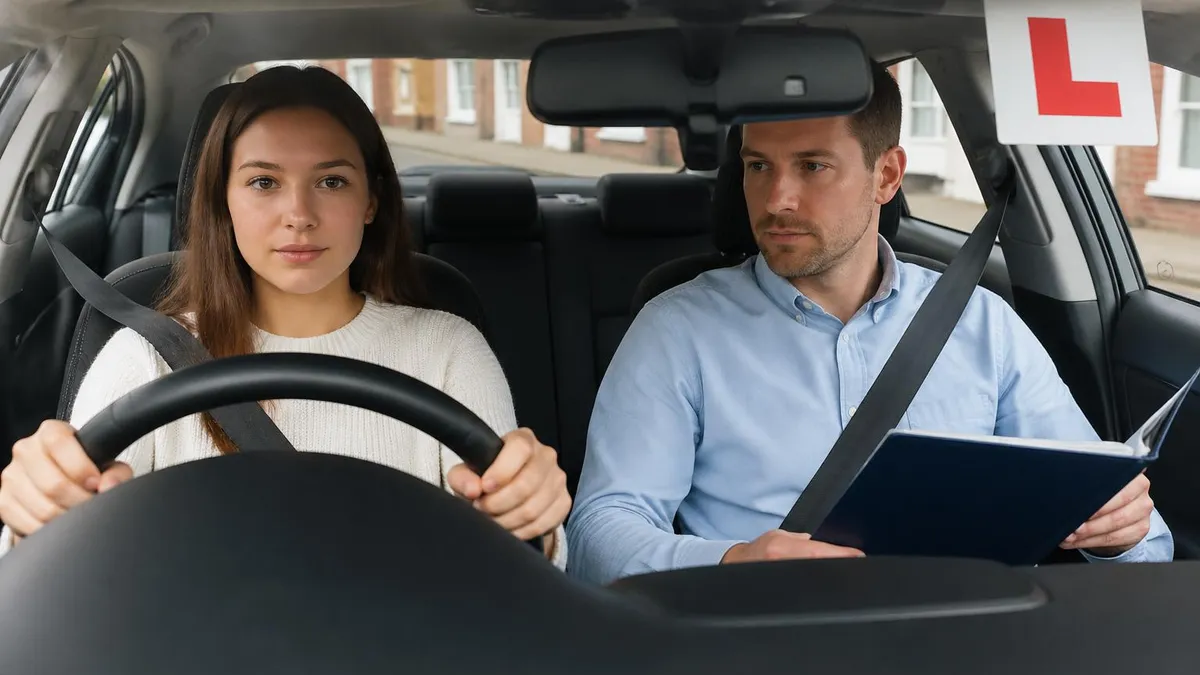
Book Practical Driving Test: How to Pass Your DVSA Exam First Time

Theory Test Practice: Complete DVSA Guide to Passing Your UK Driving Theory Test
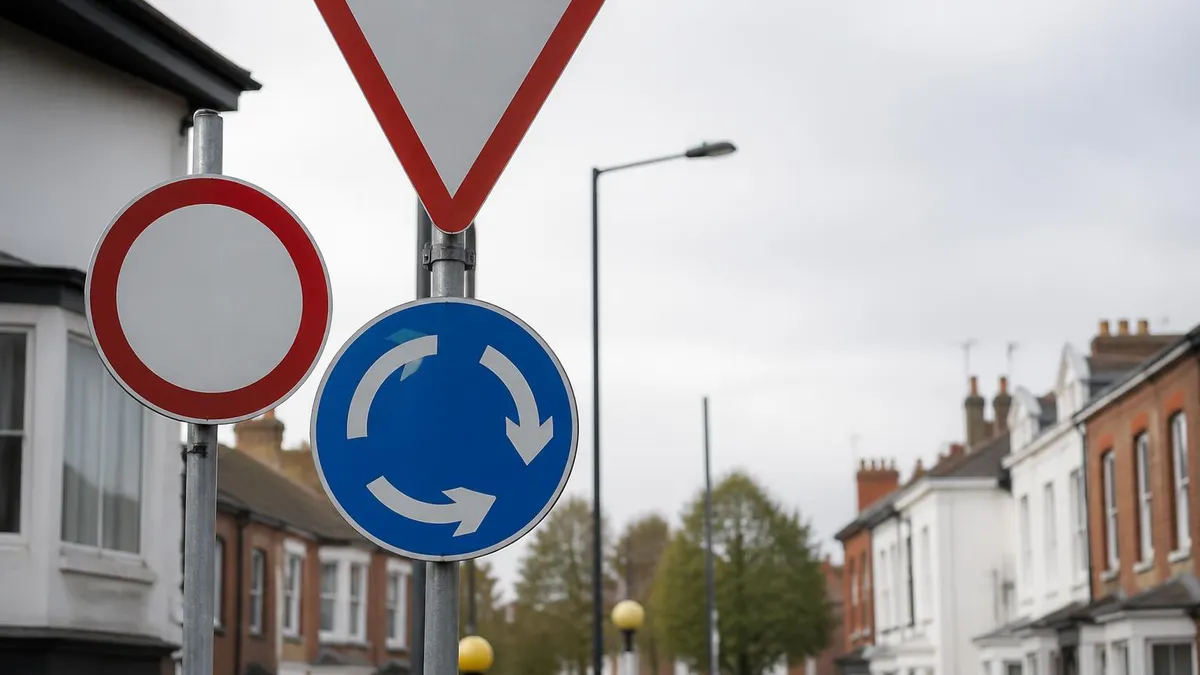
DVSA Driving Test: Full Format, Fault Categories, and How to Pass First Time
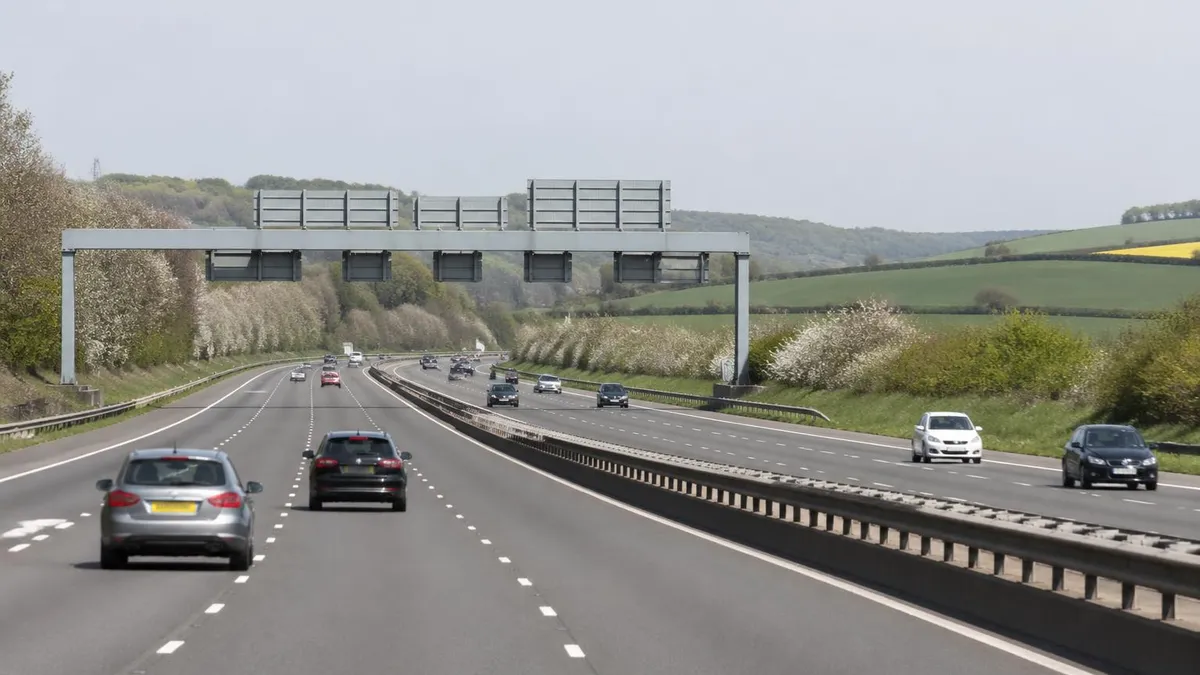
Change Driving Test Date: DVSA Rules, Process, and Finding Earlier Slots
Theory Test Booking: How to Book, Reschedule, and Pass Your DVSA Theory Test
About the Author

Licensed Driving Instructor & DMV Test Specialist
Penn State UniversityRobert J. Williams graduated from Penn State University with a degree in Transportation Management and has spent 20 years as a certified driving instructor and DMV examiner consultant. He has personally coached thousands of applicants through written knowledge tests, skills assessments, and commercial driver licensing programs across more than 30 states.