
Book Theory Test: How to Register, Prepare and Pass Your DVSA Exam
Get ready for your Book Theory certification. ⏳ Practice questions with step-by-step answer explanations and instant scoring.

If you're learning to drive in the UK, you'll need to book and pass your theory test before you can sit behind the wheel for your practical. The book theory test process is straightforward once you know where to start — but plenty of learners waste time or money by missing key details. This guide walks you through every step: registration, what's on the test, how to prepare, and what happens on the day.
The DVSA runs the UK's official theory test system. You need a valid provisional licence before you can book, and you must be at least 17 years old (16 for moped riders). Appointments are available at hundreds of test centres across England, Scotland, and Wales. The fee is currently £23 — paid when you book online at the official GOV.UK portal. Slots can fill up weeks in advance in busy areas, so it pays to book as early as possible.
Passing on your first attempt saves both time and money. The test has two parts: a multiple-choice section with 50 questions (you need 43 to pass) and a hazard perception section with 14 video clips. Don't leave preparation to chance — use structured practice, understand the format, and you'll walk in confident rather than anxious.

Booking the theory test is done entirely online through the official GOV.UK service. You'll need your provisional licence number, a valid email address, and a debit or credit card. The booking system lets you choose your preferred test centre, date, and time — and you can filter by distance from your postcode to find the most convenient location. Once booked, you'll receive a confirmation email with your appointment details; save this, as you'll need your booking reference if you want to reschedule or cancel.
The theory test isn't something you want to treat lightly. It covers 14 broad topic areas drawn from the Highway Code and official DVSA materials, and every question counts toward your pass mark. The theory test's hazard perception section is scored separately — you need 44 out of 75 to pass that part. Both sections must be passed in the same sitting; if you fail one, you fail the whole test and need to rebook.
You can reschedule or cancel your test up to three working days before your appointment without losing your fee. Miss that window and you forfeit the £23. Most learners find that booking a test date first — then working toward it — creates a useful, concrete deadline that keeps study consistently on track.
The test centre experience is more formal than most people expect. You'll need to bring your provisional driving licence — both the photocard and, if you have one, the paper counterpart. UK photocard licences are sufficient on their own. You won't be allowed to take any personal items into the test room; everything goes in a locker outside.
Once you're seated, a short tutorial explains how the computer system works. The multiple-choice section starts first — you have 57 minutes for 50 questions. You can flag questions to review later, which is handy if something stumps you. After completing (or running out of time on) that section, there's a three-minute break before hazard perception begins. You watch each video clip just once and click whenever you spot a developing hazard during the test.
Your result is given immediately at the end of the test. The invigilator hands you a printed result slip showing your scores for both sections. If you pass, that result is valid for two years — meaning you need to pass your practical within that window or you'll have to resit the theory test. That deadline matters more than most learners realise until it's too late.
Theory Test Topics You Need to Know
The multiple-choice section covers 14 topic areas from the Highway Code, DVSA's driving manuals, and the Know Your Traffic Signs publication. Common topics include alertness, attitude, safety margins, hazard awareness, vulnerable road users, vehicle safety, and motorway rules. Questions often present a scenario and ask what you'd do — or they test factual knowledge such as stopping distances and speed limits. You have 57 minutes total and can review flagged questions before submitting your test.
Preparation makes the difference between a confident pass and an expensive resit. The DVSA recommends studying the Highway Code thoroughly — not just skimming it, but understanding the reasoning behind the rules. Many questions don't just ask what the speed limit is but probe your understanding of why rules exist and how they apply in real scenarios on the test.
Official DVSA practice materials are available through the GOV.UK website, and there are several well-reviewed apps and websites that replicate the actual test format. Aim to sit at least ten full mock tests under timed conditions before your real test. If you're consistently scoring 46 or higher on mock multiple-choice tests, you're in a solid position. Lower than that, and you need more revision on specific topics.
Hazard perception is often underestimated. Many learners focus all their energy on the theory questions and then struggle with hazard clips on the day. Practice those clips regularly — and watch official DVSA guidance on what counts as a developing hazard versus a potential one. The distinction is subtle but scored precisely, and it can be the difference between a pass and a fail on the day.
The UK theory test system has evolved significantly over the years. The current format — combining multiple-choice with hazard perception — was designed to produce safer drivers, not just drivers who've memorised a rulebook. Research consistently shows that drivers who pass the hazard perception section with high scores have better accident records in their first years behind the wheel after passing the test.
One thing that catches learners off guard is how quickly theory test slots can disappear in urban areas. In cities like London, Birmingham, and Manchester, popular test centres can be booked out four to six weeks ahead. If you have a flexible schedule, consider test centres in nearby towns — they often have slots available much sooner and are worth the extra travel time.
It's also worth knowing that you can resit the theory test after a three-working-day wait if you fail. There's no limit to how many times you can take it, but every resit costs £23. Most learners who fail do so by a narrow margin on hazard perception — so targeted practice on that section before your resit can make all the difference.
Theory Test Booking: Pros and Cons
- +Book online anytime — 24/7 access to the GOV.UK portal
- +Hundreds of test centres across England, Scotland, and Wales
- +Immediate results — no waiting for a letter or email
- +Can reschedule up to three working days before with no penalty
- +Two-year validity window gives flexibility for practical test timing
- +Official DVSA mock tests available free online to help you prepare
- −Popular test centres in cities can book out 4–6 weeks in advance
- −£23 non-refundable fee if you cancel with less than three working days' notice
- −Both sections must be passed in the same sitting — one fail means a full resit
- −Theory pass expires after two years, requiring a resit if practical isn't completed
- −Hazard perception clips can only be watched once during the test — no replays
- −No in-person booking option — everything must be done online or by phone
Knowing what to bring on test day eliminates last-minute stress. Your UK photocard provisional driving licence is essential — without it, you won't be admitted. If you have an older paper licence, bring that too. Non-UK residents may need additional documentation such as a passport or biometric residence permit; check GOV.UK for your specific requirements well before the day of the test so there are no surprises.
Arrive at least 15 minutes early. Late arrivals may not be admitted, and you'll still lose your fee. The test centre staff will check your ID, photograph you, and ask you to sign in. Your phone and any personal belongings go into a locker. You'll be given a locker key, and the invigilator will walk you to your computer station and explain the system before the test starts. The tutorial covers everything — don't skip it even if you feel confident.
If you have a disability or learning difficulty, the DVSA offers reasonable adjustments — including extra time, a voice-over for the questions, or a separate room. You need to request these adjustments when you book, not on the day. The test system also supports multiple languages for the multiple-choice section, so if English isn't your first language, check what's available at your chosen test centre before you sit the exam. These accommodations are there for a reason — don't hesitate to use them if you need them.
Theory Test Day Checklist
- ✓Bring your UK photocard provisional driving licence (mandatory — no entry without it)
- ✓Arrive at least 15 minutes before your scheduled test time
- ✓Leave all personal items — phone, keys, bags — in the provided locker
- ✓Wear comfortable clothing; you'll be sitting at a computer for up to 57 minutes
- ✓Eat a proper meal beforehand — you don't want to be distracted by hunger
- ✓Get a full night's sleep the night before your test appointment
- ✓Review Highway Code stopping distances and speed limits the evening before
- ✓Practise at least two full mock hazard perception clips on the morning of the test
- ✓Know your test centre's address and plan your route in advance
- ✓If you need reasonable adjustments, confirm them with DVSA before the test day
After you pass your theory test, your next step is booking the practical driving test. You'll need to have had enough on-road practice with an approved driving instructor (ADI) or a supervising driver before sitting the practical — the DVSA recommends an average of 45 hours of professional lessons and 22 hours of private practice, though individual needs vary considerably. Some people are ready earlier; others need more time behind the wheel before they feel confident.
The practical test is booked separately through the same GOV.UK portal. Fees for the practical test are higher — £62 on weekdays and £75 on evenings, weekends, and bank holidays. Demand for practical test slots is high in most areas, so don't wait until your theory pass is nearly expired before thinking about booking. Give yourself plenty of time to pass the practical comfortably within the two-year window, and start those lessons consistently as soon as you've got your theory pass in hand.
Many learners find the period between passing the theory test and sitting the practical to be motivating — the theory pass confirms that you understand the rules of the road, and practical lessons often progress faster once learners have that solid theoretical foundation behind them. Keep your knowledge fresh in the months ahead; the rules you learned for the theory test are just as relevant when you're actually behind the wheel on the road, and your examiner will expect you to apply them correctly.
The DVSA updates its theory test question bank periodically to reflect changes in UK law, road design, and vehicle technology. Questions about electric vehicles, smart motorways, and updated speed limit rules have all been added in recent years. Relying on old revision materials or questions from a previous edition of the Highway Code can lead to gaps — always use materials that confirm they're aligned with the current DVSA test specification before you invest time in them.
It's also worth understanding the difference between revision apps and the official DVSA materials. Many third-party apps are excellent and closely mirror the real test. However, some older or less reputable apps use outdated questions or have errors that could mislead you. Stick to apps that explicitly state they use the official DVSA question bank — the DVSA itself licences its question bank to approved publishers, so look for that endorsement before you commit to a revision resource.
Finally, don't underestimate the value of understanding the Highway Code rather than just memorising answers. The theory test is designed to assess genuine understanding — and understanding the rules makes you a safer driver, which is the whole point. Learners who approach revision this way tend to score higher on the test, feel more confident in their early driving years, and need fewer expensive lessons to correct bad habits later.
The DVSA updates its theory test question bank regularly. Always check that your revision app or book is aligned with the current Highway Code edition. Using outdated materials can leave you unprepared for recently added questions — and could easily cost you a pass on the day when you're sitting the real test. Look for materials that are explicitly endorsed by or licensed from the DVSA before you start revising in earnest.
One of the most common theory test mistakes is treating the hazard perception section as secondary to the multiple-choice questions. Both sections carry equal weight in the pass/fail decision, and hazard perception is the one that's harder to cram for at the last minute. It requires you to develop genuine visual awareness — the kind that comes from watching many clips and patiently training your eye to spot developing situations early during the real test.
Research from the DVSA shows that new drivers who score highly on hazard perception are significantly less likely to be involved in collisions in their first two years of driving. That's not a coincidence — the skill measured by hazard perception is exactly the skill that prevents accidents on real roads. So approaching that section of the test seriously isn't just about passing; it's about becoming a genuinely safer driver for life, not just someone who holds a licence.
Use every available practice resource before your test date. The more variety of hazard clips you watch, the better you'll perform under real test conditions. The actual test clips are drawn from a wide range of road types, weather conditions, and traffic situations — so practising only a narrow set of scenarios won't fully prepare you. Aim for breadth in your preparation and you'll be well placed to achieve a strong score on the day when it counts.
DVSA Practice Test Questions
Prepare for the DVSA - UK Driving Theory Test exam with our free practice test modules. Each quiz covers key topics to help you pass on your first try.
DVSA Eco-Friendly Driving and Vehicle Loading
DVSA Exam Questions covering Eco-Friendly Driving and Vehicle Loading. Master DVSA Test concepts for certification prep.
DVSA Hazard Awareness
Free DVSA Practice Test featuring Hazard Awareness. Improve your DVSA Exam score with mock test prep.
DVSA Incidents, Accidents and First Aid
DVSA Mock Exam on Incidents, Accidents and First Aid. DVSA Study Guide questions to pass on your first try.
DVSA Motorway Rules and Smart Motorways
DVSA Test Prep for Motorway Rules and Smart Motorways. Practice DVSA Quiz questions and boost your score.
DVSA Rules of the Road (Highway Code)
DVSA Questions and Answers on Rules of the Road (Highway Code). Free DVSA practice for exam readiness.
DVSA - UK Driving Theory Hazard Awareness ...
DVSA Mock Test covering - UK Driving Theory Hazard Awareness and Perception. Online DVSA Test practice with instant feedback.
DVSA - UK Driving Theory Motorway Rules an...
Free DVSA Quiz on - UK Driving Theory Motorway Rules and Regulations. DVSA Exam prep questions with detailed explanations.
DVSA - UK Driving Theory Road and Traffic ...
DVSA Practice Questions for - UK Driving Theory Road and Traffic Signs. Build confidence for your DVSA certification exam.
DVSA - UK Driving Theory Rules of the Road
DVSA Test Online for - UK Driving Theory Rules of the Road. Free practice with instant results and feedback.
Understanding what to do if you fail is just as important as preparing to pass. If you don't meet the pass mark on either section, your result slip will show where you fell short. The DVSA provides a breakdown of the topic areas where you lost marks on the multiple-choice section — use that breakdown to focus your revision before your resit rather than starting from scratch across all 14 topics of the test. It's a genuinely useful diagnostic tool, and most learners don't take full advantage of it.
You must wait at least three working days before rebooking after a failed attempt. That waiting period is a feature, not a bug — it's designed to give you time to revise properly rather than immediately rebooking and repeating the same mistakes. Most learners who approach their resit with targeted preparation based on their result slip perform significantly better on the second attempt and pass within two goes. Don't let frustration push you into rebooking before you've put in the work.
If hazard perception is where you failed, focus your resit preparation almost entirely on that section. Watch as many official practice clips as you can find, and pay close attention to the timing of when you click. Clicking too early scores nothing. Clicking too late also scores nothing. The sweet spot is in the middle — as the hazard begins to unfold — and that judgment improves with deliberate, regular practice before you sit the test again. Building that habit takes time, but it pays off when you're under real test conditions.
DVSA Questions and Answers
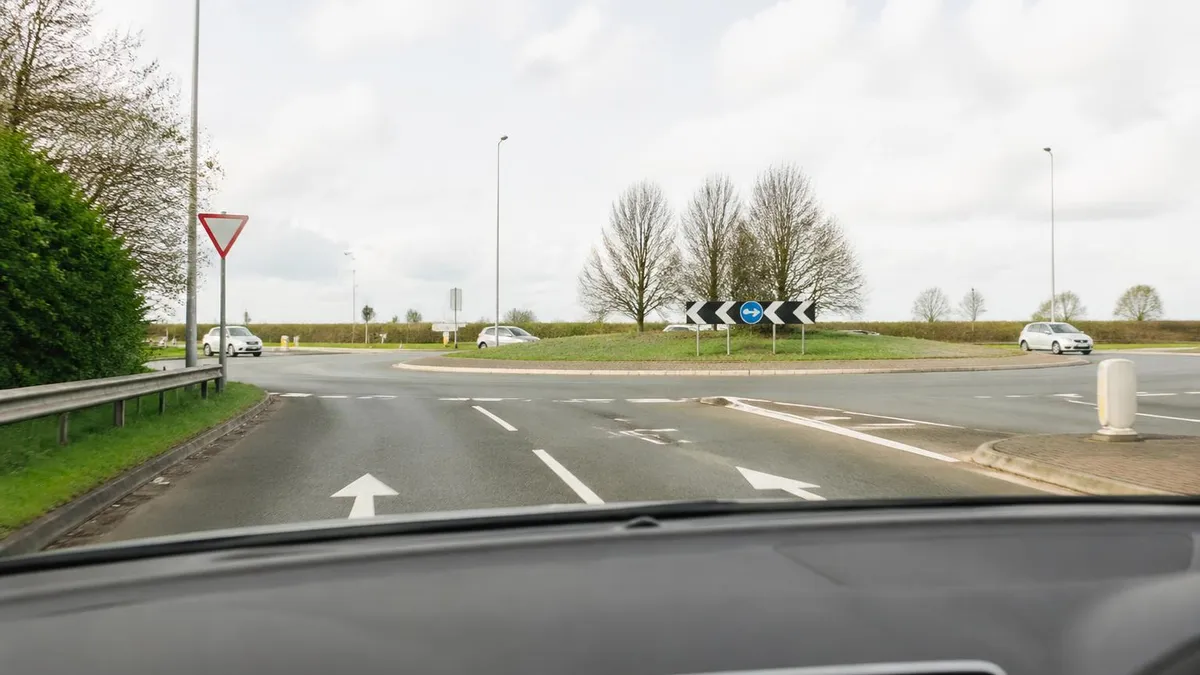
Practical Driving Test: Complete Guide to Passing Your DVSA Exam
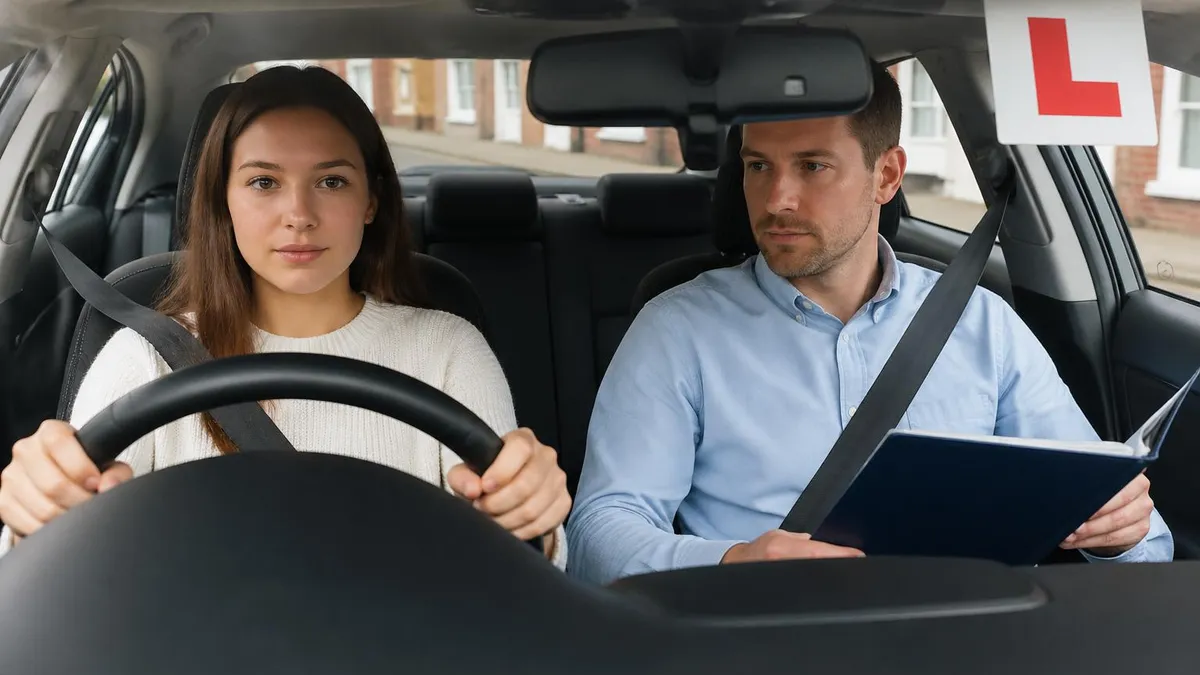
Book Practical Driving Test: How to Pass Your DVSA Exam First Time

Theory Test Practice: Complete DVSA Guide to Passing Your UK Driving Theory Test
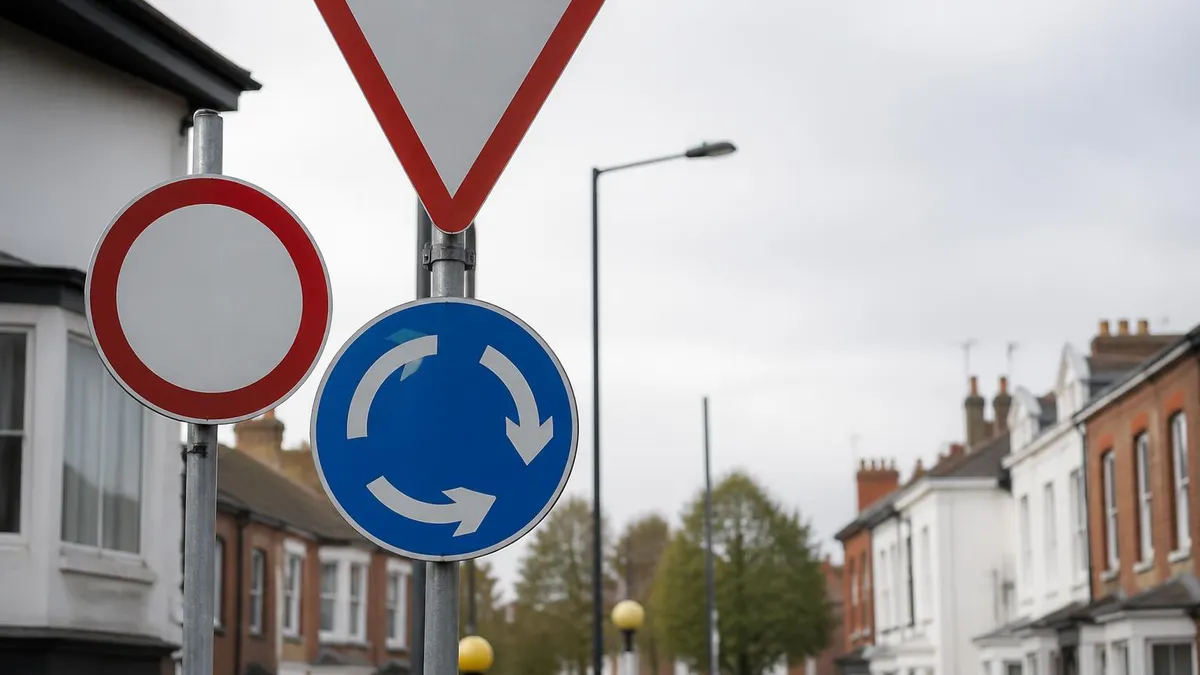
DVSA Driving Test: Full Format, Fault Categories, and How to Pass First Time
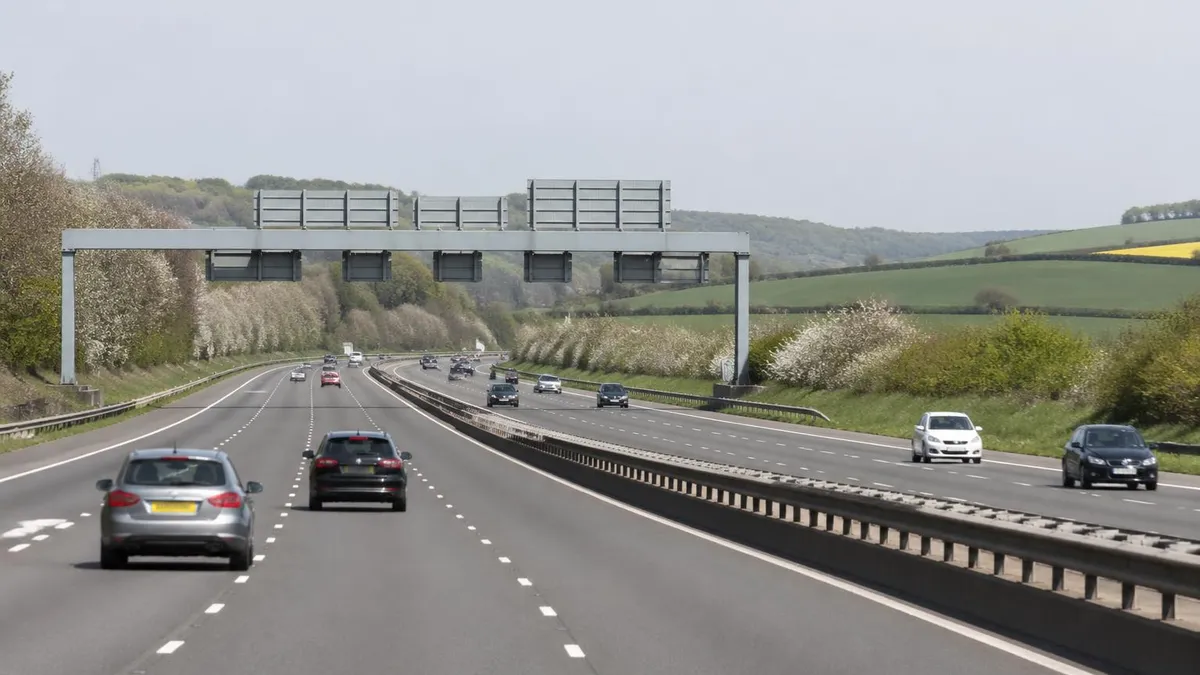
Change Driving Test Date: DVSA Rules, Process, and Finding Earlier Slots
About the Author

Licensed Driving Instructor & DMV Test Specialist
Penn State UniversityRobert J. Williams graduated from Penn State University with a degree in Transportation Management and has spent 20 years as a certified driving instructor and DMV examiner consultant. He has personally coached thousands of applicants through written knowledge tests, skills assessments, and commercial driver licensing programs across more than 30 states.