
Driving Test Wait Time: What UK Learners Need to Know in 2026 September
How long is the driving test wait time in the UK? ⏳ Find out current DVSA delays, why waits are long & how to get a test sooner.
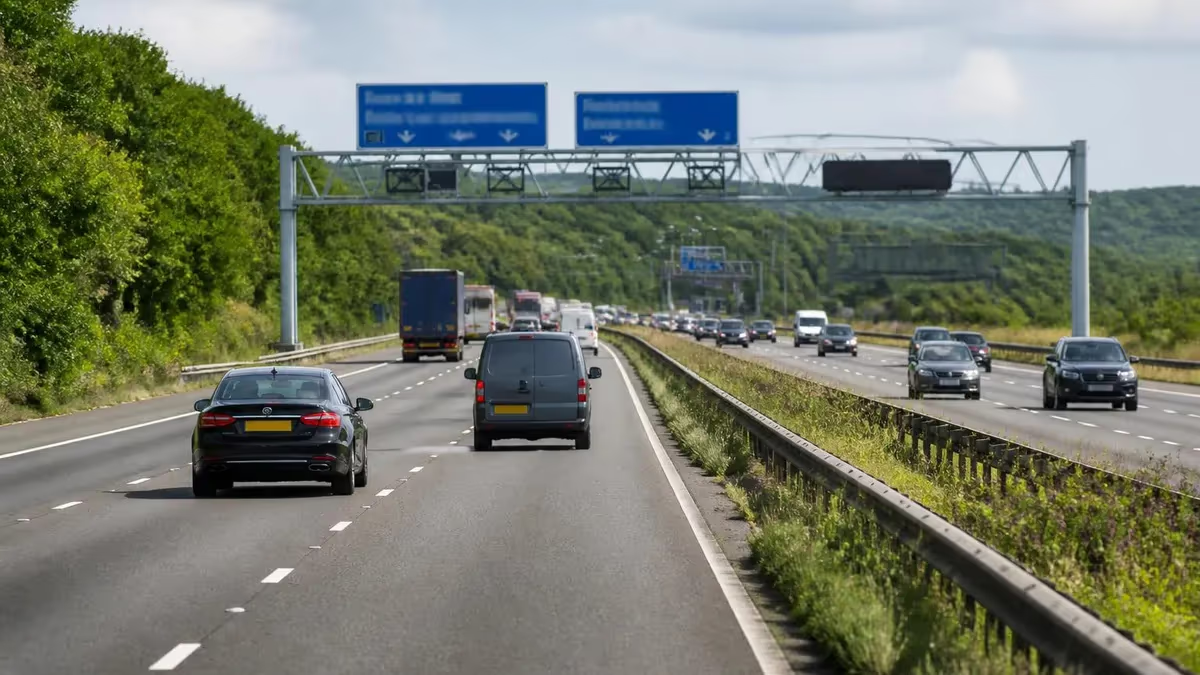
The driving test wait time in the UK has become one of the most talked-about frustrations among learner drivers in 2026. With demand for practical driving tests significantly outpacing availability, many candidates are waiting months — sometimes well beyond six months — before they can sit their practical exam. Understanding how long you can expect to wait, why delays happen, and what steps you can take to secure an earlier slot is essential knowledge for anyone working toward their full driving licence.
DVSA practical test waiting times vary enormously depending on where you live and which test centre you book at. In busy urban areas such as London, Manchester, Birmingham, and Edinburgh, waits routinely stretch to 20 weeks or longer. By contrast, rural test centres in areas like the Scottish Highlands or parts of Wales can sometimes offer appointments within four to six weeks. Knowing which test centres in your region have shorter queues can make a material difference to when you actually sit your test.
The reasons behind long waiting times are multifaceted. The COVID-19 pandemic created a substantial backlog of learner drivers who could not test during lockdowns, and the DVSA has been working to clear this backlog ever since. At the same time, the number of people learning to drive has remained high, fuelled in part by improved public awareness of the independence that a driving licence provides. More examiners have been trained and centres have extended their operating hours, but demand continues to outstrip supply in many parts of the country.
Another significant factor is the growing number of test appointment cancellations and reschedules. When a candidate cancels — whether due to illness, feeling unprepared, or a personal emergency — their slot does not always get redistributed efficiently. This contributes to what examiners describe as 'phantom availability': slots that technically exist in the system but are not easily visible to learners trying to book. Third-party cancellation alert services have emerged to help candidates snap up these released slots at short notice.
It is also worth understanding the difference between theory test wait times and practical test wait times. Theory tests are generally easier to book, with wait times of two to four weeks in most areas. The practical test queue is far longer. Passing your theory test early and maintaining its validity window — currently two years from the pass date — is therefore strongly advisable so that you do not find yourself in the unfortunate position of your theory certificate expiring while you wait for a practical test date.
Many learner drivers underestimate how much the waiting period can affect their overall training costs. An instructor who charges £40–£50 per hour may need to be retained for additional months simply to keep the learner road-ready while they wait. Insurance costs for those driving with a provisional licence can also mount up. Planning your test booking timeline strategically — ideally booking your practical test before you feel fully ready and continuing lessons in the interim — is a widely recommended approach by driving instructors across the UK.
This article covers everything you need to know about DVSA driving test wait times in 2026: current average figures, regional breakdowns, the reasons behind delays, and practical strategies for securing an earlier appointment. Whether you are just starting your driving journey or have already been waiting weeks, the information below will help you navigate the system more effectively and reduce unnecessary delays to earning your full licence.
Driving Test Wait Times by the Numbers
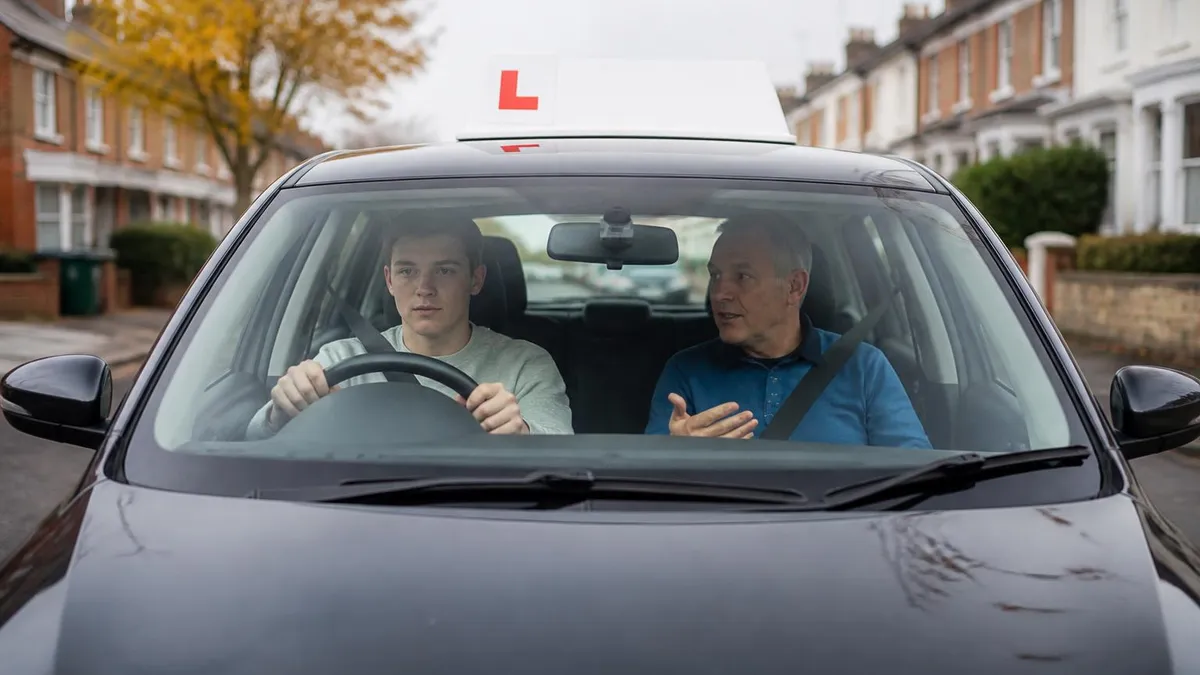
How Driving Test Wait Times Build Up: The Journey
Pass Your Theory Test
Book Your Practical Test Immediately
Continue Lessons During the Wait
Monitor for Cancellation Slots
Final Preparation Phase
Sit Your Practical Test
Understanding why driving test wait times have become so extended in the UK requires a look at both structural and situational factors. The most significant structural issue is simply that the DVSA has a finite number of approved driving examiners and a finite number of test slots per centre per day. Each examiner can conduct around five to six tests in a standard working day. When you multiply that across 385 test centres in Great Britain, the total daily capacity is substantial — but so is the demand from over 1.5 million tests needed annually in normal years.
The pandemic created what experts describe as a 'supersaturated queue.' During 2020 and parts of 2021, testing was suspended entirely for extended periods. When tests resumed, hundreds of thousands of learner drivers who had been preparing for months flooded the booking system simultaneously. The DVSA recruited additional examiners and introduced Saturday and extended weekday testing, but clearing a backlog of that magnitude takes years, not months. By 2026, the queue has improved but has not fully returned to pre-pandemic norms in high-demand areas.
Demographics also play a role. The 17–25 age group — which makes up the largest proportion of learner drivers — has seen continued population growth in England's major cities. University cities like Leeds, Sheffield, Nottingham, and Bristol have particularly high concentrations of learner drivers competing for limited test slots. This is why urban test centres almost universally carry longer queues than their rural counterparts, and why candidates willing to travel to a quieter centre can sometimes cut weeks off their wait.
Examiner shortages have been a contributing issue in specific regions. The DVSA relies on driving examiners who must undergo rigorous training themselves, and recruitment cannot be accelerated overnight. Retirements, illness-related absences, and industrial action by examiner unions have all led to periodic reductions in available appointments. In 2022 and 2023, examiner strikes by PCS union members disrupted tens of thousands of booked test appointments, adding further pressure to an already strained system.
Seasonal patterns within the calendar year also affect wait times. Spring and early summer (March through June) typically see the highest demand, as candidates aim to pass before summer and the new academic year. This creates seasonal peaks that extend waits noticeably. Conversely, late autumn and early winter (October through December) tend to see marginally shorter wait times, as fewer new learners enter the system and some candidates pause lessons over the holidays. If you have flexibility over when you start learning, timing your entry into the system during quieter periods can pay dividends.
Geographical variation within the same city can also be surprisingly pronounced. Within London, for example, test centres in Zone 1 and Zone 2 locations such as Belvedere or Barking may have very different wait times from outer Zone 4 and Zone 5 centres. Candidates prepared to travel 30–45 minutes to a less popular centre can often find significantly shorter queues without much additional practical inconvenience. The DVSA website allows you to search by postcode and sort results by earliest available date, which makes it straightforward to compare options across a wider radius.
It is important to be cautious about unofficial or third-party services that claim to guarantee you an earlier test slot. While legitimate cancellation alert tools simply notify you of released appointments — and you book them through the official DVSA site — some less scrupulous operations sell or transfer test slots, which is against DVSA policy and could result in your booking being cancelled without a refund. Always book directly at gov.uk/book-driving-test and use only reputable monitoring tools that direct you back to the official booking platform.
Driving Test Wait Times: Region, Strategy & Cost
Wait times in England's major cities routinely exceed 20 weeks at the time of writing. London test centres are among the busiest in the UK, with some locations showing waits of 24 weeks or more. Manchester, Birmingham, Leeds, and Bristol also report consistently long queues. By contrast, candidates in rural Wales, the Scottish Borders, and parts of East Anglia often find appointments within six to eight weeks, making a short journey worthwhile for learners who live within reasonable driving distance of a quieter centre.
Scotland and Northern Ireland operate slightly different systems. Scotland's test centres are administered by the same DVSA booking platform but face distinct regional demand patterns, with Highland and Island centres typically offering much faster availability than central belt cities like Glasgow and Edinburgh. In Northern Ireland, testing is handled separately by the DVA (Driver and Vehicle Agency), which has its own booking system and wait time profile. Northern Irish learners should check the DVA website directly rather than the DVSA portal for accurate local figures.
Long Driving Test Waits: Upsides and Downsides
- +More time to accumulate driving experience and build genuine confidence behind the wheel
- +Opportunity to thoroughly learn all manoeuvres, road types, and test routes in your area
- +Time to complete additional mock tests with your instructor and identify remaining weak areas
- +Chance to pass your theory test comfortably before the practical test pressure arrives
- +Ability to drive in a wider range of conditions — rain, darkness, motorways — with supervision
- +Space to develop defensive driving habits that go beyond minimum test requirements
- −Significantly higher total training costs due to ongoing lesson fees during the wait
- −Risk of skills deteriorating if lessons become infrequent or stop altogether mid-wait
- −Theory test certificate may expire if the practical wait extends beyond two years
- −Frustration and anxiety caused by uncertainty about when you will actually be able to test
- −Financial planning difficulties — hard to budget accurately without a confirmed test date
- −Missed employment, education, or life opportunities that require a full driving licence sooner
Checklist: Making the Most of Your Driving Test Wait
- ✓Book your practical test on the DVSA website immediately after receiving your theory test pass certificate.
- ✓Set up DVSA account alerts or use a reputable cancellation checker to monitor for earlier slots.
- ✓Expand your test centre search radius by at least 20–30 miles to find centres with shorter queues.
- ✓Maintain at least one driving lesson per week throughout the wait to prevent skill fade.
- ✓Ask your instructor to run regular mock tests every four to six weeks to track your progress.
- ✓Practise driving in a variety of conditions: night driving, heavy rain, busy dual carriageways, and town centres.
- ✓Study the DVSA Highway Code and ensure your knowledge of road signs and rules remains current.
- ✓Check the validity date on your theory test pass certificate and mark it in your calendar as a hard deadline.
- ✓Budget for the full wait period in your lesson costs so that financial pressure does not force you to test before you are ready.
- ✓Familiarise yourself with the specific roads and junctions around your chosen test centre to reduce nerves on test day.
The single most effective thing you can do is book your practical test the same day you pass your theory.
Every day you delay booking after passing your theory test is another day added to the back of the queue. The DVSA waiting list operates on a first-come, first-served basis for available slots. Booking immediately — even if you feel you are not quite ready — secures your place and gives you the maximum time to practise before your test date arrives.
The relationship between your theory test timeline and your practical test wait is one that many learner drivers do not think about carefully enough until it becomes a problem. Your theory test pass certificate is valid for exactly two years from the date you pass.
If your practical test is not completed within that window, your theory certificate lapses and you must resit — and repass — the theory test before you can book another practical test. In a climate of long practical test waits, this is not a hypothetical risk; it is something thousands of UK learners face each year.
The strategic implication is straightforward: pass your theory test only when you are genuinely close to being ready for your practical test, or pass it early and book your practical test immediately so that you keep your two-year window intact. The worst outcome is passing your theory test long before you start serious driving lessons, then finding that your practical wait takes you past the two-year mark. If you are in this position, escalate your lessons and consider booking at a quieter test centre to avoid retaking the theory unnecessarily.
The theory test itself consists of two parts: a multiple-choice section with 50 questions (pass mark: 43/50) and a hazard perception section with 14 video clips (pass mark: 44/75). Both must be passed in the same sitting. Dedicated revision using DVSA-approved materials and practice tests — covering topics like road signs, stopping distances, vehicle safety, and traffic law — is essential. Many candidates find that regular practice tests online help them identify weaker areas and improve their score before the actual sitting.
Once you have your theory pass certificate in hand, the practical test journey begins in earnest. The practical test lasts approximately 40 minutes and is assessed by a DVSA examiner across five categories: eyesight check, vehicle safety (show me/tell me questions), general driving ability, reversing exercises, and independent driving. Candidates are allowed up to 15 minor faults (driving faults) but must not accumulate any serious or dangerous faults, which result in an automatic fail regardless of how well the rest of the test went.
Independent driving makes up around 20 minutes of the test. During this section, candidates must follow either a sat-nav device (in most tests) or road signs, without direction from the examiner. The independent driving section is designed to assess whether the candidate can navigate real road situations confidently and safely without prompts. Many candidates find this the most nerve-wracking part of the test, but with sufficient road experience built up during the wait period, it becomes manageable.
Show-me-tell-me vehicle safety questions are asked at the start of the test. The examiner will ask one 'tell me' question (to be answered verbally before driving) and one 'show me' question (demonstrated while driving). Examples include demonstrating how to check tyre pressure, showing how to use the rear demister, or explaining how to check engine oil level. These questions are drawn from a bank of 19 possible questions published on the DVSA website, and learning them all takes only a few hours of study.
Familiarising yourself with common test routes around your local centre can also make a meaningful difference. While examiners select routes dynamically and do not follow a fixed course, most test centres have recognisable road types and junctions that appear regularly. Discussing typical local hazards and road layouts with your driving instructor — who will know the area well — and practising on those roads before your test reduces the surprise element and helps you feel genuinely at home on the roads you will be assessed on.
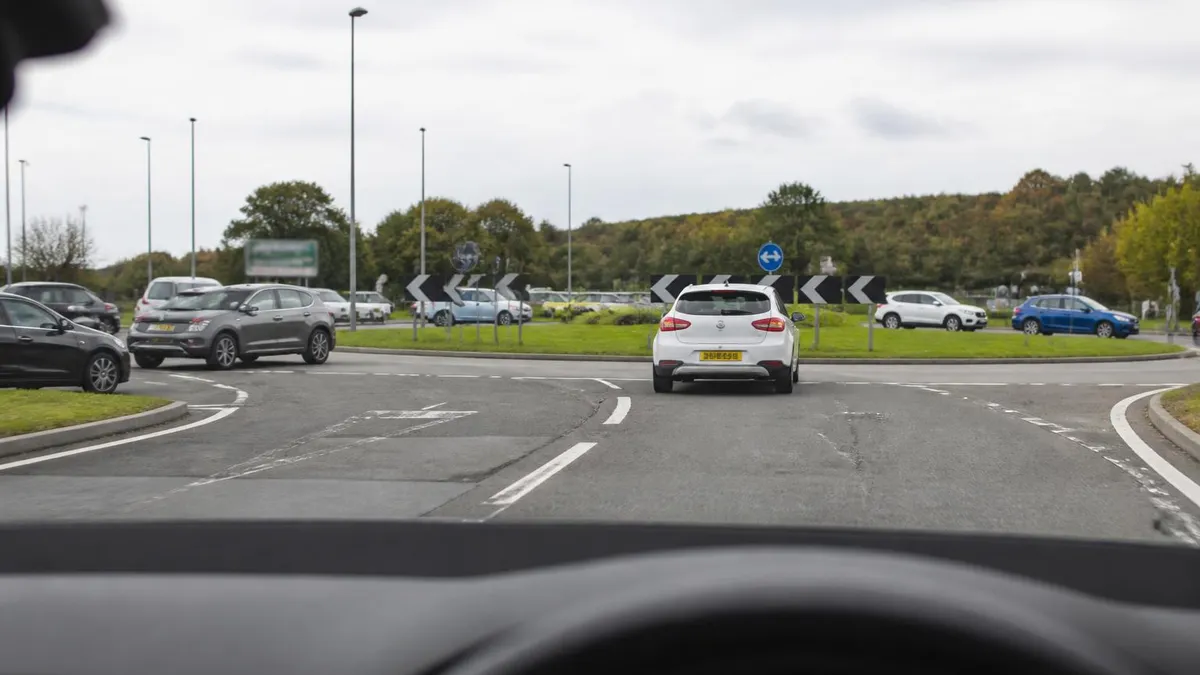
Your DVSA theory test pass certificate is valid for exactly two years. If your practical test wait time pushes you past this window, your certificate becomes invalid and you must resit and repass the theory test before booking another practical exam. With waits of 20+ weeks now common, candidates who delay booking their practical test after passing theory risk losing their certificate — and the £23 theory test fee — entirely.
If your driving test wait time is stretching into six months or more and you are finding it genuinely difficult to cope — financially, practically, or in terms of maintaining motivation — there are several concrete options worth exploring. First, consider widening your test centre search significantly.
The DVSA website allows you to search by any postcode in Great Britain, and many learners are surprised to discover that a test centre 45 minutes away has appointments available three months earlier than their local centre. The cost and inconvenience of travelling to a quieter centre is almost always outweighed by the benefit of testing sooner.
Second, explore whether you qualify for a priority booking. The DVSA does not operate a formal fast-track system for most learners, but certain categories of candidate may be eligible for earlier appointments. Armed forces personnel, emergency service workers, and candidates with specific employment needs that require a driving licence may be able to request priority consideration by contacting the DVSA directly. This is not widely advertised but is worth pursuing if you have a legitimate urgent need.
Third, consider instructors who operate in multiple test centre areas. Some driving schools work across several towns and can schedule your lessons near a test centre where you have secured an earlier booking, ensuring that your practical experience is directly relevant to the roads you will be tested on. This approach requires some logistical coordination but can make a real difference if you are prepared to be flexible about where you take your test.
Fourth, use your wait time as productively as possible by broadening the scope of your driving experience beyond what the test strictly requires. Motorway driving (with an approved driving instructor), night driving, driving in adverse weather, and navigating complex junctions and roundabouts are all valuable experiences that will serve you well after you pass. Many new drivers report that having genuinely extensive pre-test experience makes them far more confident in the early months of independent driving.
Fifth, keep your paperwork organised and up to date. Ensure your provisional driving licence is valid and that your address on the licence matches your current address — driving with an out-of-date address on your licence can cause complications. Have your National Insurance number to hand, as the DVSA uses it to verify your identity during test booking. Keep a record of your theory pass certificate number in a safe place, as you will need to provide it when you attend your practical test.
Sixth, stay mentally engaged with driving theory even while waiting. The Highway Code is updated periodically and it is worth checking for any recent changes — particularly around rules for cyclists, pedestrians, and electric vehicles, which have been updated in recent years. Reviewing the Highway Code during your wait ensures that your road law knowledge is sharp and current when you eventually sit your practical test.
Finally, if your wait is extremely long and you are in a position to do so, exploring whether a test in a different part of the UK — for instance, travelling to a Scottish test centre from northern England — could offer faster access is worth investigating. A practical test passed anywhere in Great Britain is equally valid; there is no regional restriction on where you can sit. Some candidates have successfully reduced their wait by several months by booking at a test centre in a different city during a trip or holiday.
Practical preparation during your wait period is arguably the most important investment you can make in your driving test outcome. The more hours you accumulate behind the wheel — in diverse conditions, across different road types, and at varying times of day — the better your situational awareness and the more naturally safe driving habits become embedded. Research consistently shows that candidates with higher lesson hours before testing have significantly better first-time pass rates, and the DVSA's own data supports this pattern across all age groups and regions.
Work with your driving instructor to identify the specific areas where you are weakest and design a structured practice plan around them. Common weak points for learner drivers include: junction observation and timing, emerging onto busy roads, following distance management on dual carriageways, hill starts on steep gradients, parallel parking under pressure, and bay parking accuracy in tight car parks. Spending dedicated lesson time on each weak area — rather than just driving 'for experience' — accelerates improvement and builds test-specific confidence far more efficiently.
Mock tests with your instructor are an underused but highly effective preparation tool. A genuine mock test — conducted on roads near your test centre, following the real 40-minute structure, with your instructor playing the role of examiner without commentary — gives you an authentic sense of what the real test feels like. Many candidates who have never done a mock test are surprised by the psychological pressure of driving without instructor guidance, and addressing this before the real test is invaluable. Most instructors charge their standard hourly rate for a mock test, making it excellent value.
Hazard perception, which is assessed in the theory test but also underpins all real-world driving, should be continuously developed throughout your wait. Developing the habit of scanning the road environment 10–12 seconds ahead, identifying potential hazard zones — school areas, bus stops, side roads, cyclists — and adjusting speed proactively rather than reactively will serve you well both in the test and throughout your driving life. Your instructor can help you develop a systematic scanning pattern that becomes second nature before your test date.
On the day of your practical test, preparation begins the night before. Lay out all your documents — provisional licence, theory pass certificate — in a place you will not forget them. Plan your route to the test centre and allow extra travel time for traffic. Eat a proper meal beforehand and get a full night's sleep.
On the test day itself, arrive at the test centre 10–15 minutes early to settle your nerves, use the toilet, and have a moment of calm before your examiner calls your name. A composed, unhurried arrival sets the right tone for the 40 minutes that follow.
During the test, remember that minor faults (up to 15) are acceptable and will not fail you. Examiners expect you to demonstrate safe, controlled driving — not perfect robotic precision. If you make a small error, breathe, reset mentally, and focus on the road ahead. Do not assume that a minor mistake has failed you; many candidates who go on to pass are convinced mid-test that they have already failed. The examiner is looking for overall safe competency, not a flawless performance, so maintaining your composure after an error is itself part of demonstrating test-ready driving.
After your test — whether you pass or face a resit — take the time to review your examiner's feedback carefully. Examiners provide a written record of every fault marked during the test, categorised as minor, serious, or dangerous. This feedback is a roadmap for targeted improvement. Candidates who pass should review their minor faults with their instructor to identify any habits worth correcting before they drive independently. Candidates who need to resit should treat the fault sheet as a precise improvement guide and structure their next period of lessons around the specific areas highlighted.
DVSA Questions and Answers
Cancel Driving Test UK: Complete DVSA Guide to Refunds, Rebooking & Avoiding Lost Fees in 2026
UK Theory Test Pass Mark: Car, Bike, LGV, PCV & ADI Scores

Free Theory Test App: The Complete UK Guide to Choosing, Using and Passing With Mobile Practice in 2026

Cancelling Driving Test: The Complete UK Guide to Refunds, Rebooking and Avoiding Lost Fees in 2026
Book Practical Driving Test: How to Pass Your DVSA Exam First Time
About the Author

Licensed Driving Instructor & DMV Test Specialist
Penn State UniversityRobert J. Williams graduated from Penn State University with a degree in Transportation Management and has spent 20 years as a certified driving instructor and DMV examiner consultant. He has personally coached thousands of applicants through written knowledge tests, skills assessments, and commercial driver licensing programs across more than 30 states.