
Waiting Times for Driving Tests: The Complete 2026 October UK Guide to Finding a Faster Slot, Cancellation Hacks and Regional Hotspots
🆕 Waiting times for driving tests in 2026 October explained: regional averages, cancellation tactics, DVSA booking hacks and how to find a sooner slot fast.
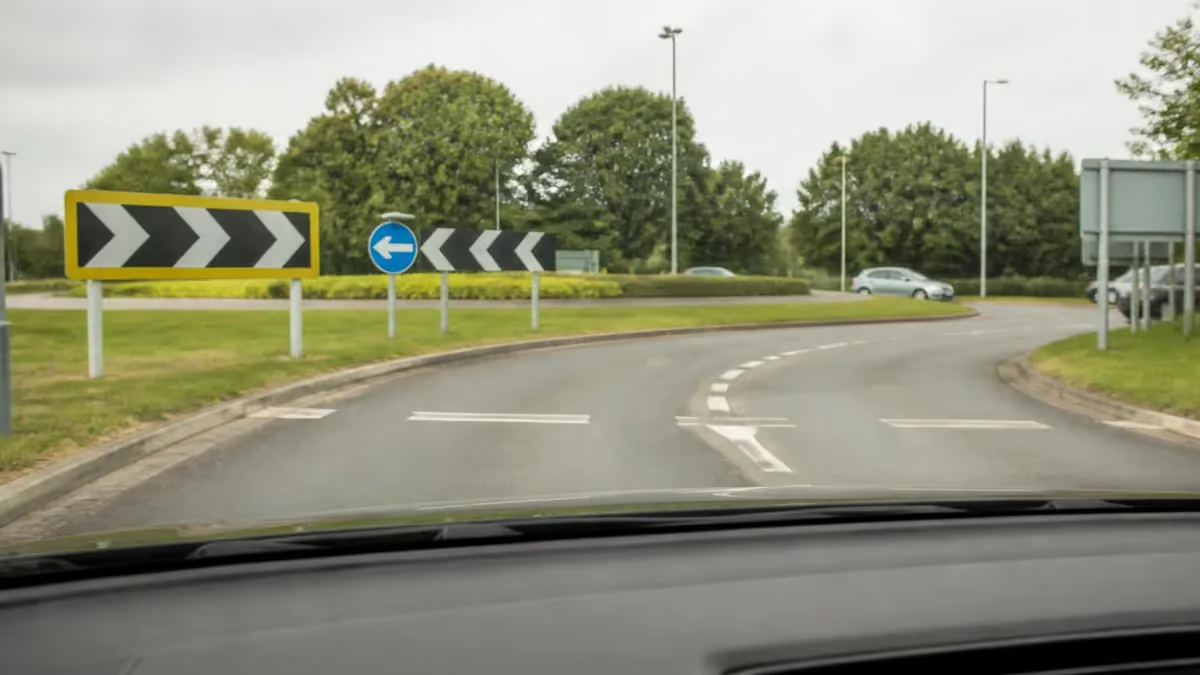
Waiting times for driving tests in the UK have become one of the most stressful parts of learning to drive in 2026, with average backlogs at many test centres still sitting between 14 and 24 weeks despite ongoing DVSA recovery measures. Whether you are a complete beginner or a confident learner ready to book, understanding how the queue actually works can save you months of delay, hundreds of pounds in extra lessons and a great deal of frustration. This guide breaks down exactly what is happening, why, and what you can do about it.
The DVSA has openly acknowledged that demand is still outstripping supply at the majority of its 319 practical test centres. A combination of the pandemic backlog, a surge in young drivers post-2022, examiner shortages and instructor capacity issues have all stacked up. Even with new examiner intakes throughout 2024 and 2025, the queue resets every Monday at 6am when fresh slots are released, and they typically vanish within minutes at popular city centres like Birmingham, Manchester and Greater London.
One of the most important things to grasp early is that waiting times are not uniform. A learner in rural Lincolnshire might book a test for next month, while someone in Wood Green is staring at a 24-week wait. This regional lottery means that strategy matters more than ever. Many learners now travel 30, 50 or even 90 miles to take their practical sooner, and we will look at when that makes sense and when it backfires. For broader context on the licensing journey, see our complete Learn to Drive UK walkthrough.
Beyond geography, your booking timing matters enormously. The DVSA releases slots in waves, cancellations appear around the clock, and third-party cancellation checker apps have changed the landscape entirely since 2023. Used properly, these tools can shave 10 to 16 weeks off your wait. Used badly, they can drain your bank account and leave you with a test you are not ready for. We will walk through the safe way to use them, including which apps are DVSA-approved and which ones to avoid.
There is also the question of readiness. Booking the earliest possible test is only useful if you are actually prepared. The current national first-time pass rate is hovering around 48%, meaning more than half of learners have to rejoin the queue. Each retake adds another 6 to 20 weeks depending on your area, so getting it right the first time has never been more financially important. The £62 test fee is the smallest part of the cost — lessons, hire car, insurance and time off work add up fast.
This article walks through current waiting times by region, the official DVSA booking system, cancellation strategies, the role of intensive courses, what to do if your test is moved, and the practical preparation steps that maximise your chance of passing first time. By the end you will have a clear, realistic plan for navigating the 2026 queue rather than refreshing the booking page in despair every Monday morning.
One last note before we dive in: waiting times change weekly. The figures here reflect DVSA published data and live monitoring as of May 2026, and we cite the official source where relevant. Always cross-check against the gov.uk waiting times tool before you commit to a centre, and read on for the smart tactics that thousands of learners are using to beat the queue legitimately this year.
Driving Test Waiting Times by the Numbers

Current UK Waiting Times by Region
The most congested zone in the UK. Centres like Wood Green, Mitcham and Hither Green regularly hit the 24-week cap. Pinner and Goodmayes are slightly faster but still 18+ weeks. Most learners look at outer-zone alternatives.
Birmingham The Pavilion, Wyrley and Garretts Green sit between 18 and 22 weeks. Smaller satellite centres around Lichfield, Tamworth and Burton can drop to 8-12 weeks if you check daily.
Manchester Cheetham Hill and Sale typically show 20-week queues, while Bolton and Bury hover around 16. Cumbria and Lancashire rural centres can be booked within 6 weeks.
Edinburgh Currie and Glasgow Anniesland sit around 18 weeks. Rural Highland centres often have slots within 4 weeks. Welsh centres like Merthyr Tydfil and Brecon are among the fastest in Britain.
Truro, Barnstaple and parts of Devon are now showing 6 to 12 week waits — a dramatic improvement on 2023 levels. These centres attract learners from across the country willing to travel.
The DVSA booking system runs on a rolling 24-week window, which is the single most important fact to understand about waiting times for driving tests. You cannot book a test more than 24 weeks ahead, so the wait time you see published is effectively the queue depth at that exact moment. When the system shows zero availability at your local centre, it does not mean tests are unavailable — it means every slot for the next six months is already booked.
Slots are released in two main ways. The first is the weekly Monday morning drop, where fresh tests at week 24 become available the moment the calendar rolls forward. The second is cancellations, which happen continuously as learners reschedule, move centres or simply forfeit their booking. Cancellations are the lifeblood of anyone trying to beat the queue, because they can appear at any hour of any day and are awarded on a first-come-first-served basis through the official portal.
To book or change a test you need three things ready: your provisional driving licence number, your theory test pass certificate number, and a debit or credit card. Without the theory pass number you cannot book the practical at all — your theory must be valid for the entire period until your test date, otherwise the system blocks the booking. If your theory is close to expiring, see our guide on test date before you lock in a practical.
The official portal is found at gov.uk/book-driving-test. Avoid any third-party site that asks for these details upfront — only the gov.uk domain is the genuine booking system. Several copycat sites charge a premium for what is essentially a redirect, and the DVSA has actively warned against using them. The fee for a standard weekday test is £62, rising to £75 for evening and weekend slots, and there is no legitimate reason to pay more than this for the booking itself.
Once you book, the system sends a confirmation email containing your booking reference. Keep this safe — you will need it for any rescheduling, cancellation, or to claim a refund if the DVSA cancels your test (which has happened at scale during industrial action periods). You can rebook free of charge if you give at least 10 full working days notice, but anything inside that window forfeits the fee, so plan carefully around lessons, work and exams.
One detail many learners miss is the option to be added to the official DVSA cancellation list when you book. This sends an automated email if an earlier slot opens at your chosen centre, but in reality the email arrives slowly and the slots are usually gone by the time you click. That is why the cancellation app market has exploded — they poll the system far more aggressively. We will cover the legitimate ones in the next section, including how to use them safely without breaching DVSA terms.
Finally, remember that the booking system is sensitive to peak demand. Sunday evenings and Monday mornings see the heaviest traffic, and the portal sometimes places users in a virtual queue. If you see a queue page, do not refresh — refreshing pushes you to the back. Stay on the page, keep the tab active, and wait it out. Patience here often makes the difference between snagging a 6-week slot and ending up at the back of a 22-week line.
DVSA Practice Test Questions
Prepare for the DVSA - UK Driving Theory Test exam with our free practice test modules. Each quiz covers key topics to help you pass on your first try.
DVSA Eco-Friendly Driving and Vehicle Loading
DVSA Exam Questions covering Eco-Friendly Driving and Vehicle Loading. Master DVSA Test concepts for certification prep.
DVSA Hazard Awareness
Free DVSA Practice Test featuring Hazard Awareness. Improve your DVSA Exam score with mock test prep.
DVSA Incidents, Accidents and First Aid
DVSA Mock Exam on Incidents, Accidents and First Aid. DVSA Study Guide questions to pass on your first try.
DVSA Motorway Rules and Smart Motorways
DVSA Test Prep for Motorway Rules and Smart Motorways. Practice DVSA Quiz questions and boost your score.
DVSA Rules of the Road (Highway Code)
DVSA Questions and Answers on Rules of the Road (Highway Code). Free DVSA practice for exam readiness.
DVSA - UK Driving Theory Hazard Awareness ...
DVSA Mock Test covering - UK Driving Theory Hazard Awareness and Perception. Online DVSA Test practice with instant feedback.
DVSA - UK Driving Theory Motorway Rules an...
Free DVSA Quiz on - UK Driving Theory Motorway Rules and Regulations. DVSA Exam prep questions with detailed explanations.
DVSA - UK Driving Theory Road and Traffic ...
DVSA Practice Questions for - UK Driving Theory Road and Traffic Signs. Build confidence for your DVSA certification exam.
DVSA - UK Driving Theory Rules of the Road
DVSA Test Online for - UK Driving Theory Rules of the Road. Free practice with instant results and feedback.
Cancellation Apps and Finding Sooner Test Slots
Cancellation checker apps connect to the DVSA booking system and scan for newly released slots at the centres you select. When a match is found that meets your preferences for date range, time of day and distance, the app pings you so you can grab it before anyone else. The best ones operate within DVSA-approved rate limits to avoid hammering the system.
Crucially, these apps do not book the test for you — they only alert you. You still need to log in to gov.uk, enter your details and pay yourself. This is the legitimate model. Any service offering to automatically book the test using your details breaches DVSA terms and risks your booking being voided, so always verify the app's approach before signing up or sharing your licence number.
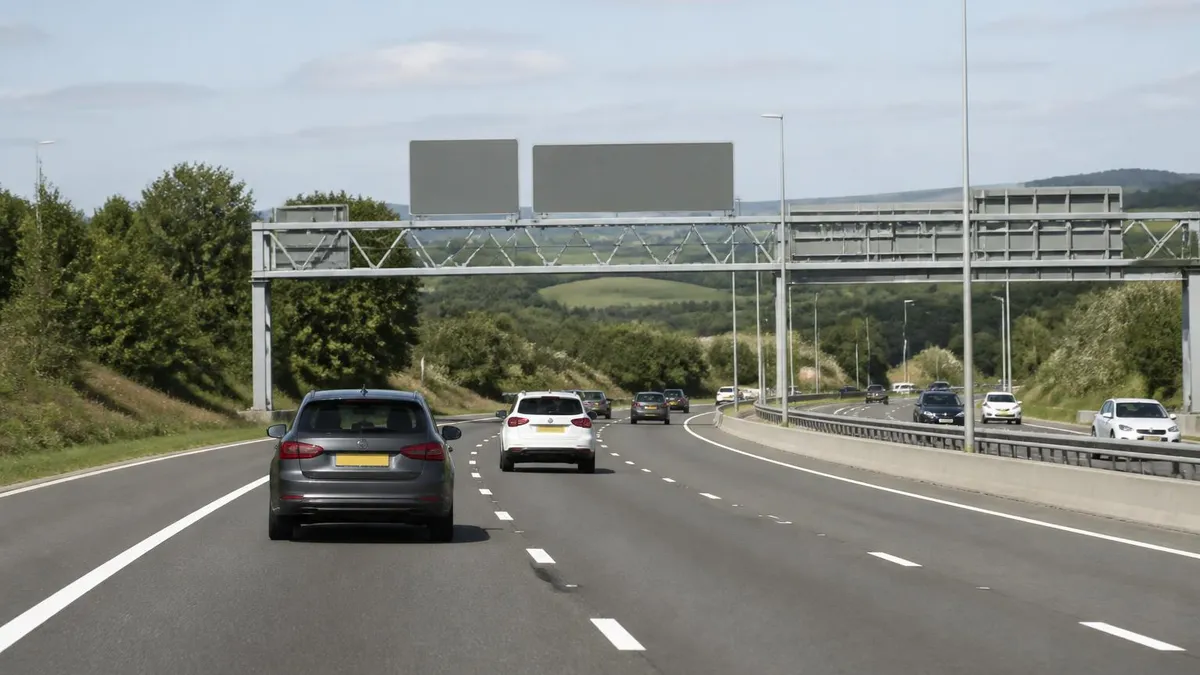
Should You Travel to a Faster Test Centre?
- +Significantly shorter waiting times, often 6-10 weeks vs 20+ at home
- +Rural routes are typically quieter and less complex than city centres
- +Higher first-time pass rates at many countryside centres
- +You can build a dedicated trip around the test for full focus
- +Less traffic stress means fewer surprise hazards on the day
- +Some centres have simpler junctions and fewer multi-lane gyratories
- −Travel and accommodation costs can exceed the test fee itself
- −Unfamiliar roads add nerves, especially on the test route
- −Instructor hire away from home is expensive or impossible
- −You will eventually need to drive in your home environment anyway
- −Late running trains or traffic can cause you to miss the slot entirely
- −Some rural test routes include narrow lanes that catch out city learners
Pros and Cons at a Glance
| Pros | Cons |
|---|---|
| Rural routes are typically quieter and less complex than city centres | Travel and accommodation costs can exceed the test fee itself |
| Higher first-time pass rates at many countryside centres | Unfamiliar roads add nerves, especially on the test route |
| You can build a dedicated trip around the test for full focus | Instructor hire away from home is expensive or impossible |
| Less traffic stress means fewer surprise hazards on the day | You will eventually need to drive in your home environment anyway |
| Some centres have simpler junctions and fewer multi-lane gyratories | Late running trains or traffic can cause you to miss the slot entirely |
Booking Checklist Before You Click Pay
- ✓Confirm your theory test certificate is valid for the entire period to your chosen test date
- ✓Have your provisional driving licence number and address ready to enter
- ✓Check waiting times for at least three nearby centres before committing to one
- ✓Discuss the proposed date with your instructor to confirm car and lesson availability
- ✓Verify you have a valid debit or credit card with sufficient funds for £62 or £75
- ✓Use only the official gov.uk/book-driving-test portal — never a third-party booking site
- ✓Add yourself to the official DVSA cancellation alert list at the centre of your choice
- ✓Note the 10 full working days rule for free rescheduling in your phone calendar
- ✓Decide on weekday vs evening/weekend slots based on your work and study schedule
- ✓Save your booking reference number somewhere you can retrieve it on test day
Book the safety-net test first, then hunt for cancellations
Most learners refresh the booking page hoping for a magic early slot. The smarter move is to book the earliest test you can see — even if it is 20 weeks away — and then run a cancellation checker. You can swap to any earlier slot without losing your fee, but you cannot grab a cancellation if you have nothing to swap from. This single tactic shaves months off the average wait.
Choosing the right test centre is arguably the most strategic decision you will make in the entire driving journey. The instinct is to pick the centre closest to home, but with waiting times for driving tests varying so dramatically, that default choice can cost you four to six months. A thoughtful comparison of three or four nearby centres — looking at both wait length and historical pass rate — often reveals a far better option only twenty minutes further away.
The DVSA publishes pass rates for every centre annually, and the variation is striking. Some urban centres have pass rates as low as 32%, while rural ones can exceed 70%. This is partly because rural routes are quieter, but it also reflects the calibre of learner who travels — those willing to make a trip are often better prepared. If you are at the borderline of readiness, a slightly easier route can be the difference between passing and rebooking.
That said, do not be tempted to pick a centre purely because it has the highest pass rate. Examiners follow strict marking criteria nationally, and if your local roads are complex multi-lane junctions but you take your test on a quiet B-road, you may pass without truly being prepared for the driving you will actually do afterwards. The point of the test is competence, and competence has to translate to your real driving life once you have the pink licence.
Consider the practical logistics carefully. Will your instructor be willing to travel with you to a far-away centre? Most charge their normal hourly rate for the round trip, meaning a 90-mile test can add £100-£150 to the cost. Some learners choose intensive courses specifically because they bundle this travel into the package. If that appeals, our guide on the intensive driving course with test option compares the leading providers.
If you live near a county border, you may have access to a completely different waiting time picture than friends in the next town. Cross-referencing centres in two or three local authorities often turns up surprising options. Apps and the DVSA's own waiting times tool make this easy — type in your postcode and you will see every centre within a chosen radius along with current wait estimates updated weekly.
Consider the test centre environment itself. Some have spacious waiting rooms, clear signage and easy parking, while others share a unit with a tyre shop and offer nothing but a plastic chair. On a high-anxiety morning, the small comforts matter. If you have the chance to visit ahead of test day, do so — it removes one variable from an already stressful experience and helps you walk in calm rather than rattled.
Finally, think about the time of day. The DVSA offers test slots from 7:30am through to early evening, and learners often perform differently at different times. If you are sharp in the mornings, a 9am slot avoids the heat-of-the-day fatigue. If traffic conditions worry you, mid-morning after the school run can be calmer than rush hour. Match the slot to your natural rhythm rather than just grabbing whatever is available.

Your theory test pass is valid for exactly two years. If you book a practical test that falls after your theory expiry date, the system will block the booking — and if your theory expires while you are on the waiting list, you must retake it before sitting the practical. With waits up to 24 weeks, this catches out thousands of learners every year. Always check your expiry date before joining any queue.
Avoiding the most expensive mistakes when navigating waiting times for driving tests starts with treating the booking as seriously as the test itself. Every year, tens of thousands of learners forfeit their £62 fee because they booked too soon, fell ill without proof, missed the 10 full working days rescheduling window, or showed up at the wrong centre. Each of these mistakes is entirely avoidable with a small amount of planning and a calendar reminder.
One common trap is booking a test before you have had an honest readiness conversation with your instructor. The DVSA publishes guidance that learners typically need around 45 hours of professional lessons plus 22 hours of private practice to reach test standard. If you have had ten lessons and a sympathetic instructor, you may feel ready when you are not. Booking too early simply burns money and puts you back at the end of the queue, often for another four to six months.
Cancellations from the DVSA side are another reality to plan for. Industrial action, examiner illness, severe weather and centre maintenance can all wipe out your test at short notice. The DVSA will offer a free rebook, but the next available slot may be months away. Some insurance products now exist specifically to cover this scenario, though for most learners the practical step is simply to keep a small fund aside for additional lessons in case the date slips.
If you do need to cancel a test, do so as far in advance as possible to maximise the chance of a refund and to free the slot for another learner who might benefit. The official process is straightforward and our dedicated guide on driving test walks through the exact steps, refund timings and how to avoid common errors that leave learners out of pocket. Acting early protects both your wallet and your karma.
Beware of unofficial third-party booking sites that appear at the top of Google with paid ads. They typically charge a £20-£50 'service fee' on top of the standard DVSA price for nothing more than redirecting you to the official portal. Some are outright scams that take your card details and never book a thing. The only legitimate URL is gov.uk/book-driving-test — bookmark it, and never enter your details elsewhere.
Another costly error is failing to bring the right documents on test day. You need your provisional licence (the photocard) and you must be able to read a number plate from 20 metres. Forgetting the licence will see your test cancelled with no refund. Some examiners will ask for the theory pass letter though it is no longer strictly required — bring it anyway just in case. A practice run the day before of packing everything into a clear folder removes this risk entirely.
Finally, take the long view. Even if your wait is painful, the licence is for life. A delayed test that you pass first time is dramatically better than a rushed one you fail twice. Use the waiting period productively — extra hours behind the wheel in varied conditions, motorway lessons after you pass, hazard perception practice. The learners who emerge calmest on test day are almost always the ones who treated the wait as preparation time rather than dead time.
Putting it all together, the smart approach to waiting times for driving tests in 2026 is to combine the booking system, cancellation tools and honest preparation into a single coordinated plan. Treat the published wait as a starting point, not a ceiling. Plenty of learners have moved tests forward by 12 to 16 weeks using nothing more than a Monday morning alarm, a cancellation app and willingness to travel 30 miles. The tools are there — it is about using them deliberately.
Begin by listing three to five candidate centres in a 30-mile radius. Use the official waiting times tool to record the current estimate at each one, then check the published pass rates for context. Rank them by a combination of wait length, pass rate and travel cost, and pick the top one as your booking target. Have your second and third choices ready in case the system shows nothing at your first pick.
Set aside a quiet half-hour on a Sunday evening to do the actual booking. Have your provisional licence, theory pass number, a card and your instructor's diary open. Aim to be on the gov.uk portal a few minutes before 6am Monday if you want first crack at fresh slots, but remember that cancellations appear all week — sometimes the best slots open at 11pm on a Tuesday. Persistence over a few days beats one frantic Monday.
Once booked, switch into preparation mode. Plan your lessons backwards from the test date, ensuring at least two mock tests in the final fortnight. Drive in varied conditions — rain, dusk, multi-lane roundabouts, narrow lanes. Spend time on the test centre's known routes if your instructor knows them, but do not memorise routes blindly: examiners deliberately vary them to test genuine ability, not rote learning.
Theory revision should continue right up to the practical. Even though your theory is already passed, regular practice keeps hazard awareness sharp, which directly translates to test-day confidence. Five minutes a day on a quiz app costs nothing and reinforces the underlying knowledge that supports good observations, mirror checks and anticipation — the silent backbone of a confident drive.
On test day itself, arrive 10 minutes early, do the eye check calmly, and treat the show me/tell me questions as a gentle warm-up rather than an exam. Examiners are trained to be neutral and supportive — they want you to pass if you drive safely. Drive how you have been taught: full mirror checks, smooth control, clear decision-making, and on the rare occasion you make a small slip, recover calmly and keep going. Many tests are won in the last five minutes by drivers who stayed composed.
If you do not pass, do not despair. The minimum re-test wait is 10 working days, though in practice the queue will dictate longer. Use the debrief from your examiner carefully — they will give you a clear list of marked faults — and target those in lessons. Most second-time candidates pass, and the experience of having sat the test once usually halves the nerves. The licence is worth the persistence, however long the queue feels in the moment.
Sample DVSA UK Driving Theory Practice Questions
Try these questions from our free DVSA UK Driving Theory practice tests. The correct answer and an explanation follow each question.
You are approaching a zebra crossing where a pedestrian is waiting to cross. Which of the following actions is the correct one to take?
- A. Continue at the same speed as they have not stepped onto the crossing.
- B. Slow down and prepare to stop if they step onto the crossing.
- C. Sound your horn to let them know it is not safe to cross.
- D. Speed up to pass the crossing before they decide to step out.
Answer: B. Slow down and prepare to stop if they step onto the crossing.
According to the Highway Code, you must give way when a pedestrian has moved onto a zebra crossing. As a driver, you should anticipate that a waiting pedestrian will cross, so you must slow down and be prepared to stop to allow them to do so safely.
You are waiting at a junction and see a vehicle with a flashing green beacon. What does this indicate?
- A. A doctor on an emergency call
- B. An ambulance on a non-emergency call
- C. A vehicle carrying hazardous materials
- D. A recovery vehicle
Answer: A. A doctor on an emergency call
A flashing green beacon on a vehicle indicates a doctor on an emergency call. While they do not have the same legal exemptions as blue-light emergency vehicles, you should treat them with consideration and allow them to pass where safe.
Which driving technique most effectively reduces fuel consumption?
- A. Accelerating hard to reach the speed limit quickly then coasting
- B. Driving in the highest appropriate gear at a steady speed
- C. Keeping the engine revs as high as possible
- D. Using the brakes frequently to control speed
Answer: B. Driving in the highest appropriate gear at a steady speed
Driving in the highest suitable gear at a smooth, steady speed minimises fuel consumption and engine wear.
How does smooth, anticipatory driving reduce environmental impact compared to aggressive driving?
- A. It only reduces noise pollution, not exhaust emissions
- B. It reduces both fuel consumption and exhaust emissions by minimising unnecessary acceleration and braking
- C. It makes no difference to the environment
- D. It increases CO2 output because the engine runs longer
Answer: B. It reduces both fuel consumption and exhaust emissions by minimising unnecessary acceleration and braking
Smooth, planned driving reduces the number and severity of acceleration and braking events, directly lowering fuel burn and harmful exhaust emissions.
DVSA Questions and Answers

Cancelling Driving Test: The Complete UK Guide to Refunds, Rebooking and Avoiding Lost Fees in 2026

DVSA Car Practical Test: Complete Guide to Passing First Time
How to Change Theory Test Date: Complete DVSA Rebooking Guide for 2026
Learn to Drive UK: The Complete 2026 Beginner's Guide to Lessons, Tests and Licence Success
Intensive Driving Course With Test: Complete UK Guide to Fast-Track Your Licence in 2026
About the Author

Licensed Driving Instructor & DMV Test Specialist
Penn State UniversityRobert J. Williams graduated from Penn State University with a degree in Transportation Management and has spent 20 years as a certified driving instructor and DMV examiner consultant. He has personally coached thousands of applicants through written knowledge tests, skills assessments, and commercial driver licensing programs across more than 30 states.