
Theory Test Centre Belfast: Complete Guide to Booking, Preparing and Passing Your DVSA Test in Northern Ireland
Theory test centre Belfast guide: locations, booking tips, what to expect on the day & how to pass first time. ✅ Full 2026 September DVSA breakdown.
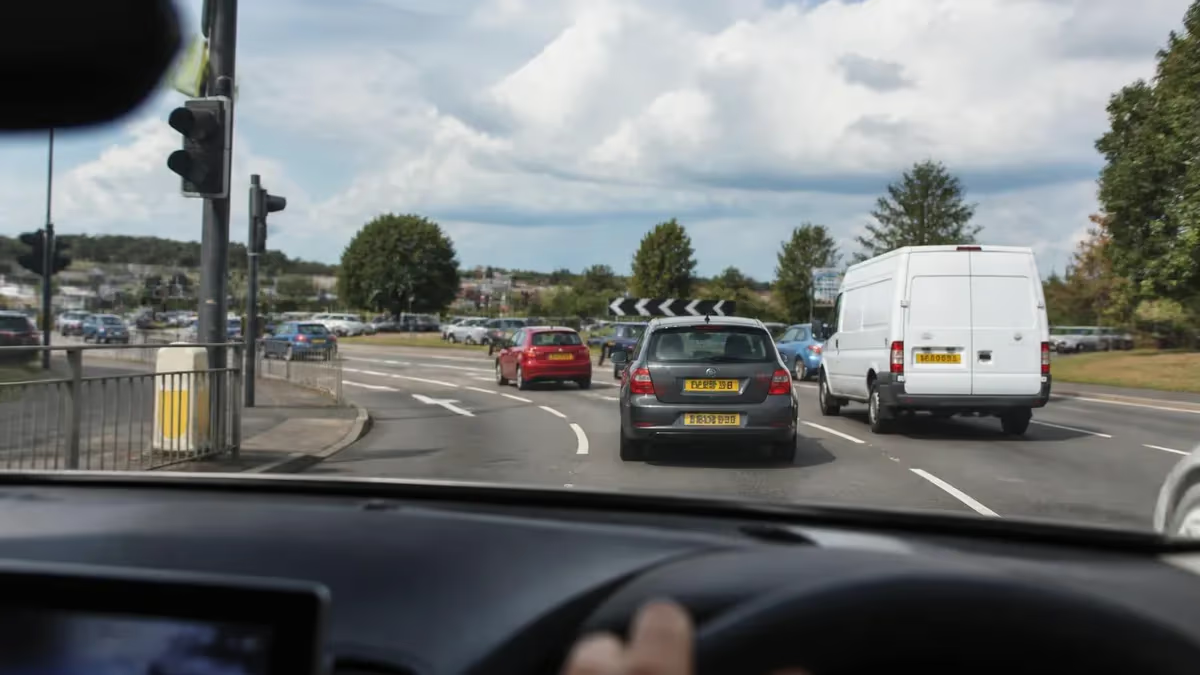
The theory test centre belfast is the official DVSA-approved venue where learner drivers in Northern Ireland sit the compulsory theory test before progressing to their practical driving exam. Belfast is the most accessible location for thousands of candidates across Northern Ireland each year, offering regular appointment slots throughout the week. Understanding exactly where the centre is, what you need to bring, and how the test is structured is essential preparation before your test date arrives.
Belfast's theory test centre is operated under the DVSA framework, the same organisation that manages driving tests across Great Britain and Northern Ireland. Candidates in Belfast sit an identical test to those in Manchester, Glasgow or Cardiff — 50 multiple-choice questions covering road rules, traffic signs, vehicle safety and responsible driving, followed by a hazard perception section with 14 video clips. The combined pass mark requirements are strict, and preparation must be thorough to avoid a costly retake.
Many Belfast candidates underestimate the theory test and arrive underprepared, believing a quick read of the Highway Code is sufficient. In reality, the multiple-choice section tests detailed knowledge of stopping distances, speed limits in different zones, rules around motorways, pedestrian crossings and loading restrictions. The hazard perception clips require a practised eye — you must click at the moment a developing hazard becomes a serious one, not too early and not too late, or your response scores zero for that clip.
Booking your theory test in Belfast is done entirely online through the official DVSA service or by telephone. You will need your driving licence number to register, and you should aim to book at least three to four weeks in advance, particularly during busy periods such as summer holidays and January when large numbers of candidates return to their studies. Appointment slots at the Belfast centre fill quickly, so early planning is strongly recommended for anyone with a target practical test date in mind.
The fee for the car theory test in 2026 is £23, payable at the time of booking and non-refundable if you fail to attend without giving adequate notice. Belfast candidates who need to cancel or reschedule their appointment must do so at least three clear working days before the test date, otherwise the full fee is forfeited. This makes it critical to choose a test date you are confident you can attend and for which you will be sufficiently prepared.
Preparation resources for the Belfast theory test are widely available, and the best candidates combine multiple study methods. Official DVSA revision apps, mock test websites, and physical copies of the Highway Code and Know Your Traffic Signs booklets all play a role in building a complete knowledge base. Practice tests that mirror the real exam format are particularly valuable because they acclimatise you to working under timed conditions and help you identify topic areas where your knowledge needs strengthening before test day.
This guide covers everything you need to know about the theory test centre in Belfast: the exact location and how to get there, what happens on the day, how the scoring works, the most common reasons candidates fail, and a complete preparation plan to help you walk out with a pass certificate. Whether you are booking your first test or returning after a previous attempt, the information here will give you a significant advantage going into your appointment.
Theory Test Centre Belfast by the Numbers

How to Book Your Theory Test at Belfast Centre
Gather Your Driving Licence Details
Visit the Official DVSA Booking Service
Choose Your Preferred Date and Time
Pay the £23 Test Fee Online
Prepare Thoroughly Before Test Day
Arrive at the Centre Ready to Test
On the day of your theory test at the Belfast centre, the experience follows a clear and consistent procedure that every DVSA-approved venue adheres to nationwide. You will be greeted by a test administrator at the reception desk, who will verify your identity by checking your provisional driving licence photo against your face. This identity check is mandatory — if you arrive without your licence, you will not be permitted to sit the test and your fee will be forfeited, so always double-check your documents the night before.
After identity verification, you will be asked to store any personal belongings, including your mobile phone, bags and any revision notes, in a secure locker in the waiting area. The Belfast centre, like all DVSA venues, operates a strict no-items policy in the testing room itself. You will be provided with a clean laminated sheet and a dry-wipe marker for rough working if needed during the multiple-choice section — you cannot bring your own paper or writing materials into the room.
You will then be shown to a computer workstation in the testing room, where an invigilator will briefly explain how the computer interface works. The system is straightforward: questions appear on screen one at a time, and you select your answer by clicking on it. You can flag questions for review and return to them later, which is a useful strategy for managing your time. The multiple-choice section lasts up to 57 minutes in total, though most candidates complete it in 30 to 40 minutes.
Between the multiple-choice and hazard perception sections there is a short break of approximately three minutes, during which a tutorial video explains the scoring system for hazard perception. You should pay close attention to this tutorial even if you have already practised the section during revision, as the instructions explain the exact clicking mechanics. Clicking at random intervals or clicking too frequently on any single clip triggers an automatic score of zero for that clip — the system is designed to penalise candidates who attempt to game it.
The hazard perception section consists of 14 video clips filmed from the perspective of a driver. Thirteen clips contain one scoreable hazard each, and one clip contains two scoreable hazards. You score between zero and five for each hazard depending on how quickly you click after the hazard begins to develop. The earlier you identify and click, the higher your score — but you must click at or after the moment the hazard starts developing, not before it appears on screen.
Once both sections are complete, you will be escorted back to the reception area where you will receive your result slip immediately. The slip shows your score for both sections and confirms whether you have passed or failed. Candidates who pass will later receive an official pass certificate in the post, which is valid for two years from the date of your theory test. You must pass your practical driving test within this two-year window, otherwise your theory pass expires and you must resit the theory test before rebooking your practical.
For candidates who do not pass on their first attempt, a minimum waiting period of three clear working days must elapse before rebooking is permitted. There is no limit to the number of times you can retake the theory test, but each attempt requires the full £23 fee. Most unsuccessful candidates benefit from identifying which specific areas let them down — the result slip breaks down performance by topic area — and focusing their revision on those sections before their next attempt at the Belfast centre.
Theory Test Sections Explained: Multiple Choice, Hazard Perception and Scoring
The multiple-choice section of the DVSA theory test presents 50 questions drawn from a bank of over 700 official revision questions. Each question has four possible answers, and you must select the single correct response. Some questions include a photograph or diagram. You need to answer at least 43 out of 50 questions correctly to pass this section. Questions cover road signs, speed limits, stopping distances, vehicle safety, driving in adverse conditions, motorway rules and environmental responsibility.
Time management is important during the multiple-choice section. You have up to 57 minutes, which works out to roughly one minute per question with time to spare for reviewing flagged questions. Use the flagging function for any question you find difficult and return to it once you have answered the rest. Many candidates find that their initial instinct is often correct — avoid changing answers unless you have a specific reason based on recalled knowledge rather than second-guessing yourself.
Pros and Cons of Sitting Your Theory Test in Belfast
- +Central Belfast location is accessible by bus, train and taxi from across Northern Ireland
- +Regular weekday and some weekend appointment slots provide good booking flexibility
- +Modern computer-based test format gives instant results — no waiting days for an outcome
- +Identical test to the rest of the UK, so resources and practice materials are universally available
- +Belfast centre staff are experienced and provide a calm, professionally managed testing environment
- +Passing in Belfast satisfies the theory requirement for both Northern Ireland and Great Britain practical tests
- −High demand means appointment slots can fill weeks in advance, requiring early planning
- −City centre location can mean parking costs and traffic delays — factor travel time carefully
- −The £23 fee is non-refundable without three clear working days' cancellation notice
- −Provisional licence must be the photo card version — expired or paper-only licences are rejected
- −No revision materials or devices are permitted in the test room, adding pressure to recall knowledge independently
- −Two-year validity window on pass certificates can cause problems if the practical test is delayed significantly
Theory Test Day Checklist for Belfast Candidates
- ✓Bring your valid photo card provisional driving licence — no other ID form is accepted
- ✓Arrive at the Belfast theory test centre at least 15 minutes before your appointment time
- ✓Switch your mobile phone off completely before entering the reception area
- ✓Do not bring revision notes, books or any study materials to the centre
- ✓Wear comfortable clothing — you may be in the testing room for close to an hour
- ✓Review your email confirmation the night before and confirm the exact centre address and postcode
- ✓Plan your route to the centre in advance and check for any road closures or public transport disruptions
- ✓Avoid heavy meals or caffeine immediately before the test if they affect your concentration
- ✓Complete at least one full timed mock test the evening before to consolidate your knowledge
- ✓Bring your test confirmation reference number in case of any administrative queries at the desk
Your Theory Pass is Valid for Exactly Two Years — Not a Day Longer
Many candidates in Belfast pass their theory test and then delay booking their practical, assuming their pass will wait indefinitely. It will not. Your theory test certificate expires precisely two years after the test date — if your practical test falls even one day after this, your theory pass is void and you must pay £23 and resit the full theory test before rebooking your practical driving test. Book your practical test as soon as you receive your theory pass certificate to avoid this expensive mistake.
Effective preparation for the Belfast theory test begins with a structured study plan rather than sporadic last-minute revision. The most successful candidates treat the theory test with the same seriousness they would give a school or college exam, setting aside regular daily revision sessions of 30 to 60 minutes over four to six weeks. This consistent approach allows information to consolidate in long-term memory, which is far more reliable during the pressure of the real test than information absorbed through cramming the night before.
The official DVSA Highway Code is the foundational text for the multiple-choice section. Every question in the DVSA's question bank is derived from information contained within it. A first read-through should focus on the rules and regulations sections — chapters covering road signs, speed limits, pedestrian crossings, motorway rules, stopping distances and rules for vulnerable road users such as cyclists and horse riders. After the first read, work through official practice questions to identify which areas require further study before revisiting those Highway Code chapters.
Traffic signs are one of the most frequently tested categories in the Belfast theory test, and many candidates lose marks here due to confusion between similar-looking signs. There are more than 600 official UK road signs, divided into warning signs (triangular red borders), prohibitory signs (circular red borders), mandatory instruction signs (circular blue backgrounds), information signs (rectangular blue or green backgrounds) and direction signs. Downloading the official Know Your Traffic Signs booklet from GOV.UK and using flashcard-style apps to drill sign recognition is one of the most efficient ways to lock these into memory.
Stopping distances are another high-value topic that consistently catches candidates out. Many learners know the approximate figures but struggle with the exact combinations of thinking distance and braking distance at different speeds. At 30mph, the overall stopping distance is 23 metres (6 metres thinking, 14 metres braking). At 60mph it rises to 73 metres, and at 70mph the figure is 96 metres — roughly the length of 24 car lengths. Learning these as memorable images or using the 'times two then add' mental framework helps many Belfast candidates recall them accurately under test pressure.
For the hazard perception section, volume of practice with real video-based clips is the single greatest predictor of success. Reading about how to identify hazards is helpful background knowledge, but the skill of timing your click correctly can only be developed through repeated exposure to moving traffic scenarios. DVSA-licensed practice clips are available through the official app and approved revision services. Aim to watch and respond to at least 50 to 60 clips in the weeks before your Belfast test, noting the categories of hazard that score you poorly and focusing extra attention on those scenarios.
Mock tests that replicate the real exam format are essential for two reasons beyond knowledge testing. First, they train your ability to sustain concentration for the full duration of the test without losing focus. Second, they normalise the experience of working under timed conditions, reducing the anxiety response that many candidates feel in the actual test room. Take your mock tests at the same time of day as your real test appointment to match your mental alertness to the conditions you will face at the Belfast centre on the day.
The week before your Belfast theory test should be reserved for consolidation rather than introducing new material. If you have been studying consistently for four to five weeks, your knowledge base will be largely in place. Use this final week to complete two or three full mock tests under proper exam conditions — no pausing, no checking answers mid-test — and review only the questions you got wrong.
On the day before your test, do a light final revision session covering your weakest topics and then rest well. Mental fatigue from excessive last-minute cramming is one of the most common causes of avoidable errors on the real test day.
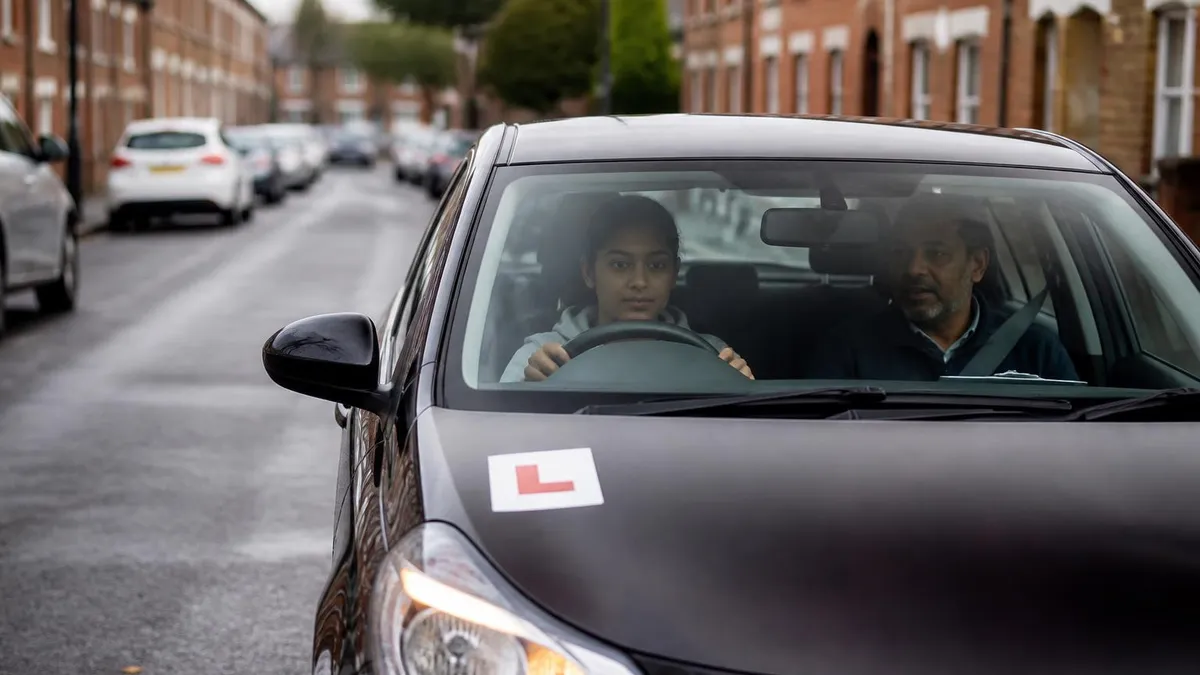
The Belfast theory test centre strictly enforces the DVSA's identity verification policy. If you arrive without your valid photo card provisional driving licence — or with an expired licence, an overseas licence not accepted under DVSA rules, or any document other than the correct licence type — you will be turned away and your full £23 test fee will be forfeited. There are no exceptions and no refunds in this scenario. Always check your licence is valid and in your bag the evening before your test.
Common reasons that Belfast candidates fail the theory test fall into several distinct patterns, most of which are entirely preventable with targeted preparation. The most widespread failure cause is insufficient practice with the multiple-choice question bank — candidates who attempt fewer than five full mock tests before their real exam fail at significantly higher rates than those who complete ten or more. The official DVSA question bank is finite and published, meaning that dedicated revision of the complete question set is genuinely possible within a reasonable study period.
Overconfidence is a particular risk for candidates who already have experience driving — perhaps on private land, as a passenger who has observed driving closely, or in another country. Real-world experience with vehicles does not translate directly into theory test knowledge, because the test specifically examines UK-specific rules, measurements and legal requirements. A candidate who has driven for years in Ireland or overseas may know how to drive competently but still fail the Belfast theory test because they have not studied the specific Highway Code requirements that the questions test.
Hazard perception failures are often rooted in a misunderstanding of what constitutes a 'developing hazard' versus a static hazard. Many candidates click when they see anything that looks unusual — a parked car, a pedestrian on a pavement, a cyclist in the distance — rather than waiting until the hazard actively begins to develop into something that requires a driver's response. Clicking too early scores zero for that clip. The correct mental model is to ask yourself: 'Is this something I would need to actively react to right now as a driver?' Only click when the answer is yes.
Poor time management during the multiple-choice section causes some Belfast candidates to rush towards the end of the allotted time and make careless errors on questions they actually know the answer to. The recommended strategy is to work steadily through all 50 questions in order, flagging any that cause uncertainty, and then return to flagged questions with whatever time remains. This ensures every question receives at least one considered response and that you are not caught out by the timer expiring before you have answered all 50.
Reading questions too quickly is a related error that affects a meaningful proportion of candidates. Some theory test questions contain subtle qualifiers — words like 'most', 'least', 'always', 'never', 'except' — that completely change the correct answer. A candidate who skims the question and assumes they know what is being asked may select a plausible-but-wrong answer when a careful reading would have identified the correct one immediately. Training yourself to read every word of every question is a habit worth building during your mock test practice sessions before attending the Belfast centre.
Anxiety and nerves are underestimated as failure factors. Some candidates who are well-prepared still perform below their capability because they become flustered in the test environment. Practical strategies include arriving early to settle in, using the practice questions displayed on screen before the test formally begins to acclimatise to the interface, and taking several slow deep breaths before starting. If you feel overwhelmed mid-test, pause for a moment rather than rushing — the clock gives you ample time to compose yourself without impacting your final performance.
Finally, some candidates underestimate the importance of understanding why an answer is correct rather than simply memorising which answer to select for each question. The DVSA occasionally updates questions and answer wording, and a candidate who has memorised responses by rote rather than understanding the underlying principle may be caught out by a question phrased differently from the version they practised. Deep understanding of road rules, sign meanings and safety principles creates knowledge that is robust regardless of exactly how a question is framed on the day of your Belfast theory test.
Once you have passed your Belfast theory test, the next step in your driving journey is booking your practical driving test as promptly as possible. Practical test waiting times in Northern Ireland can extend to several months during peak periods, and your two-year theory validity clock starts from the day of your theory test — not from when you book the practical.
Candidates who delay practical test booking after passing their theory in Belfast occasionally find that their theory pass expires before they have the opportunity to sit the practical, forcing an expensive and frustrating return to the theory test centre.
If your circumstances change and you need to cancel or reschedule your Belfast theory test appointment, the DVSA requires you to give at least three clear working days' notice. Cancellations made within this window result in forfeiture of the full £23 fee. If you cancel with adequate notice, the fee can be refunded or transferred to a new booking. Always log into your DVSA account or call the booking line as soon as you know you cannot attend, rather than simply not showing up and losing your money unnecessarily.
For candidates who are sitting their theory test as part of a motorcycle licence application rather than a car licence, the same Belfast centre handles motorcycle theory tests. The test format and pass marks are identical to the car theory test: 50 multiple-choice questions with a 43/50 pass mark and 14 hazard perception clips with a 44/75 pass mark. The question content, however, is drawn from a motorcycle-specific question bank, so revision should focus on motorcycle-relevant topics such as filtering, visibility, protective clothing, and bike-specific hazard scenarios.
Large goods vehicle (LGV) and passenger carrying vehicle (PCV) candidates also sit their theory tests at the Belfast centre, though their exams are longer and more demanding. LGV and PCV theory tests consist of 100 multiple-choice questions (pass mark 85/100), and the hazard perception section uses the same format but with a pass mark of 67 out of 100. Candidates for these licences should allow significantly more preparation time than standard car theory test candidates, as the question bank is larger and the pass marks are proportionally higher.
The Driver Certificate of Professional Competence (CPC) test, which professional HGV and coach drivers must complete as part of their qualification, is also administered at the Belfast DVSA theory test centre. This consists of a Case Study module with multiple scenarios and a complex series of questions requiring applied knowledge rather than factual recall. Professional drivers working towards their CPC qualification in Northern Ireland should contact the Belfast centre directly or check the DVSA booking portal for CPC-specific appointment slots, as these may not appear in the standard theory test booking flow.
Belfast also serves as the theory test location for candidates completing their ADI (Approved Driving Instructor) qualification. The ADI Part 1 theory test is significantly harder than the standard car theory test, comprising 100 multiple-choice questions requiring 85% correct to pass, plus the standard hazard perception module. ADI candidates in Northern Ireland sit this test at the same Belfast centre and should expect to dedicate considerably more study time than a standard learner driver. The ADI question bank covers advanced road safety principles, teaching methods and extensive knowledge of road law.
Whatever test type you are sitting at the Belfast theory test centre, the fundamental principles of preparation remain the same: study consistently over several weeks, use official DVSA materials and practice questions, take full timed mock tests to build exam stamina, and arrive on the day well-rested and equipped with your valid driving licence. The Belfast centre processes thousands of successful candidates every year, and with the right preparation, your name will be added to that list when you collect your pass result slip from the administrator on the day of your test.
DVSA Questions and Answers
Cancel Driving Test UK: Complete DVSA Guide to Refunds, Rebooking & Avoiding Lost Fees in 2026
UK Theory Test Pass Mark: Car, Bike, LGV, PCV & ADI Scores

Free Theory Test App: The Complete UK Guide to Choosing, Using and Passing With Mobile Practice in 2026

Cancelling Driving Test: The Complete UK Guide to Refunds, Rebooking and Avoiding Lost Fees in 2026
Theory Test Certificate: Complete UK Guide to Passing and Using Your DVSA Pass Letter in 2026
About the Author
Licensed Driving Instructor & DMV Test Specialist
Penn State UniversityRobert J. Williams graduated from Penn State University with a degree in Transportation Management and has spent 20 years as a certified driving instructor and DMV examiner consultant. He has personally coached thousands of applicants through written knowledge tests, skills assessments, and commercial driver licensing programs across more than 30 states.