
Driving Test Centres in the UK: Complete Guide to Locations, Pass Rates, and Booking
Driving test centres across the UK: ✍🏼 find locations, compare pass rates, book your slot, and learn what to expect on test day.
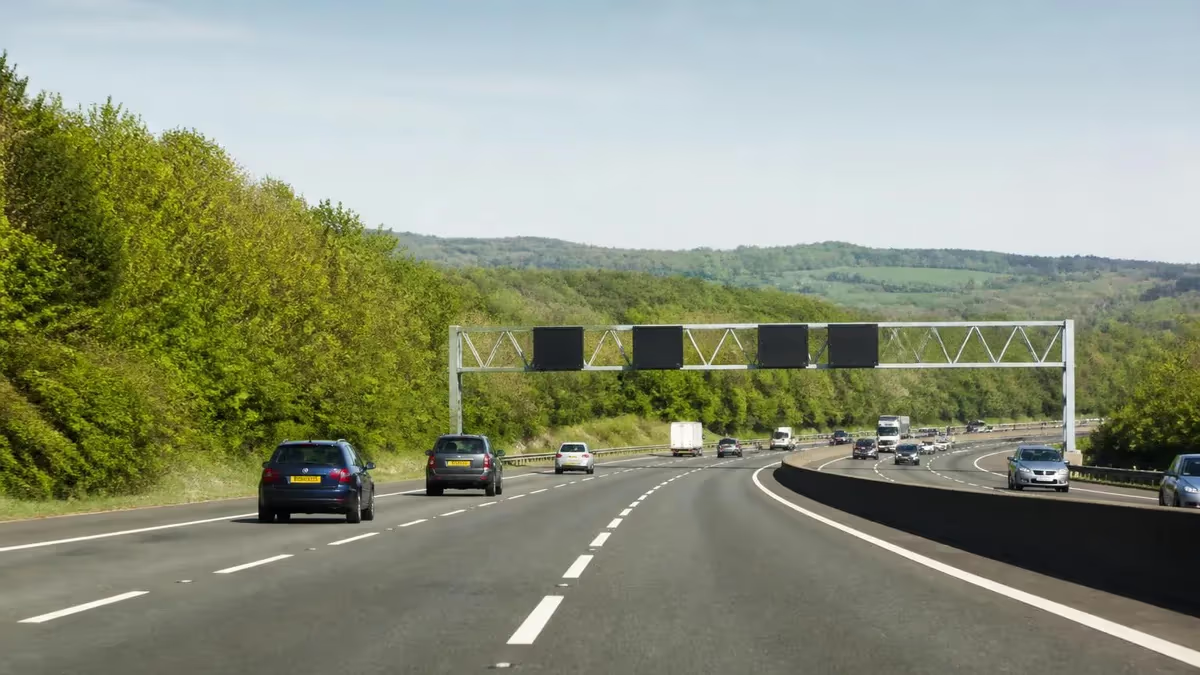
Driving test centres are the official venues where the Driver and Vehicle Standards Agency (DVSA) conducts practical driving tests across the United Kingdom. With more than 380 active locations spread across England, Scotland, and Wales, learners often spend hours researching which centre offers the best route conditions, the highest first-time pass rate, and the shortest waiting list. Choosing the right centre is not a trivial decision because the difference between the best and worst performing sites can exceed thirty percentage points on the pass rate scale.
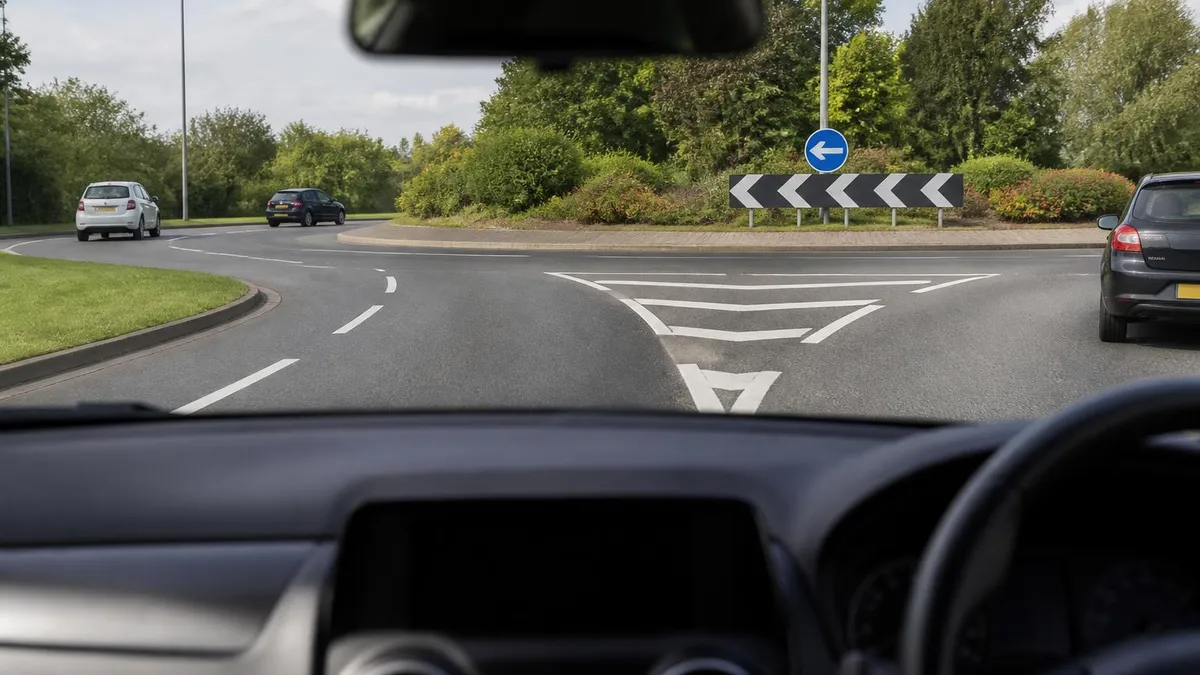
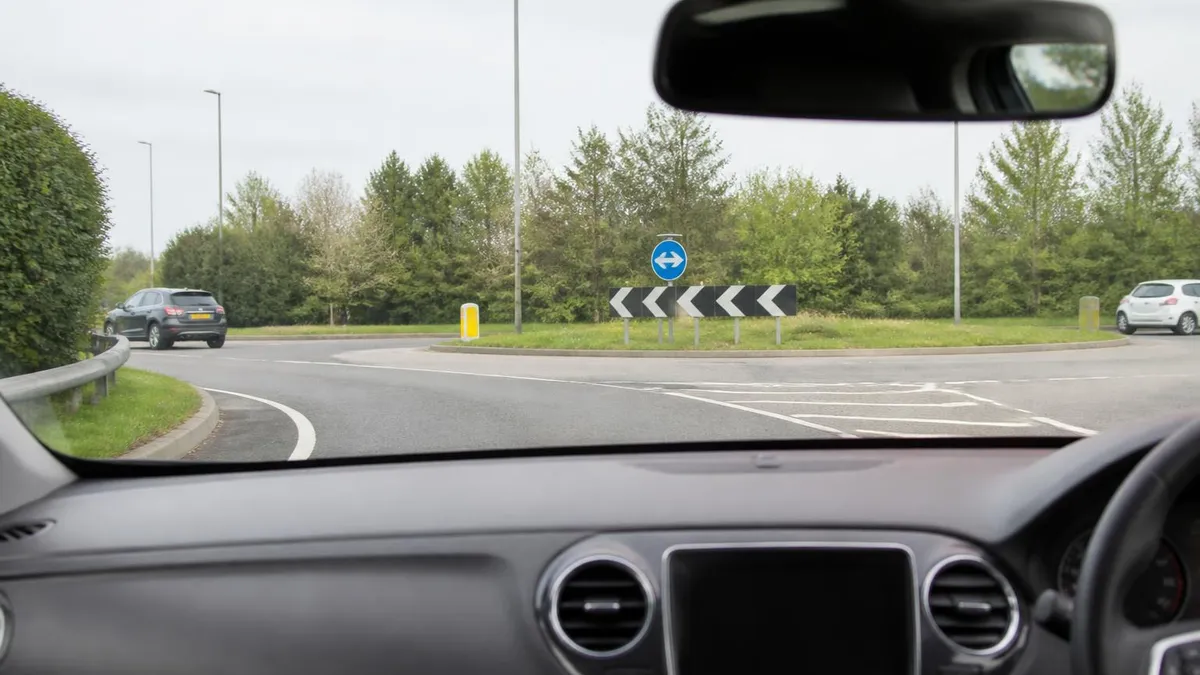
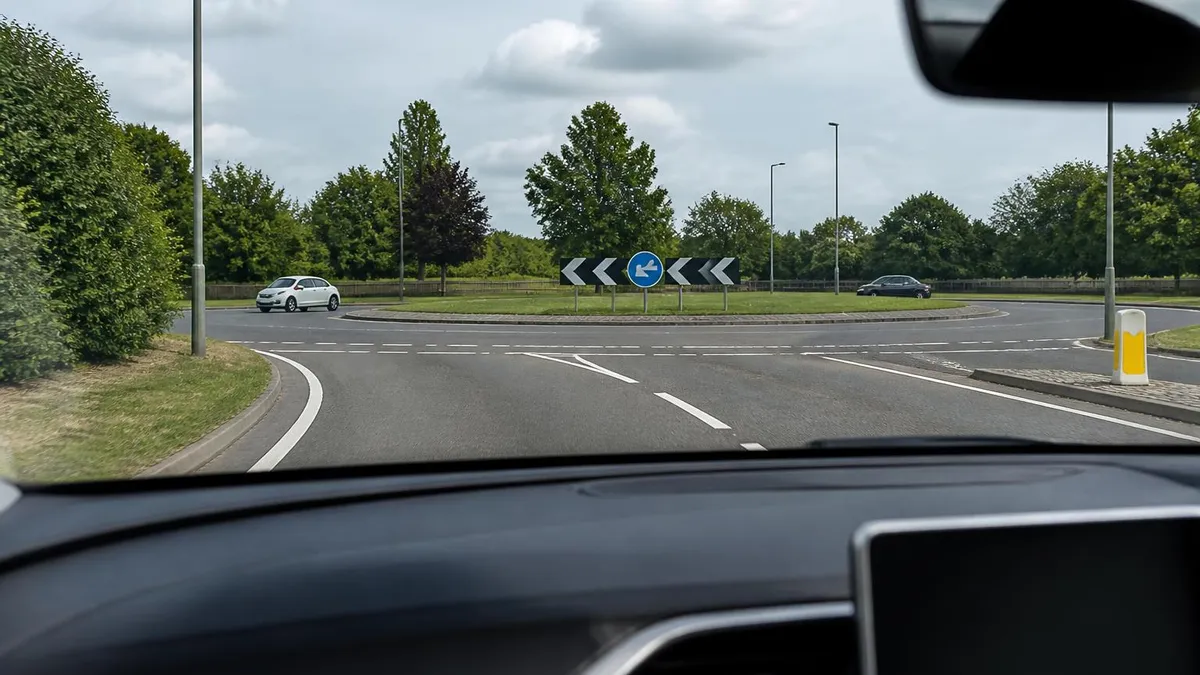
Whether you are sitting your test in central London, a rural Scottish village, or a busy industrial estate near Birmingham, each centre has its own quirks. Some are renowned for narrow residential streets, others for high-speed dual carriageways, and a few for tricky roundabouts that catch out even confident learners. Understanding these characteristics in advance allows you to tailor your lessons, practise the right manoeuvres, and walk into the examiner's office feeling prepared rather than nervous about the unknown.
Beyond the practical examination, test centres also serve as the focal point for booking systems, cancellation queues, and rebooking procedures. The DVSA's online booking portal lists every active centre with available slots, and the average waiting time in 2026 still hovers between 14 and 24 weeks depending on region. Demand surged after the pandemic backlog and has never fully returned to pre-2020 levels, making early booking and strategic centre selection more important than ever before.
This guide walks you through everything you need to know about driving test centres, from how to find your nearest location to interpreting pass rate data published annually by the DVSA. We will also cover what happens on test day, what documents you must bring, how examiners assess your performance, and what to do if you fail and need to rebook quickly. Before you sit the practical, however, you must pass the theory element, and our Free Theory Test resource is the fastest way to prepare.
You will discover that not every test centre offers every type of test. Some specialise in car tests only, while others handle motorcycle modules, lorry assessments, and ADI part two examinations for prospective driving instructors. Knowing which categories are conducted at your local centre saves time and prevents the frustration of arriving at a venue that cannot accommodate your booking. The DVSA publishes an updated list each quarter, and we summarise the key categories later in this article.
Finally, we will address the controversial topic of test centre pass rates. While it is tempting to chase the centre with the highest published statistic, the reality is more nuanced. Pass rates reflect a complex mix of road conditions, examiner judgement, candidate preparation, and local driving culture. A centre with a sixty percent pass rate is not necessarily easier than one with a forty percent rate; it may simply attract better-prepared candidates who have trained on those specific routes for months in advance.
By the end of this guide, you will know how to choose the right centre, what to practise before the day, how to handle nerves at the test centre car park, and where to look up live availability. Treat the journey to your test centre as part of the learning process itself, and you will arrive far more confident on the morning of your appointment.
UK Driving Test Centres by the Numbers
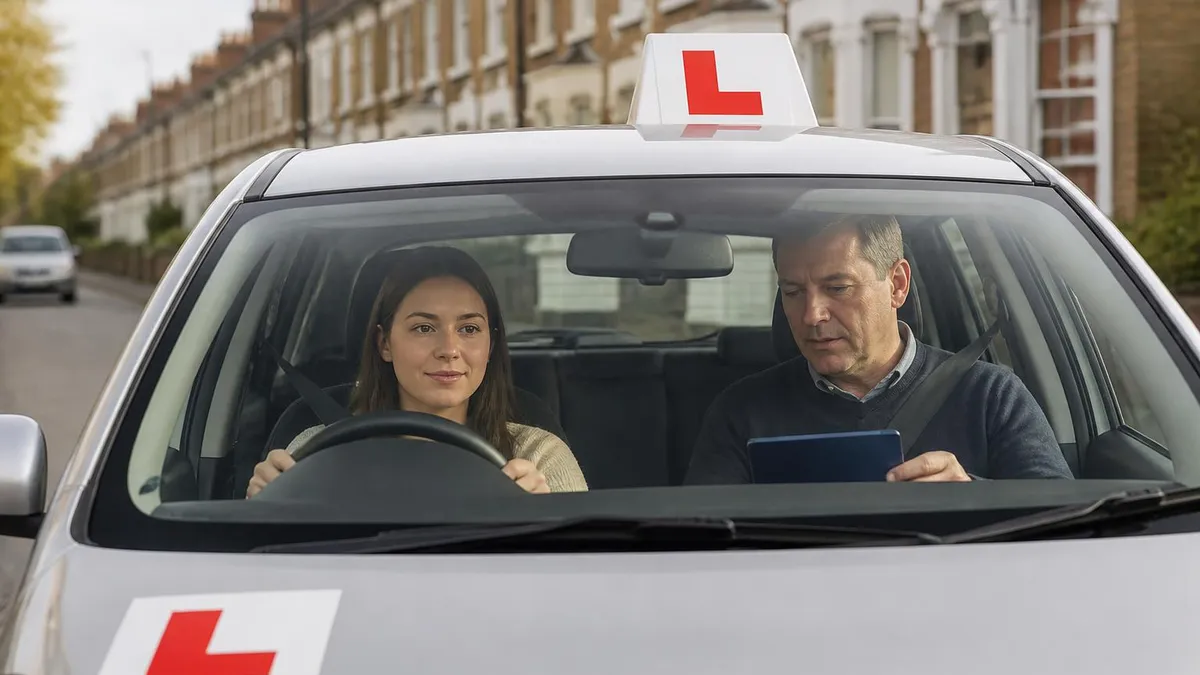
How to Find Your Nearest Driving Test Centre
The official DVSA tool lets you enter your postcode and instantly see the five closest test centres with their addresses, opening hours, and contact details. This is the most authoritative source available.
When you log in to book a test, the system displays current availability at each centre. Use the map view to compare wait times across multiple sites within a 40-mile radius of your home address.
Approved Driving Instructors often have detailed notes on route characteristics, examiner styles, and common failure points at nearby centres. Ask your instructor which venue they recommend for your skill level.
Third-party services scan the DVSA system for cancelled slots at centres you select. These tools can shave months off the official waiting time but charge subscription fees ranging from £5 to £30.
The annual statistical release shows pass rates by centre, age group, and gender. Use this data to identify which centres in your area historically produce the strongest outcomes for first-time candidates.
Pass rates at UK driving test centres vary enormously, and understanding why is essential before you make a booking decision. The DVSA publishes annual statistics broken down by individual centre, showing the percentage of candidates who passed first time, the average number of attempts required, and the gender split of successful examinees. In the 2025-26 reporting period, the national average pass rate was 48.4 percent, but individual centres ranged from a low of 28 percent in central London to a high of 79 percent in remote rural Scotland.
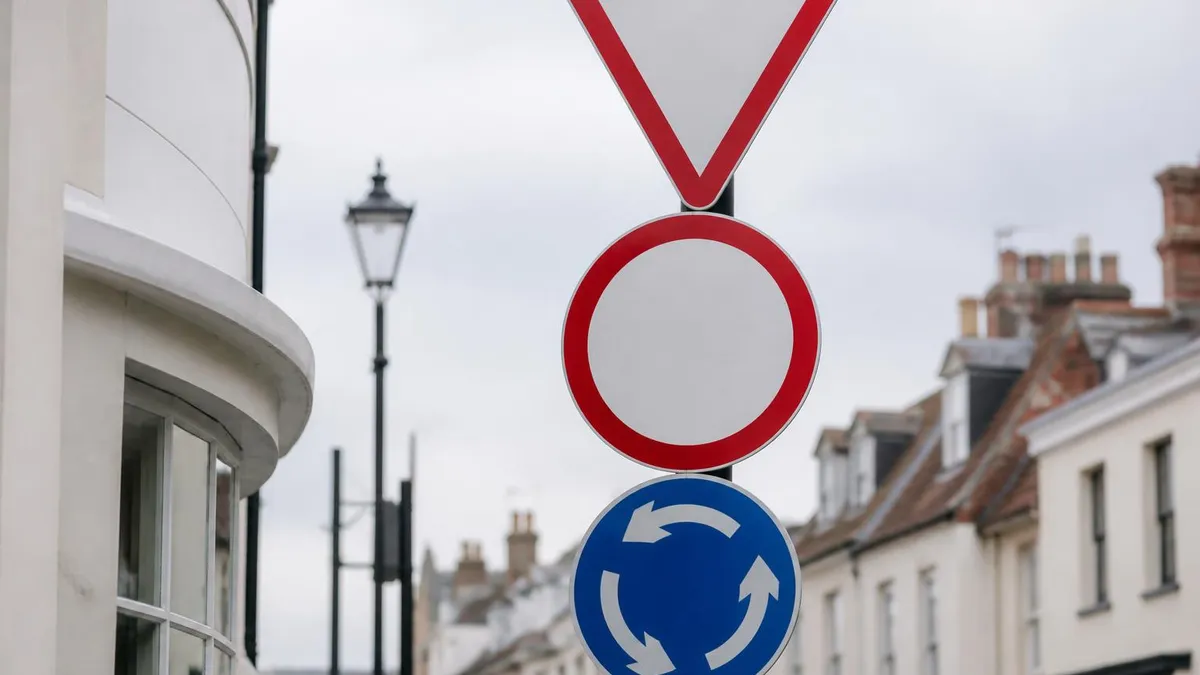
Rural test centres consistently outperform urban ones, and the reasons are both practical and statistical. Country routes typically feature fewer pedestrians, simpler junctions, and lower traffic density, giving candidates more room to demonstrate steady control. Urban centres, by contrast, throw learners into multi-lane roundabouts, complex one-way systems, cyclists, bus lanes, and aggressive commuters within minutes of leaving the car park. Both styles produce safe drivers, but the assessment environment is fundamentally different.
It is tempting to game the system by booking at a rural centre far from your normal driving area, but this strategy carries hidden risks. Examiners will still expect you to handle whatever the local roads present, and unfamiliar territory often produces hesitation, missed road signs, and wrong turns. Many learners who travel two hours to chase a higher pass rate end up failing because they have not practised the specific routes used at that centre. Our Hazard Perception Test guide covers similar regional considerations for the theory element.
Pass rates also fluctuate seasonally. Winter months see lower averages because of darker conditions, wet road surfaces, and the additional challenge of frosty mornings. Summer months produce higher figures, partly because daylight extends visibility and partly because more confident drivers tend to book during favourable weather. If you are flexible on timing, scheduling your test between May and September can offer a small statistical advantage of roughly two to four percentage points.
Examiner consistency is another factor that learners frequently underestimate. The DVSA enforces strict standardisation through regular calibration exercises, but human judgement still varies. Some examiners are known for being careful about mirror checks, while others focus heavily on observation at junctions. None of this means an examiner is unfair; it simply means that what counts as a serious fault on one day may be flagged as a driving fault on another. Preparing for every standard increases your margin for error significantly.
The most reliable predictor of passing is not the centre you choose but the number of supervised hours you have logged before your test. DVSA research suggests that candidates with 45 hours of professional instruction plus 22 hours of private practice pass at nearly double the rate of those with fewer than 20 hours total. Centre selection matters, but preparation matters far more. A well-prepared candidate will pass at almost any centre in the country.
Use centre pass rate data as a tiebreaker rather than a primary decision driver. If two centres are equidistant from your home and offer similar slot availability, lean toward the one with the higher rate. But do not drive across three counties to chase statistics when you could spend that time on extra lessons in familiar territory. The hours behind the wheel ultimately determine whether you walk out with a pink slip or a list of faults to address.
DVSA Practice Test Questions
Prepare for the DVSA - UK Driving Theory Test exam with our free practice test modules. Each quiz covers key topics to help you pass on your first try.
DVSA Eco-Friendly Driving and Vehicle Loading
DVSA Exam Questions covering Eco-Friendly Driving and Vehicle Loading. Master DVSA Test concepts for certification prep.
DVSA Hazard Awareness
Free DVSA Practice Test featuring Hazard Awareness. Improve your DVSA Exam score with mock test prep.
DVSA Incidents, Accidents and First Aid
DVSA Mock Exam on Incidents, Accidents and First Aid. DVSA Study Guide questions to pass on your first try.
DVSA Motorway Rules and Smart Motorways
DVSA Test Prep for Motorway Rules and Smart Motorways. Practice DVSA Quiz questions and boost your score.
DVSA Rules of the Road (Highway Code)
DVSA Questions and Answers on Rules of the Road (Highway Code). Free DVSA practice for exam readiness.
DVSA - UK Driving Theory Hazard Awareness ...
DVSA Mock Test covering - UK Driving Theory Hazard Awareness and Perception. Online DVSA Test practice with instant feedback.
DVSA - UK Driving Theory Motorway Rules an...
Free DVSA Quiz on - UK Driving Theory Motorway Rules and Regulations. DVSA Exam prep questions with detailed explanations.
DVSA - UK Driving Theory Road and Traffic ...
DVSA Practice Questions for - UK Driving Theory Road and Traffic Signs. Build confidence for your DVSA certification exam.
DVSA - UK Driving Theory Rules of the Road
DVSA Test Online for - UK Driving Theory Rules of the Road. Free practice with instant results and feedback.
What Happens on Test Day at a Driving Test Centre
Arrive at least 15 minutes before your appointment time. Most driving test centres have small waiting rooms with limited parking, so plan your route carefully and avoid arriving too early as this can heighten anxiety. Park in a clearly marked candidate bay or on the road outside if no spaces are available, and remain in your vehicle until your examiner calls you in.
Bring your provisional licence and either the email or letter confirming your booking. The receptionist or your examiner will check both documents before proceeding. If you forget your licence, the test will be cancelled and the fee forfeited, so prepare these items the night before and place them in a visible spot you cannot overlook on the morning.
Rural vs Urban Test Centres: Which Is Right for You?
- +Higher published pass rates at most rural centres
- +Simpler road layouts and fewer complex junctions
- +Lower traffic density reduces stress during the drive
- +Shorter waiting lists at smaller regional venues
- +More predictable test routes that instructors can teach thoroughly
- +Less pedestrian and cyclist interaction to manage
- −Longer travel distances from urban homes add stress
- −Limited slot availability outside core working hours
- −Unfamiliar roads if you do not live in the area
- −Higher fuel costs for both lessons and the test itself
- −Examiners may focus more sharply on rare faults due to lower volume
- −Few options to retake quickly if you fail at a remote site
Driving Test Centre Pre-Test Checklist
- ✓Confirm your provisional licence is in date and physically with you
- ✓Print or save the booking confirmation email on your phone
- ✓Wear glasses or contact lenses if you need them for driving
- ✓Check the test centre address and route the day before
- ✓Top up fuel and check tyre pressures the evening before the test
- ✓Clean the windows, mirrors, and dashboard for full visibility
- ✓Set the seat, steering wheel, and mirrors before the examiner arrives
- ✓Disable phone notifications or place the device on silent
- ✓Revise show me, tell me questions with your instructor
- ✓Arrive between 10 and 15 minutes before the appointment time
Familiarity beats statistics every time
Candidates who take their final five lessons on routes around their chosen test centre pass at a rate 18 percent higher than those who do not. Book your last block of lessons at the centre itself, not just near your home.
Booking a driving test slot in 2026 requires patience, strategy, and a willingness to compromise on dates. The official DVSA portal at gov.uk is the only legitimate place to make a booking, and you should treat any third-party site that asks for your driving licence number with extreme caution. Scammers regularly impersonate the DVSA, charging inflated fees or stealing personal data, and the genuine booking process never requires payment outside the official website. Bookmark the correct URL and verify the padlock symbol in your browser before entering details.
Standard slot fees in 2026 remain £62 for weekday tests and £75 for evenings, weekends, and bank holidays. You can pay by debit or credit card, and the fee is fully refundable if you cancel more than ten working days before the appointment. Cancellations within ten days forfeit the entire amount, which is why insurance-style rebooking guarantees from some driving schools have become popular among nervous candidates worried about last-minute illness or vehicle problems.
The waiting list crisis that began during the pandemic has eased slightly but remains a serious obstacle. National average waiting times sit around 18 weeks, with London and the South East exceeding 24 weeks at the busiest centres. Smaller market towns and Scottish Highlands centres sometimes offer slots within four to six weeks, which is why so many learners now travel further to secure earlier dates. Always weigh the travel burden against the time saved.
Cancellation checking is the single most effective way to bring your test forward. Slots open up constantly as other candidates reschedule, fall ill, or simply abandon their bookings. The DVSA system shows live availability, and refreshing it manually several times a day can yield surprising results. Automated cancellation apps such as Driving Test Cancellations and Testi monitor the system on your behalf and send instant alerts when matching slots appear.
If you fail your test, you can rebook online within 10 minutes of receiving your result. There is a mandatory ten-working-day wait between attempts to give you time for additional lessons. Use this period wisely by reviewing your marking sheet with an instructor, focusing extra practice on the specific faults recorded. Many candidates pass on their second attempt simply because they targeted the right weaknesses rather than rebooking blindly the same day.
Choosing alternative test centres is now easier than ever thanks to the DVSA's flexible booking system. You can hold one booking at a time but can change centres up to 10 full working days before your test without losing the fee. This flexibility allows you to grab a distant slot quickly and then swap to a closer venue if cancellations appear. The strategy has helped tens of thousands of candidates pass during periods of high demand.
Keep written records of every transaction with the booking portal. Save confirmation emails, screenshot any error messages, and note the date and time of any phone calls to the DVSA helpline. These records protect you in the rare event of a system error, double booking, or refund dispute. Treat the booking process with the same seriousness as the test itself, because losing a slot to administrative error can set your driving career back by months.
The DVSA never asks for payment outside the official gov.uk portal. If you receive emails, texts, or calls demanding fees or threatening to cancel your booking, ignore them and report the contact to Action Fraud immediately.
Choosing the right driving test centre is a balancing act between practicality, statistics, and personal comfort. Start by mapping every centre within an hour's drive of your home and ranking them by realistic travel time during morning rush hour. A centre that takes 25 minutes on a quiet Sunday could take 70 minutes on a Tuesday morning, and arriving stressed is the surest way to lose your composure during the eyesight check. Pad your journey time by at least 25 percent over the navigation app estimate.
Investigate route patterns at each candidate centre. Most test centres operate within a roughly four-mile radius of their location, and the DVSA publishes route maps for some sites although many remain confidential. Driving instructors familiar with each centre can describe the typical routes, the trickiest junctions, and the manoeuvre locations frequently used. This insider knowledge transforms unfamiliar tarmac into territory you have already mentally rehearsed before the test day.
Consider the type of roads you handle best. If you have practised mostly in suburban areas, choosing a centre with predominantly residential routes plays to your strengths. If your lessons have included plenty of motorway approaches, dual carriageways, and major roundabouts, a city centre venue may suit you better. Matching your training to the test environment is more powerful than chasing any published pass rate figure, regardless of how impressive the statistic looks.
Time of day matters too. Early morning tests typically encounter rush-hour traffic but also fresh, alert examiners. Mid-morning slots are calmer on the roads but can be busier for pedestrians and cyclists. Afternoon tests often include school traffic and may run during the post-lunch lull when concentration dips. Discuss optimal timing with your instructor, and remember that Driving School selection plays a large role in matching your slot to your strengths.
Special category tests, such as motorcycle module two, lorry CPC, or instructor part two examinations, are held at fewer centres than standard car tests. The DVSA publishes a separate list of multi-purpose test centres, and travel distances can be considerable in rural areas. Plan accordingly, especially if you need to transport a motorcycle or large vehicle to the venue. Some centres also offer extended test slots for nervous candidates or those with disabilities.
Accessibility provisions vary by centre. All DVSA sites comply with the Equality Act 2010, but the level of additional support differs. If you have dyslexia, ADHD, autism, or a physical disability, contact the DVSA at least six weeks before your test to arrange reasonable adjustments. These can include extra time, simpler language, or modifications to the show me, tell me questions. Disclose any needs at the booking stage rather than on test day.
Finally, visit your chosen test centre before the actual test day. Walk through the waiting room, identify where examiners typically meet candidates, and locate the toilets. This simple reconnaissance trip removes the unknown variables that fuel anxiety, leaving only the driving itself to focus on. Many learners who skip this step report that the unfamiliar building added significant stress to an already challenging morning, undermining the months of preparation that preceded it.
Final preparation in the week before your driving test should focus on consolidation rather than learning anything genuinely new. Cramming complex new manoeuvres in the final days tends to create confusion under pressure, so resist the urge to ask your instructor for advanced techniques. Instead, polish the basics: smooth gear changes, accurate mirror checks, confident roundabout entries, and crisp parallel parking. Aim for two relaxed lessons in the seven days before, ideally one of them along genuine test centre routes if your instructor knows them.
Sleep and nutrition matter more than candidates expect. A poor night's sleep before the test reduces reaction time by up to 30 percent and impairs the decision making required at busy junctions. Aim for at least seven hours of sleep on the two nights before, eat a moderate breakfast containing protein and slow carbohydrates, and avoid caffeine if you are sensitive to it. Hydration helps too, but drink in moderation to avoid mid-test discomfort that you cannot easily resolve.
Mental rehearsal is a powerful and free preparation tool. The night before your test, close your eyes and imagine the entire process from arriving at the car park to receiving your pass certificate. Picture yourself handling tricky situations calmly, recovering from small mistakes, and listening attentively to the examiner. Sports psychologists have demonstrated that visualisation improves real-world performance by reinforcing neural pathways already established through physical practice on the road.
On the morning itself, give yourself plenty of time but avoid arriving more than 20 minutes early. Sitting in a waiting room for half an hour amplifies nerves rather than reducing them. Instead, take a short walk around the test centre car park to settle your breathing, run through the show me, tell me questions one final time, and check the car's lights, indicators, and dashboard warnings. These small actions feel productive and prevent your mind from spiralling into worst-case scenarios.
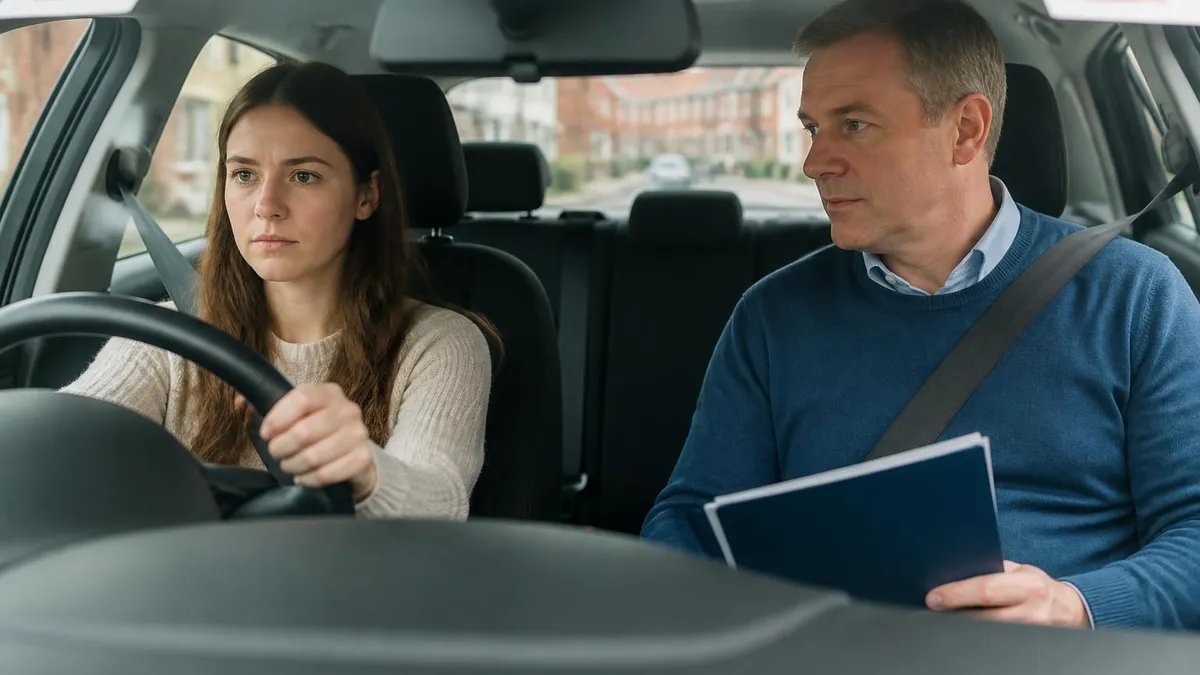
During the test, treat the examiner as a passenger rather than a judge. They are not trying to fail you; they are observing whether you drive safely. If you make a small mistake, acknowledge it internally and continue driving normally. Many candidates fail because they fixate on a single error and let it derail the next ten minutes. Examiners assess your overall performance, and a few driving faults are entirely compatible with a pass result.
If the result is a fail, treat it as feedback rather than failure. The marking sheet contains specific, actionable information about which skills need more work. Discuss every entry with your instructor, identify the patterns, and structure your next block of lessons around the weakest areas. Statistical analysis shows that candidates who fail once and prepare properly pass on the second attempt at a higher rate than first-time candidates, because they have lived through the actual test environment.
Above all, remember that a driving test is a single day in a lifetime of driving. Whether you pass first time or need a few attempts, the goal is to become a competent, safe driver for the next 60 or 70 years on the road. Approach your test centre visit with calm professionalism, trust the hours of practice behind you, and the result will usually take care of itself. Tens of thousands of learners pass every month at centres just like the one you have chosen.
DVSA Questions and Answers
How this page was made: written with AI tools and published by Nathan Beja, founder of Practice Test Geeks, who is responsible for its content. Exam facts are checked against the official sources listed below. Not reviewed by a subject-matter expert. Editorial policy
Sources & references
Exam facts on this page (fees, format, dates, passing scores) are checked against these official sources; the date is our last check. Editorial policy
- gov.uk — Eligibility, registration, test dates, passing score, retake policy, score release, score validity, time limit, exam format · verified Oct 2026