
Driving Test Cancellation: How to Cancel Your DVSA Practical Test, Get a Refund & Rebook in 2026 October
Driving test cancellation guide: how to cancel your DVSA practical test, claim a refund, rebook fast, and avoid losing your £62 fee in 2026 October. 🆕
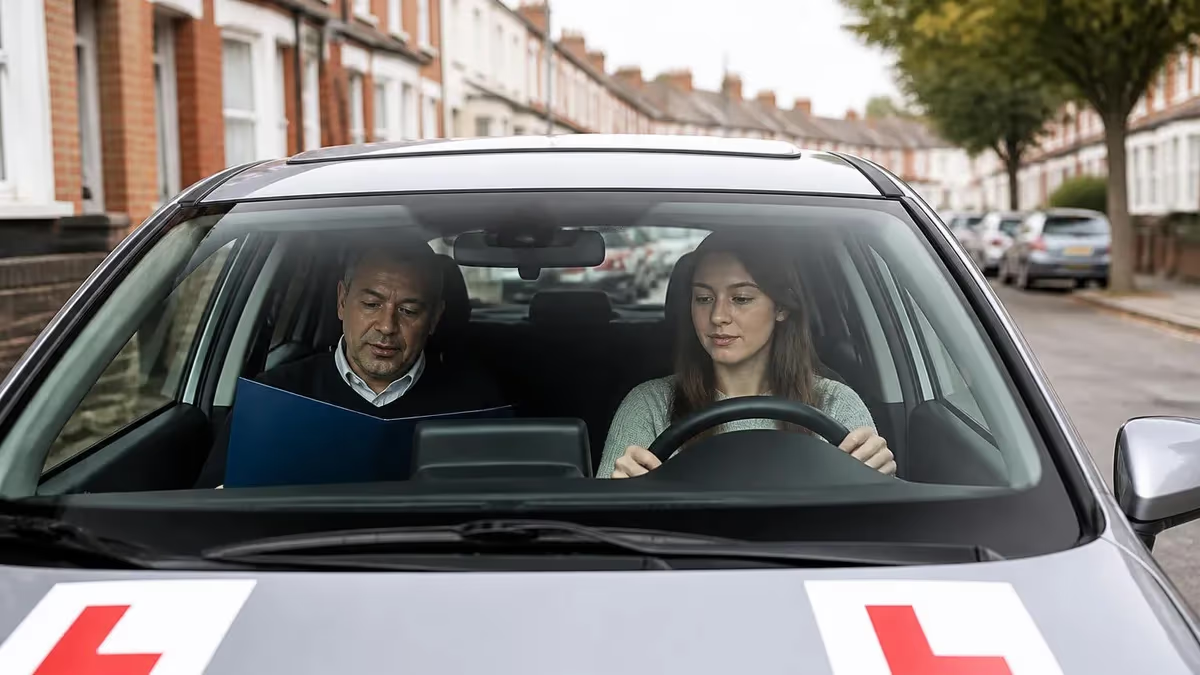
A driving test cancellation is something thousands of UK learners face every year, whether due to illness, work emergencies, vehicle problems, or simply realising you are not ready. Cancelling your DVSA practical test correctly matters because the rules around refunds, notice periods, and rebooking windows are strict, and one missed deadline can cost you the full £62 fee. This guide walks you through every scenario so you keep your money and your momentum towards passing.
The Driver and Vehicle Standards Agency operates a clear policy: if you cancel your test with at least 10 full working days notice, you are entitled to a full refund or a free rescheduled appointment. Anything less, and you forfeit the fee. Working days exclude Sundays and bank holidays, but Saturdays do count, which catches many candidates out when they assume a weekday-only calendar applies to their planning.
Cancellations happen for countless reasons, from a car breaking down the night before to learners simply not feeling confident enough to attempt the test. The DVSA understands this and offers flexibility through its online booking system, but you must act within the time limits. Knowing your options before you book reduces stress, and being prepared with proof of medical issues or service disruption can sometimes recover fees that would otherwise be lost.
If your test is cancelled by the DVSA itself, perhaps due to bad weather, examiner unavailability, or industrial action, the rules flip entirely in your favour. You are entitled to a free rebooking and, in many cases, compensation for reasonable expenses such as lesson costs, car hire fees, and lost wages. The claim process is straightforward but time sensitive, and we cover the exact paperwork you need later in this guide.
Many learners confuse cancellation with rescheduling. Cancelling removes your slot entirely and requires a fresh booking, whereas changing the date or location keeps your fee tied to a new appointment. The DVSA allows up to six changes per booking, so for most situations a reschedule is the smarter move. Before you cancel, read our guide on how to Theory Test Booking Change rules apply across the broader testing system.
This guide also addresses what happens after cancellation: how long it takes for refunds to land, the best strategy for finding earlier test slots, dealing with cancellation checker apps, and avoiding common scams that target frustrated learners. Whether you are days away from your test or just planning ahead, understanding cancellation rules protects both your wallet and your test journey.
By the end of this article you will know exactly when to cancel, when to reschedule, how to claim compensation if the DVSA cancels on you, and how to use cancellation slots to bring your test forward by weeks or even months. Let us start with the numbers that define the cancellation landscape in 2026.
Driving Test Cancellation by the Numbers
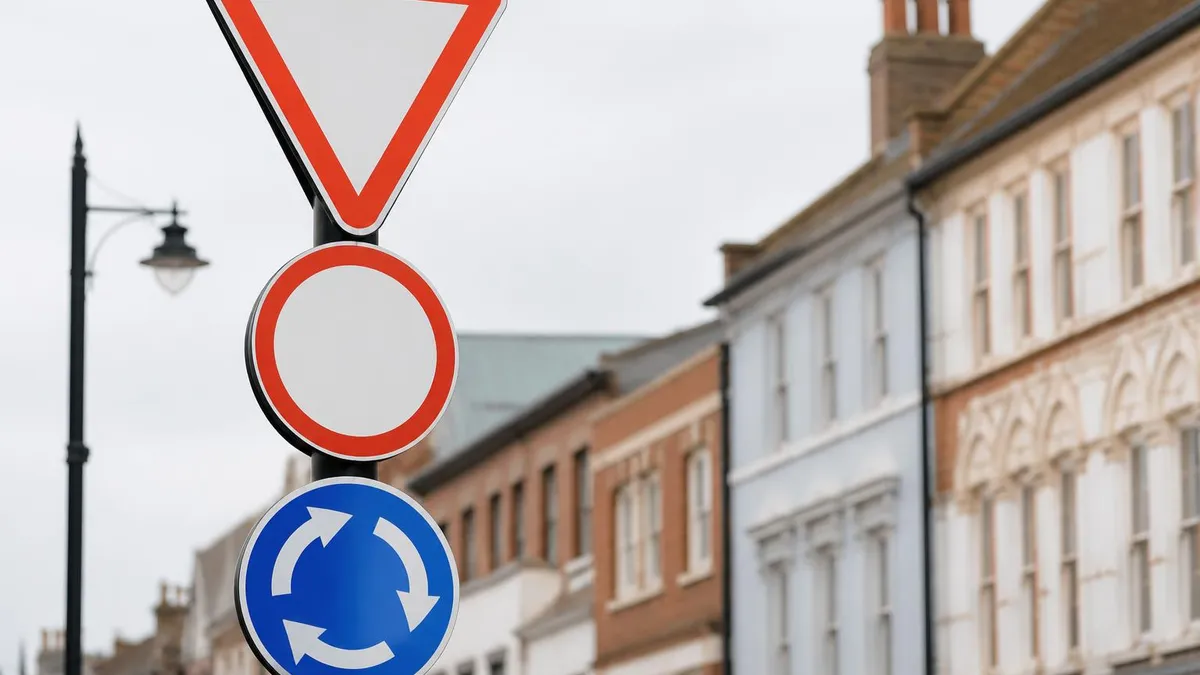
How to Cancel Your DVSA Driving Test Step by Step
Sign Into Your DVSA Account
Locate Your Active Booking
Select Cancel or Change Test
Confirm Your Reason
Receive Confirmation Email
Plan Your Next Steps
Refund eligibility for a driving test cancellation hinges entirely on the 10 full working days rule. To qualify for a full £62 refund, you must cancel by 11:59pm 10 full working days before your test, not counting Sundays or bank holidays but including Saturdays. If your test is on Wednesday morning, you must cancel by Friday evening of the previous week. Miss that window and your fee is forfeit, regardless of circumstance.
Many learners assume that medical emergencies or family bereavements automatically grant refund exceptions, but the DVSA policy is firm: standard refunds only apply when the notice period is met. There is, however, a discretionary appeals route where you can submit evidence such as a doctor's note, hospital admission record, or coroner's letter. Decisions are made on a case-by-case basis and can take six to eight weeks to process, so do not bank on this as your primary plan.
The refund itself returns to the original payment method, whether debit card, credit card, or PayPal. Processing times vary: card refunds typically clear within three to five working days, while bank transfers can take up to ten working days. If two weeks pass without the refund appearing, contact the DVSA customer support line with your booking reference and the cancellation confirmation email to escalate the case.
Pupils booked through a driving school or instructor sometimes face additional complications. If your instructor paid the fee on your behalf, the refund returns to them, not you. Clarify in advance who handles the refund and how it will be passed back. Some instructors charge an administrative fee for this service, which is legal as long as it was disclosed in your original lesson agreement. For booking process details, see our guide on how to Book Driving Test properly.
One often overlooked rule concerns short-notice cancellations within the three day window. Even though you lose the fee, you can still officially cancel rather than no-show. This matters because failing to attend without cancelling can flag your account and complicate future bookings. Always cancel formally, even when no refund is possible, to keep your DVSA record clean and your future test journey smooth.
If you paid using someone else's card, perhaps a parent or partner, the refund still returns to that card. The DVSA does not allow refunds to be diverted to a different account. Plan ahead if multiple people share booking responsibilities, and keep written records of who paid for what. This becomes especially important when households contain multiple learners testing within the same booking window.
Finally, be aware that resit tests after a fail are not refundable if the original test was completed. The cancellation refund policy only applies before the test is sat. If you fail, you must book a fresh appointment and pay again. This is the most expensive consequence of an unprepared attempt, which is why thorough preparation matters more than chasing the earliest available slot just because one appears.
DVSA Practice Test Questions
Prepare for the DVSA - UK Driving Theory Test exam with our free practice test modules. Each quiz covers key topics to help you pass on your first try.
DVSA Eco-Friendly Driving and Vehicle Loading
DVSA Exam Questions covering Eco-Friendly Driving and Vehicle Loading. Master DVSA Test concepts for certification prep.
DVSA Hazard Awareness
Free DVSA Practice Test featuring Hazard Awareness. Improve your DVSA Exam score with mock test prep.
DVSA Incidents, Accidents and First Aid
DVSA Mock Exam on Incidents, Accidents and First Aid. DVSA Study Guide questions to pass on your first try.
DVSA Motorway Rules and Smart Motorways
DVSA Test Prep for Motorway Rules and Smart Motorways. Practice DVSA Quiz questions and boost your score.
DVSA Rules of the Road (Highway Code)
DVSA Questions and Answers on Rules of the Road (Highway Code). Free DVSA practice for exam readiness.
DVSA - UK Driving Theory Hazard Awareness ...
DVSA Mock Test covering - UK Driving Theory Hazard Awareness and Perception. Online DVSA Test practice with instant feedback.
DVSA - UK Driving Theory Motorway Rules an...
Free DVSA Quiz on - UK Driving Theory Motorway Rules and Regulations. DVSA Exam prep questions with detailed explanations.
DVSA - UK Driving Theory Road and Traffic ...
DVSA Practice Questions for - UK Driving Theory Road and Traffic Signs. Build confidence for your DVSA certification exam.
DVSA - UK Driving Theory Rules of the Road
DVSA Test Online for - UK Driving Theory Rules of the Road. Free practice with instant results and feedback.
Driving Test Cancellation Scenarios Explained
If you wake up unwell on test day, you face a tough call. Driving when unfit endangers everyone on the road and almost guarantees a fail before you leave the test centre car park. Cancelling within 10 full working days means losing the fee, but pushing through can cost far more if you cause an incident or compound an illness.
For longer term injuries such as a broken arm or eye surgery recovery, the DVSA can pause your test if you provide medical documentation. Submit a GP letter or hospital discharge note via the customer service portal as soon as you know the timeline. Most reasonable medical adjustments are accepted when proof is clear and prompt.
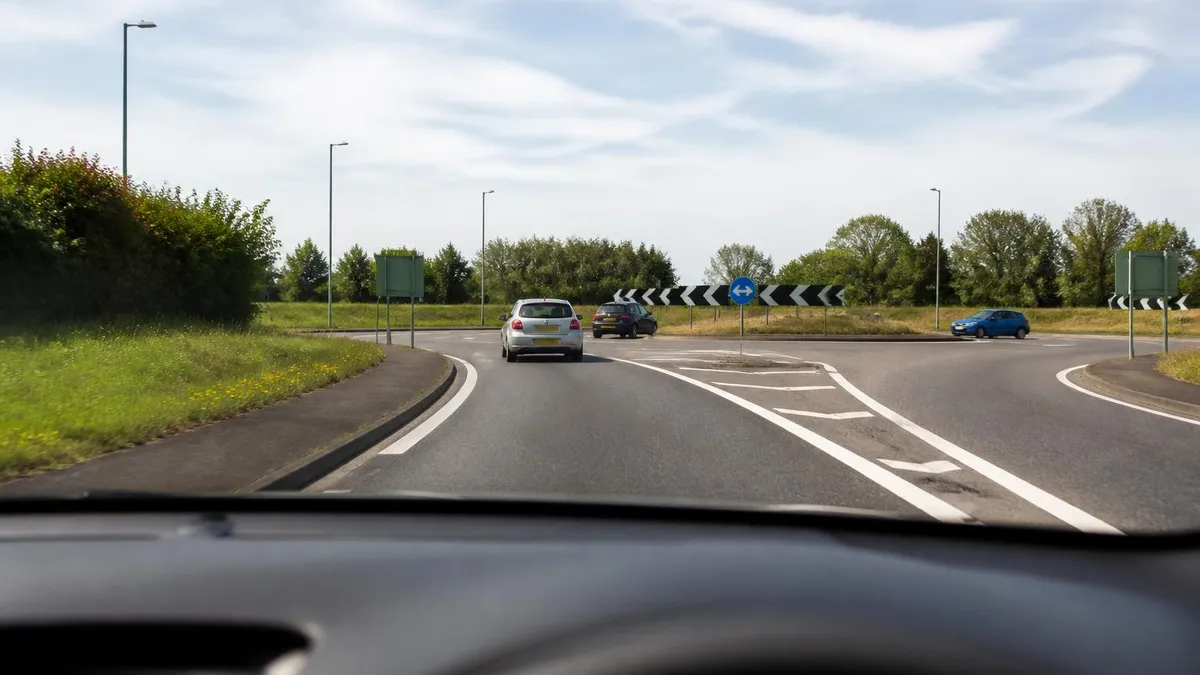
Should You Cancel or Reschedule Your Driving Test?
- +Rescheduling keeps your £62 fee tied to a new appointment with no loss
- +You can change the date up to six times per booking without penalty
- +Earlier cancellation slots can be grabbed via the change function
- +Maintains continuity in your DVSA record and avoids no-show flags
- +Allows quick movement when cancellation checker apps spot openings
- +Useful if you only need a short delay rather than a full restart
- −Cancelling forfeits your fee if done inside the three day window
- −Late cancellation refunds require evidence and take weeks to process
- −A fresh booking after cancellation may face longer waits than a reschedule
- −Rebooking from scratch resets your queue position at busy centres
- −Some test centres have waits exceeding 24 weeks for new bookings
- −Repeated cancellations can flag your account for review by DVSA staff
Pros and Cons at a Glance
| Pros | Cons |
|---|---|
| You can change the date up to six times per booking without penalty | Cancelling forfeits your fee if done inside the three day window |
| Earlier cancellation slots can be grabbed via the change function | Late cancellation refunds require evidence and take weeks to process |
| Maintains continuity in your DVSA record and avoids no-show flags | A fresh booking after cancellation may face longer waits than a reschedule |
| Allows quick movement when cancellation checker apps spot openings | Rebooking from scratch resets your queue position at busy centres |
| Useful if you only need a short delay rather than a full restart | Repeated cancellations can flag your account for review by DVSA staff |
Driving Test Cancellation Checklist Before You Click Cancel
- ✓Confirm the cancellation deadline based on 10 full working days notice
- ✓Check whether rescheduling is cheaper and easier than full cancellation
- ✓Locate your booking reference number from the original confirmation email
- ✓Decide which payment card the refund should return to
- ✓Have a medical certificate or proof ready if claiming a discretionary refund
- ✓Set a reminder for when refund should land in your account
- ✓Inform your driving instructor immediately to free up the lesson slot
- ✓Update your work or school calendar to remove the test day commitment
- ✓Save the cancellation confirmation email as proof for any future dispute
- ✓Plan whether you need additional lessons before rebooking your next attempt
The 10 full working days Rule Is Non-Negotiable
The DVSA's 10 full working days cancellation rule is enforced by an automated system that counts Saturday as a working day but excludes Sundays and bank holidays. If your test is on a Tuesday, you must cancel by 11:59pm the previous Wednesday to receive a refund. Bank holidays push this deadline earlier, so always check the official calendar before assuming your notice period.
Rebooking after a driving test cancellation often feels harder than the original booking, especially in 2026 where test centre waits remain stubbornly long after years of post-pandemic backlog. The average wait at busy urban centres like Birmingham, Manchester, and London hovers around 24 weeks, while quieter rural centres can offer slots within four to eight weeks. Your rebooking strategy should balance geography, urgency, and readiness.
The DVSA's official booking system shows the next available slots at your chosen centre, but it is rarely the fastest way to find one. Cancellation checker apps and websites refresh DVSA availability every few minutes and alert you when earlier slots open. Popular tools include Driving Test Cancellations, Test Find, and Find Me A Test, with prices ranging from free trials to £30 monthly subscriptions for high-frequency alerts.
Be cautious about which cancellation services you trust. Only the official gov.uk site can actually book or move your test, so any tool offering to book on your behalf is acting as a middleman and charging a markup. Legitimate cancellation checkers alert you to openings, but you complete the booking yourself. Avoid services demanding full payment upfront or asking for your DVSA password, which is a serious security breach.
If you have flexibility with location, widening your search radius dramatically improves your odds. A learner based in London might find slots within six weeks at Slough, Hemel Hempstead, or Crawley test centres, each within reasonable rail or driving distance. Some learners hire instructors local to the test centre for one or two lessons in the area to learn the routes before their appointment, which boosts confidence and pass rates.
Booking during off-peak times also helps. Tuesday, Wednesday, and Thursday tests outside of school holidays tend to have more availability than Monday morning or Friday afternoon slots. Mid-morning tests, typically between 10:00am and 12:00pm, see higher cancellation rates from candidates with morning anxiety, so refreshing the booking system at these times can yield results.
Once you secure a new slot, double-check your theory test pass certificate is still valid. Theory test passes expire after two years, and if your rebooked practical falls outside that window you must retake the theory test first. Many learners discover this too late and lose both their test fee and weeks of preparation. Confirm the expiry date on your theory certificate before finalising the practical booking.
Consider whether you need additional preparation time before rebooking. A common mistake is rebooking immediately out of urgency rather than waiting until you are genuinely test-ready. Two or three extra lessons can lift your readiness from borderline to confident, dramatically improving first-time pass rates. The current national average first-time pass rate is just 48%, partly because too many learners rush back into a fresh slot before mastering weaker manoeuvres.

Failing to attend your driving test without cancelling is treated as a no-show and forfeits the full £62 fee with no refund possible. Worse, repeated no-shows can flag your account for review and delay future bookings. Even if you cannot get the refund, always cancel formally through the official portal to keep your record clean.
When the DVSA cancels your driving test, the rules shift dramatically in your favour. Common reasons for examiner-side cancellations include staff shortages, industrial action, severe weather conditions like fog or ice, IT system failures at the test centre, and unexpected closures. In all these cases, the DVSA must offer you a free rebooking at the earliest available slot and may also be liable for reasonable out-of-pocket compensation.
You will normally receive notification by SMS, email, or phone, often the day before or even hours before your test. The notification should include instructions for rebooking and a reference number for any compensation claim. If you arrive at a test centre to find it closed without prior notice, photograph the building, note the time of arrival, and contact DVSA customer services immediately to register a formal complaint and start the compensation process.
Compensation typically covers driving lesson fees on the test day, the cost of hiring an instructor's car for the test slot, and lost wages where you can prove unpaid leave was taken. Submit your claim within fourteen days using the official online form, attaching receipts, instructor invoices, and an employer letter confirming unpaid absence. Claims under £200 are usually processed within four weeks, while larger amounts may take eight weeks or longer.
Weather-related cancellations are particularly common between November and February, when fog, snow, or black ice can make tests unsafe. The examiner has the final call, and once they decide conditions are unsuitable the test is rescheduled at no cost. Some learners arrive at the test centre hopeful, only to be turned away ten minutes later. Always check the test centre's social media or call ahead on poor weather mornings.
Industrial action by the Public and Commercial Services Union, which represents many DVSA examiners, has caused notable cancellations in recent years. During strike periods, the DVSA usually announces affected dates one to two weeks in advance, allowing you to plan around it. If your test falls within a strike window, expect it to be cancelled and rebooked automatically, though replacement slots may be weeks later. For further reading on test timing and process see our guide on Theory Test Duration.
If you experience repeated DVSA-side cancellations, you have the right to escalate via the Independent Complaints Assessors service after exhausting internal complaints. This route is free and can result in additional compensation for inconvenience. Document every interaction, save every email, and request written reasoning for each cancellation. Patterns of poor service should be reported to your local MP if a single test centre is consistently underperforming.
One final tip: when the DVSA reschedules your test, the new slot is sometimes shorter notice than the original. Make sure you confirm receipt and attendance promptly to avoid losing the rebooked appointment. Examiner-cancelled tests do not affect your test history, and you are entitled to walk into the rebooked test with the same expectations as the original, including any special accessibility arrangements you had previously requested.
Practical preparation matters more than any cancellation strategy when it comes to passing your driving test. Once you have navigated the cancellation and rebooking process, redirect your focus to the weak areas that may have contributed to the delay. Most failed tests come down to a small handful of recurring faults: observation at junctions, mirror checks before manoeuvres, steering control during reverse parking, and inappropriate speed on country roads or in town.
Book a two-hour assessment lesson with your instructor as soon as you confirm a new test date. Use this lesson to identify any rust that has developed since your last attempt or scheduled cancellation. Instructors who teach test centre routes specifically can drill you on the exact roundabouts, dual carriageways, and reversing bays the examiner is likely to use. This route familiarity alone can lift confidence enough to swing borderline performance into a clean pass.
Pay close attention to the show me tell me questions, which open every practical test. While only worth one minor fault if answered wrong, fumbling these creates a poor first impression and shakes your nerve before you even start the car. Common questions in 2026 cover windscreen washer top-up, headlight operation, tyre pressure checks, and demonstrating the handbrake function. Practise answering aloud rather than just memorising silently in your head.
Manage test day nerves by treating the morning like any normal driving lesson. Eat a light breakfast, avoid excessive caffeine, arrive fifteen minutes early, and use breathing exercises if your heart rate climbs. Examiners are trained to put learners at ease and will not penalise minor nerves, only the driving faults those nerves produce. The most common reason confident learners fail is rushing manoeuvres because they want the test to end quickly.
Use independent driving sections wisely. About twenty minutes of the test requires you to follow either sat nav directions or road signs without examiner prompts. Practise this format extensively in lessons, particularly missing exits and recovering safely. The examiner does not penalise wrong turns, only the driving fault that causes them. Stay calm, observe properly, and continue safely until you can correct.
Familiarise yourself with the standard test manoeuvres: parallel parking, bay parking forward and reverse, and pulling up on the right and reversing two car lengths. Each test includes one randomly selected manoeuvre, so master all four. Many learners practise one favourite and panic when an unexpected manoeuvre is called. Drill them all in different conditions, including narrow streets, busy car parks, and varied gradients to reflect real test scenarios.
Finally, treat the test as a normal drive rather than a high-stakes exam. The examiner wants you to pass and is rooting for safe, sensible driving. Trust the hundreds of hours you have already invested, and remember that even a serious fault does not automatically end the test. Continue driving safely until told otherwise, because many candidates fail the test in their head before the examiner has even decided the outcome.
Sample DVSA UK Driving Theory Practice Questions
Try these questions from our free DVSA UK Driving Theory practice tests. The correct answer and an explanation follow each question.
During a 'show me' question on a practical driving test, the examiner asks you to demonstrate how you would check that the brake lights are working. What is the correct procedure?
- A. Switch on the ignition, turn on the hazard lights, and walk around the car.
- B. Operate the brake pedal and check for a warning light on the dashboard.
- C. Operate the brake pedal and use reflections in windows or ask someone to help check.
- D. Pump the brake pedal several times to see if the pressure feels correct.
Answer: C. Operate the brake pedal and use reflections in windows or ask someone to help check.
The correct way to check the brake lights is to operate the brake pedal while making use of reflections in windows, garage doors, or other vehicles, or by asking another person to stand at the rear of the vehicle to confirm they are lit.
A roof rack with no load fitted to your vehicle will:
- A. Improve fuel economy by reducing drag underneath
- B. Increase fuel consumption due to extra aerodynamic drag
- C. Have no effect on performance or fuel use
- D. Reduce tyre wear
Answer: B. Increase fuel consumption due to extra aerodynamic drag
Even an empty roof rack creates additional aerodynamic drag, which forces the engine to work harder and increases fuel consumption.
Which of the following road markings indicates that you must not stop your vehicle at any time?
- A. A single yellow line along the edge of the road
- B. A broken white line in the centre of the road
- C. Double red lines along the edge of the road
- D. Yellow zigzag lines outside a school
Answer: C. Double red lines along the edge of the road
Double red lines, found on 'Red Routes', mean that no stopping is allowed at any time for any reason (except for licensed taxis or Blue Badge holders in some cases). This is a stricter control than single or double yellow lines.
You have just bought a brand-new car. When will it need its first MOT test?
- A. On the first anniversary of its registration.
- B. After it has been driven 12,000 miles.
- C. On the third anniversary of its registration.
- D. When the manufacturer's warranty expires.
Answer: C. On the third anniversary of its registration.
A new car in the UK does not require an MOT test until the third anniversary of its first registration date. After this, it must be tested annually.
DVSA Questions and Answers
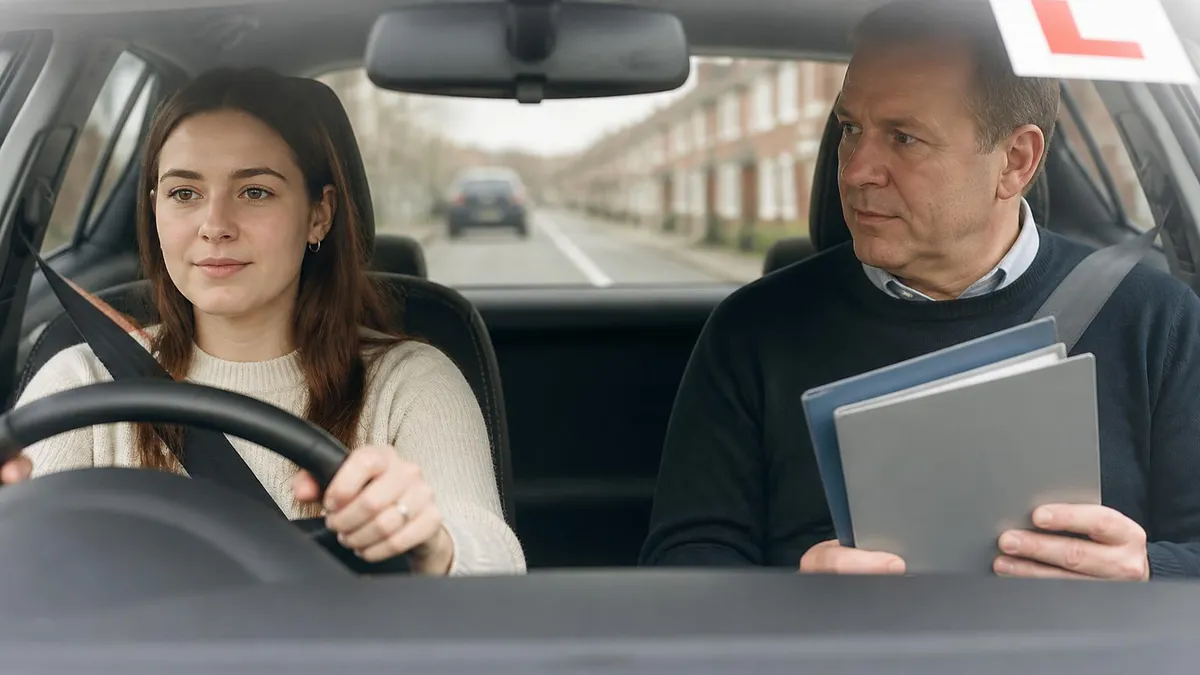
Practice Theory Test: Free UK Driving Practice (2026)

Theory Test Book: Best Study Books to Pass in 2026
How Long Does the Theory Test Take? Complete UK Timing Guide 2026
Theory Test Booking Change: How to Reschedule, Cancel & Move Your DVSA Test in 2026
Book Driving Test: How to Schedule Your DVSA Test Online, Costs & What to Expect
About the Author
Licensed Driving Instructor & DMV Test Specialist
Penn State UniversityRobert J. Williams graduated from Penn State University with a degree in Transportation Management and has spent 20 years as a certified driving instructor and DMV examiner consultant. He has personally coached thousands of applicants through written knowledge tests, skills assessments, and commercial driver licensing programs across more than 30 states.