
Driving Instructors Near Me: How to Find the Best UK Driving Instructor in Your Area
Searching for driving instructors near me? Compare ADI grades, lesson prices, pass rates and booking tips to find the best UK driving instructor fast. ✍🏼
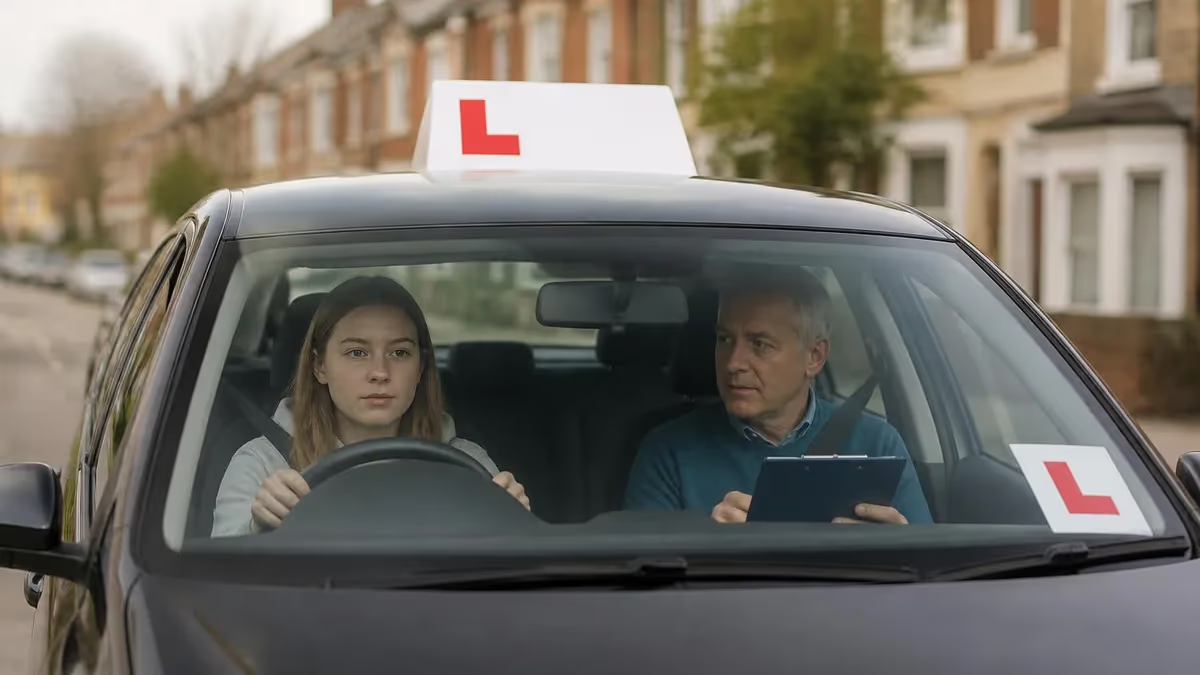
Searching for driving instructors near me is one of the most important decisions a UK learner driver will make, because the right instructor can dramatically reduce the time, money and stress involved in passing your practical test. Every Approved Driving Instructor (ADI) in Great Britain is registered with the DVSA, displays a green badge, and is graded on the quality of instruction they deliver. Choosing carefully from the start saves you from costly retakes, mismatched teaching styles and unreliable scheduling later in your learning journey.
Most learners begin by typing their postcode into Google, scrolling through a handful of local listings, and picking whichever instructor has the cheapest introductory offer. That approach often backfires. A truly local instructor knows the test routes used by your nearest practical test centre, understands the regional road layouts, and can structure lessons around the manoeuvres examiners frequently assess in your specific area. Local expertise is one of the strongest predictors of a first-time pass.
Before you start booking lessons, it is worth completing your theory test practice so that you have already passed the theory exam, because most professional instructors prefer learners to have at least some theoretical knowledge before they take the wheel. This shows commitment, keeps your hourly lesson cost productive, and means your instructor can immediately focus on car control, observation and hazard response rather than basic Highway Code revision during paid driving time.
The cost of lessons varies widely across the UK. In London and the South East, hourly rates can reach £42 to £50, while in parts of the North, Wales and Scotland you may still find instructors charging £32 to £36 an hour. Block-booking packages of ten hours often shave £20 to £50 off the total, and intensive courses delivered over one or two weeks can compress the learning curve if you have already done significant preparation work.
Quality matters more than headline price. The DVSA grades ADIs from Grade A (highest) down to Grade B, and only instructors graded A or B are licensed to charge for tuition. A Grade A instructor has scored 85% or higher in their standards check and tends to produce significantly better first-time pass rates than the national average. When phoning around, always ask which grade your prospective instructor holds and when they were last assessed.
You should also weigh up practical factors such as car type (manual or automatic), availability around your work or college timetable, pickup locations and whether the instructor offers Pass Plus and motorway tuition after the test. The best driving instructors will happily provide a structured syllabus, regular progress reports and a clear plan for when you should attempt your practical test, rather than simply turning up each week and driving aimlessly around residential streets.
This guide walks you through everything you need to know to find, vet and book the right instructor near you, including how to verify their DVSA registration, what questions to ask on your first call, how to spot red flags, and how to combine lessons with private practice for maximum efficiency. Whether you are seventeen and brand new behind the wheel, or an older learner returning after years away, these principles apply equally.
UK Driving Instructors by the Numbers
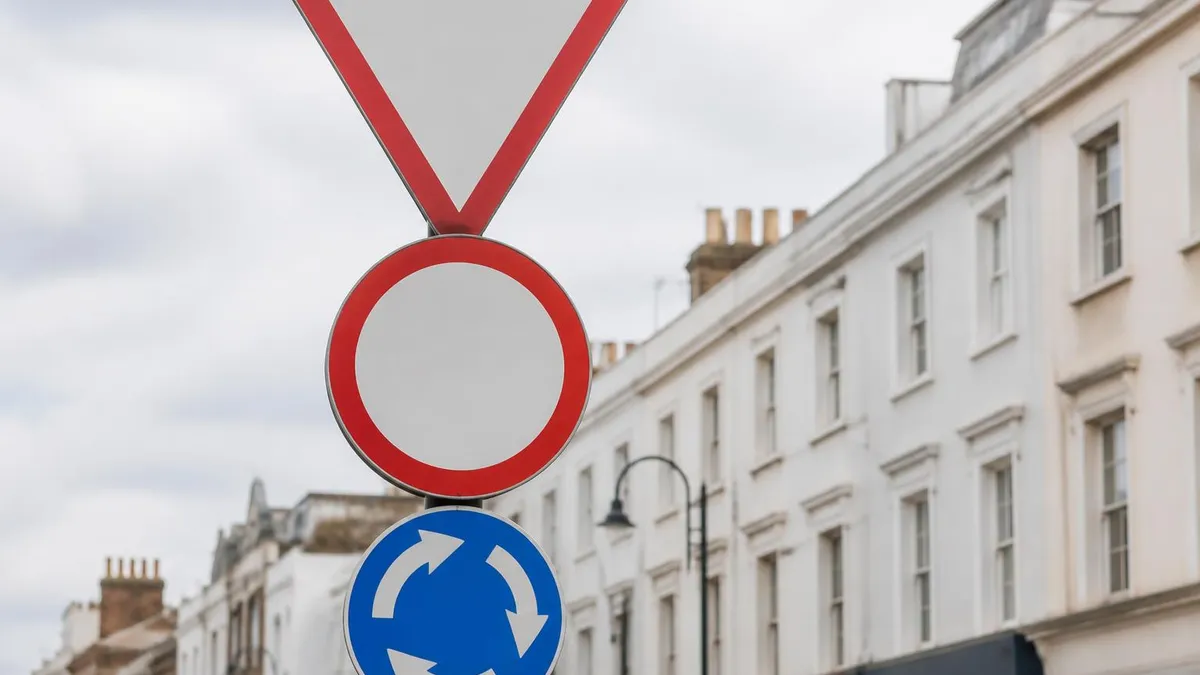
How to Verify a Driving Instructor Is Properly Approved
Every fully qualified ADI must display a green hexagonal certificate on the windscreen showing their photo, registration number and expiry date. A pink triangular badge indicates a trainee instructor still working towards full ADI status.
Use the official Find your nearest driving instructor service on GOV.UK, which lists only DVSA-registered ADIs by postcode. You can filter for gender preference, automatic vehicles and disability adaptations to match your needs.
ADIs are graded A or B based on a standards check that examines lesson planning, risk management and teaching skills. Ask which grade your instructor currently holds and when they were last assessed by the DVSA.
A professional tuition car should have dual controls, be insured for instruction, display L-plates and ideally be a recent model with modern safety features. Older or poorly maintained cars suggest a less committed instructor.
Check Google Reviews, Trustpilot and local Facebook groups for independent feedback. Look for patterns across many reviews rather than one stellar testimonial, and pay attention to comments about patience, punctuality and pass rates.
When you start looking for driving instructors near me, the search itself can feel overwhelming. Google Maps will throw up dozens of listings within a few miles of your postcode, ranging from independent self-employed ADIs to national franchise schools such as AA, RED, Bill Plant and Acclaim. Each route has trade-offs in price, flexibility and personalisation, and the option that suits one learner perfectly may be entirely wrong for another. Take the time to weigh up the differences carefully.
National franchises offer scale and convenience. They usually have local instructors covering most postcodes, provide standardised training materials, and can shuffle you onto a different instructor if your first one is unavailable or unsuitable. The downside is that prices are typically a few pounds per hour higher than independents, and your relationship with a single instructor may be less personal. Some learners value the structured curriculum; others find it impersonal compared to a long-term independent teacher.
Independent instructors, by contrast, are often Grade A teachers who have built strong local reputations over many years. Because they own their own business, they can offer flexible pricing, custom block-booking deals and tailored lesson plans. Word of mouth in your community is usually the best way to find a top independent. Ask friends, siblings, colleagues or college classmates who recently passed which instructor they used and whether they would recommend them again to others.
Local Facebook groups, NextDoor posts and university student unions can be goldmines for honest recommendations. Search for posts asking the same question you are asking now, scroll through the comments, and note any instructor whose name appears repeatedly from different users. A pattern of unsolicited positive mentions is far more reliable than the curated testimonials displayed on an instructor's own website, which naturally feature only the most glowing feedback rather than balanced reviews.
Always speak to your shortlisted instructor by phone before booking. A two-minute conversation will tell you a great deal about their professionalism, patience and communication style. Ask how they structure lessons, whether they provide written progress reports, how long they have been teaching and what their current first-time pass rate is. An instructor who refuses to share this information, or who pressures you into block-booking immediately, is showing you a red flag worth taking seriously.
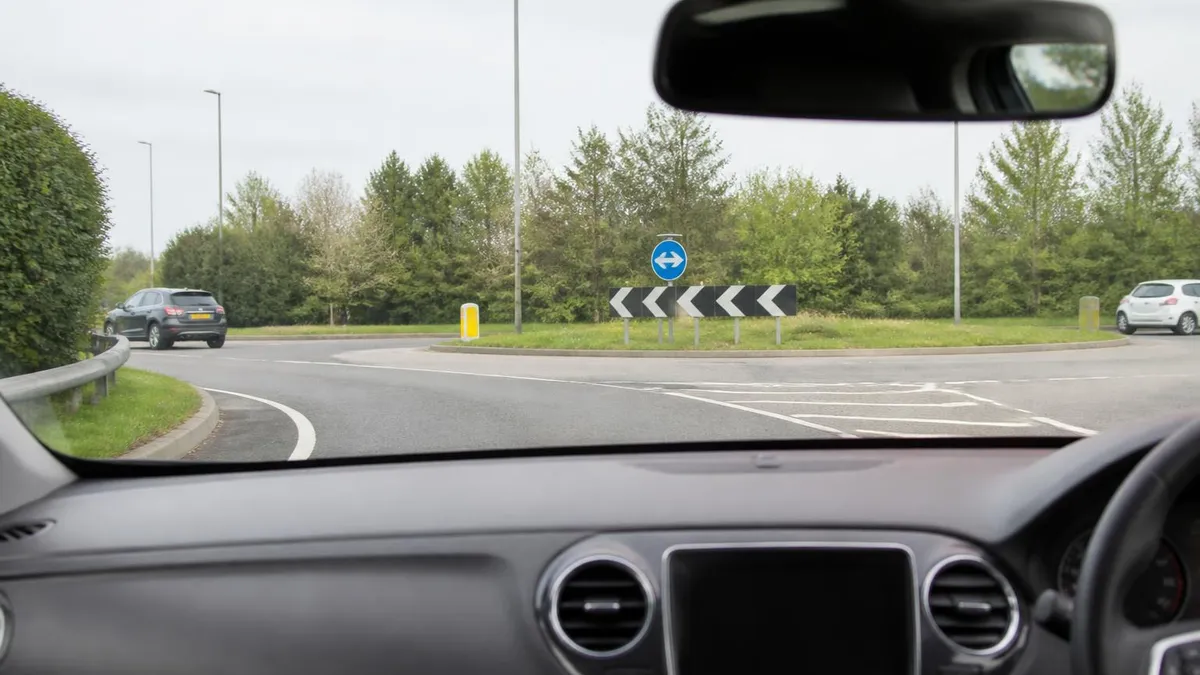
Geography matters more than most learners realise. Ideally your instructor should be based within a few miles of your practical test centre so they know the local test routes intimately. Some routes include tricky multi-lane roundabouts, narrow rural lanes or busy one-way systems that examiners deliberately use to assess your skills. Familiarity with these exact roads can be the difference between a confident pass and a nervous fail when you take your test. Consider also how this fits with your planned change driving test options if you later need to reschedule.
Finally, consider whether you want a male or female instructor, an older or younger teacher, and whether you would feel more comfortable with someone who speaks your first language. The DVSA register allows you to filter by gender and language, and many learners report that matching these preferences significantly improves confidence behind the wheel during the early lessons when nerves are highest.
DVSA Practice Test Questions
Prepare for the DVSA - UK Driving Theory Test exam with our free practice test modules. Each quiz covers key topics to help you pass on your first try.
DVSA Eco-Friendly Driving and Vehicle Loading
DVSA Exam Questions covering Eco-Friendly Driving and Vehicle Loading. Master DVSA Test concepts for certification prep.
DVSA Hazard Awareness
Free DVSA Practice Test featuring Hazard Awareness. Improve your DVSA Exam score with mock test prep.
DVSA Incidents, Accidents and First Aid
DVSA Mock Exam on Incidents, Accidents and First Aid. DVSA Study Guide questions to pass on your first try.
DVSA Motorway Rules and Smart Motorways
DVSA Test Prep for Motorway Rules and Smart Motorways. Practice DVSA Quiz questions and boost your score.
DVSA Rules of the Road (Highway Code)
DVSA Questions and Answers on Rules of the Road (Highway Code). Free DVSA practice for exam readiness.
DVSA - UK Driving Theory Hazard Awareness ...
DVSA Mock Test covering - UK Driving Theory Hazard Awareness and Perception. Online DVSA Test practice with instant feedback.
DVSA - UK Driving Theory Motorway Rules an...
Free DVSA Quiz on - UK Driving Theory Motorway Rules and Regulations. DVSA Exam prep questions with detailed explanations.
DVSA - UK Driving Theory Road and Traffic ...
DVSA Practice Questions for - UK Driving Theory Road and Traffic Signs. Build confidence for your DVSA certification exam.
DVSA - UK Driving Theory Rules of the Road
DVSA Test Online for - UK Driving Theory Rules of the Road. Free practice with instant results and feedback.
Driving Instructors Near Me: Costs and Lesson Packages Explained
Single hourly lessons across the UK typically range from £32 to £50, with the national average sitting around £38. London, Brighton, Edinburgh and other expensive cities push rates towards the upper end, while smaller towns in the Midlands, North East and Wales remain more affordable. Always ask whether the quoted price is inclusive of fuel, vehicle hire and instructor time, because some less scrupulous schools advertise low headline rates but add surcharges later.
A standard lesson lasts either 60 or 90 minutes, although many instructors recommend two-hour sessions for faster progress. Two-hour blocks give you time to drive to a quieter practice area, work on a specific manoeuvre repeatedly, and consolidate skills before driving home. Younger learners sometimes find two hours mentally exhausting, so judge your own concentration honestly when choosing between hour-long and longer lesson formats during your first few weeks.
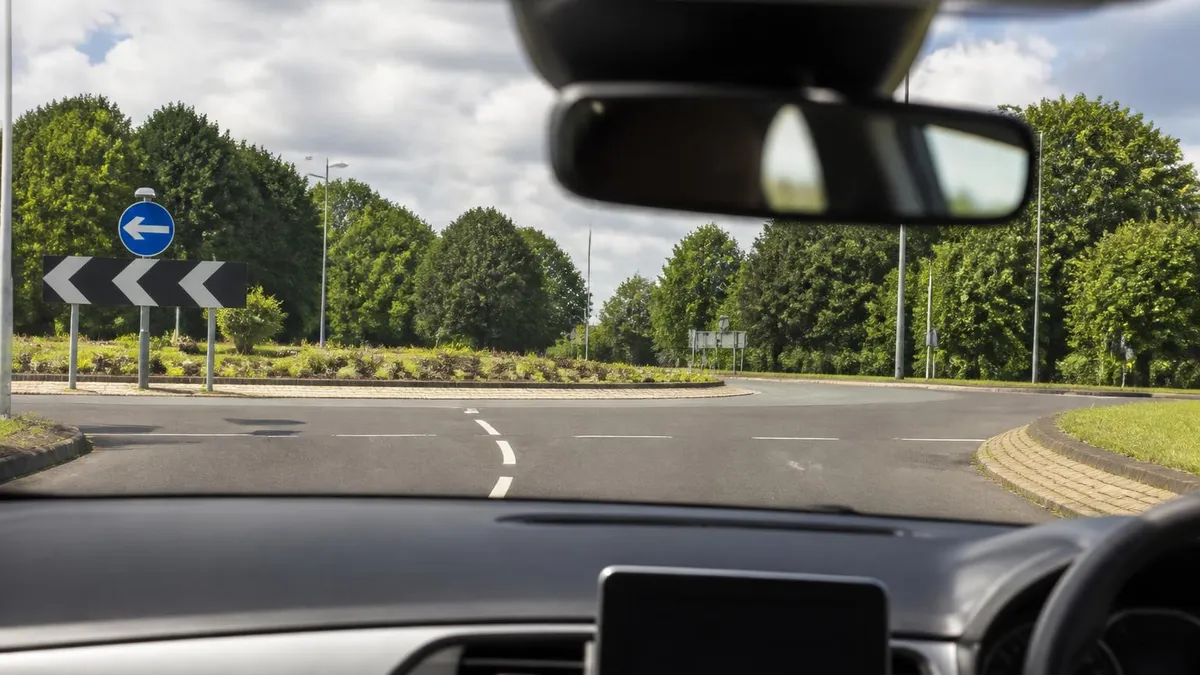
Independent ADI vs National Driving School: Which Is Better?
- +Independent instructors often hold Grade A and have decades of local route knowledge
- +More flexible pricing and personalised block-booking discounts than franchises
- +Direct relationship with one teacher who knows your strengths and weaknesses
- +Greater scheduling flexibility around shift work, college and family commitments
- +Tailored lesson plans rather than a rigid corporate curriculum
- +Money paid goes directly to your teacher rather than franchise overheads
- +Stronger word-of-mouth reputation in tight-knit local communities
- −No backup instructor if your ADI is ill or unavailable for several weeks
- −Quality varies widely between independents and harder to vet from a distance
- −Smaller marketing budgets mean less visibility on Google search results
- −Independent cars may be older with fewer modern safety features
- −No standardised progress tracking system across multiple lessons
- −Limited financing options compared to franchise interest-free plans
- −Sole-trader ADIs may retire or stop teaching with little warning
Booking Checklist Before Your First Driving Instructors Near Me Lesson
- ✓Verify the instructor's DVSA registration on the official GOV.UK find an instructor service
- ✓Confirm whether they are a Grade A or Grade B ADI from their latest standards check
- ✓Check that their tuition vehicle is fitted with dual controls and modern safety features
- ✓Read at least ten independent Google or Trustpilot reviews before committing to lessons
- ✓Phone the instructor personally to assess their communication style and patience
- ✓Ask for their current first-time practical test pass rate compared to the local average
- ✓Confirm the hourly rate, block discount and refund policy in writing before paying
- ✓Check whether they cover your nearest practical test centre and know the test routes
- ✓Ensure your provisional licence is valid, signed and the photo is up to date
- ✓Have your theory test booked or already passed before starting practical tuition
Book two-hour lessons after the first month
Once you are past the initial nervous phase, switching from one-hour to two-hour lessons accelerates progress dramatically. The extra hour each session lets your instructor drive you to varied roads, repeat tricky manoeuvres until they click, and consolidate skills in real traffic. Learners who switch to two-hour lessons typically need fewer total hours to reach test standard, saving money overall despite the bigger upfront cost per session.
Deciding between manual and automatic lessons is one of the first major choices when you search for driving instructors near me, and it influences not just your tuition cost but your future freedom on the road. A manual licence allows you to drive any car, manual or automatic, while an automatic licence restricts you legally to automatic vehicles only. For most UK learners, holding a full manual licence remains the more flexible long-term option, particularly if you might rent cars abroad or buy a second-hand vehicle on a budget.
Manual lessons take longer to master because you must simultaneously learn clutch control, gear selection and biting-point management while coordinating with steering, observation and road positioning. The DVSA estimates the average learner needs around 45 hours of professional tuition plus 22 hours of private practice to reach manual test standard, although many people require significantly more depending on confidence, age and natural coordination behind the wheel. Patience and regular practice make the biggest difference.
Automatic lessons appeal strongly to nervous drivers, older learners and those returning to driving after a long break. With no clutch or gear stick to worry about, you can concentrate fully on observation, hazard awareness and decision-making. Pass rates for automatic tests are typically slightly higher than manual, and many learners reach test standard in 25 to 35 hours rather than the manual average. The trade-off is that automatic-only licence holders pay more for cars and have a narrower vehicle choice.
The growing popularity of electric and hybrid cars is rapidly tipping the balance further towards automatic. New petrol and diesel sales will end in 2030 under current UK government policy, and almost every EV uses a single-speed automatic gearbox. If you are seventeen now and learning to drive, you may rarely encounter a manual gearbox during your driving career. Many instructors are switching their fleets to automatic and electric to reflect this shift in consumer demand.
That said, manual remains the dominant option among UK learners in 2026, and most driving schools still teach predominantly in manual cars. Manual licences also carry a small social cachet among older generations, who still associate automatic driving with restricted licences. If you have the time and budget, learning manual first opens every door, and you can always choose to drive automatic vehicles later if you prefer the simplicity. Many instructors will let you try a single trial lesson in each transmission.
Cost differences are modest but real. Automatic lessons typically cost £2 to £5 more per hour than manual, because automatic tuition cars are more expensive to buy and maintain. Over an average learning journey, automatic learners save money on total tuition because they need fewer hours overall, but manual learners gain a more versatile licence. Calculate the lifetime value rather than just the hourly rate when making your decision about which route suits you best.
Some instructors specialise in nervous drivers, mature learners, autistic learners or those with specific disabilities. The DVSA register lets you filter for instructors offering adapted vehicles and specialist teaching approaches. If you have struggled with previous instructors, are returning after a serious accident, or have a medical condition affecting your driving, seek out a specialist rather than persevering with a generalist. The right teacher transforms a stressful experience into an enjoyable one entirely.

It is illegal in the UK for anyone to charge for driving tuition unless they are a DVSA-approved ADI or a registered trainee with a pink badge. Friends, family or unregistered tutors can supervise private practice for free, but they cannot legally accept payment. Always check the green badge in the windscreen before your first lesson begins. Reporting unregistered instructors protects future learners from poor and potentially dangerous teaching.
Maximising the value of every lesson you pay for is the single most powerful way to keep your overall driving instruction costs under control. The learners who pass first time on minimal hours are not necessarily the most naturally gifted drivers; they are usually the ones who arrive prepared, reflect on feedback, and combine professional lessons with consistent private practice. The same instructor will produce wildly different outcomes with two equally able learners depending on their attitude to preparation.
Arrive at every lesson well-rested, fed and free of distractions. Driving requires sustained attention, and trying to concentrate after a poor night's sleep or on an empty stomach wastes both your money and your instructor's time. Plan lessons for times of day when you are mentally sharpest, which for most teenagers is mid-morning or early afternoon rather than first thing in the morning. Avoid booking lessons immediately after exams or long shifts at work whenever possible.
Take notes after each session. Spend five minutes jotting down what your instructor praised, what they corrected, and which manoeuvres still feel uncomfortable. Review these notes before your next lesson so you can ask focused questions and practise specific weaknesses. Many top instructors now use lesson apps or printed progress sheets that show your current ability against the DVSA syllabus. Use this data to drive your own learning rather than passively waiting for the instructor.
Supplement professional lessons with private practice in a friend's or family member's car. The supervising driver must be over 21, have held a full licence for at least three years, and the car must be appropriately insured for a learner driver. Even one or two hours of private practice per week reinforces what your instructor taught you, builds confidence in different vehicles, and accelerates your readiness for the practical test. Many learners find driving test cancellations resources useful when seeking an earlier test date once they are practically ready.
Continue your theory revision throughout your practical lessons even after you have passed the theory exam. Hazard perception skills, road sign knowledge and Highway Code awareness all directly translate into better practical driving. Take a few minutes each day to review tricky topics, watch hazard perception clips, or read up on changes to UK road law. The strongest practical drivers always have rock-solid theoretical foundations underpinning their behind-the-wheel decisions.
Communicate openly with your instructor. If a teaching technique is not working, say so politely and ask for an alternative explanation. Good instructors welcome this feedback because their reputation depends on results. Similarly, if you feel pressured to take the test before you are ready, or are stuck on a manoeuvre week after week with no progress, speak up. A frank mid-course conversation often produces a breakthrough where weeks of silent frustration would not.
Finally, treat your driving lessons as an investment rather than a recurring expense. The total cost of learning to drive in the UK averages around £1,700 once theory, practical fees, lessons and private practice are included. Compared to the lifetime value of a driving licence in terms of career mobility, family logistics and personal freedom, this is a small price to pay. Choose your instructor as carefully as you would choose any other professional you trust with your future.
As your test date approaches, the relationship with your driving instructor shifts from teaching to fine-tuning, and these final weeks of preparation often determine whether you pass first time or need a retake. Your instructor should now be focusing on test-route familiarisation, repeating any weak manoeuvres until they are entirely automatic, and simulating real test conditions including independent driving and following sat-nav instructions. If you are not yet doing mock tests, ask for them now.
Mock tests are full-length practice sessions in which your instructor plays the role of examiner, gives standardised instructions, marks faults on a real DL25 form, and gives you a pass or fail result at the end. Doing two or three mock tests in the fortnight before your real exam dramatically reduces anxiety on test day because the format already feels familiar. Treat each mock seriously, as if it were the actual examination, including arriving prepared and dressed appropriately.
Pay particular attention to the show-me-tell-me vehicle safety questions. Examiners ask one tell-me question before driving begins and one show-me question during the drive itself. Failing both still only counts as one minor fault, but a confident demonstration sets a positive tone with the examiner from the very first moment. Your instructor should provide a printed list of the twenty possible questions and quiz you on them periodically during lessons over the final weeks.
Independent driving is now a full twenty-minute section of the practical test, during which you follow either sat-nav directions or road signs without prompting from the examiner. Practise both formats with your instructor, including what to do when you miss a turning or the sat-nav makes a mistake. Examiners want to see that you make safe, decisive choices rather than panicking when something goes slightly wrong on the planned route. Calm recovery from errors is genuinely valued.
Sleep, hydration and nerves all play a bigger role than most learners admit. The night before your test, avoid alcohol, caffeine after midday, and screens for an hour before bed. Eat a normal breakfast, arrive at the test centre fifteen minutes early, and use the bathroom before signing in. Your instructor will typically meet you at the centre, hand over the car keys, and may sit in the back during the test if you choose to invite them along for support.
If your test is far away or you struggle to find an early date, explore the free theory test resources alongside cancellation-checker services to find earlier slots. Many learners shave weeks off their wait by checking three or four times a day for last-minute cancellations near them. Your instructor may also have insider knowledge of which nearby test centres have shorter waiting lists, although you must ensure they can take you there in time on the day.
Whatever the outcome on test day, remember that a fail is not the end of the journey. Most learners who pass on their second attempt do so within six to eight weeks of the first try, having identified specific weaknesses to address. Discuss the examiner's feedback openly with your instructor, plan a focused six-lesson block to target the failure points, rebook your test promptly, and walk back in confident next time. The right instructor will support you through both outcomes with equal professionalism.
DVSA Questions and Answers

About the Author
Licensed Driving Instructor & DMV Test Specialist
Penn State UniversityRobert J. Williams graduated from Penn State University with a degree in Transportation Management and has spent 20 years as a certified driving instructor and DMV examiner consultant. He has personally coached thousands of applicants through written knowledge tests, skills assessments, and commercial driver licensing programs across more than 30 states.