
Theory Test Book: Best Study Books to Pass in 2026 September
⏳ Find the best theory test books for UK driving licence preparation. Covers the Highway Code, DVSA official books, and study guides to pass first time.

The Theory Test Book: What You Need and Why
Preparing for the UK driving theory test requires thorough knowledge of the Highway Code and a clear understanding of how the DVSA frames questions on road safety, vehicle handling, and traffic law. The right study books give you the foundational knowledge needed to answer multiple choice questions correctly, while timed practice tests train you to apply that knowledge under realistic exam conditions.
Both elements matter equally — candidates who study the books without practising test questions often struggle with phrasing and distractors on the real test, while candidates who only practise without understanding the underlying content plateau well below passing score.
The official theory test book ecosystem comes from the DVSA (Driver and Vehicle Standards Agency), which publishes the underlying learning materials — the Highway Code, Know Your Traffic Signs, and the official DVSA Theory Test books — through The Stationery Office (TSO). These are the most authoritative preparation resources because the multiple choice question bank that appears on real theory tests is drawn directly from the content in these official publications. If you know the Highway Code thoroughly and have studied Know Your Traffic Signs, you've covered the source material for a substantial proportion of the written exam.
Third-party publishers — including the AA, RAC, and various independent driving theory revision publishers — produce their own theory test preparation books. These typically combine explanations of key concepts with practice questions drawn from or modelled on the DVSA question bank. Some candidates prefer third-party books for their more accessible writing style, visual layouts, and the way they organise content by topic rather than presenting the Highway Code as a single document.
Using a combination of the official Highway Code and a well-structured third-party revision book is the approach most driving instructors recommend — the Highway Code provides authoritative accuracy; the revision book provides structured, digestible organisation that makes topic-by-topic studying more practical.
Digital versions of all these resources are available alongside physical books. The DVSA publishes official app-based theory test preparation (the DVSA Theory Test Kit) that contains the actual question bank — a significant advantage over any printed revision book, which cannot contain the exact wording of live questions. Understanding where books, apps, and practice tests complement each other helps you build a more effective preparation plan before your test appointment. For a full overview of the UK driving theory test including what it covers and how it's structured, the test guide is the starting point for any preparation plan.
- The Highway Code: Official DVSA publication — the primary source for theory test content. Available as a physical book (around £4.50) and free online at gov.uk/highway-code
- Know Your Traffic Signs: Official DVSA publication covering all UK road signs — essential for the sign recognition questions in the theory test
- DVSA Theory Test Kit (app): Official DVSA app containing the real question bank — the most accurate practice resource available, approximately £4.99
- AA/DSA Driving Theory Test book: Popular third-party revision book with explanations, images, and practice questions — good supplement to the Highway Code
- Online free resources: Multiple websites offer DVSA-topic practice questions free, including this site's practice test section
- Update frequency: The Highway Code is updated periodically — always use the current edition; January 2022 brought significant changes to priority rules
How to Use Theory Test Books in Your Study Plan
Week 1: Read the Highway Code Cover to Cover
Week 1-2: Study Know Your Traffic Signs Thoroughly
Week 2-3: Work Through a Theory Test Revision Book
Week 3-5: Move to Full Mock Tests
Final Week: Hazard Perception Practice and Light Review
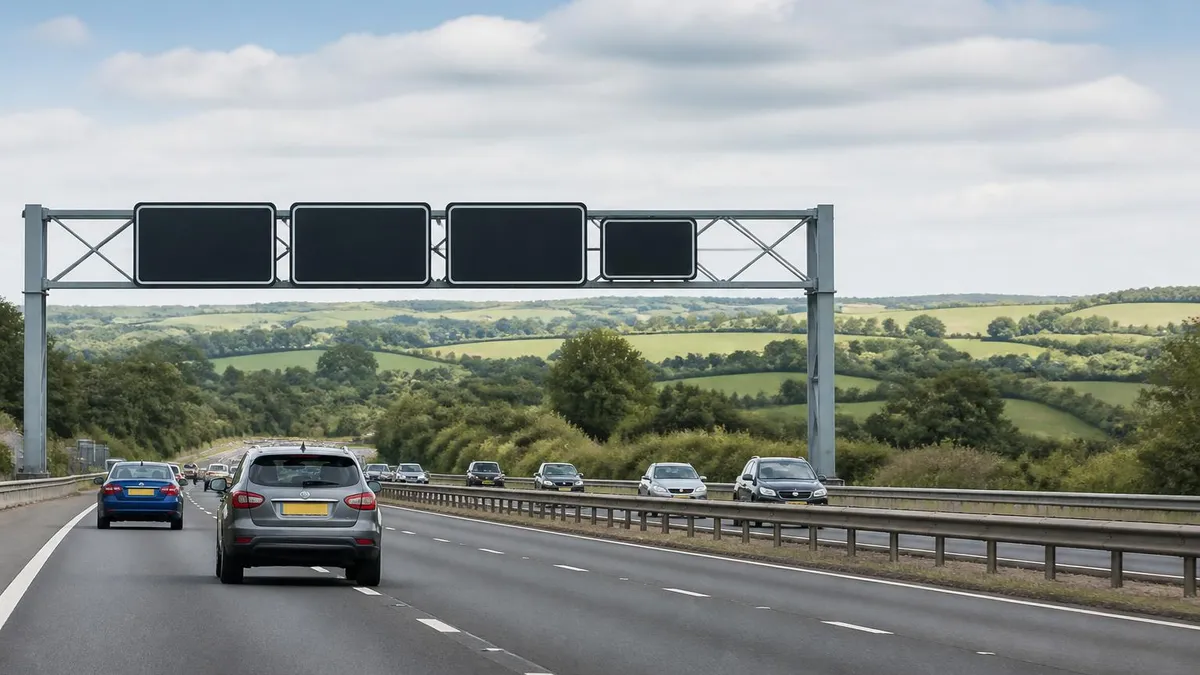
The Highway Code: The Most Important Theory Test Book
The Highway Code is the essential theory test study book. Published by the DVSA and updated periodically to reflect changes in road law, it covers the rules and guidance that govern all road users in the UK — drivers, motorcyclists, cyclists, pedestrians, horse riders, and agricultural vehicles. The theory test multiple choice question bank is drawn primarily from Highway Code content, making thorough familiarity with the current edition the single most effective preparation action you can take.
The Highway Code is organised into sections covering different aspects of road use: rules for pedestrians, rules for cyclists, rules for motorcyclists, rules for drivers and motorcyclists in specific situations (junctions, roundabouts, level crossings, motorways, tunnels), general advice on road use, and a comprehensive section on road signs, signals, and road markings. Each rule is numbered — when theory test questions reference specific rules, these numbers correspond to the Highway Code's numbering system. Knowing the Highway Code by rule number isn't necessary, but understanding the content of each section is.
The January 2022 Highway Code update introduced significant changes that are now examined on the theory test. The most notable change is the hierarchy of road users — a formal priority ordering that places pedestrians at the top, followed by cyclists, then motorcyclists, then cars and taxis, then heavy vehicles. This hierarchy changes right-of-way rules at junctions: drivers turning at a junction must give way to pedestrians crossing or waiting to cross, and must give priority to cyclists going straight ahead at junctions.
Questions testing this hierarchy appear regularly on the current theory test. If you have an older edition of the Highway Code purchased before January 2022, it will not reflect these changes — you must use the current edition or read the current Highway Code online at gov.uk/highway-code for free.
The physical Highway Code costs approximately £4.50 in bookshops and online retailers. The full text is available free at gov.uk/highway-code, updated in real time whenever changes are made. Many candidates use the free online version as their primary reference, keeping it bookmarked for quick lookup during topic-specific study. For the most accurate preparation on questions relating to the practice theory test questions, particularly road signs and right-of-way rules, the Highway Code is the definitive reference material.
The Four Essential Theory Test Study Resources
The primary source for theory test content — rules for all road users, traffic signs and signals, and legal requirements for drivers. Cost: ~£4.50 physical or free online at gov.uk/highway-code. Must be the current January 2022 or later edition. The most important book for theory test preparation.
Official DVSA publication covering every UK road sign in detail — warning signs, mandatory signs, information signs, road markings, signals from controllers, and light signals. Cost: ~£4.99. Covers the sign vocabulary tested in the theory test, including less common signs that catch many candidates off guard.
The official DVSA app containing the actual multiple choice question bank used in real theory tests. Cost: ~£4.99 on iOS/Android. Includes full mock tests, topic-filtered practice, case study questions, and official hazard perception practice clips. Most accurate preparation resource available.
AA, RAC, and other publishers produce topic-organised revision books with explanations and practice questions. More visually accessible than the Highway Code as a study format. Useful for topic-specific drilling and explanations of why certain answers are correct. Supplement with the official DVSA app for question accuracy.
Physical Books vs. Digital Resources vs. Online Practice
Physical theory test books are available from bookshops, supermarkets, petrol stations, and online retailers including Amazon.
- The Highway Code: ~£4.50 — primary study material; DVSA official
- Know Your Traffic Signs: ~£4.99 — official DVSA sign reference
- AA Theory Test book: ~£10-14 — comprehensive revision guide with practice questions and explanations
- RAC Theory Test book: ~£8-12 — similar content to AA version, alternative format
- Combined packs: Some retailers sell the Highway Code, Know Your Traffic Signs, and a revision book together as a bundle — typically £18-25
Physical books are good for structured study sessions without screen time. The limitation is that printed practice questions cannot use the exact phrasing of the live DVSA question bank, unlike the official app.
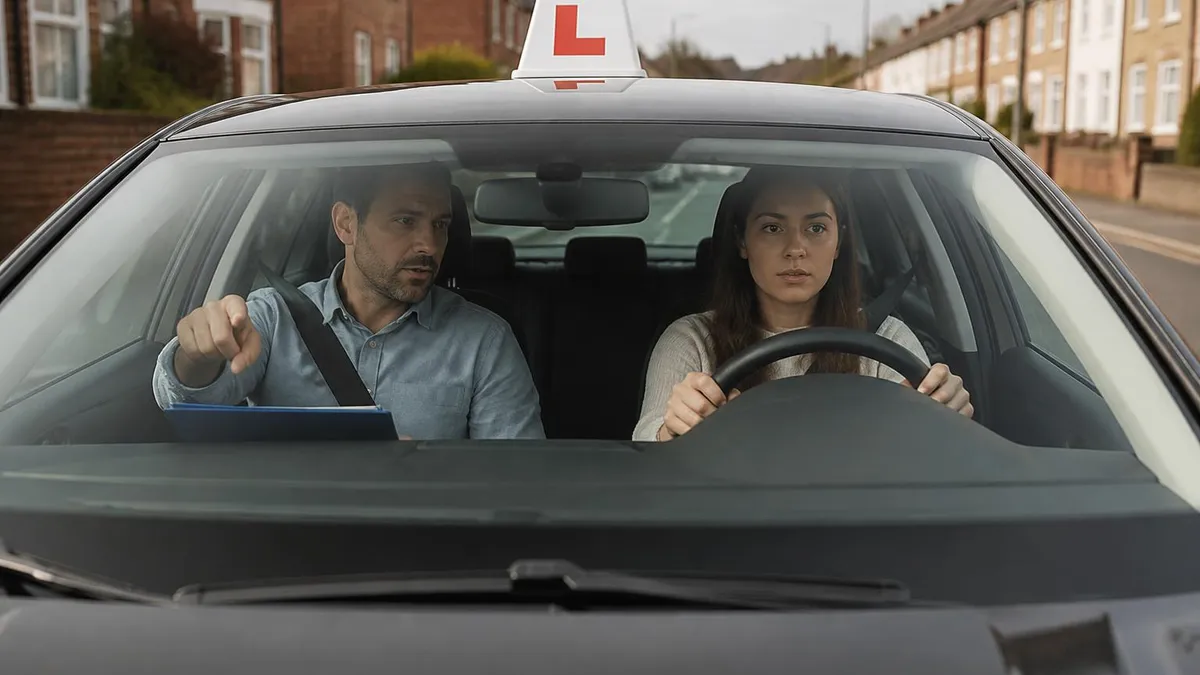
How to Study from the Theory Test Book Effectively
Reading the Highway Code passively from cover to cover is necessary but not sufficient preparation. Effective theory test book study is active — you're not just reading, you're looking for testable facts, noting rules that might appear as multiple choice questions, and flagging areas you find confusing for follow-up with practice questions. The most productive study approach treats the Highway Code as a reference document to understand thoroughly, not a novel to read linearly and set aside.
Topic-by-topic study works better than cover-to-cover reading for most candidates. Work through one DVSA topic category at a time using a structured third-party revision book (which organises content by topic) alongside the relevant sections of the Highway Code.
For stopping distances, for example: read the stopping distance rules in the Highway Code, memorise the table of distances at different speeds, read the third-party book's explanation of what affects stopping distances (rain, ice, tyre condition, load), and then immediately attempt 20-30 practice questions on that topic. Active study with immediate testing is significantly more effective than passive reading followed by later testing.
Make targeted notes on the content areas most likely to appear in the test. Stopping distances at different speeds, the new hierarchy of road users, right-of-way at different junction types, motorway rules (what to do when a motorway sign shows a red X, when you can use the hard shoulder, contraflow rules), and the less common road signs are all high-value study areas.
Many candidates spend revision time on content they already understand intuitively while under-preparing for the specific DVSA rules that differ from intuition. A simple technique: after each Highway Code section, write down five facts that you could see appearing as a test question. This active processing significantly improves retention compared to passive re-reading of the same content.
Always return to the books when practice tests reveal knowledge gaps. If mock test results consistently show errors in the 'other types of vehicle' category, go back to the relevant Highway Code sections and the third-party book's coverage of lorries, buses, and emergency vehicles before attempting further practice questions in that category. This iterative book-then-practice-then-book cycle is significantly more efficient than doing additional mock tests without addressing the underlying knowledge gap first. For mock theory test practice to identify these gaps, the mock test page offers full 50-question tests that reveal which topic categories need more attention.
Theory Test Book Study Checklist
- ✓Read the complete Highway Code — including sections you may feel confident about, as specific rule details often differ from intuition
- ✓Verify you have the current Highway Code edition (January 2022 or later) — older editions don't reflect the road user hierarchy changes
- ✓Read Know Your Traffic Signs section by section, paying extra attention to less common signs you haven't seen in normal driving
- ✓Note stopping distances for all speeds from the Highway Code table — 20mph through 70mph including overall stopping distance
- ✓Study the rules for motorways specifically — many candidates are unfamiliar with motorway-specific rules if they haven't driven on motorways
- ✓Pay close attention to the 2022 priority rule changes at junctions — pedestrians and cyclists now have formal priority when crossing
- ✓Work through a topic-organised revision book alongside the Highway Code rather than just reading the Highway Code linearly
- ✓After reading each topic section, immediately attempt 20-30 practice questions on that topic to test your retention
- ✓Flag questions you answer incorrectly and return to the relevant book section to understand why the answer is what it is
- ✓Install the DVSA Theory Test Kit app for question-accurate practice — physical books alone cannot replicate exact exam phrasing
Book Study vs. Online Practice Tests
- +Book study (particularly the Highway Code) provides the conceptual foundation that makes correct answers logical rather than just memorised
- +Online practice tests reveal topic-specific gaps quickly and replicate the real exam format — essential for timing and question recognition
- +Physical books require no internet connection or device — useful for studying during commutes or in settings without reliable connectivity
- +The official DVSA app gives access to the actual question bank — more accurate than any printed revision book's practice questions
- −Book study alone, without timed practice questions, leaves candidates unprepared for the pacing and distractor recognition the real test requires
- −Online practice alone, without understanding from the Highway Code, hits a ceiling — you can memorise answers without understanding why they're correct, which fails when questions are slightly rephrased
- −Physical theory test books with practice questions don't use exact DVSA phrasing — the official DVSA app is needed for wording accuracy
- −The Highway Code is a dry read for many candidates — some find third-party revision books more accessible and engaging for initial study

Topic Areas Covered in Theory Test Books
The DVSA multiple choice question bank covers 14 topic categories, all of which are addressed in the Highway Code and in comprehensive third-party revision books. Understanding how the 14 categories map to the Highway Code sections helps you target your reading rather than working through the book without a study goal in mind.
Alertness and attitude questions — which cover concentration, distraction, tiredness, mobile phone use, and road behaviour — draw primarily from the general driving rules sections of the Highway Code rather than specific numbered rules. These questions test whether candidates understand appropriate road behaviour and the consequences of poor driver attitude. Stopping distances and safety margins questions come directly from the Highway Code's appendix tables and from the rules about safe following distance, weather conditions, and vehicle condition.
Hazard awareness questions are perhaps the most important category for overall test performance. They test the ability to anticipate developing road situations and respond early — a skill developed through the Highway Code's general guidance on reading the road ahead and through dedicated hazard perception practice with video clips. The multiple choice hazard awareness questions are distinct from the hazard perception video section but both test the same underlying skill of anticipating hazards before they fully develop.
Motorway rules have a higher question density in the theory test than many candidates expect, given that learner drivers cannot drive on motorways unsupervised. The Highway Code's motorway rules sections cover joining, lane discipline, overtaking, variable speed limits, smart motorways, emergency areas, what to do in a breakdown, and rules for red X signs. Candidates who haven't driven on motorways should give this section extra study time. The hazard perception test guide covers the video-based section of the theory test which is practised separately from the book-based multiple choice content.
Theory Test Book Study: Key Numbers
Combining Book Study with Practice Tests
The most effective theory test preparation combines structured book study with regular practice testing in a specific sequence. Start with books to build understanding, then use practice tests to identify gaps, then return to books to address those gaps, then retest. This cycle — understand, test, review, retest — produces better results than either continuous book reading or continuous practice testing alone.
A practical combined approach: read one Highway Code section or one third-party book chapter, then immediately attempt 20-30 practice questions on that topic. Review every question you answered incorrectly by going back to the relevant page in the Highway Code or revision book. When you understand why the correct answer is correct (not just which letter it is), move to the next topic. After completing all 14 categories, shift to full mock tests that draw questions from all topics in the same proportions as the real exam.
Track your scores across multiple mock test sessions. You're looking for consistent scoring of 46/50 or higher before booking your appointment — not a single lucky run but reliable performance across multiple consecutive tests. If mock test scores plateau below 46, identify which categories are dragging your score down using topic-specific results, then return to the relevant book sections and topic practice before attempting another full mock.
For hazard perception, book study contributes only indirectly — the Highway Code's guidance on reading the road ahead and anticipating hazards builds the conceptual understanding, but the actual hazard perception skill is developed through video clip practice. The official DVSA Theory Test Kit app includes official hazard perception practice clips. Most candidates benefit from 5-10 dedicated hazard perception practice sessions in the week or two before their test, separate from their multiple choice preparation. See the book a theory test guide for practical details on scheduling your appointment once your practice scores indicate readiness.
The January 2022 Highway Code update introduced significant changes to priority rules that are now actively tested in theory test questions — older editions do not include these changes. If you purchased or found a Highway Code printed before 2022, it is out of date for theory test purposes. The most important 2022 changes: at junctions, drivers turning must give way to pedestrians crossing or waiting to cross the road; drivers should give priority to cyclists going straight ahead when the driver is turning; and a formal hierarchy of road users was introduced giving pedestrians the highest priority. These are frequently tested topics. Use the free online edition at gov.uk/highway-code or purchase a post-2022 physical edition.
Digital Theory Test Resources: Apps and Online Tools
The shift to digital theory test preparation has made the study process more flexible and in many ways more effective than physical books alone. The DVSA Theory Test Kit app is the most valuable single resource in the digital ecosystem because it contains the actual questions from the live multiple choice bank — the same questions (with the same phrasing, same options, same correct answers) that appear on your real test. No printed revision book can offer this, because books can't contain proprietary question bank content and are outdated as soon as the DVSA updates its question bank.
Beyond the official DVSA app, a range of free online theory test practice platforms offer DVSA-topic questions at no cost. These vary in quality — some use question wording that closely mirrors the official bank, others are more loosely based on DVSA topics. For volume practice (completing as many topic-specific questions as possible to build familiarity), free online platforms serve well. For the most accurate practice immediately before your test, the DVSA app's real questions provide the best simulation of actual test conditions.
The gov.uk/highway-code website provides the complete current Highway Code free of charge, updated in real time. Unlike a physical book, the online version reflects the current rules immediately after any legislative changes — there's no edition lag. The online format also allows word searching, which is useful when reviewing specific rules after practice test errors. Many candidates use the online Highway Code on a tablet or laptop during study sessions, switching between it and their practice test platform as a combined study environment.
Audiobook versions of the Highway Code are available and work well for candidates who retain information better through listening than reading — useful for commute-based study. These cover the same content as the physical book. Whichever combination of physical books and digital resources you use, ensure the DVSA Theory Test Kit app is included — it's the only preparation resource that uses the actual live question bank and is therefore irreplaceable for final-stage test readiness. For driving theory preparation resources including topic-specific practice and full mock tests, the driving theory hub provides a central guide to all available study tools.
Theory Test Book Questions and Answers
About the Author

Licensed Driving Instructor & DMV Test Specialist
Penn State UniversityRobert J. Williams graduated from Penn State University with a degree in Transportation Management and has spent 20 years as a certified driving instructor and DMV examiner consultant. He has personally coached thousands of applicants through written knowledge tests, skills assessments, and commercial driver licensing programs across more than 30 states.