
Driving Test Change: DVSA Updates, New Rules, and What to Know 2026 October
How to change your DVSA driving test date, the latest practical test rule changes, new 2026 October–2026 October updates, fees, how far ahead you can reschedule, and more. ⏳
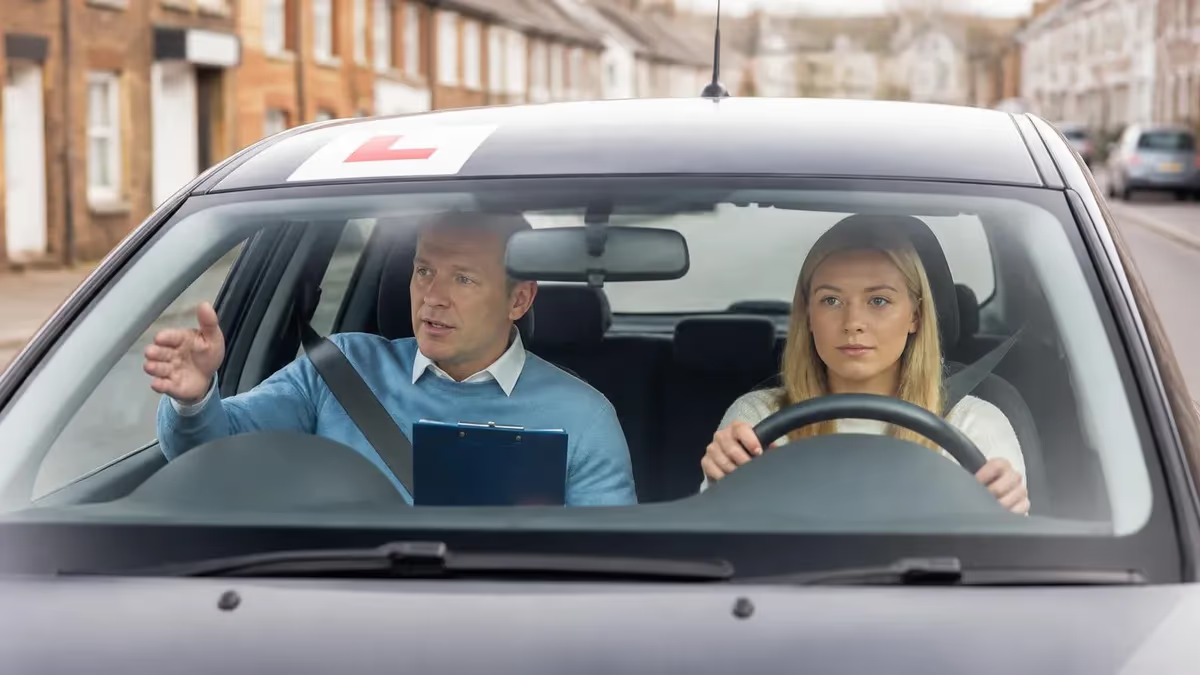
- You can change your practical driving test online at gov.uk/change-driving-test, by phone, or through your ADI (approved driving instructor).
- You must give at least 10 full working days' notice to change your test without losing your fee.
- Changing your test costs nothing if you give enough notice — a £11 fee applies if you change with less than 10 full working days.
- The DVSA introduced major practical test changes in November 2024, including updated manoeuvres and a new independent driving requirement.
- The pass rate for the UK practical driving test is approximately 48% — preparation significantly improves your odds.
How to Change
The DVSA (Driver and Vehicle Standards Agency) manages all practical and driving test practices in the United Kingdom. If you need to — whether because of a scheduling conflict, insufficient preparation time, illness, or simply finding an earlier slot — the process is straightforward and can be completed online in a few minutes. The most important rule: give at least 3 clear working days' notice to avoid losing your test fee or paying a change fee.
"Clear working days" does not include weekends, bank holidays, or the day you make the change or the test day itself. So if your test is booked for a Thursday, you need to request the change by the end of the previous Friday at the latest for it to fall within the 10-full-working-day window.
Bank holidays extend the window — if a bank holiday falls within those 10 full working days, you need to push your change request back further. DVSA's website provides a calculator tool to help you determine whether you're within the free change window for your specific .
Test slots are in high demand across the UK, and waiting times for new test bookings regularly exceed 10–20 weeks in busy areas. This means that when you change your test, you may find that the next available slot is further out than your original date. You can search for earlier slots using the standard DVSA booking system, but the availability you see is real-time — slots don't appear or disappear predictably. Many candidates use third-party slot-checking apps (DVSA-approved or operating independently) to get alerts when earlier slots become available due to cancellations.
If you're changing your test because you don't feel ready, that's a legitimate and sensible reason. Sitting a test before you're consistently passing mock tests with your instructor is a common and expensive mistake — you pay the test fee again and potentially extend your learning timeline. Most approved driving instructors (ADIs) recommend booking tests only when you're regularly performing to test standard in lessons, as this gives you the best chance of passing and avoids the time and cost of repeat tests.
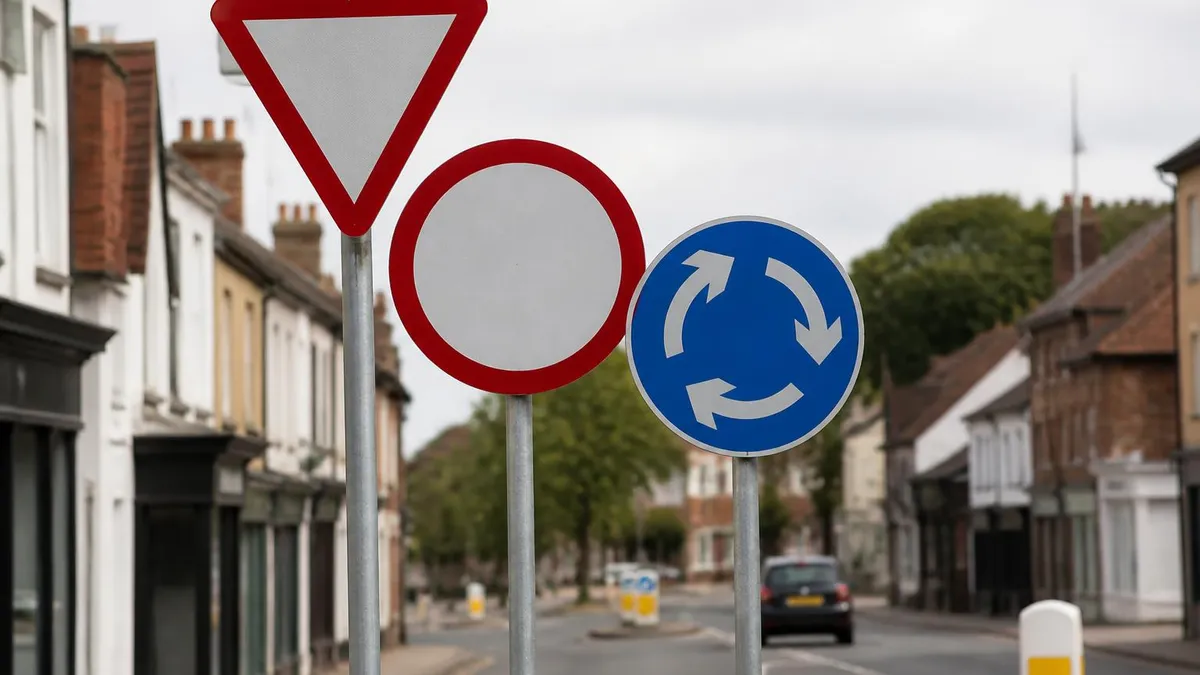
The DVSA's online booking system can be accessed 24 hours a day, 7 days a week, making it convenient to check availability and make changes outside business hours. However, phoning DVSA is the best option if you encounter technical problems with the online system, need to discuss a complex situation, or have accessibility requirements that make online booking difficult. DVSA has made significant investments in their digital services in recent years, and most candidates complete changes smoothly online without needing to call.
One strategic use of the test change function that many candidates overlook: if you and want to book a practical test earlier than your current booking, you can book a new practical test for the earliest available slot immediately after — then cancel your original practical booking (within the 3-day free change window) once you've confirmed the new one. This requires careful coordination to avoid overlapping bookings, but it's entirely within DVSA's rules and can result in getting a test significantly sooner than waiting in the standard queue from scratch.
Understanding the structure of the DVSA's waiting time problem helps you set realistic expectations. Test centre capacity is fixed by the number of examiners DVSA employs. DVSA has been actively recruiting additional examiners since 2022 to address the backlog created by COVID-19 closures, but capacity growth is gradual. In the meantime, the most actionable strategy for candidates wanting an early test is to search multiple nearby centres, consider weekday morning slots (which have less competition from working adults), and use cancellation slot alert tools.
The DVSA also offers a special needs service for candidates who require adjustments during the test — extended time, specific examiner communication approaches, or adapted vehicles. These accommodations must be arranged in advance through the system and may affect which test centres are available, since not all centres have all adapted vehicles. If you have any disability or medical condition that affects your performance, contact DVSA well before your to discuss what arrangements are possible.
UK Practical Driving Test — Key Numbers
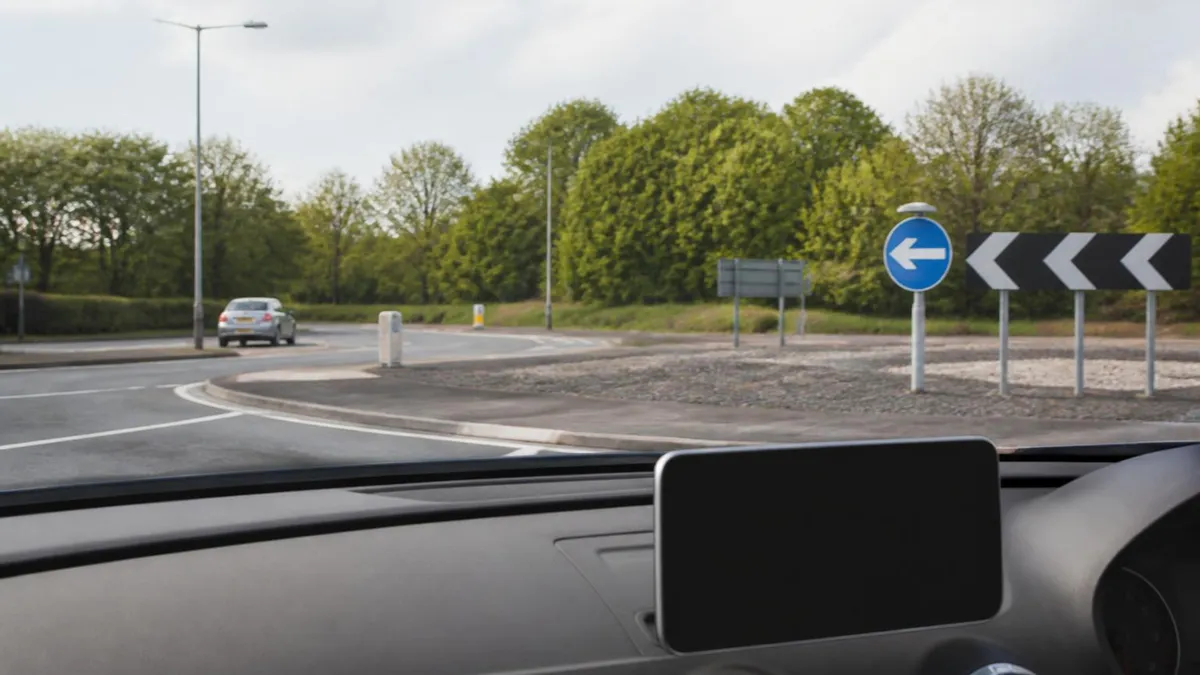
How to Change Your Date — Step by Step
The simplest and fastest method to change your practical is online through the GOV.UK website. You'll need licence number, your pass certificate number (if applicable), and your reference number, which was sent to you when you originally booked. Go to gov.uk/change-driving-test, enter your details, and you'll see your current booking with options to reschedule to a different date or test centre.
When searching for an alternative date, you can choose to find the next available slot at your current test centre or search at nearby centres. If you're in a high-demand area like London, Manchester, or Birmingham, availability at your preferred centre may be very limited for the next several weeks. Searching at test centres within a 10–20 mile radius sometimes reveals significantly earlier availability — many candidates travel to a less popular centre to secure a date that fits their schedule without a long wait.
By phone, you can call the DVSA booking service at 0300 200 1122 (Monday to Friday, 8am–4pm). Phone bookings can take longer, but the agent can see real-time availability and may be able to suggest centres or times you'd overlook searching online. If your instructor handles your bookings through the ADI system, they can also reschedule on your behalf using their professional booking access, which sometimes shows availability that isn't visible in the standard candidate booking system.
After completing your change, you'll receive a confirmation email with your new test details. Review the confirmation carefully — verify the date, time, test centre address, and your name are all correct before closing the email. Save the confirmation and bring your booking reference to the test centre on the day. If you don't receive a confirmation email within a few minutes, check your spam folder and then contact DVSA if the confirmation doesn't appear.
One detail worth knowing: when you change your test online, the system logs the change with a timestamp. DVSA uses this timestamp to determine whether you've provided sufficient notice. The system will warn you if you're within the 3-working-day window and will display the £11 change fee before you confirm. You always have the option to cancel rather than pay the change fee if the fee feels disproportionate to the test date you're making.
For candidates who have already changed or cancelled a test multiple times on the same booking, be aware that DVSA may flag repeated last-minute changes. While there's no explicit rule against multiple changes, the booking system treats each change as a separate transaction and each late change incurs the same £11 fee. Candidates who repeatedly cancel and rebook the same also potentially delay other candidates who are waiting for slots — the system works best when candidates change only when genuinely necessary.
Keeping a screenshot of your confirmation after each change is good practice. If a dispute arises about whether you gave sufficient notice — which is rare but does happen — having timestamped confirmation screenshots is your strongest evidence. DVSA's booking system maintains its own records, but having your own copy of confirmations is always prudent when dealing with any official booking that has financial stakes.
New DVSA Practical Test Changes 2024–2025
The DVSA updated the list of required manoeuvres for the practical test in November 2024. The parallel park on the road was removed and replaced with updated versions of the bay park and pull up on the right manoeuvres. Examiners now test you on one of the three remaining manoeuvres selected at random during the test.
The independent driving section now constitutes approximately 20 minutes of the 40-minute test, requiring candidates to drive independently using either a sat nav (in most cases) or road signs and markings for direction. The sat nav is set by the examiner — you don't need to bring your own. Instruction-following is NOT tested during this section; making a wrong turn does not fail you unless a fault is committed.
The 'show me, tell me' vehicle safety questions occur partly during the drive (not just at the start). Examiners ask one 'tell me' question before driving and one 'show me' question during the drive — for example, 'show me how you would check your tyre pressure is sufficient.' Incorrect answers result in a minor driving fault, not an automatic failure.
You must read a number plate from 20 metres (for new-style plates) at the start of the test. Failure to read the number plate correctly immediately ends the test — you cannot proceed to the driving portion. Ensure your vision meets the required standard before your test date; contact lenses or glasses are permitted if needed.
Up to 15 driving (minor) faults are permitted without failing. Any single serious or dangerous fault results in immediate failure regardless of how many minor faults you have. Committing the same minor fault repeatedly can also result in the examiner upgrading it to a serious fault. Examiners document every fault with a category code that appears on your test result sheet.
When you pass your practical test, the examiner issues a pass certificate (form D10) immediately. You must use this to apply for your full licence within 2 years. If you already hold a valid theory test pass certificate at the time of your practical test, you're ready to apply for your full licence. DVSA also emails a digital pass certificate, but the paper version remains the primary official document.

Driving Test Fees and Refunds
The standard booking fee for a practical on a weekday is £62. Tests booked on evenings (after 4:30pm) or Saturdays cost £75, reflecting increased demand for these slots. There is no surcharge for booking online versus by phone. If you book and cancel with at least 10 full working days' notice, you receive a full refund of the booking fee. If you cancel with less notice or fail to attend, you forfeit the full fee.
Changing your (rather than cancelling) follows the same rules. If you give 3+ clear working days' notice, there is no charge to change — you simply receive a new booking at the same fee level you originally paid, with no difference to pay if you move from a weekday to an evening or weekend slot in the process. If you change with less than 10 full working days' notice, a £11 change fee is charged.
Theory test fees are separate. The costs £23 and lasts 2 years from the pass date. If your pass expires before you pass your practical test, you must retake the and pay the £23 fee again. For candidates who have experienced long practical driving test waing times, this is a real concern — a passed early in the learning process can expire before a practical becomes available in high-demand areas. If your theory pass is approaching its 2-year limit, consider retaking proactively while waiting for a practical slot.
The theory test and practical test fee schedules are published annually on GOV.UK and updated periodically. Fees have increased over the years in line with DVSA operational costs, so quotes you find in older online guides may be out of date. Always check the current fee on GOV.UK directly before booking. The practical test fee includes access to the examiner's time, the test itself, and the immediate result — including the fault sheet you receive after the test regardless of outcome. There is no charge for the debrief at the end of the test.
If you need to change your test because of a sudden illness on the test day itself, contact DVSA as early as possible — ideally before the test start time. While late illness cancellations are typically outside the 10-full-working-day window and technically forfeit the fee, DVSA may exercise discretion if you contact them promptly and explain the situation. There's no guarantee of a refund, but documented illness (GP note) submitted through DVSA's complaints and exceptional circumstances process gives you the best available chance.
Common Reasons to Change Your Driving Test
- ✓You haven't been consistently passing mock tests with your instructor and need more preparation time
- ✓An illness or injury prevents you from driving safely on the booked date
- ✓A family or work commitment you can't move has emerged for your test date
- ✓You've found a significantly earlier cancellation slot and want to take advantage of it
- ✓Your theory test certificate is approaching its 2-year expiry and you need to factor this into your practical test timing
- ✓You want to change to a test centre closer to where you'll be living or working
Test Day Tips for UK driving test wa
Arriving at the test centre early — at least 10–15 minutes before your appointment — is strongly recommended. Late arrival causes additional stress and, if you arrive after the test is scheduled to start, the examiner may mark you as a non-attendance and you forfeit your fee. Bring your provisional driving licence (the photocard) and, if your licence was issued before 1998 or is a paper licence, bring your passport as well. Your booking confirmation email is helpful but not mandatory if your details are in the DVSA system.
The examiner will introduce themselves, check your documents, conduct the eyesight check, and ask the first 'tell me' vehicle safety question before you start the engine. Treat the examiner professionally but naturally — examiners are not trying to trick you or intimidate you. They use standardised forms and mark only what they observe; there is no benefit to excessive conversation or attempting to judge the examiner's reactions during the drive. Focus on driving to the standard you've practised with your instructor.
Common reasons for test failures that are entirely within candidate control include: not checking mirrors sufficiently before manoeuvres, hesitation at junctions that creates unnecessary delay, incorrect positioning on approach to turns, insufficient observations during reversing manoeuvres, and speed issues — driving too slowly in 60mph zones is as frequently cited as speeding. Your ADI's feedback on your specific weaknesses in mock tests is the most targeted guidance available for addressing the issues most likely to cost you on the day.
Weather conditions occasionally affect test day performance in ways candidates don't anticipate. Rain makes road surfaces slippery and increases stopping distances; fog reduces visibility and changes judgment calls about safe gaps at junctions; strong wind can affect vehicle handling, especially on motorways and open roads. These conditions are part of normal driving, and examiners are trained to make allowances for genuinely adverse weather in their assessments. If you're concerned about driving in specific conditions, discuss them with your instructor and practice specifically in those conditions before your test.
Preparing a checklist for the morning of your test reduces the likelihood of arriving flustered or missing a required document. Items to check include: your photocard provisional licence, the test centre address and directions, fuel or charging level if driving your own vehicle (though most candidates use their instructor's car for tests), and your own physical wellbeing — arriving tired, hungry, or anxious significantly affects performance. Your instructor should conduct a short pre-test warm-up drive in the 30–45 minutes before the test to settle your nerves and confirm your technique is where it needs to be.
After the test concludes, regardless of outcome, try to review the fault sheet in a calm state of mind. The examiner has noted every fault with a specific category code — reading what the examiner recorded, rather than just the pass/fail outcome, gives you specific, actionable information that your instructor can incorporate directly into your next phase of preparation or, if you passed, confirms which skills came naturally and which you'll want to maintain through continuing development as an independent driver.
DVSA Pros and Cons
- +DVSA has a publicly available content blueprint — you know exactly what to prepare for
- +Multiple preparation pathways accommodate different schedules and budgets
- +Clear score reporting shows specific strengths and weaknesses
- +Study communities share current insights from recent test-takers
- +Retake policies allow recovery from a difficult first attempt
- −Tested content scope requires substantial preparation time
- −No single resource covers everything optimally
- −Exam-day performance can differ from practice test performance
- −Registration, prep, and retake costs accumulate significantly
- −Content changes between versions can make older materials less reliable
Pros and Cons at a Glance
| Pros | Cons |
|---|---|
| DVSA has a publicly available content blueprint — you know exactly what to prepare for | Tested content scope requires substantial preparation time |
| Multiple preparation pathways accommodate different schedules and budgets | No single resource covers everything optimally |
| Clear score reporting shows specific strengths and weaknesses | Exam-day performance can differ from practice test performance |
| Study communities share current insights from recent test-takers | Registration, prep, and retake costs accumulate significantly |
| Retake policies allow recovery from a difficult first attempt | Content changes between versions can make older materials less reliable |
Sample DVSA UK Driving Theory Practice Questions
Try these questions from our free DVSA UK Driving Theory practice tests. The correct answer and an explanation follow each question.
What is the most eco-friendly action to take when you know you will be stationary for more than a couple of minutes?
- A. Switch to neutral but keep the engine running
- B. Turn the engine off
- C. Keep the engine running to warm the cabin
- D. Rev the engine gently to avoid it stalling
Answer: B. Turn the engine off
Switching the engine off when stationary for more than a minute or two prevents unnecessary fuel burn and reduces exhaust emissions.
What is the general rule for lane discipline on a three-lane motorway in the UK?
- A. You should always stay in the left-hand lane unless you are overtaking.
- B. The left-hand lane is for slow-moving vehicles only.
- C. You can use any lane as long as you are travelling at the speed limit.
- D. The middle lane is for cruising, and the right-hand lane is for fast traffic.
Answer: A. You should always stay in the left-hand lane unless you are overtaking.
The Highway Code (Rule 264) states that you should always drive in the left-hand lane when the road ahead is clear. The centre and right-hand lanes should only be used for overtaking. After overtaking, you should return to the left-hand lane as soon as it is safe to do so.
What colour are direction signs on UK motorways?
- A. Green with white text
- B. Blue with white text
- C. White with black text
- D. Yellow with black text
Answer: B. Blue with white text
Motorway direction signs have a blue background with white text and white borders, distinguishing them from other road types.
You are driving behind a bus that pulls up at a stop. What hazard should you anticipate?
- A. The bus may reverse towards you
- B. Pedestrians may cross the road from in front of the bus
- C. The bus may turn right without indicating
- D. Other buses may overtake you
Answer: B. Pedestrians may cross the road from in front of the bus
When a bus stops, passengers may alight and cross the road, sometimes emerging from in front of the bus where you cannot see them. Be prepared to stop and watch for pedestrians stepping into the road.
DVSA Driving Test Questions and Answers
About the Author
Licensed Driving Instructor & DMV Test Specialist
Penn State UniversityRobert J. Williams graduated from Penn State University with a degree in Transportation Management and has spent 20 years as a certified driving instructor and DMV examiner consultant. He has personally coached thousands of applicants through written knowledge tests, skills assessments, and commercial driver licensing programs across more than 30 states.