
Most Common Theory Test Questions: Complete UK Study Guide for 2026
Master the most common theory test questions with this complete UK guide. Topics, tips & practice tests included. 🎯 Pass first time.
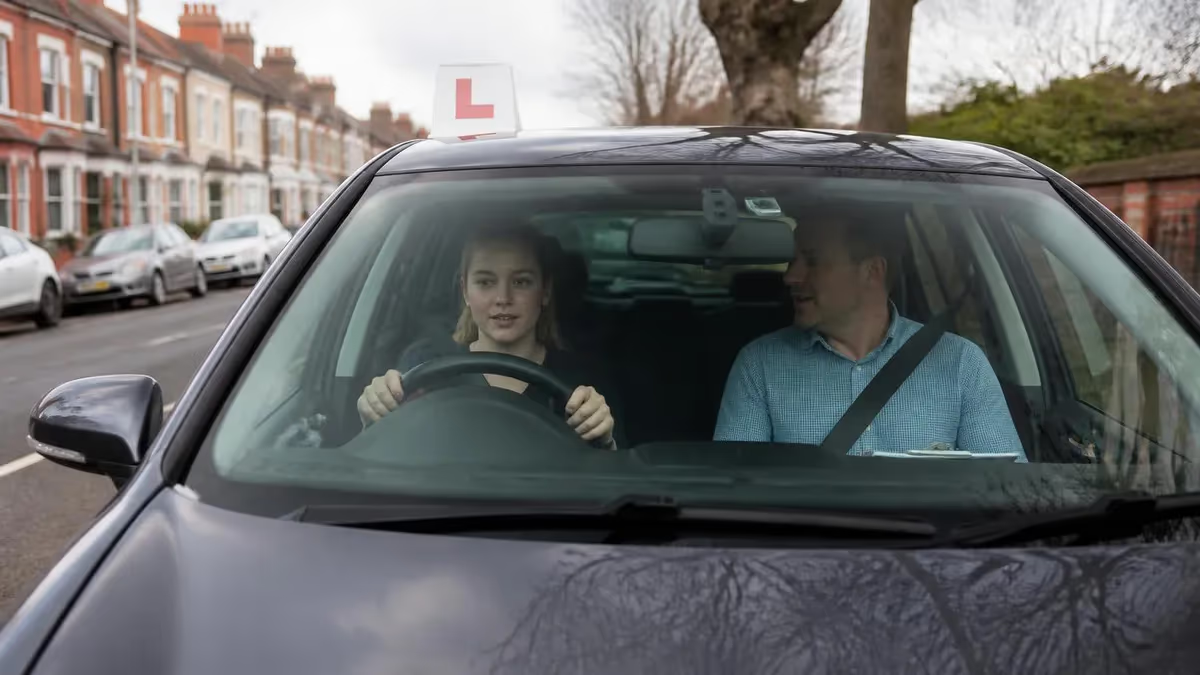
If you are preparing for your UK driving theory test, knowing which topics come up most frequently can make an enormous difference to your revision strategy. The most common theory test questions cluster around a handful of core subject areas — hazard perception, road signs, speed limits, stopping distances, and eco-friendly driving — and understanding these clusters means you can spend your study time where it matters most rather than guessing what will appear on the day.
Every year, thousands of learner drivers sit the DVSA multiple-choice test and discover that certain questions appear again and again across different sittings. The DVSA draws from a bank of approximately 800 official questions, but research into past papers consistently shows that around 200 of these questions account for the vast majority of what candidates actually face. Focusing your preparation on these high-frequency topics gives you a significant statistical advantage before you even enter the test centre.
This guide breaks down the subject areas responsible for the most questions, explains exactly why those topics are prioritised by the DVSA, and gives you practical revision techniques for each one. Whether you have three weeks or three days before your test, the strategies here are designed to be efficient and evidence-based. We cover everything from road signs and vehicle safety to motorway rules and first aid at the scene of an accident.
One thing experienced driving instructors consistently recommend is that you treat theory revision like an active process, not passive reading. Simply flicking through the Highway Code will not embed the knowledge you need to confidently answer timed questions under exam conditions. Instead, you need to encounter questions repeatedly in a realistic format, review your mistakes carefully, and track which topic areas still need attention.
Understanding common theory test questions also helps you appreciate the pass mark context: you need 43 out of 50 multiple-choice questions correct to pass the car theory test, which means you can afford only 7 errors. That tight margin makes it critical to have genuine mastery of the high-frequency topics rather than superficial familiarity with a wide range of material.
This article is structured to take you through the most tested categories systematically. You will find topic breakdowns, example question types, revision checklists, study schedules, and links to free practice tests covering the exact subject areas most likely to appear on your test day. By the time you reach the end, you will have a clear, actionable revision plan built around the questions that matter most.
The DVSA updates its question bank periodically to reflect changes in the Highway Code, new legislation, and emerging road safety priorities. This guide reflects the current 2026 question bank, including updates introduced following the January 2022 Highway Code revision which introduced important new rules around pedestrian priority, cycling infrastructure, and the hierarchy of road users.
UK Theory Test by the Numbers
4-Week Theory Test Study Schedule
- ▸Read Highway Code sections on signs and road markings
- ▸Complete two full practice tests on road signs
- ▸Memorise national speed limits for each road type
- ▸Review warning signs versus regulatory signs
- ▸Study the two-second rule and stopping distance tables
- ▸Complete daily hazard perception practice clips
- ▸Learn vehicle maintenance checks (tyres, lights, brakes)
- ▸Review rules on carrying loads and towing
- ▸Study motorway rules including smart motorways
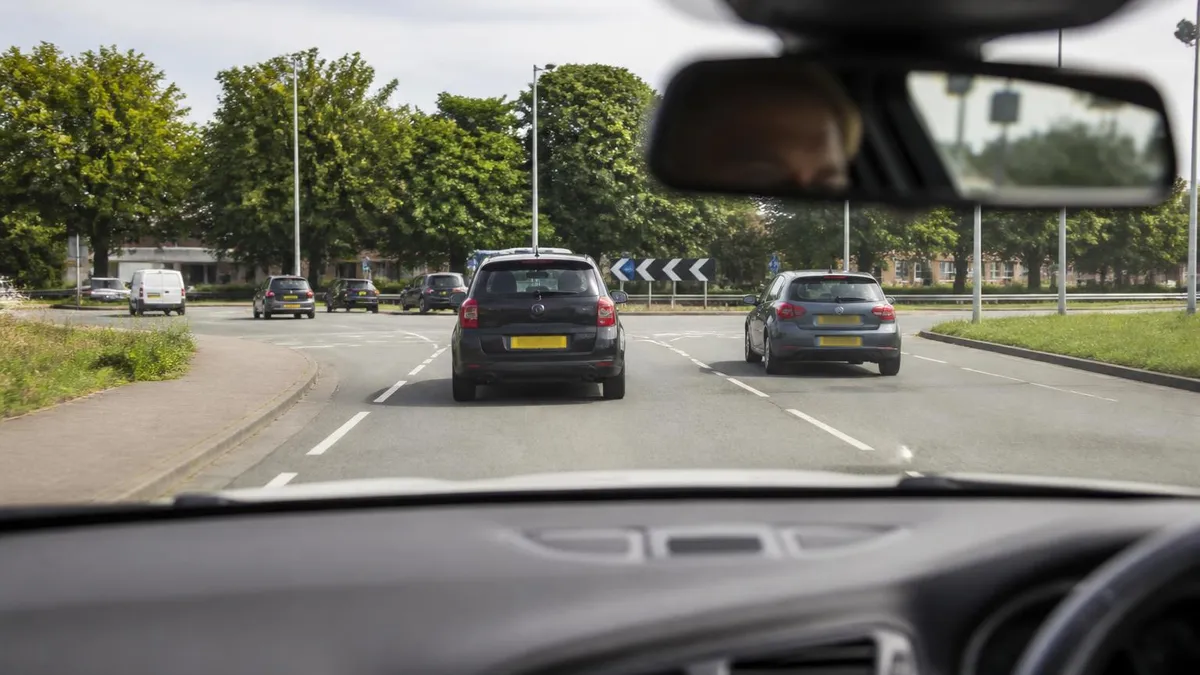
- ▸Review priority rules at junctions and roundabouts
- ▸Learn the hierarchy of road users from the 2022 Highway Code update
- ▸Practise questions on cyclists, pedestrians and motorcyclists
- ▸Complete three full timed mock tests under exam conditions
- ▸Focus revision on any topic scoring below 80%
- ▸Study first aid procedures for road traffic incidents
- ▸Review eco-friendly driving and fuel efficiency techniques
The DVSA organises its question bank into fourteen official topic categories, but they are not equally weighted. Data from the official DVSA revision materials and independent analysis of past papers consistently shows that five categories account for roughly 60 percent of all questions you will face. Understanding which categories these are — and why they are prioritised — is the foundation of any smart revision plan for the UK car theory test.
Alertness is one of the highest-frequency categories, covering concentration, tiredness, distractions, and the effects of medication on driving. Questions in this area often describe a scenario — for example, a driver who has been awake for a long period, or who has taken antihistamines — and ask what action the driver should take. The DVSA weights this category heavily because driver distraction and fatigue are among the leading contributory factors in road traffic collisions in the UK, responsible for thousands of serious injuries every year.
Attitude questions test your understanding of how drivers should behave toward other road users, including cyclists, pedestrians, horse riders, and other vulnerable groups. Following the January 2022 Highway Code update, questions on the hierarchy of road users have become increasingly prominent. The update formally established that those who pose the greatest risk to others bear the most responsibility — meaning pedestrians and cyclists are at the top of the hierarchy and drivers must give way accordingly in many scenarios.
Safety and your vehicle is a broad category covering everything from tyre pressures and tread depth to fluid levels and warning lights. A common question type presents a dashboard warning light and asks what the driver should do. Examiners also test knowledge of legal requirements around brakes, mirrors, and lighting. These questions are popular because vehicle defects are a direct and preventable cause of accidents, and the DVSA wants to ensure new drivers know how to identify and respond to them.
Safety margins covers stopping distances, the two-second rule, skidding, and driving in adverse weather conditions including rain, fog, ice, and snow. Stopping distance questions are notoriously popular in the test and notoriously difficult to memorise. The key insight is that stopping distance is made up of thinking distance plus braking distance, and both increase with speed in a non-linear way. At 70 mph, the total stopping distance is 96 metres — roughly 24 car lengths — a figure that surprises many candidates.
Hazard awareness questions test your ability to identify and respond to developing hazards. While the hazard perception test has its own dedicated clip-based section, the multiple-choice paper also contains text-based questions about identifying and reacting to hazards in specific scenarios. These include questions about following distances, anticipation, and the correct response when encountering unexpected obstacles or vulnerable road users ahead.
Rules of the road covers speed limits, lane discipline, overtaking, parking, and priority at junctions. Speed limit questions are especially common and require candidates to know the national speed limit for cars on single carriageways (60 mph), dual carriageways (70 mph), and motorways (70 mph), as well as urban default limits and how to identify when a different limit applies. Understanding these rules thoroughly is essential for scoring well across the whole paper.
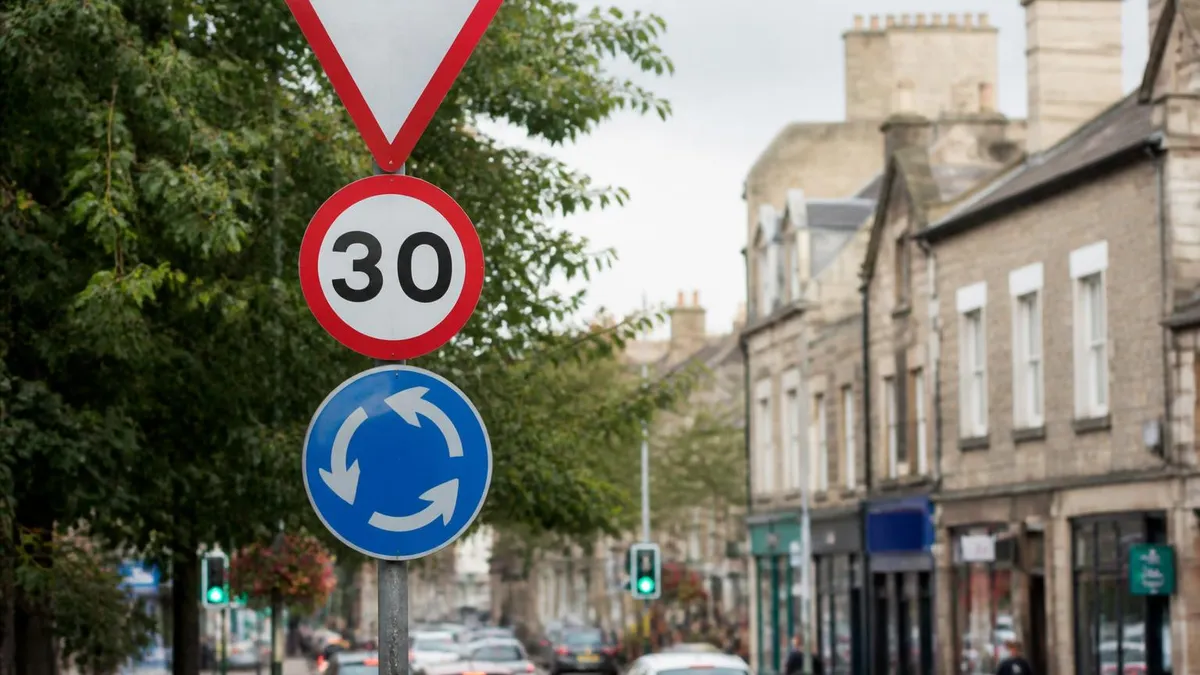
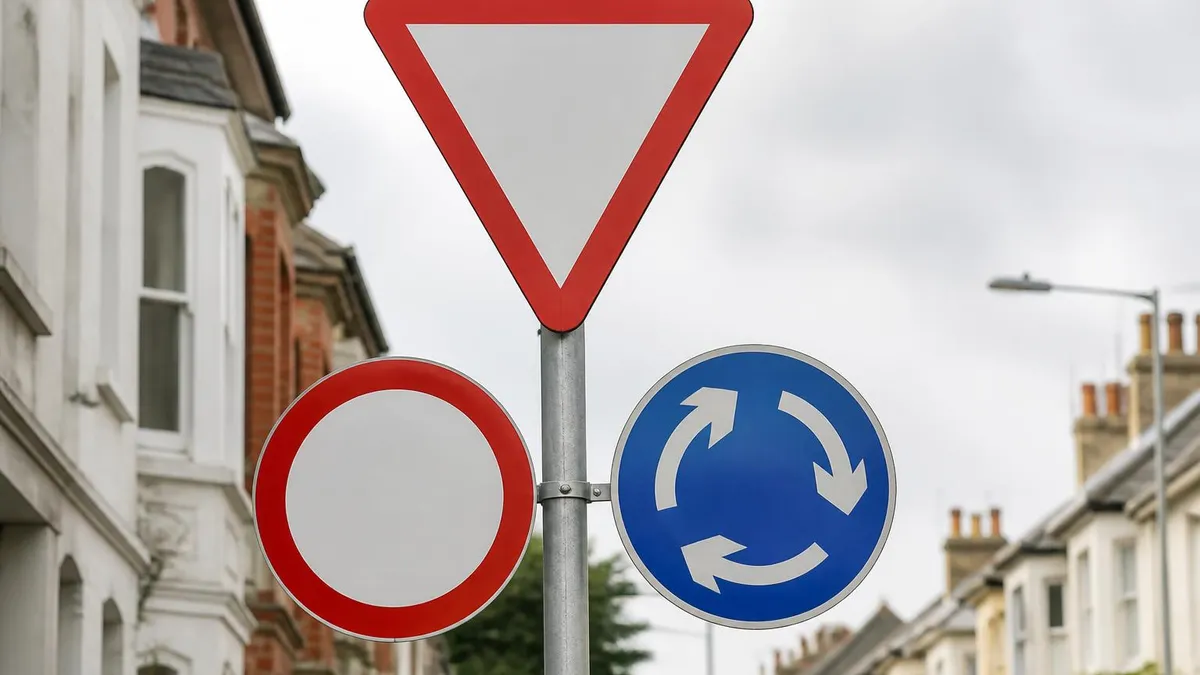
Road and traffic signs form one of the most visually tested areas of the theory test. The DVSA presents signs without their labels and asks what they mean, or describes a situation and asks which sign a driver would expect to see. Triangular signs warn, circular signs give orders, and rectangular signs provide information — but within those categories there are dozens of specific signs that candidates must recognise instantly. Regular practice with sign-recognition flashcards is one of the most effective preparation methods for this category.
Revision Strategies for High-Frequency Theory Test Topics
Road sign questions appear in almost every theory test sitting, and the most reliable way to master them is through repeated exposure rather than rote memorisation of a list. Use flashcard apps or the official DVSA revision materials to test yourself on sign shapes and colours daily. Focus first on warning signs (triangular, red border) and mandatory signs (circular), as these generate the most questions. Give extra attention to signs you find ambiguous — a confusing sign in practice will cost you marks under exam pressure.
One particularly effective technique is to notice signs during your driving lessons and ask your instructor to explain any you are unsure about. Real-world exposure reinforces the visual memory far more effectively than looking at a static list. Pay special attention to temporary signs used in roadworks, as these appear regularly in the test and are often overlooked in revision. Signs with blue backgrounds are generally informational or motorway-related, while green backgrounds indicate primary routes — understanding the colour-coding logic reduces the memorisation burden significantly.
Pros and Cons of Focusing Revision on High-Frequency Questions
- +Maximises the return on every revision hour by targeting questions most likely to appear
- +Builds genuine confidence in the areas examiners test most heavily
- +Allows candidates with limited time to prioritise effectively rather than trying to cover everything equally
- +Reduces exam anxiety because you encounter familiar topic types on the day
- +Encourages active recall through targeted practice rather than passive reading
- +Aligns preparation with the DVSA's road safety priorities, which have real-world value beyond the test
- −Risk of neglecting lower-frequency categories that still contribute to the overall score
- −Question bank updates can shift frequency weighting, making past analysis partially outdated
- −Over-reliance on practice tests without understanding the reasoning can lead to pattern-matching rather than knowledge
- −Candidates may underestimate the difficulty of topics they deprioritise
- −Frequency data from unofficial sources may not accurately reflect the current DVSA question bank
- −Focused revision can create a false sense of readiness if mock test scores in narrow topics are not backed by broader knowledge
Theory Test Preparation Checklist
- ✓Read the entire Highway Code at least once, paying particular attention to the 2022 updates on road user hierarchy
- ✓Complete at least five full 50-question mock tests under timed conditions before your test date
- ✓Review every wrong answer immediately and understand why the correct answer is right
- ✓Memorise stopping distances for 20, 30, 40, 50, 60 and 70 mph in both dry and wet conditions
- ✓Study all road sign categories: warning, regulatory, informational, and motorway signs
- ✓Practise hazard perception clips daily for at least two weeks before your test
- ✓Learn the legal requirements for tyre tread depth (1.6 mm minimum across the central three-quarters)
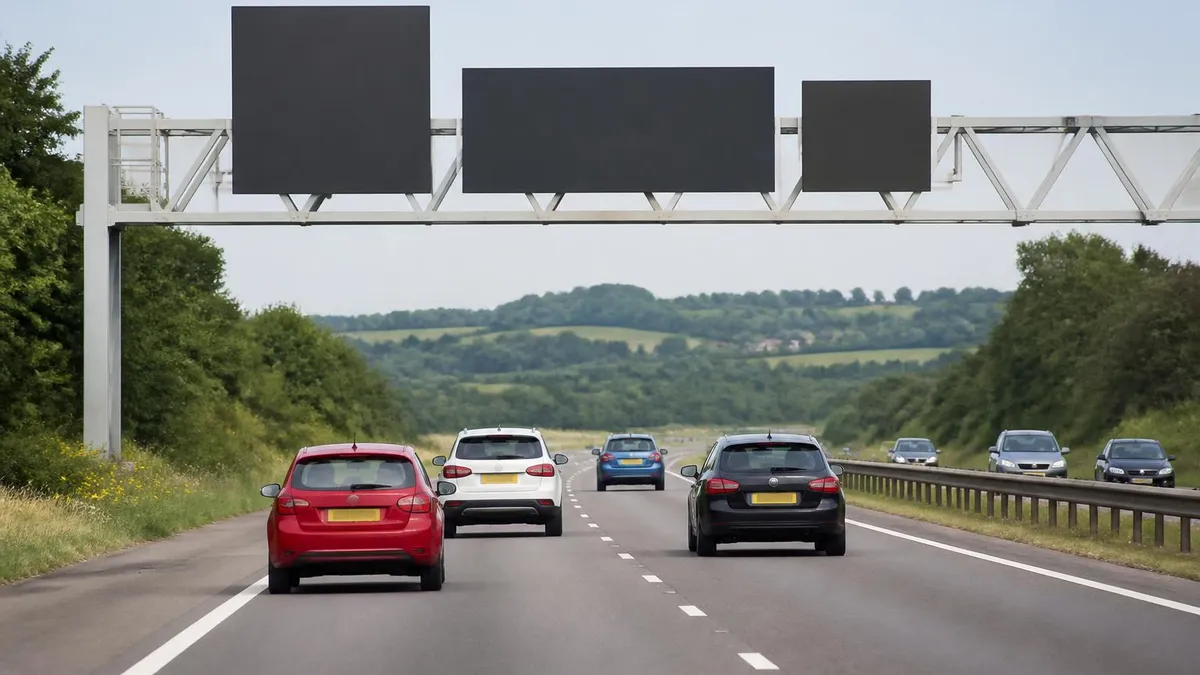
- ✓Study motorway rules including smart motorway operation, overhead gantry signs and emergency refuge areas
- ✓Review first aid procedures for road traffic collisions, including recovery position and dealing with a casualty who is not breathing
- ✓Check your test date and centre details the day before and ensure you bring valid photo ID

The 43/50 Rule Changes Your Revision Priority
With a pass mark of 43 out of 50, you can afford only 7 mistakes across the entire paper. This means that getting every high-frequency topic right is not optional — it is your primary defence against failure. Candidates who revise broadly but shallowly often score 38-41 and are surprised by a narrow fail. Depth in the five core categories (alertness, safety margins, road signs, rules of the road, and vulnerable road users) is worth more than superficial coverage of all fourteen.
Some theory test questions consistently catch candidates off guard, not because they are obscure but because the correct answer seems counterintuitive until you understand the underlying principle. One of the most commonly missed question types asks about overtaking on a single-track road — the instinct is to say overtaking is always dangerous there, but the correct answer depends on the specific scenario, including visibility and the presence of passing places. Understanding the reasoning behind each answer is far more valuable than memorising answers in isolation.
Questions about motorway driving trip up many candidates who have not yet had the opportunity to drive on a motorway with an instructor. Key facts tested include: you must not stop on a motorway except in an emergency; the hard shoulder is for emergencies only (and on smart motorways is sometimes a live running lane); you must not reverse, do a U-turn, or drive against the flow of traffic on a motorway; and learner drivers were permitted on motorways from June 2018 onwards, provided they are accompanied by an approved driving instructor in a car with dual controls.
Vehicle-loading questions appear regularly and surprise many candidates because loading seems like a practical rather than a knowledge topic. The theory test specifically asks about the effect of a heavy load on braking distances (they increase), tyre pressures when carrying a heavy load (they should be increased in line with the manufacturer's recommendation), and the rules around roof rack loads (they must be secured and must not stick out dangerously). Questions about towing — including trailer brake requirements and the speed limits that apply when towing — are also frequently tested.
Eco-friendly driving questions have grown in prominence in recent years, reflecting both environmental policy and the DVSA's recognition that fuel-efficient driving reduces operating costs and improves road safety. Questions test knowledge of when to change gear for maximum efficiency (at lower revs, around 2,000 rpm for petrol vehicles), the effect of tyre pressure on fuel consumption (under-inflated tyres increase rolling resistance and fuel use), and the environmental benefit of reducing unnecessary journeys or combining trips. Understanding the principles of smooth, anticipatory driving serves you both in the test and on the road.
First aid questions form a dedicated section of the theory test and require specific factual knowledge rather than general good sense.
The test will ask about the recovery position, the order of priority when arriving at a crash scene (danger, response, airway, breathing, circulation), how to deal with a casualty who is bleeding heavily (apply firm pressure to the wound), and what to do if a motorcyclist is unconscious but breathing (do not remove the helmet unless trained to do so, as moving it could worsen a spinal injury). These questions have a single correct answer and reward candidates who have studied the official guidance rather than relying on intuition.
Questions about driving in adverse conditions — rain, fog, ice, and bright sunshine — test practical knowledge of how weather affects vehicle handling and visibility. Fog light rules are a consistent source of errors: front fog lights may be used when visibility is seriously reduced (to less than 100 metres), but must be turned off when visibility improves.
Rear fog lights carry the same rule. Using fog lights in normal conditions dazzles other drivers and is an offence. Questions about aquaplaning test whether candidates know the correct response: ease off the accelerator gently and avoid braking until the tyres regain contact with the road surface.
Motorway lane discipline questions test whether candidates understand that the left lane is the normal driving lane, the middle and right lanes are for overtaking only, and drivers must return to the left lane when the overtaking manoeuvre is complete. The test specifically asks about lane discipline on two-lane and three-lane motorways, and includes questions about what to do when you see an emergency vehicle in your mirror on a motorway. Understanding these rules thoroughly is essential because motorway questions appear in virtually every sitting of the theory test.
Your theory test pass certificate is valid for two years from the date you pass. If you do not pass your practical driving test within this two-year window, your theory test result expires and you will need to pass the theory test again before you can rebook the practical. This is a commonly overlooked deadline that catches many learners out, particularly those who experience delays in their practical test bookings.
Revision quality matters far more than revision quantity, and the single most effective habit you can develop is reviewing every wrong answer immediately after a practice test. When you get a question wrong, do not simply note the correct answer and move on — read the explanation, find the relevant section in the Highway Code, and then answer two or three similar questions on the same topic before closing your session. This spaced retrieval approach is backed by decades of educational research and is significantly more effective than re-reading notes.
Mock tests under realistic conditions are the best predictor of actual test performance. This means sitting a full 50-question paper with a timer running, no interruptions, and no use of reference materials. Many candidates make the mistake of using practice tests as learning tools — pausing to look things up or skipping questions they find difficult. While this is useful early in revision, by the final week you need to simulate actual exam conditions to identify any remaining weak areas and to build the mental stamina required for a timed sitting.
The official DVSA revision materials — the Highway Code, Know Your Traffic Signs, and the DVSA Theory Test Kit — remain the most authoritative sources of information for the test. Third-party apps and websites can be valuable supplements, particularly for question practice, but always cross-reference anything unfamiliar against the official materials. The DVSA question bank is updated periodically and some older third-party resources contain questions or answers that no longer reflect current standards, particularly around the hierarchy of road users and smart motorway rules.
Time management during the actual test is rarely a problem for well-prepared candidates — 57 minutes for 50 questions gives over a minute per question. However, some candidates spend too long on difficult questions early in the test and create unnecessary pressure for themselves. The recommended approach is to answer every question you are confident about first, flag any you are unsure of, and then return to flagged questions with the remaining time. This ensures you capture every mark you know and gives you a clear picture of what still needs attention.
Understanding the difference between what the test is really asking and what you might assume it is asking is a crucial skill. Many questions describe a scenario and ask what you should do, and the temptation is to answer based on what a driver might realistically do in that situation. But the theory test asks what you should do according to the Highway Code and the DVSA's road safety guidance — which sometimes differs from everyday driving habits. When in doubt, the safest and most courteous answer is almost always the correct one.
Practice tests that cover eco-friendly driving are particularly worth taking seriously, as this topic has grown in the question bank and overlaps with vehicle safety topics. Questions about engine braking, anticipatory driving, and reducing unnecessary fuel consumption appear alongside questions about the effect of roof boxes on aerodynamic drag and the environmental impact of tyre underinflation. Candidates who prepare well for eco-driving questions typically find that these topics reinforce their knowledge of vehicle handling and safety margins at the same time.
The hazard perception section of the theory test is worth practising separately because it uses a completely different format — 14 video clips in which you click whenever you see a developing hazard. You score between 0 and 5 for each hazard depending on how quickly you identify it, and you need 44 out of 75 to pass.
One clip contains two scorable hazards. The most important rule is that clicking rapidly or in a pattern is detected by the system and results in a zero score for that clip, so you must respond genuinely to what you see rather than attempting to game the scoring mechanism.
In the final week before your theory test, the priority shifts from learning new material to consolidating what you already know. New information introduced too close to the test is less likely to be retained under exam pressure, and last-minute cramming can actually increase anxiety and reduce the recall of well-established knowledge. Instead, use the final week to take daily mock tests, review any topic areas still scoring below 85 percent, and ensure your practical test booking is in order.
Sleep is a frequently underestimated factor in test performance. Research consistently shows that sleep deprivation impairs memory consolidation, slows reaction times, and reduces the ability to retrieve learned information under pressure — which is precisely what the theory test demands. Aim for at least seven to eight hours of sleep the night before your test. Avoid revising late into the night on the eve of the test; instead, do a short, confidence-building review session in the early evening and then rest.
On the morning of the test, eat a good breakfast and arrive at the test centre with plenty of time to spare. You will need to bring your valid UK driving licence as photo ID — a provisional licence for learner drivers. The test centre staff will photograph you and check your ID before the test begins. You are not permitted to bring a phone, revision notes, or any other materials into the testing room. Personal belongings are stored in a locker while you take the test.
During the test itself, read each question carefully and in full before looking at the answer options. Some questions contain key words — always, never, most likely, least likely — that change the meaning significantly. Multiple-choice questions sometimes include two answers that are partially correct, with only one being the most accurate or complete response. Taking a moment to eliminate obviously wrong answers before choosing between the remaining options is a reliable technique for improving your score on borderline questions.
After the test, you receive your result immediately at the test centre. If you pass, you receive a pass certificate number which you will need when booking your practical driving test. If you do not pass, you must wait at least three working days before retaking the test. Use any unsuccessful attempt as valuable data — the result sheet shows which topic categories you underperformed in, giving you a precise revision target for your next sitting. Many candidates who fail narrowly go on to pass comfortably when they target their revision more precisely.
Building good driving habits from the outset of your learning journey means that the theory test reinforces real-world skills rather than being a separate box-ticking exercise. When you understand why stopping distances increase with speed, why vulnerable road users get priority at junctions, and why eco-friendly driving reduces both emissions and wear on your vehicle, the knowledge becomes genuinely useful rather than memorised trivia. The best candidates approach the theory test as an opportunity to become a safer, more informed driver — not just as a hurdle to clear on the way to a full licence.
Whatever stage of preparation you are at, remember that the theory test is genuinely passable with focused, consistent revision. The question bank is finite, the subject matter is learnable, and the pass rate for well-prepared candidates is high. Use the practice tests linked throughout this guide to identify your current level, build a targeted revision plan around the topics covered here, and approach your test date with confidence in the knowledge you have built systematically over your preparation period.
DVSA Questions and Answers
UK Theory Test Pass Mark: Car, Bike, LGV, PCV & ADI Scores

Free Theory Test App: The Complete UK Guide to Choosing, Using and Passing With Mobile Practice in 2026

Cancelling Driving Test: The Complete UK Guide to Refunds, Rebooking and Avoiding Lost Fees in 2026
Theory Test Certificate: Complete UK Guide to Passing and Using Your DVSA Pass Letter in 2026
Official DVSA Theory Test Kit: Complete Study Guide for UK Learners
About the Author

Licensed Driving Instructor & DMV Test Specialist
Penn State UniversityRobert J. Williams graduated from Penn State University with a degree in Transportation Management and has spent 20 years as a certified driving instructor and DMV examiner consultant. He has personally coached thousands of applicants through written knowledge tests, skills assessments, and commercial driver licensing programs across more than 30 states.