
How Much Are Driving Tests? The Complete 2026 October UK Guide to Theory and Practical Test Costs
How much are driving tests in the UK? Full 2026 October breakdown of theory 📗 (£23) and practical (£62-£75) DVSA fees, hidden costs and ways to save money.
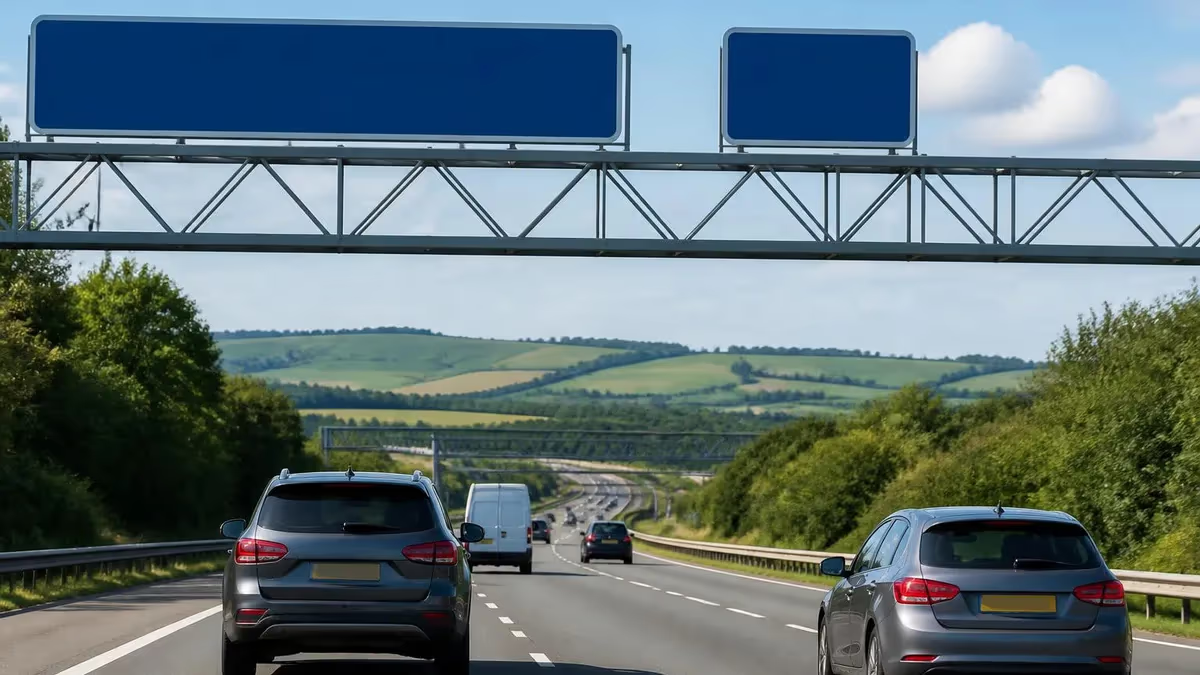
If you are learning to drive, one of the first practical questions you will ask is simple: how much are driving tests in the UK? The headline figures from the Driver and Vehicle Standards Agency (DVSA) are reassuringly fixed. The theory test costs £23, while the practical car test costs £62 on a weekday and £75 in the evening, at weekends or on a bank holiday. These prices are set by the government, so no test centre can legally charge you more for the official examination itself.
However, the official DVSA fees are only part of the true picture, and many learners are surprised by the total amount they end up spending before that pink licence arrives in the post. The genuine cost of getting on the road includes driving lessons, car hire for the practical test, provisional licence fees and potential retest charges if things do not go to plan on the first attempt. Understanding every line item helps you budget realistically and avoid nasty financial shocks midway through your learning journey.
In this comprehensive guide we break down each fee individually, explain the difference between weekday and weekend pricing, and reveal the hidden extras that catch people out. We also cover how to spot and avoid the scam third-party websites that charge inflated booking fees for a service that is completely free to arrange directly with the DVSA. Knowing where your money goes is the first step to keeping the total bill as low as possible.
The average UK learner now spends well over £1,500 from their first lesson to passing the practical test, and that number climbs quickly if you need extra lessons or multiple test attempts. The two official test fees, totalling around £85 to £98 combined, are actually a small slice of that overall figure. The much larger expense is the tuition required to reach test standard, which is exactly why preparing thoroughly matters so much for your wallet as well as your confidence.
Prices can and do change, so it is always wise to confirm the current figures on the official GOV.UK website before you book anything. Throughout this article we use the rates that apply for 2026, but the structure of the fees has remained broadly consistent for several years. The key takeaway is that the government-set prices are reasonable and transparent; the variable costs are where careful planning genuinely pays off in pounds and pence.
Whether you are a first-time teenager booking through the family, an adult returning to learning after a long gap, or someone considering an intensive course to fast-track a licence, this guide gives you the complete financial roadmap. By the end you will know exactly how much each stage costs, when prices rise, how to avoid wasting money, and how thorough preparation reduces the risk of paying twice for tests you could have passed first time.
UK Driving Test Costs by the Numbers
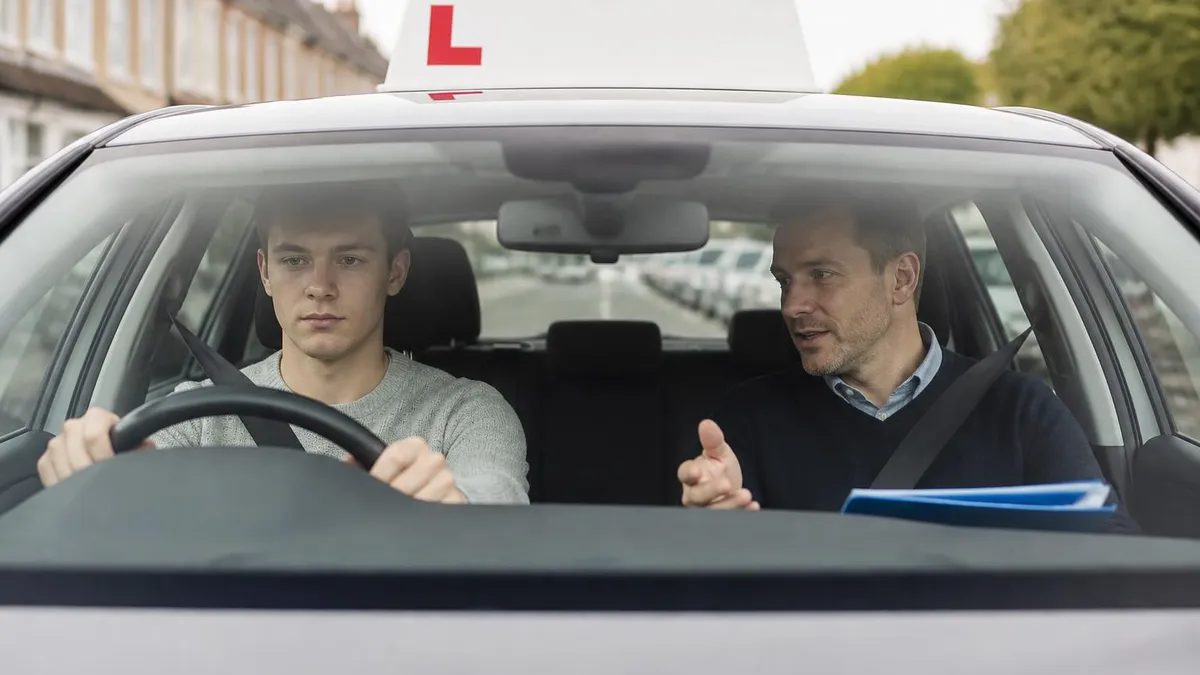
Official DVSA Fees at a Glance
The two tests every car learner must pass are the theory test and the practical test, and they are priced and booked separately. The theory test costs a flat £23 regardless of the day or time you sit it. It is delivered at a Pearson VUE test centre and combines 50 multiple-choice questions with a hazard perception video section. Because the price never changes, there is no point in trying to book a cheaper slot — the only way to save money here is to pass first time and avoid paying the £23 again for a resit.
The practical test is where the day and time matter financially. A standard weekday test taken Monday to Friday during normal daytime hours costs £62. The same test booked for an evening, a weekend or a bank holiday costs £75 — a £13 premium for the convenience of testing outside working hours. Many people happily pay extra to avoid taking a day off work or college, but if your schedule is flexible, choosing a weekday slot is an easy way to keep £13 in your pocket.
It is worth understanding that you must pass the theory test before you are allowed to book the practical test. Your theory pass certificate is valid for two years, and this two-year window is strictly enforced. If you do not pass your practical test within those two years, your theory certificate expires and you must pay the £23 again to retake it. Thousands of learners fall into this trap each year, effectively throwing money away because they delayed booking lessons. The DVSA Car Practical Test is the final hurdle, and timing your two tests sensibly protects your budget.
For most learners, the theory test is the first official expense after buying their provisional licence. Because it is comparatively cheap and can be retaken quickly, some people treat it casually — but every failed attempt is another £23 and another wait for an appointment. With proper revision using the official Highway Code and free practice question banks, the vast majority of well-prepared candidates clear it on their first try, keeping the cost to a single £23 payment.
The practical test fee covers the examination itself and the examiner's time, but it does not include the car you drive in. Most candidates use their driving instructor's dual-control vehicle, which usually means paying for the instructor's time on the day too. This is one of those hidden extras we explore later, and it can quietly add £60 or more to what feels like a £62 test. Always clarify with your instructor exactly what their test-day rate includes before you book.
Comparing the two tests directly, the theory is cheaper, quicker to rebook and entirely knowledge-based, while the practical is more expensive, harder to rebook at short notice, and dependent on real driving skill built up over many lessons. Budgeting for both from the very start of your learning journey stops either one from becoming an unwelcome surprise, and it encourages you to prepare properly so each fee only ever has to be paid once.
DVSA Practice Test Questions
Prepare for the DVSA - UK Driving Theory Test exam with our free practice test modules. Each quiz covers key topics to help you pass on your first try.
DVSA Eco-Friendly Driving and Vehicle Loading
DVSA Exam Questions covering Eco-Friendly Driving and Vehicle Loading. Master DVSA Test concepts for certification prep.
DVSA Hazard Awareness
Free DVSA Practice Test featuring Hazard Awareness. Improve your DVSA Exam score with mock test prep.
DVSA Incidents, Accidents and First Aid
DVSA Mock Exam on Incidents, Accidents and First Aid. DVSA Study Guide questions to pass on your first try.
DVSA Motorway Rules and Smart Motorways
DVSA Test Prep for Motorway Rules and Smart Motorways. Practice DVSA Quiz questions and boost your score.
DVSA Rules of the Road (Highway Code)
DVSA Questions and Answers on Rules of the Road (Highway Code). Free DVSA practice for exam readiness.
DVSA - UK Driving Theory Hazard Awareness ...
DVSA Mock Test covering - UK Driving Theory Hazard Awareness and Perception. Online DVSA Test practice with instant feedback.
DVSA - UK Driving Theory Motorway Rules an...
Free DVSA Quiz on - UK Driving Theory Motorway Rules and Regulations. DVSA Exam prep questions with detailed explanations.
DVSA - UK Driving Theory Road and Traffic ...
DVSA Practice Questions for - UK Driving Theory Road and Traffic Signs. Build confidence for your DVSA certification exam.
DVSA - UK Driving Theory Rules of the Road
DVSA Test Online for - UK Driving Theory Rules of the Road. Free practice with instant results and feedback.
Theory and Practical Test Costs Explained
The car theory test costs a fixed £23 and is the same price seven days a week, so there is no cheaper or more expensive time to sit it. The fee covers both the 50 multiple-choice questions and the hazard perception video clips, which you must pass in a single sitting. You book it directly through the official GOV.UK service using your provisional licence number.
If you fail, there is no partial refund and no discount on a resit — you simply pay another £23 and wait for the next available appointment, usually within a few days. There is also a mandatory three working day gap before you can take it again, so failing costs both money and time.
Booking Directly With DVSA vs Using a Third-Party Site
- +Booking direct on GOV.UK charges only the official fee with no markup
- +You see the genuine £23, £62 or £75 price with full transparency
- +Changes and cancellations are handled free within the notice window
- +Your booking links straight to your provisional licence number
- +No risk of losing money to a fake or unofficial reseller
- +Official confirmation emails come directly from the DVSA
- −Third-party sites add booking fees of £10 to £40 on top
- −Some unofficial sites mimic the GOV.UK look to appear legitimate
- −Refunds from resellers can be slow, partial or refused
- −Cancellation terms on third-party bookings are often worse
- −Personal data may be shared with marketing companies
- −You may struggle to amend a booking made through a middleman
Pros and Cons at a Glance
| Pros | Cons |
|---|---|
| Booking direct on GOV.UK charges only the official fee with no markup | Some unofficial sites mimic the GOV.UK look to appear legitimate |
| Changes and cancellations are handled free within the notice window | Refunds from resellers can be slow, partial or refused |
| Your booking links straight to your provisional licence number | Cancellation terms on third-party bookings are often worse |
| No risk of losing money to a fake or unofficial reseller | Personal data may be shared with marketing companies |
| Official confirmation emails come directly from the DVSA | You may struggle to amend a booking made through a middleman |
Money-Saving Checklist for Driving Test Costs
- ✓Apply for your provisional licence online for £34, not £43 by post.
- ✓Book both tests only through the official GOV.UK website.
- ✓Avoid third-party booking sites that add unnecessary fees.
- ✓Choose a weekday practical slot to save £13 over weekends.
- ✓Pass your theory test before the practical to avoid expiry resits.
- ✓Book your practical within the two-year theory validity window.
- ✓Revise with free online practice tests to pass first time.
- ✓Confirm exactly what your instructor's test-day car hire includes.
- ✓Give at least ten full working days' notice to change a practical test booking (Saturdays count).
- ✓Take a mock test before booking to confirm you are truly ready.
Every retest is a fee you never needed to pay
A failed practical test does not just cost another £62 or £75 — it usually means weeks of extra lessons at £35–£40 each while you wait for a new slot. The single biggest way to control your total driving cost is to only sit each test when you are genuinely ready, and that comes from thorough preparation rather than rushing to book.
Beyond the official DVSA fees, several hidden costs catch learners by surprise, and being aware of them upfront helps you build a realistic budget. The largest of these is car hire for the practical test. Because you cannot legally drive to or take the test unaccompanied on a provisional licence, most candidates use their instructor's dual-control car. Instructors typically charge for the test-day session, which can mean paying for two hours of their time — often £60 to £80 — on top of the £62 examination fee, effectively doubling what you expected to pay that day.
The next significant hidden expense is driving lessons themselves, which dwarf the test fees entirely. The DVSA suggests most learners need around 45 hours of professional lessons plus 22 hours of private practice. At an average UK rate of £35 per hour, that is over £1,500 in tuition alone. This is why the question of how much driving tests cost is slightly misleading — the tests are cheap, but reaching test standard is where the real money goes, and it varies enormously between individuals.
Then there are the scam and reseller websites. A worrying number of unofficial sites rank high in search results and look almost identical to the genuine GOV.UK booking service. They charge inflated fees, sometimes £40 or more above the official price, for simply forwarding your booking. Some take your money and provide nothing at all. Always check that the web address ends in gov.uk before entering any payment details, and never trust a site that asks for unusual extra charges.
Resit fees are another budget drain that many underestimate. If you fail the theory you pay another £23; if you fail the practical you pay another £62 or £75. With current waiting times for practical tests stretching to several months in many areas, a single fail can delay your licence significantly and rack up more lesson costs while you wait. Preparing properly with realistic mock tests is the cheapest insurance against this scenario you can buy.
Cancellation and rescheduling charges trip up even careful learners. The DVSA requires at least ten full working days' notice to move or cancel a practical test without losing the fee (Saturdays count as working days; only Sundays and bank holidays don't). If illness, a family emergency or a vehicle problem forces a last-minute cancellation, you forfeit the entire amount. Reading the cancellation rules before you commit to a date, and avoiding booking around uncertain periods, can save you the full price of a test you never even sat.
Finally, do not forget the provisional licence itself, which is a prerequisite before any of this begins. Applying online costs £34, while a postal application costs £43 — so the digital route saves you £9 for the same document. You also need to be at least 17 to drive a car, hold the licence before your first lesson, and meet the eyesight standard. These are small sums individually, but they all add up, and accounting for every one of them gives you the true total cost of learning to drive.
Only book your theory and practical tests through the official GOV.UK service. Scam and reseller sites add fees of up to £40 and may not be genuine. Always check the web address ends in gov.uk before entering any card details, and never pay more than the official £23, £62 or £75 fee.
Budgeting properly for your driving licence means looking at the whole journey rather than just the two test fees. Start by listing the fixed costs: £34 for an online provisional licence, £23 for the theory test, and £62 to £75 for the practical. These add up to between roughly £119 and £132 in unavoidable government fees if you pass everything first time. Treat this as your baseline, then layer the variable costs of lessons and practice on top to reach a realistic total figure for your personal circumstances.
Lessons are the dominant cost and the hardest to predict, because the number you need depends heavily on your age, natural aptitude and how much private practice you can get. A 17-year-old with regular practice in a family car may need fewer paid lessons than an adult learning entirely from scratch with no off-test driving time. Budgeting for the DVSA-recommended 45 hours at £35 each gives a sensible planning figure of around £1,575, which you can adjust up or down as your confidence grows.
If you want to compress the timeline, an intensive driving course with test bundles lessons and the practical examination into one or two weeks. These courses can cost £900 to £1,800 depending on hours included, and they sometimes work out cheaper per hour than weekly lessons spread over many months. They suit people who learn quickly and can dedicate full days, but they are not ideal for nervous beginners who benefit from time to absorb skills between sessions.
Whichever route you choose, build a small contingency into your budget for the possibility of a resit. Even capable learners can have an off day, and waiting lists mean a fail can be expensive in lost time as well as fees. Setting aside an extra £100 to £150 from the outset means that if you do need a second practical attempt, it is an inconvenience rather than a financial crisis that stalls your progress entirely.
It also helps to spread payments sensibly across the months you are learning. Pay for your provisional and theory test early, then book the practical only once your instructor confirms you are at test standard. Booking the practical too soon, in the hope of motivating yourself, often backfires — you either pay to reschedule or sit a test you are not ready for. Letting your readiness drive the booking, rather than an arbitrary date, is the most cost-effective strategy by far.
Finally, remember that the cheapest possible route to a licence is simply to be well prepared at every stage. Free online practice tests, thorough study of the Highway Code, and honest mock exams cost nothing but reduce the risk of paying twice for either test. The learners who spend the least overall are almost always the ones who treated preparation seriously, sat each test only when genuinely ready, and avoided the avoidable fees that catch out the unprepared.
With the costs clear, the smartest thing you can do is prepare in a way that protects your money, and that begins with the theory test. Use the free official-style practice question banks repeatedly until you are consistently scoring well above the pass mark of 43 out of 50. Pair this with focused hazard perception practice, since the video clips trip up many candidates who have memorised the multiple-choice answers but never trained their eye to spot developing hazards early enough to score points.
For the practical test, the single best value preparation is a proper mock test conducted by your instructor on the actual roads near your test centre. Many centres have known tricky junctions, roundabouts and manoeuvre spots, and a good instructor will deliberately practise these with you. Treating a mock exactly like the real thing — independent driving section, sat-nav portion and all — reveals whether you are genuinely ready or whether booking now would simply mean paying for a fail.
Time your booking to match your readiness rather than the calendar. It is tempting to lock in a date for motivation, but with waiting lists long in many regions, you want to book only when your instructor agrees you are close to test standard. If you book early, keep an eye on the cancellation checker tools that find earlier slots, but never bring a test forward unless you are confident you can pass it on that date.
On test day itself, arrive early, bring both parts of your licence if applicable, and make sure the car you are using is taxed, insured, roadworthy and displaying L-plates. A test can be cancelled and the fee forfeited over something as small as a faulty brake light or a missing mirror. Your instructor will normally check the car beforehand, but it is your money on the line, so a quick confirmation that everything is in order is always worthwhile.
Manage your nerves with preparation rather than last-minute cramming. Confidence on the day comes from knowing you have driven the manoeuvres successfully dozens of times, not from a frantic morning of revision. Eat properly, get a good night's sleep, and remind yourself that the examiner wants safe, sensible driving — not perfection. Minor faults are allowed, and understanding the difference between a minor and a serious fault helps you stay calm if you make a small mistake mid-test.
Above all, keep the bigger financial picture in mind. Each test fee is modest compared with the lessons behind it, so anything that improves your chance of a first-time pass is money well spent. Free practice tests, honest mock exams and a sensible booking strategy together form the cheapest, most reliable path to a full licence. Prepare thoroughly, book when ready, and the £23 and £62 fees become one-off payments rather than recurring expenses that quietly inflate your total cost.
Sample DVSA UK Driving Theory Practice Questions
Try these questions from our free DVSA UK Driving Theory practice tests. The correct answer and an explanation follow each question.
During a 'show me' question on a practical driving test, the examiner asks you to demonstrate how you would check that the brake lights are working. What is the correct procedure?
- A. Switch on the ignition, turn on the hazard lights, and walk around the car.
- B. Operate the brake pedal and check for a warning light on the dashboard.
- C. Operate the brake pedal and use reflections in windows or ask someone to help check.
- D. Pump the brake pedal several times to see if the pressure feels correct.
Answer: C. Operate the brake pedal and use reflections in windows or ask someone to help check.
The correct way to check the brake lights is to operate the brake pedal while making use of reflections in windows, garage doors, or other vehicles, or by asking another person to stand at the rear of the vehicle to confirm they are lit.
You have just bought a brand-new car. When will it need its first MOT test?
- A. On the first anniversary of its registration.
- B. After it has been driven 12,000 miles.
- C. On the third anniversary of its registration.
- D. When the manufacturer's warranty expires.
Answer: C. On the third anniversary of its registration.
A new car in the UK does not require an MOT test until the third anniversary of its first registration date. After this, it must be tested annually.
You are towing a trailer that is loaded unevenly with too much weight at the rear. What is most likely to happen?
- A. The outfit will be more stable than normal
- B. The trailer may sway or snake, making it difficult to control
- C. Fuel consumption will improve
- D. The front wheels of the towing vehicle will have better grip
Answer: B. The trailer may sway or snake, making it difficult to control
Rear-heavy trailer loading shifts weight off the towing vehicle's rear axle, causing instability and a risk of dangerous snaking or jack-knifing.
You are driving on a country road at 50 mph. How much distance should you allow for thinking distance alone?
- A. 9 metres (30 feet)
- B. 12 metres (40 feet)
- C. 15 metres (50 feet)
- D. 18 metres (60 feet)
Answer: C. 15 metres (50 feet)
At 50 mph, the thinking distance is approximately 15 metres (50 feet). A useful rule of thumb is that thinking distance in feet roughly equals your speed in mph — so at 50 mph, thinking distance is about 50 feet (15 metres).
DVSA Questions and Answers

DVSA Car Practical Test: Complete Guide to Passing First Time
How to Change Theory Test Date: Complete DVSA Rebooking Guide for 2026
Learn to Drive UK: The Complete 2026 Beginner's Guide to Lessons, Tests and Licence Success
Intensive Driving Course With Test: Complete UK Guide to Fast-Track Your Licence in 2026

Hazard Perception Pass Mark: The Complete UK Guide to Scoring 44/75 in 2026
About the Author
Licensed Driving Instructor & DMV Test Specialist
Penn State UniversityRobert J. Williams graduated from Penn State University with a degree in Transportation Management and has spent 20 years as a certified driving instructor and DMV examiner consultant. He has personally coached thousands of applicants through written knowledge tests, skills assessments, and commercial driver licensing programs across more than 30 states.