
How to Use GOV.UK to Book Your Driving Test: Complete Guide for UK Learners 2026
Learn how to use gov.uk book driving test service step by step. Costs, tips, rescheduling, and what to prepare before your DVSA test date. ❓
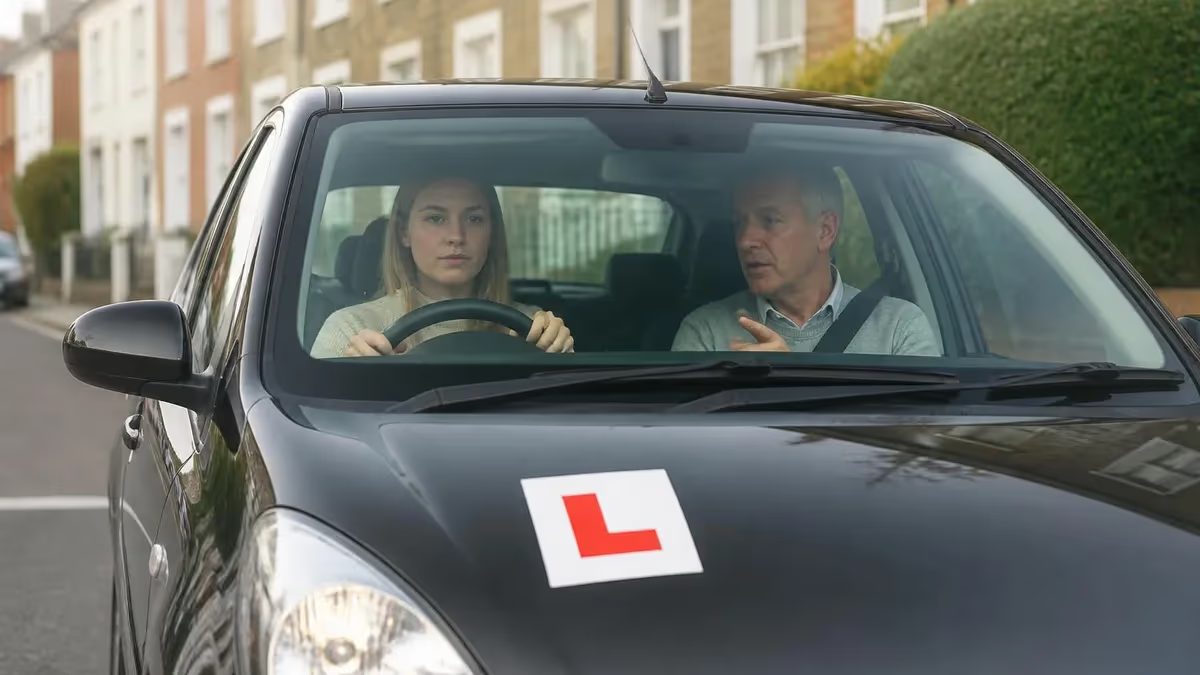
Using the gov.uk book driving test service is the official, safest, and most straightforward way to secure your DVSA test date in England, Scotland, or Wales. Whether you are booking a theory test or a practical driving test, GOV.UK provides a single centralised portal managed directly by the Driver and Vehicle Standards Agency. Millions of learner drivers use this service every year, and understanding how it works from the very beginning can save you time, money, and considerable stress during an already demanding period of your learning journey. Practice with the free DVSA UK Driving Theory practice test on PracticeTestGeeks (7 questions with answer explanations).
The GOV.UK booking system replaced older, more fragmented methods of securing test slots and is now the only officially sanctioned online route for learner drivers in Great Britain. Northern Ireland uses a separate system run by the DVA, so this guide applies specifically to drivers learning in England, Scotland, or Wales. The platform is accessible on desktop, tablet, and mobile devices, meaning you can check availability and confirm your slot from almost anywhere, at any time of day or night without waiting for a call centre to open.
One of the most common anxieties among learner drivers is simply not knowing where to start. The GOV.UK portal removes much of that uncertainty by walking you through each stage sequentially. You will need your UK driving licence number and, for the theory test, your personal details to match your licence record. Having these details ready before you begin saves considerable back-and-forth and reduces the chance of errors that could delay your booking confirmation or, in the worst case, lead to a rejected payment.
It is worth understanding the two distinct tests that most learner car drivers must pass before obtaining a full licence: the theory test and the practical driving test. These are separate bookings made through GOV.UK, and importantly, your theory test pass certificate — valid for two years — must be obtained before you can sit the practical. Many learners make the mistake of trying to book the practical before passing the theory, only to find their practical booking is refused or cancelled if the theory certificate lapses during the waiting period for a practical slot.
Test centre availability varies enormously depending on where you live, the time of year, and how far in advance you are willing to plan. Urban test centres such as those in London, Manchester, and Birmingham are frequently booked out several weeks in advance, while rural centres sometimes have slots available within days. The GOV.UK system allows you to view availability at multiple centres simultaneously, which means flexible candidates who can travel a short distance may find earlier appointments by simply widening their search radius beyond their nearest centre.
Costs are a significant consideration for any learner driver, and it is important to use only the official GOV.UK service to avoid paying inflated prices to third-party booking agencies. These agencies often charge booking fees on top of the DVSA's official rates and have no additional powers to secure you a faster or better slot than you could find yourself.
The official theory test fee is currently £23 for car drivers, while the practical test costs £62 on a weekday or £75 on evenings, weekends, and bank holidays. Paying through GOV.UK ensures your money goes directly to the DVSA and that your booking is valid and fully protected.
Understanding the full landscape of the booking process — from eligibility requirements through to what happens if you need to cancel or reschedule — gives you a significant advantage as a learner driver. This guide covers every stage in depth, drawing on the latest DVSA guidance and real-world experience of the GOV.UK booking system. Whether you are booking your first theory test or returning for a second attempt at the practical, you will find clear, actionable advice across every section below.
Free DVSA UK Driving Theory Study Tools
Interactive DVSA UK Driving Theory resources on PracticeTestGeeks, free to start:
- DVSA UK Driving Theory flashcards — review key terms and concepts card by card
- DVSA UK Driving Theory study guide — topic-by-topic overview of what the exam covers
- DVSA UK Driving Theory cheat sheet — one-page printable summary for last-minute review
GOV.UK Driving Test Booking by the Numbers
Key Facts at a Glance
| Item | Value | Details |
|---|---|---|
| Theory Test Fee | £23 | Official DVSA rate via GOV.UK |
| Weekday Practical Fee | £62 | Car driving test, England/Scotland/Wales |
| Theory Pass Certificate Validity | 2 Years | Must pass practical before it expires |
| Typical Booking Wait Time | 3–10 Weeks | Varies by region and test centre |
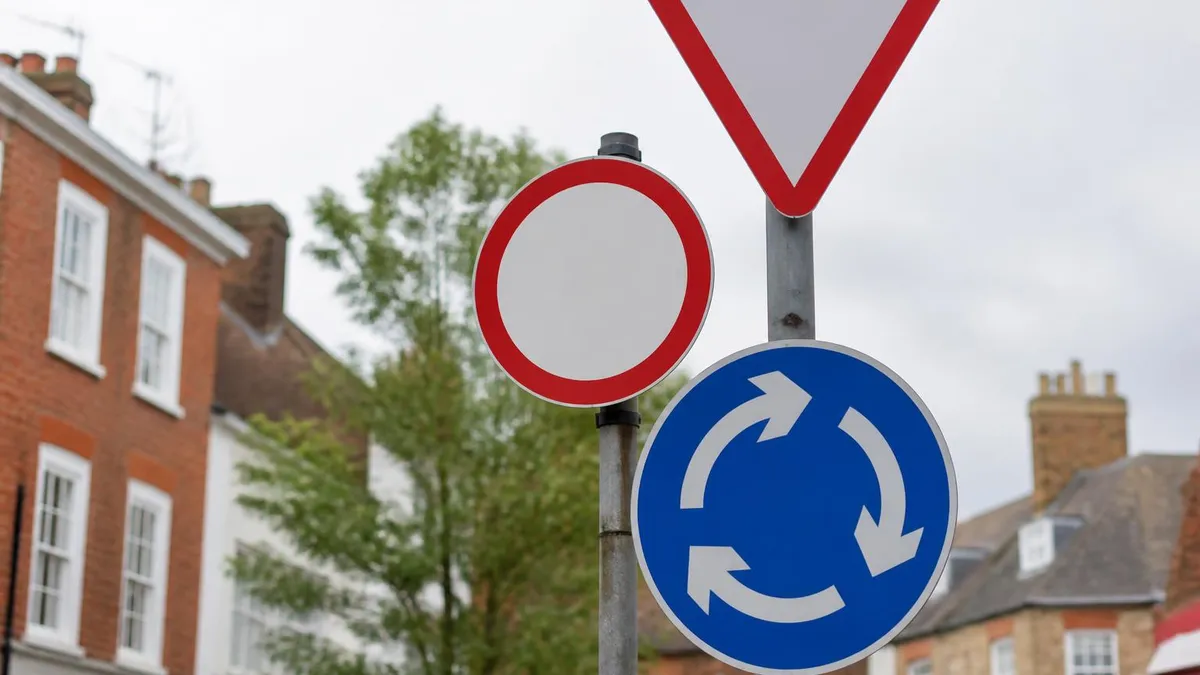
Step-by-Step: How to Book Your Driving Test on GOV.UK
Go to the Official GOV.UK Booking Page
Enter Your Driving Licence Number
Choose Your Test Type and Centre
Select Your Preferred Date and Time
Provide Contact and Special Requirements
Pay and Confirm Your Booking
Understanding exactly what you will pay and why is one of the most practically useful parts of navigating the DVSA booking system. The official fees set by the DVSA are kept deliberately modest to ensure cost is not a prohibitive barrier to obtaining a driving licence, but they do vary depending on the type of test and when you choose to sit it.
For the theory test, all car licence applicants pay the same flat rate of £23 regardless of which test centre they attend or what time of day they book. This consistency makes the theory test particularly straightforward from a financial planning perspective.
The practical driving test carries a two-tier pricing structure based on when the test takes place. Standard weekday slots between 8 am and 4 pm cost £62, while evening, weekend, and bank holiday slots are priced at £75.
The higher rate for out-of-hours testing reflects the additional staffing costs borne by the DVSA, and it is worth factoring this into your planning, particularly if you are working or studying and find it difficult to attend during standard hours. Some learners actively choose premium slots because test centres are sometimes quieter, with lighter traffic and less congestion around the test centre itself, which can reduce anxiety.
Special requirements such as additional time allowances for candidates with certain disabilities or specific learning difficulties do not attract an additional charge. The DVSA is legally required under the Equality Act 2010 to make reasonable adjustments at no extra cost to the candidate. If you need an interpreter for the theory test, you must arrange this yourself, and the DVSA provides a list of approved interpreter services. Note that the interpreter must hold a current DBS check and will not be permitted to assist with answering questions — their role is strictly translation of language, not content.
A critical consideration regarding payment is the strict no-refund policy if you fail to attend your test without giving sufficient notice. If you cancel or reschedule at least 10 full working days before your theory test appointment, or 10 full working days before your practical appointment, you receive a full refund or can move the booking at no additional cost.
Miss that window and you forfeit the entire fee. 10 full working days means business days only — weekends and bank holidays do not count, so if your test is on a Monday, you need to reschedule by the Wednesday of the previous week at the very latest.
Third-party booking agencies represent one of the most persistent traps for unwary learners. A quick internet search for terms related to booking a driving test returns numerous sponsored results from agencies claiming to simplify the process or find earlier slots. These services typically charge between £10 and £30 on top of the official DVSA fee simply for making the same booking you could do yourself in five minutes on GOV.UK.
Some even market so-called slot monitoring services for a recurring monthly fee, promising to alert you when cancellations appear. While the basic concept is legal, the fees are entirely avoidable since the GOV.UK system allows you to set up your own alerts through the official waiting list feature.
Payment security on GOV.UK is handled through the government's official payment infrastructure, which means your card details are processed to the same security standards as any major bank. You should see the GOV.UK domain clearly in your browser's address bar throughout the booking process.
If you are ever redirected to a different domain during what you believed was an official GOV.UK booking journey, stop immediately and close the browser tab. Fraudulent booking sites mimicking GOV.UK do exist and have been reported to Trading Standards on multiple occasions. The only legitimate starting point for a driving test booking is the GOV.UK website itself.
Once your payment clears and your booking is confirmed, the DVSA sends a confirmation email within minutes. This email contains your test reference number, which you should keep safe as it is needed if you ever need to reschedule, cancel, or contact the DVSA about your booking. Some learners choose to print a hard copy as a backup. You do not need to present the confirmation at the test centre — the examiner will have your details on their system — but having your reference number available can help resolve any administrative queries quickly on the day.
DVSA Practice Test Questions
Prepare for the DVSA - UK Driving Theory Test exam with our free practice test modules. Each quiz covers key topics to help you pass on your first try.
DVSA Eco-Friendly Driving and Vehicle Loading
DVSA Exam Questions covering Eco-Friendly Driving and Vehicle Loading. Master DVSA Test concepts for certification prep.
DVSA Hazard Awareness
Free DVSA Practice Test featuring Hazard Awareness. Improve your DVSA Exam score with mock test prep.
DVSA Incidents, Accidents and First Aid
DVSA Mock Exam on Incidents, Accidents and First Aid. DVSA Study Guide questions to pass on your first try.
DVSA Motorway Rules and Smart Motorways
DVSA Test Prep for Motorway Rules and Smart Motorways. Practice DVSA Quiz questions and boost your score.
DVSA Rules of the Road (Highway Code)
DVSA Questions and Answers on Rules of the Road (Highway Code). Free DVSA practice for exam readiness.
DVSA - UK Driving Theory Hazard Awareness ...
DVSA Mock Test covering - UK Driving Theory Hazard Awareness and Perception. Online DVSA Test practice with instant feedback.
DVSA - UK Driving Theory Motorway Rules an...
Free DVSA Quiz on - UK Driving Theory Motorway Rules and Regulations. DVSA Exam prep questions with detailed explanations.
DVSA - UK Driving Theory Road and Traffic ...
DVSA Practice Questions for - UK Driving Theory Road and Traffic Signs. Build confidence for your DVSA certification exam.
DVSA - UK Driving Theory Rules of the Road
DVSA Test Online for - UK Driving Theory Rules of the Road. Free practice with instant results and feedback.
Choosing Your Test Centre, Date and Slot on GOV.UK
The GOV.UK booking tool displays all available DVSA test centres within a radius of your postcode. Each centre listing shows its address, accessibility features, and available slot dates. Urban centres like London Chiswick or Manchester Didsbury fill up quickly, often showing waits of six to ten weeks, while smaller towns and rural centres frequently have openings within two to three weeks. Checking multiple nearby centres simultaneously is the most effective way to find an earlier date without committing to a very long commute.
Once you have identified a preferred centre, the system displays a rolling calendar of available morning, afternoon, and — where applicable — evening slots. Slots shown in green are fully available; slots in amber may indicate limited availability. If no slots appear for your preferred centre within the booking window, use the official waiting list feature to receive an automatic notification when a cancellation appears. This is free to use and considerably more reliable than paying a third-party monitoring service to do the same thing on your behalf.
Booking Directly via GOV.UK: Pros and Cons
- +Completely free to use — no booking fees beyond the official DVSA test fee
- +Fully secure government payment infrastructure protects your card details
- +Instant email confirmation with reference number sent within minutes of booking
- +Access to the official DVSA waiting list for earlier cancellation slots at no extra cost
- +Ability to check availability at multiple test centres simultaneously with one search
- +Fully accessible on mobile, tablet, and desktop — book from anywhere at any time
- −High-demand urban centres regularly show waits of six to ten weeks for available slots
- −No telephone booking option available — online only, which can be a barrier for some learners
- −The 10 full working days cancellation window is strict; missing it forfeits the full fee
- −Waiting list notifications are time-sensitive and easy to miss without regular inbox monitoring
- −System can time out during busy periods, forcing you to restart the booking process from scratch
- −No support for group or bulk bookings — each learner must book individually through their own account
GOV.UK Driving Test Booking Checklist
- ✓Locate your full 16-character UK driving licence number before starting the booking form.
- ✓Confirm your theory test pass certificate is valid (less than two years old) before booking the practical.
- ✓Check test centre availability at three or more nearby centres to find the earliest slot.
- ✓Decide whether a weekday (cheaper) or weekend (more flexible) slot suits your schedule.
- ✓Register on the official DVSA waiting list immediately after booking to catch earlier cancellations.
- ✓Complete payment using a debit or credit card directly on the GOV.UK portal — never pay a third party.
- ✓Save or print your booking confirmation email and note your test reference number.
- ✓Ensure your contact email and phone number are accurate so DVSA reminders reach you.
- ✓Mark the 10 full working days cancellation deadline in your calendar in case plans change.
- ✓Inform your driving instructor of your test date and centre so they can plan final lessons accordingly.
Register for the Waiting List the Same Day You Book
The single most effective way to secure an earlier test date is to join the DVSA's official waiting list the moment you confirm your booking. Approximately 10–15% of booked driving tests are cancelled by other candidates, and those slots are released through the waiting list system first — for free, before reappearing in the general booking calendar. Candidates who register immediately consistently secure dates two to four weeks earlier than their original slot.
Rescheduling and cancellations are a normal part of the driving test journey for many learners. Life is unpredictable — illness, a change in work schedule, or simply feeling unprepared can all prompt a legitimate need to move your test date. The good news is that the GOV.UK system handles rescheduling with relative ease, provided you act within the correct timeframes. The fundamental rule is that you must give at least 10 full working days' notice before your test if you want a full refund or a free reschedule. Clear working days excludes weekends and bank holidays, so always count carefully.
To reschedule, log back into the GOV.UK booking system using your driving licence number and booking reference. The interface presents your current booking with options to change the date, change the test centre, or cancel entirely. If you choose to change the date and a cheaper slot category is available, any price difference is refunded to your original payment card.
Conversely, if you move from a weekday slot to an evening or weekend slot, you will be charged the difference before the new booking is confirmed. The entire process takes only a few minutes online and does not require calling the DVSA.
Candidates who discover they cannot attend on the day of the test due to sudden illness face a particularly difficult situation. The DVSA does make exceptions for genuine emergencies such as hospitalisation, but these exceptions must be supported by documentary evidence and are handled on a case-by-case basis. Submitting a late cancellation request without evidence will almost certainly result in forfeiture of the fee. If you are unwell on the morning of your test, contact the DVSA as early as possible and gather whatever documentation you can, such as a same-day GP appointment record, to support a refund request.
Repeat cancellations can also create practical complications beyond the financial loss. If the DVSA identifies a pattern of repeated last-minute cancellations from a single candidate, it reserves the right to require advance payment of additional tests or, in extreme cases, to flag the account for administrative review. This is rare in practice, but it underscores the importance of only booking when you have a realistic expectation of attending. Many driving instructors advise their pupils not to book the practical test until they are consistently passing mock tests, which reduces the temptation to cancel at short notice through lack of readiness.
If your theory test pass certificate is approaching its two-year expiry and you have not yet passed the practical, you face an urgent situation requiring immediate action. A lapsed theory certificate invalidates any existing practical booking and requires you to pass the theory again before a new practical can be booked.
The DVSA does not grant extensions to the two-year validity period under any circumstances, even in cases of significant personal hardship. If your certificate expires within the next two months and you have not yet passed the practical, prioritise rescheduling your practical test to a date well within the validity window.
It is also worth understanding what happens when a test is cancelled by the DVSA rather than by you. This can occur due to examiner illness, severe weather, industrial action, or technical problems at the test centre. In these cases, the DVSA contacts you as quickly as possible, typically by email, and offers a free reschedule or a full refund.
You are not required to accept the next available slot offered and can choose any available date and centre that suits you. However, if you are rescheduled to a date you cannot attend, you must respond to the DVSA's communication promptly to avoid the slot being reallocated to another candidate.
Keeping your GOV.UK account details current is the single most important administrative task between booking and test day. If your email address changes, your phone number changes, or you move house and your licence address needs updating, you should address these changes promptly. An outdated email address means DVSA communications — including your reschedule notification if an examiner is unavailable — will not reach you. Updating your DVLA driving licence address is a separate process from updating your DVSA test booking contact details, and both may need attention depending on your specific circumstances.

If you need to cancel or reschedule your DVSA driving test, you must give at least 10 full working days' notice. Weekends and bank holidays do not count as working days. Miss this window and you will lose your entire test fee — there are no automatic refunds for late cancellations except in documented medical emergencies. Mark your cancellation deadline in your calendar the moment you confirm your booking.
Once your test is booked through GOV.UK, the weeks and days leading up to the appointment represent your most valuable preparation window. Many learners make the error of treating booking confirmation as the end of active preparation rather than the beginning of a focused final phase. Research by driving examiners consistently shows that candidates who maintain a structured study and practice routine in the four to six weeks before their test perform significantly better than those who study intermittently or reduce practice time after booking.
For the theory test specifically, your preparation should cover all fourteen topic areas assessed in the multiple-choice section, as well as dedicated practice for the hazard perception component, which many candidates underestimate. The multiple-choice section comprises 50 questions drawn from a bank of around 700 official DVSA questions, and you need to answer at least 43 correctly to pass.
The hazard perception section presents 14 video clips in which you must identify developing hazards, scoring points for early identification. A candidate who scores zero on any single hazard perception clip automatically fails the entire theory test, regardless of their multiple-choice score.
Your driving instructor is your most important resource in the final weeks before your practical test. Ask them to run full mock driving tests — 38 to 40 minutes of independent driving with an examiner-style commentary — at least three or four times before the real appointment.
This builds the mental endurance required to maintain concentration for the full duration of the test and helps normalise the experience of driving while being assessed. Research shows that candidates who complete at least three mock tests with their instructor in the month before the real assessment pass at a significantly higher rate than those who do not.
Knowing your test route in advance is both legal and sensible, and the DVSA publishes approved test routes for all major test centres on GOV.UK. Driving these routes during lessons in the weeks before your test helps you become familiar with specific junctions, roundabouts, road layouts, and any known challenging sections. Examiners do not always follow the exact published routes — they may vary based on traffic conditions — but covering the published routes gives you confidence in the local environment and removes a major source of test-day anxiety.
On the day of your theory test, arrive at least ten minutes early to allow time to sign in, store your belongings, and settle before the test begins. You must bring your UK photocard driving licence; a passport is no longer accepted as a primary identifier at the theory test centre. If you forget your licence, you will not be admitted and will forfeit your test fee.
Mobile phones and smart watches must be switched off and stored in a locker before entering the test room. Calculators and notes are not permitted under any circumstances, and attempts to use unauthorised aids will result in immediate test termination and a potential DVSA ban from future bookings.
For the practical driving test, the requirements are similar but with additional vehicle-related considerations. Your vehicle must be roadworthy, properly insured for a driving test (check your policy, as some learner driver policies exclude test scenarios), and fitted with a working interior mirror from which the examiner can observe the road ahead.
You must also ensure the vehicle has valid MOT and road tax if applicable. Arriving in an unroadworthy vehicle results in an automatic test failure and loss of fee, with no exceptions. If you are using your instructor's car, confirm with them that all documents and vehicle checks are in order well before test day.
The independent driving section, introduced in 2017, now lasts approximately 20 minutes and forms a substantial portion of the 38 to 40 minute test. During this section, you will follow either sat-nav directions or road signs without step-by-step instruction from the examiner.
If you take a wrong turn, this does not automatically count as a fault — the examiner is assessing your ability to drive safely and independently, not to navigate perfectly. Remaining calm, continuing to drive safely, and self-correcting your route is exactly what examiners want to see, and candidates who handle a wrong turn composedly often still achieve a pass.
Final preparation in the 48 hours before your driving test is as much about mental readiness as it is about technical skill. Most experienced driving instructors recommend a relatively light final lesson the day before the practical test — enough to stay sharp but not so intense that fatigue sets in.
Spending the evening before your theory test doing last-minute cramming can actually be counterproductive if it disrupts your sleep. Cognitive performance, reaction time, and the ability to recall information under pressure are all measurably worse after poor sleep, and a rested candidate who studied consistently over several weeks will outperform an exhausted candidate who crammed the night before.
Route planning to your test centre is something many candidates overlook until the last moment. Use an up-to-date mapping tool to check journey time and factor in additional buffer time for traffic, parking, and finding the correct entrance to the test centre. Some test centres are located in industrial estates or shared buildings where signage can be confusing on a first visit.
Arriving flustered and rushed is one of the most avoidable causes of poor early test performance — the first two to three minutes of a practical test, when nerves are highest, account for a disproportionate number of driver errors, so arriving calm and composed is genuinely valuable.
Nutrition and hydration matter more than most learners appreciate. Driving tests require sustained concentration over 38 to 40 minutes for the practical or 57 minutes for the theory, and blood sugar dips during the test can noticeably impair focus.
A balanced meal two to three hours before the test — not immediately before, which can cause drowsiness — and adequate hydration throughout the morning gives your brain the stable energy it needs. Avoid excessive caffeine, which can increase anxiety and hand tremors, both of which are unhelpful when you are trying to demonstrate controlled steering and smooth gear changes to an examiner.
After your test, regardless of the result, take time to review your examiner's feedback thoughtfully. If you pass, note any driving faults recorded on your test result sheet — these are areas to continue developing as a newly qualified driver, particularly in the first six months when newly qualified drivers face the highest accident risk.
If you do not pass, the examiner will explain each fault clearly. The most common causes of practical test failure in the UK are observations at junctions, mirrors before manoeuvres, moving off safely, and positioning on the road. Understanding specifically which of these contributed to your test result helps you and your instructor design a targeted improvement plan before rebooking.
Rebooking after a test failure is done through exactly the same GOV.UK process as the original booking. There is no penalty or waiting period imposed by the DVSA between attempts — you can rebook immediately after receiving your result if slots are available. However, most experienced instructors advise at least two to four additional weeks of targeted practice addressing the specific faults from the failed test before sitting again.
Rebooking too quickly without addressing underlying issues is one of the most common reasons candidates fail two or three consecutive tests, resulting in significantly more cost and time than a slightly longer preparation period would have required.
The broader driving licence journey encompasses far more than just the booking and test process. Understanding the requirements for a full Great Britain licence, the restrictions that apply during your first two years of driving, and the available advanced driving courses that can reduce insurance premiums and improve safety awareness helps you plan beyond your initial test.
The DVSA offers the Pass Plus scheme as a structured post-test improvement programme, and many insurers offer premium discounts to newly qualified drivers who complete it. Planning for post-test development before you even sit your first attempt reflects the kind of long-term thinking that tends to produce safer, more confident drivers.
Ultimately, the GOV.UK driving test booking service is a reliable, transparent, and user-friendly system that gives every learner driver in England, Scotland, and Wales equal access to official DVSA test appointments. Using it correctly — booking early, joining the waiting list, understanding the cancellation rules, and preparing thoroughly between booking and test day — gives you the best possible foundation for a successful result.
The preparation you invest in the weeks before your test date is the single factor most strongly correlated with first-time pass success, and the GOV.UK booking process exists to make the administrative side of that journey as frictionless as possible.
For a fuller set of questions on this topic, see our gov.uk book driving test resource.
You can continue preparing with the gov.uk book driving test, which includes answer explanations for every question.
For a fuller set of questions on this topic, see our gov.uk book driving test resource.
Sample DVSA UK Driving Theory Practice Questions
Try these questions from our free DVSA UK Driving Theory practice tests. The correct answer and an explanation follow each question.
What colour are direction signs on primary routes (most A-roads) in the UK?
- A. Blue
- B. White
- C. Green
- D. Brown
Answer: C. Green
Primary route signs use a green background with white text, indicating A-roads and major through routes.
What is the maximum overhang allowed at the rear of a load on a UK vehicle before a marker board is required?
- A. 1 metre
- B. 2 metres
- C. 3 metres
- D. 4 metres
Answer: B. 2 metres
In the UK, a rear overhang exceeding 2 metres must be indicated by a marker board to warn following drivers of the projection.
Under the Highway Code hierarchy of road users, who bears the greatest responsibility for the safety of others?
- A. Pedestrians
- B. Cyclists
- C. Drivers of large vehicles
- D. All road users equally
Answer: C. Drivers of large vehicles
The 2022 Highway Code update introduced a hierarchy of road users. Those who can cause the greatest harm (drivers of large vehicles, then car drivers) bear the greatest responsibility to reduce the danger they pose to more vulnerable road users.
You are approaching a bend and see a warning sign for ice. What should you do?
- A. Brake firmly before entering the bend and accelerate through it
- B. Reduce speed well before the bend and avoid harsh braking, steering, or acceleration
- C. Maintain your current speed as modern tyres handle ice well
- D. Use your handbrake to slow down on the bend
Answer: B. Reduce speed well before the bend and avoid harsh braking, steering, or acceleration
When there is ice, you should reduce speed well in advance using engine braking and gentle braking. Any sudden inputs — braking, accelerating, or steering — on ice can cause a loss of control. Slow down before the bend, not during it.
DVSA Questions and Answers
DVLA Theory Test Booking: Complete Step-by-Step Guide for UK Learners
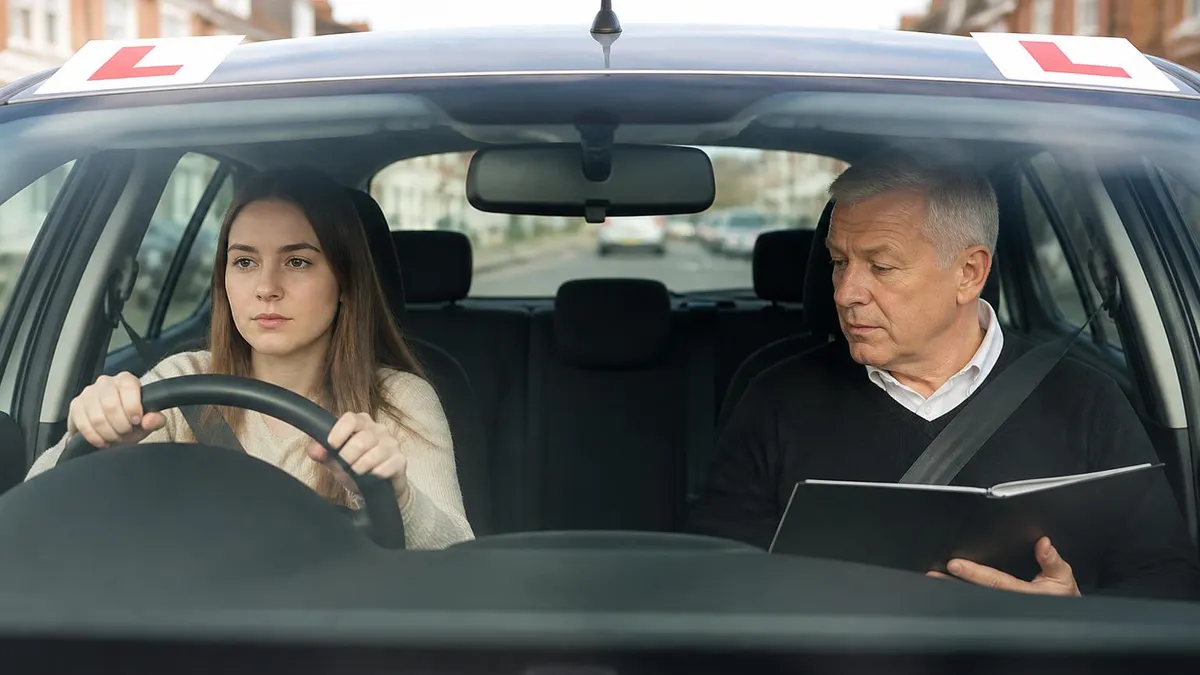
Driving Theory Test App: The Complete Study Guide for UK Learners
How to Book Your DVSA Practical Driving Test: Complete UK Guide

Learn to Drive in the UK: Complete Beginner's Guide to Getting Your Licence

DVSA Car Practical Test: Complete Guide to Passing First Time
About the Author
Licensed Driving Instructor & DMV Test Specialist
Penn State UniversityRobert J. Williams graduated from Penn State University with a degree in Transportation Management and has spent 20 years as a certified driving instructor and DMV examiner consultant. He has personally coached thousands of applicants through written knowledge tests, skills assessments, and commercial driver licensing programs across more than 30 states.